



Search News
Industry Portal
Popular Tags
What Drives Railway Signal Control Systems Pricing in New Rail Projects?
Author
Time
Click Count
Why do prices vary so much between railway signal control systems?
Because buyers are rarely comparing the same scope.
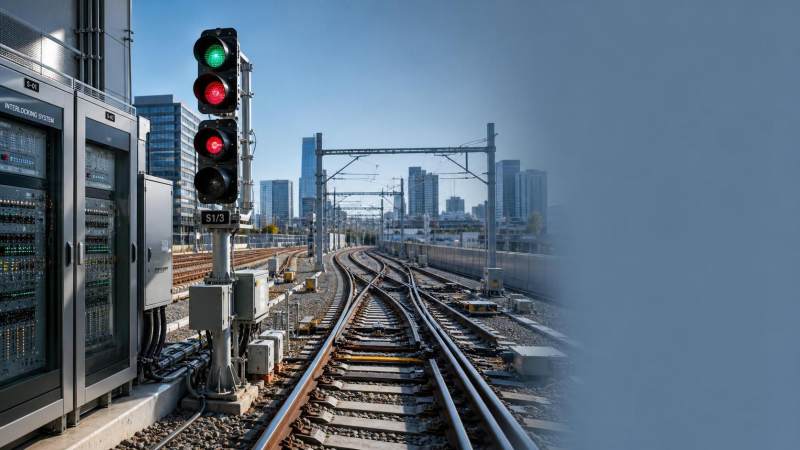
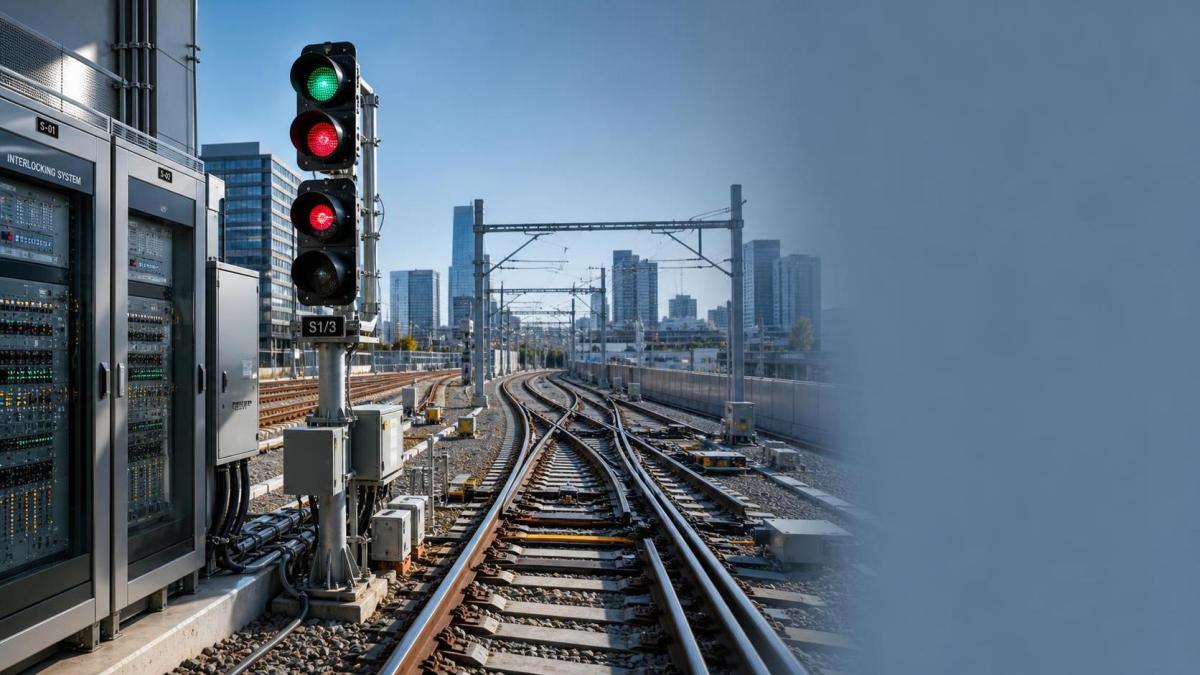
In new rail projects, railway signal control systems pricing is shaped by far more than cabinets, controllers, and wayside devices. The real cost sits inside the safety architecture, route logic, control philosophy, interface count, testing burden, and long-term maintainability. A short urban line with conventional signaling and limited depot integration will be priced very differently from a high-density corridor that needs SIL4 functions, centralized traffic control, remote diagnostics, and future driverless readiness.
Procurement teams usually run into trouble when they treat signaling as a hardware package. It is closer to a safety-critical system engineering package with software, field installation, validation, documentation, and interface management built into the bill. That is why two bids can look close in equipment count and still land far apart in total price.
Which parts of the scope have the biggest impact on cost?
The highest-impact cost drivers are usually the ones that increase system logic, safety validation, and integration effort, not just physical quantity.
- Interlocking complexity: More routes, switches, crossings, and operational rules mean more application engineering, testing, and commissioning.
- Level of automation: Automatic route setting, ATO-related interfaces, centralized supervision, and unattended operations add software scope and assurance effort.
- Line topology: Junctions, depots, turnback zones, mixed traffic, and phased extensions cost more than a simple end-to-end alignment.
- Interface count: Power, telecom, rolling stock, platform screen doors, SCADA, ATS, PSD, and legacy systems all add engineering hours and test cases.
- Safety compliance requirements: Higher safety integrity expectations increase design review, evidence packages, verification, and independent assessment effort.
- Site conditions: Tunnels, harsh climate, difficult access, restricted possessions, and local installation constraints can push up both equipment protection needs and labor cost.
When reviewing bids, ask each supplier to separate hardware, software/application engineering, factory testing, site testing, commissioning, safety documentation, training, spares, and warranty support. Without that breakdown, price comparison is mostly guesswork.
Does SIL4 automatically make the system expensive?
Not by itself, but it pushes cost upward through process discipline.
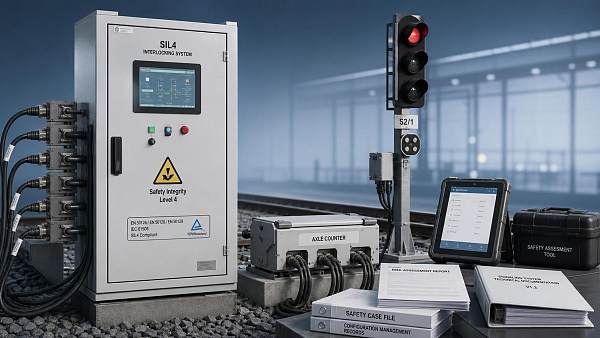
For procurement, the practical point is this: a safety-critical architecture demands stricter design control, traceability, verification, failure analysis, and documentation. The price effect often shows up in engineering and approval work rather than in obvious hardware differences. A bid may look expensive because it includes a full safety case structure, independent verification activities, and formal validation records. Another bid may appear cheaper simply because those items are hidden, excluded, or pushed to later variation orders.
So the right question is not “Is SIL4 expensive?” It is “Which safety assurance tasks are included in the supplier’s price, and which are not?” That question saves more money than arguing over unit prices.
How much does network size matter compared with operating complexity?
Operating complexity usually changes price faster than route length alone.
A longer line with repetitive station design and limited operational exceptions can be more economical per kilometer than a shorter network with junctions, depot access, crossovers, mixed service patterns, and heavy headway demands. Buyers sometimes expect linear pricing: twice the track, twice the cost. Signaling rarely behaves that neatly.
A useful procurement check is to compare the following design variables, not just line length:
What hidden items usually cause budget overruns after contract award?
Three items show up again and again: interfaces, testing, and change control.
Interfaces become expensive when the employer’s requirements say “to be integrated with” but do not define protocol ownership, document availability, simulator responsibility, or who pays when the other subsystem is late. Signaling suppliers price risk when interface boundaries are vague.
Testing is another common blind spot. Factory acceptance testing, site integration testing, trial running, safety validation, and fault recovery scenarios all consume time, specialist labor, and possession windows. If the tender documents only mention commissioning in broad terms, suppliers will make different assumptions and bids will be impossible to compare fairly.
Then there is change control. Platform layout updates, point machine substitutions, telecom redesign, power room relocation, and revised operating rules can all trigger software and safety-document revisions. In signaling, late changes are rarely cheap. Buyers should define a baseline design freeze date and require a priced variation mechanism before award.
Is the lowest bid usually a bad idea?
Not always. But the lowest compliant-looking bid deserves the hardest commercial and technical reading.
A low number can come from genuine advantages such as local manufacturing, a standardized platform, strong in-house software tools, or an existing approved architecture. It can also come from exclusions buried in assumptions, reduced spare parts, thin documentation, limited training, short warranty support, or optimistic interface responsibilities pushed onto the buyer or EPC contractor.
A practical evaluation method is to score bids against a normalized commercial scope. Ask every bidder to respond line by line on the same items:
- Included subsystems and excluded subsystems
- Application engineering limits
- Interface assumptions
- Testing and commissioning scope
- Safety assurance deliverables
- Spares, tools, training, and warranty terms
- Cybersecurity, remote diagnostics, and software support obligations
If you do not normalize the scope, procurement is comparing arithmetic, not value.
Which tender documents matter most when asking for accurate pricing?
Suppliers price uncertainty. Better documents usually produce tighter, more comparable bids.
At minimum, the pricing package should let bidders understand the operating concept, asset quantities, interfaces, and acceptance path. These are the documents procurement teams should verify before issuing the request for proposal:
- Operational concept or service plan
- Track layout and signaling principles
- List of interfaces with responsibility matrix
- Employer’s technical requirements and performance targets
- Preliminary testing and commissioning strategy
- Cybersecurity and telecom assumptions where relevant
- Documentation and training requirements
- Spare parts philosophy and maintenance support expectations
If one or more of those documents is still immature, say so explicitly and request priced assumptions. That makes later negotiations much cleaner.
Do lifecycle costs matter more than purchase price?
For many projects, yes. A signaling package that is cheaper on day one can become more expensive through maintenance burden, software support dependency, spare part complexity, and upgrade difficulty.
Procurement teams should look beyond capex and ask a few blunt questions. How often will specialist support be needed? Are diagnostic tools included? Is software change management tied tightly to one vendor? Are critical modules standardized or highly customized? Can local maintenance teams be trained effectively, or will every non-routine issue require external attendance?
Those answers affect total ownership cost just as much as initial railway signal control systems pricing. The cheapest bid may still be the right one, but only if its support model, spare philosophy, and upgrade path are understood in commercial terms.
How should buyers handle local content, standards, and market differences?
Treat them as price drivers early, not as late procurement conditions.
Local assembly rules, approved supplier lists, language requirements for documentation, environmental hardening, and owner-specific signaling practices can all alter engineering effort or supply-chain cost. The same platform can be priced differently across markets simply because the approval route, installation practice, or documentation format changes.
The clean way to manage this is to separate three buckets in the tender: global base scope, country or authority-specific requirements, and optional local-content obligations. If those are blended together in narrative text, suppliers will interpret them differently and the pricing gap will widen for the wrong reasons.
What are the most common procurement mistakes when evaluating signaling costs?
A few mistakes show up repeatedly.
- Comparing total bid price without checking scope alignment
- Underestimating depot, interface, and migration complexity
- Assuming software and safety documentation are minor add-ons
- Leaving test responsibilities vague
- Ignoring spare parts, tools, and long-term software support
- Allowing design changes after award without a disciplined variation process
None of these mistakes look dramatic during tender issue. They become expensive during commissioning.
What is a sensible way to judge whether a quoted price is reasonable?
Start with scope completeness, then test the assumptions behind the number.
A reasonable price is not simply one that fits the budget. It is one that matches the actual operational complexity, includes the required safety and integration work, and leaves limited room for avoidable claims later. Procurement should ask bidders to identify their top pricing assumptions in writing and tie each one to a tender document, drawing, interface note, or testing requirement. When assumptions cannot be traced, risk is sitting somewhere in the quote.
If you need one practical rule, use this: do not buy signaling on hardware counts alone. Buy it on defined operational scope, proven integration responsibility, and lifecycle support clarity. That is what turns railway signal control systems pricing from a negotiation problem into a controllable project decision.
Recommended News
 Sep 24, 2026When should rail operators upgrade to CBTC-based railway automation systems?Railway automation systems: learn when CBTC upgrades deliver capacity, resilience and safer operations—and how to plan a phased, low-risk migration.
 Sep 12, 2026How automatic train control reduces the risk of signal overrunsAutomatic train control reduces signal overrun risk with continuous speed supervision, braking curves, fail-safe responses, and stronger rail safety assurance.
 Sep 02, 2026How to choose train control equipment for signaling reliabilityTrain control equipment for signaling: learn how to assess safety, reliability, interfaces, cybersecurity, and lifecycle support for resilient railway operations.
 Aug 17, 2026When does upgrading railway signaling systems improve line capacity?Railway signaling systems improve line capacity when headways, junction recovery, and service stability become the real bottlenecks. Learn the signs and best upgrade path.
 Aug 04, 2026What Drives Railway Signal Control Systems Pricing in New Rail Projects?Railway signal control systems pricing depends on scope, SIL4 safety, interfaces, testing, and lifecycle support. Learn the real cost drivers to compare bids and avoid overruns.
 Aug 02, 2026How to Evaluate Train Control Systems for Mainline Capacity and SafetyTrain control systems for mainline demand more than feature comparisons. Learn how to assess capacity, safety, interoperability, degraded modes, and migration before you shortlist.
 Jul 31, 2026How to Evaluate a SIL4 Signalling Equipment Exporter for Safety Compliance and Project RiskSIL4 signalling equipment exporter evaluation starts with evidence, not claims. Learn how to verify safety compliance, project risk, integration capability, and lifecycle support.
 Jul 10, 2026SIL4 Signalling Systems: Key Safety Functions and Integration RisksSIL4 signalling systems explained: explore key safety functions, integration risks, and practical evaluation criteria to verify real-world railway reliability.
 Jul 08, 2026Automatic Train Control Fail Safe: Core Design Checks That MatterAutomatic train control fail safe explained: learn the core design checks for braking priority, fault detection, communication integrity, and safer rail system performance.
 Jul 06, 2026Train Control Equipment ETCS: Key Functions, Levels, and Deployment DifferencesTrain control equipment ETCS explained: explore key functions, ETCS levels, deployment differences, and evaluation risks to support smarter rail upgrade and procurement decisions.
 Jun 28, 2026Rail Signalling North America: Standards and Upgrade Priorities in 2026Rail signalling North America in 2026: explore key standards, cyber risks, and upgrade priorities shaping safer, smarter, higher-capacity rail networks.
 Jun 25, 2026How to Compare Railway Control Systems for Safer Network UpgradesRailway control systems comparison made practical: learn how to assess safety, migration risk, interoperability, and supplier capability for smarter, safer network upgrades.
 Jun 24, 2026Railway Automation Systems Standards in 2026: What Is Changing?Railway automation systems in 2026 face stricter standards in safety, cybersecurity, interoperability, and compliance. Discover what is changing and how projects can stay competitive.
 Jun 22, 2026Rail Signalling Basics: Common Failure Points and Safety Upgrade PrioritiesRail signalling basics explained: discover common failure points, risk-based safety upgrade priorities, and practical steps to improve reliability, compliance, and network performance.
 Jun 20, 2026LTE-M Rail Transit: Where It Fits Better Than Legacy WirelessLTE-M rail transit explained: discover where it outperforms legacy wireless in rail monitoring, low-power devices, and scalable telemetry for smarter, cost-efficient operations.
 Jun 16, 2026LTE-M Rail Transit: What to Check Before DeploymentLTE-M rail transit deployment starts with the right checks. Learn how to evaluate coverage, latency, handovers, cybersecurity, and system integration before rollout.
 Jun 15, 2026How to Evaluate Railway Control Components for Safer Signaling UpgradesRailway control components shape signaling safety, uptime, and integration success. Learn how to evaluate compatibility, SIL, resilience, and lifecycle fit before your next upgrade.
 Jun 12, 2026Railway Automation Systems: Key Standards and Performance ChecksRailway automation systems explained through key standards, SIL checks, interoperability, diagnostics, and lifecycle risks—discover how to compare solutions with confidence.
 Jun 10, 2026Railway Control Components: What Matters Most in System SelectionRailway control components selection affects safety, interoperability, and lifecycle cost. Discover the key criteria for choosing resilient rail systems with confidence.
 Jun 08, 2026Rail Signalling vs CBTC: What Matters for Network UpgradesRail signalling vs CBTC: learn what matters for network upgrades, from capacity and interoperability to automation, lifecycle cost, and safer long-term performance.
 Jun 03, 2026LTE-M Rail Transit: When It Fits Signaling, Monitoring, and Field OperationsLTE-M rail transit can strengthen signaling support, asset monitoring, and field operations—learn where it fits, what to test, and how GTOT helps reduce deployment risk.
 Jun 01, 2026Railway Signal Control Systems: CBTC or Interlocking?Railway signal control systems are evolving fast. Compare CBTC and interlocking to assess safety, capacity, cybersecurity, and lifecycle value for smarter rail upgrades.
 May 31, 2026Railway Safety Technology: When CBTC Adds Real ValueRailway safety technology gains real value with CBTC when it improves headway, SIL4 safety, resilience, and lifecycle performance across complex rail scenarios.
 May 23, 2026LTE-M Rail Transit: Where It Fits Best in 2026LTE-M rail transit in 2026: discover where it fits best for low-power monitoring, asset visibility, and cost-efficient rail digitalization across stations, depots, and trackside systems.