



Search News
Industry Portal
Popular Tags
Railway Automation Systems: Key Standards and Performance Checks
Author
Time
Click Count
Why do railway automation systems depend so heavily on standards?
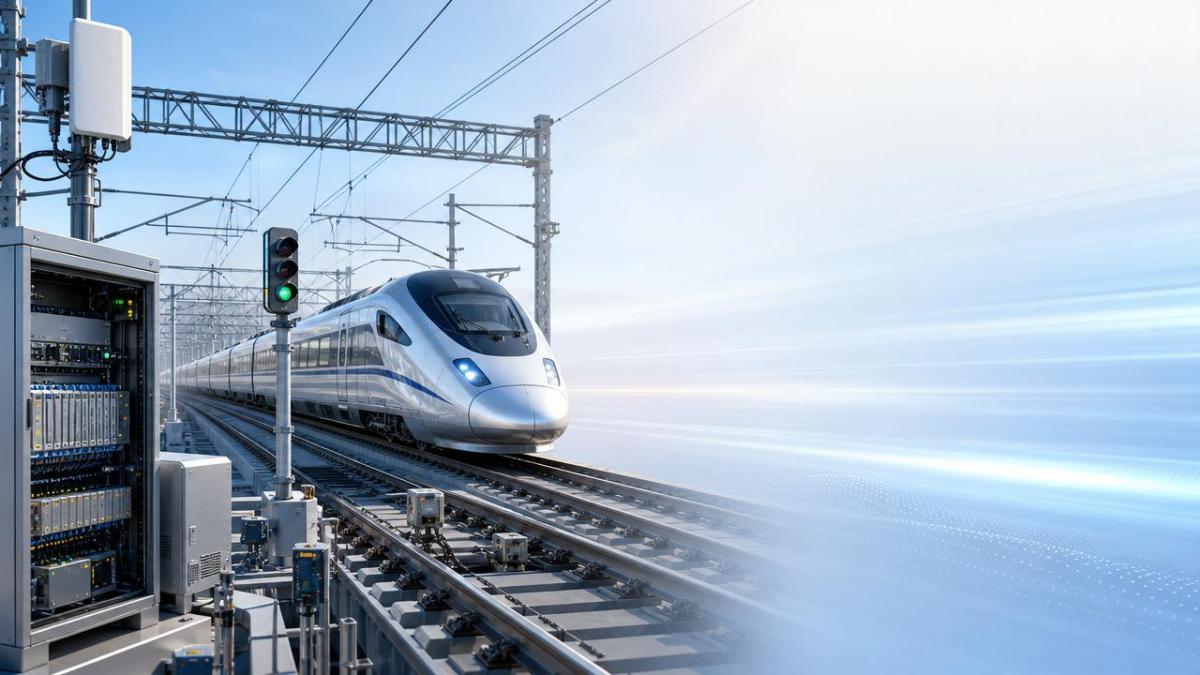
Railway automation systems look digital on the surface, but their value is proven by disciplined engineering rules underneath.
That is why standards matter more than feature lists. They define how safety, availability, and interoperability are built and verified.
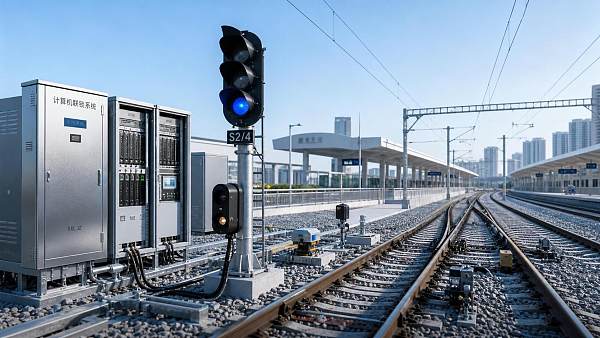
In practical terms, a modern rail network cannot rely on software logic alone. It must align hardware, control architecture, diagnostics, and field behavior.
For railway automation systems, the real question is not whether automation exists. The question is whether it performs predictably under pressure.
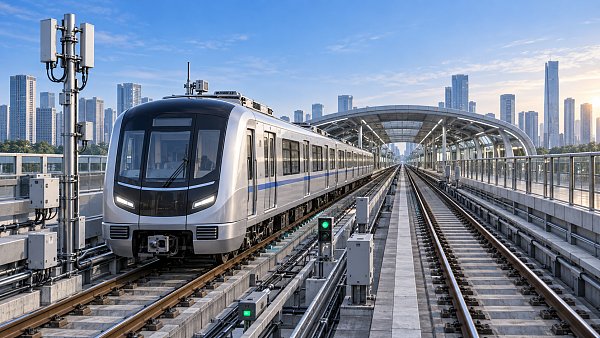
This matters even more in high-density corridors, driverless metro lines, and high-speed operations where timing margins are narrow.
GTOT often tracks this from a wider transport perspective. The same discipline used in rail signalling also appears in smart vessels and safety-critical marine controls.
Across land and sea, dependable automation is never just about intelligence. It is about verified behavior, traceable risk control, and lifecycle evidence.
Which standards usually sit at the center of a serious evaluation?
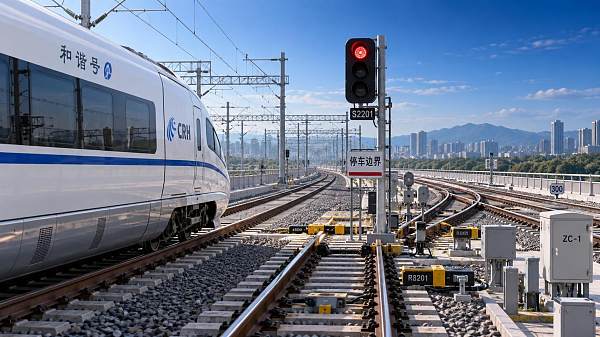
Most evaluations of railway automation systems begin with the CENELEC framework, especially EN 50126, EN 50128, and EN 50129.
These standards are frequently read together, not separately, because they cover the full chain from lifecycle planning to software assurance and safety case evidence.
EN 50126 focuses on RAMS. That means reliability, availability, maintainability, and safety across the whole system lifecycle.
EN 50128 deals with software for railway control and protection. It asks how code is developed, reviewed, tested, and traced to hazards.
EN 50129 addresses safety-related electronic systems and the safety case needed for approval of signalling applications.
Many projects also consider IEC 61508, especially when judging functional safety concepts or supplier maturity in broader industrial automation.
For interoperable networks, ETCS and related ERA specifications become important. They affect train control logic, communication behavior, and migration planning.
Cybersecurity is no longer a side note either. IEC 62443 is increasingly relevant when railway automation systems are connected to remote maintenance and networked diagnostics.
A useful check is to see whether these standards are treated as a connected assurance system, not as isolated certificates.
What performance checks reveal whether railway automation systems are actually dependable?
Certification creates a baseline, but performance checks show whether railway automation systems hold up in realistic operating conditions.
A common mistake is to focus only on nominal functionality. Reliable evaluation goes further and stresses abnormal, degraded, and recovery scenarios.
The most valuable checks usually include:
- Fail-safe response time during communication loss, sensor mismatch, or interlocking conflict.
- Diagnostic coverage, including how quickly faults are detected, isolated, and reported.
- Redundancy switching behavior under processor, power, or network failure.
- Interface stability between signalling, traction, braking, and supervisory control layers.
- Environmental endurance under temperature shifts, vibration, EMC stress, and moisture exposure.
- Lifecycle maintainability, including patch control, spare support, and fault log usability.
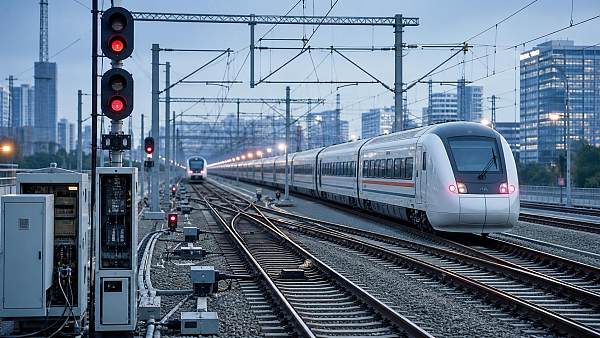
In actual projects, integration checks often expose more risk than component tests. A subsystem may pass in isolation and still fail in system timing.
This is especially true where pantograph dynamics, braking response, and signalling logic affect each other during high-speed operation.
GTOT follows these cross-domain interactions closely because transport automation rarely behaves like a single-box product. It behaves like an ecosystem.
How do you judge SIL claims, interoperability, and diagnostics without getting lost in paperwork?
This is where many reviews become document-heavy but insight-light. A cleaner method is to test three claims against operational evidence.
Are SIL claims tied to the exact application?
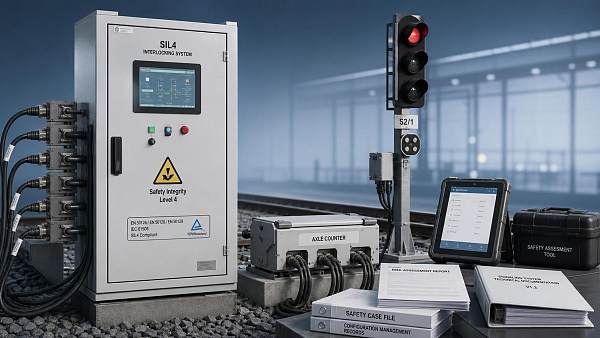
A SIL4 label sounds decisive, but it only matters if the claimed safety integrity matches the final architecture and intended duty.
Check assumptions, failure rates, proof conditions, and excluded operating modes. Safety claims without boundary conditions are incomplete.
Does interoperability work beyond the lab?
Railway automation systems often promise open integration, but field interoperability depends on timing, protocol handling, and version control.
Look for evidence from mixed-vendor environments, legacy interfaces, and staged migration conditions rather than clean demonstration setups.
Are diagnostics usable, not just available?
A long fault list is not the same as diagnostic quality. Good diagnostics shorten isolation time and reduce unnecessary service interruption.
More useful indicators include event correlation, false alarm rate, log clarity, and the ability to support predictive maintenance decisions.
When these three areas line up, railway automation systems usually show stronger long-term performance than systems judged by certificates alone.
Where do evaluations most often go wrong?
The biggest risk is treating compliance as proof of readiness. Compliance matters, but deployment success depends on context, interfaces, and maintenance reality.
Several blind spots appear again and again:
- Assuming factory acceptance tests represent real traffic density and degraded modes.
- Ignoring update governance for software revisions and cybersecurity patches.
- Overlooking maintainability metrics while focusing only on safety integrity.
- Accepting interoperability claims without mixed-platform test evidence.
- Missing supply chain constraints for boards, communication modules, or certified replacements.
A related issue is short horizon thinking. Railway automation systems may stay in service for decades, while digital components change far faster.
That gap makes obsolescence planning essential. A strong evaluation asks what happens after commissioning, not only before it.
In wider transport industries, GTOT sees the same pattern in smart ships and LNG carriers. Long-life assets need assurance that remains valid after technology refresh cycles.
What is a practical way to compare railway automation systems before a final decision?
A practical comparison starts with a short decision framework. It keeps the review technical, comparable, and resistant to marketing language.
This kind of comparison makes railway automation systems easier to judge across safety, performance, and long-term support.
It also helps align rail decisions with broader infrastructure logic, where resilience and digital continuity matter as much as initial capability.
What should be reviewed next before moving from evaluation to implementation?
At this stage, the goal is to turn technical findings into a structured implementation decision.
Start by mapping the target operating environment. Traffic density, train mix, communication architecture, and maintenance conditions all influence the right choice.
Then verify whether the selected railway automation systems have evidence for those exact conditions, not just adjacent use cases.
It is also worth reviewing lifecycle exposure. Check update control, spare strategy, cybersecurity maintenance, and integration responsibilities between suppliers.
The strongest decisions usually come from combining standards review with scenario-based testing and a realistic support model.
For organizations following transport technology more broadly, GTOT provides useful context because rail automation increasingly connects with wider digital infrastructure trends.
If the next step is comparison, build a checklist around safety case quality, interoperability proof, diagnostics, lifecycle support, and migration risk.
That approach keeps railway automation systems under a practical lens: not just compliant, but dependable in the network they must actually serve.
Recommended News
 Sep 24, 2026When should rail operators upgrade to CBTC-based railway automation systems?Railway automation systems: learn when CBTC upgrades deliver capacity, resilience and safer operations—and how to plan a phased, low-risk migration.
 Sep 12, 2026How automatic train control reduces the risk of signal overrunsAutomatic train control reduces signal overrun risk with continuous speed supervision, braking curves, fail-safe responses, and stronger rail safety assurance.
 Sep 02, 2026How to choose train control equipment for signaling reliabilityTrain control equipment for signaling: learn how to assess safety, reliability, interfaces, cybersecurity, and lifecycle support for resilient railway operations.
 Aug 17, 2026When does upgrading railway signaling systems improve line capacity?Railway signaling systems improve line capacity when headways, junction recovery, and service stability become the real bottlenecks. Learn the signs and best upgrade path.
 Aug 04, 2026What Drives Railway Signal Control Systems Pricing in New Rail Projects?Railway signal control systems pricing depends on scope, SIL4 safety, interfaces, testing, and lifecycle support. Learn the real cost drivers to compare bids and avoid overruns.
 Aug 02, 2026How to Evaluate Train Control Systems for Mainline Capacity and SafetyTrain control systems for mainline demand more than feature comparisons. Learn how to assess capacity, safety, interoperability, degraded modes, and migration before you shortlist.
 Jul 31, 2026How to Evaluate a SIL4 Signalling Equipment Exporter for Safety Compliance and Project RiskSIL4 signalling equipment exporter evaluation starts with evidence, not claims. Learn how to verify safety compliance, project risk, integration capability, and lifecycle support.
 Jul 10, 2026SIL4 Signalling Systems: Key Safety Functions and Integration RisksSIL4 signalling systems explained: explore key safety functions, integration risks, and practical evaluation criteria to verify real-world railway reliability.
 Jul 08, 2026Automatic Train Control Fail Safe: Core Design Checks That MatterAutomatic train control fail safe explained: learn the core design checks for braking priority, fault detection, communication integrity, and safer rail system performance.
 Jul 06, 2026Train Control Equipment ETCS: Key Functions, Levels, and Deployment DifferencesTrain control equipment ETCS explained: explore key functions, ETCS levels, deployment differences, and evaluation risks to support smarter rail upgrade and procurement decisions.
 Jun 28, 2026Rail Signalling North America: Standards and Upgrade Priorities in 2026Rail signalling North America in 2026: explore key standards, cyber risks, and upgrade priorities shaping safer, smarter, higher-capacity rail networks.
 Jun 25, 2026How to Compare Railway Control Systems for Safer Network UpgradesRailway control systems comparison made practical: learn how to assess safety, migration risk, interoperability, and supplier capability for smarter, safer network upgrades.
 Jun 24, 2026Railway Automation Systems Standards in 2026: What Is Changing?Railway automation systems in 2026 face stricter standards in safety, cybersecurity, interoperability, and compliance. Discover what is changing and how projects can stay competitive.
 Jun 22, 2026Rail Signalling Basics: Common Failure Points and Safety Upgrade PrioritiesRail signalling basics explained: discover common failure points, risk-based safety upgrade priorities, and practical steps to improve reliability, compliance, and network performance.
 Jun 20, 2026LTE-M Rail Transit: Where It Fits Better Than Legacy WirelessLTE-M rail transit explained: discover where it outperforms legacy wireless in rail monitoring, low-power devices, and scalable telemetry for smarter, cost-efficient operations.
 Jun 16, 2026LTE-M Rail Transit: What to Check Before DeploymentLTE-M rail transit deployment starts with the right checks. Learn how to evaluate coverage, latency, handovers, cybersecurity, and system integration before rollout.
 Jun 15, 2026How to Evaluate Railway Control Components for Safer Signaling UpgradesRailway control components shape signaling safety, uptime, and integration success. Learn how to evaluate compatibility, SIL, resilience, and lifecycle fit before your next upgrade.
 Jun 12, 2026Railway Automation Systems: Key Standards and Performance ChecksRailway automation systems explained through key standards, SIL checks, interoperability, diagnostics, and lifecycle risks—discover how to compare solutions with confidence.
 Jun 10, 2026Railway Control Components: What Matters Most in System SelectionRailway control components selection affects safety, interoperability, and lifecycle cost. Discover the key criteria for choosing resilient rail systems with confidence.
 Jun 08, 2026Rail Signalling vs CBTC: What Matters for Network UpgradesRail signalling vs CBTC: learn what matters for network upgrades, from capacity and interoperability to automation, lifecycle cost, and safer long-term performance.
 Jun 03, 2026LTE-M Rail Transit: When It Fits Signaling, Monitoring, and Field OperationsLTE-M rail transit can strengthen signaling support, asset monitoring, and field operations—learn where it fits, what to test, and how GTOT helps reduce deployment risk.
 Jun 01, 2026Railway Signal Control Systems: CBTC or Interlocking?Railway signal control systems are evolving fast. Compare CBTC and interlocking to assess safety, capacity, cybersecurity, and lifecycle value for smarter rail upgrades.
 May 31, 2026Railway Safety Technology: When CBTC Adds Real ValueRailway safety technology gains real value with CBTC when it improves headway, SIL4 safety, resilience, and lifecycle performance across complex rail scenarios.
 May 23, 2026LTE-M Rail Transit: Where It Fits Best in 2026LTE-M rail transit in 2026: discover where it fits best for low-power monitoring, asset visibility, and cost-efficient rail digitalization across stations, depots, and trackside systems.