



Search News
Industry Portal
Popular Tags
Railway Automation Systems: What to Compare Before Adoption
Author
Time
Click Count
Before adopting railway automation systems, comparison must go beyond brochures, price sheets, and headline performance claims. The right platform shapes safety, punctuality, capacity, maintenance workload, and future upgrade options.
In complex transport environments, railway automation systems must fit signaling logic, traction behavior, braking response, cybersecurity policy, and network expansion plans. A weak evaluation process can lock operations into costly limits.
This guide explains what to compare before adoption. It focuses on safety integrity, interoperability, lifecycle cost, scalability, maintenance efficiency, and implementation risk across modern rail networks.
What should railway automation systems be expected to control?
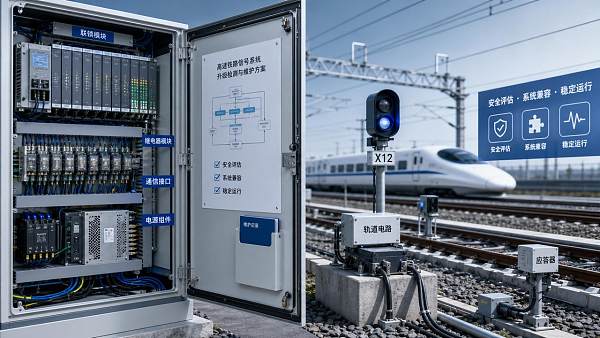
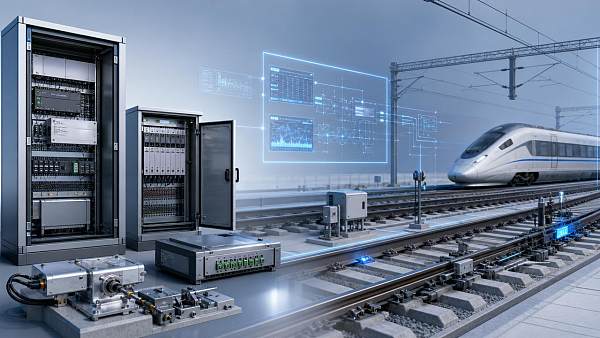
Railway automation systems are not one single device. They combine software, field equipment, onboard logic, communications, supervision layers, and safety mechanisms across the rail operating environment.
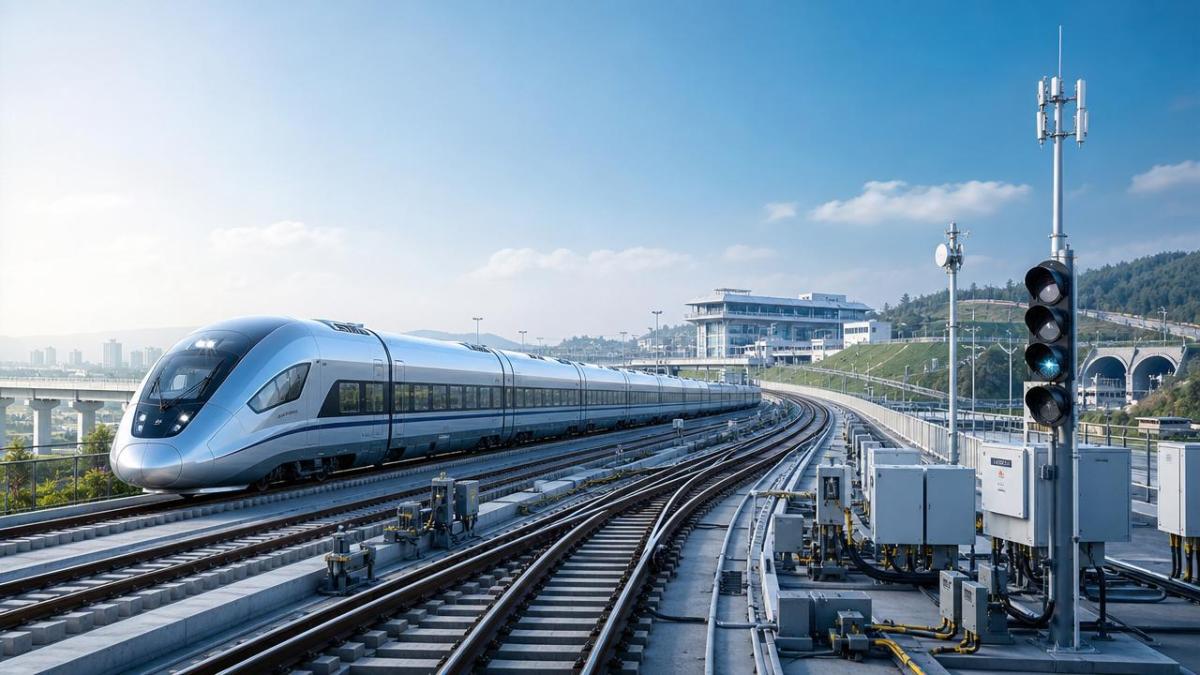
Depending on the project, railway automation systems may supervise train movement, manage route setting, support automatic train protection, enable automatic train operation, and coordinate depot workflows.
Some deployments focus on urban metro automation. Others target heavy-haul freight, high-speed corridors, mixed-traffic networks, or cross-border operations with different signaling traditions and compliance rules.
A sound comparison starts by defining the intended automation boundary. That boundary determines technical requirements, interfaces, redundancy strategy, training scope, and investment priorities.
- Wayside interlocking and route control
- Automatic train protection and speed supervision
- Automatic train operation for energy and headway optimization
- Centralized traffic control and dispatch integration
- Condition monitoring, diagnostics, and maintenance analytics
Without this scope definition, railway automation systems may be compared unfairly. One vendor may price a limited control layer while another includes communication, redundancy, and long-term diagnostic functions.
How do you compare safety, reliability, and operational resilience?
Safety is the first filter. Railway automation systems should be assessed against required SIL levels, fail-safe behavior, fault detection speed, and recovery logic under degraded conditions.
A high claim of compliance is not enough. Review hazard analysis methods, verification processes, independent assessment records, and evidence from similar operating environments.
Reliability matters just as much. Frequent small failures can reduce line capacity, delay departures, and increase manual intervention even if the system remains technically safe.
Ask how railway automation systems respond during communication loss, sensor inconsistency, power fluctuation, or subsystem restart. Recovery time often has greater daily impact than headline availability metrics.
Key safety and resilience checks
- Compliance with relevant EN, IEC, IEEE, and national rail standards
- Redundancy architecture for servers, communications, and field elements
- Mean time between failures and mean time to repair
- Graceful degradation instead of full operational shutdown
- Clear event logging for incident analysis and regulatory reporting
For high-density rail operations, resilience is strategic. Railway automation systems must preserve safe movement while supporting fast service restoration after faults, maintenance windows, or localized disruptions.
Why are interoperability and legacy integration often decisive?
Many projects do not start from zero. Railway automation systems usually enter environments with legacy interlockings, mixed rolling stock, older communications networks, and existing supervision software.
Interoperability should therefore be tested in practical terms. Can the new platform exchange data cleanly with signaling, traction power, passenger information, depot, and maintenance systems?
Open interfaces reduce lock-in risk. Proprietary integration may appear simple during tendering, yet become expensive when expansion, migration, or third-party upgrades are needed later.
Cross-border or multi-standard lines require extra care. Railway automation systems may need compatibility with ETCS, CBTC, national train protection systems, or hybrid transition zones.
Questions that reveal integration strength
- Which communication protocols are native, optional, or custom-built?
- How much middleware is required for existing assets?
- Can migration occur section by section without long shutdowns?
- Are interface specifications documented and contractually protected?
In broad transport ecosystems, interoperability also supports strategic intelligence. Better-connected railway automation systems provide cleaner data for timetable planning, asset management, and energy optimization.
How should lifecycle cost be compared beyond the purchase price?
The cheapest proposal may become the most expensive asset. Railway automation systems should be measured across their full lifecycle, not only initial procurement or installation budgets.
Cost analysis should include engineering hours, integration effort, testing, certification, spare parts, software licensing, cybersecurity patching, training, and long-term support obligations.
Energy efficiency and service continuity also matter. Smarter railway automation systems can improve headway control, reduce unnecessary braking, and lower disruptions that carry high indirect costs.
Another hidden issue is obsolescence. If hardware refresh cycles are short or specialized components are hard to source, support costs can rise sharply during the second half of the asset life.
A realistic business case compares railway automation systems by total value delivered over ten to twenty years, including capacity gains, downtime reduction, and compliance stability.
What makes scalability and cybersecurity non-negotiable now?
Modern transport networks change fast. Railway automation systems must handle new stations, denser timetables, remote monitoring, cloud-linked analytics, and evolving digital control architectures.
Scalability means more than adding hardware. It includes software flexibility, bandwidth reserves, database design, modular logic, and the ability to expand without major service interruption.
Cybersecurity is equally critical. As railway automation systems become more connected, attack surfaces widen across control centers, onboard devices, maintenance laptops, and third-party access channels.
Evaluate identity management, patch procedures, network segmentation, encryption, incident response, and secure remote maintenance controls. Cyber resilience should be tested as seriously as operational resilience.
Warning signs during evaluation
- Scaling requires system redesign instead of modular expansion
- Security updates depend on rare shutdown windows only
- No clear vulnerability disclosure or response process
- Critical logs are incomplete or hard to export
Future-ready railway automation systems support digitalization goals while protecting operational continuity. That balance matters across high-speed, metro, freight, and integrated logistics corridors.
Which implementation mistakes create the biggest adoption risk?
Many failures begin before commissioning. Railway automation systems can underperform when requirements are vague, migration stages are compressed, or field conditions differ from design assumptions.
Another common mistake is judging only technical specifications. Human factors, operator workflows, maintenance readiness, and training burden should be assessed early, not after installation starts.
Pilot validation is useful when architecture is new, interfaces are complex, or traffic patterns are unusual. A limited deployment can reveal latency issues, false alarms, and recovery weaknesses.
Contract structure also matters. Railway automation systems should include measurable acceptance criteria, spare strategy, software update responsibilities, and long-term documentation access.
The most reliable adoption path uses a comparison matrix. Score railway automation systems against weighted criteria, then test assumptions through demonstrations, reference checks, and staged implementation reviews.
For networks linked to broader mobility and supply chain strategies, every automation choice should support safety, efficiency, and long-term intelligence. Start with system boundaries, then compare evidence, not promises.
A disciplined review of railway automation systems reduces technical risk and improves operational return. The next step is simple: define requirements, build a weighted checklist, and validate each claim with project-level proof.
Recommended News
 Sep 24, 2026When should rail operators upgrade to CBTC-based railway automation systems?Railway automation systems: learn when CBTC upgrades deliver capacity, resilience and safer operations—and how to plan a phased, low-risk migration.
 Sep 12, 2026How automatic train control reduces the risk of signal overrunsAutomatic train control reduces signal overrun risk with continuous speed supervision, braking curves, fail-safe responses, and stronger rail safety assurance.
 Sep 02, 2026How to choose train control equipment for signaling reliabilityTrain control equipment for signaling: learn how to assess safety, reliability, interfaces, cybersecurity, and lifecycle support for resilient railway operations.
 Aug 17, 2026When does upgrading railway signaling systems improve line capacity?Railway signaling systems improve line capacity when headways, junction recovery, and service stability become the real bottlenecks. Learn the signs and best upgrade path.
 Aug 04, 2026What Drives Railway Signal Control Systems Pricing in New Rail Projects?Railway signal control systems pricing depends on scope, SIL4 safety, interfaces, testing, and lifecycle support. Learn the real cost drivers to compare bids and avoid overruns.
 Aug 02, 2026How to Evaluate Train Control Systems for Mainline Capacity and SafetyTrain control systems for mainline demand more than feature comparisons. Learn how to assess capacity, safety, interoperability, degraded modes, and migration before you shortlist.
 Jul 31, 2026How to Evaluate a SIL4 Signalling Equipment Exporter for Safety Compliance and Project RiskSIL4 signalling equipment exporter evaluation starts with evidence, not claims. Learn how to verify safety compliance, project risk, integration capability, and lifecycle support.
 Jul 10, 2026SIL4 Signalling Systems: Key Safety Functions and Integration RisksSIL4 signalling systems explained: explore key safety functions, integration risks, and practical evaluation criteria to verify real-world railway reliability.
 Jul 08, 2026Automatic Train Control Fail Safe: Core Design Checks That MatterAutomatic train control fail safe explained: learn the core design checks for braking priority, fault detection, communication integrity, and safer rail system performance.
 Jul 06, 2026Train Control Equipment ETCS: Key Functions, Levels, and Deployment DifferencesTrain control equipment ETCS explained: explore key functions, ETCS levels, deployment differences, and evaluation risks to support smarter rail upgrade and procurement decisions.
 Jun 28, 2026Rail Signalling North America: Standards and Upgrade Priorities in 2026Rail signalling North America in 2026: explore key standards, cyber risks, and upgrade priorities shaping safer, smarter, higher-capacity rail networks.
 Jun 25, 2026How to Compare Railway Control Systems for Safer Network UpgradesRailway control systems comparison made practical: learn how to assess safety, migration risk, interoperability, and supplier capability for smarter, safer network upgrades.
 Jun 24, 2026Railway Automation Systems Standards in 2026: What Is Changing?Railway automation systems in 2026 face stricter standards in safety, cybersecurity, interoperability, and compliance. Discover what is changing and how projects can stay competitive.
 Jun 22, 2026Rail Signalling Basics: Common Failure Points and Safety Upgrade PrioritiesRail signalling basics explained: discover common failure points, risk-based safety upgrade priorities, and practical steps to improve reliability, compliance, and network performance.
 Jun 20, 2026LTE-M Rail Transit: Where It Fits Better Than Legacy WirelessLTE-M rail transit explained: discover where it outperforms legacy wireless in rail monitoring, low-power devices, and scalable telemetry for smarter, cost-efficient operations.
 Jun 16, 2026LTE-M Rail Transit: What to Check Before DeploymentLTE-M rail transit deployment starts with the right checks. Learn how to evaluate coverage, latency, handovers, cybersecurity, and system integration before rollout.
 Jun 15, 2026How to Evaluate Railway Control Components for Safer Signaling UpgradesRailway control components shape signaling safety, uptime, and integration success. Learn how to evaluate compatibility, SIL, resilience, and lifecycle fit before your next upgrade.
 Jun 12, 2026Railway Automation Systems: Key Standards and Performance ChecksRailway automation systems explained through key standards, SIL checks, interoperability, diagnostics, and lifecycle risks—discover how to compare solutions with confidence.
 Jun 10, 2026Railway Control Components: What Matters Most in System SelectionRailway control components selection affects safety, interoperability, and lifecycle cost. Discover the key criteria for choosing resilient rail systems with confidence.
 Jun 08, 2026Rail Signalling vs CBTC: What Matters for Network UpgradesRail signalling vs CBTC: learn what matters for network upgrades, from capacity and interoperability to automation, lifecycle cost, and safer long-term performance.
 Jun 03, 2026LTE-M Rail Transit: When It Fits Signaling, Monitoring, and Field OperationsLTE-M rail transit can strengthen signaling support, asset monitoring, and field operations—learn where it fits, what to test, and how GTOT helps reduce deployment risk.
 Jun 01, 2026Railway Signal Control Systems: CBTC or Interlocking?Railway signal control systems are evolving fast. Compare CBTC and interlocking to assess safety, capacity, cybersecurity, and lifecycle value for smarter rail upgrades.
 May 31, 2026Railway Safety Technology: When CBTC Adds Real ValueRailway safety technology gains real value with CBTC when it improves headway, SIL4 safety, resilience, and lifecycle performance across complex rail scenarios.
 May 23, 2026LTE-M Rail Transit: Where It Fits Best in 2026LTE-M rail transit in 2026: discover where it fits best for low-power monitoring, asset visibility, and cost-efficient rail digitalization across stations, depots, and trackside systems.