



Search News
Industry Portal
Popular Tags
LTE-M Rail Transit: Where It Fits Better Than Legacy Wireless
Author
Time
Click Count
LTE-M rail transit is drawing serious attention because rail operators no longer judge wireless systems by basic connectivity alone. They now compare coverage stability, battery life, deployment cost, and the ability to connect many distributed assets without redesigning the whole network.
That shift matters across the wider transport chain. Platforms such as GTOT track rail signalling, traction power, braking, and even smart maritime systems, where resilient data links increasingly shape asset value, safety visibility, and operational decisions.
In that context, the most useful question is not whether LTE-M replaces every legacy wireless layer. The better question is where LTE-M rail transit fits more cleanly, especially in monitoring, low-power field devices, and scalable non-mission-critical communications.
What LTE-M means in a rail environment
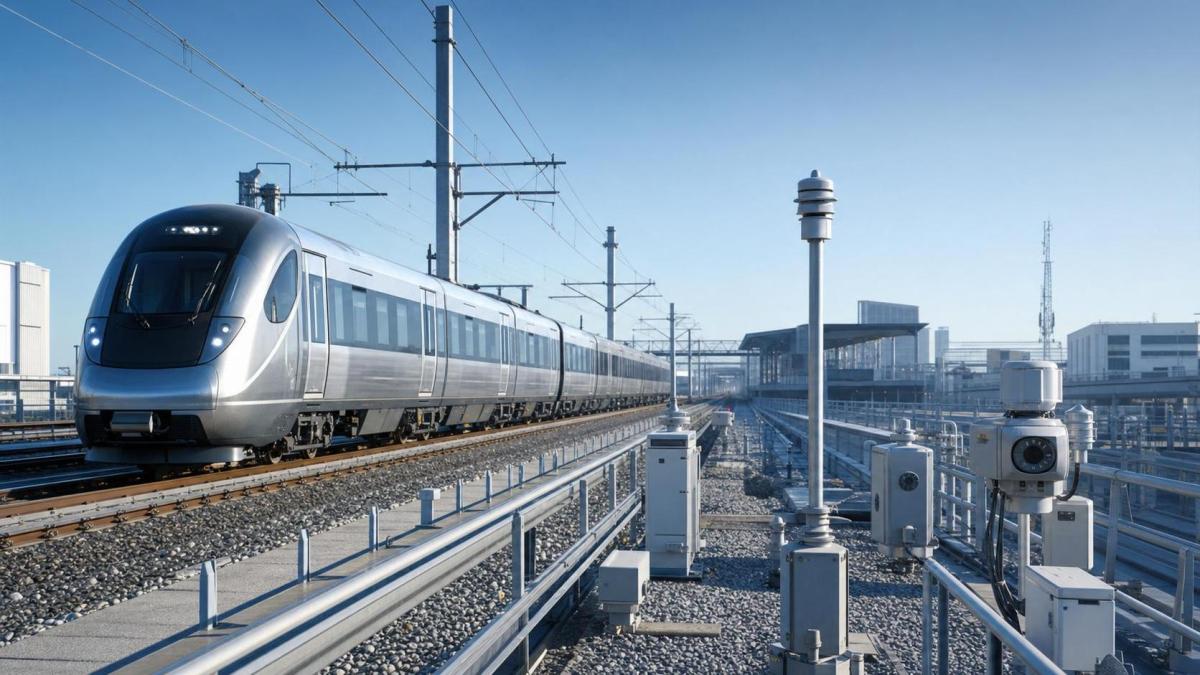
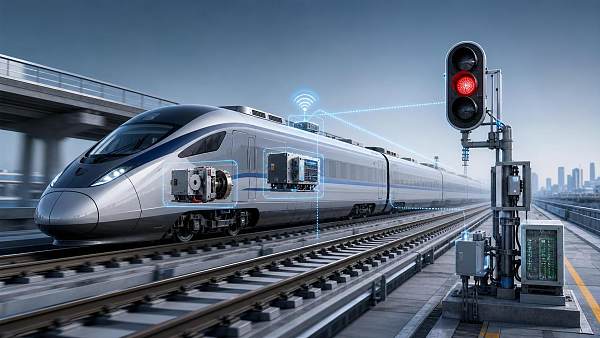
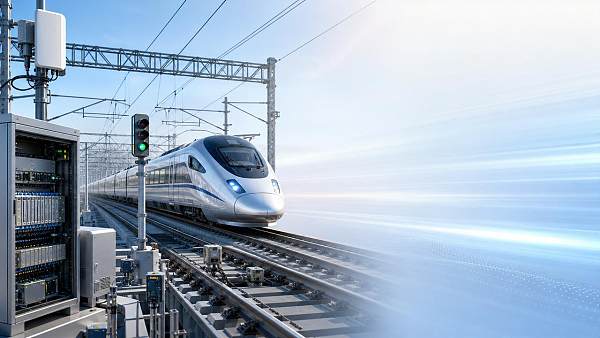
A practical image here is a rail network with thousands of small data points. Many of them send modest packets, but they must do so reliably and over long distances.
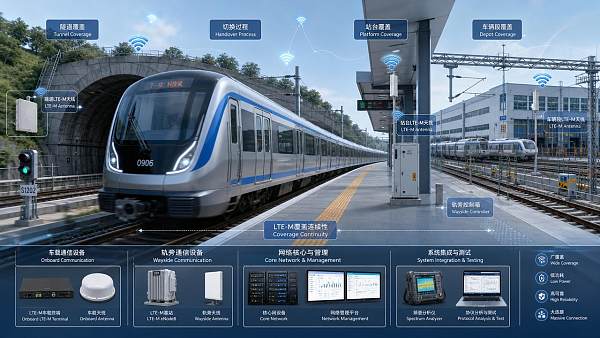
LTE-M, or LTE Cat-M1, is a cellular IoT technology built for lower bandwidth devices. It supports extended coverage, lower power consumption, and simpler module integration than full broadband cellular endpoints.
For LTE-M rail transit, that makes it attractive for condition monitoring, status reporting, remote alarms, environmental sensing, and mobile equipment telemetry. It is not designed to carry every rail application, especially those with strict real-time control requirements.
This distinction is central. Rail systems contain both safety-critical control layers and operational information layers. LTE-M belongs much more naturally to the second category.
Why legacy wireless is no longer enough everywhere
Legacy wireless in rail usually includes private narrowband radio, older cellular links, Wi-Fi islands, and proprietary short-range systems. Many still perform well in the roles they were designed for.
The problem appears when networks expand beyond a few fixed assets. Operators now need visibility from trackside equipment, brake subsystem indicators, depot tools, onboard auxiliary systems, and infrastructure health sensors.
Older systems often struggle with one or more of these issues:
- Uneven coverage in yards, tunnels, or remote sections
- High maintenance for fragmented device fleets
- Poor battery life for sensors expected to operate for years
- Limited scalability when asset counts rise sharply
- Difficult integration with cloud analytics and centralized dashboards
In rail, those gaps matter because equipment intelligence now supports maintenance planning, spare parts timing, and operating resilience. GTOT’s focus on signalling, pantographs, braking, and connected transport reflects the same trend toward deeper system visibility.
Where LTE-M rail transit fits better than legacy wireless
The strongest use cases share a common pattern. They involve many endpoints, moderate data loads, broad coverage needs, and a preference for simple lifecycle management.
Distributed trackside monitoring
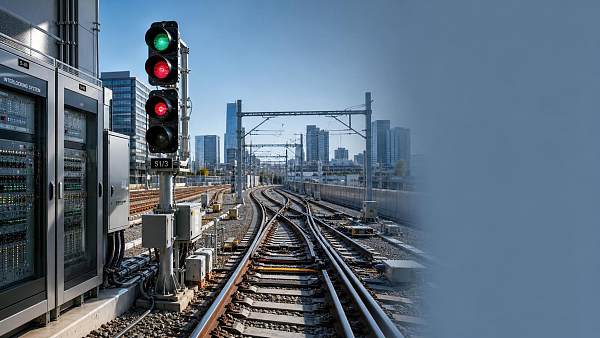
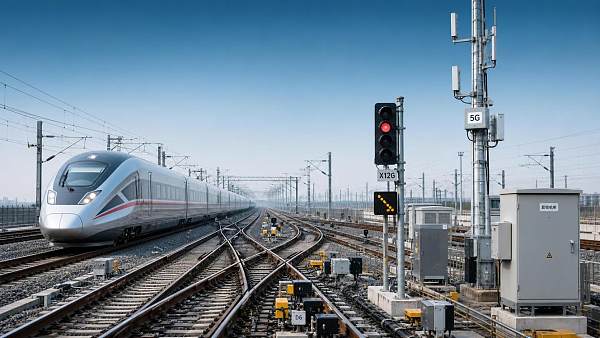
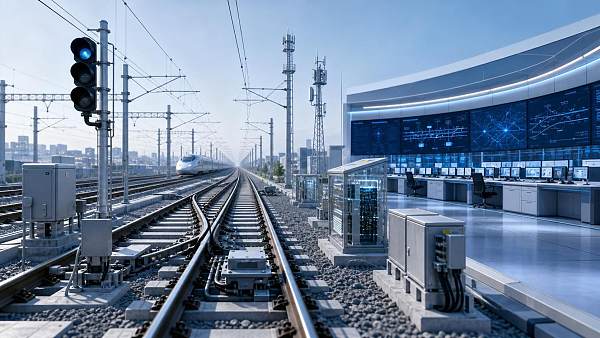
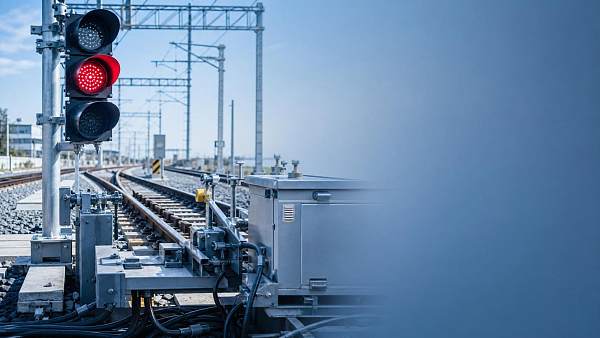
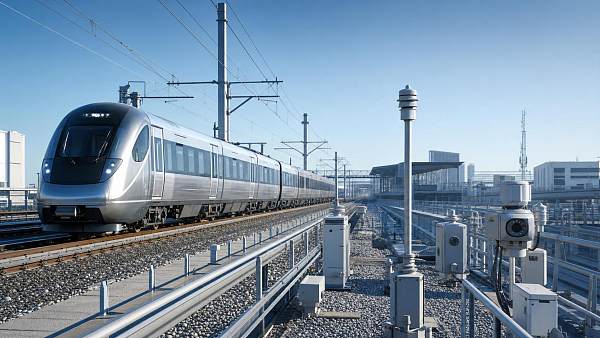
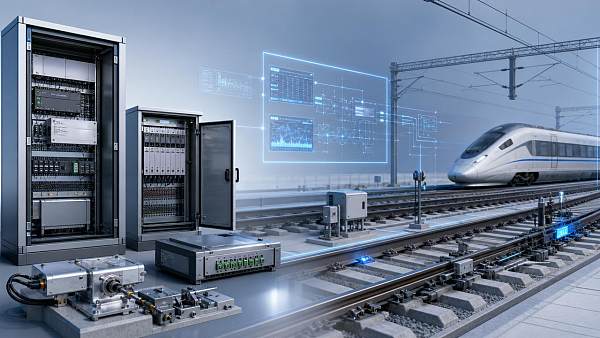
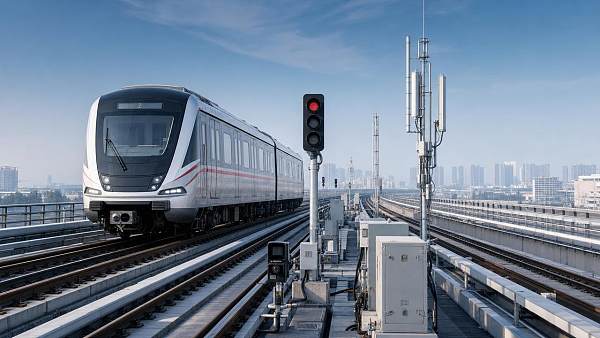
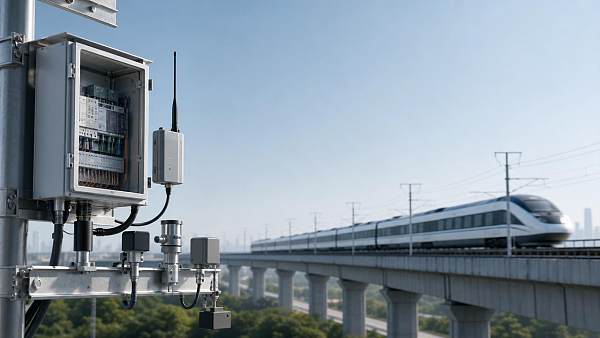
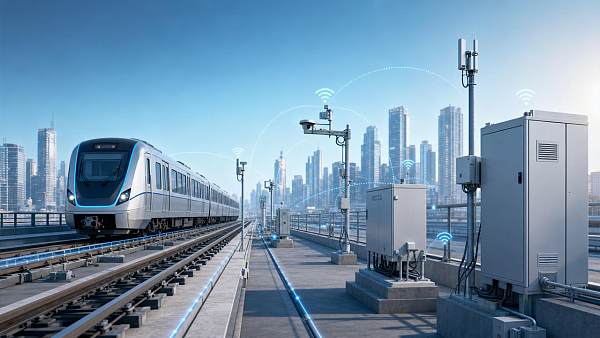
Trackside cabinets, switch condition monitors, power supply alarms, flood sensors, and perimeter devices often sit far from convenient wired infrastructure. LTE-M rail transit can reduce dependence on custom radio overlays in these locations.
Its coverage enhancement is useful where signal conditions are inconsistent. The value is not maximum throughput. The value is dependable reporting from small devices that need long service intervals.
Onboard auxiliary systems
Not every train subsystem needs high-bandwidth communications. Door status logs, HVAC diagnostics, battery health, onboard environmental sensors, and non-critical equipment alerts often benefit from LTE-M more than from heavier cellular architectures.
This is especially relevant when fleets need standardized telemetry across vehicle generations. LTE-M rail transit can provide a more economical path for secondary data channels.
Depot and maintenance asset tracking
Depots contain tools, test units, portable brake inspection devices, and movable power equipment. Legacy local wireless may work inside one site, but scaling across multiple depots becomes harder.
LTE-M works well when the objective is unified asset telemetry across locations, with lower energy demand and easier central oversight.
Retrofit programs with tight cost control
A full communications replacement is rarely practical. LTE-M rail transit often enters through retrofit windows, where existing assets need data visibility without heavy rewiring or large onboard hardware changes.
That can be a better fit than proprietary legacy solutions whose support ecosystem is shrinking.
Where LTE-M is not the right answer
A sound evaluation starts with limits, not promises. LTE-M rail transit should not be treated as a universal replacement for every existing radio layer.
It is generally a weak fit for functions demanding ultra-low latency, deterministic behavior, or the highest safety certification path. Mainline train control, interlocking protection logic, and other SIL-linked communications require a different assurance framework.
It is also less suitable where applications rely on continuous high-volume video, dense broadband passenger services, or intensive edge computing exchange.
What technical evaluation should focus on
The most useful assessment method is to map communication demand by asset class. That avoids the common mistake of testing LTE-M against the wrong benchmark.
Start with the data profile
Check packet size, reporting frequency, latency tolerance, and acceptable outage windows. LTE-M rail transit works best where information is important, but not millisecond-critical.
Model real coverage, not brochure coverage
Rail environments contain cuttings, metallic structures, tunnels, substations, and moving train bodies. Coverage tests should reflect route geometry, depot layouts, and worst-case installation points.
Look at power and maintenance together
Battery savings are meaningful only when paired with realistic maintenance cycles. A remote sensor with five-year autonomy may change inspection economics more than a faster device with higher servicing demand.
Check integration with existing rail systems
The communications link is only one part of the value chain. The device data still has to enter maintenance systems, alarm workflows, analytics platforms, and cybersecurity controls.
This matters in the GTOT view of intelligent transport. Connectivity is useful when it strengthens decisions around signalling health, braking readiness, traction performance, and lifecycle planning.
Business value behind the technical fit
The case for LTE-M rail transit is rarely just about communications cost. Its wider value appears when more assets become visible without creating a complex support burden.
That visibility can support earlier fault detection, better spare inventory timing, and more consistent condition data across dispersed fleets. In a transport sector shaped by digitalization and asset efficiency, those gains are increasingly strategic.
There is also a broader intermodal logic. The same discipline used to evaluate connected rail assets now appears in smart vessels and LNG carrier systems, where low-power telemetry and reliable remote status reporting improve operating confidence.
Seen that way, LTE-M rail transit is part of a larger transition. Operators are moving from isolated equipment monitoring toward stitched intelligence across land-side and sea-linked logistics systems.
How to move from interest to a usable decision
A productive next step is to separate assets into three groups: critical control, operational telemetry, and low-priority monitoring. LTE-M rail transit should then be tested mainly against the second and third groups.
- List assets by data rate, mobility pattern, and power source
- Identify legacy wireless pain points by route and depot
- Run pilot trials in difficult coverage areas first
- Measure battery life and alarm reliability over time
- Compare integration effort, not just module price
That approach usually reveals whether LTE-M is a tactical add-on or a repeatable architecture choice. The strongest outcomes come from using it where its profile truly matches the asset, rather than forcing it into every wireless problem.
For organizations following GTOT’s intelligence-led view of transport infrastructure, the next decision is straightforward: define the assets that need persistent, economical, and scalable data flow, then test whether LTE-M rail transit answers that need better than the legacy option already in place.
Recommended News
 Sep 24, 2026When should rail operators upgrade to CBTC-based railway automation systems?Railway automation systems: learn when CBTC upgrades deliver capacity, resilience and safer operations—and how to plan a phased, low-risk migration.
 Sep 12, 2026How automatic train control reduces the risk of signal overrunsAutomatic train control reduces signal overrun risk with continuous speed supervision, braking curves, fail-safe responses, and stronger rail safety assurance.
 Sep 02, 2026How to choose train control equipment for signaling reliabilityTrain control equipment for signaling: learn how to assess safety, reliability, interfaces, cybersecurity, and lifecycle support for resilient railway operations.
 Aug 17, 2026When does upgrading railway signaling systems improve line capacity?Railway signaling systems improve line capacity when headways, junction recovery, and service stability become the real bottlenecks. Learn the signs and best upgrade path.
 Aug 04, 2026What Drives Railway Signal Control Systems Pricing in New Rail Projects?Railway signal control systems pricing depends on scope, SIL4 safety, interfaces, testing, and lifecycle support. Learn the real cost drivers to compare bids and avoid overruns.
 Aug 02, 2026How to Evaluate Train Control Systems for Mainline Capacity and SafetyTrain control systems for mainline demand more than feature comparisons. Learn how to assess capacity, safety, interoperability, degraded modes, and migration before you shortlist.
 Jul 31, 2026How to Evaluate a SIL4 Signalling Equipment Exporter for Safety Compliance and Project RiskSIL4 signalling equipment exporter evaluation starts with evidence, not claims. Learn how to verify safety compliance, project risk, integration capability, and lifecycle support.
 Jul 10, 2026SIL4 Signalling Systems: Key Safety Functions and Integration RisksSIL4 signalling systems explained: explore key safety functions, integration risks, and practical evaluation criteria to verify real-world railway reliability.
 Jul 08, 2026Automatic Train Control Fail Safe: Core Design Checks That MatterAutomatic train control fail safe explained: learn the core design checks for braking priority, fault detection, communication integrity, and safer rail system performance.
 Jul 06, 2026Train Control Equipment ETCS: Key Functions, Levels, and Deployment DifferencesTrain control equipment ETCS explained: explore key functions, ETCS levels, deployment differences, and evaluation risks to support smarter rail upgrade and procurement decisions.
 Jun 28, 2026Rail Signalling North America: Standards and Upgrade Priorities in 2026Rail signalling North America in 2026: explore key standards, cyber risks, and upgrade priorities shaping safer, smarter, higher-capacity rail networks.
 Jun 25, 2026How to Compare Railway Control Systems for Safer Network UpgradesRailway control systems comparison made practical: learn how to assess safety, migration risk, interoperability, and supplier capability for smarter, safer network upgrades.
 Jun 24, 2026Railway Automation Systems Standards in 2026: What Is Changing?Railway automation systems in 2026 face stricter standards in safety, cybersecurity, interoperability, and compliance. Discover what is changing and how projects can stay competitive.
 Jun 22, 2026Rail Signalling Basics: Common Failure Points and Safety Upgrade PrioritiesRail signalling basics explained: discover common failure points, risk-based safety upgrade priorities, and practical steps to improve reliability, compliance, and network performance.
 Jun 20, 2026LTE-M Rail Transit: Where It Fits Better Than Legacy WirelessLTE-M rail transit explained: discover where it outperforms legacy wireless in rail monitoring, low-power devices, and scalable telemetry for smarter, cost-efficient operations.
 Jun 16, 2026LTE-M Rail Transit: What to Check Before DeploymentLTE-M rail transit deployment starts with the right checks. Learn how to evaluate coverage, latency, handovers, cybersecurity, and system integration before rollout.
 Jun 15, 2026How to Evaluate Railway Control Components for Safer Signaling UpgradesRailway control components shape signaling safety, uptime, and integration success. Learn how to evaluate compatibility, SIL, resilience, and lifecycle fit before your next upgrade.
 Jun 12, 2026Railway Automation Systems: Key Standards and Performance ChecksRailway automation systems explained through key standards, SIL checks, interoperability, diagnostics, and lifecycle risks—discover how to compare solutions with confidence.
 Jun 10, 2026Railway Control Components: What Matters Most in System SelectionRailway control components selection affects safety, interoperability, and lifecycle cost. Discover the key criteria for choosing resilient rail systems with confidence.
 Jun 08, 2026Rail Signalling vs CBTC: What Matters for Network UpgradesRail signalling vs CBTC: learn what matters for network upgrades, from capacity and interoperability to automation, lifecycle cost, and safer long-term performance.
 Jun 03, 2026LTE-M Rail Transit: When It Fits Signaling, Monitoring, and Field OperationsLTE-M rail transit can strengthen signaling support, asset monitoring, and field operations—learn where it fits, what to test, and how GTOT helps reduce deployment risk.
 Jun 01, 2026Railway Signal Control Systems: CBTC or Interlocking?Railway signal control systems are evolving fast. Compare CBTC and interlocking to assess safety, capacity, cybersecurity, and lifecycle value for smarter rail upgrades.
 May 31, 2026Railway Safety Technology: When CBTC Adds Real ValueRailway safety technology gains real value with CBTC when it improves headway, SIL4 safety, resilience, and lifecycle performance across complex rail scenarios.
 May 23, 2026LTE-M Rail Transit: Where It Fits Best in 2026LTE-M rail transit in 2026: discover where it fits best for low-power monitoring, asset visibility, and cost-efficient rail digitalization across stations, depots, and trackside systems.