



Search News
Industry Portal
Popular Tags
Railway Automation Systems Standards in 2026: What Is Changing?
Author
Time
Click Count
A More Demanding Standard Landscape in 2026
Railway automation systems are moving into a stricter standards cycle as 2026 approaches.
The shift is not about one new rule.
It is about tighter alignment across safety, cybersecurity, software assurance, interoperability, and lifecycle governance.
That matters because automated rail is no longer limited to isolated pilot lines.
It now supports dense metros, mixed traffic corridors, freight nodes, and cross-border networks.
In that environment, railway automation systems must prove more than technical performance.
They must show traceable compliance, resilient operation, and compatibility with evolving digital infrastructure.
For organizations tracking transport intelligence through platforms such as GTOT, this change is especially relevant.
Rail control components, traction interfaces, braking logic, and wider supply chain performance are becoming more tightly linked.
A standard change in signalling can influence procurement timing, retrofit scope, software validation budgets, and even tender eligibility.
What Standards Now Cover More Explicitly
At a basic level, railway automation systems combine control software, onboard equipment, wayside devices, communications, and operational logic.
Standards define how these parts behave safely and consistently.
In 2026, the important change is the widening scope of what “compliant” really means.
Safety is still central, but no longer sufficient alone
SIL4 expectations remain the reference point for critical railway signal control systems.
Yet safety assessment is increasingly tied to software updates, remote diagnostics, and data integrity.
A system can be safe in design and still fail compliance if patching, version control, or change management are weak.
Cybersecurity becomes a formal operating condition
Railway automation systems now operate in a far more connected environment.
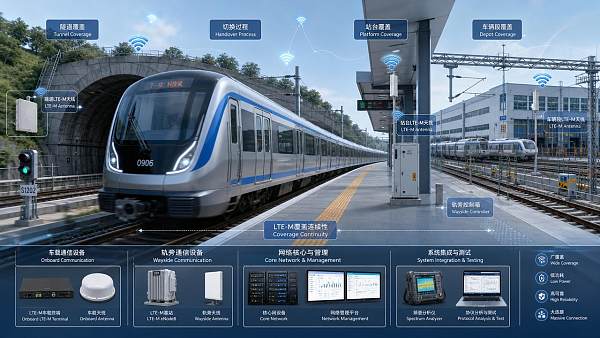
Traffic management, LTE-M links, cloud analytics, and condition monitoring create larger attack surfaces.
Standards are therefore treating cybersecurity less as an IT add-on and more as a system requirement.
Interoperability is being tested in deeper ways
Older compliance models often focused on interface matching.
The 2026 view is broader.
It asks whether railway automation systems can exchange reliable data, support migration paths, and coexist with legacy assets during phased upgrades.
Where the Pressure Is Coming From
Several industry forces are accelerating these changes.
They explain why standards are becoming more detailed and less forgiving.
The broader transport sector reinforces this trend.
In both rail and maritime systems, digitalization now has to deliver safety and commercial reliability at the same time.
That is one reason GTOT’s land-sea intelligence framing feels timely.
Whether the asset is an interlocking platform or a smart container ship, standards are moving toward connected, auditable, lifecycle-based control.
What This Means for Real Projects
The practical impact of 2026 standards depends on project type.
Still, a few patterns are appearing across most railway automation systems programs.
New lines will need earlier compliance engineering
Standards issues can no longer wait for final verification.
Architecture choices, subsystem interfaces, and software assurance plans need alignment from the front end.
Retrofits will face harder integration questions
Many operators are not replacing everything at once.
They are mixing legacy interlockings, new communications layers, upgraded braking controls, and refreshed onboard automation.
In these cases, railway automation systems must be judged as a transition environment, not only as a final-state design.
Documentation becomes a strategic asset
Certification evidence, software traceability, hazard logs, and maintenance procedures are gaining commercial weight.
Weak documentation can slow acceptance even when the hardware is sound.
That affects cost, deployment timing, and future upgrade flexibility.
Key Areas to Watch Inside Railway Automation Systems
Not every subsystem will feel the same pressure.
The following areas deserve closer review when standards are updated.
- Signalling and interlocking logic, especially where SIL4 validation and remote updates intersect.
- Train-to-ground communications, where performance, availability, and cyber protection increasingly overlap.
- Traction power interfaces, including pantograph-related monitoring in high-speed and high-vibration conditions.
- Braking coordination, where automated control must match precise stopping expectations under varied operating loads.
- Operational data layers, where analytics value depends on secure and standardized data structures.
These areas matter because railway automation systems are no longer judged as isolated products.
They are judged as connected operating ecosystems.
That is especially true in high-density corridors and export-oriented projects with strict tender requirements.
How to Read the 2026 Changes More Effectively
A useful approach is to separate headline claims from implementation consequences.
Many market messages will present railway automation systems as “future-ready.”
The real test is whether that readiness is evidenced in design, process, and operational support.
Questions worth asking during evaluation
- How is software change controlled after commissioning?
- What proof exists for secure interoperability with legacy assets?
- Which safety assumptions depend on communications availability?
- How are degraded modes documented and tested?
- Can the compliance file support future upgrades without major recertification delays?
This kind of review reduces the risk of buying apparent capability without operational resilience.
It also helps compare suppliers on substance rather than presentation.
The Strategic View Beyond Compliance
The most important 2026 change may be conceptual.
Railway automation systems standards are becoming a framework for long-term asset performance, not just a gate before deployment.
That has implications for capital planning, supplier selection, and digital transformation sequencing.
Organizations that monitor both rail and maritime intelligence already see a familiar pattern.
Across transport infrastructure, the assets that hold value best are those built for traceability, resilience, and interoperable data use.
In rail, that means treating standards updates as an early strategic input.
A sensible next step is to map every major project against three layers.
First, identify which railway automation systems functions are safety critical.
Then check where connectivity changes the compliance burden.
Finally, review whether current documentation and testing methods can support the 2026 standard environment.
That process creates a clearer basis for phasing upgrades, comparing technical pathways, and following the right intelligence signals as the market evolves.
Recommended News
 Sep 24, 2026When should rail operators upgrade to CBTC-based railway automation systems?Railway automation systems: learn when CBTC upgrades deliver capacity, resilience and safer operations—and how to plan a phased, low-risk migration.
 Sep 12, 2026How automatic train control reduces the risk of signal overrunsAutomatic train control reduces signal overrun risk with continuous speed supervision, braking curves, fail-safe responses, and stronger rail safety assurance.
 Sep 02, 2026How to choose train control equipment for signaling reliabilityTrain control equipment for signaling: learn how to assess safety, reliability, interfaces, cybersecurity, and lifecycle support for resilient railway operations.
 Aug 17, 2026When does upgrading railway signaling systems improve line capacity?Railway signaling systems improve line capacity when headways, junction recovery, and service stability become the real bottlenecks. Learn the signs and best upgrade path.
 Aug 04, 2026What Drives Railway Signal Control Systems Pricing in New Rail Projects?Railway signal control systems pricing depends on scope, SIL4 safety, interfaces, testing, and lifecycle support. Learn the real cost drivers to compare bids and avoid overruns.
 Aug 02, 2026How to Evaluate Train Control Systems for Mainline Capacity and SafetyTrain control systems for mainline demand more than feature comparisons. Learn how to assess capacity, safety, interoperability, degraded modes, and migration before you shortlist.
 Jul 31, 2026How to Evaluate a SIL4 Signalling Equipment Exporter for Safety Compliance and Project RiskSIL4 signalling equipment exporter evaluation starts with evidence, not claims. Learn how to verify safety compliance, project risk, integration capability, and lifecycle support.
 Jul 10, 2026SIL4 Signalling Systems: Key Safety Functions and Integration RisksSIL4 signalling systems explained: explore key safety functions, integration risks, and practical evaluation criteria to verify real-world railway reliability.
 Jul 08, 2026Automatic Train Control Fail Safe: Core Design Checks That MatterAutomatic train control fail safe explained: learn the core design checks for braking priority, fault detection, communication integrity, and safer rail system performance.
 Jul 06, 2026Train Control Equipment ETCS: Key Functions, Levels, and Deployment DifferencesTrain control equipment ETCS explained: explore key functions, ETCS levels, deployment differences, and evaluation risks to support smarter rail upgrade and procurement decisions.
 Jun 28, 2026Rail Signalling North America: Standards and Upgrade Priorities in 2026Rail signalling North America in 2026: explore key standards, cyber risks, and upgrade priorities shaping safer, smarter, higher-capacity rail networks.
 Jun 25, 2026How to Compare Railway Control Systems for Safer Network UpgradesRailway control systems comparison made practical: learn how to assess safety, migration risk, interoperability, and supplier capability for smarter, safer network upgrades.
 Jun 24, 2026Railway Automation Systems Standards in 2026: What Is Changing?Railway automation systems in 2026 face stricter standards in safety, cybersecurity, interoperability, and compliance. Discover what is changing and how projects can stay competitive.
 Jun 22, 2026Rail Signalling Basics: Common Failure Points and Safety Upgrade PrioritiesRail signalling basics explained: discover common failure points, risk-based safety upgrade priorities, and practical steps to improve reliability, compliance, and network performance.
 Jun 20, 2026LTE-M Rail Transit: Where It Fits Better Than Legacy WirelessLTE-M rail transit explained: discover where it outperforms legacy wireless in rail monitoring, low-power devices, and scalable telemetry for smarter, cost-efficient operations.
 Jun 16, 2026LTE-M Rail Transit: What to Check Before DeploymentLTE-M rail transit deployment starts with the right checks. Learn how to evaluate coverage, latency, handovers, cybersecurity, and system integration before rollout.
 Jun 15, 2026How to Evaluate Railway Control Components for Safer Signaling UpgradesRailway control components shape signaling safety, uptime, and integration success. Learn how to evaluate compatibility, SIL, resilience, and lifecycle fit before your next upgrade.
 Jun 12, 2026Railway Automation Systems: Key Standards and Performance ChecksRailway automation systems explained through key standards, SIL checks, interoperability, diagnostics, and lifecycle risks—discover how to compare solutions with confidence.
 Jun 10, 2026Railway Control Components: What Matters Most in System SelectionRailway control components selection affects safety, interoperability, and lifecycle cost. Discover the key criteria for choosing resilient rail systems with confidence.
 Jun 08, 2026Rail Signalling vs CBTC: What Matters for Network UpgradesRail signalling vs CBTC: learn what matters for network upgrades, from capacity and interoperability to automation, lifecycle cost, and safer long-term performance.
 Jun 03, 2026LTE-M Rail Transit: When It Fits Signaling, Monitoring, and Field OperationsLTE-M rail transit can strengthen signaling support, asset monitoring, and field operations—learn where it fits, what to test, and how GTOT helps reduce deployment risk.
 Jun 01, 2026Railway Signal Control Systems: CBTC or Interlocking?Railway signal control systems are evolving fast. Compare CBTC and interlocking to assess safety, capacity, cybersecurity, and lifecycle value for smarter rail upgrades.
 May 31, 2026Railway Safety Technology: When CBTC Adds Real ValueRailway safety technology gains real value with CBTC when it improves headway, SIL4 safety, resilience, and lifecycle performance across complex rail scenarios.
 May 23, 2026LTE-M Rail Transit: Where It Fits Best in 2026LTE-M rail transit in 2026: discover where it fits best for low-power monitoring, asset visibility, and cost-efficient rail digitalization across stations, depots, and trackside systems.