



Search News
Industry Portal
Popular Tags
Railway Control Components: What Matters Most in System Selection
Author
Time
Click Count
Selecting railway control components is rarely a narrow buying exercise. It shapes how safely trains move, how reliably automation performs, and how well a network absorbs future capacity, digitalization, and maintenance pressure.
That is why system selection now sits closer to strategic infrastructure planning than to ordinary equipment comparison. In busy rail corridors, small differences in interface quality, SIL compliance, diagnostics, and lifecycle support can become major operational consequences.
For platforms tracking land-and-sea transport intelligence such as GTOT, this topic matters because railway control components are part of a larger mobility chain. Reliable rail signaling, traction power behavior, braking coordination, and logistics continuity increasingly influence one another.
What railway control components really include
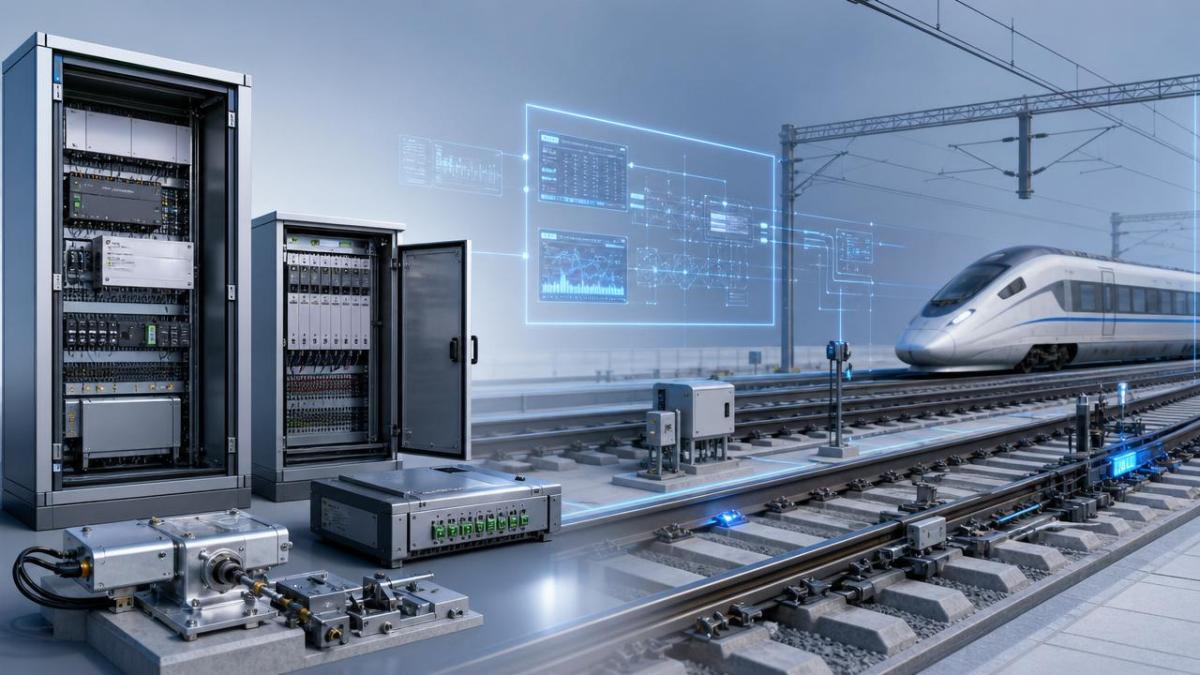
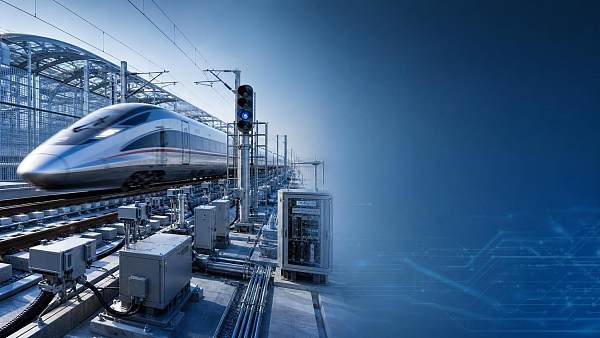
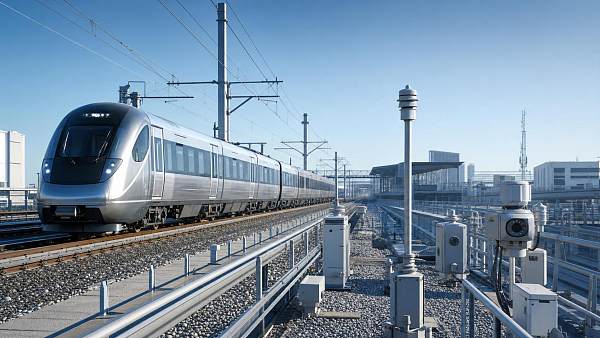
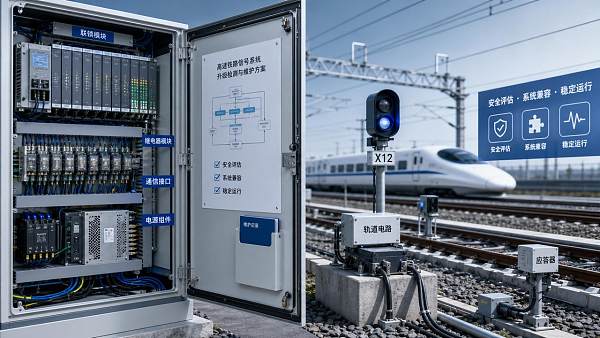
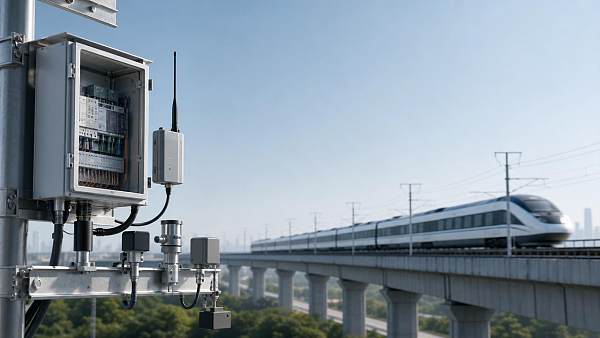
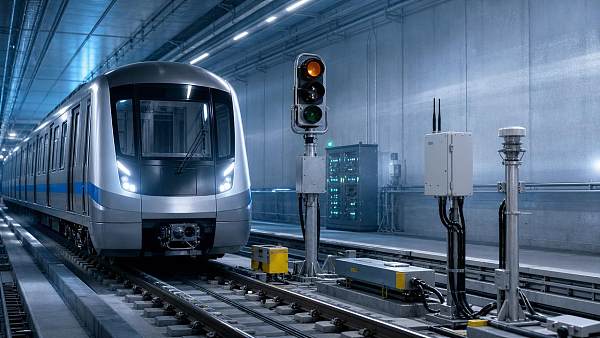
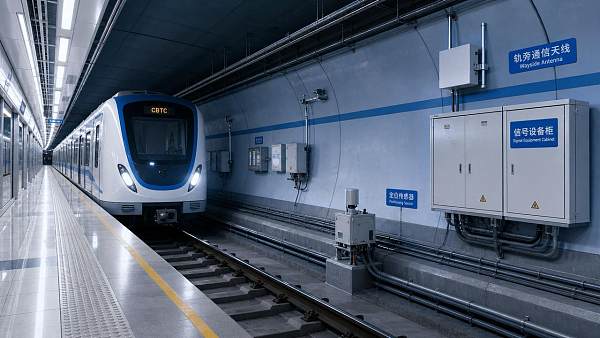
In practice, railway control components are not limited to one cabinet or one onboard device. They form an operational chain linking field equipment, trainborne control, communication layers, supervision logic, and dispatch visibility.
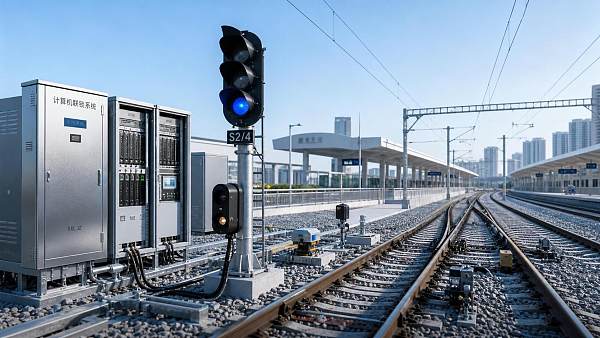
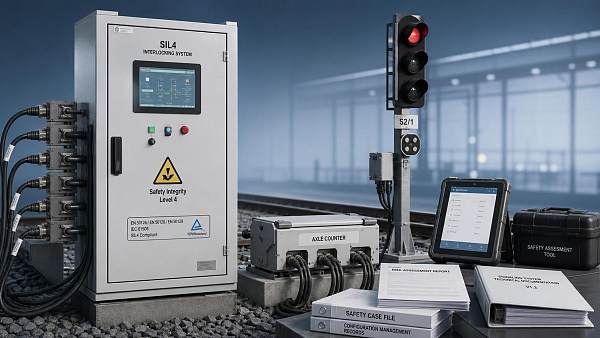
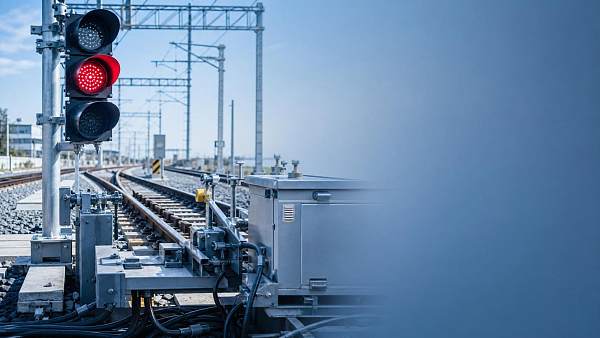
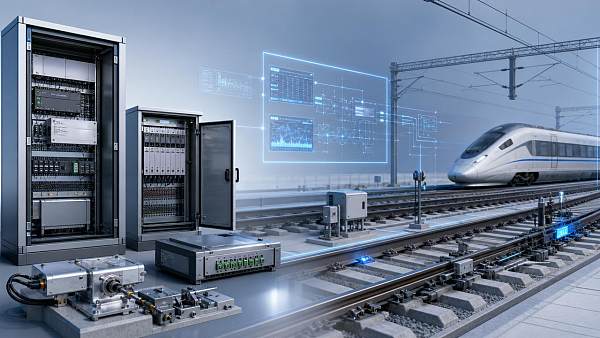
Typical examples include interlocking modules, axle counters, point machine controllers, balises, onboard ATP or ATO units, relay or electronic interfaces, communication gateways, and diagnostic subsystems.
Some projects emphasize high-speed lines. Others focus on metro automation, regional modernization, freight corridors, or mixed-traffic operations. The selection logic changes with each environment, but the system question remains the same.
The key point is that railway control components should be judged as coordinated assets. A strong device can still create weak system performance if timing, protocols, redundancy design, or maintenance access are poorly aligned.
Why the market pays closer attention now
Rail investment is moving toward denser traffic, more automation, stronger safety expectations, and tighter energy discipline. At the same time, infrastructure owners must extend asset life while reducing disruption during upgrades.
This pushes railway control components into the center of project risk. Selection errors no longer stay inside engineering documents. They affect commissioning time, cyber exposure, spare parts strategy, and even service punctuality.
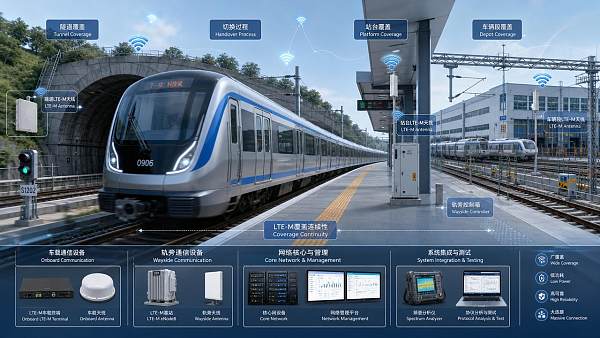
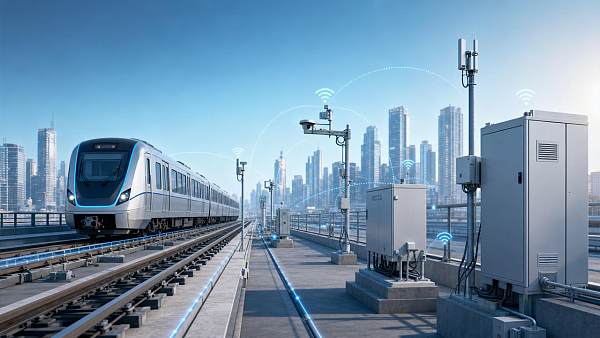
Another industry signal is integration pressure. Rail systems now exchange more data with traffic management, condition monitoring, LTE-M or other communications layers, and enterprise planning tools.
GTOT often frames transport equipment through interconnected performance logic. That perspective is useful here. Just as smart vessels rely on coordinated navigation, propulsion, and sensor intelligence, rail networks depend on control layers that behave coherently under stress.
The criteria that matter more than headline specifications
Datasheets are necessary, but they rarely settle the selection decision. Several deeper criteria usually determine whether railway control components perform well over fifteen or twenty years.
Safety integrity and approval pathway
SIL alignment is more than a checkbox. What matters is how safety claims are evidenced, how failure modes are isolated, and how the component fits the project’s certification route.
A component with strong documentation, test traceability, and proven application conditions usually reduces integration uncertainty. That often matters more than a broad marketing claim.
Interoperability under real conditions
Many railway control components look compatible in principle. Problems appear later, when legacy interfaces, mixed fleets, national standards, or vendor-specific protocols enter the project.
Interoperability should be checked at signal logic, communication timing, diagnostics output, software version control, and maintenance tool levels. Real interoperability is operational, not theoretical.
Maintainability and fault recovery
When faults occur, clarity matters. Railway control components with precise event logs, modular replacement design, and fast fault localization save more value than components with slightly better nominal performance.
A maintainable architecture also supports workforce continuity. It reduces dependence on small expert groups and shortens intervention cycles during nighttime possessions.
Lifecycle economics
Initial price can distort the picture. Software licensing, validation effort, spare holdings, obsolescence planning, training needs, and upgrade compatibility often reshape total ownership cost.
This is especially relevant when railway control components sit inside long modernization programs, where phased migration and mixed old-new operation become unavoidable.
How selection priorities change by operating scenario
A useful evaluation method is to map technical demands against service context. The same family of railway control components may be acceptable in one corridor and unsuitable in another.
This comparison also explains why evaluation should include operations, maintenance, software assurance, and integration knowledge. A purely component-level review misses the real project constraints.
Signals from adjacent systems should not be ignored
Railway control components do not operate in isolation from traction, braking, or power collection. In high-performance rail, control quality depends on how these systems respond together.
For example, braking response curves influence protection logic margins. Pantograph stability can affect power continuity and onboard system resilience. Communication latency shapes supervision confidence.
This broader view aligns with GTOT’s intelligence model. Whether examining signal control, pantographs, braking systems, or smart transport chains, the common question is how components behave inside a demanding operational ecosystem.
That ecosystem thinking becomes even more valuable when networks are expected to support decarbonization targets, digital twins, predictive maintenance, and tighter service windows.
A practical way to structure evaluation
A disciplined review process helps separate strong railway control components from attractive but risky options. The aim is not complexity for its own sake, but decision clarity.
- Define the service model first, including traffic density, automation level, recovery targets, and expansion assumptions.
- Map every critical interface, especially legacy links, onboard equipment dependencies, and supervisory software connections.
- Review safety evidence together with maintainability data, not as separate workstreams.
- Test vendor claims against migration scenarios, spare strategy, and software governance requirements.
- Score lifecycle resilience, including obsolescence handling, training burden, and remote diagnostic quality.
Usually, the best choice is not the most advanced component in isolation. It is the option that preserves safety margins, reduces operational friction, and remains supportable as the network evolves.
Where to look next
The next step is to turn general criteria into a project-specific matrix. Railway control components should be assessed against route profile, signaling architecture, failure response expectations, and future interoperability needs.
It also helps to compare component decisions with adjacent system trends, including traction behavior, braking performance, and digital communications maturity. That wider lens often reveals hidden constraints early.
For ongoing market observation, the most valuable signals are usually not product launches alone. They are certification trends, upgrade case studies, retrofit lessons, and evidence of stable performance in comparable rail environments.
When selection is treated as a system judgment rather than a catalog exercise, railway control components become easier to compare, easier to defend, and far more likely to support safe long-term operation.
Recommended News
 Sep 24, 2026When should rail operators upgrade to CBTC-based railway automation systems?Railway automation systems: learn when CBTC upgrades deliver capacity, resilience and safer operations—and how to plan a phased, low-risk migration.
 Sep 12, 2026How automatic train control reduces the risk of signal overrunsAutomatic train control reduces signal overrun risk with continuous speed supervision, braking curves, fail-safe responses, and stronger rail safety assurance.
 Sep 02, 2026How to choose train control equipment for signaling reliabilityTrain control equipment for signaling: learn how to assess safety, reliability, interfaces, cybersecurity, and lifecycle support for resilient railway operations.
 Aug 17, 2026When does upgrading railway signaling systems improve line capacity?Railway signaling systems improve line capacity when headways, junction recovery, and service stability become the real bottlenecks. Learn the signs and best upgrade path.
 Aug 04, 2026What Drives Railway Signal Control Systems Pricing in New Rail Projects?Railway signal control systems pricing depends on scope, SIL4 safety, interfaces, testing, and lifecycle support. Learn the real cost drivers to compare bids and avoid overruns.
 Aug 02, 2026How to Evaluate Train Control Systems for Mainline Capacity and SafetyTrain control systems for mainline demand more than feature comparisons. Learn how to assess capacity, safety, interoperability, degraded modes, and migration before you shortlist.
 Jul 31, 2026How to Evaluate a SIL4 Signalling Equipment Exporter for Safety Compliance and Project RiskSIL4 signalling equipment exporter evaluation starts with evidence, not claims. Learn how to verify safety compliance, project risk, integration capability, and lifecycle support.
 Jul 10, 2026SIL4 Signalling Systems: Key Safety Functions and Integration RisksSIL4 signalling systems explained: explore key safety functions, integration risks, and practical evaluation criteria to verify real-world railway reliability.
 Jul 08, 2026Automatic Train Control Fail Safe: Core Design Checks That MatterAutomatic train control fail safe explained: learn the core design checks for braking priority, fault detection, communication integrity, and safer rail system performance.
 Jul 06, 2026Train Control Equipment ETCS: Key Functions, Levels, and Deployment DifferencesTrain control equipment ETCS explained: explore key functions, ETCS levels, deployment differences, and evaluation risks to support smarter rail upgrade and procurement decisions.
 Jun 28, 2026Rail Signalling North America: Standards and Upgrade Priorities in 2026Rail signalling North America in 2026: explore key standards, cyber risks, and upgrade priorities shaping safer, smarter, higher-capacity rail networks.
 Jun 25, 2026How to Compare Railway Control Systems for Safer Network UpgradesRailway control systems comparison made practical: learn how to assess safety, migration risk, interoperability, and supplier capability for smarter, safer network upgrades.
 Jun 24, 2026Railway Automation Systems Standards in 2026: What Is Changing?Railway automation systems in 2026 face stricter standards in safety, cybersecurity, interoperability, and compliance. Discover what is changing and how projects can stay competitive.
 Jun 22, 2026Rail Signalling Basics: Common Failure Points and Safety Upgrade PrioritiesRail signalling basics explained: discover common failure points, risk-based safety upgrade priorities, and practical steps to improve reliability, compliance, and network performance.
 Jun 20, 2026LTE-M Rail Transit: Where It Fits Better Than Legacy WirelessLTE-M rail transit explained: discover where it outperforms legacy wireless in rail monitoring, low-power devices, and scalable telemetry for smarter, cost-efficient operations.
 Jun 16, 2026LTE-M Rail Transit: What to Check Before DeploymentLTE-M rail transit deployment starts with the right checks. Learn how to evaluate coverage, latency, handovers, cybersecurity, and system integration before rollout.
 Jun 15, 2026How to Evaluate Railway Control Components for Safer Signaling UpgradesRailway control components shape signaling safety, uptime, and integration success. Learn how to evaluate compatibility, SIL, resilience, and lifecycle fit before your next upgrade.
 Jun 12, 2026Railway Automation Systems: Key Standards and Performance ChecksRailway automation systems explained through key standards, SIL checks, interoperability, diagnostics, and lifecycle risks—discover how to compare solutions with confidence.
 Jun 10, 2026Railway Control Components: What Matters Most in System SelectionRailway control components selection affects safety, interoperability, and lifecycle cost. Discover the key criteria for choosing resilient rail systems with confidence.
 Jun 08, 2026Rail Signalling vs CBTC: What Matters for Network UpgradesRail signalling vs CBTC: learn what matters for network upgrades, from capacity and interoperability to automation, lifecycle cost, and safer long-term performance.
 Jun 03, 2026LTE-M Rail Transit: When It Fits Signaling, Monitoring, and Field OperationsLTE-M rail transit can strengthen signaling support, asset monitoring, and field operations—learn where it fits, what to test, and how GTOT helps reduce deployment risk.
 Jun 01, 2026Railway Signal Control Systems: CBTC or Interlocking?Railway signal control systems are evolving fast. Compare CBTC and interlocking to assess safety, capacity, cybersecurity, and lifecycle value for smarter rail upgrades.
 May 31, 2026Railway Safety Technology: When CBTC Adds Real ValueRailway safety technology gains real value with CBTC when it improves headway, SIL4 safety, resilience, and lifecycle performance across complex rail scenarios.
 May 23, 2026LTE-M Rail Transit: Where It Fits Best in 2026LTE-M rail transit in 2026: discover where it fits best for low-power monitoring, asset visibility, and cost-efficient rail digitalization across stations, depots, and trackside systems.