



Search News
Industry Portal
Popular Tags
Railway Signal Control Systems: CBTC or Interlocking?
Author
Time
Click Count
For technical evaluators, choosing between CBTC and interlocking is not a simple technology preference—it is a safety, capacity, lifecycle, and integration decision.
Modern railway signal control systems must balance SIL4 assurance, real-time train separation, legacy network compatibility, cybersecurity, and future automation demands.
This article examines how CBTC and interlocking architectures differ, where they overlap, and what evaluation criteria matter most for resilient rail operations.
Railway Signal Control Systems Are Moving From Fixed Safety Logic To Networked Intelligence
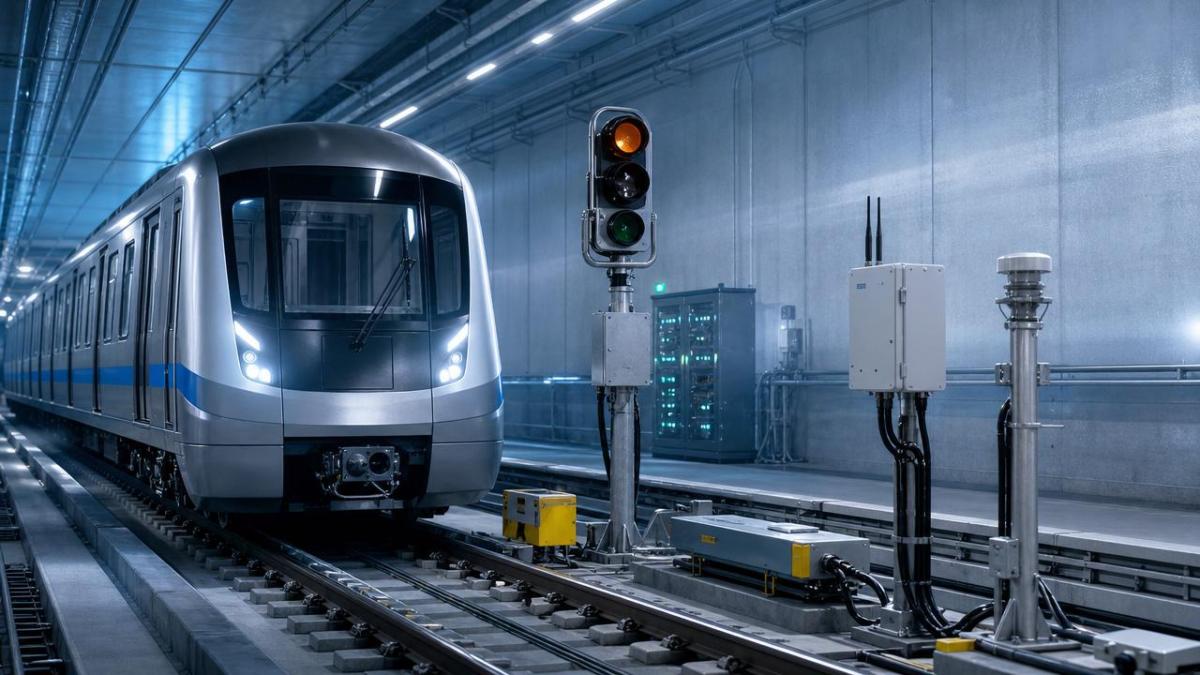
The global rail sector is entering a decisive signal modernization cycle.
Urban metros need shorter headways, mainlines need better punctuality, and mixed networks need stronger operational flexibility.
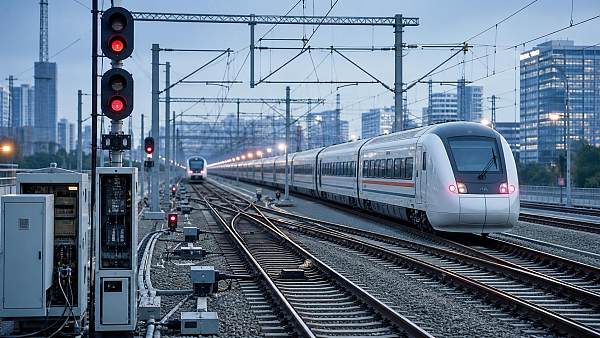
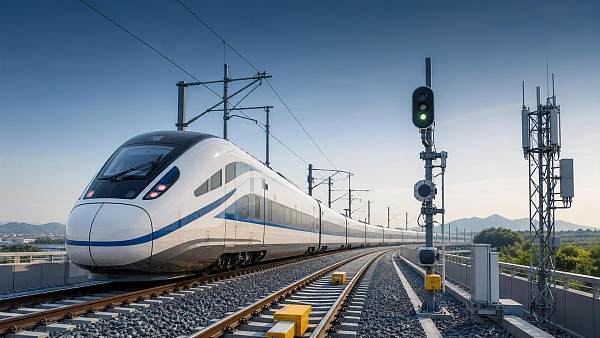
In this context, railway signal control systems are no longer isolated trackside assets.
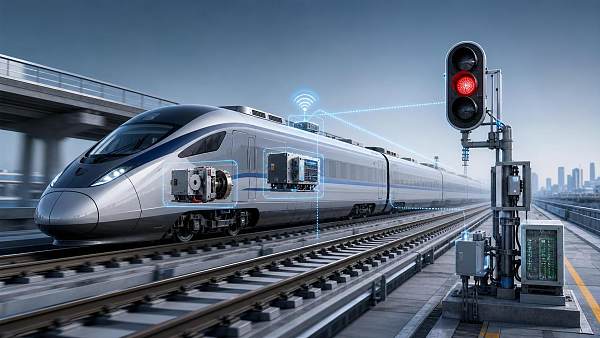
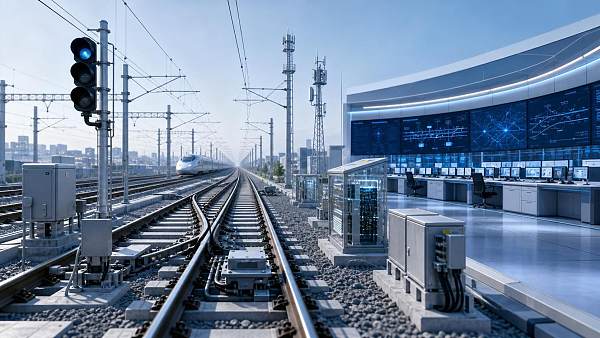
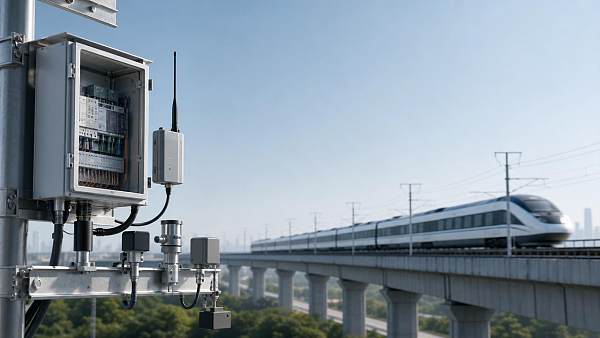
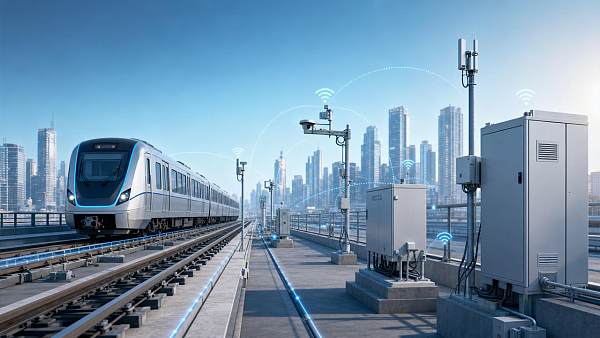
They are becoming digital control layers connecting trains, control centers, wayside equipment, telecom networks, and maintenance platforms.
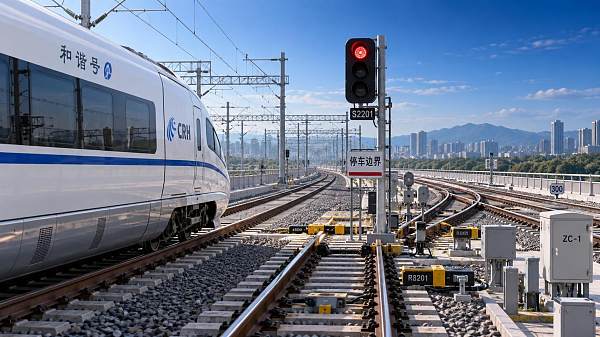
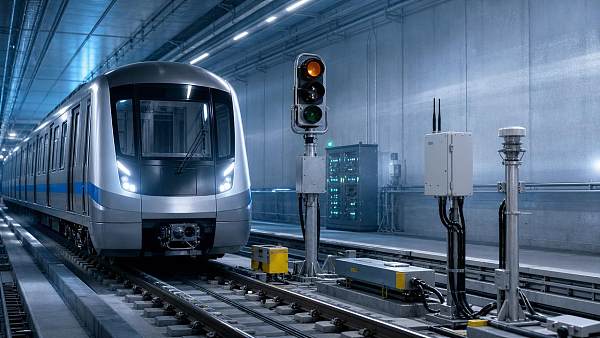
Interlocking remains the proven safety core that prevents conflicting routes, unsafe switch positions, and forbidden train movements.
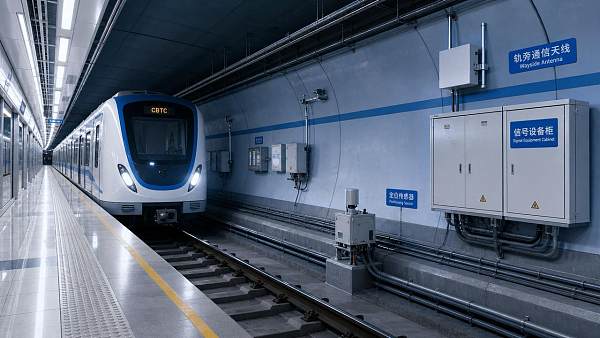
CBTC, or Communications-Based Train Control, adds continuous train localization, moving block operation, and automatic train supervision capabilities.
The real question is not whether CBTC replaces interlocking everywhere.
The better question is how railway signal control systems should combine both technologies for safety, capacity, availability, and lifecycle value.
Why The CBTC Versus Interlocking Debate Is Intensifying
Several trend signals explain why this debate is becoming more urgent across global transportation networks.
First, ridership recovery and urban expansion are pushing operators toward higher train frequency without always building new tracks.
Second, digitalization is reshaping expectations for diagnostics, remote supervision, and predictive maintenance.
Third, cybersecurity requirements are rising as railway signal control systems become more connected and software-defined.
Fourth, aging relay interlocking and early electronic interlocking platforms are reaching renewal windows in many corridors.
These changes make signal strategy a board-level infrastructure issue rather than a narrow technical upgrade.
Interlocking Remains The Non-Negotiable Safety Foundation
Interlocking is the safety logic that ensures incompatible movements cannot be authorized at the same time.
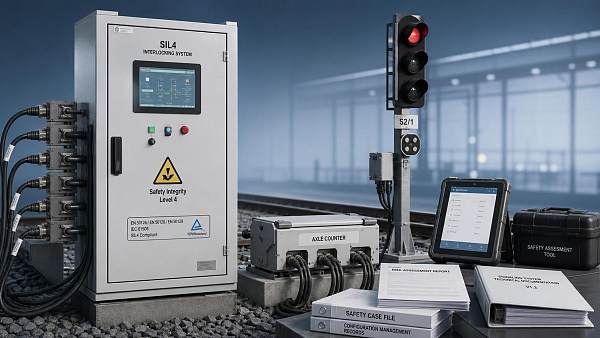
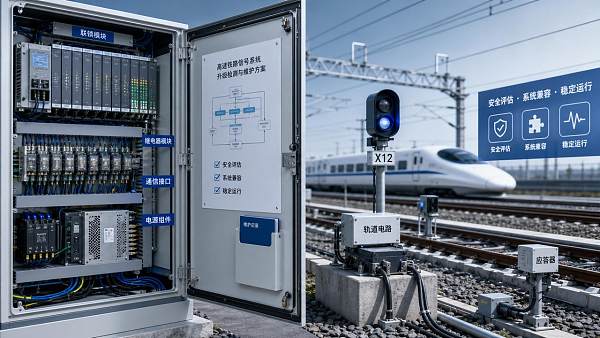
It supervises points, signals, track circuits, axle counters, route locking, flank protection, and release conditions.
In railway signal control systems, interlocking functions act as the deterministic barrier against hazardous route conflicts.
Relay interlocking offered physical transparency and long service life, but it lacks flexibility for dense digital operations.
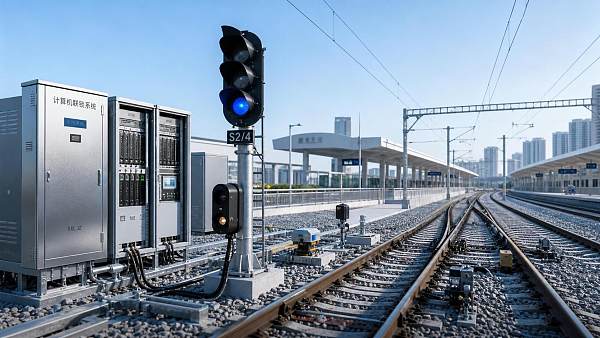
Computer-based interlocking improves maintainability, diagnostics, configuration management, and integration with centralized traffic control.
However, the safety case remains strict because any wrong route authorization can create unacceptable risk.
For mainline, freight, regional, depot, and mixed-traffic networks, interlocking is still the central safety authority.
Even advanced CBTC deployments usually retain interlocking for route setting, point control, work zones, and degraded operation.
When Interlocking-Led Modernization Makes Strategic Sense
- The corridor has moderate capacity pressure and stable operational patterns.
- Existing trains lack onboard CBTC equipment and retrofit budgets are constrained.
- The network includes complex junctions, yards, depots, or mixed rolling stock.
- Migration risk must be minimized while improving safety and availability.
- Railway signal control systems must support long asset life with clear maintainability.
CBTC Changes The Capacity Equation Through Continuous Train Control
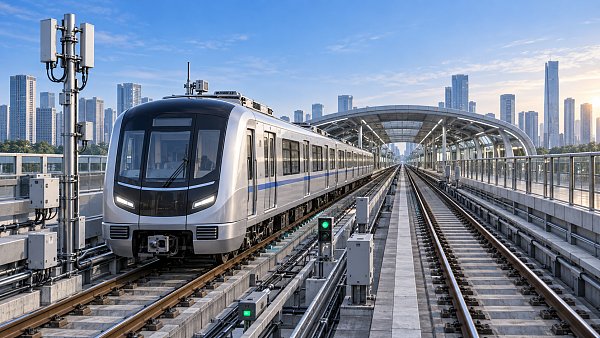
CBTC is designed for high-density urban rail where seconds matter and platform dwell variation affects the whole line.
Instead of relying mainly on fixed block occupancy, CBTC determines train position more continuously and accurately.
This allows safer reduction of separation margins when supported by robust radio communication and onboard control.
In modern railway signal control systems, CBTC typically integrates ATP, ATO, ATS, zone controllers, and data communication networks.
The result can be higher throughput, smoother acceleration, consistent braking curves, and better timetable recovery.
CBTC also supports automation grades, including driver advisory operation, semi-automatic operation, and unattended train operation.
Yet CBTC is not simply a software overlay.
It changes onboard equipment, telecom architecture, operational procedures, failure management, and maintenance competency requirements.
Where CBTC Delivers The Strongest Value
- Metro lines requiring very short headways during peak periods.
- Automated urban rail corridors with predictable rolling stock fleets.
- Brownfield lines where capacity must increase without major civil works.
- Networks seeking real-time performance data and centralized service recovery.
- Railway signal control systems requiring future unattended operation readiness.
The Overlap: CBTC And Interlocking Must Cooperate, Not Compete
The most effective architecture is rarely a simplistic choice between CBTC and interlocking.
CBTC manages continuous train separation and automatic movement authority inside its controlled territory.
Interlocking protects routes, switches, boundaries, depots, fallback modes, and interfaces with conventional signaling areas.
This cooperation is especially important during migration from legacy railway signal control systems to digital train control.
Brownfield projects often require staged commissioning while revenue service continues.
Temporary interfaces, shadow operation, dual-fit rolling stock, and fallback signaling can strongly influence project risk.
A weak interface specification can reduce the benefit of both technologies.
A strong integration strategy can turn railway signal control systems into scalable platforms for decades of operation.
Key Evaluation Criteria Are Shifting Toward Lifecycle Resilience
Earlier signal decisions often emphasized initial cost, proven references, and available civil access windows.
Those factors remain important, but lifecycle resilience now carries greater weight.
Railway signal control systems must remain safe, maintainable, cybersecure, upgradeable, and interoperable across long operating periods.
Different Business Links Feel The Impact In Different Ways
Signal architecture choices affect more than control rooms and trackside cabinets.
They influence rolling stock programs, depot strategy, telecom planning, power consumption, spare parts, training, and certification timelines.
For infrastructure development, CBTC can unlock capacity when track expansion is difficult.
For operations, stronger railway signal control systems can improve timetable stability and incident recovery.
For maintenance, digital diagnostics can reduce blind troubleshooting, but they also demand software and network competence.
For commercial planning, automation readiness can change long-term labor models, energy patterns, and service frequency commitments.
- Operations gain better control precision, but degraded mode rules must be rehearsed.
- Maintenance gains diagnostics, but configuration control becomes more critical.
- Telecom teams gain strategic importance through radio availability and latency control.
- Safety teams face larger integrated safety cases and software validation workloads.
- Investment planning must compare lifecycle benefit against migration risk.
Cybersecurity Is Becoming A Core Signal Performance Metric
As railway signal control systems become interconnected, cybersecurity can no longer be treated as an external IT layer.
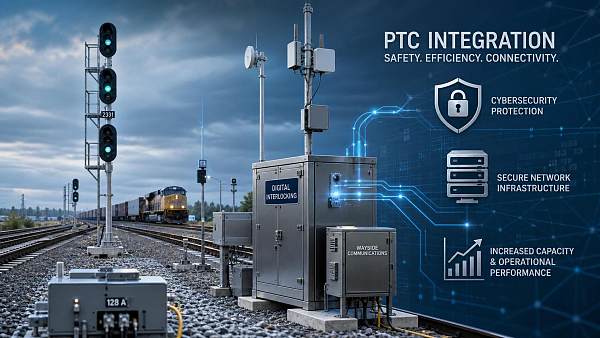
CBTC depends on reliable communication among onboard controllers, wayside controllers, access points, and control centers.
Computer-based interlocking also relies on secure engineering workstations, maintenance ports, and communication links.
Cyber resilience must therefore be designed into architecture, procurement, commissioning, and operational governance.
Important measures include network segmentation, secure remote access, anomaly monitoring, patch governance, and incident recovery drills.
The strongest railway signal control systems will combine functional safety and cybersecurity without creating operational deadlocks.
What To Prioritize Before Selecting CBTC Or Interlocking
A robust decision should start from operating requirements, not from technology labels.
The following priorities help build a defensible path for railway signal control systems modernization.
- Define target headway, service recovery time, and automation grade.
- Map all interfaces with rolling stock, depots, platforms, telecom, and control centers.
- Separate safety requirements from performance enhancements and convenience functions.
- Evaluate migration stages, fallback operation, and temporary service constraints.
- Require clear cybersecurity evidence across products, networks, and maintenance tools.
- Assess supplier support, spare strategy, software update policy, and obsolescence planning.
- Use simulation to verify capacity benefits before committing to irreversible design choices.
A Practical Decision Matrix For Future-Ready Signaling
No single architecture fits every railway environment.
The most practical approach is to match technology depth with capacity pressure, risk tolerance, and renewal timing.
How GTOT Reads The Next Signal Control Cycle
GTOT views railway signal control systems as the central nervous system of land transportation modernization.
The next cycle will be shaped by five connected themes: safety certification, digital integration, automation, cybersecurity, and lifecycle economics.
CBTC will keep expanding in metro and high-density urban rail because capacity needs are immediate and measurable.
Interlocking will remain indispensable because safe route logic is required across nearly every rail environment.
The strongest railway signal control systems will not chase novelty for its own sake.
They will prove safe movement authority, graceful degradation, clear maintainability, and credible upgrade paths.
Actionable Next Steps For A Sound Signaling Roadmap
Begin with a corridor-level diagnostic rather than a product comparison.
Measure current headway limits, failure causes, dwell variability, asset age, telecom readiness, and rolling stock compatibility.
Then model three options: interlocking modernization, CBTC migration, and hybrid staged deployment.
Each option should include safety evidence, cost profile, operational disruption, cybersecurity controls, and lifecycle support assumptions.
Railway signal control systems are strategic assets, not isolated equipment packages.
A disciplined roadmap can turn signaling renewal into higher capacity, stronger safety, and more resilient transportation performance.
For deeper land-sea transport intelligence, GTOT continues tracking signal control evolution, traction technologies, braking systems, smart vessels, and LNG carrier engineering.
Recommended News
 Sep 24, 2026When should rail operators upgrade to CBTC-based railway automation systems?Railway automation systems: learn when CBTC upgrades deliver capacity, resilience and safer operations—and how to plan a phased, low-risk migration.
 Sep 12, 2026How automatic train control reduces the risk of signal overrunsAutomatic train control reduces signal overrun risk with continuous speed supervision, braking curves, fail-safe responses, and stronger rail safety assurance.
 Sep 02, 2026How to choose train control equipment for signaling reliabilityTrain control equipment for signaling: learn how to assess safety, reliability, interfaces, cybersecurity, and lifecycle support for resilient railway operations.
 Aug 17, 2026When does upgrading railway signaling systems improve line capacity?Railway signaling systems improve line capacity when headways, junction recovery, and service stability become the real bottlenecks. Learn the signs and best upgrade path.
 Aug 04, 2026What Drives Railway Signal Control Systems Pricing in New Rail Projects?Railway signal control systems pricing depends on scope, SIL4 safety, interfaces, testing, and lifecycle support. Learn the real cost drivers to compare bids and avoid overruns.
 Aug 02, 2026How to Evaluate Train Control Systems for Mainline Capacity and SafetyTrain control systems for mainline demand more than feature comparisons. Learn how to assess capacity, safety, interoperability, degraded modes, and migration before you shortlist.
 Jul 31, 2026How to Evaluate a SIL4 Signalling Equipment Exporter for Safety Compliance and Project RiskSIL4 signalling equipment exporter evaluation starts with evidence, not claims. Learn how to verify safety compliance, project risk, integration capability, and lifecycle support.
 Jul 10, 2026SIL4 Signalling Systems: Key Safety Functions and Integration RisksSIL4 signalling systems explained: explore key safety functions, integration risks, and practical evaluation criteria to verify real-world railway reliability.
 Jul 08, 2026Automatic Train Control Fail Safe: Core Design Checks That MatterAutomatic train control fail safe explained: learn the core design checks for braking priority, fault detection, communication integrity, and safer rail system performance.
 Jul 06, 2026Train Control Equipment ETCS: Key Functions, Levels, and Deployment DifferencesTrain control equipment ETCS explained: explore key functions, ETCS levels, deployment differences, and evaluation risks to support smarter rail upgrade and procurement decisions.
 Jun 28, 2026Rail Signalling North America: Standards and Upgrade Priorities in 2026Rail signalling North America in 2026: explore key standards, cyber risks, and upgrade priorities shaping safer, smarter, higher-capacity rail networks.
 Jun 25, 2026How to Compare Railway Control Systems for Safer Network UpgradesRailway control systems comparison made practical: learn how to assess safety, migration risk, interoperability, and supplier capability for smarter, safer network upgrades.
 Jun 24, 2026Railway Automation Systems Standards in 2026: What Is Changing?Railway automation systems in 2026 face stricter standards in safety, cybersecurity, interoperability, and compliance. Discover what is changing and how projects can stay competitive.
 Jun 22, 2026Rail Signalling Basics: Common Failure Points and Safety Upgrade PrioritiesRail signalling basics explained: discover common failure points, risk-based safety upgrade priorities, and practical steps to improve reliability, compliance, and network performance.
 Jun 20, 2026LTE-M Rail Transit: Where It Fits Better Than Legacy WirelessLTE-M rail transit explained: discover where it outperforms legacy wireless in rail monitoring, low-power devices, and scalable telemetry for smarter, cost-efficient operations.
 Jun 16, 2026LTE-M Rail Transit: What to Check Before DeploymentLTE-M rail transit deployment starts with the right checks. Learn how to evaluate coverage, latency, handovers, cybersecurity, and system integration before rollout.
 Jun 15, 2026How to Evaluate Railway Control Components for Safer Signaling UpgradesRailway control components shape signaling safety, uptime, and integration success. Learn how to evaluate compatibility, SIL, resilience, and lifecycle fit before your next upgrade.
 Jun 12, 2026Railway Automation Systems: Key Standards and Performance ChecksRailway automation systems explained through key standards, SIL checks, interoperability, diagnostics, and lifecycle risks—discover how to compare solutions with confidence.
 Jun 10, 2026Railway Control Components: What Matters Most in System SelectionRailway control components selection affects safety, interoperability, and lifecycle cost. Discover the key criteria for choosing resilient rail systems with confidence.
 Jun 08, 2026Rail Signalling vs CBTC: What Matters for Network UpgradesRail signalling vs CBTC: learn what matters for network upgrades, from capacity and interoperability to automation, lifecycle cost, and safer long-term performance.
 Jun 03, 2026LTE-M Rail Transit: When It Fits Signaling, Monitoring, and Field OperationsLTE-M rail transit can strengthen signaling support, asset monitoring, and field operations—learn where it fits, what to test, and how GTOT helps reduce deployment risk.
 Jun 01, 2026Railway Signal Control Systems: CBTC or Interlocking?Railway signal control systems are evolving fast. Compare CBTC and interlocking to assess safety, capacity, cybersecurity, and lifecycle value for smarter rail upgrades.
 May 31, 2026Railway Safety Technology: When CBTC Adds Real ValueRailway safety technology gains real value with CBTC when it improves headway, SIL4 safety, resilience, and lifecycle performance across complex rail scenarios.
 May 23, 2026LTE-M Rail Transit: Where It Fits Best in 2026LTE-M rail transit in 2026: discover where it fits best for low-power monitoring, asset visibility, and cost-efficient rail digitalization across stations, depots, and trackside systems.