Search News
Industry Portal
Popular Tags
Rail Signalling vs CBTC: What Matters for Network Upgrades
Author
Time
Click Count
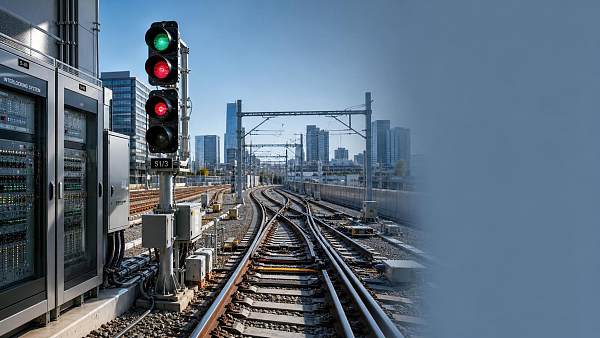
Network upgrades rarely begin with a clean slate. They begin with capacity pressure, aging assets, tighter safety expectations, and stronger demands for digital visibility. In that context, comparing rail signalling with CBTC is not a semantic exercise. It is a practical decision about how trains will move, how infrastructure will scale, and how risk will be managed over decades.
For many operators, the real question is not whether one technology is newer than the other. It is whether the selected control architecture fits route density, automation targets, legacy interfaces, and lifecycle cost. That is why rail signalling remains a central topic across urban transit, mainline modernization, and mixed-traffic corridors.
Where the distinction starts to matter
At a high level, conventional rail signalling refers to the broader family of systems that govern train separation, route setting, interlocking, movement authority, and fail-safe operations.
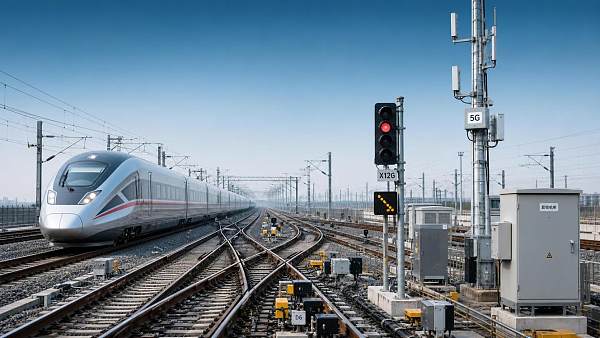
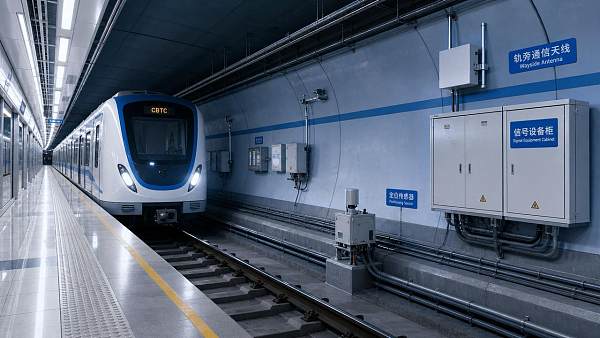
CBTC, or Communications-Based Train Control, is a specialized signalling approach. It uses continuous train-to-wayside communication and precise train location data to support closer headways and higher automation.
That means the comparison is not between unrelated technologies. CBTC sits within the wider rail signalling landscape, but it serves specific operational goals better than others.
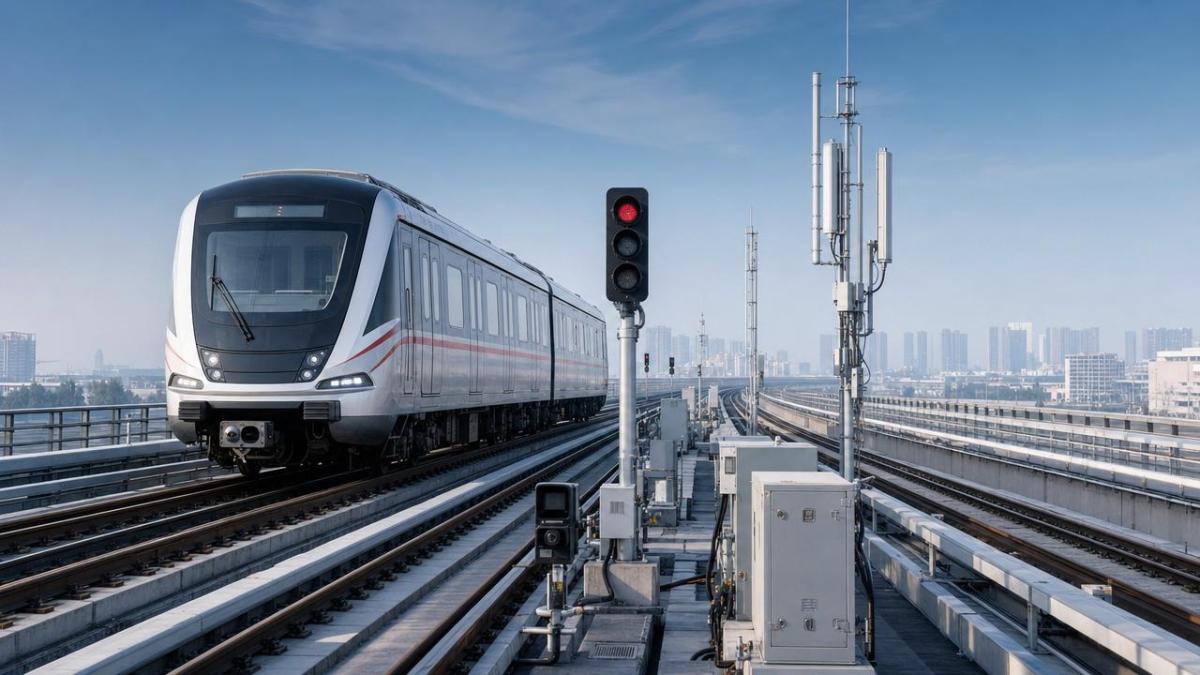
The distinction becomes important during upgrades because replacement programs often inherit fixed blocks, relay interlockings, legacy ATP layers, and constrained possession windows. A network may not need a full CBTC migration everywhere.
Rail signalling and CBTC solve different upgrade problems
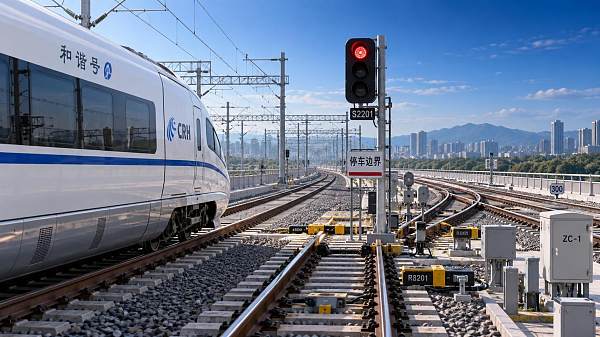
Traditional rail signalling is usually stronger where interoperability, long-distance routing, and mixed operations matter most. Mainline networks, freight interfaces, and regional corridors often need robust compatibility across many train types.
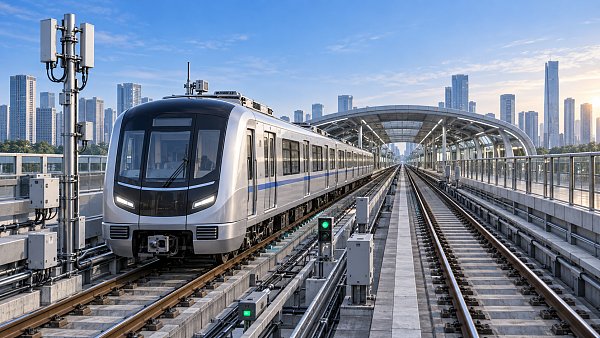
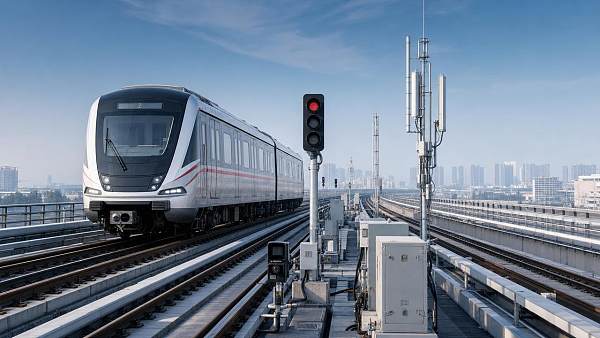
CBTC is usually selected where traffic density is the binding constraint. Metro networks benefit from moving block or quasi-moving block operation, shorter headways, and more predictable stopping performance.
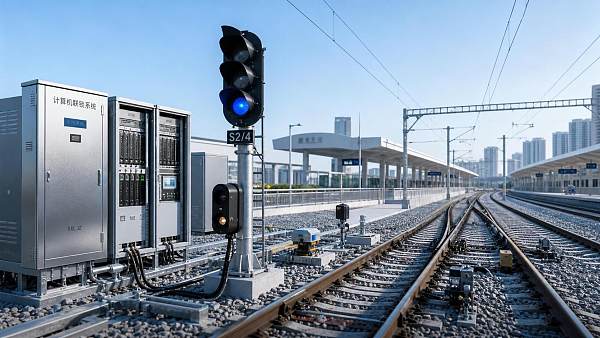
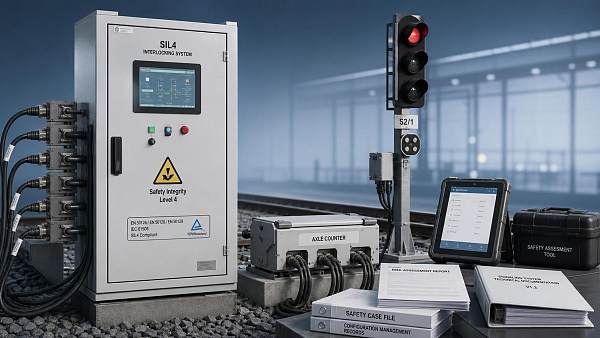
The practical difference is visible in upgrade priorities. Conventional rail signalling upgrades often focus on replacing obsolete interlockings, improving axle counter reliability, or integrating centralized traffic control.
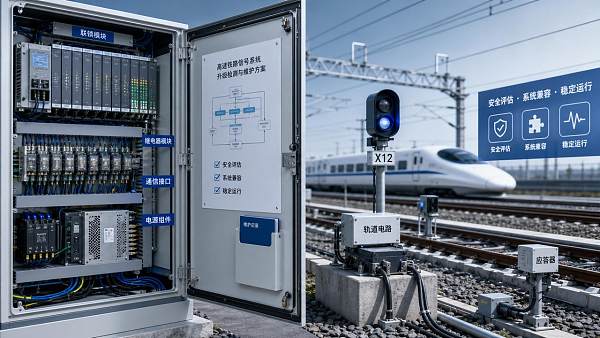
CBTC upgrades focus more on radio coverage, onboard controllers, zone architecture, fallback modes, and platform-level automation performance. The engineering workload shifts from pure trackside logic toward software, communications, and integration discipline.
Why the issue is getting more attention now
Three pressures are converging across transport infrastructure. The first is capacity. Many corridors must carry more passengers or more trains without new right-of-way.
The second is asset age. Relay rooms, track circuits, and proprietary interfaces create growing maintenance exposure. Spare parts become harder to source, and knowledge becomes concentrated in smaller teams.
The third is digital accountability. Operators now expect performance data, condition visibility, cybersecurity governance, and tighter compliance evidence from any rail signalling upgrade.
This wider industry trend aligns with the way GTOT reads transport systems. Whether the subject is signalling logic, braking performance, or smart vessel control, the common issue is safe automation under complex operating conditions.
That perspective matters because rail signalling decisions no longer sit in isolation. They influence power quality, timetable resilience, depot operations, and even supply chain planning for critical components.
The upgrade questions that deserve closer attention
Interoperability is often more valuable than novelty
A modern system can still be the wrong system if it creates interface friction. Networks with freight access, regional services, or staged renewals often need rail signalling that coexists with several generations of equipment.
CBTC may deliver excellent metro performance, but integration with legacy depots, adjacent lines, or non-CBTC fleets can complicate rollout. Migration strategy matters as much as end-state architecture.
Automation should be tied to operating need
Higher automation is attractive, but it should not be treated as a default requirement. Some corridors need predictable recovery and maintainability more than they need the highest grade of automation.
In practical terms, rail signalling selection should start from service pattern, headway target, dwell profile, and incident response model. Technology follows operations, not the other way around.
Maintenance complexity can erase paper benefits
Some upgrade business cases emphasize throughput gains but understate maintenance transition. CBTC usually reduces some trackside burdens, yet it adds pressure in software assurance, communications health, and onboard fleet consistency.
A conventional rail signalling refresh may look less transformative, but it can deliver stronger value when maintenance skills, spare strategy, and fault isolation workflows are already aligned.
Typical scenarios and the logic behind each choice
The right answer changes with network structure. A compact urban line with crowding risk and short station spacing will evaluate rail signalling very differently from a regional corridor carrying uneven traffic.
- Dense metro corridors usually favor CBTC when headway reduction and automatic operation are strategic goals.
- Suburban and regional lines often prioritize interoperable rail signalling with phased migration and dependable fallback modes.
- Mixed-traffic corridors usually need signalling that respects different braking curves, train lengths, and operating authorities.
- Brownfield terminals may benefit from selective CBTC zones, while retaining broader conventional rail signalling elsewhere.
This is why all-or-nothing thinking can be costly. Hybrid architectures, overlays, or corridor-specific modernization packages are often more realistic than network-wide uniformity.
How to judge lifecycle value, not just capital cost
A credible assessment should look beyond initial procurement. Rail signalling value emerges over time through reliability, maintainability, energy impact, timetable recovery, and renewal flexibility.
For example, tighter train regulation may improve rolling stock utilization, but only if dwell control, braking consistency, and power systems can support the operational model.
That systems view is increasingly important. GTOT’s cross-domain intelligence model treats signalling, traction, braking, and control data as connected layers rather than isolated components.
A rail signalling upgrade should therefore be tested against a broader checklist:
- Can the architecture support future fleet changes without major redesign?
- Does the supplier strategy reduce lock-in risk over the asset life?
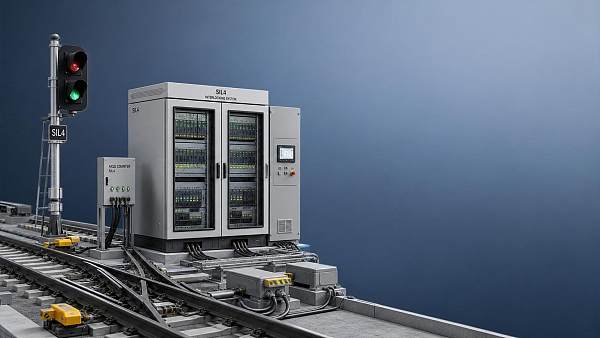
- Are SIL4 safety functions matched by practical maintainability?
- Can incident fallback preserve acceptable service levels?
- Will cybersecurity and data governance remain manageable after expansion?
A practical path for the next decision
The best upgrade choice usually emerges from a sequence, not a slogan. Start by defining the operational bottleneck with precision. It may be headway, reliability, interoperability, labor model, or maintenance exposure.
Then compare rail signalling options against migration risk, not only target performance. A solution that reaches the ideal end state slowly and safely may outperform one that promises more but disrupts service.
It also helps to map dependencies early. Power collection stability, braking behavior, communications resilience, and depot readiness all shape whether CBTC or another rail signalling path will create durable value.
For networks preparing the next review cycle, the most useful next step is often a structured comparison matrix. Put corridor type, traffic density, legacy assets, automation ambition, safety obligations, and support model into one framework.
That approach turns a broad technology debate into a grounded investment decision. In network upgrades, rail signalling matters most when it is judged as part of the whole operating system, not as a standalone specification line.
Recommended News
 Sep 24, 2026When should rail operators upgrade to CBTC-based railway automation systems?Railway automation systems: learn when CBTC upgrades deliver capacity, resilience and safer operations—and how to plan a phased, low-risk migration.
 Sep 12, 2026How automatic train control reduces the risk of signal overrunsAutomatic train control reduces signal overrun risk with continuous speed supervision, braking curves, fail-safe responses, and stronger rail safety assurance.
 Sep 02, 2026How to choose train control equipment for signaling reliabilityTrain control equipment for signaling: learn how to assess safety, reliability, interfaces, cybersecurity, and lifecycle support for resilient railway operations.
 Aug 17, 2026When does upgrading railway signaling systems improve line capacity?Railway signaling systems improve line capacity when headways, junction recovery, and service stability become the real bottlenecks. Learn the signs and best upgrade path.
 Aug 04, 2026What Drives Railway Signal Control Systems Pricing in New Rail Projects?Railway signal control systems pricing depends on scope, SIL4 safety, interfaces, testing, and lifecycle support. Learn the real cost drivers to compare bids and avoid overruns.
 Aug 02, 2026How to Evaluate Train Control Systems for Mainline Capacity and SafetyTrain control systems for mainline demand more than feature comparisons. Learn how to assess capacity, safety, interoperability, degraded modes, and migration before you shortlist.
 Jul 31, 2026How to Evaluate a SIL4 Signalling Equipment Exporter for Safety Compliance and Project RiskSIL4 signalling equipment exporter evaluation starts with evidence, not claims. Learn how to verify safety compliance, project risk, integration capability, and lifecycle support.
 Jul 10, 2026SIL4 Signalling Systems: Key Safety Functions and Integration RisksSIL4 signalling systems explained: explore key safety functions, integration risks, and practical evaluation criteria to verify real-world railway reliability.
 Jul 08, 2026Automatic Train Control Fail Safe: Core Design Checks That MatterAutomatic train control fail safe explained: learn the core design checks for braking priority, fault detection, communication integrity, and safer rail system performance.
 Jul 06, 2026Train Control Equipment ETCS: Key Functions, Levels, and Deployment DifferencesTrain control equipment ETCS explained: explore key functions, ETCS levels, deployment differences, and evaluation risks to support smarter rail upgrade and procurement decisions.
 Jun 28, 2026Rail Signalling North America: Standards and Upgrade Priorities in 2026Rail signalling North America in 2026: explore key standards, cyber risks, and upgrade priorities shaping safer, smarter, higher-capacity rail networks.
 Jun 25, 2026How to Compare Railway Control Systems for Safer Network UpgradesRailway control systems comparison made practical: learn how to assess safety, migration risk, interoperability, and supplier capability for smarter, safer network upgrades.
 Jun 24, 2026Railway Automation Systems Standards in 2026: What Is Changing?Railway automation systems in 2026 face stricter standards in safety, cybersecurity, interoperability, and compliance. Discover what is changing and how projects can stay competitive.
 Jun 22, 2026Rail Signalling Basics: Common Failure Points and Safety Upgrade PrioritiesRail signalling basics explained: discover common failure points, risk-based safety upgrade priorities, and practical steps to improve reliability, compliance, and network performance.
 Jun 20, 2026LTE-M Rail Transit: Where It Fits Better Than Legacy WirelessLTE-M rail transit explained: discover where it outperforms legacy wireless in rail monitoring, low-power devices, and scalable telemetry for smarter, cost-efficient operations.
 Jun 16, 2026LTE-M Rail Transit: What to Check Before DeploymentLTE-M rail transit deployment starts with the right checks. Learn how to evaluate coverage, latency, handovers, cybersecurity, and system integration before rollout.
 Jun 15, 2026How to Evaluate Railway Control Components for Safer Signaling UpgradesRailway control components shape signaling safety, uptime, and integration success. Learn how to evaluate compatibility, SIL, resilience, and lifecycle fit before your next upgrade.
 Jun 12, 2026Railway Automation Systems: Key Standards and Performance ChecksRailway automation systems explained through key standards, SIL checks, interoperability, diagnostics, and lifecycle risks—discover how to compare solutions with confidence.
 Jun 10, 2026Railway Control Components: What Matters Most in System SelectionRailway control components selection affects safety, interoperability, and lifecycle cost. Discover the key criteria for choosing resilient rail systems with confidence.
 Jun 08, 2026Rail Signalling vs CBTC: What Matters for Network UpgradesRail signalling vs CBTC: learn what matters for network upgrades, from capacity and interoperability to automation, lifecycle cost, and safer long-term performance.
 Jun 03, 2026LTE-M Rail Transit: When It Fits Signaling, Monitoring, and Field OperationsLTE-M rail transit can strengthen signaling support, asset monitoring, and field operations—learn where it fits, what to test, and how GTOT helps reduce deployment risk.
 Jun 01, 2026Railway Signal Control Systems: CBTC or Interlocking?Railway signal control systems are evolving fast. Compare CBTC and interlocking to assess safety, capacity, cybersecurity, and lifecycle value for smarter rail upgrades.
 May 31, 2026Railway Safety Technology: When CBTC Adds Real ValueRailway safety technology gains real value with CBTC when it improves headway, SIL4 safety, resilience, and lifecycle performance across complex rail scenarios.
 May 23, 2026LTE-M Rail Transit: Where It Fits Best in 2026LTE-M rail transit in 2026: discover where it fits best for low-power monitoring, asset visibility, and cost-efficient rail digitalization across stations, depots, and trackside systems.