



Search News
Industry Portal
Popular Tags
Railway Safety Technology: When CBTC Adds Real Value
Author
Time
Click Count
For technical evaluators, railway safety technology is no longer judged by automation claims alone, but by measurable risk reduction, operational resilience, and lifecycle value.
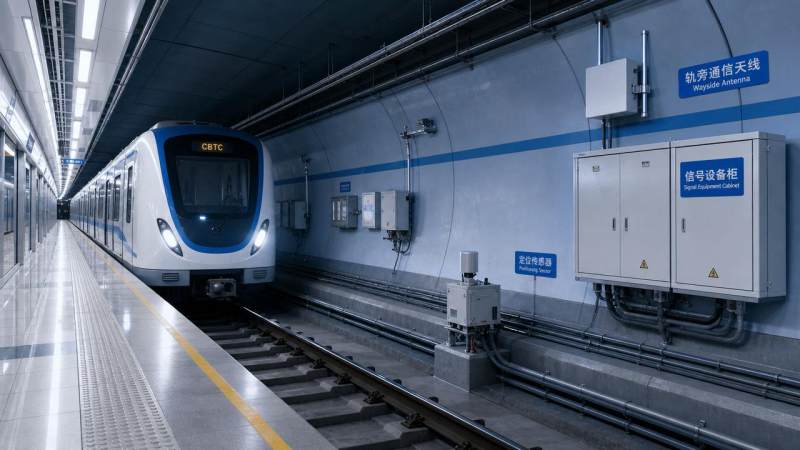
Communications-Based Train Control, or CBTC, adds value when it improves headway, supports SIL4 integrity, and integrates cleanly with existing signaling assets.
For GTOT, the core question is practical: when does CBTC become essential railway safety technology, and when is a narrower upgrade sufficient?
Where CBTC changes the railway safety technology decision
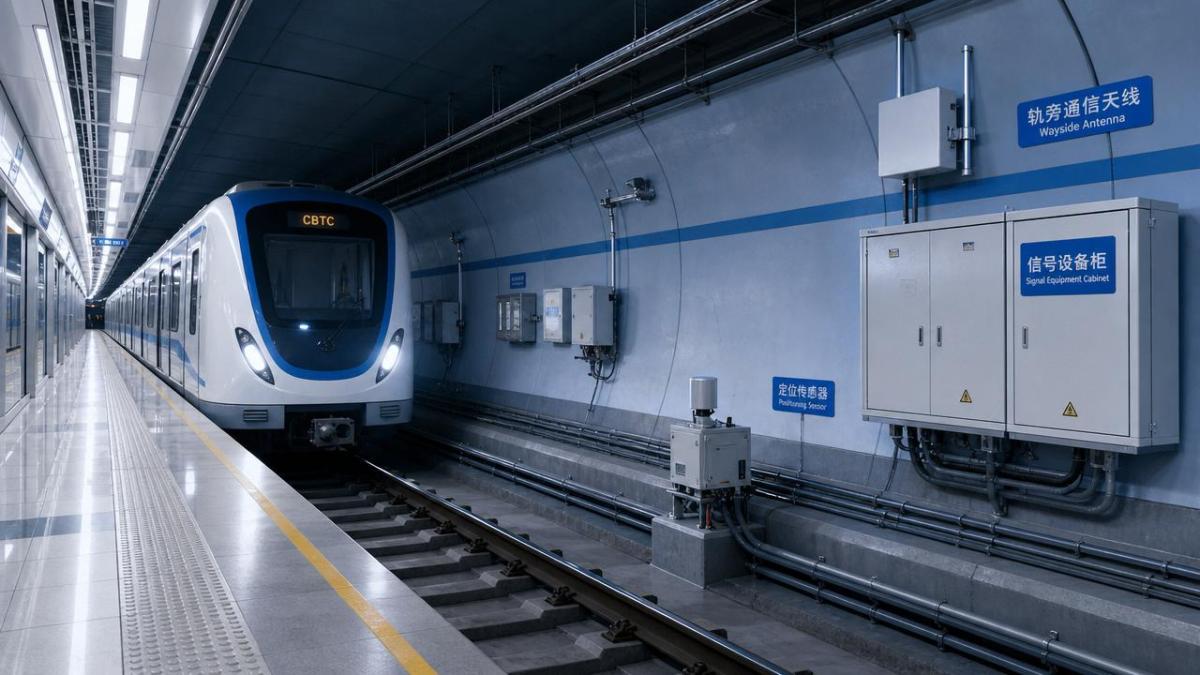
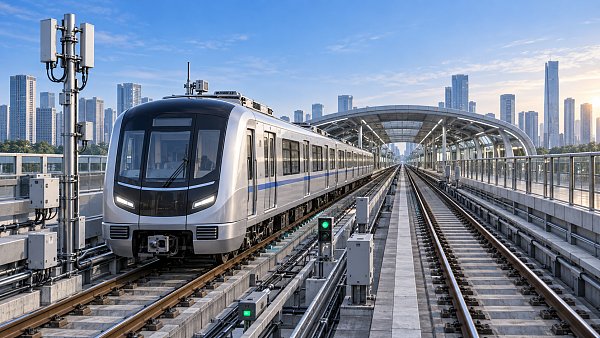
CBTC is most valuable where train movement must be supervised continuously, not only at fixed trackside block boundaries.
That difference matters in dense metro corridors, automated depots, airport links, and capacity-constrained urban rail extensions.
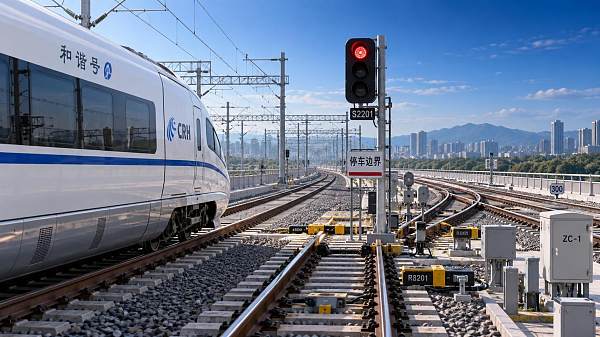
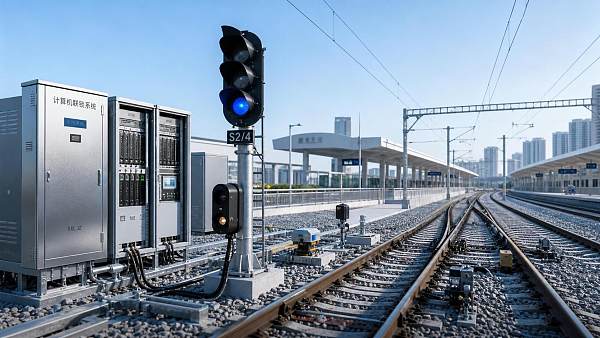
In these scenarios, railway safety technology must combine positioning, communication, interlocking, onboard control, and operating procedures.
A successful CBTC program does not simply replace signals with software. It creates verified movement authority across a controlled railway environment.
Scenario background: demand differs by risk and operating pressure
Not every railway needs the same level of CBTC investment. Demand depends on headway targets, passenger density, topology, and maintenance capability.
A newly built driverless metro has different requirements from a mixed fleet line using legacy interlocking and manual fallback procedures.
Therefore, railway safety technology assessment should start with the operating case, not with a preferred vendor architecture.
The best projects define safety targets, degraded-mode rules, cybersecurity boundaries, and migration constraints before selecting the CBTC configuration.
Scenario 1: high-density metro lines needing shorter headway
High-density metro lines are the clearest CBTC value case. Peak-hour demand can exceed the capacity of fixed-block signaling.
Moving block or quasi-moving block logic allows trains to run closer while maintaining safe separation under verified braking curves.
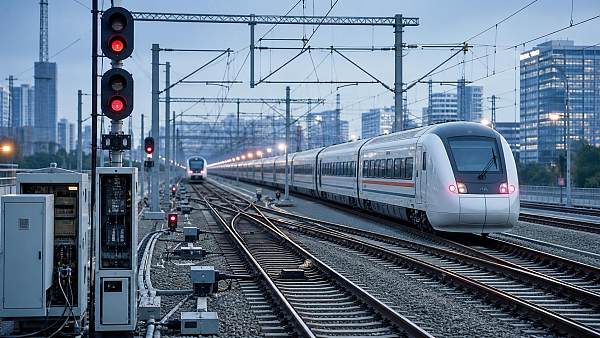
Here, railway safety technology must protect against overspeed, route conflict, loss of train detection, and unsafe platform interface conditions.
The key judgment is whether communication latency, train localization accuracy, and braking model validation can support the planned service frequency.
Core judgment points
- Can the line safely achieve target headway during peak service?
- Are station dwell times more restrictive than signaling separation?
- Does the CBTC design include robust fallback for communication loss?
- Are operational rules aligned with automatic train protection limits?
Scenario 2: unattended train operation and driverless corridors
Driverless corridors require railway safety technology that supervises train movement, door control, platform conditions, and emergency response.
CBTC becomes part of a wider automation chain, usually connected with ATS, platform screen doors, intrusion detection, and operation control centers.
The value is not only labor reduction. It is repeatable operation under controlled speed, accurate stopping, and centralized incident handling.
The critical question is whether the entire safety case supports unattended operation, not only whether the CBTC subsystem is certified.
When CBTC adds real value
CBTC is valuable when automatic train operation is supported by proven protection logic, continuous supervision, and recoverable degraded modes.
It is less effective when station systems, evacuation processes, or control center staffing remain designed for manual operation.
Scenario 3: brownfield upgrades with legacy signaling assets
Brownfield upgrades are often the most complex CBTC scenarios. Existing interlocking, track circuits, rolling stock, and procedures must remain usable.
In this case, railway safety technology value depends on migration planning as much as final technical performance.
Cutover stages, mixed-mode operation, temporary speed restrictions, and interface testing can determine whether safety improves or disruption increases.
A strong brownfield strategy separates safety-critical interfaces from convenience functions. It also verifies every transition between legacy and CBTC control.
Practical migration checks
- Map every interlocking, axle counter, track circuit, and wayside interface.
- Define mixed-fleet rules before introducing CBTC-equipped trains.
- Test failure transitions under realistic traffic conditions.
- Use simulation to validate headway gains before commercial launch.
Scenario 4: airport links and premium service reliability
Airport links usually combine strict punctuality, high passenger sensitivity, and limited tolerance for service disruption.
CBTC can support precise timetable recovery, platform coordination, and real-time supervision across dedicated or semi-dedicated corridors.
In this environment, railway safety technology must balance availability and safety. A safe system that causes frequent stoppages loses operational value.
The main judgment is whether CBTC improves recovery after delay, not only whether it reduces minimum theoretical headway.
Scenario 5: depots, turnbacks, and complex terminal zones
Depots and terminal zones create dense route conflicts at low speed. They often limit line performance more than open-track sections.
CBTC can add value through automated route setting, precise train positioning, and safer reversing movements.
However, railway safety technology must account for maintenance staff access, shunting rules, work zones, and non-revenue movements.
The most important test is whether the system handles abnormal terminal operations without creating unsafe manual workarounds.
Different scenario requirements for CBTC value
Scenario-fit recommendations for railway safety technology
CBTC should be selected through a scenario-fit process. The process must connect safety objectives with measurable operating outcomes.
- Use service patterns to define required train separation and response times.
- Validate communications coverage under tunnels, curves, stations, and depots.
- Confirm SIL4 safety functions through independent assessment and evidence.
- Model degraded operation before approving the final architecture.
- Evaluate maintainability, spare strategy, and software lifecycle governance.
For GTOT’s land-sea intelligence perspective, this mirrors advanced vessel systems: automation creates value only when failure behavior is controlled.
Common misjudgments that reduce CBTC safety value
The first misjudgment is treating CBTC as a universal capacity solution. Station dwell time may remain the real bottleneck.
The second is ignoring degraded modes. Railway safety technology must be evaluated during equipment failure, communication loss, and partial closures.
The third is underestimating cybersecurity. CBTC depends on data communication, so network segmentation and secure maintenance access matter.
The fourth is separating rolling stock and signaling decisions. Onboard equipment, braking performance, and train integrity affect the safety case.
The fifth is relying on certification without operational proof. A certified subsystem can still fail to deliver expected network performance.
How to measure real lifecycle value
Real CBTC value appears in safety indicators, availability figures, maintenance efficiency, and passenger service stability.
Useful metrics include incidents per million train-kilometers, mean time between service-affecting failures, and recovery time after disruption.
Capacity metrics also matter, including practical headway, terminal throughput, timetable adherence, and platform reoccupation time.
A complete railway safety technology business case should include software updates, obsolescence management, training, spares, and independent assessment costs.
Action guide: making CBTC assessment practical
A practical assessment begins with the line scenario, not a product brochure. Define the operating pain point first.
- Identify whether the priority is safety, capacity, automation, reliability, or migration.
- Build a baseline using current incidents, delays, and maintenance constraints.
- Test CBTC architecture against normal, peak, and degraded operating cases.
- Review interfaces with interlocking, ATS, rolling stock, depots, and platforms.
- Confirm lifecycle support before final procurement or technical approval.
CBTC adds real value when railway safety technology becomes measurable, resilient, and operationally integrated across the entire corridor.
For global rail intelligence, the strongest projects connect SIL4 discipline with practical service outcomes and long-term asset credibility.
Recommended News
 Sep 24, 2026When should rail operators upgrade to CBTC-based railway automation systems?Railway automation systems: learn when CBTC upgrades deliver capacity, resilience and safer operations—and how to plan a phased, low-risk migration.
 Sep 12, 2026How automatic train control reduces the risk of signal overrunsAutomatic train control reduces signal overrun risk with continuous speed supervision, braking curves, fail-safe responses, and stronger rail safety assurance.
 Sep 02, 2026How to choose train control equipment for signaling reliabilityTrain control equipment for signaling: learn how to assess safety, reliability, interfaces, cybersecurity, and lifecycle support for resilient railway operations.
 Aug 17, 2026When does upgrading railway signaling systems improve line capacity?Railway signaling systems improve line capacity when headways, junction recovery, and service stability become the real bottlenecks. Learn the signs and best upgrade path.
 Aug 04, 2026What Drives Railway Signal Control Systems Pricing in New Rail Projects?Railway signal control systems pricing depends on scope, SIL4 safety, interfaces, testing, and lifecycle support. Learn the real cost drivers to compare bids and avoid overruns.
 Aug 02, 2026How to Evaluate Train Control Systems for Mainline Capacity and SafetyTrain control systems for mainline demand more than feature comparisons. Learn how to assess capacity, safety, interoperability, degraded modes, and migration before you shortlist.
 Jul 31, 2026How to Evaluate a SIL4 Signalling Equipment Exporter for Safety Compliance and Project RiskSIL4 signalling equipment exporter evaluation starts with evidence, not claims. Learn how to verify safety compliance, project risk, integration capability, and lifecycle support.
 Jul 10, 2026SIL4 Signalling Systems: Key Safety Functions and Integration RisksSIL4 signalling systems explained: explore key safety functions, integration risks, and practical evaluation criteria to verify real-world railway reliability.
 Jul 08, 2026Automatic Train Control Fail Safe: Core Design Checks That MatterAutomatic train control fail safe explained: learn the core design checks for braking priority, fault detection, communication integrity, and safer rail system performance.
 Jul 06, 2026Train Control Equipment ETCS: Key Functions, Levels, and Deployment DifferencesTrain control equipment ETCS explained: explore key functions, ETCS levels, deployment differences, and evaluation risks to support smarter rail upgrade and procurement decisions.
 Jun 28, 2026Rail Signalling North America: Standards and Upgrade Priorities in 2026Rail signalling North America in 2026: explore key standards, cyber risks, and upgrade priorities shaping safer, smarter, higher-capacity rail networks.
 Jun 25, 2026How to Compare Railway Control Systems for Safer Network UpgradesRailway control systems comparison made practical: learn how to assess safety, migration risk, interoperability, and supplier capability for smarter, safer network upgrades.
 Jun 24, 2026Railway Automation Systems Standards in 2026: What Is Changing?Railway automation systems in 2026 face stricter standards in safety, cybersecurity, interoperability, and compliance. Discover what is changing and how projects can stay competitive.
 Jun 22, 2026Rail Signalling Basics: Common Failure Points and Safety Upgrade PrioritiesRail signalling basics explained: discover common failure points, risk-based safety upgrade priorities, and practical steps to improve reliability, compliance, and network performance.
 Jun 20, 2026LTE-M Rail Transit: Where It Fits Better Than Legacy WirelessLTE-M rail transit explained: discover where it outperforms legacy wireless in rail monitoring, low-power devices, and scalable telemetry for smarter, cost-efficient operations.
 Jun 16, 2026LTE-M Rail Transit: What to Check Before DeploymentLTE-M rail transit deployment starts with the right checks. Learn how to evaluate coverage, latency, handovers, cybersecurity, and system integration before rollout.
 Jun 15, 2026How to Evaluate Railway Control Components for Safer Signaling UpgradesRailway control components shape signaling safety, uptime, and integration success. Learn how to evaluate compatibility, SIL, resilience, and lifecycle fit before your next upgrade.
 Jun 12, 2026Railway Automation Systems: Key Standards and Performance ChecksRailway automation systems explained through key standards, SIL checks, interoperability, diagnostics, and lifecycle risks—discover how to compare solutions with confidence.
 Jun 10, 2026Railway Control Components: What Matters Most in System SelectionRailway control components selection affects safety, interoperability, and lifecycle cost. Discover the key criteria for choosing resilient rail systems with confidence.
 Jun 08, 2026Rail Signalling vs CBTC: What Matters for Network UpgradesRail signalling vs CBTC: learn what matters for network upgrades, from capacity and interoperability to automation, lifecycle cost, and safer long-term performance.
 Jun 03, 2026LTE-M Rail Transit: When It Fits Signaling, Monitoring, and Field OperationsLTE-M rail transit can strengthen signaling support, asset monitoring, and field operations—learn where it fits, what to test, and how GTOT helps reduce deployment risk.
 Jun 01, 2026Railway Signal Control Systems: CBTC or Interlocking?Railway signal control systems are evolving fast. Compare CBTC and interlocking to assess safety, capacity, cybersecurity, and lifecycle value for smarter rail upgrades.
 May 31, 2026Railway Safety Technology: When CBTC Adds Real ValueRailway safety technology gains real value with CBTC when it improves headway, SIL4 safety, resilience, and lifecycle performance across complex rail scenarios.
 May 23, 2026LTE-M Rail Transit: Where It Fits Best in 2026LTE-M rail transit in 2026: discover where it fits best for low-power monitoring, asset visibility, and cost-efficient rail digitalization across stations, depots, and trackside systems.