



Search News
Industry Portal
Popular Tags
LTE-M Rail Transit: Where It Fits Best in 2026
Author
Time
Click Count
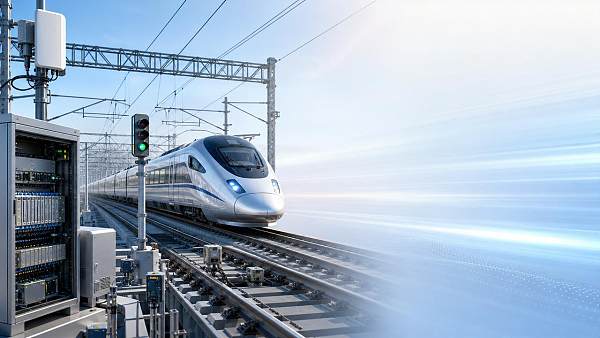
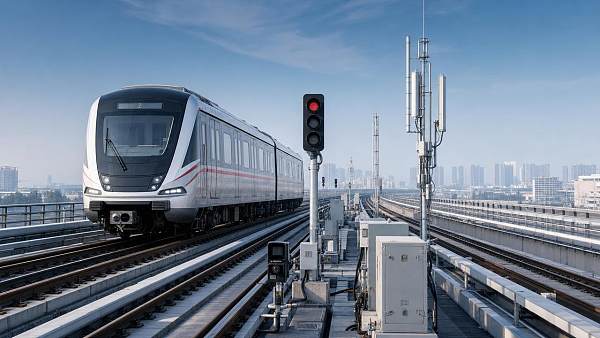
As rail operators move toward smarter, safer, and more cost-efficient networks, LTE-M rail transit is emerging as a practical connectivity option for specific operational scenarios in 2026. For infrastructure planning, the key question is not whether LTE-M matters, but where it fits best.
Within modern transport systems, connectivity choices must support safety, uptime, energy efficiency, and lifecycle value. In that context, LTE-M rail transit stands out for low-power field devices, wide-area monitoring, and moderate data applications that do not require mission-critical broadband performance.
What LTE-M Rail Transit Means in 2026
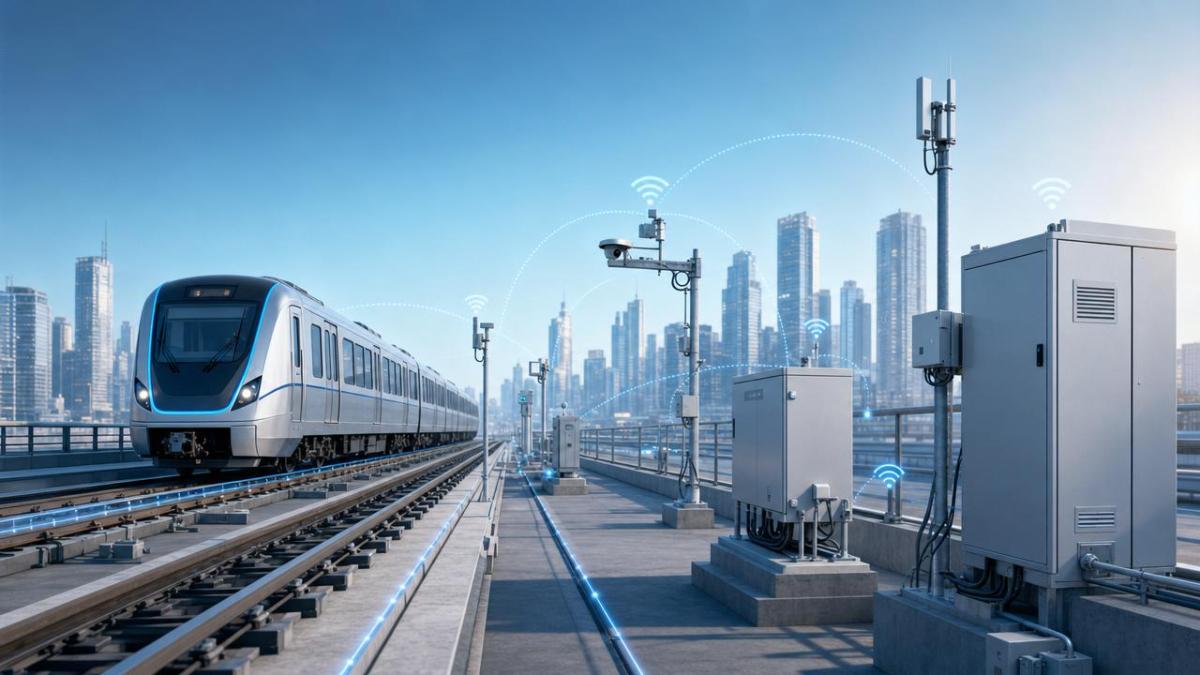
LTE-M, or Long Term Evolution for Machines, is a cellular IoT technology built for connected devices that transmit modest data volumes with strong coverage and lower power consumption.
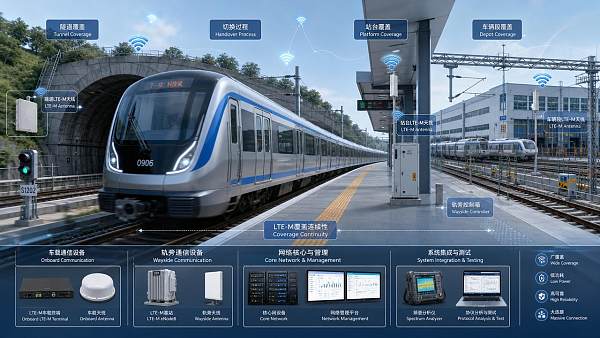
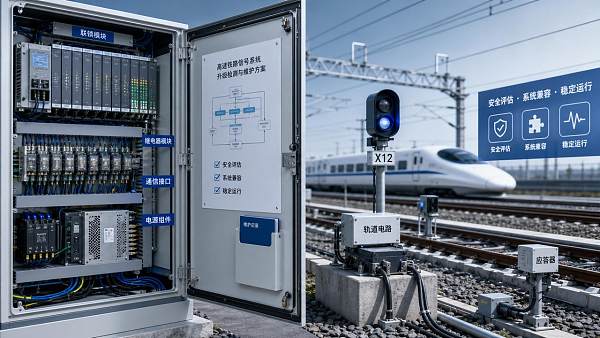
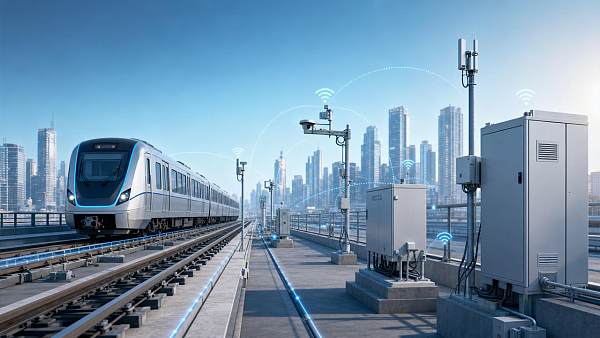
In LTE-M rail transit, the technology is used for sensors, condition monitoring nodes, utility meters, onboard status units, remote cabinets, and distributed equipment across rail corridors and stations.
It is not a replacement for every railway communication layer. Instead, it fills a middle ground between very low-rate IoT and higher-bandwidth operational networks.
That distinction matters in 2026. Railways now combine signalling, traction power, maintenance analytics, station automation, and passenger systems into one digital ecosystem.
Some of these functions need deterministic, ultra-reliable links. Others simply need dependable, affordable, and scalable connectivity for thousands of assets.
This is where LTE-M rail transit fits best. It supports mobile or fixed devices, handles firmware updates better than many narrowband alternatives, and performs well in widely distributed deployments.
Why the Rail Sector Is Paying Attention
Rail digitalization is accelerating across urban transit, regional lines, freight corridors, depots, and intermodal terminals. Yet budgets remain under pressure, especially for non-core communication layers.
At the same time, operators need better visibility into assets that were previously isolated. This includes cabinets, brake subsystems, environmental monitors, platform equipment, and trackside electrical assets.
LTE-M rail transit is gaining interest because it aligns with several 2026 priorities:
- Lower power demand for battery-supported field devices
- Good coverage in dispersed outdoor infrastructure
- Lower deployment complexity than fully private broadband systems
- Support for moderate mobility and periodic telemetry
- Useful balance between cost, device simplicity, and network reach
For intelligence-led platforms such as GTOT, this matters because communications choices affect the performance of railway signal control environments, braking diagnostics, and energy-related asset monitoring.
It also reflects a broader land-sea trend. Transport networks increasingly depend on distributed sensors, condition data, and asset visibility to improve resilience and commercial efficiency.
Key Signals Shaping Adoption
Where LTE-M Rail Transit Fits Best
The best use cases for LTE-M rail transit are operationally important but not latency-critical in the same way as train control or protection systems.
The technology is strongest when assets are numerous, geographically spread out, and expected to report status, alarms, health trends, or environmental data.
High-fit scenarios
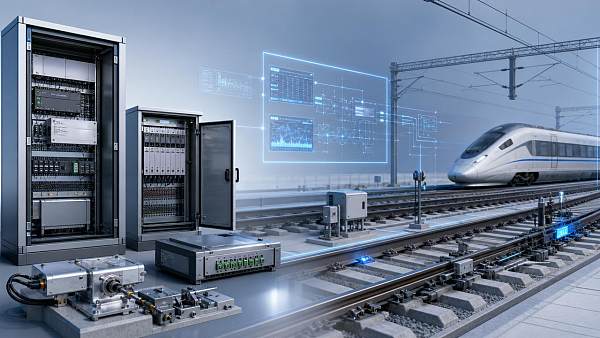
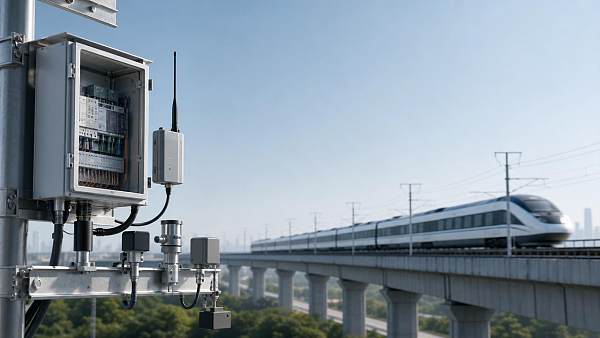
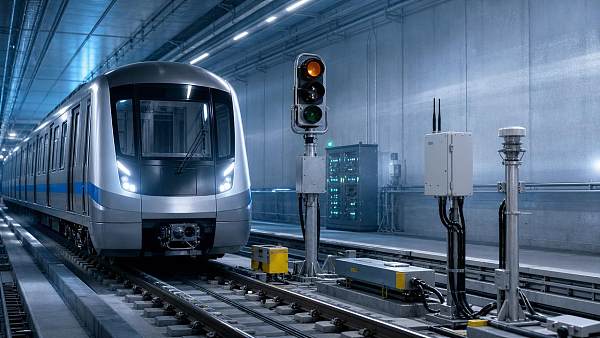
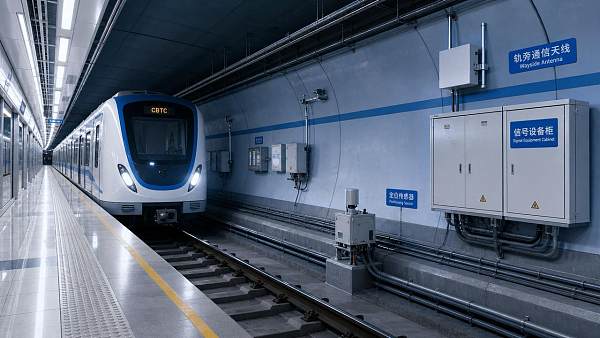
- Trackside condition monitoring for cabinets, power enclosures, and auxiliary systems
- Remote health data from braking-related subsystems and wayside diagnostic modules
- Pantograph inspection support sensors and overhead line monitoring nodes
- Station utilities, escalator monitors, environmental sensors, and backup power status units
- Freight yard asset tracking, gate equipment telemetry, and container interface monitoring
- Depot tools, mobile maintenance carts, and service equipment status reporting
These examples show why LTE-M rail transit belongs in the broader operational technology stack rather than in the narrow category of passenger connectivity alone.
Lower-fit scenarios
LTE-M is usually a weaker choice for functions demanding deterministic timing, very high throughput, or uncompromised fail-safe communication behavior.
- Core signalling and train protection layers
- Continuous high-definition onboard video backhaul
- Bandwidth-heavy edge analytics requiring large data uploads
- Applications with strict real-time control loops
Application Value Across Rail Operations
The main value of LTE-M rail transit is practical efficiency. It helps extend visibility to assets that are often expensive to wire, difficult to inspect frequently, or overlooked until failure occurs.
In large networks, even small reliability gains matter. A low-power monitoring device that prevents a cabinet failure or identifies abnormal brake temperature trends can reduce disruption costs.
LTE-M rail transit also supports staged digital transformation. Instead of waiting for a full network overhaul, operators can connect selected asset groups and build a stronger operational data foundation.
This staged model aligns with GTOT’s focus on intelligence stitching. Value comes from linking equipment behavior, operational conditions, and maintenance response into one decision chain.
Business and technical benefits
A Practical Segmentation Framework
A useful way to evaluate LTE-M rail transit is to segment applications by mobility, criticality, data load, and power constraints.
- Fixed, low-power, moderate-criticality assets: very strong fit
- Mobile maintenance devices: strong fit when data volumes are controlled
- Onboard auxiliary monitoring: selective fit, depending on motion and coverage profile
- Safety-critical command systems: generally poor fit
- Video-heavy or broadband applications: limited fit
This framework prevents overextension. The success of LTE-M rail transit depends less on marketing claims and more on disciplined network role definition.
Implementation Considerations and Cautions
Before deployment, teams should test radio behavior in tunnels, cuttings, depots, stations, and dense urban corridors. Coverage assumptions often look better on paper than in mixed rail environments.
Power budgeting also needs attention. Device sleep cycles, reporting intervals, alarm frequency, and firmware update size all affect real field life.
Cybersecurity must be treated as a design requirement. Even non-critical field devices can become entry points if authentication, encryption, and device lifecycle control are weak.
Integration planning is equally important. Data from LTE-M rail transit devices should map cleanly into maintenance, SCADA, analytics, or enterprise asset management systems.
Recommended evaluation checklist
- Define whether the application is monitoring, alerting, or control
- Measure required latency, availability, and recovery tolerance
- Estimate device count and reporting frequency over three to five years
- Validate indoor, outdoor, and corridor coverage through field trials
- Check interoperability with existing operational platforms
- Confirm cybersecurity and update management procedures
Operational Next Steps for 2026 Planning
The most effective path is to start with a narrow, high-value asset group. Choose equipment with clear failure costs, limited existing visibility, and manageable data requirements.
Examples include wayside power cabinets, environmental sensors, depot service equipment, or brake health indicators. These are strong candidates for LTE-M rail transit pilots.
Then compare measured outcomes against wired and alternative wireless options. Focus on battery life, alarm success rate, installation effort, and maintenance workload reduction.
In 2026, LTE-M rail transit is best viewed as a role-specific enabler. It performs best when matched to distributed monitoring needs, sensible data volumes, and lifecycle-focused asset strategies.
For organizations following GTOT’s intelligence perspective, the goal is clear: connect the right rail assets with the right network layer, then turn equipment signals into resilient operational decisions.
Recommended News
 Sep 24, 2026When should rail operators upgrade to CBTC-based railway automation systems?Railway automation systems: learn when CBTC upgrades deliver capacity, resilience and safer operations—and how to plan a phased, low-risk migration.
 Sep 12, 2026How automatic train control reduces the risk of signal overrunsAutomatic train control reduces signal overrun risk with continuous speed supervision, braking curves, fail-safe responses, and stronger rail safety assurance.
 Sep 02, 2026How to choose train control equipment for signaling reliabilityTrain control equipment for signaling: learn how to assess safety, reliability, interfaces, cybersecurity, and lifecycle support for resilient railway operations.
 Aug 17, 2026When does upgrading railway signaling systems improve line capacity?Railway signaling systems improve line capacity when headways, junction recovery, and service stability become the real bottlenecks. Learn the signs and best upgrade path.
 Aug 04, 2026What Drives Railway Signal Control Systems Pricing in New Rail Projects?Railway signal control systems pricing depends on scope, SIL4 safety, interfaces, testing, and lifecycle support. Learn the real cost drivers to compare bids and avoid overruns.
 Aug 02, 2026How to Evaluate Train Control Systems for Mainline Capacity and SafetyTrain control systems for mainline demand more than feature comparisons. Learn how to assess capacity, safety, interoperability, degraded modes, and migration before you shortlist.
 Jul 31, 2026How to Evaluate a SIL4 Signalling Equipment Exporter for Safety Compliance and Project RiskSIL4 signalling equipment exporter evaluation starts with evidence, not claims. Learn how to verify safety compliance, project risk, integration capability, and lifecycle support.
 Jul 10, 2026SIL4 Signalling Systems: Key Safety Functions and Integration RisksSIL4 signalling systems explained: explore key safety functions, integration risks, and practical evaluation criteria to verify real-world railway reliability.
 Jul 08, 2026Automatic Train Control Fail Safe: Core Design Checks That MatterAutomatic train control fail safe explained: learn the core design checks for braking priority, fault detection, communication integrity, and safer rail system performance.
 Jul 06, 2026Train Control Equipment ETCS: Key Functions, Levels, and Deployment DifferencesTrain control equipment ETCS explained: explore key functions, ETCS levels, deployment differences, and evaluation risks to support smarter rail upgrade and procurement decisions.
 Jun 28, 2026Rail Signalling North America: Standards and Upgrade Priorities in 2026Rail signalling North America in 2026: explore key standards, cyber risks, and upgrade priorities shaping safer, smarter, higher-capacity rail networks.
 Jun 25, 2026How to Compare Railway Control Systems for Safer Network UpgradesRailway control systems comparison made practical: learn how to assess safety, migration risk, interoperability, and supplier capability for smarter, safer network upgrades.
 Jun 24, 2026Railway Automation Systems Standards in 2026: What Is Changing?Railway automation systems in 2026 face stricter standards in safety, cybersecurity, interoperability, and compliance. Discover what is changing and how projects can stay competitive.
 Jun 22, 2026Rail Signalling Basics: Common Failure Points and Safety Upgrade PrioritiesRail signalling basics explained: discover common failure points, risk-based safety upgrade priorities, and practical steps to improve reliability, compliance, and network performance.
 Jun 20, 2026LTE-M Rail Transit: Where It Fits Better Than Legacy WirelessLTE-M rail transit explained: discover where it outperforms legacy wireless in rail monitoring, low-power devices, and scalable telemetry for smarter, cost-efficient operations.
 Jun 16, 2026LTE-M Rail Transit: What to Check Before DeploymentLTE-M rail transit deployment starts with the right checks. Learn how to evaluate coverage, latency, handovers, cybersecurity, and system integration before rollout.
 Jun 15, 2026How to Evaluate Railway Control Components for Safer Signaling UpgradesRailway control components shape signaling safety, uptime, and integration success. Learn how to evaluate compatibility, SIL, resilience, and lifecycle fit before your next upgrade.
 Jun 12, 2026Railway Automation Systems: Key Standards and Performance ChecksRailway automation systems explained through key standards, SIL checks, interoperability, diagnostics, and lifecycle risks—discover how to compare solutions with confidence.
 Jun 10, 2026Railway Control Components: What Matters Most in System SelectionRailway control components selection affects safety, interoperability, and lifecycle cost. Discover the key criteria for choosing resilient rail systems with confidence.
 Jun 08, 2026Rail Signalling vs CBTC: What Matters for Network UpgradesRail signalling vs CBTC: learn what matters for network upgrades, from capacity and interoperability to automation, lifecycle cost, and safer long-term performance.
 Jun 03, 2026LTE-M Rail Transit: When It Fits Signaling, Monitoring, and Field OperationsLTE-M rail transit can strengthen signaling support, asset monitoring, and field operations—learn where it fits, what to test, and how GTOT helps reduce deployment risk.
 Jun 01, 2026Railway Signal Control Systems: CBTC or Interlocking?Railway signal control systems are evolving fast. Compare CBTC and interlocking to assess safety, capacity, cybersecurity, and lifecycle value for smarter rail upgrades.
 May 31, 2026Railway Safety Technology: When CBTC Adds Real ValueRailway safety technology gains real value with CBTC when it improves headway, SIL4 safety, resilience, and lifecycle performance across complex rail scenarios.
 May 23, 2026LTE-M Rail Transit: Where It Fits Best in 2026LTE-M rail transit in 2026: discover where it fits best for low-power monitoring, asset visibility, and cost-efficient rail digitalization across stations, depots, and trackside systems.