



Search News
Industry Portal
Popular Tags
How to Evaluate Train Control Systems for Mainline Capacity and Safety
Author
Time
Click Count
Start with the operating problem, not the feature list
When technical teams evaluate train control systems for mainline capacity and safety, the biggest mistake is comparing brochures before defining the railway they are trying to run. A control system that works well on a mixed-traffic corridor with freight, regional passenger, and maintenance windows may be the wrong fit for a high-frequency passenger spine. Before looking at architecture, radio design, onboard packages, or migration tools, write down the operating envelope in plain terms: target headway, train mix, braking performance assumptions, route length, interfaces with legacy interlocking, degraded mode expectations, and the extent of future traffic growth.
This sounds basic, but it usually decides the shortlist. Mainline evaluation is rarely about finding the most advanced system on paper. It is about finding the one that can safely support the timetable you need, under the infrastructure constraints you actually have, without turning maintenance, driver training, or migration into a hidden capacity penalty.
Check whether the capacity claim survives real timetable conditions
Suppliers often present capacity gains in idealized conditions. Technical assessors need to press harder. Ask what assumptions sit behind the promised headway reduction. Is it based on homogeneous train performance, clean signal spacing, continuous communications, or limited junction conflict? On a mainline, those assumptions often break quickly.
A useful evaluation sequence looks like this:
- Test the system against your worst practical mix of rolling stock, not just the fastest fleet.
- Separate line capacity from junction capacity. Many projects overestimate the first and forget the second.
- Check recovery after perturbation. A system that gives short headway in stable operation may still perform poorly after a late-running train, restrictive movement authority, or temporary speed restriction.
- Ask how degraded mode affects throughput. The capacity number that matters is not only the peak figure, but the rate at which the railway falls back when one subsystem is impaired.
If the supplier cannot tie capacity claims to a simulation set built around your route topology and operating rules, treat the headline number as marketing, not engineering evidence.
Safety integrity is not a checkbox; inspect the safety case structure
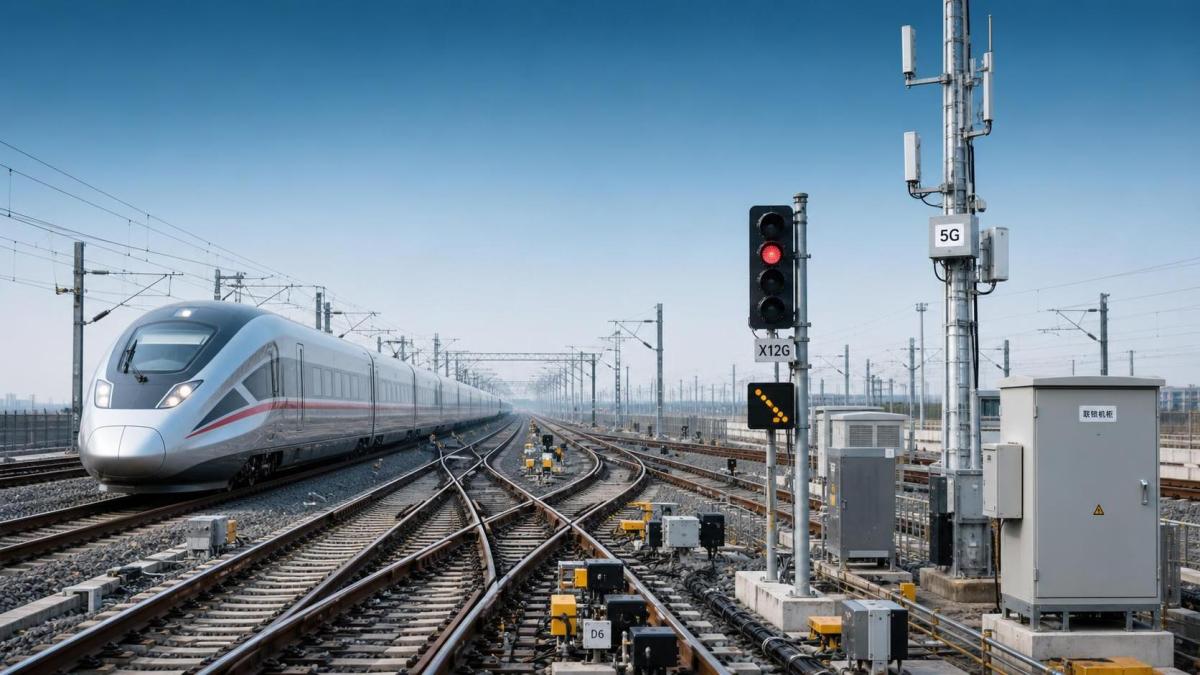
For mainline systems, safety discussion usually starts with SIL4 and then becomes vague. That is not enough for selection. What matters in practice is how the safety case is built, how hazards are allocated across wayside, onboard, communications, and operating procedures, and where the residual operational burden lands.
Look for a safety argument that is traceable from hazard identification to functional allocation, subsystem requirements, validation evidence, and operational constraints. If a safe outcome depends heavily on manual fallback steps, restricted operational assumptions, or strict maintenance intervals, that needs to be visible early. A technically elegant design can still be operationally fragile if too much of its safety margin sits outside automation.
Also check where the system draws its safe boundary in degraded scenarios. Loss of communication, balise reading errors, odometry drift, route setting conflict, onboard reset, and failed train integrity assumptions do not carry the same consequence on every line. Your evaluation should ask one blunt question: when things stop being perfect, how does the system fail, and what does traffic control have to do next?
Interoperability matters most where your procurement team least wants surprises
Mainline railways almost never start from a clean sheet. The system may have to coexist with legacy signaling, multiple train classes, mixed onboard vintages, and neighboring corridors using different operational rules. That is where apparently small interface issues become project-defining risks.
Do not ask only whether a train control system is “interoperable.” Ask with what, and under which version baseline, interface control document, and migration stage. For technical assessment, this usually means checking:
- Compatibility with existing interlocking and traffic management interfaces.
- Onboard integration effort across each fleet type, including braking curves, odometry sources, and driver machine interface behavior.
- Boundary behavior at transition zones between control regimes.
- Version management over the life of the route, not just at commissioning.
One common error is assuming that standards-based architecture automatically removes integration risk. It helps, but mainline projects still live or die on detailed interface behavior, test responsibility, and change control discipline.
Evaluate braking model credibility before trusting headway models
A lot of capacity logic rests on braking assumptions. That is why technical evaluators should always connect control system review with rolling stock braking performance, adhesion conditions, train length variation, and operational margins. If the braking model is optimistic, the capacity model is usually inflated too.
You do not need to turn the selection process into a full vehicle dynamics study, but you do need evidence that the train control logic handles the actual fleet envelope. Mixed traffic makes this harder. Freight, regional passenger, and high-speed stock do not present the same braking behavior, acceleration profile, or route release pattern. If one control platform requires heavy standardization of train data to function efficiently, make sure the operational organization can sustain that discipline year after year.
Inspect degraded mode operation as if it were part of normal service
This is where experienced assessors spend extra time, and for good reason. Railways do not fail only in dramatic ways. They lose communication in pockets, accumulate temporary restrictions, suffer intermittent onboard faults, and carry trains with marginal sensors that still need to finish service. The best train control systems for mainline use are not simply safe in those moments. They are manageable.
Review how the system behaves under partial loss, not just total failure. Can the dispatcher keep trains moving at a useful reduced rate? How much local intervention is needed? What is the reset burden on drivers and maintainers? Does one fault isolate a train, a section, or a wider control area? A system that meets safety targets but collapses operationally under routine impairment can erase the capacity gains that justified procurement in the first place.
Treat communications architecture as a capacity and safety issue
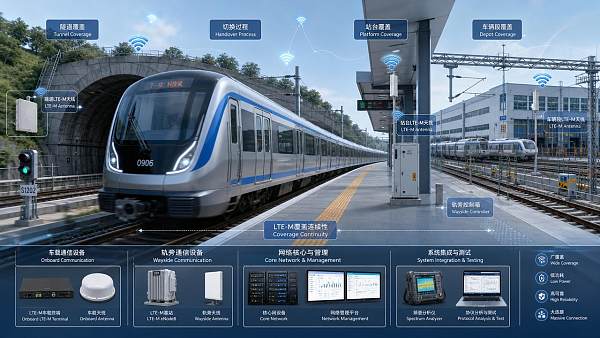
On modern mainline deployments, communications performance is not a side topic. It directly shapes movement authority continuity, latency, fallback behavior, and resilience. The assessment should cover more than nominal radio coverage maps. Look at handover behavior, tunnel and cutting performance, electromagnetic environment, redundancy design, cybersecurity boundaries, and the operational response when bandwidth or continuity degrades.
A practical test question is simple: if communications quality degrades on the busiest section during peak service, does the system degrade gracefully, or does it create a dispatching crisis?
Do not separate maintainability from safety evaluation
Mainline control systems are often assessed by one team for safety and another for asset support. That split creates blind spots. Hardware replacement times, software version management, remote diagnostics, spare strategy, and fault localization all affect how long safety-related restrictions remain in place after a fault appears.
Ask for maintainability evidence that is useful to operations, not only to procurement. How quickly can maintainers isolate whether a problem sits in onboard equipment, wayside logic, communications, or external interfaces? Can software updates be staged without excessive service disruption? Does the vendor provide tooling that supports root-cause analysis, or just alarm lists? Long fault resolution times quietly reduce line capacity even when the core control logic is sound.
Migration strategy often decides whether the project is viable
For an existing mainline, migration is not a side plan attached to the real system. It is part of the system. Evaluate how the supplier proposes cutover, temporary interfaces, shadow running, possession needs, fallback during commissioning, and coexistence with legacy operations. A strong end-state design can still be the wrong choice if the migration path demands unrealistic access windows or creates too many temporary operating rules.
This is also where technical and commercial risk meet. Extended migration periods tend to multiply integration points, temporary hazards, and lifecycle cost. If one proposal looks cheaper only because migration complexity is pushed into later packages, the assessment should surface that immediately.
Use a scoring table that reflects operational risk, not procurement convenience
A good comparison table helps, but only if the criteria are weighted around real failure consequences. Too many evaluations give equal space to minor user preferences and mission-critical behavior. For mainline selection, the weighting should follow service impact.
What to ask for before you down-select
By the time you narrow the field, you should be asking for evidence packages, not broad capability statements. That usually means route-based performance assumptions, subsystem interface definitions, degraded mode sequences, maintainability concept, migration logic, and a clear map of what depends on third-party systems. If a supplier stays general at that point, the uncertainty will not disappear later. It will move into testing, commissioning, and claims.
The practical order is straightforward: define the operating envelope, challenge capacity under disturbance, inspect the safety case structure, test interoperability where legacy boundaries exist, then review maintainability and migration with the same seriousness as core protection logic. That sequence usually reveals whether a train control system for mainline use is genuinely robust, or merely attractive in presentation. For technical assessors, that is the real decision line.
Recommended News
 Sep 24, 2026When should rail operators upgrade to CBTC-based railway automation systems?Railway automation systems: learn when CBTC upgrades deliver capacity, resilience and safer operations—and how to plan a phased, low-risk migration.
 Sep 12, 2026How automatic train control reduces the risk of signal overrunsAutomatic train control reduces signal overrun risk with continuous speed supervision, braking curves, fail-safe responses, and stronger rail safety assurance.
 Sep 02, 2026How to choose train control equipment for signaling reliabilityTrain control equipment for signaling: learn how to assess safety, reliability, interfaces, cybersecurity, and lifecycle support for resilient railway operations.
 Aug 17, 2026When does upgrading railway signaling systems improve line capacity?Railway signaling systems improve line capacity when headways, junction recovery, and service stability become the real bottlenecks. Learn the signs and best upgrade path.
 Aug 04, 2026What Drives Railway Signal Control Systems Pricing in New Rail Projects?Railway signal control systems pricing depends on scope, SIL4 safety, interfaces, testing, and lifecycle support. Learn the real cost drivers to compare bids and avoid overruns.
 Aug 02, 2026How to Evaluate Train Control Systems for Mainline Capacity and SafetyTrain control systems for mainline demand more than feature comparisons. Learn how to assess capacity, safety, interoperability, degraded modes, and migration before you shortlist.
 Jul 31, 2026How to Evaluate a SIL4 Signalling Equipment Exporter for Safety Compliance and Project RiskSIL4 signalling equipment exporter evaluation starts with evidence, not claims. Learn how to verify safety compliance, project risk, integration capability, and lifecycle support.
 Jul 10, 2026SIL4 Signalling Systems: Key Safety Functions and Integration RisksSIL4 signalling systems explained: explore key safety functions, integration risks, and practical evaluation criteria to verify real-world railway reliability.
 Jul 08, 2026Automatic Train Control Fail Safe: Core Design Checks That MatterAutomatic train control fail safe explained: learn the core design checks for braking priority, fault detection, communication integrity, and safer rail system performance.
 Jul 06, 2026Train Control Equipment ETCS: Key Functions, Levels, and Deployment DifferencesTrain control equipment ETCS explained: explore key functions, ETCS levels, deployment differences, and evaluation risks to support smarter rail upgrade and procurement decisions.
 Jun 28, 2026Rail Signalling North America: Standards and Upgrade Priorities in 2026Rail signalling North America in 2026: explore key standards, cyber risks, and upgrade priorities shaping safer, smarter, higher-capacity rail networks.
 Jun 25, 2026How to Compare Railway Control Systems for Safer Network UpgradesRailway control systems comparison made practical: learn how to assess safety, migration risk, interoperability, and supplier capability for smarter, safer network upgrades.
 Jun 24, 2026Railway Automation Systems Standards in 2026: What Is Changing?Railway automation systems in 2026 face stricter standards in safety, cybersecurity, interoperability, and compliance. Discover what is changing and how projects can stay competitive.
 Jun 22, 2026Rail Signalling Basics: Common Failure Points and Safety Upgrade PrioritiesRail signalling basics explained: discover common failure points, risk-based safety upgrade priorities, and practical steps to improve reliability, compliance, and network performance.
 Jun 20, 2026LTE-M Rail Transit: Where It Fits Better Than Legacy WirelessLTE-M rail transit explained: discover where it outperforms legacy wireless in rail monitoring, low-power devices, and scalable telemetry for smarter, cost-efficient operations.
 Jun 16, 2026LTE-M Rail Transit: What to Check Before DeploymentLTE-M rail transit deployment starts with the right checks. Learn how to evaluate coverage, latency, handovers, cybersecurity, and system integration before rollout.
 Jun 15, 2026How to Evaluate Railway Control Components for Safer Signaling UpgradesRailway control components shape signaling safety, uptime, and integration success. Learn how to evaluate compatibility, SIL, resilience, and lifecycle fit before your next upgrade.
 Jun 12, 2026Railway Automation Systems: Key Standards and Performance ChecksRailway automation systems explained through key standards, SIL checks, interoperability, diagnostics, and lifecycle risks—discover how to compare solutions with confidence.
 Jun 10, 2026Railway Control Components: What Matters Most in System SelectionRailway control components selection affects safety, interoperability, and lifecycle cost. Discover the key criteria for choosing resilient rail systems with confidence.
 Jun 08, 2026Rail Signalling vs CBTC: What Matters for Network UpgradesRail signalling vs CBTC: learn what matters for network upgrades, from capacity and interoperability to automation, lifecycle cost, and safer long-term performance.
 Jun 03, 2026LTE-M Rail Transit: When It Fits Signaling, Monitoring, and Field OperationsLTE-M rail transit can strengthen signaling support, asset monitoring, and field operations—learn where it fits, what to test, and how GTOT helps reduce deployment risk.
 Jun 01, 2026Railway Signal Control Systems: CBTC or Interlocking?Railway signal control systems are evolving fast. Compare CBTC and interlocking to assess safety, capacity, cybersecurity, and lifecycle value for smarter rail upgrades.
 May 31, 2026Railway Safety Technology: When CBTC Adds Real ValueRailway safety technology gains real value with CBTC when it improves headway, SIL4 safety, resilience, and lifecycle performance across complex rail scenarios.
 May 23, 2026LTE-M Rail Transit: Where It Fits Best in 2026LTE-M rail transit in 2026: discover where it fits best for low-power monitoring, asset visibility, and cost-efficient rail digitalization across stations, depots, and trackside systems.