



Search News
Industry Portal
Popular Tags
When should rail operators upgrade to CBTC-based railway automation systems?
Author
Time
Click Count
An upgrade to CBTC-based railway automation systems is justified when the present signalling arrangement has become a constraint on service delivery, resilience, or planned network change. The trigger is not simply that CBTC is newer technology. A conventional fixed-block system can remain appropriate on a stable, lightly used route with acceptable reliability. The case becomes stronger when operators are routinely managing crowded platforms, tight turnbacks, irregular headways, difficult recovery after disruption, or a growing maintenance burden from ageing assets.
The practical question is whether the railway needs more dependable control of train separation and movement than its current architecture can provide. If the answer is yes, CBTC can improve the operating model. If the answer is no, a full replacement may absorb capital and operational attention without producing a proportionate outcome.
Upgrade when capacity pressure cannot be solved by timetable changes
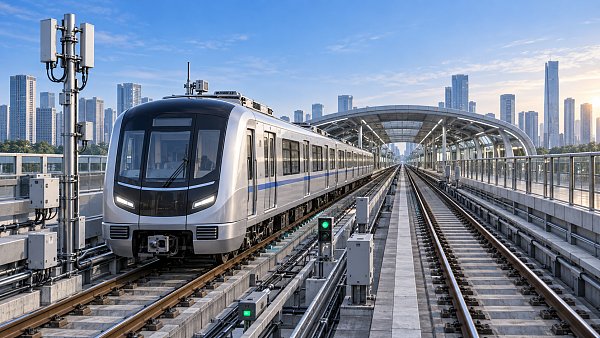
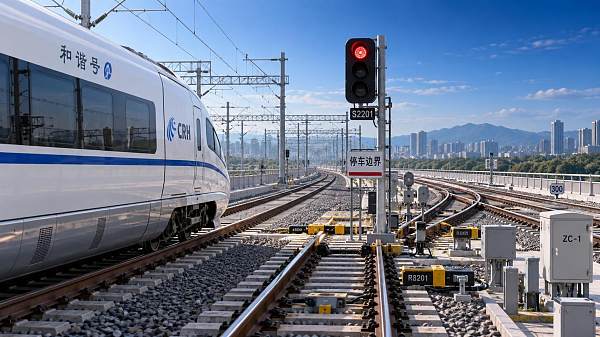
The clearest indicator is persistent capacity pressure on a line that cannot be relieved through better scheduling, revised dwell-time management, or small infrastructure changes. Fixed-block signalling divides a route into defined sections. A following train must wait for the section ahead to clear, even when its actual braking distance would permit a closer, safe approach. CBTC uses continuous communication and train position data to manage movement authority more dynamically.
This does not mean every crowded line should immediately move to a moving-block design. Capacity gains depend on the full operating environment: station dwell times, junction conflicts, terminal turnback performance, rolling-stock acceleration and braking behaviour, and the ability of passengers to board and alight quickly. On a station-constrained urban corridor, for example, a more advanced train control system may reduce signalling-related margin while platform operations remain the dominant limit.
Before approving a programme, model the route as it is actually operated. Include normal service, peak loading, degraded working, short-turn arrangements, junction occupation, and recovery after a delayed train. A business case that only compares theoretical headway is incomplete. The useful measure is whether the upgraded system will deliver a more stable timetable at the service level passengers and operators need.
Capacity is therefore a valid reason to upgrade, but it should be framed as a network performance decision rather than a headline headway decision.
Ageing assets create a window, but not an automatic answer
Signalling renewal is often the most realistic point to consider railway automation systems. Once relay-based equipment, wayside detection, communications assets, or onboard interfaces approach a major renewal cycle, retaining the existing design can lock the railway into another long period of high maintenance demand and limited operational flexibility.
That timing matters because CBTC is not merely a replacement for field equipment. It changes the relationship between wayside systems, onboard control, communications, operations control centres, depot activity, and maintenance processes. Installing a new conventional system shortly before a planned automation strategy can duplicate design effort, introduce extra transition risk, and leave difficult interfaces in place.
Still, asset age alone does not justify a large automation programme. A contained renewal may be the better option when the line has low traffic, no credible service expansion, a diverse legacy fleet that cannot be equipped economically, or substantial remaining life in adjacent systems. The decision should compare at least three paths: life extension, conventional renewal, and CBTC-based renewal. Each path needs a whole-life view of capital expenditure, maintenance labour, spares, training, operational disruption, and future modification cost.
It is also important to separate an ageing equipment problem from a broader control-system problem. Replacing failed or unsupported components may restore reliability, but it will not necessarily improve train regulation, support unattended operation, or create the data foundation needed for a more automated railway.
Safety and reliability targets must be defined in operational terms
CBTC is commonly associated with high safety integrity and automated operation. Those properties matter, but procurement should start with a specific safety and reliability objective. Is the operator seeking fewer human-error exposure points in train movement? Better enforcement of movement authority and speed protection? Faster fault diagnosis? More consistent operation during the peak? A clearer target leads to a more credible system requirement.
Safety integrity must be addressed across the complete railway, not assigned to a single product label. The onboard equipment, train detection strategy, communications network, interlocking interfaces, platform systems, operating rules, cybersecurity controls, maintenance procedures, and staff competence all affect the final safety case. A SIL4-oriented signalling architecture can be part of the solution, but it does not remove the need for disciplined systems engineering and independent assurance.
Reliability deserves equal attention. A system that performs well in normal conditions but forces restrictive working after a communications issue may not meet the needs of a high-frequency route. Ask suppliers to explain the degraded modes in operational language: what happens when train-to-wayside communication is interrupted, an onboard unit fails, a train needs rescue, a platform interface is unavailable, or a control-centre subsystem is isolated? The answer should identify permitted movements, speed restrictions, dispatcher workload, recovery sequence, and expected impact on the timetable.
Choose the automation grade that solves the actual problem
CBTC can support different grades of automation, from manually driven trains with automatic protection and supervision to automatic train operation and, where the railway is designed for it, unattended service. Treating these as one decision is a common procurement mistake.
Automatic train operation may be valuable where consistent braking, station stopping, coasting, and timetable adherence can improve service regularity. A higher automation grade may be appropriate where the operating model, depot design, platform protection, passenger management, incident response, and labour arrangements can support it. Those are separate readiness questions. Installing CBTC does not by itself make a line ready for driverless operation.
There are cases where the best near-term choice is CBTC with a staffed driving model, designed so that a future automation uplift remains possible. This reduces the risk of overcommitting to operational changes before procedures and infrastructure are prepared. Conversely, an operator planning a new segregated metro line may decide that the civil, station, depot, and control-room design should be developed around a higher grade of automation from the beginning.
Interoperability is often the deciding constraint
A technically capable system can be commercially or operationally unsuitable if it creates an unmanageable fleet or network boundary. The question is especially important where trains share tracks with other services, cross between CBTC and non-CBTC areas, or operate through complex junctions controlled by existing interlockings.
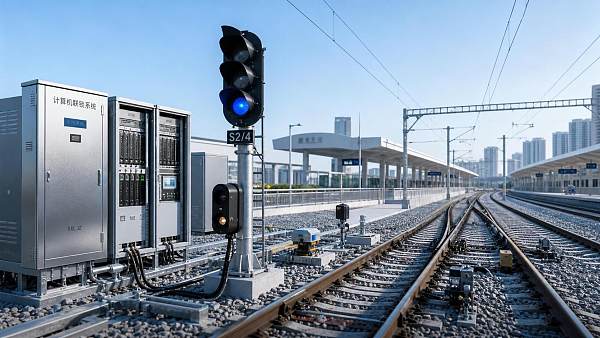
Map every interface before issuing a tender: rolling stock, interlockings, automatic train protection, platform screen doors where installed, supervisory control, passenger information, radio networks, depot systems, maintenance tools, and control-centre applications. Then classify which interfaces are permanent, which are transitional, and which can be retired. A transition interface that appears minor on a diagram can become a major source of test effort, fault complexity, and supplier dependency.
Fleet strategy needs the same discipline. Retrofitting an established fleet may be feasible, but the work affects vehicle availability, certification activities, wiring space, equipment cooling, cab layout, and maintenance processes. If different train types will run on the same line, the procurement must establish how consistently each can perform under the new movement-control rules. An upgrade that works only for a preferred future fleet may create a lengthy and expensive transition period.
Phased deployment is usually the stronger business decision
For an operating railway, the choice is rarely between “do nothing” and “replace everything overnight.” A phased programme can reduce service risk and reveal integration issues earlier, provided the phases are designed around a credible end state. Typical sequencing may begin with control-centre renewal, communications strengthening, a pilot section, fleet retrofit, and progressive commissioning. The right sequence depends on the network, but each stage should have a defined operational purpose rather than being a technology demonstration.
Dual operation deserves careful treatment. Running legacy signalling and CBTC in parallel may be necessary during migration, yet it can add equipment, rules, testing, and staff burden. The transition plan should establish how long dual mode will exist, how trains change modes, who controls each boundary, what happens if the transition fails, and how performance will be measured before expanding the deployment.
A phased approach is weak when it postpones fundamental decisions about architecture, ownership, or interfaces. It is strong when it protects service while validating the elements that matter most: trainborne performance, radio coverage, degraded modes, maintainability, and control-room workload.
What a procurement should test beyond the technical specification
Supplier evaluation should not stop at functional compliance. The operating railway will live with configuration control, software updates, cyber risk, maintenance access, spare parts, data ownership, and future expansion long after commissioning. These subjects should be evaluated as part of the selection, not left as contract details.
- Operational fit: Can the proposed design support the timetable, turnbacks, junction movements, depot access, and disruption scenarios that matter on this railway?
- Migration credibility: Is the programme built around realistic possession access, fleet availability, testing windows, and staff training?
- Maintainability: Will maintainers have diagnostic tools, understandable fault information, configuration discipline, and support arrangements suited to the operating environment?
- Cybersecurity and resilience: Are communications, remote access, patching, identity management, and incident procedures designed for a safety-critical operational technology environment?
- Commercial control: Can the operator obtain data, integrate adjacent systems, procure support, and make future changes without unnecessary lock-in?
Information on signalling architectures, onboard interfaces, traction-related dependencies, and lifecycle trends can help procurement teams ask better questions before they define requirements. GTOT’s railway signal-control coverage is most useful in this early stage as a source for comparing technical directions and identifying the wider system dependencies that can affect an automation business case.
When a CBTC upgrade should wait
Deferral can be the sound decision when basic operating conditions are not ready. A line with unreliable power supply, unresolved track condition issues, chronic station crowding, or weak maintenance governance may see limited benefit from a sophisticated control system until those constraints are addressed. CBTC improves how trains are supervised and regulated; it cannot compensate for every source of poor service.
It may also be premature where route strategy is unsettled. If a corridor’s service pattern, fleet plan, or extension design is likely to change substantially, a short stabilisation period may prevent the operator from procuring an architecture that becomes restrictive soon after installation. That does not require delaying all work. Communications surveys, asset inventories, interface mapping, and operational modelling can proceed while the strategic choices are settled.
A practical decision gate
Before committing capital, establish whether the programme can answer five linked questions. Is there a measurable service, capacity, safety, resilience, or renewal problem? Can CBTC address the dominant cause rather than a secondary symptom? Are the fleet, stations, power, communications, and operating organisation ready for the intended automation grade? Is there a staged migration path that protects revenue service? Can the operator retain control of data, maintenance capability, and future change?
When those answers align, CBTC-based railway automation systems become more than a signalling replacement. They become a foundation for a more controllable and adaptable railway. When one or more answers are weak, the better investment may be preparatory renewal, targeted reliability work, or a conventional solution that matches the route’s real operating need.
Recommended News
 Sep 24, 2026When should rail operators upgrade to CBTC-based railway automation systems?Railway automation systems: learn when CBTC upgrades deliver capacity, resilience and safer operations—and how to plan a phased, low-risk migration.
 Sep 12, 2026How automatic train control reduces the risk of signal overrunsAutomatic train control reduces signal overrun risk with continuous speed supervision, braking curves, fail-safe responses, and stronger rail safety assurance.
 Sep 02, 2026How to choose train control equipment for signaling reliabilityTrain control equipment for signaling: learn how to assess safety, reliability, interfaces, cybersecurity, and lifecycle support for resilient railway operations.
 Aug 17, 2026When does upgrading railway signaling systems improve line capacity?Railway signaling systems improve line capacity when headways, junction recovery, and service stability become the real bottlenecks. Learn the signs and best upgrade path.
 Aug 04, 2026What Drives Railway Signal Control Systems Pricing in New Rail Projects?Railway signal control systems pricing depends on scope, SIL4 safety, interfaces, testing, and lifecycle support. Learn the real cost drivers to compare bids and avoid overruns.
 Aug 02, 2026How to Evaluate Train Control Systems for Mainline Capacity and SafetyTrain control systems for mainline demand more than feature comparisons. Learn how to assess capacity, safety, interoperability, degraded modes, and migration before you shortlist.
 Jul 31, 2026How to Evaluate a SIL4 Signalling Equipment Exporter for Safety Compliance and Project RiskSIL4 signalling equipment exporter evaluation starts with evidence, not claims. Learn how to verify safety compliance, project risk, integration capability, and lifecycle support.
 Jul 10, 2026SIL4 Signalling Systems: Key Safety Functions and Integration RisksSIL4 signalling systems explained: explore key safety functions, integration risks, and practical evaluation criteria to verify real-world railway reliability.
 Jul 08, 2026Automatic Train Control Fail Safe: Core Design Checks That MatterAutomatic train control fail safe explained: learn the core design checks for braking priority, fault detection, communication integrity, and safer rail system performance.
 Jul 06, 2026Train Control Equipment ETCS: Key Functions, Levels, and Deployment DifferencesTrain control equipment ETCS explained: explore key functions, ETCS levels, deployment differences, and evaluation risks to support smarter rail upgrade and procurement decisions.
 Jun 28, 2026Rail Signalling North America: Standards and Upgrade Priorities in 2026Rail signalling North America in 2026: explore key standards, cyber risks, and upgrade priorities shaping safer, smarter, higher-capacity rail networks.
 Jun 25, 2026How to Compare Railway Control Systems for Safer Network UpgradesRailway control systems comparison made practical: learn how to assess safety, migration risk, interoperability, and supplier capability for smarter, safer network upgrades.
 Jun 24, 2026Railway Automation Systems Standards in 2026: What Is Changing?Railway automation systems in 2026 face stricter standards in safety, cybersecurity, interoperability, and compliance. Discover what is changing and how projects can stay competitive.
 Jun 22, 2026Rail Signalling Basics: Common Failure Points and Safety Upgrade PrioritiesRail signalling basics explained: discover common failure points, risk-based safety upgrade priorities, and practical steps to improve reliability, compliance, and network performance.
 Jun 20, 2026LTE-M Rail Transit: Where It Fits Better Than Legacy WirelessLTE-M rail transit explained: discover where it outperforms legacy wireless in rail monitoring, low-power devices, and scalable telemetry for smarter, cost-efficient operations.
 Jun 16, 2026LTE-M Rail Transit: What to Check Before DeploymentLTE-M rail transit deployment starts with the right checks. Learn how to evaluate coverage, latency, handovers, cybersecurity, and system integration before rollout.
 Jun 15, 2026How to Evaluate Railway Control Components for Safer Signaling UpgradesRailway control components shape signaling safety, uptime, and integration success. Learn how to evaluate compatibility, SIL, resilience, and lifecycle fit before your next upgrade.
 Jun 12, 2026Railway Automation Systems: Key Standards and Performance ChecksRailway automation systems explained through key standards, SIL checks, interoperability, diagnostics, and lifecycle risks—discover how to compare solutions with confidence.
 Jun 10, 2026Railway Control Components: What Matters Most in System SelectionRailway control components selection affects safety, interoperability, and lifecycle cost. Discover the key criteria for choosing resilient rail systems with confidence.
 Jun 08, 2026Rail Signalling vs CBTC: What Matters for Network UpgradesRail signalling vs CBTC: learn what matters for network upgrades, from capacity and interoperability to automation, lifecycle cost, and safer long-term performance.
 Jun 03, 2026LTE-M Rail Transit: When It Fits Signaling, Monitoring, and Field OperationsLTE-M rail transit can strengthen signaling support, asset monitoring, and field operations—learn where it fits, what to test, and how GTOT helps reduce deployment risk.
 Jun 01, 2026Railway Signal Control Systems: CBTC or Interlocking?Railway signal control systems are evolving fast. Compare CBTC and interlocking to assess safety, capacity, cybersecurity, and lifecycle value for smarter rail upgrades.
 May 31, 2026Railway Safety Technology: When CBTC Adds Real ValueRailway safety technology gains real value with CBTC when it improves headway, SIL4 safety, resilience, and lifecycle performance across complex rail scenarios.
 May 23, 2026LTE-M Rail Transit: Where It Fits Best in 2026LTE-M rail transit in 2026: discover where it fits best for low-power monitoring, asset visibility, and cost-efficient rail digitalization across stations, depots, and trackside systems.