Search News
Industry Portal
Popular Tags
Which Marine Propulsion System Is Easier to Maintain?
Author
Time
Click Count
Which Marine Propulsion System Is Easier to Maintain?
Which marine propulsion system is easier to maintain? In most conventional trading vessels, a direct-drive, medium-speed diesel engine paired with a fixed-pitch propeller is usually the simplest propulsion arrangement to maintain. It has fewer major electrical conversion stages, fewer control interfaces, and a maintenance routine that is familiar to ship engineers, repair yards, and global spare-parts networks.
That answer is useful, but incomplete. “Easy to maintain” can mean several different things: fewer planned maintenance tasks, faster fault diagnosis, lower spare-parts exposure, easier access to qualified technicians, or less operational disruption when a component fails. A propulsion plant that looks simple in the engine room may still be difficult to support on a remote route. Conversely, a more complex diesel-electric or hybrid plant may reduce wear on specific equipment if the vessel profile involves frequent maneuvering, variable loads, or long periods of low-speed operation.
For owners, technical managers, and newbuilding teams, the right comparison is not simply “traditional versus advanced.” It is whether the propulsion system matches the vessel’s duty cycle, crew capability, port network, fuel strategy, and maintenance philosophy.
Why direct-drive diesel propulsion remains the maintenance benchmark
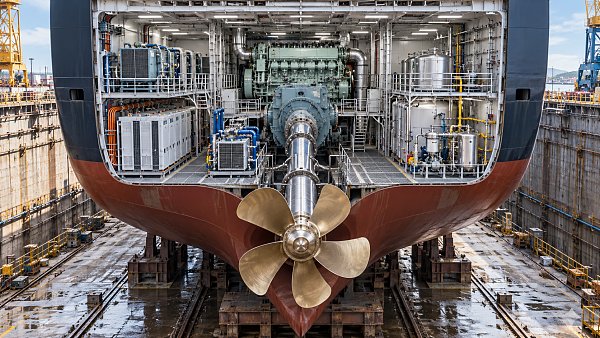
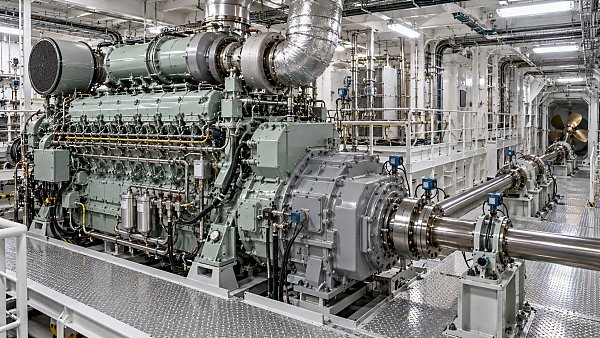
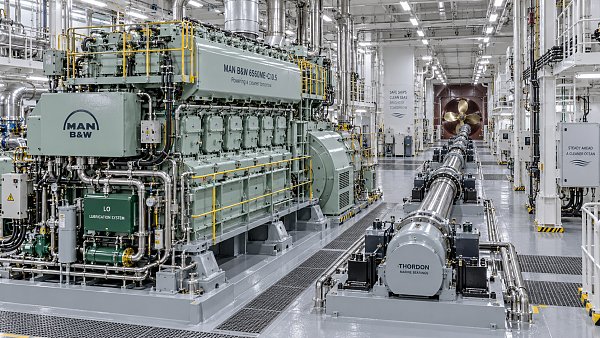
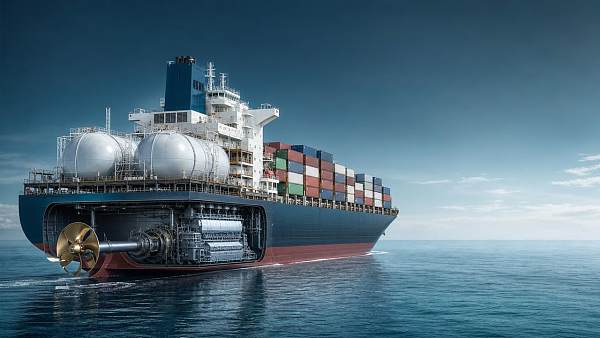
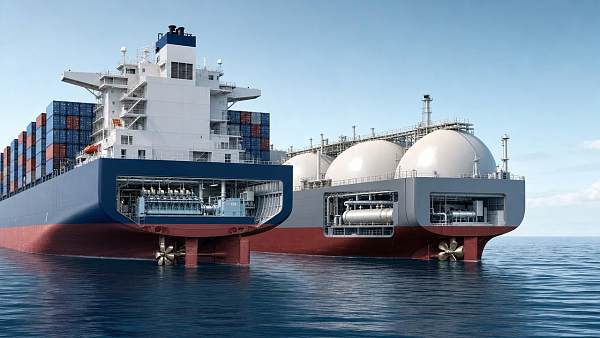
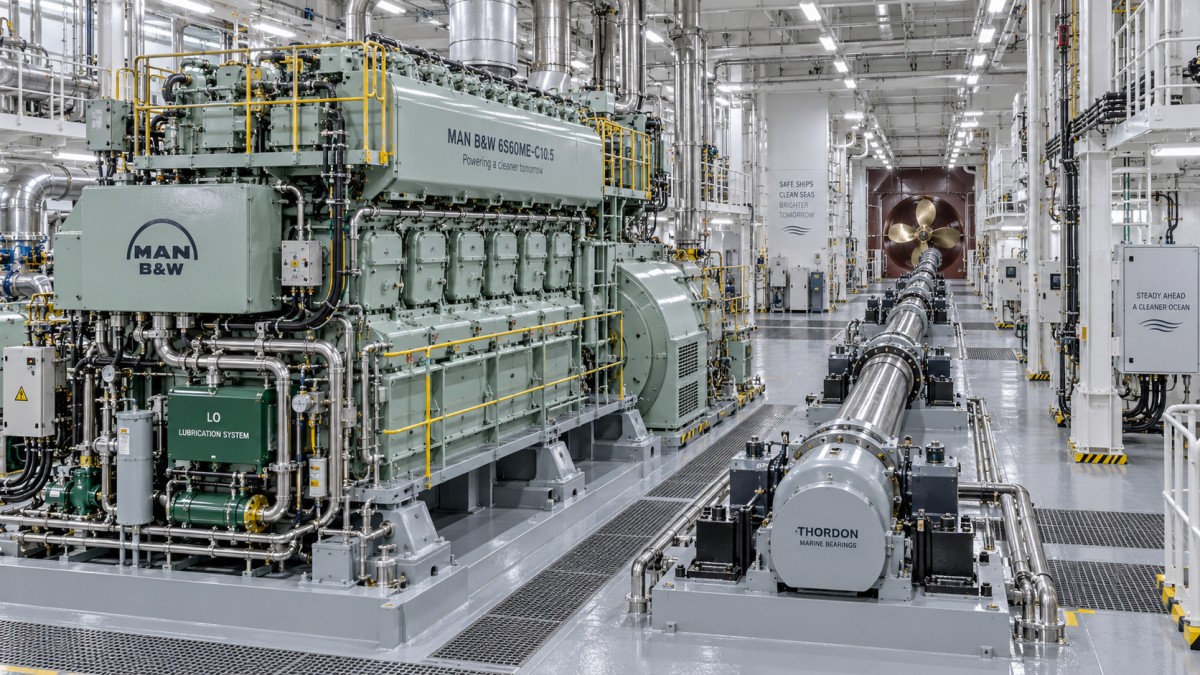
A conventional mechanical plant typically connects a main diesel engine to the propeller shaft through a shaftline, with a gearbox where required. On many larger commercial ships, a slow-speed two-stroke engine drives the propeller directly. On other vessel types, medium-speed engines, reduction gears, controllable-pitch propellers, or waterjets may be used. The exact arrangement varies, but the attraction is consistent: the energy path from fuel to thrust is comparatively short.
The maintenance advantage comes from familiarity as much as from mechanical simplicity. Cylinder lubrication, fuel-injection equipment, turbochargers, cooling circuits, filters, bearings, shaft seals, and planned overhauls are well-understood work scopes. A ship’s engineering team can often identify changes in exhaust temperature, vibration, pressure, or lube-oil condition before they become major failures. In many ports, service engineers and replacement components are more readily available for conventional diesel machinery than for highly specialized power electronics or alternative-fuel hardware.
There is also a practical benefit in fault isolation. When a direct mechanical train develops a problem, the source is often narrowed down through established checks: combustion condition, shaft alignment, bearing temperature, oil analysis, cooling-water performance, or gearbox behavior. This does not make repairs cheap. A crankshaft issue, piston damage, or stern-tube failure can be serious and expensive. It does mean the diagnostic path is generally familiar.
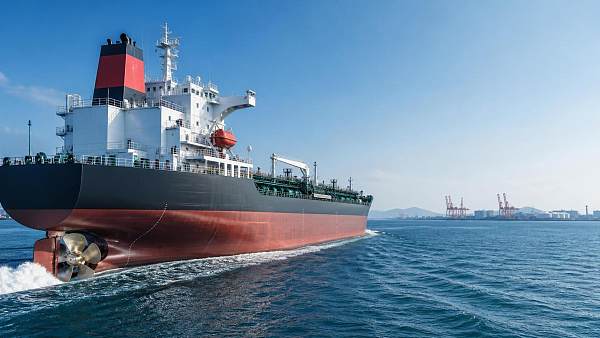
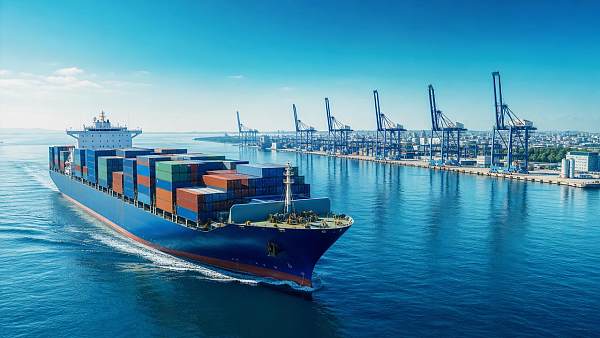
For a bulk carrier, tanker, or container vessel that spends much of its operating life at relatively steady speed, this arrangement frequently offers the clearest maintenance case. The vessel is using its machinery in the operating range for which it was selected, rather than asking a complex plant to constantly adapt to changing power demand.
The maintenance trade-off between fixed-pitch and controllable-pitch propellers
A fixed-pitch propeller (FPP) usually has the simpler underwater mechanical arrangement. There is no hub pitch-control mechanism, no hydraulic oil distribution system inside the propeller assembly, and fewer moving components below the waterline. For vessels with stable speed and load profiles, this can make the FPP a sensible choice from both reliability and maintenance perspectives.
A controllable-pitch propeller (CPP) adds mechanical and hydraulic complexity, but it should not be dismissed as “hard to maintain” in every application. Tugs, offshore support vessels, ferries, fishing vessels, and ships with frequent maneuvering may gain meaningful operational control from CPP systems. The ability to change thrust without constantly changing engine speed can be valuable in close-quarters work and variable-duty service.
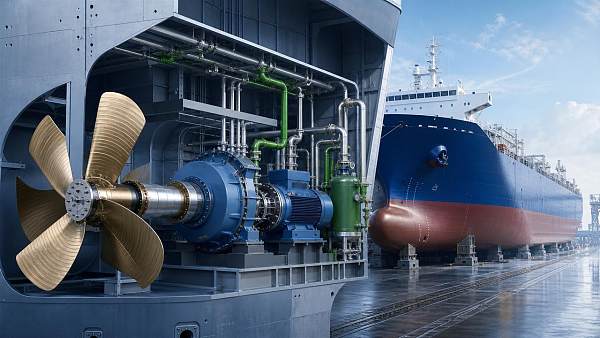
The maintenance burden is different rather than automatically excessive. CPP systems require close attention to hydraulic cleanliness, seals, hub condition, pitch feedback, control valves, and gearbox integration. Water ingress into hub oil, seal deterioration, or unstable pitch response should be investigated early. These issues can be manageable when the crew follows disciplined oil monitoring and the operator has dependable OEM or specialist support. They become more problematic when the vessel trades far from qualified repair facilities or when the control system has been poorly documented.
Is diesel-electric propulsion harder to maintain?
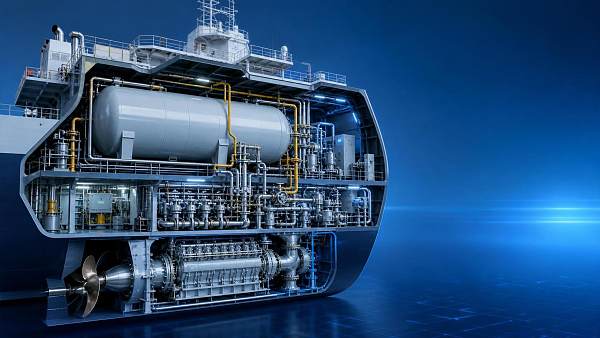
Diesel-electric propulsion is more complex at system level. Instead of one main engine mechanically turning a propeller, several generator sets produce electricity for propulsion motors and hotel or mission loads. The arrangement can include switchboards, transformers, frequency converters, propulsion motors, power-management systems, harmonic-management measures, and a much deeper layer of automation.
On paper, that means more equipment to inspect, test, cool, protect, and update. Electrical faults can also be less intuitive than mechanical faults. A recurring converter alarm may involve cooling quality, insulation condition, control logic, sensor behavior, a cable issue, or the interaction of several systems. Troubleshooting requires personnel who understand both marine machinery and high-voltage electrical practices.
Yet diesel-electric should not automatically be treated as maintenance-unfriendly. It can allow generator sets to be operated closer to efficient load ranges, while unused units are stopped for maintenance. Redundancy can be designed into the plant, and propulsion motors avoid some long mechanical shaftline arrangements. For vessels that repeatedly move between transit, station keeping, hotel load, low-speed work, and peak-power demand, that flexibility can make maintenance planning more controlled.
The deciding question is whether the operator can support the electrical architecture for the vessel’s full life. That means access to trained electro-technical personnel, clear software and parameter-management procedures, available diagnostic tools, and an agreed strategy for critical electronic spares. A diesel-electric vessel can be well maintained; it simply cannot be maintained casually.
LNG dual-fuel systems: manageable, but not simple
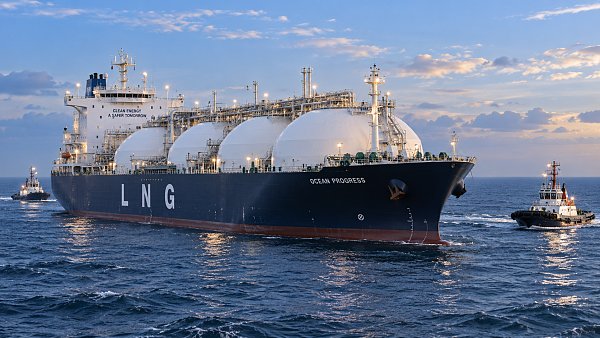
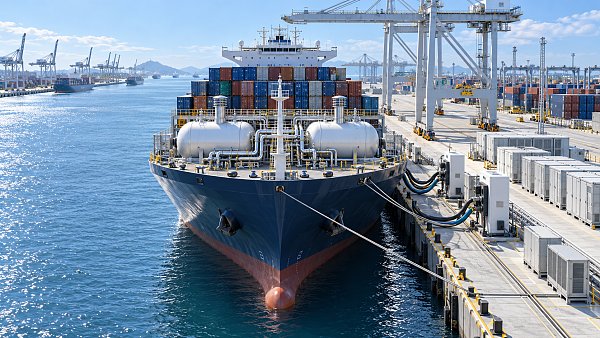
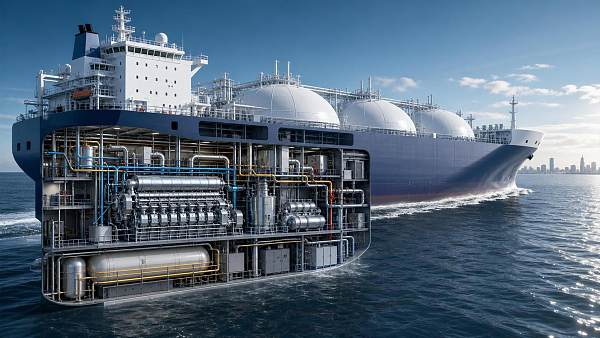
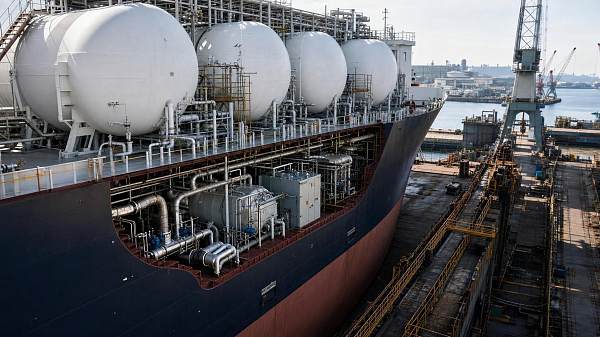
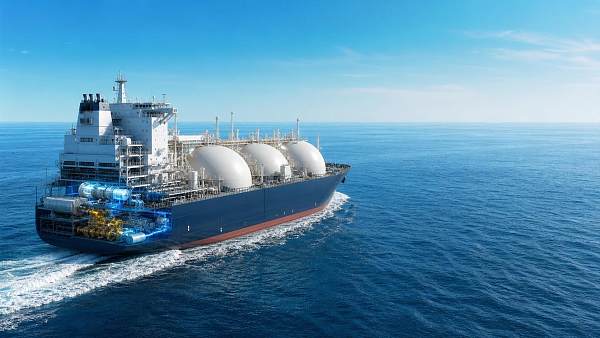
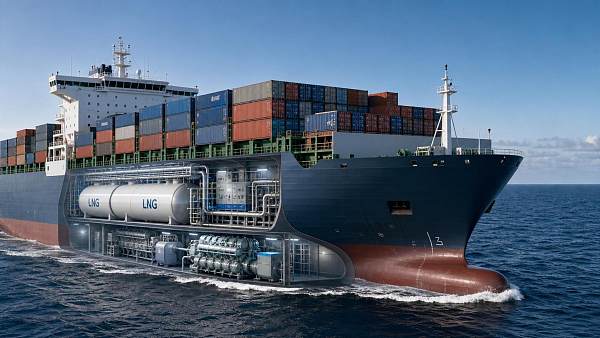
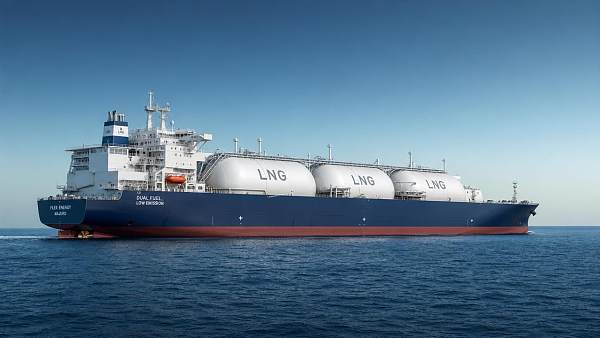
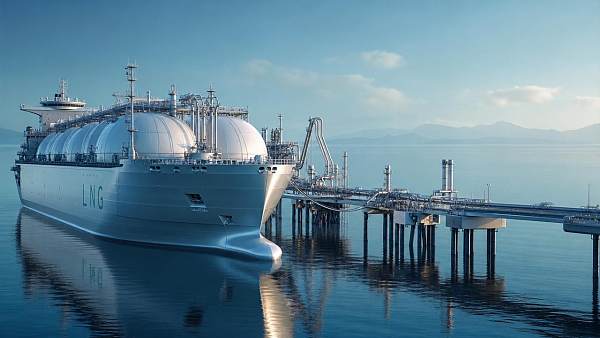
LNG dual-fuel propulsion adds another maintenance layer because the vessel is no longer managing only the engine and conventional liquid-fuel system. It must also maintain the gas storage and supply arrangement, gas valve units, ventilation and detection systems, safety shutdown functions, fuel changeover logic, and related control equipment. On LNG carriers, the propulsion decision may additionally be tied to cargo handling, boil-off gas management, containment-system considerations, and the ship’s wider energy balance.
The hardware is not inherently unreliable, but it is unforgiving of weak procedures. Small issues that might be routine in a conventional fuel system can have a different operational and safety consequence when gas handling is involved. Crew competence, maintenance documentation, calibration discipline, and emergency-response readiness therefore matter as much as component quality.
For an owner considering LNG propulsion, maintainability should be assessed alongside bunkering access, port restrictions, crew training, dry-docking scope, and the availability of specialist service support. Selecting dual-fuel machinery purely because it appears future-ready, without building the associated maintenance ecosystem, is a common planning mistake.
Hybrid propulsion can reduce engine wear—but raises control-system dependence
Hybrid systems combine engines, batteries, electric motors, generators, and control logic in different ways. They are often attractive where vessels experience frequent load swings, port stays, low-speed operation, or emission-sensitive operating areas. Batteries can absorb peaks, support zero- or low-emission operating windows where the installation permits, and reduce the need to run large engines lightly loaded.
From a maintenance standpoint, reduced engine running hours do not automatically equal a simpler vessel. The focus shifts toward battery health monitoring, thermal management, insulation checks, power electronics, cooling loops, fire-safety arrangements, and software-controlled energy management. Replacement planning is also more strategic because battery systems have performance and lifecycle considerations that differ from traditional rotating machinery.
A hybrid system is often most defensible when its operating pattern clearly uses its strengths. On a ferry making frequent short crossings, the additional complexity may be justified. On a deep-sea vessel with long, steady transits and limited charging opportunity, the same arrangement may add support requirements without delivering a proportionate maintenance benefit.
What really determines maintenance difficulty
The propulsion concept matters, but operating discipline often matters more. A technically simple engine can become a maintenance burden when it runs for extended periods at unsuitable load, receives inconsistent fuel treatment, or is monitored only after alarms occur. A sophisticated integrated plant can remain dependable when condition data is reviewed properly and maintenance tasks are planned around actual operating hours, temperatures, vibration trends, and fluid condition.
Before selecting a system, technical teams should ask a few blunt questions:
- Will the vessel run at a stable service speed, or will power demand change throughout the day?
- Can the crew diagnose electrical, automation, and alternative-fuel faults without waiting for shore support?
- Which parts are genuinely critical, and where can they be sourced along the vessel’s trading route?
- Does the chosen configuration allow maintenance during normal operations, or does it create single points of failure?
- Are software access, configuration records, and OEM service responsibilities clearly defined before delivery?
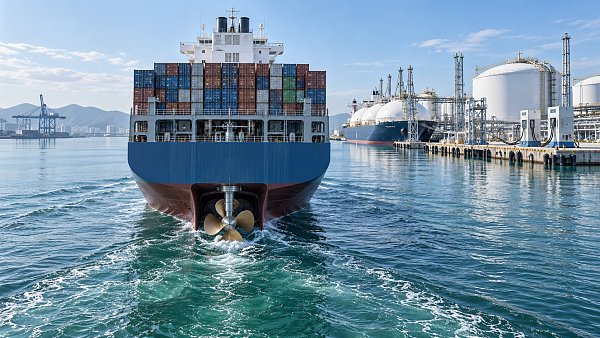
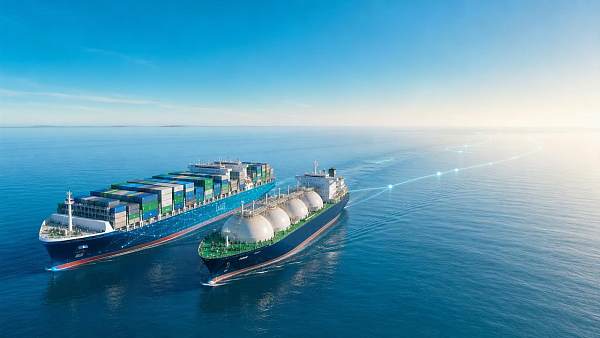
These questions are especially relevant for smart container ships, where route optimization, cargo-related energy demand, automation, and ship-to-shore data exchange increasingly interact with propulsion decisions. The machinery cannot be evaluated as an isolated engine-room purchase. It is part of a connected operating system.
The practical answer for fleet decisions
If the priority is the lowest operational complexity and the broadest global service familiarity, conventional direct-drive diesel propulsion with a fixed-pitch propeller remains the easiest marine propulsion system to maintain for many ocean-going applications. It is not universally best, and it is not maintenance-free, but it has the clearest advantage when the vessel has a stable, long-haul duty cycle.
CPP, diesel-electric, LNG dual-fuel, and hybrid arrangements are justified when their operating advantages fit the mission. Their maintenance burden should be evaluated as a whole-system commitment, not as a list of individual components. The real cost is often hidden in training, diagnostics, spare-parts strategy, software support, and the time required to restore service after an unfamiliar failure.
At GTOT, the same principle applies across land-and-sea transport technology: equipment performance depends on how control logic, power systems, operating conditions, and maintenance capability connect in the real world. Whether assessing traction power, safety-critical railway components, smart vessels, or LNG carrier systems, the strongest technical decision is rarely the most advanced option on paper. It is the one that the operator can inspect, understand, support, and keep available over the life of the asset.
Recommended News
 Oct 15, 2026What Should You Do if an LNG Carrier Propulsion System Fails at Sea?What should I do if an LNG carrier propulsion system fails at sea? Explore urgent actions for navigation, BOG control, safe recovery, and towage planning.
 Oct 20, 2026Marine Propulsion Solutions Compared: Retrofit Constraints, Efficiency, and CAPEXMarine propulsion solution comparison: assess retrofit constraints, duty-cycle efficiency, and true CAPEX to choose a vessel upgrade that controls risk and boosts lifetime value.
 Oct 19, 2026Diagnosing Marine Propulsion System Performance Loss From Operating DataMarine propulsion system performance insights: learn how operating data reveals fuel, power, vibration, and control issues for faster, evidence-based maintenance decisions.
 Oct 18, 2026Ship Propulsion Solution Selection for Variable Routes and Fuel AvailabilityShip propulsion solution selection made practical: compare fuel availability, route variability, lifecycle cost, and resilient options for smarter fleet decisions.
 Oct 17, 2026Which Marine Decarbonization Solution Fits Your Vessel Age, Fuel, and Route?Marine solutions for decarbonization tailored to vessel age, fuel options, and routes. Explore practical retrofit paths, efficiency upgrades, and future-ready strategies.
 Oct 12, 2026Which Marine Propulsion System Is Easier to Maintain?Which marine propulsion system is easier to maintain? Compare direct-drive diesel, CPP, diesel-electric, LNG, and hybrid options for smarter fleet decisions.
 Aug 28, 2026How to select a marine propulsion system for tankers by operating profileMarine propulsion system for tankers: learn how to align propulsion, fuel strategy, propeller performance, redundancy, and lifecycle costs with real operating profiles.
 Jul 15, 2026Class Approved Dual-Fuel Marine Propulsion: Key Certification Points to CheckClass approved dual-fuel marine propulsion explained: learn the key certification points, hidden compliance gaps, and practical checks to improve safety, approval readiness, and supplier selection.
 Jul 10, 2026Dual Fuel Propulsion IMO Compliance: What to Check Before SpecificationDual fuel propulsion IMO compliance starts before spec freeze. Learn the key checks on emissions, IGF safety, class approval, and lifecycle risk to avoid costly redesigns.
 Jul 04, 2026LNG Vessel Retrofit: Key Risks Before Final Scope ApprovalLNG vessel retrofit risks often emerge before final scope approval. Learn how to assess interfaces, yard limits, compliance, and lifecycle value to avoid delays and costly rework.
 Jun 21, 2026How Dual-Fuel Propulsion Cuts LNG Carrier Fuel Risk and EmissionsLNG carriers dual-fuel propulsion cuts fuel risk and emissions by using boil-off gas and liquid fuels flexibly. Learn how it boosts efficiency, compliance, and voyage resilience.
 Jun 18, 2026Dual-Fuel Propulsion: What to Check Before Choosing a SystemDual-fuel propulsion buyers should check fuel strategy, emissions, control logic, safety, and lifecycle cost before choosing a system. Learn what drives real vessel performance.
 Jun 16, 2026Decarbonization Solutions for Maritime Logistics: Which Options Deliver Real ROI?Decarbonization solutions for maritime logistics: discover which upgrades, digital tools, and fuel strategies deliver real ROI, lower risk, and measurable savings for fleets.
 Jun 14, 2026Decarbonization Solutions for Maritime Logistics ComparedDecarbonization solutions for maritime logistics compared: explore LNG, retrofits, AI routing, and smart vessel strategies to cut emissions, control costs, and protect shipping reliability.
 Jun 12, 2026LNG Carriers Dual-Fuel Propulsion: Cost, Compliance, and PaybackLNG carriers dual-fuel propulsion explained: compare cost, compliance impact, and payback to see how fuel flexibility can protect vessel value and charter competitiveness.
![]() Jun 09, 2026Dual-Fuel Propulsion: Cost, Compliance, and Retrofit Trade-OffsDual-fuel propulsion explained: compare cost, compliance, and retrofit trade-offs for vessels, with practical insights on LNG flexibility, asset value, and smarter procurement decisions.
 Jun 08, 2026Dual-Fuel Propulsion: Cost, Range, and Emissions Trade-Offs in 2026Dual-fuel propulsion in 2026: compare cost, range, and emissions trade-offs for ships and transport assets. Learn where flexibility pays off and what to verify before investing.
 Jun 07, 2026Marine Propulsion Systems: Key Efficiency Trade-Offs for New Vessel ProjectsMarine propulsion systems for new vessel projects: compare fuel efficiency, emissions, lifecycle cost, and control trade-offs to choose a smarter, future-ready vessel solution.
 Jun 02, 20262026 LNG Carriers Technology Advancements Reshaping Fleet PlanningLNG carriers technology advancements are redefining 2026 fleet planning with smarter containment, dual-fuel propulsion, AI routing, and compliance-ready performance.
 Jun 01, 2026Marine Propulsion Systems: Cost Risks Before RetrofitMarine propulsion systems retrofits can hide fuel, downtime, compliance, and maintenance costs. Learn how to quantify risks before approval and protect fleet ROI.
 May 31, 2026International Shipbuilding Trends Shaping Dual-Fuel FleetsInternational shipbuilding is shifting toward dual-fuel fleets, reshaping fuel flexibility, asset value, compliance strategy, and maritime competitiveness.
 May 25, 2026LNG Carriers: Choosing Dual-Fuel Propulsion for Lower LossesLNG carriers for global energy transport benefit from dual-fuel propulsion with lower cargo losses, stronger compliance, and better fuel flexibility—see what buyers should evaluate now.
 May 24, 2026Marine Propulsion Technology: Dual-fuel Performance Trade-offsMarine propulsion technology explained: compare dual-fuel efficiency, emissions, methane slip, load profile, and lifecycle risk to choose smarter vessel propulsion strategies.
![]() May 23, 2026Marine Propulsion Systems: Cost vs Fuel EfficiencyMarine propulsion systems decisions should balance cost, fuel efficiency, and compliance. Compare scenario-based options for container ships, LNG carriers, and hybrid routes.