



Search News
Industry Portal
Popular Tags
Decarbonization Solutions for Maritime Logistics: Which Options Deliver Real ROI?
Author
Time
Click Count
Why are decarbonization solutions for maritime logistics now judged by ROI first?
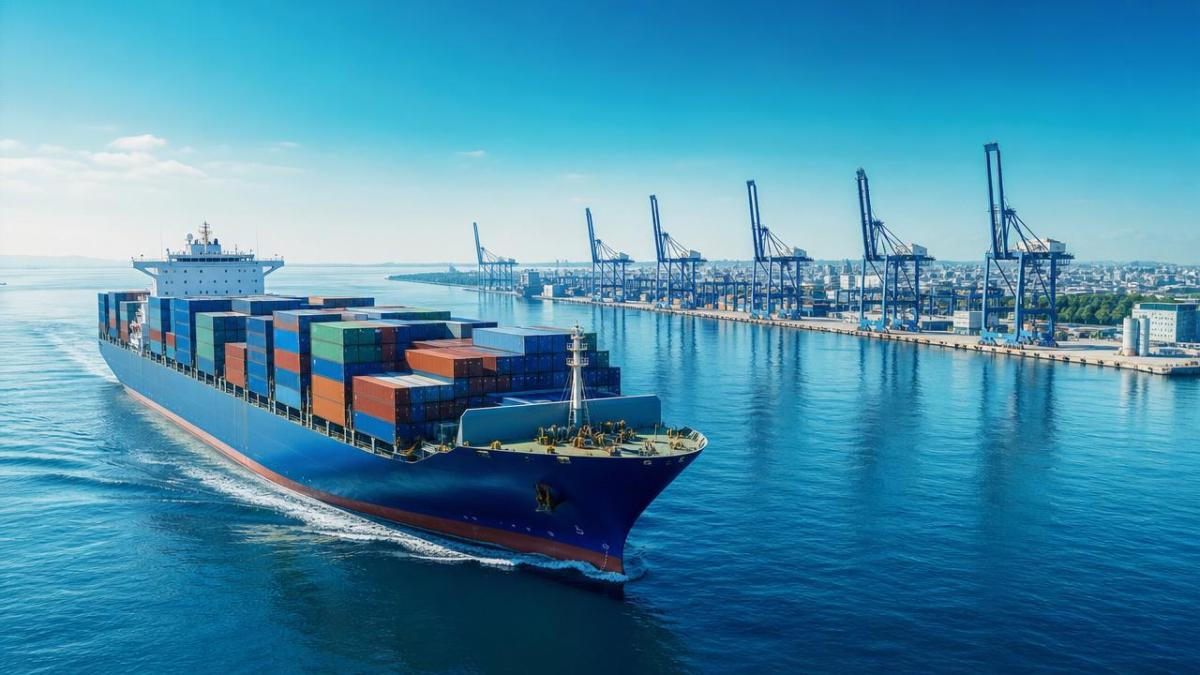
Decarbonization used to sit in the sustainability budget. That is no longer the full picture.
Today, decarbonization solutions for maritime logistics affect fuel spend, charter attractiveness, compliance exposure, and residual asset value.
That makes the topic especially relevant when capital is tight and vessel availability cannot be compromised.
In practice, the best investments are rarely the most visible ones. They are the ones that cut cost while protecting schedule reliability.
This is where GTOT’s land-sea perspective matters. The same discipline used in rail signalling, traction, and braking applies at sea.
You measure performance, stress-test assumptions, and prioritize technologies that improve operating efficiency without introducing hidden risk.
For maritime logistics, that usually means moving from simple carbon claims to a sharper question: which options pay back within a realistic planning horizon?
Which options usually deliver the fastest real ROI?
The fastest-return decarbonization solutions for maritime logistics are often digital and operational, not fuel-switch projects.
Route optimization, weather routing, trim optimization, and voyage speed management typically require lower upfront spending.
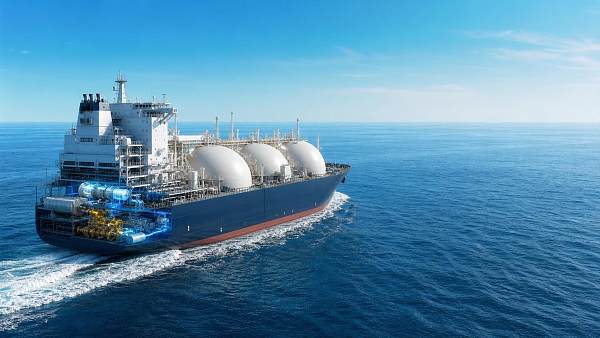
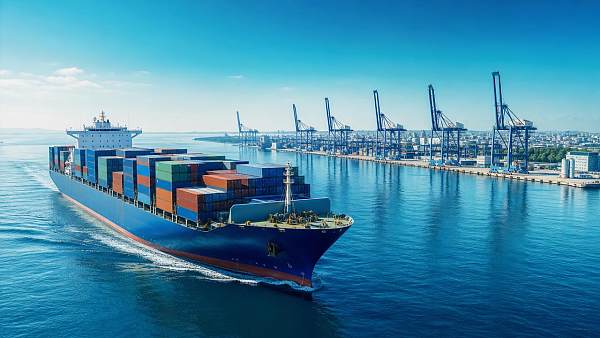
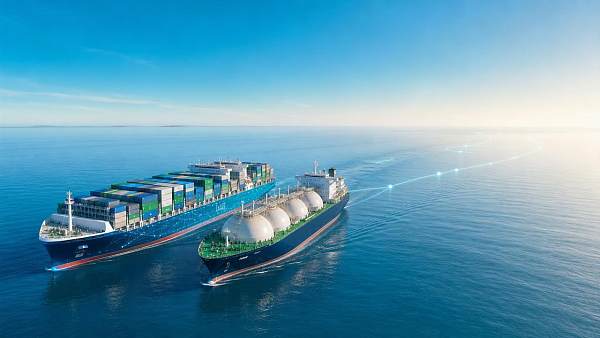
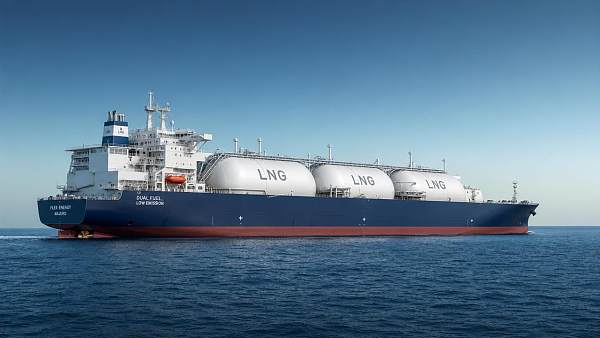
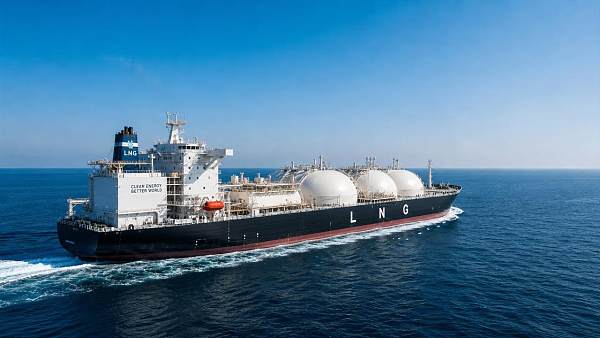
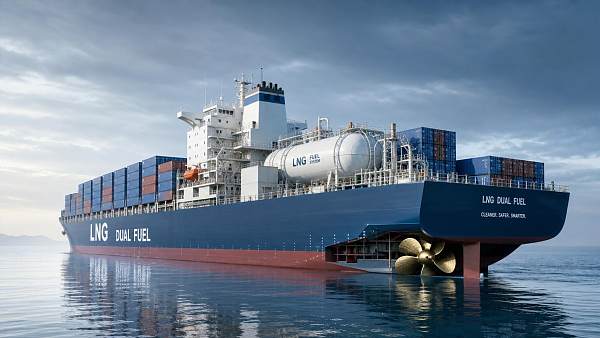
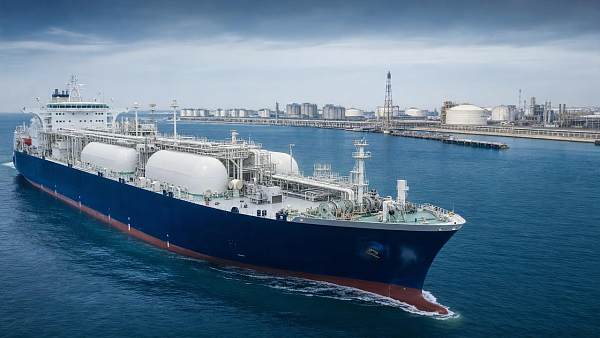
They can also produce measurable fuel savings within months, especially on large container ships and LNG carriers.
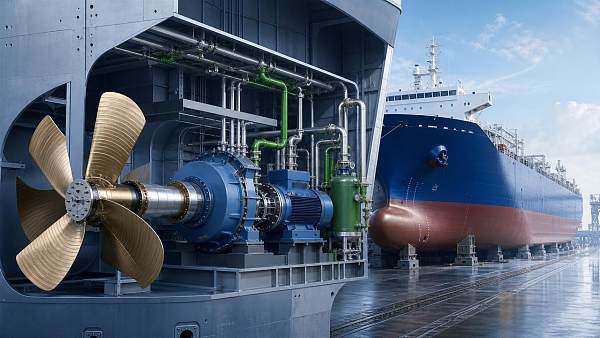
Hull cleaning programs, advanced coatings, air lubrication, and propeller efficiency upgrades also rank well when utilization is high.
By contrast, alternative fuels may offer stronger long-term emissions reduction, but payback depends on fuel price spreads and infrastructure access.
A useful rule is simple: start with solutions that improve each voyage before committing to solutions that redesign the entire energy system.
That sequencing reduces risk and creates performance data for the next round of investment decisions.
A quick comparison helps separate headline appeal from payback reality
The strongest near-term candidates usually combine moderate capex with direct fuel or maintenance savings.
How should you compare operational upgrades with alternative fuels?
This is where many decarbonization decisions become distorted by narrative rather than numbers.
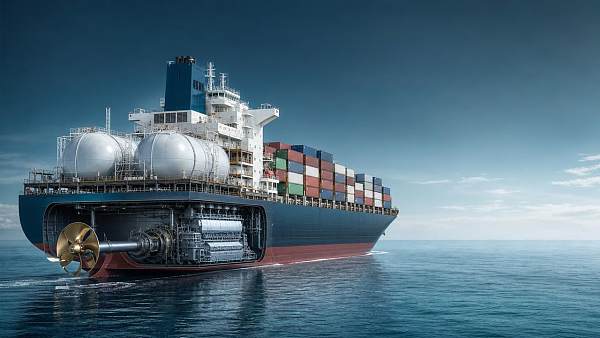
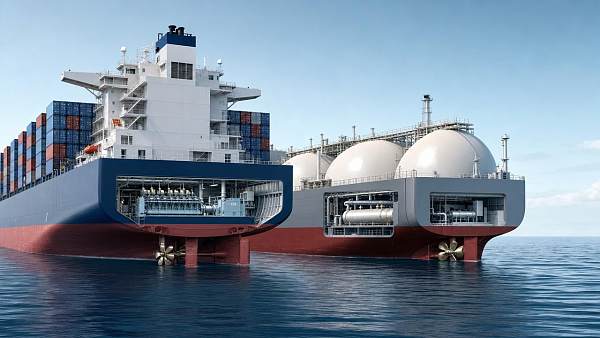
Operational upgrades improve the efficiency of the existing asset base. Alternative fuels reshape the asset and supply chain together.
The first group is usually easier to model. The second group carries more strategic upside, but also more uncertainty.
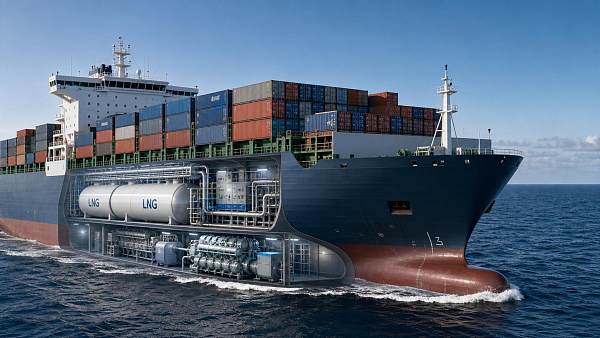
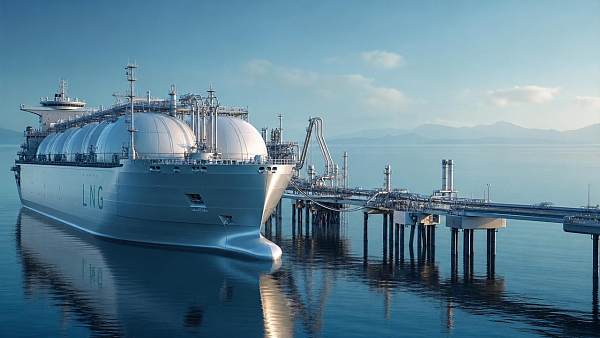
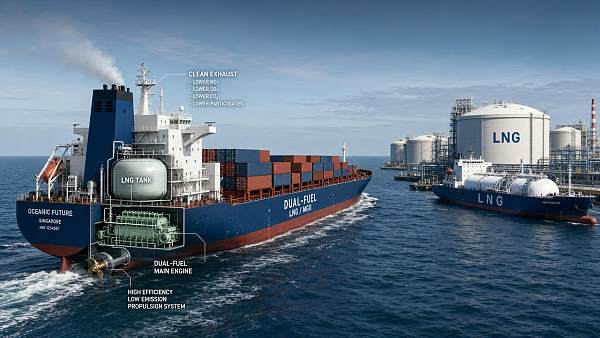
For example, LNG can make sense on routes with dependable bunkering and long planning horizons. Even then, methane slip and future policy shifts must be tested.
Methanol and ammonia attract attention, yet infrastructure maturity, retrofit complexity, and crew readiness still affect project economics.
A more grounded comparison looks at five variables together:
- Expected fuel savings per operating day
- Downtime required for installation or conversion
- Exposure to carbon pricing or emissions penalties
- Effect on charter demand and asset resale
- Technology obsolescence risk over seven to fifteen years
In other words, decarbonization solutions for maritime logistics should be compared as portfolio choices, not isolated engineering projects.
Where do buyers most often overestimate savings or underestimate risk?
The most common mistake is assuming laboratory efficiency becomes voyage-level savings without friction.
Real savings depend on route profile, cargo load, port congestion, maintenance discipline, and crew adoption.
Another mistake is ignoring integration cost. A smart optimization layer may seem inexpensive until data systems require cleanup and validation.
The same applies to hardware retrofits. Drydock windows, class approvals, spare parts, and training can materially shift the business case.
GTOT’s intelligence approach is useful here because high-performance transport systems, whether rail or sea, fail when decision-makers isolate one subsystem from the whole.
The practical screening questions are usually more revealing than vendor claims.
Questions worth asking before approving a project
- Is the savings estimate based on vessel-specific operating data?
- What assumptions were used for future fuel prices and carbon costs?
- How much off-hire time is included in the model?
- What happens if utilization falls below plan?
- Does the option improve compliance flexibility across multiple trade lanes?
What does a sensible evaluation model look like in practice?
A sensible model is not built around one headline payback number.
Instead, it combines direct economics, operational resilience, and strategic optionality.
In actual reviews, three tiers tend to work well.
Tier one: hard cash effects
Measure fuel reduction, maintenance savings, insurance implications, and expected compliance cost avoidance.
Tier two: execution risk
Assess installation complexity, supplier maturity, digital integration needs, and crew training burden.
Tier three: balance-sheet effect
Review whether the solution supports future charterability, refinancing confidence, and long-term asset relevance.
This approach helps separate a cheap project from a valuable one. They are not always the same.
It also explains why decarbonization solutions for maritime logistics often work best as phased programs.
Begin with data transparency and voyage efficiency. Then expand into retrofit packages or alternative fuels when the operating case is proven.
So which decarbonization path usually makes the most sense today?
For many fleets, the strongest starting point is a layered strategy rather than a single flagship project.
First, improve visibility through voyage analytics, route optimization, and equipment performance monitoring.
Next, align drydock events with efficiency retrofits that have measurable operational payback.
Only after that should major fuel pathway decisions move into final capital approval, unless route conditions already justify them.
That sequence fits the broader logic seen across GTOT’s transport intelligence coverage.
Whether managing rail control systems or smart container ships, durable returns come from disciplined system thinking, not technology fashion.
If the next step is to narrow options, build a short list around route pattern, vessel age, drydock timing, and expected carbon-cost exposure.
Then compare decarbonization solutions for maritime logistics using one decision standard: measurable savings, manageable disruption, and strategic flexibility together.
Recommended News
 Aug 28, 2026How to select a marine propulsion system for tankers by operating profileMarine propulsion system for tankers: learn how to align propulsion, fuel strategy, propeller performance, redundancy, and lifecycle costs with real operating profiles.
 Jul 15, 2026Class Approved Dual-Fuel Marine Propulsion: Key Certification Points to CheckClass approved dual-fuel marine propulsion explained: learn the key certification points, hidden compliance gaps, and practical checks to improve safety, approval readiness, and supplier selection.
 Jul 10, 2026Dual Fuel Propulsion IMO Compliance: What to Check Before SpecificationDual fuel propulsion IMO compliance starts before spec freeze. Learn the key checks on emissions, IGF safety, class approval, and lifecycle risk to avoid costly redesigns.
 Jul 04, 2026LNG Vessel Retrofit: Key Risks Before Final Scope ApprovalLNG vessel retrofit risks often emerge before final scope approval. Learn how to assess interfaces, yard limits, compliance, and lifecycle value to avoid delays and costly rework.
 Jun 21, 2026How Dual-Fuel Propulsion Cuts LNG Carrier Fuel Risk and EmissionsLNG carriers dual-fuel propulsion cuts fuel risk and emissions by using boil-off gas and liquid fuels flexibly. Learn how it boosts efficiency, compliance, and voyage resilience.
 Jun 18, 2026Dual-Fuel Propulsion: What to Check Before Choosing a SystemDual-fuel propulsion buyers should check fuel strategy, emissions, control logic, safety, and lifecycle cost before choosing a system. Learn what drives real vessel performance.
 Jun 16, 2026Decarbonization Solutions for Maritime Logistics: Which Options Deliver Real ROI?Decarbonization solutions for maritime logistics: discover which upgrades, digital tools, and fuel strategies deliver real ROI, lower risk, and measurable savings for fleets.
 Jun 14, 2026Decarbonization Solutions for Maritime Logistics ComparedDecarbonization solutions for maritime logistics compared: explore LNG, retrofits, AI routing, and smart vessel strategies to cut emissions, control costs, and protect shipping reliability.
 Jun 12, 2026LNG Carriers Dual-Fuel Propulsion: Cost, Compliance, and PaybackLNG carriers dual-fuel propulsion explained: compare cost, compliance impact, and payback to see how fuel flexibility can protect vessel value and charter competitiveness.
![]() Jun 09, 2026Dual-Fuel Propulsion: Cost, Compliance, and Retrofit Trade-OffsDual-fuel propulsion explained: compare cost, compliance, and retrofit trade-offs for vessels, with practical insights on LNG flexibility, asset value, and smarter procurement decisions.
Jun 09, 2026Dual-Fuel Propulsion: Cost, Compliance, and Retrofit Trade-OffsDual-fuel propulsion explained: compare cost, compliance, and retrofit trade-offs for vessels, with practical insights on LNG flexibility, asset value, and smarter procurement decisions. Jun 08, 2026Dual-Fuel Propulsion: Cost, Range, and Emissions Trade-Offs in 2026Dual-fuel propulsion in 2026: compare cost, range, and emissions trade-offs for ships and transport assets. Learn where flexibility pays off and what to verify before investing.
 Jun 07, 2026Marine Propulsion Systems: Key Efficiency Trade-Offs for New Vessel ProjectsMarine propulsion systems for new vessel projects: compare fuel efficiency, emissions, lifecycle cost, and control trade-offs to choose a smarter, future-ready vessel solution.
 Jun 02, 20262026 LNG Carriers Technology Advancements Reshaping Fleet PlanningLNG carriers technology advancements are redefining 2026 fleet planning with smarter containment, dual-fuel propulsion, AI routing, and compliance-ready performance.
 Jun 01, 2026Marine Propulsion Systems: Cost Risks Before RetrofitMarine propulsion systems retrofits can hide fuel, downtime, compliance, and maintenance costs. Learn how to quantify risks before approval and protect fleet ROI.
 May 31, 2026International Shipbuilding Trends Shaping Dual-Fuel FleetsInternational shipbuilding is shifting toward dual-fuel fleets, reshaping fuel flexibility, asset value, compliance strategy, and maritime competitiveness.
 May 25, 2026LNG Carriers: Choosing Dual-Fuel Propulsion for Lower LossesLNG carriers for global energy transport benefit from dual-fuel propulsion with lower cargo losses, stronger compliance, and better fuel flexibility—see what buyers should evaluate now.
 May 24, 2026Marine Propulsion Technology: Dual-fuel Performance Trade-offsMarine propulsion technology explained: compare dual-fuel efficiency, emissions, methane slip, load profile, and lifecycle risk to choose smarter vessel propulsion strategies.
![]() May 23, 2026Marine Propulsion Systems: Cost vs Fuel EfficiencyMarine propulsion systems decisions should balance cost, fuel efficiency, and compliance. Compare scenario-based options for container ships, LNG carriers, and hybrid routes.
May 23, 2026Marine Propulsion Systems: Cost vs Fuel EfficiencyMarine propulsion systems decisions should balance cost, fuel efficiency, and compliance. Compare scenario-based options for container ships, LNG carriers, and hybrid routes. May 21, 2026LNG Carriers Dual-Fuel Propulsion: Fuel Savings vs Retrofit CostLNG carriers dual-fuel propulsion: compare fuel savings, retrofit cost, payback, and charter value to see when fleet upgrades deliver stronger ROI and lower compliance risk.
 May 18, 2026Marine Propulsion Technology: When Dual-Fuel Pays OffMarine propulsion technology explained: discover when dual-fuel systems deliver real ROI, lower compliance risk, and stronger vessel value across modern shipping routes.
 May 17, 2026Dual-fuel Marine Propulsion Systems: Cost vs EfficiencyMarine propulsion systems: discover whether dual-fuel upgrades truly balance higher capex with fuel savings, compliance gains, and stronger lifetime vessel returns.