



Search News
Industry Portal
Popular Tags
LNG Carriers Dual-Fuel Propulsion: Fuel Savings vs Retrofit Cost
Author
Time
Click Count
For financial decision-makers evaluating fleet upgrades, LNG carriers dual-fuel propulsion is no longer just a technical trend—it is a capital allocation question. The balance between fuel savings, emissions compliance, and retrofit cost can directly shape vessel ROI, payback periods, and long-term charter competitiveness. This article outlines the core cost drivers and value logic behind dual-fuel investment decisions.
In the LNG shipping market, capital approval rarely depends on engineering merit alone. Boards, fleet owners, lessors, and finance teams need to compare retrofit outlay against fuel spread assumptions, off-hire exposure, charter earning potential, and compliance timelines that may stretch over 5 to 15 years.
That is why LNG carriers dual-fuel propulsion should be evaluated as a portfolio-level asset optimization decision. For GTOT’s audience, the real question is not whether dual-fuel technology works, but under which vessel age, contract profile, and fuel-price scenario it creates measurable shareholder value.
Why LNG Carriers Dual-Fuel Propulsion Has Become a Financial Issue
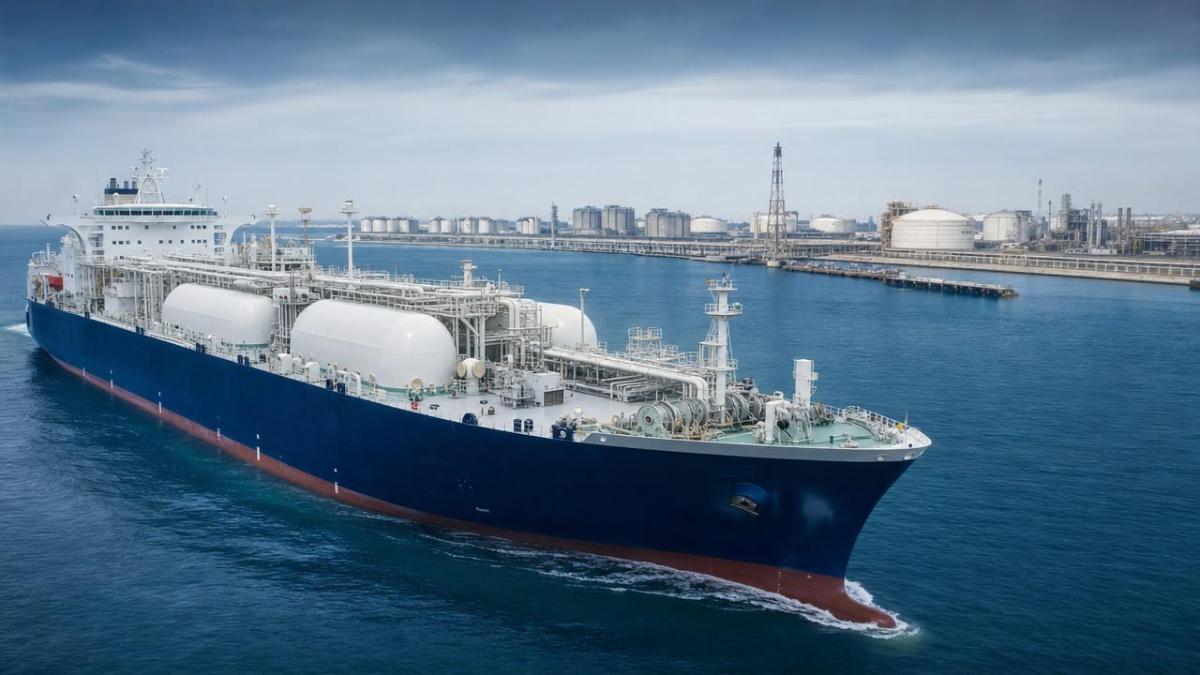
For older steam-turbine LNG carriers and some early diesel-electric vessels, propulsion choices now affect more than bunker invoices. They influence carbon exposure, technical employability, and charter market relevance across 3 key dimensions: operating cost, regulatory compliance, and residual asset value.
A vessel consuming 110 to 150 tons of fuel per day on long-haul voyages can generate meaningful annual savings from even a modest 8% to 15% efficiency improvement. For a ship trading 250 to 300 days each year, that difference quickly compounds into a multi-million-dollar budget line.
The Three Forces Driving Investment Reviews
- Fuel cost volatility between boil-off gas, LNG, and marine fuel alternatives
- Carbon and emissions pressure from EEXI, CII, and charterer decarbonization screens
- Market preference for efficient tonnage in 3- to 10-year charter discussions
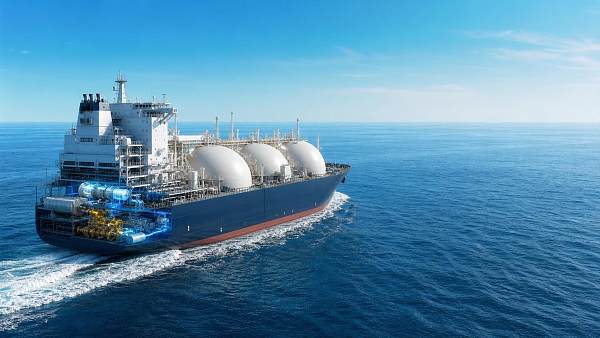
In practical terms, LNG carriers dual-fuel propulsion can improve optionality. A vessel able to switch between cargo boil-off gas and liquid fuel can better respond to route conditions, fuel availability, and charter-party constraints than a single-fuel configuration locked into one cost curve.
What Financial Approvers Usually Ask First
1. How much fuel can actually be saved?
Savings depend on engine type, voyage profile, cargo handling strategy, and boil-off management. In broad industry practice, retrofit-driven efficiency gains often fall into a 5% to 20% range, with higher gains more likely when replacing older propulsion systems with modern dual-fuel solutions.
2. How long will the vessel be out of service?
Dry-dock and installation periods commonly range from 30 to 90 days, depending on scope. If steel renewal, containment repairs, shaft work, or control-system integration are added, the off-hire window may extend beyond 12 weeks, directly affecting cash-flow forecasts.
3. Does retrofit make sense for every vessel?
No. A 5-year-old LNG carrier under long-term charter has a very different retrofit case from a 20-year-old vessel with uncertain employment. Hull condition, cargo containment integrity, remaining class life, and financing structure all matter before approving conversion capital.
The table below helps frame the economic logic by vessel profile rather than by technology alone, which is often the most useful starting point for finance-led screening.
The key takeaway is that LNG carriers dual-fuel propulsion is not universally economical. The same technical package may look compelling on a mid-life vessel with 8 years of trading runway, yet weak on an aging asset facing uncertain utilization after its next special survey cycle.
Fuel Savings: Where the Economic Benefit Really Comes From
Fuel savings are often discussed too broadly. In reality, value comes from 4 linked levers: lower daily consumption, more effective use of boil-off gas, reduced need for forced gas disposal, and better route-by-route fuel flexibility. Each lever should be modeled separately in the approval memo.
Daily Consumption Reduction
A reduction of 10 to 20 tons per day can materially change annual opex on long-distance LNG trade lanes. Over 270 operating days, even a 12-ton daily reduction represents 3,240 tons per year. The monetary impact then depends on the spread between LNG-equivalent fuel cost and alternative marine fuels.
Better Use of Boil-Off Gas
LNG carriers naturally generate boil-off gas due to cryogenic cargo conditions around minus 163°C. Dual-fuel systems can convert more of that unavoidable gas into propulsion energy, reducing waste and limiting the need for secondary handling measures that may otherwise increase operational inefficiency.
Commercial Value Beyond the Engine Room
Efficient propulsion can also influence charter terms. Some charterers now apply internal carbon screens or operating-efficiency benchmarks when shortlisting vessels. A ship with stronger fuel performance may defend day rates better over 3- to 5-year fixtures, even when spot-market conditions soften.
The following table shows how finance teams often translate technical performance into commercial budgeting variables during investment review.
This is why LNG carriers dual-fuel propulsion should never be modeled using fuel savings alone. On some fleets, the bigger gain comes from protecting employment quality and avoiding commercial discounting on less efficient tonnage.
Retrofit Cost: What Usually Expands the Budget
Retrofit cost is not one number. It is a package of engineering scope, procurement timing, shipyard capacity, integration complexity, and off-hire losses. Finance teams that approve based only on the vendor headline figure often underestimate total project exposure by 15% to 30%.
Core Cost Buckets
- Engine conversion or replacement package
- Fuel gas supply system upgrades and safety interfaces
- Automation, control, and monitoring integration
- Shipyard labor, steel modification, and commissioning
- Off-hire cost during 4 to 12 weeks of downtime
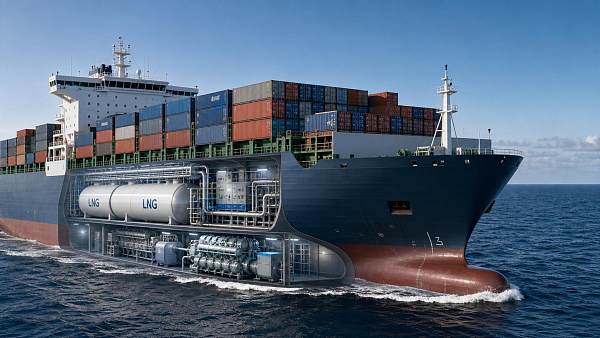
For LNG carriers, extra complexity often arises from cryogenic piping interfaces, hazardous-area compliance, gas valve units, ventilation logic, and integration with cargo handling systems. These are not cosmetic items; they directly affect schedule reliability and commissioning risk.
Why Two Retrofits Can Differ So Much in Cost
Vessel design differences
Membrane and Moss-type carriers may present different layout constraints. Machinery room accessibility, available space for fuel-gas equipment, and legacy control architecture can add substantial engineering hours before steel cutting even begins.
Shipyard and slot pressure
When repair yards are busy, labor rates and docking availability can shift quickly. A project delayed by one quarter may face both higher direct cost and lost earnings from missing a favorable charter window.
Scope creep during dry-dock
Owners frequently discover additional class repairs, corrosion treatment, or equipment renewal requirements once the vessel is opened up. A prudent budget should therefore include contingency, often in the 10% to 15% range for mid-life conversions.
Before signing, approval teams should compare not just capex, but total cost of implementation across technical and commercial dimensions.
For many financial approvers, the most important lesson is simple: LNG carriers dual-fuel propulsion can be economically attractive, but only when the full retrofit envelope is visible before commitment, including schedule risk and post-installation performance verification.
How to Build a Decision Model That Management Can Approve
A workable approval model should balance 5 variables: capex, off-hire, fuel spread, charter impact, and remaining asset life. If one variable is treated as fixed when it is actually volatile, the business case may look stronger on paper than in practice.
A Practical 5-Step Review Framework
- Establish baseline fuel burn across at least 12 months of voyages
- Model low, base, and high fuel-spread scenarios for 3 to 7 years
- Quantify off-hire cost at 30, 60, and 90-day installation durations
- Estimate charter benefit using realistic utilization and day-rate assumptions
- Stress test payback against residual life and next survey milestones
This framework is especially relevant for mixed fleets where some vessels have 10+ remaining trading years and others are nearing major renewal decisions. In those cases, it may be better to retrofit only the middle segment of the fleet rather than apply one policy to all ships.
Payback Is Useful, but Not Enough
A 4-year payback may look acceptable, yet still fail under strategic review if the vessel faces weak charter visibility after year 5. Conversely, a 6-year payback can still be rational if the retrofit materially improves charterability, emissions positioning, and resale confidence.
Finance teams should therefore assess three outputs together: simple payback, internal return logic under scenario ranges, and downside protection if utilization falls by 10% to 20%. That broader lens better reflects real shipping-market volatility.
Procurement and Risk-Control Advice for Financial Approvers
The best technical proposal is not always the best investment proposal. Procurement quality matters because retrofit economics can deteriorate if scope boundaries, performance guarantees, or shipyard coordination are left vague during contracting.
Checklist Before Release of Capital
- Request a breakdown of fixed scope versus provisional engineering items
- Link milestone payments to design freeze, installation progress, and sea-trial acceptance
- Confirm who carries cost if integration issues delay commissioning by 14 days or more
- Review spare parts, training, and service coverage for the first 12 to 24 months
- Ensure fuel and performance guarantees are measurable under defined voyage conditions
For GTOT readers following advanced ocean-going vessel trends, this is where disciplined intelligence matters. LNG carriers dual-fuel propulsion sits at the intersection of cryogenic engineering, operational economics, and strategic fleet positioning, so approval decisions benefit from technical and market analysis together rather than in isolation.
Common Approval Mistakes
Overestimating fuel-price advantage
Do not assume current spreads will remain favorable for 5 years. Use scenario bands, not a single forward-looking price view.
Ignoring utilization risk
Fuel savings only materialize when the ship trades. A vessel with uneven employment may underdeliver against modeled economics.
Undervaluing compliance and charter positioning
Some boards focus only on direct opex reduction. Yet in tightening emissions markets, preserving charter access can be as valuable as reducing consumption by several percentage points.
For financial decision-makers, the case for LNG carriers dual-fuel propulsion is strongest when three conditions align: credible fuel savings, controlled retrofit execution, and a clear commercial runway long enough to recover capital. When those conditions are absent, caution is justified even if the technical concept is sound.
GTOT tracks the technical, commercial, and infrastructure signals shaping advanced vessel investment, from LNG containment and propulsion trends to broader fleet modernization logic across global transport. If you are screening retrofit candidates, evaluating charter competitiveness, or preparing a board-level capital case, now is the right time to refine the numbers before committing budget.
Contact GTOT to discuss your vessel profile, compare retrofit pathways, and obtain a more decision-ready view of cost, risk, and long-term asset value.
Recommended News
 Aug 28, 2026How to select a marine propulsion system for tankers by operating profileMarine propulsion system for tankers: learn how to align propulsion, fuel strategy, propeller performance, redundancy, and lifecycle costs with real operating profiles.
 Jul 15, 2026Class Approved Dual-Fuel Marine Propulsion: Key Certification Points to CheckClass approved dual-fuel marine propulsion explained: learn the key certification points, hidden compliance gaps, and practical checks to improve safety, approval readiness, and supplier selection.
 Jul 10, 2026Dual Fuel Propulsion IMO Compliance: What to Check Before SpecificationDual fuel propulsion IMO compliance starts before spec freeze. Learn the key checks on emissions, IGF safety, class approval, and lifecycle risk to avoid costly redesigns.
 Jul 04, 2026LNG Vessel Retrofit: Key Risks Before Final Scope ApprovalLNG vessel retrofit risks often emerge before final scope approval. Learn how to assess interfaces, yard limits, compliance, and lifecycle value to avoid delays and costly rework.
 Jun 21, 2026How Dual-Fuel Propulsion Cuts LNG Carrier Fuel Risk and EmissionsLNG carriers dual-fuel propulsion cuts fuel risk and emissions by using boil-off gas and liquid fuels flexibly. Learn how it boosts efficiency, compliance, and voyage resilience.
 Jun 18, 2026Dual-Fuel Propulsion: What to Check Before Choosing a SystemDual-fuel propulsion buyers should check fuel strategy, emissions, control logic, safety, and lifecycle cost before choosing a system. Learn what drives real vessel performance.
 Jun 16, 2026Decarbonization Solutions for Maritime Logistics: Which Options Deliver Real ROI?Decarbonization solutions for maritime logistics: discover which upgrades, digital tools, and fuel strategies deliver real ROI, lower risk, and measurable savings for fleets.
 Jun 14, 2026Decarbonization Solutions for Maritime Logistics ComparedDecarbonization solutions for maritime logistics compared: explore LNG, retrofits, AI routing, and smart vessel strategies to cut emissions, control costs, and protect shipping reliability.
 Jun 12, 2026LNG Carriers Dual-Fuel Propulsion: Cost, Compliance, and PaybackLNG carriers dual-fuel propulsion explained: compare cost, compliance impact, and payback to see how fuel flexibility can protect vessel value and charter competitiveness.
![]() Jun 09, 2026Dual-Fuel Propulsion: Cost, Compliance, and Retrofit Trade-OffsDual-fuel propulsion explained: compare cost, compliance, and retrofit trade-offs for vessels, with practical insights on LNG flexibility, asset value, and smarter procurement decisions.
Jun 09, 2026Dual-Fuel Propulsion: Cost, Compliance, and Retrofit Trade-OffsDual-fuel propulsion explained: compare cost, compliance, and retrofit trade-offs for vessels, with practical insights on LNG flexibility, asset value, and smarter procurement decisions. Jun 08, 2026Dual-Fuel Propulsion: Cost, Range, and Emissions Trade-Offs in 2026Dual-fuel propulsion in 2026: compare cost, range, and emissions trade-offs for ships and transport assets. Learn where flexibility pays off and what to verify before investing.
 Jun 07, 2026Marine Propulsion Systems: Key Efficiency Trade-Offs for New Vessel ProjectsMarine propulsion systems for new vessel projects: compare fuel efficiency, emissions, lifecycle cost, and control trade-offs to choose a smarter, future-ready vessel solution.
 Jun 02, 20262026 LNG Carriers Technology Advancements Reshaping Fleet PlanningLNG carriers technology advancements are redefining 2026 fleet planning with smarter containment, dual-fuel propulsion, AI routing, and compliance-ready performance.
 Jun 01, 2026Marine Propulsion Systems: Cost Risks Before RetrofitMarine propulsion systems retrofits can hide fuel, downtime, compliance, and maintenance costs. Learn how to quantify risks before approval and protect fleet ROI.
 May 31, 2026International Shipbuilding Trends Shaping Dual-Fuel FleetsInternational shipbuilding is shifting toward dual-fuel fleets, reshaping fuel flexibility, asset value, compliance strategy, and maritime competitiveness.
 May 25, 2026LNG Carriers: Choosing Dual-Fuel Propulsion for Lower LossesLNG carriers for global energy transport benefit from dual-fuel propulsion with lower cargo losses, stronger compliance, and better fuel flexibility—see what buyers should evaluate now.
 May 24, 2026Marine Propulsion Technology: Dual-fuel Performance Trade-offsMarine propulsion technology explained: compare dual-fuel efficiency, emissions, methane slip, load profile, and lifecycle risk to choose smarter vessel propulsion strategies.
![]() May 23, 2026Marine Propulsion Systems: Cost vs Fuel EfficiencyMarine propulsion systems decisions should balance cost, fuel efficiency, and compliance. Compare scenario-based options for container ships, LNG carriers, and hybrid routes.
May 23, 2026Marine Propulsion Systems: Cost vs Fuel EfficiencyMarine propulsion systems decisions should balance cost, fuel efficiency, and compliance. Compare scenario-based options for container ships, LNG carriers, and hybrid routes. May 21, 2026LNG Carriers Dual-Fuel Propulsion: Fuel Savings vs Retrofit CostLNG carriers dual-fuel propulsion: compare fuel savings, retrofit cost, payback, and charter value to see when fleet upgrades deliver stronger ROI and lower compliance risk.
 May 18, 2026Marine Propulsion Technology: When Dual-Fuel Pays OffMarine propulsion technology explained: discover when dual-fuel systems deliver real ROI, lower compliance risk, and stronger vessel value across modern shipping routes.
 May 17, 2026Dual-fuel Marine Propulsion Systems: Cost vs EfficiencyMarine propulsion systems: discover whether dual-fuel upgrades truly balance higher capex with fuel savings, compliance gains, and stronger lifetime vessel returns.