



Search News
Industry Portal
Popular Tags
Decarbonization Solutions for Maritime Logistics Compared
Author
Time
Click Count
Decarbonization Solutions for Maritime Logistics Compared
As pressure rises across shipping markets, decarbonization solutions for maritime logistics are moving from strategy decks into operating plans.
Regulation is one driver. Fuel price swings are another. Customer reporting demands are now equally important.
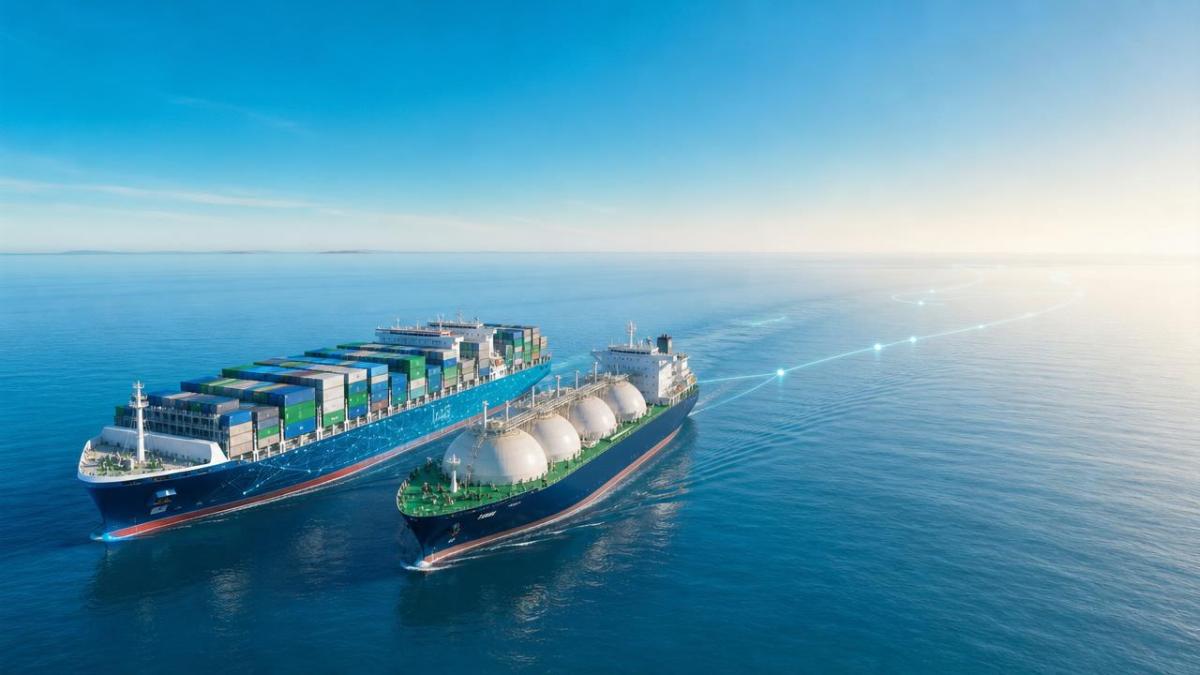
That changes how smart container ships, LNG carriers, and supporting digital systems are evaluated.
The real question is no longer whether to decarbonize. It is which pathway reduces emissions without weakening service reliability.
In practice, the best decarbonization solutions for maritime logistics usually combine fuel, technology, and operational redesign.
For business evaluation teams, comparison matters more than hype. The right answer depends on vessel profile, route pattern, and capital horizon.
This article compares leading options, highlights tradeoffs, and shows where each solution fits best.
Why Decarbonization Solutions for Maritime Logistics Now Shape Investment Decisions
Recent market shifts make maritime decarbonization a board-level issue rather than a technical side project.
EU and IMO rules are tightening reporting and efficiency requirements. Charterers are also asking for clearer carbon data.
More importantly, asset value is being redefined. A vessel with weak emissions performance may face lower utilization or expensive retrofits.
That is why decarbonization solutions for maritime logistics are increasingly judged by commercial durability.
Operators need solutions that support compliance, lower fuel burn, and protect schedule integrity across volatile trade lanes.
This also explains the growing interest in GTOT-style intelligence models that connect vessel systems, route data, and lifecycle economics.
The Main Decarbonization Pathways Compared
Most decarbonization solutions for maritime logistics fall into four practical categories.
- Alternative fuels and dual-fuel propulsion
- Energy efficiency retrofits and onboard optimization
- Digital voyage management and AI route planning
- Port-to-ship coordination and supply chain integration
Each option offers a different balance of emissions impact, cost, maturity, and deployment speed.
1. LNG and Dual-Fuel Vessel Strategies
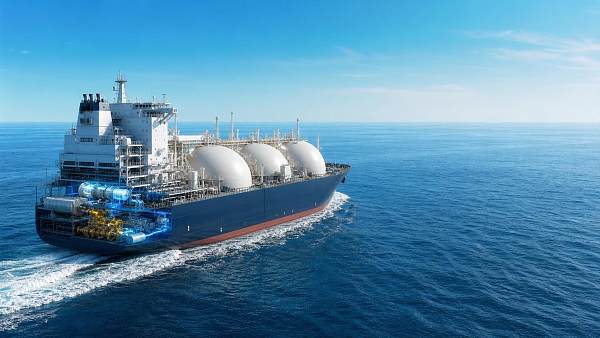
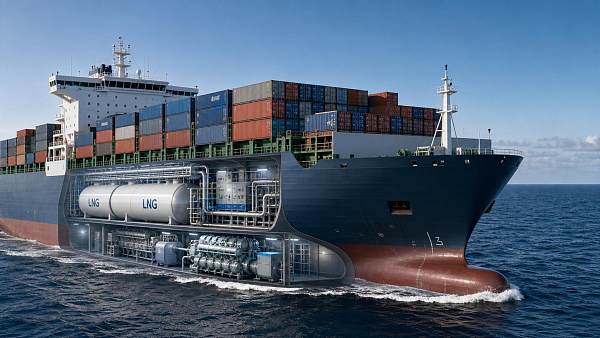
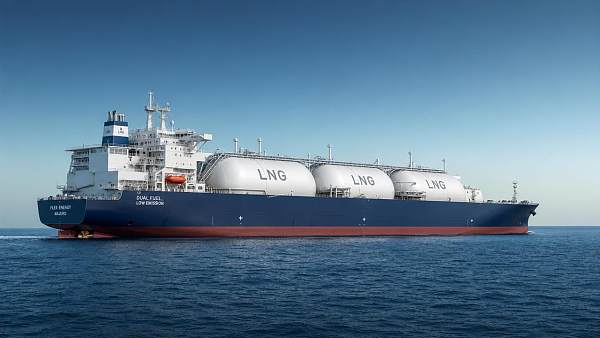
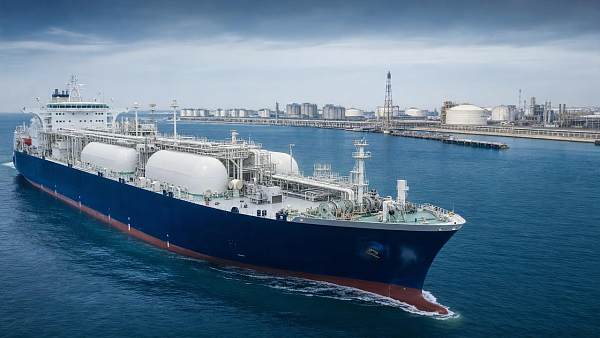
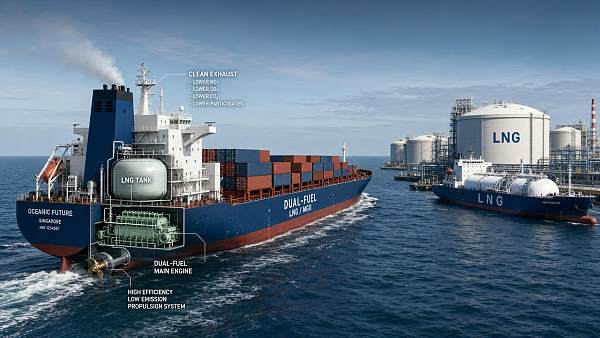
LNG remains one of the most established decarbonization solutions for maritime logistics, especially for larger vessels.
It can reduce sulfur emissions immediately and lower CO2 compared with conventional marine fuels.
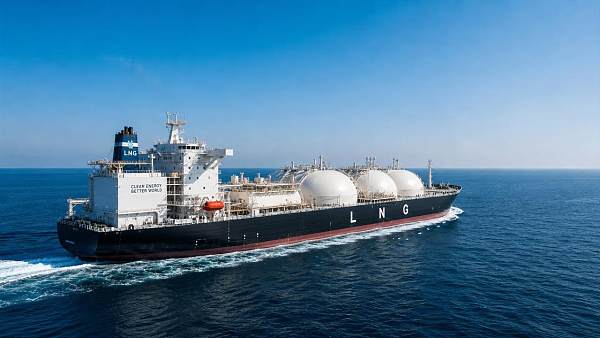
For LNG carriers, the logic is even stronger. Cargo-linked fuel use can improve operating efficiency when the system is well managed.
Still, methane slip, bunker availability, and long-term fuel transition risk remain important concerns.
This pathway works best where routes are stable, infrastructure is available, and fleet renewal is already planned.
2. Energy Efficiency Retrofits
Retrofits are often the fastest decarbonization solutions for maritime logistics because they improve existing assets.
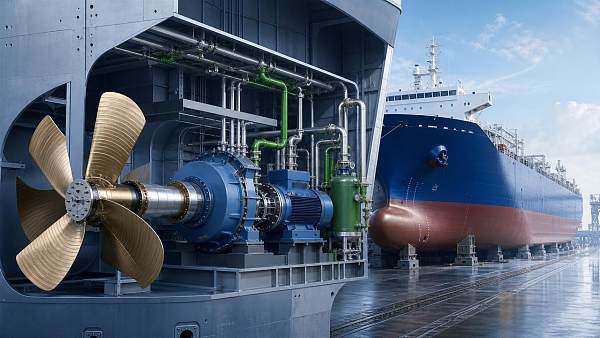
Common upgrades include air lubrication, hull coatings, waste heat recovery, propeller redesign, and battery-assisted auxiliary systems.
These measures rarely transform emissions alone, but together they can deliver meaningful fuel savings.
The advantage is clear: lower capital exposure and shorter implementation cycles than full fleet replacement.
The limitation is equally clear. Results depend on vessel age, maintenance quality, and route conditions.
3. AI Route Optimization and Smart Vessel Operations
Digital tools are now among the most scalable decarbonization solutions for maritime logistics.
AI route optimization adjusts speed, weather routing, traffic timing, and fuel consumption in near real time.
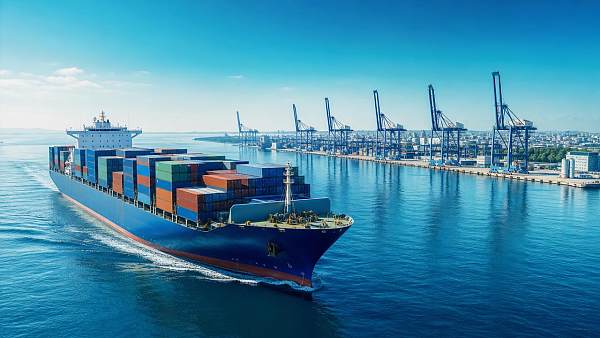
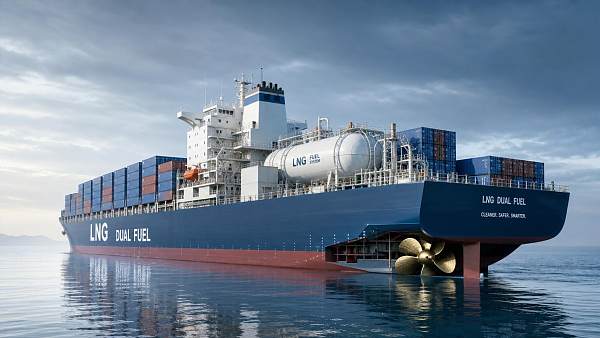
For smart container ships, these systems can also reduce idle time, improve berth coordination, and smooth cargo handling flows.
This route is attractive because it improves both carbon performance and schedule discipline.
However, digital gains depend on clean data, crew adoption, and integration with shoreside planning systems.
How Leading Solutions Compare in Real Business Terms
A useful comparison should go beyond emissions percentages. It should reflect commercial reality.
From a business case perspective, the strongest decarbonization solutions for maritime logistics often come from stacking several moderate gains.
That usually beats waiting for one perfect technology to solve everything.
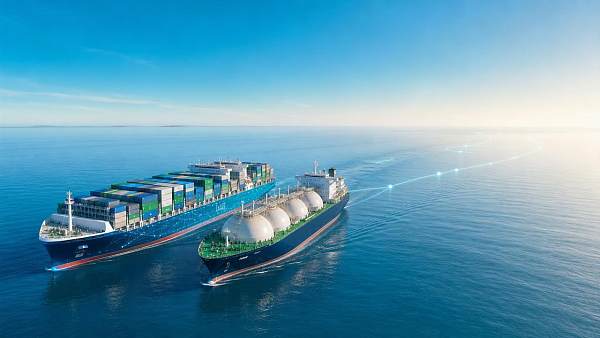
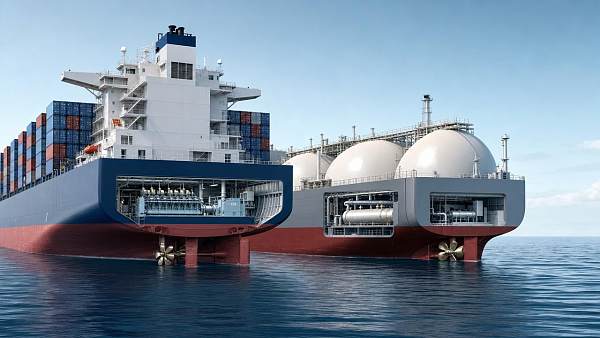
Where Smart Container Ships and LNG Carriers Fit Best
Not all vessel classes respond to decarbonization in the same way.
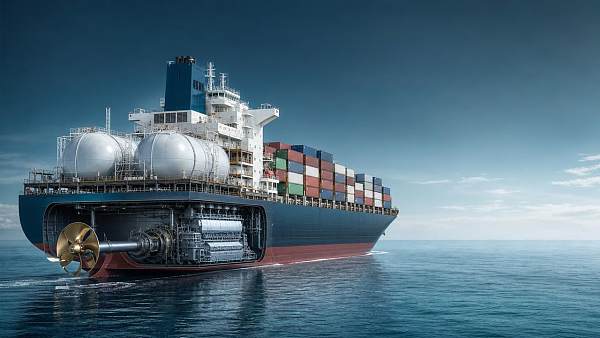
Smart container ships benefit most from digital decarbonization solutions for maritime logistics.
They operate in complex networks where schedule reliability, port timing, and fuel use are tightly linked.
That makes AI navigation, predictive maintenance, and ship-to-shore synchronization highly valuable.
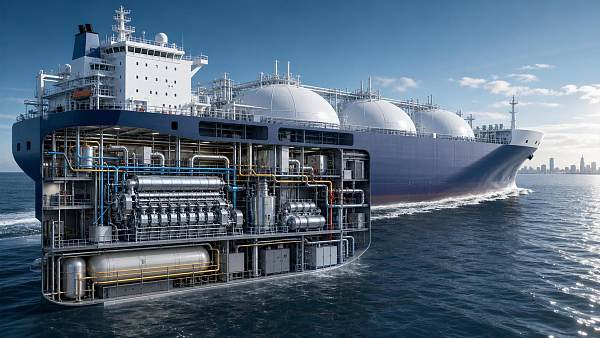
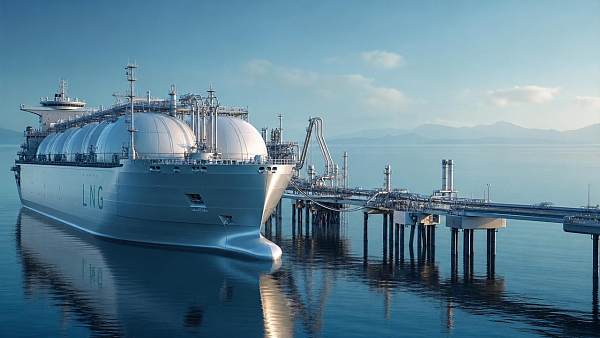
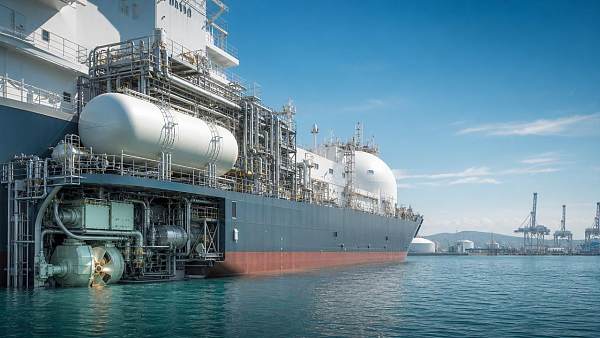
LNG carriers are different. Their decarbonization case is shaped by cryogenic engineering, boil-off gas management, and dual-fuel propulsion strategy.
For these ships, efficiency improvements depend heavily on containment performance and propulsion control quality.
This is where technical intelligence becomes critical. Performance data must be tied to route, weather, cargo state, and machinery behavior.
That level of analysis helps operators avoid generic investment decisions and focus on measurable gains.
A Practical Evaluation Framework for Selecting the Right Solution
When comparing decarbonization solutions for maritime logistics, a simple framework helps separate strong options from expensive distractions.
- Define the emissions baseline by vessel type, route, and cargo pattern.
- Map each solution against compliance value, fuel savings, and uptime impact.
- Check infrastructure readiness, especially bunkering, data systems, and port coordination.
- Model total cost over the asset life, not only initial capital spending.
- Stress-test the plan against regulation changes and fuel market volatility.
In real operations, the winning option is usually the one that remains workable under imperfect conditions.
That means proven reliability often deserves more weight than headline carbon claims.
Common Risks That Can Weaken Decarbonization Results
Even well-designed decarbonization solutions for maritime logistics can underperform when execution gaps appear.
- Overestimating savings without route-specific performance evidence
- Ignoring crew training and operational change management
- Treating software tools as stand-alone solutions
- Underestimating methane, maintenance, or data integration risks
- Building a carbon strategy without supply chain partner alignment
A more reliable approach is phased adoption. Start with visible efficiency wins, then expand into deeper fleet transformation.
This reduces execution risk while improving internal confidence in the business case.
What the Most Effective Maritime Decarbonization Strategy Looks Like
The most effective decarbonization solutions for maritime logistics are rarely single-product answers.
They usually blend smart vessel systems, energy-saving upgrades, and route intelligence with realistic fuel planning.
For smart container ships, digital coordination often delivers the fastest return.
For LNG carriers, propulsion control and cryogenic efficiency remain central to long-term value.
The stronger signal in today’s market is this: practical decarbonization is becoming an operational intelligence challenge.
Teams that compare decarbonization solutions for maritime logistics through reliability, lifecycle cost, and measurable emissions outcomes will make better choices.
If the goal is durable advantage, start with data, compare pathways honestly, and build a roadmap that can survive real-world pressure.
Recommended News
 Aug 28, 2026How to select a marine propulsion system for tankers by operating profileMarine propulsion system for tankers: learn how to align propulsion, fuel strategy, propeller performance, redundancy, and lifecycle costs with real operating profiles.
 Jul 15, 2026Class Approved Dual-Fuel Marine Propulsion: Key Certification Points to CheckClass approved dual-fuel marine propulsion explained: learn the key certification points, hidden compliance gaps, and practical checks to improve safety, approval readiness, and supplier selection.
 Jul 10, 2026Dual Fuel Propulsion IMO Compliance: What to Check Before SpecificationDual fuel propulsion IMO compliance starts before spec freeze. Learn the key checks on emissions, IGF safety, class approval, and lifecycle risk to avoid costly redesigns.
 Jul 04, 2026LNG Vessel Retrofit: Key Risks Before Final Scope ApprovalLNG vessel retrofit risks often emerge before final scope approval. Learn how to assess interfaces, yard limits, compliance, and lifecycle value to avoid delays and costly rework.
 Jun 21, 2026How Dual-Fuel Propulsion Cuts LNG Carrier Fuel Risk and EmissionsLNG carriers dual-fuel propulsion cuts fuel risk and emissions by using boil-off gas and liquid fuels flexibly. Learn how it boosts efficiency, compliance, and voyage resilience.
 Jun 18, 2026Dual-Fuel Propulsion: What to Check Before Choosing a SystemDual-fuel propulsion buyers should check fuel strategy, emissions, control logic, safety, and lifecycle cost before choosing a system. Learn what drives real vessel performance.
 Jun 16, 2026Decarbonization Solutions for Maritime Logistics: Which Options Deliver Real ROI?Decarbonization solutions for maritime logistics: discover which upgrades, digital tools, and fuel strategies deliver real ROI, lower risk, and measurable savings for fleets.
 Jun 14, 2026Decarbonization Solutions for Maritime Logistics ComparedDecarbonization solutions for maritime logistics compared: explore LNG, retrofits, AI routing, and smart vessel strategies to cut emissions, control costs, and protect shipping reliability.
 Jun 12, 2026LNG Carriers Dual-Fuel Propulsion: Cost, Compliance, and PaybackLNG carriers dual-fuel propulsion explained: compare cost, compliance impact, and payback to see how fuel flexibility can protect vessel value and charter competitiveness.
![]() Jun 09, 2026Dual-Fuel Propulsion: Cost, Compliance, and Retrofit Trade-OffsDual-fuel propulsion explained: compare cost, compliance, and retrofit trade-offs for vessels, with practical insights on LNG flexibility, asset value, and smarter procurement decisions.
Jun 09, 2026Dual-Fuel Propulsion: Cost, Compliance, and Retrofit Trade-OffsDual-fuel propulsion explained: compare cost, compliance, and retrofit trade-offs for vessels, with practical insights on LNG flexibility, asset value, and smarter procurement decisions. Jun 08, 2026Dual-Fuel Propulsion: Cost, Range, and Emissions Trade-Offs in 2026Dual-fuel propulsion in 2026: compare cost, range, and emissions trade-offs for ships and transport assets. Learn where flexibility pays off and what to verify before investing.
 Jun 07, 2026Marine Propulsion Systems: Key Efficiency Trade-Offs for New Vessel ProjectsMarine propulsion systems for new vessel projects: compare fuel efficiency, emissions, lifecycle cost, and control trade-offs to choose a smarter, future-ready vessel solution.
 Jun 02, 20262026 LNG Carriers Technology Advancements Reshaping Fleet PlanningLNG carriers technology advancements are redefining 2026 fleet planning with smarter containment, dual-fuel propulsion, AI routing, and compliance-ready performance.
 Jun 01, 2026Marine Propulsion Systems: Cost Risks Before RetrofitMarine propulsion systems retrofits can hide fuel, downtime, compliance, and maintenance costs. Learn how to quantify risks before approval and protect fleet ROI.
 May 31, 2026International Shipbuilding Trends Shaping Dual-Fuel FleetsInternational shipbuilding is shifting toward dual-fuel fleets, reshaping fuel flexibility, asset value, compliance strategy, and maritime competitiveness.
 May 25, 2026LNG Carriers: Choosing Dual-Fuel Propulsion for Lower LossesLNG carriers for global energy transport benefit from dual-fuel propulsion with lower cargo losses, stronger compliance, and better fuel flexibility—see what buyers should evaluate now.
 May 24, 2026Marine Propulsion Technology: Dual-fuel Performance Trade-offsMarine propulsion technology explained: compare dual-fuel efficiency, emissions, methane slip, load profile, and lifecycle risk to choose smarter vessel propulsion strategies.
![]() May 23, 2026Marine Propulsion Systems: Cost vs Fuel EfficiencyMarine propulsion systems decisions should balance cost, fuel efficiency, and compliance. Compare scenario-based options for container ships, LNG carriers, and hybrid routes.
May 23, 2026Marine Propulsion Systems: Cost vs Fuel EfficiencyMarine propulsion systems decisions should balance cost, fuel efficiency, and compliance. Compare scenario-based options for container ships, LNG carriers, and hybrid routes. May 21, 2026LNG Carriers Dual-Fuel Propulsion: Fuel Savings vs Retrofit CostLNG carriers dual-fuel propulsion: compare fuel savings, retrofit cost, payback, and charter value to see when fleet upgrades deliver stronger ROI and lower compliance risk.
 May 18, 2026Marine Propulsion Technology: When Dual-Fuel Pays OffMarine propulsion technology explained: discover when dual-fuel systems deliver real ROI, lower compliance risk, and stronger vessel value across modern shipping routes.
 May 17, 2026Dual-fuel Marine Propulsion Systems: Cost vs EfficiencyMarine propulsion systems: discover whether dual-fuel upgrades truly balance higher capex with fuel savings, compliance gains, and stronger lifetime vessel returns.