



Search News
Industry Portal
Popular Tags
Dual Fuel Propulsion IMO Compliance: What to Check Before Specification
Author
Time
Click Count
Why does dual fuel propulsion IMO compliance need attention before specification freeze?
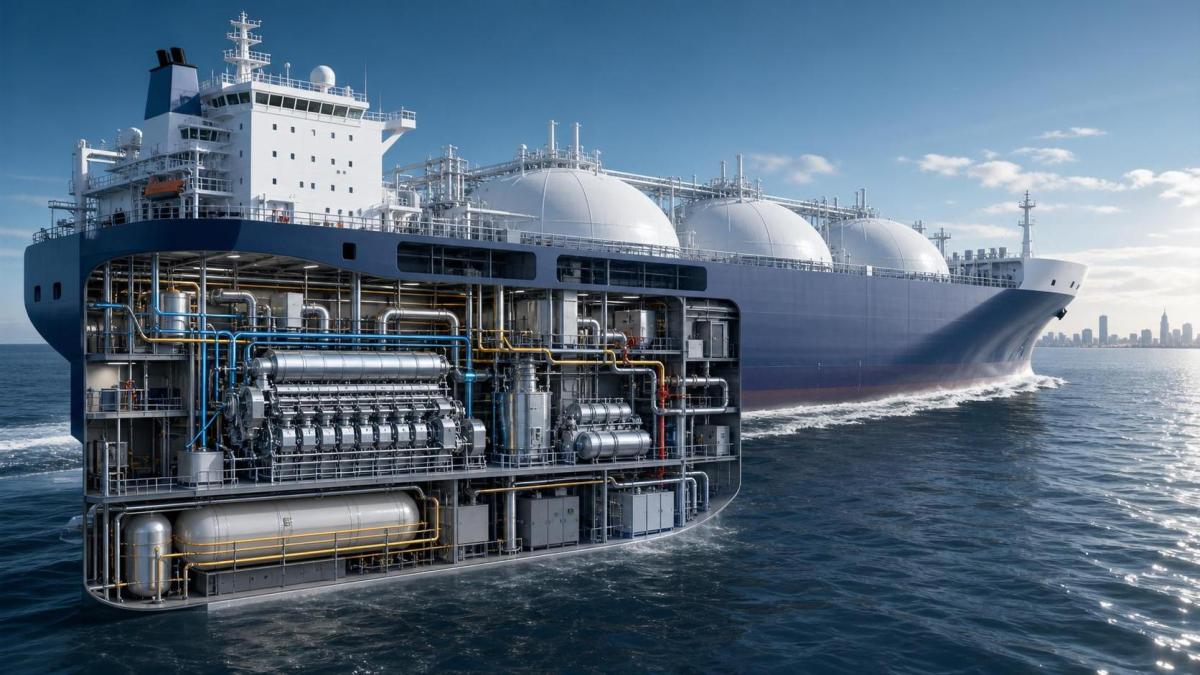
Dual fuel propulsion IMO compliance is not a paperwork task added near delivery. It shapes engine choice, tank layout, control logic, and crew readiness from the start.
That is why early specification work matters more than many teams expect. A compliant concept on paper can still create redesign pressure during class review or sea trials.
In practical terms, the question is simple: will the vessel remain compliant across fuels, routes, load profiles, and future operating rules?
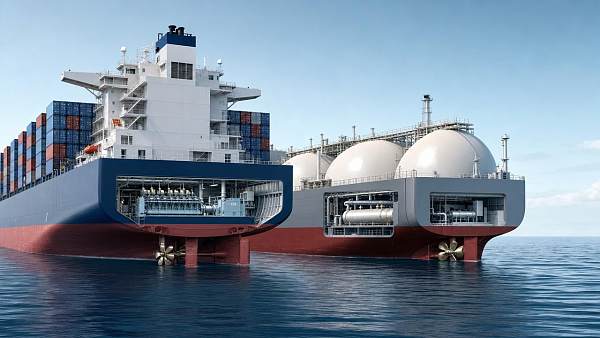
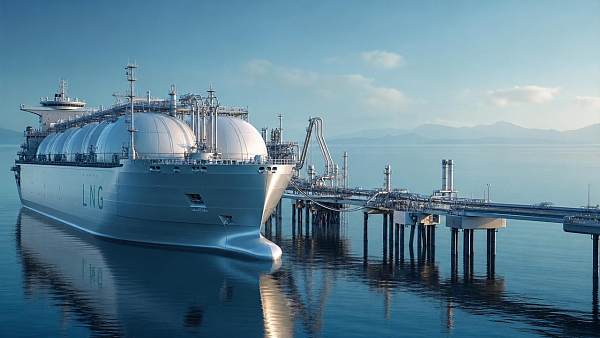
For LNG carriers and smart container ships, that answer depends on more than the engine brochure. It depends on emissions behavior, safety architecture, fuel treatment, and integration quality.
GTOT often frames this through a broader transport logic. In rail, control compliance is built into SIL4 design discipline. In shipping, the same mindset applies to propulsion specification.
When the specification stage is handled carefully, dual fuel propulsion IMO compliance supports decarbonization, schedule certainty, and stable lifecycle cost. When rushed, the project pays later.
What does dual fuel propulsion IMO compliance actually cover?
Many people reduce compliance to NOx limits or fuel switching. That is too narrow. IMO compliance for dual fuel propulsion usually spans emissions, safety, documentation, and operational capability.
The emissions side commonly includes MARPOL Annex VI requirements, NOx Tier III where applicable, SOx limits, and increasingly close attention to methane slip and greenhouse performance.
The safety side is just as important. IGF Code alignment, gas detection, ventilation, hazardous area separation, emergency shutdown logic, and bunkering interfaces all sit inside the compliance picture.
There is also a verification layer. Class approvals, flag expectations, test procedures, and onboard manuals must match the selected propulsion architecture and fuel mode strategy.
A useful way to read dual fuel propulsion IMO compliance is to ask whether the vessel can operate legally, safely, and predictably under real commercial conditions, not ideal laboratory settings.
A quick reference table helps keep the review grounded
Before moving into vendor comparison, it helps to map each compliance topic to a specification checkpoint. That avoids vague statements such as “IMO ready” without evidence.
Which specification checks usually expose the biggest compliance risk?
The biggest risks usually appear where propulsion, containment, automation, and operating profile meet. That is where dual fuel propulsion IMO compliance can look complete but remain fragile.
One common issue is treating fuel flexibility as automatic. A dual fuel engine may burn gas and liquid fuel, yet compliance can vary by mode, load range, ambient condition, and maintenance state.
Another weak point is methane slip. Some specifications mention low slip, but do not define the test basis, correction factors, or behavior during maneuvering and low-load operation.
Control integration is also critical. Alarm philosophy, shutdown hierarchy, and sensor redundancy should be reviewed with the same seriousness used in railway control architecture.
If these interfaces are loosely written, yards and suppliers may each assume different boundaries. That often leads to late drawing revisions and expensive commissioning delays.
- Confirm whether compliance guarantees apply in both gas mode and liquid mode.
- Check if NOx compliance depends on separate consumables or operating constraints.
- Ask for methane slip data under steady, transient, and low-load conditions.
- Verify hazardous area drawings match the actual equipment arrangement.
- Review the maker-yard-owner-class responsibility split before approval submission.
How should fuel flexibility, emissions, and lifecycle cost be balanced?
This is where specification work becomes a decision exercise, not just a technical checklist. Dual fuel propulsion IMO compliance should support commercial flexibility without locking the vessel into hidden operating penalties.
For example, a solution with attractive gas-mode efficiency may still underperform if boil-off handling, maintenance intervals, or pilot fuel consumption are not properly modeled.
The same applies to route planning. A vessel trading in and out of Emission Control Areas needs a compliance strategy that remains stable during fuel switching and port operations.
More cautious teams compare at least three scenarios: gas-heavy operation, mixed operation, and prolonged liquid-fuel operation. That exposes whether the chosen setup is robust or merely optimized for one case.
GTOT’s cross-sector intelligence perspective is useful here. In both rail traction and advanced shipping, the best asset is rarely the one with the strongest headline rating. It is the one that stays performant under real duty cycles.
A practical comparison lens
When comparing offers, the following factors usually create the clearest picture of compliance value rather than brochure value.
- Guaranteed emissions in defined operating windows, not headline minimums.
- Tolerance to fuel quality variation and bunkering interruptions.
- Automation maturity during changeover, blackout recovery, and abnormal events.
- Consumables, spare parts, inspection intervals, and calibration burden.
- Ability to support future reporting and carbon performance scrutiny.
Where do projects most often misjudge class approval and operational readiness?
A frequent mistake is assuming that engine certification equals vessel readiness. It does not. Dual fuel propulsion IMO compliance must survive integration into the complete ship system.
Class societies will look beyond the engine to pipe routing, bunkering stations, ventilation, fire protection, automation response, and emergency arrangements. Small mismatches can hold up approval.
Operational readiness is another area where projects lose time. If training, procedures, and simulation are left until handover, the vessel may be compliant on paper but weak in service entry.
More reliable projects write readiness requirements into the specification. That includes manuals, alarm rationalization, mode transition tests, and evidence of maintainability under onboard conditions.
Needle-moving questions are often very practical. Can the crew isolate faults without overreacting? Can the system recover after a gas shutdown? Is compliance retained during degraded operation?
What should be on the final pre-specification checklist?
By the final review, the goal is not to collect more claims. The goal is to close uncertainty. A disciplined checklist keeps dual fuel propulsion IMO compliance tied to execution reality.
A good final pass usually covers technical fit, approval fit, and operating fit together. Looking at only one of those dimensions gives a false sense of security.
- Match the propulsion concept to actual trade pattern, ECA exposure, and fuel availability.
- Lock down NOx, methane slip, and fuel consumption guarantees with test definitions.
- Confirm IGF Code, class notation, and flag expectations are aligned early.
- Check tank, piping, ventilation, and control layouts as one integrated system.
- Require changeover procedures, emergency logic, and crew support deliverables.
- Review lifecycle cost under different fuel-mode scenarios, not only nominal gas operation.
- Assign document ownership for drawings, manuals, tests, and compliance evidence.
In the end, dual fuel propulsion IMO compliance works best when treated as a specification discipline, not an end-stage approval exercise. That approach shortens debate later and protects delivery confidence.
The next useful step is to turn the compliance topic into a written decision matrix. Compare engine options, approval paths, and operating assumptions side by side before freezing the vessel specification.
Recommended News
 Aug 28, 2026How to select a marine propulsion system for tankers by operating profileMarine propulsion system for tankers: learn how to align propulsion, fuel strategy, propeller performance, redundancy, and lifecycle costs with real operating profiles.
 Jul 15, 2026Class Approved Dual-Fuel Marine Propulsion: Key Certification Points to CheckClass approved dual-fuel marine propulsion explained: learn the key certification points, hidden compliance gaps, and practical checks to improve safety, approval readiness, and supplier selection.
 Jul 10, 2026Dual Fuel Propulsion IMO Compliance: What to Check Before SpecificationDual fuel propulsion IMO compliance starts before spec freeze. Learn the key checks on emissions, IGF safety, class approval, and lifecycle risk to avoid costly redesigns.
 Jul 04, 2026LNG Vessel Retrofit: Key Risks Before Final Scope ApprovalLNG vessel retrofit risks often emerge before final scope approval. Learn how to assess interfaces, yard limits, compliance, and lifecycle value to avoid delays and costly rework.
 Jun 21, 2026How Dual-Fuel Propulsion Cuts LNG Carrier Fuel Risk and EmissionsLNG carriers dual-fuel propulsion cuts fuel risk and emissions by using boil-off gas and liquid fuels flexibly. Learn how it boosts efficiency, compliance, and voyage resilience.
 Jun 18, 2026Dual-Fuel Propulsion: What to Check Before Choosing a SystemDual-fuel propulsion buyers should check fuel strategy, emissions, control logic, safety, and lifecycle cost before choosing a system. Learn what drives real vessel performance.
 Jun 16, 2026Decarbonization Solutions for Maritime Logistics: Which Options Deliver Real ROI?Decarbonization solutions for maritime logistics: discover which upgrades, digital tools, and fuel strategies deliver real ROI, lower risk, and measurable savings for fleets.
 Jun 14, 2026Decarbonization Solutions for Maritime Logistics ComparedDecarbonization solutions for maritime logistics compared: explore LNG, retrofits, AI routing, and smart vessel strategies to cut emissions, control costs, and protect shipping reliability.
 Jun 12, 2026LNG Carriers Dual-Fuel Propulsion: Cost, Compliance, and PaybackLNG carriers dual-fuel propulsion explained: compare cost, compliance impact, and payback to see how fuel flexibility can protect vessel value and charter competitiveness.
![]() Jun 09, 2026Dual-Fuel Propulsion: Cost, Compliance, and Retrofit Trade-OffsDual-fuel propulsion explained: compare cost, compliance, and retrofit trade-offs for vessels, with practical insights on LNG flexibility, asset value, and smarter procurement decisions.
Jun 09, 2026Dual-Fuel Propulsion: Cost, Compliance, and Retrofit Trade-OffsDual-fuel propulsion explained: compare cost, compliance, and retrofit trade-offs for vessels, with practical insights on LNG flexibility, asset value, and smarter procurement decisions. Jun 08, 2026Dual-Fuel Propulsion: Cost, Range, and Emissions Trade-Offs in 2026Dual-fuel propulsion in 2026: compare cost, range, and emissions trade-offs for ships and transport assets. Learn where flexibility pays off and what to verify before investing.
 Jun 07, 2026Marine Propulsion Systems: Key Efficiency Trade-Offs for New Vessel ProjectsMarine propulsion systems for new vessel projects: compare fuel efficiency, emissions, lifecycle cost, and control trade-offs to choose a smarter, future-ready vessel solution.
 Jun 02, 20262026 LNG Carriers Technology Advancements Reshaping Fleet PlanningLNG carriers technology advancements are redefining 2026 fleet planning with smarter containment, dual-fuel propulsion, AI routing, and compliance-ready performance.
 Jun 01, 2026Marine Propulsion Systems: Cost Risks Before RetrofitMarine propulsion systems retrofits can hide fuel, downtime, compliance, and maintenance costs. Learn how to quantify risks before approval and protect fleet ROI.
 May 31, 2026International Shipbuilding Trends Shaping Dual-Fuel FleetsInternational shipbuilding is shifting toward dual-fuel fleets, reshaping fuel flexibility, asset value, compliance strategy, and maritime competitiveness.
 May 25, 2026LNG Carriers: Choosing Dual-Fuel Propulsion for Lower LossesLNG carriers for global energy transport benefit from dual-fuel propulsion with lower cargo losses, stronger compliance, and better fuel flexibility—see what buyers should evaluate now.
 May 24, 2026Marine Propulsion Technology: Dual-fuel Performance Trade-offsMarine propulsion technology explained: compare dual-fuel efficiency, emissions, methane slip, load profile, and lifecycle risk to choose smarter vessel propulsion strategies.
![]() May 23, 2026Marine Propulsion Systems: Cost vs Fuel EfficiencyMarine propulsion systems decisions should balance cost, fuel efficiency, and compliance. Compare scenario-based options for container ships, LNG carriers, and hybrid routes.
May 23, 2026Marine Propulsion Systems: Cost vs Fuel EfficiencyMarine propulsion systems decisions should balance cost, fuel efficiency, and compliance. Compare scenario-based options for container ships, LNG carriers, and hybrid routes. May 21, 2026LNG Carriers Dual-Fuel Propulsion: Fuel Savings vs Retrofit CostLNG carriers dual-fuel propulsion: compare fuel savings, retrofit cost, payback, and charter value to see when fleet upgrades deliver stronger ROI and lower compliance risk.
 May 18, 2026Marine Propulsion Technology: When Dual-Fuel Pays OffMarine propulsion technology explained: discover when dual-fuel systems deliver real ROI, lower compliance risk, and stronger vessel value across modern shipping routes.
 May 17, 2026Dual-fuel Marine Propulsion Systems: Cost vs EfficiencyMarine propulsion systems: discover whether dual-fuel upgrades truly balance higher capex with fuel savings, compliance gains, and stronger lifetime vessel returns.