



Search News
Industry Portal
Popular Tags
LNG Carriers: Choosing Dual-Fuel Propulsion for Lower Losses
Author
Time
Click Count
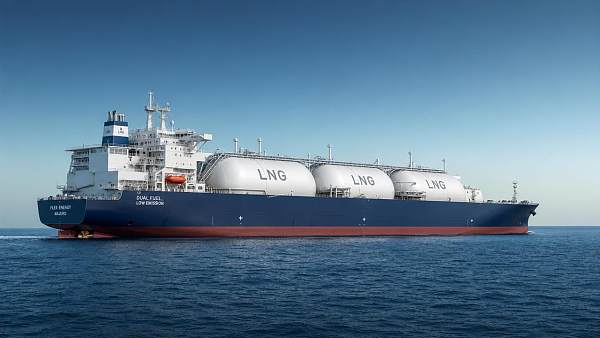
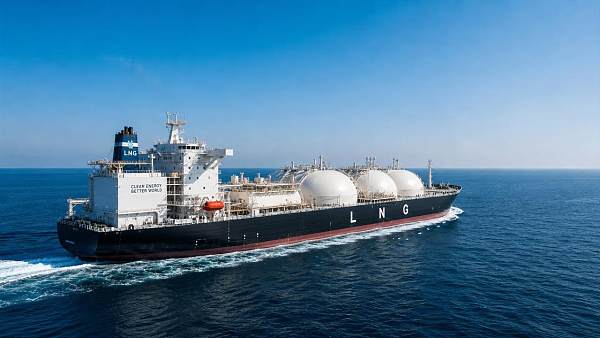
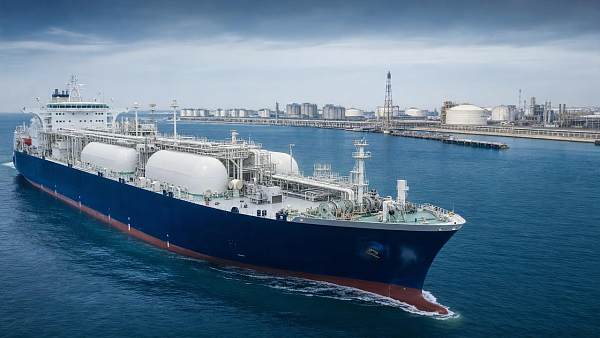
For procurement teams evaluating next-generation LNG carriers for global energy transport, dual-fuel propulsion is no longer a niche upgrade. It is becoming a central decision variable.
Rising fuel volatility, stricter emissions controls, and pressure to reduce cargo losses are reshaping vessel specifications. In this environment, propulsion choice directly influences efficiency, compliance, and long-term asset resilience.
For modern LNG carriers for global energy transport, dual-fuel systems offer a practical balance between operational flexibility and commercial discipline. The key is knowing what to evaluate beyond headline fuel savings.
Why dual-fuel propulsion is moving from option to baseline
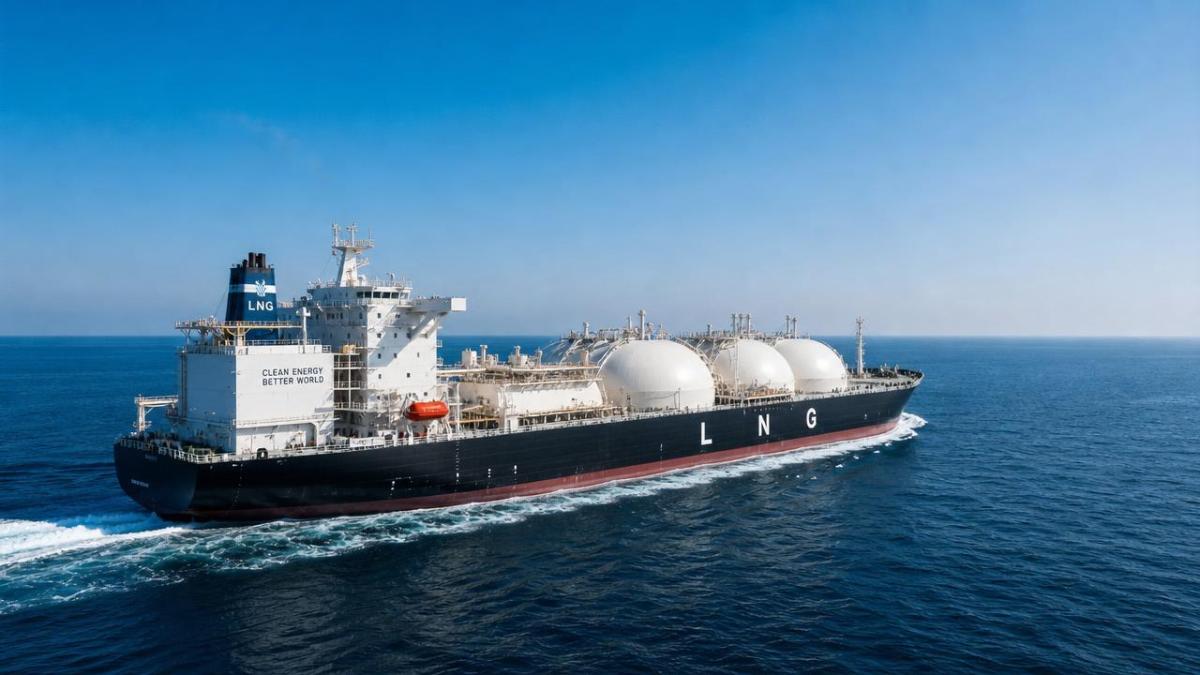
The market for LNG carriers for global energy transport is entering a more demanding phase. Charter expectations are rising while technical risk tolerance is falling.
Owners now need vessels that can manage boil-off gas efficiently, respond to changing fuel prices, and remain compliant across multiple trading regions. Single-fuel dependence weakens that flexibility.
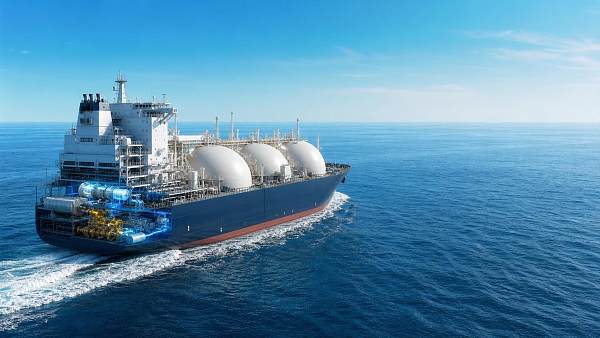
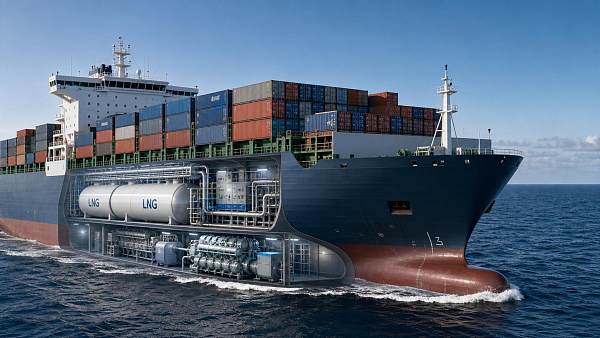
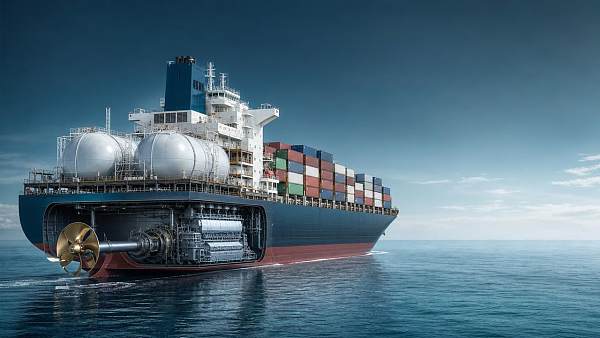
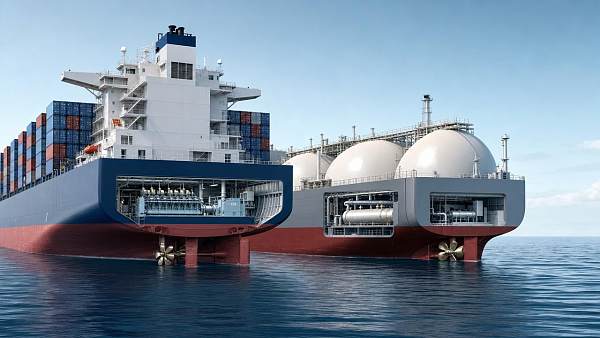
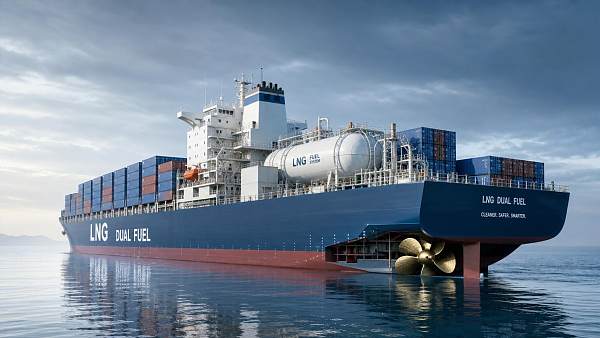
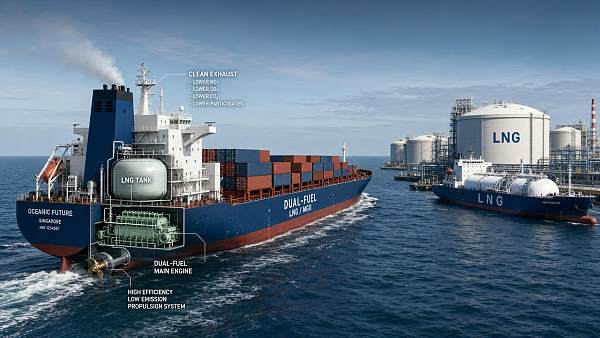
Dual-fuel propulsion addresses this shift by allowing engines to consume natural boil-off gas and conventional marine fuel. That reduces forced gas handling and supports more stable voyage economics.
This matters because LNG carriers for global energy transport operate across long routes, variable loading patterns, and diverse regulatory regimes. A propulsion system must perform under all three conditions.
The strongest trend signals behind propulsion re-selection
Several market signals explain why dual-fuel propulsion is gaining preference in LNG carriers for global energy transport. These signals are technical, commercial, and regulatory at the same time.
Key drivers shaping current vessel specifications
These pressures explain why LNG carriers for global energy transport are being assessed less as isolated ships and more as long-horizon infrastructure assets.
Lower losses depend on the full propulsion and gas-handling logic
Dual-fuel propulsion is often associated with fuel flexibility alone. In reality, its value in LNG carriers for global energy transport begins with how the vessel handles boil-off gas.
During transport, LNG naturally warms and generates vapor. If that gas cannot be used efficiently, operators face re-liquefaction loads, controlled combustion, or avoidable cargo loss.
A well-integrated dual-fuel system turns part of that challenge into usable energy. That improves thermal balance and reduces the economic penalty of long voyages.
What should be checked beyond engine nameplate data
- Daily boil-off utilization rate under loaded and ballast conditions
- Compatibility between containment system behavior and engine gas demand
- Response stability during switching between gas and liquid fuel modes
- Performance impact of partial loads and slow steaming profiles
- Integration with re-liquefaction or gas combustion support systems
For LNG carriers for global energy transport, lower losses come from system coordination, not from engine selection alone. That distinction is essential in technical comparisons.
The business impact reaches far beyond the engine room
The shift toward dual-fuel propulsion affects several business layers at once. It changes voyage cost structure, maintenance planning, charter attractiveness, and environmental reporting quality.
For LNG carriers for global energy transport, this broader effect matters because commercial competitiveness increasingly depends on measurable operating discipline.
Where the impact is most visible
- Voyage economics: better fuel optionality reduces exposure to price swings
- Cargo value retention: improved boil-off use lowers avoidable energy loss
- Compliance posture: emissions management becomes easier across trade lanes
- Technical uptime: mature systems can support more predictable operations
- Asset strategy: adaptable ships usually age better in changing policy cycles
This is why LNG carriers for global energy transport are increasingly judged on total operational architecture. The propulsion decision influences every downstream performance indicator.
How to compare dual-fuel options with fewer blind spots
Not all dual-fuel arrangements create the same value. Some emphasize lower methane slip. Others prioritize fuel efficiency, simpler maintenance, or stronger performance at varying engine loads.
For LNG carriers for global energy transport, a balanced review should connect technical data with actual route and charter conditions.
A practical evaluation framework
This type of framework helps compare LNG carriers for global energy transport using evidence rather than generic claims about efficiency.
The next wave of value will come from integrated intelligence
The strongest vessels in coming years will combine dual-fuel propulsion with better digital supervision. That includes gas flow monitoring, predictive maintenance, and voyage-optimized energy management.
This broader intelligence model aligns with how GTOT reads transport technology. High-performance assets now depend on stitched decision logic, not isolated hardware excellence.
For LNG carriers for global energy transport, digital integration can reveal hidden losses, improve combustion control, and support cleaner operations under real trading conditions.
Priority points that deserve closer attention
- Containment system stress behavior during repeated thermal cycles
- Engine performance under variable boil-off generation rates
- Automation quality in alarm response and fuel switching logic
- Verified maintenance intervals under intensive trading schedules
- Data transparency for emissions and energy performance reporting
These factors increasingly separate average vessels from resilient LNG carriers for global energy transport with stronger lifecycle value.
A disciplined next-step approach can improve selection outcomes
Decision quality improves when technical review, voyage profile analysis, and long-term compliance assumptions are examined together. Propulsion should be tested against realistic commercial scenarios.
For LNG carriers for global energy transport, the most useful next step is to build a side-by-side matrix covering boil-off use, mode-switching behavior, emissions exposure, and support readiness.
It is also valuable to challenge any proposal with three filters: expected route pattern, future carbon cost sensitivity, and maintenance infrastructure availability.
As shipping standards tighten, dual-fuel propulsion is becoming a strategic enabler rather than a technical add-on. The best LNG carriers for global energy transport will be those designed to convert operational complexity into controlled, measurable value.
To follow deeper signals on LNG carriers, smart vessels, and linked land-sea transport technologies, continued intelligence tracking is essential for sound equipment judgment.
Recommended News
 Aug 28, 2026How to select a marine propulsion system for tankers by operating profileMarine propulsion system for tankers: learn how to align propulsion, fuel strategy, propeller performance, redundancy, and lifecycle costs with real operating profiles.
 Jul 15, 2026Class Approved Dual-Fuel Marine Propulsion: Key Certification Points to CheckClass approved dual-fuel marine propulsion explained: learn the key certification points, hidden compliance gaps, and practical checks to improve safety, approval readiness, and supplier selection.
 Jul 10, 2026Dual Fuel Propulsion IMO Compliance: What to Check Before SpecificationDual fuel propulsion IMO compliance starts before spec freeze. Learn the key checks on emissions, IGF safety, class approval, and lifecycle risk to avoid costly redesigns.
 Jul 04, 2026LNG Vessel Retrofit: Key Risks Before Final Scope ApprovalLNG vessel retrofit risks often emerge before final scope approval. Learn how to assess interfaces, yard limits, compliance, and lifecycle value to avoid delays and costly rework.
 Jun 21, 2026How Dual-Fuel Propulsion Cuts LNG Carrier Fuel Risk and EmissionsLNG carriers dual-fuel propulsion cuts fuel risk and emissions by using boil-off gas and liquid fuels flexibly. Learn how it boosts efficiency, compliance, and voyage resilience.
 Jun 18, 2026Dual-Fuel Propulsion: What to Check Before Choosing a SystemDual-fuel propulsion buyers should check fuel strategy, emissions, control logic, safety, and lifecycle cost before choosing a system. Learn what drives real vessel performance.
 Jun 16, 2026Decarbonization Solutions for Maritime Logistics: Which Options Deliver Real ROI?Decarbonization solutions for maritime logistics: discover which upgrades, digital tools, and fuel strategies deliver real ROI, lower risk, and measurable savings for fleets.
 Jun 14, 2026Decarbonization Solutions for Maritime Logistics ComparedDecarbonization solutions for maritime logistics compared: explore LNG, retrofits, AI routing, and smart vessel strategies to cut emissions, control costs, and protect shipping reliability.
 Jun 12, 2026LNG Carriers Dual-Fuel Propulsion: Cost, Compliance, and PaybackLNG carriers dual-fuel propulsion explained: compare cost, compliance impact, and payback to see how fuel flexibility can protect vessel value and charter competitiveness.
![]() Jun 09, 2026Dual-Fuel Propulsion: Cost, Compliance, and Retrofit Trade-OffsDual-fuel propulsion explained: compare cost, compliance, and retrofit trade-offs for vessels, with practical insights on LNG flexibility, asset value, and smarter procurement decisions.
Jun 09, 2026Dual-Fuel Propulsion: Cost, Compliance, and Retrofit Trade-OffsDual-fuel propulsion explained: compare cost, compliance, and retrofit trade-offs for vessels, with practical insights on LNG flexibility, asset value, and smarter procurement decisions. Jun 08, 2026Dual-Fuel Propulsion: Cost, Range, and Emissions Trade-Offs in 2026Dual-fuel propulsion in 2026: compare cost, range, and emissions trade-offs for ships and transport assets. Learn where flexibility pays off and what to verify before investing.
 Jun 07, 2026Marine Propulsion Systems: Key Efficiency Trade-Offs for New Vessel ProjectsMarine propulsion systems for new vessel projects: compare fuel efficiency, emissions, lifecycle cost, and control trade-offs to choose a smarter, future-ready vessel solution.
 Jun 02, 20262026 LNG Carriers Technology Advancements Reshaping Fleet PlanningLNG carriers technology advancements are redefining 2026 fleet planning with smarter containment, dual-fuel propulsion, AI routing, and compliance-ready performance.
 Jun 01, 2026Marine Propulsion Systems: Cost Risks Before RetrofitMarine propulsion systems retrofits can hide fuel, downtime, compliance, and maintenance costs. Learn how to quantify risks before approval and protect fleet ROI.
 May 31, 2026International Shipbuilding Trends Shaping Dual-Fuel FleetsInternational shipbuilding is shifting toward dual-fuel fleets, reshaping fuel flexibility, asset value, compliance strategy, and maritime competitiveness.
 May 25, 2026LNG Carriers: Choosing Dual-Fuel Propulsion for Lower LossesLNG carriers for global energy transport benefit from dual-fuel propulsion with lower cargo losses, stronger compliance, and better fuel flexibility—see what buyers should evaluate now.
 May 24, 2026Marine Propulsion Technology: Dual-fuel Performance Trade-offsMarine propulsion technology explained: compare dual-fuel efficiency, emissions, methane slip, load profile, and lifecycle risk to choose smarter vessel propulsion strategies.
![]() May 23, 2026Marine Propulsion Systems: Cost vs Fuel EfficiencyMarine propulsion systems decisions should balance cost, fuel efficiency, and compliance. Compare scenario-based options for container ships, LNG carriers, and hybrid routes.
May 23, 2026Marine Propulsion Systems: Cost vs Fuel EfficiencyMarine propulsion systems decisions should balance cost, fuel efficiency, and compliance. Compare scenario-based options for container ships, LNG carriers, and hybrid routes. May 21, 2026LNG Carriers Dual-Fuel Propulsion: Fuel Savings vs Retrofit CostLNG carriers dual-fuel propulsion: compare fuel savings, retrofit cost, payback, and charter value to see when fleet upgrades deliver stronger ROI and lower compliance risk.
 May 18, 2026Marine Propulsion Technology: When Dual-Fuel Pays OffMarine propulsion technology explained: discover when dual-fuel systems deliver real ROI, lower compliance risk, and stronger vessel value across modern shipping routes.
 May 17, 2026Dual-fuel Marine Propulsion Systems: Cost vs EfficiencyMarine propulsion systems: discover whether dual-fuel upgrades truly balance higher capex with fuel savings, compliance gains, and stronger lifetime vessel returns.