



Search News
Industry Portal
Popular Tags
LNG Carriers Dual-Fuel Propulsion: Cost, Compliance, and Payback
Author
Time
Click Count
LNG Carriers Dual-Fuel Propulsion: Cost, Compliance, and Payback
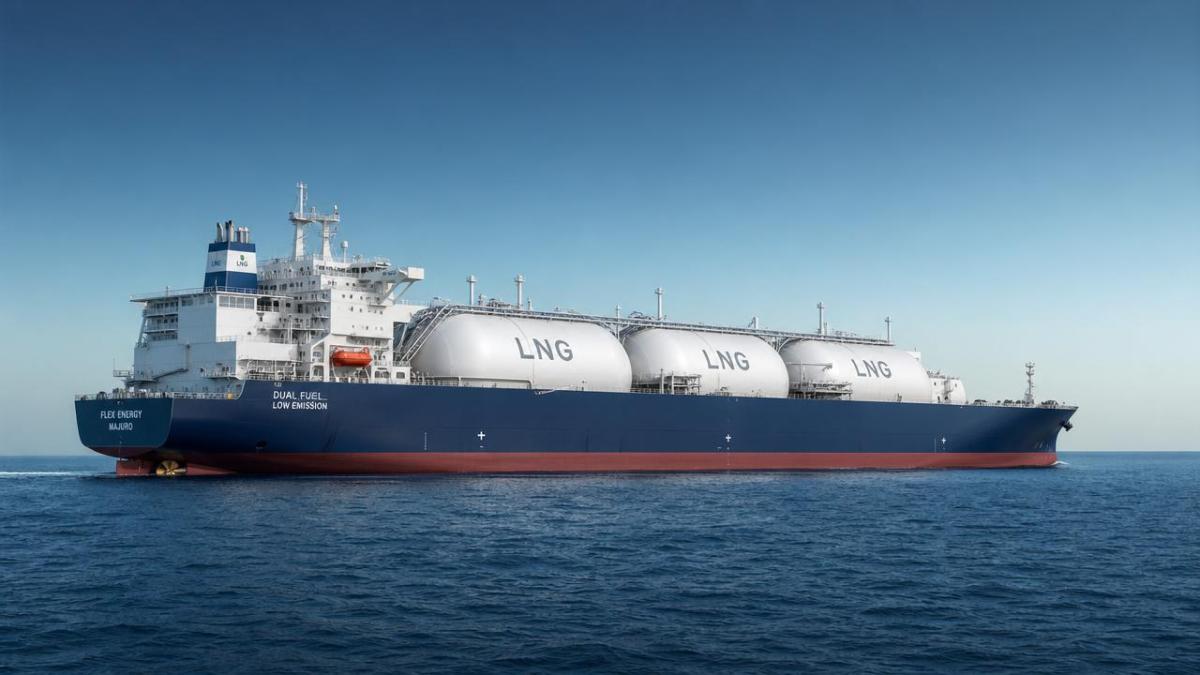
For finance decision-makers, LNG carriers dual-fuel propulsion is no longer only a technical upgrade. It is a capital allocation issue with direct impact on earnings quality.
The core question is simple. Does the added investment improve long-term vessel value, reduce compliance exposure, and protect charter competitiveness in a volatile market?
That question matters more today because fuel spreads move fast, emissions rules tighten, and buyers increasingly compare total ownership cost rather than headline build price.
In practical terms, LNG carriers dual-fuel propulsion changes three financial levers at once. It affects daily operating cost, regulatory resilience, and residual value at resale or refinancing.
For owners, lessors, and project evaluators, the decision should not start with engine preference alone. It should start with route profile, charter structure, boil-off gas balance, and expected compliance cost.
This is where a disciplined review helps. A good procurement decision links fuel flexibility to cash flow visibility, not just to technical specification sheets.
Why LNG Carriers Dual-Fuel Propulsion Has Moved Into the Finance Conversation
A few years ago, the discussion was mostly engineering-led. Now the stronger signal comes from financing terms, charter expectations, and emissions-linked commercial risk.
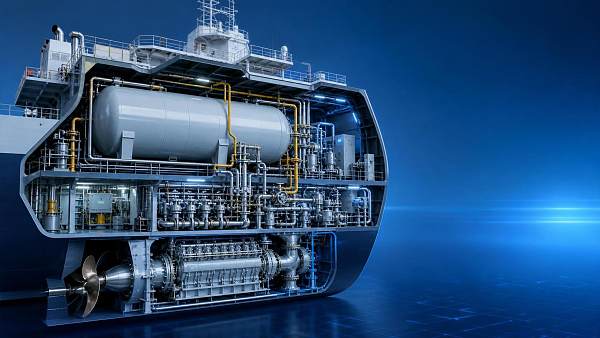
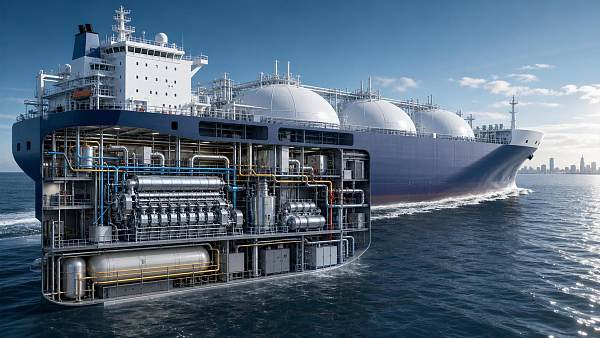
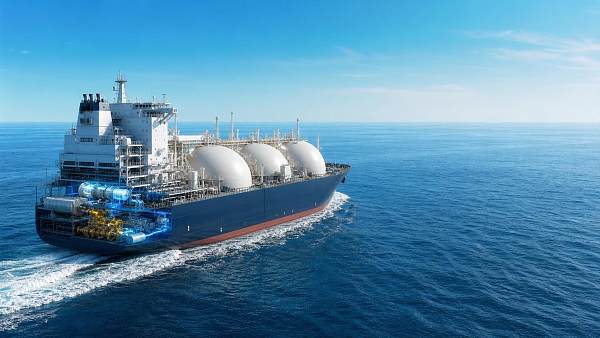
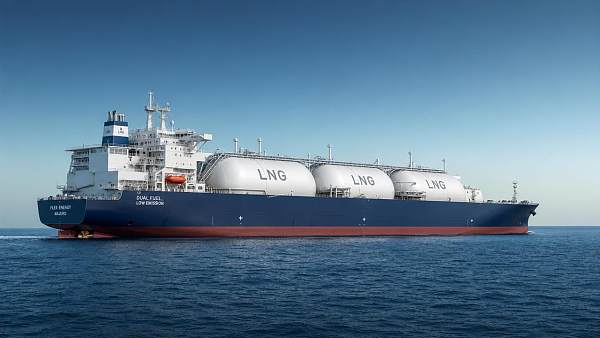
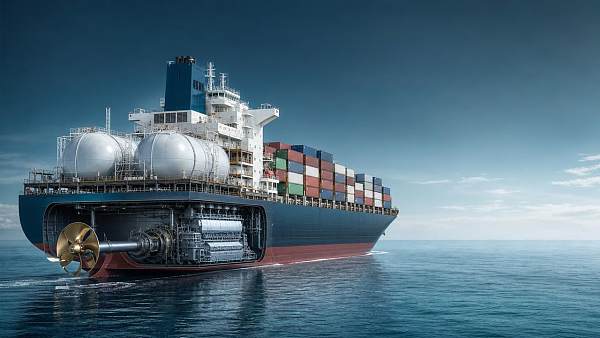
Modern LNG carriers dual-fuel propulsion systems typically allow engines to consume boil-off gas and marine fuel alternatives. That flexibility directly shapes voyage economics.
If the vessel can optimize between gas and liquid fuel, operators gain room to respond to market swings. That can soften cost pressure during periods of unstable bunker pricing.
More importantly, dual-fuel capability reduces dependence on a single compliance path. This matters as carbon intensity rules and regional emissions charges become more expensive.
In the LNG shipping market, commercial flexibility often translates into stronger utilization. And stronger utilization is still one of the fastest ways to defend asset returns.
The financial lens has widened
- Fuel choice now affects voyage margin, not just engine room design.
- Compliance exposure can shift annual operating budgets materially.
- Charterers increasingly favor efficient tonnage with lower emissions intensity.
- Residual value depends more on future regulatory fit than before.
Cost Structure: Where the Extra Investment Goes
The first concern is usually capital cost. LNG carriers dual-fuel propulsion generally requires a higher initial outlay than simpler propulsion arrangements.
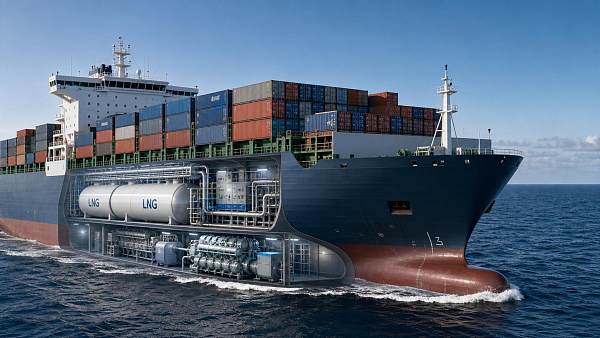
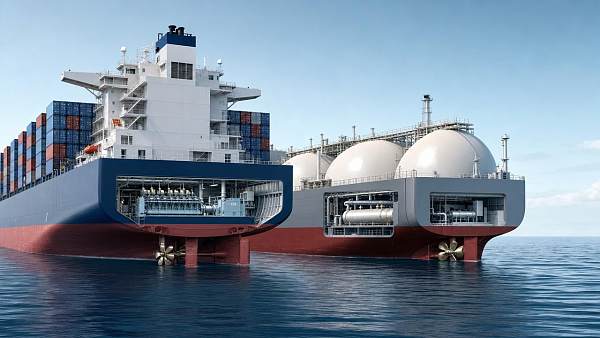
That premium often comes from the engine package, fuel gas supply system, control integration, safety arrangements, and commissioning complexity.
There can also be indirect cost. Crew training, spare parts strategy, software support, and yard coordination may add to the real acquisition bill.
Still, smart procurement looks beyond the capex line. The more useful question is whether the premium buys lower lifecycle cost and lower downside risk.
Typical cost buckets to model
- Main propulsion package and fuel gas handling equipment.
- Automation, safety systems, and classification approvals.
- Installation, commissioning, and schedule risk during build.
- Maintenance intervals, service contracts, and parts availability.
- Crew competence development and operating procedures.
A disciplined model should separate one-time acquisition cost from recurring cost. Mixing the two often distorts payback calculations and makes comparison across vessel options less reliable.
Operating Economics: Fuel Savings Are Real, but They Are Not Automatic
The commercial case for LNG carriers dual-fuel propulsion often starts with fuel efficiency. That is fair, but only if the operating profile is modeled honestly.
On LNG routes, the ability to consume boil-off gas can cut fuel waste and reduce reliance on purchased bunkers. That improves cost control over time.
However, savings depend on speed, weather, cargo handling pattern, gas management strategy, and the relative price between LNG and conventional marine fuels.
This also means payback can vary sharply between two ships with similar specifications. The route and charter terms often matter more than the brochure promises.
Questions worth testing in the model
- How much boil-off gas is available across typical voyages?
- What fuel spread assumptions are used in base, upside, and downside cases?
- How much off-hire risk is tied to maintenance complexity?
- Will the charter structure reward lower fuel consumption?
- How sensitive is the model to carbon pricing escalation?
In actual business reviews, the best models do not rely on a single fuel forecast. They stress-test several bunker scenarios and compare margin stability, not just peak savings.
Compliance Value: A Cost Avoidance Story With Growing Weight
Compliance rarely appears exciting in an investment memo. Yet for LNG carriers dual-fuel propulsion, compliance value is becoming one of the strongest reasons to invest.
Why? Because future penalties are easier to underestimate than fuel savings. Carbon intensity rules, methane concerns, and regional emission schemes can change yearly economics fast.
A vessel with stronger fuel flexibility is usually better positioned to adapt without major retrofit. That lowers the chance of expensive corrective spending later.
This point matters for financing as well. Lenders and leasing partners increasingly look at technical compliance runway when assessing long-life transport assets.
Compliance-related financial benefits
- Lower exposure to emissions-related operating surcharges.
- Reduced retrofit pressure under tighter environmental rules.
- Improved charter appeal in regulated trade lanes.
- Stronger financing narrative for long-term asset quality.
In short, compliance is no longer a side note. It is part of the return equation, especially when regulation can alter both opex and market access.
Payback Period: What a Realistic Assessment Should Include
Payback for LNG carriers dual-fuel propulsion is often presented too neatly. Real projects need a wider lens.
A useful payback model should include capex premium, fuel savings, compliance cost avoidance, maintenance delta, utilization effect, and probable residual value uplift.
That last factor is easy to miss. A more future-ready vessel can preserve resale attractiveness and extend commercially viable service life.
From recent market behavior, vessels with stronger efficiency credentials tend to hold interest better in uncertain regulatory periods. That does not guarantee premium pricing, but it helps.
Simple decision table
For many projects, the payback window may fall within a mid-term ownership horizon. But the result only holds when assumptions stay conservative and transparent.
Common Procurement Mistakes That Distort the Business Case
Several errors appear repeatedly when evaluating LNG carriers dual-fuel propulsion. Most are not technical mistakes. They are modeling mistakes.
The first is focusing only on shipyard price. A cheaper build can become a more expensive asset if fuel flexibility or compliance resilience is weaker.
The second is using a single fuel price scenario. That approach can make projected savings look stable when they are actually fragile.
Another common issue is ignoring operational readiness. Even strong equipment underperforms if crew procedures, maintenance support, and digital monitoring are not aligned.
A more reliable review process
- Benchmark total lifecycle cost, not purchase price only.
- Use scenario analysis for fuel, carbon, and utilization.
- Check supplier service depth across target operating regions.
- Review charter market preference for modern LNG carriers.
- Quantify the value of lower future retrofit risk.
How to Decide if LNG Carriers Dual-Fuel Propulsion Fits the Portfolio
The final decision should connect strategy with numbers. LNG carriers dual-fuel propulsion makes most sense when flexibility creates measurable commercial advantage.
That advantage may come from lower fuel burn, stronger compliance positioning, better charter acceptance, or improved long-term asset liquidity.
In other cases, the premium may be harder to justify. Short ownership periods, weak route utilization, or limited regulatory pressure can narrow the benefit.
So the right approach is not to ask whether dual-fuel is universally better. The better question is whether this vessel, on this trade, under this charter logic, earns the premium.
For organizations tracking high-value shipping assets, that answer should come from a structured comparison of cost, compliance, and payback under realistic operating conditions.
When that analysis is done well, LNG carriers dual-fuel propulsion stops being a technical debate. It becomes a clearer procurement decision with stronger financial discipline and better long-term confidence.
Recommended News
 Aug 28, 2026How to select a marine propulsion system for tankers by operating profileMarine propulsion system for tankers: learn how to align propulsion, fuel strategy, propeller performance, redundancy, and lifecycle costs with real operating profiles.
 Jul 15, 2026Class Approved Dual-Fuel Marine Propulsion: Key Certification Points to CheckClass approved dual-fuel marine propulsion explained: learn the key certification points, hidden compliance gaps, and practical checks to improve safety, approval readiness, and supplier selection.
 Jul 10, 2026Dual Fuel Propulsion IMO Compliance: What to Check Before SpecificationDual fuel propulsion IMO compliance starts before spec freeze. Learn the key checks on emissions, IGF safety, class approval, and lifecycle risk to avoid costly redesigns.
 Jul 04, 2026LNG Vessel Retrofit: Key Risks Before Final Scope ApprovalLNG vessel retrofit risks often emerge before final scope approval. Learn how to assess interfaces, yard limits, compliance, and lifecycle value to avoid delays and costly rework.
 Jun 21, 2026How Dual-Fuel Propulsion Cuts LNG Carrier Fuel Risk and EmissionsLNG carriers dual-fuel propulsion cuts fuel risk and emissions by using boil-off gas and liquid fuels flexibly. Learn how it boosts efficiency, compliance, and voyage resilience.
 Jun 18, 2026Dual-Fuel Propulsion: What to Check Before Choosing a SystemDual-fuel propulsion buyers should check fuel strategy, emissions, control logic, safety, and lifecycle cost before choosing a system. Learn what drives real vessel performance.
 Jun 16, 2026Decarbonization Solutions for Maritime Logistics: Which Options Deliver Real ROI?Decarbonization solutions for maritime logistics: discover which upgrades, digital tools, and fuel strategies deliver real ROI, lower risk, and measurable savings for fleets.
 Jun 14, 2026Decarbonization Solutions for Maritime Logistics ComparedDecarbonization solutions for maritime logistics compared: explore LNG, retrofits, AI routing, and smart vessel strategies to cut emissions, control costs, and protect shipping reliability.
 Jun 12, 2026LNG Carriers Dual-Fuel Propulsion: Cost, Compliance, and PaybackLNG carriers dual-fuel propulsion explained: compare cost, compliance impact, and payback to see how fuel flexibility can protect vessel value and charter competitiveness.
![]() Jun 09, 2026Dual-Fuel Propulsion: Cost, Compliance, and Retrofit Trade-OffsDual-fuel propulsion explained: compare cost, compliance, and retrofit trade-offs for vessels, with practical insights on LNG flexibility, asset value, and smarter procurement decisions.
Jun 09, 2026Dual-Fuel Propulsion: Cost, Compliance, and Retrofit Trade-OffsDual-fuel propulsion explained: compare cost, compliance, and retrofit trade-offs for vessels, with practical insights on LNG flexibility, asset value, and smarter procurement decisions. Jun 08, 2026Dual-Fuel Propulsion: Cost, Range, and Emissions Trade-Offs in 2026Dual-fuel propulsion in 2026: compare cost, range, and emissions trade-offs for ships and transport assets. Learn where flexibility pays off and what to verify before investing.
 Jun 07, 2026Marine Propulsion Systems: Key Efficiency Trade-Offs for New Vessel ProjectsMarine propulsion systems for new vessel projects: compare fuel efficiency, emissions, lifecycle cost, and control trade-offs to choose a smarter, future-ready vessel solution.
 Jun 02, 20262026 LNG Carriers Technology Advancements Reshaping Fleet PlanningLNG carriers technology advancements are redefining 2026 fleet planning with smarter containment, dual-fuel propulsion, AI routing, and compliance-ready performance.
 Jun 01, 2026Marine Propulsion Systems: Cost Risks Before RetrofitMarine propulsion systems retrofits can hide fuel, downtime, compliance, and maintenance costs. Learn how to quantify risks before approval and protect fleet ROI.
 May 31, 2026International Shipbuilding Trends Shaping Dual-Fuel FleetsInternational shipbuilding is shifting toward dual-fuel fleets, reshaping fuel flexibility, asset value, compliance strategy, and maritime competitiveness.
 May 25, 2026LNG Carriers: Choosing Dual-Fuel Propulsion for Lower LossesLNG carriers for global energy transport benefit from dual-fuel propulsion with lower cargo losses, stronger compliance, and better fuel flexibility—see what buyers should evaluate now.
 May 24, 2026Marine Propulsion Technology: Dual-fuel Performance Trade-offsMarine propulsion technology explained: compare dual-fuel efficiency, emissions, methane slip, load profile, and lifecycle risk to choose smarter vessel propulsion strategies.
![]() May 23, 2026Marine Propulsion Systems: Cost vs Fuel EfficiencyMarine propulsion systems decisions should balance cost, fuel efficiency, and compliance. Compare scenario-based options for container ships, LNG carriers, and hybrid routes.
May 23, 2026Marine Propulsion Systems: Cost vs Fuel EfficiencyMarine propulsion systems decisions should balance cost, fuel efficiency, and compliance. Compare scenario-based options for container ships, LNG carriers, and hybrid routes. May 21, 2026LNG Carriers Dual-Fuel Propulsion: Fuel Savings vs Retrofit CostLNG carriers dual-fuel propulsion: compare fuel savings, retrofit cost, payback, and charter value to see when fleet upgrades deliver stronger ROI and lower compliance risk.
 May 18, 2026Marine Propulsion Technology: When Dual-Fuel Pays OffMarine propulsion technology explained: discover when dual-fuel systems deliver real ROI, lower compliance risk, and stronger vessel value across modern shipping routes.
 May 17, 2026Dual-fuel Marine Propulsion Systems: Cost vs EfficiencyMarine propulsion systems: discover whether dual-fuel upgrades truly balance higher capex with fuel savings, compliance gains, and stronger lifetime vessel returns.