



Search News
Industry Portal
Popular Tags
Class Approved Dual-Fuel Marine Propulsion: Key Certification Points to Check
Author
Time
Click Count
Why does class approved dual-fuel marine propulsion deserve closer scrutiny?
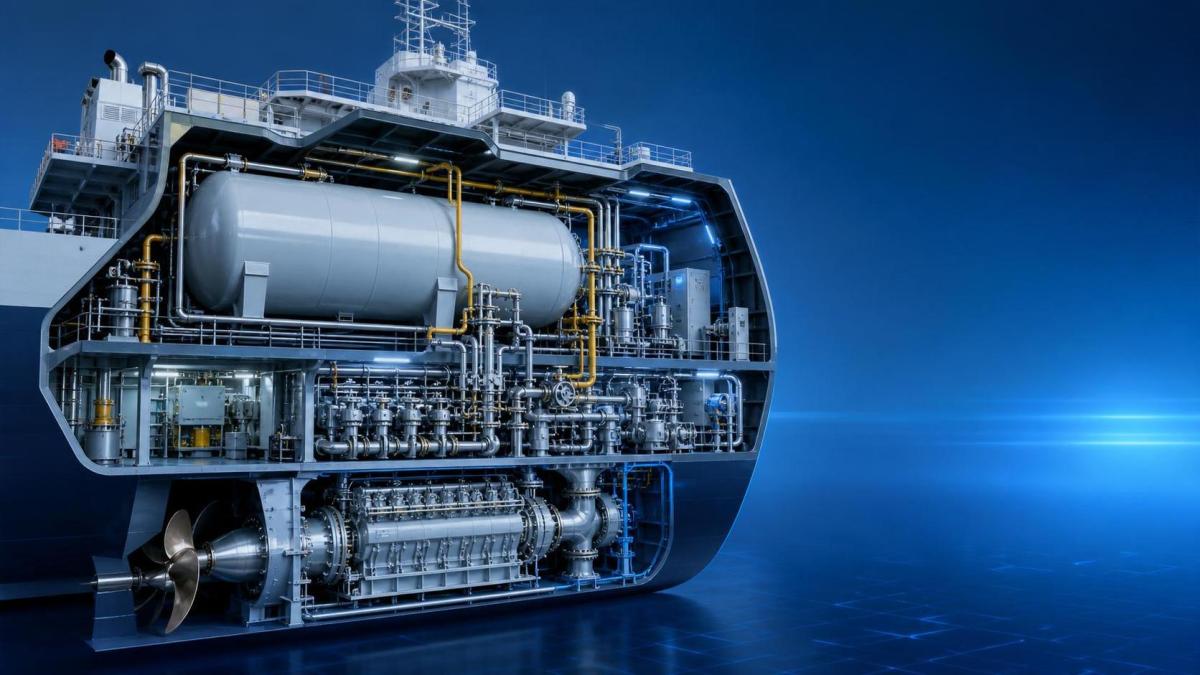
Class approved dual-fuel marine propulsion sits at the center of safety, emissions control, and commercial acceptance for modern vessels.
It is not only about switching between LNG and conventional fuel.
The approval process checks whether the entire propulsion arrangement behaves safely under real operating conditions.
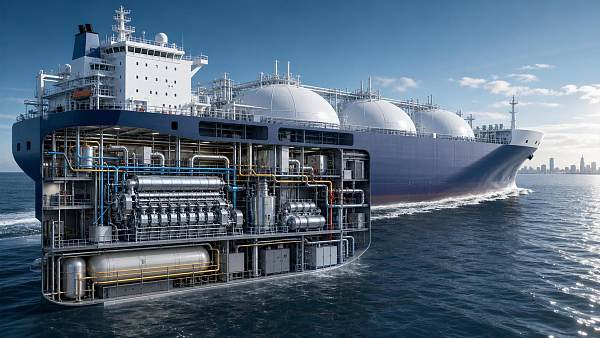
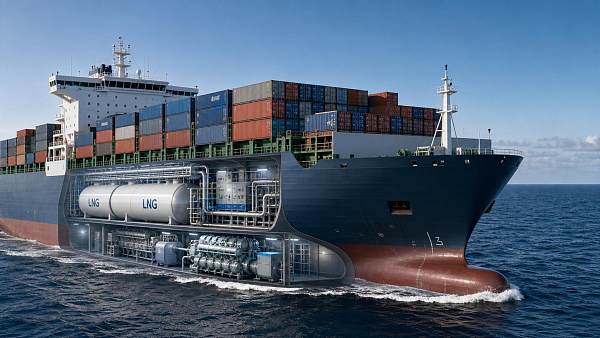
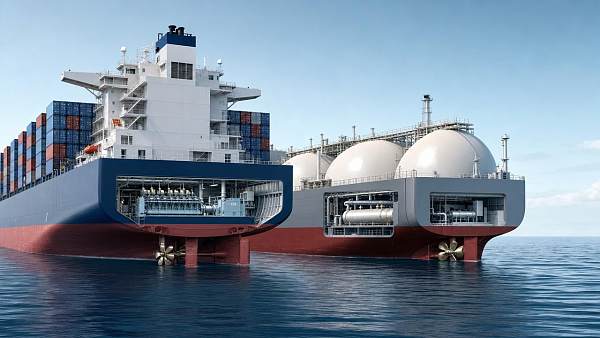
That includes engines, gas supply lines, ventilation, shutdown logic, alarms, hazardous area protection, and integration with ship control systems.
In practice, many risks appear between disciplines rather than inside one component.
A certified engine alone does not guarantee a class approved dual-fuel marine propulsion system.
The wider transport market is also pushing this issue forward.
As GTOT often tracks across smart container ships, LNG carriers, and other critical assets, compliance now shapes bid credibility as much as technical performance.
For that reason, approval should be treated as an engineering verification path, not a document collection exercise.
What exactly is being approved: the engine, the fuel system, or the whole propulsion concept?
A common misunderstanding is to treat class approval as a single certificate attached to the engine maker.
More often, class approved dual-fuel marine propulsion involves several approval layers.
One layer covers type approval of key equipment.
Another covers arrangement approval for the vessel-specific installation.
A third layer may involve testing during commissioning and sea trials.
That is why identical engines can face different approval outcomes on different ships.
The class society usually reviews whether the design follows IGF Code principles, class rules, fire safety standards, and control system requirements.
The questions are practical.
Can gas leakage be detected quickly?
Will automatic shutdown protect the engine room without creating a secondary hazard?
Can the vessel keep safe propulsion during fuel transfer, purge, or fault recovery?
When reviewing class approved dual-fuel marine propulsion, it helps to separate equipment approval from system acceptance.
That distinction prevents false confidence early in the project.
Which certification points are most likely to reveal hidden gaps?
The fastest way to judge a class approved dual-fuel marine propulsion package is to focus on interfaces and failure logic.
Those areas usually expose whether the design is mature.
This table works best as a first-pass review tool.
It does not replace detailed rule review, but it quickly shows where the approval story is thin.
How do you tell whether the documentation is truly approval-ready?
Strong documentation for class approved dual-fuel marine propulsion is consistent across drawings, narratives, and test records.
The issue is rarely missing paper alone.
More common is mismatch between disciplines.
For example, the P&ID may show one valve logic, while the control philosophy describes another response.
A hazardous area drawing may be updated, but the equipment list still carries earlier ratings.
That is where review delays begin.
A more reliable check is to confirm whether these items align:
- General arrangement, gas piping layout, and ventilation routing
- Cause and effect matrix against alarm and shutdown narratives
- FMEA or hazard review findings against final design changes
- Material certificates, pressure test records, and insulation details
- Commissioning procedures against class witness points
GTOT’s cross-domain perspective is useful here.
Whether in rail signalling or marine fuel systems, certification confidence comes from traceable logic, not isolated files.
If the design basis, risk review, and operational procedure do not point to the same safety intent, approval becomes fragile.
Where do projects usually stumble during testing and onboard verification?
Many teams assume the hard work ends once the design package is accepted.
For class approved dual-fuel marine propulsion, testing is often where the real maturity check happens.
Factory acceptance tests may confirm component behavior, but onboard integration introduces vibration, space limits, cable routing compromises, and software version differences.
A system can pass isolated tests and still fail during bunkering simulation, blackout recovery, or gas mode restart.
Watch closely for these field issues:
- Delayed detector response after installation location changes
- Unexpected trips caused by sensor scaling or I/O mapping errors
- Fuel changeover instability at partial load
- Manual override functions that conflict with approved shutdown logic
- Crew procedures that do not match tested emergency sequences
In actual acceptance campaigns, the best evidence is repeatable performance under abnormal scenarios.
That includes loss of ventilation, low gas pressure, failed valve feedback, and transfer back to liquid fuel.
A class approved dual-fuel marine propulsion system should show controlled degradation, not unpredictable behavior.
Is there a practical way to compare approval quality across suppliers or ship projects?
Yes, but the comparison should go beyond certificate presence.
A more useful approach is to judge how complete and transferable the approval basis really is.
Ask whether the class approved dual-fuel marine propulsion package has proven similarity with earlier vessels.
Then check how many exceptions, conditional notes, or pending tests remain.
A short internal scorecard can help:
This kind of comparison supports better technical decisions than headline claims about dual-fuel readiness.
What should be checked next before final acceptance?
The final review of class approved dual-fuel marine propulsion should connect rule compliance with operational resilience.
That means checking not only what was approved, but also what will remain controllable after handover.
A sensible next step is to build a short verification package.
- List every class comment, condition, and deferred item
- Match test evidence to each critical safety function
- Confirm software version control for safety-related systems
- Review spare parts and calibration strategy for gas detection
- Check that operating procedures reflect approved fault responses
That discipline reduces surprises during audits, port state review, and early service operation.
It also fits the broader GTOT view of transport intelligence.
Across rail control, braking, pantographs, smart ships, and LNG carriers, dependable systems are built on verified interfaces and controlled failure modes.
If a class approved dual-fuel marine propulsion package is being evaluated now, the most useful move is simple.
Review the approval basis, stress-test the integration logic, and confirm that onboard evidence matches the safety case in the documents.
That is usually where hidden gaps become visible before they become operational problems.
Recommended News
 Aug 28, 2026How to select a marine propulsion system for tankers by operating profileMarine propulsion system for tankers: learn how to align propulsion, fuel strategy, propeller performance, redundancy, and lifecycle costs with real operating profiles.
 Jul 15, 2026Class Approved Dual-Fuel Marine Propulsion: Key Certification Points to CheckClass approved dual-fuel marine propulsion explained: learn the key certification points, hidden compliance gaps, and practical checks to improve safety, approval readiness, and supplier selection.
 Jul 10, 2026Dual Fuel Propulsion IMO Compliance: What to Check Before SpecificationDual fuel propulsion IMO compliance starts before spec freeze. Learn the key checks on emissions, IGF safety, class approval, and lifecycle risk to avoid costly redesigns.
 Jul 04, 2026LNG Vessel Retrofit: Key Risks Before Final Scope ApprovalLNG vessel retrofit risks often emerge before final scope approval. Learn how to assess interfaces, yard limits, compliance, and lifecycle value to avoid delays and costly rework.
 Jun 21, 2026How Dual-Fuel Propulsion Cuts LNG Carrier Fuel Risk and EmissionsLNG carriers dual-fuel propulsion cuts fuel risk and emissions by using boil-off gas and liquid fuels flexibly. Learn how it boosts efficiency, compliance, and voyage resilience.
 Jun 18, 2026Dual-Fuel Propulsion: What to Check Before Choosing a SystemDual-fuel propulsion buyers should check fuel strategy, emissions, control logic, safety, and lifecycle cost before choosing a system. Learn what drives real vessel performance.
 Jun 16, 2026Decarbonization Solutions for Maritime Logistics: Which Options Deliver Real ROI?Decarbonization solutions for maritime logistics: discover which upgrades, digital tools, and fuel strategies deliver real ROI, lower risk, and measurable savings for fleets.
 Jun 14, 2026Decarbonization Solutions for Maritime Logistics ComparedDecarbonization solutions for maritime logistics compared: explore LNG, retrofits, AI routing, and smart vessel strategies to cut emissions, control costs, and protect shipping reliability.
 Jun 12, 2026LNG Carriers Dual-Fuel Propulsion: Cost, Compliance, and PaybackLNG carriers dual-fuel propulsion explained: compare cost, compliance impact, and payback to see how fuel flexibility can protect vessel value and charter competitiveness.
![]() Jun 09, 2026Dual-Fuel Propulsion: Cost, Compliance, and Retrofit Trade-OffsDual-fuel propulsion explained: compare cost, compliance, and retrofit trade-offs for vessels, with practical insights on LNG flexibility, asset value, and smarter procurement decisions.
Jun 09, 2026Dual-Fuel Propulsion: Cost, Compliance, and Retrofit Trade-OffsDual-fuel propulsion explained: compare cost, compliance, and retrofit trade-offs for vessels, with practical insights on LNG flexibility, asset value, and smarter procurement decisions. Jun 08, 2026Dual-Fuel Propulsion: Cost, Range, and Emissions Trade-Offs in 2026Dual-fuel propulsion in 2026: compare cost, range, and emissions trade-offs for ships and transport assets. Learn where flexibility pays off and what to verify before investing.
 Jun 07, 2026Marine Propulsion Systems: Key Efficiency Trade-Offs for New Vessel ProjectsMarine propulsion systems for new vessel projects: compare fuel efficiency, emissions, lifecycle cost, and control trade-offs to choose a smarter, future-ready vessel solution.
 Jun 02, 20262026 LNG Carriers Technology Advancements Reshaping Fleet PlanningLNG carriers technology advancements are redefining 2026 fleet planning with smarter containment, dual-fuel propulsion, AI routing, and compliance-ready performance.
 Jun 01, 2026Marine Propulsion Systems: Cost Risks Before RetrofitMarine propulsion systems retrofits can hide fuel, downtime, compliance, and maintenance costs. Learn how to quantify risks before approval and protect fleet ROI.
 May 31, 2026International Shipbuilding Trends Shaping Dual-Fuel FleetsInternational shipbuilding is shifting toward dual-fuel fleets, reshaping fuel flexibility, asset value, compliance strategy, and maritime competitiveness.
 May 25, 2026LNG Carriers: Choosing Dual-Fuel Propulsion for Lower LossesLNG carriers for global energy transport benefit from dual-fuel propulsion with lower cargo losses, stronger compliance, and better fuel flexibility—see what buyers should evaluate now.
 May 24, 2026Marine Propulsion Technology: Dual-fuel Performance Trade-offsMarine propulsion technology explained: compare dual-fuel efficiency, emissions, methane slip, load profile, and lifecycle risk to choose smarter vessel propulsion strategies.
![]() May 23, 2026Marine Propulsion Systems: Cost vs Fuel EfficiencyMarine propulsion systems decisions should balance cost, fuel efficiency, and compliance. Compare scenario-based options for container ships, LNG carriers, and hybrid routes.
May 23, 2026Marine Propulsion Systems: Cost vs Fuel EfficiencyMarine propulsion systems decisions should balance cost, fuel efficiency, and compliance. Compare scenario-based options for container ships, LNG carriers, and hybrid routes. May 21, 2026LNG Carriers Dual-Fuel Propulsion: Fuel Savings vs Retrofit CostLNG carriers dual-fuel propulsion: compare fuel savings, retrofit cost, payback, and charter value to see when fleet upgrades deliver stronger ROI and lower compliance risk.
 May 18, 2026Marine Propulsion Technology: When Dual-Fuel Pays OffMarine propulsion technology explained: discover when dual-fuel systems deliver real ROI, lower compliance risk, and stronger vessel value across modern shipping routes.
 May 17, 2026Dual-fuel Marine Propulsion Systems: Cost vs EfficiencyMarine propulsion systems: discover whether dual-fuel upgrades truly balance higher capex with fuel savings, compliance gains, and stronger lifetime vessel returns.