



Search News
Industry Portal
Popular Tags
International Shipbuilding Trends Shaping Dual-Fuel Fleets
Author
Time
Click Count
International shipbuilding is entering a decisive phase as dual-fuel fleets move from strategic option to operational necessity.
For enterprise decision frameworks, the shift is no longer limited to emissions compliance or vessel replacement cycles.
It now shapes asset value, fuel optionality, port readiness, charter competitiveness, and supply chain resilience across global maritime networks.
From LNG-ready carriers to methanol pathways and ammonia-prepared designs, international shipbuilding is redefining operational competitiveness.
International Shipbuilding Signals a Structural Shift Toward Fuel Flexibility
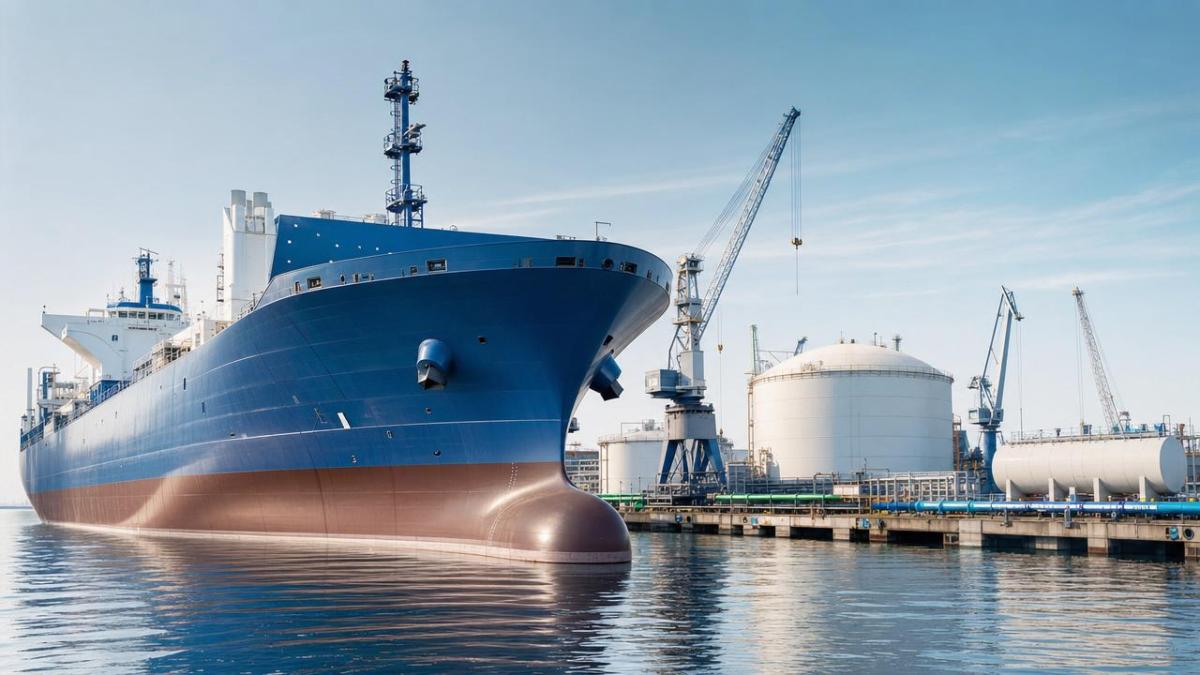
The clearest signal in international shipbuilding is the normalization of dual-fuel specifications in newbuilding programs.
Owners increasingly avoid single-fuel lock-in, especially for assets expected to operate through stricter carbon regimes.
Shipyards are responding with modular fuel systems, adaptable tank arrangements, and propulsion designs prepared for future conversion.
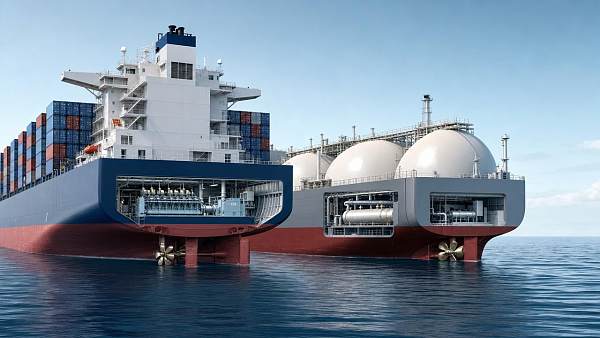
This trend is visible across container ships, LNG carriers, product tankers, bulkers, and specialized ocean-going vessels.
International shipbuilding competition is also becoming more technology-driven than capacity-driven.
The strongest yards are not only cutting steel; they are integrating cryogenic handling, automation, digital twins, and energy management.
Regulation, Finance, and Charter Markets Are Accelerating the Change
The dual-fuel transition is not driven by one policy or one fuel.
It is shaped by overlapping pressure from regulation, financing standards, cargo owners, and port infrastructure planning.
For international shipbuilding, this creates a demand environment where technical credibility directly affects order visibility.
These drivers are changing the timing of investment decisions.
Waiting for one perfect fuel may preserve short-term certainty but increase long-term competitiveness risk.
As a result, international shipbuilding now centers on optionality, not only fuel selection.
Dual-Fuel Fleets Are Redefining Vessel Design Logic
Traditional vessel design prioritized cargo capacity, route economy, propulsion reliability, and yard delivery discipline.
Those fundamentals remain important, but dual-fuel fleets add new layers of engineering complexity.
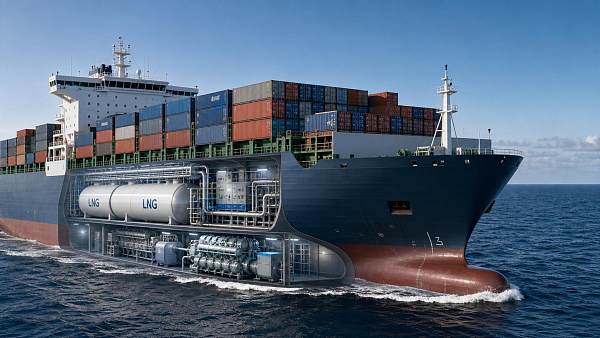
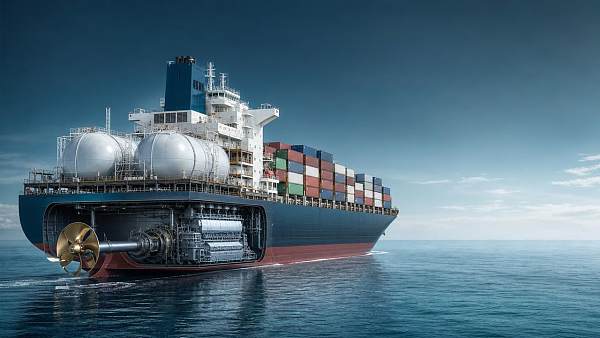
Fuel tanks, safety zones, ventilation, bunkering interfaces, and control software now influence commercial performance.
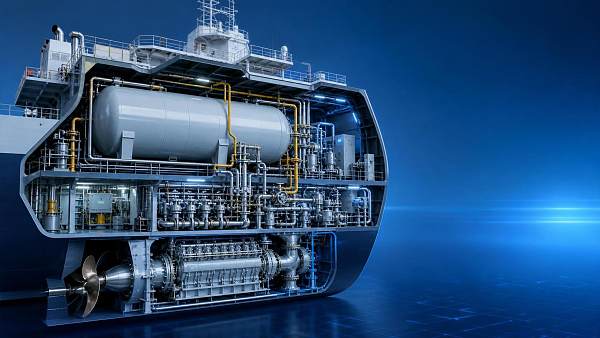
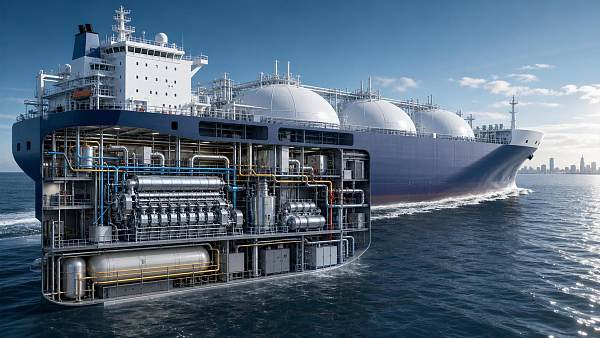
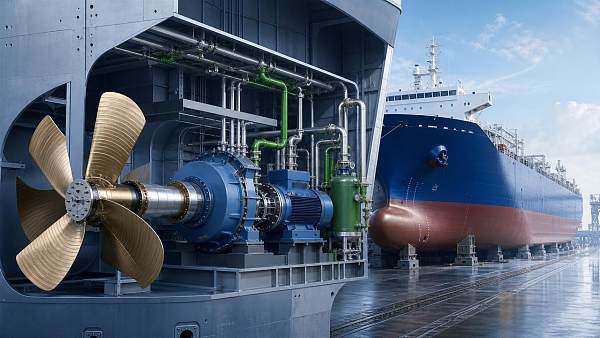
In international shipbuilding, the engine room has become a strategic decision space.
LNG remains the bridge with mature infrastructure
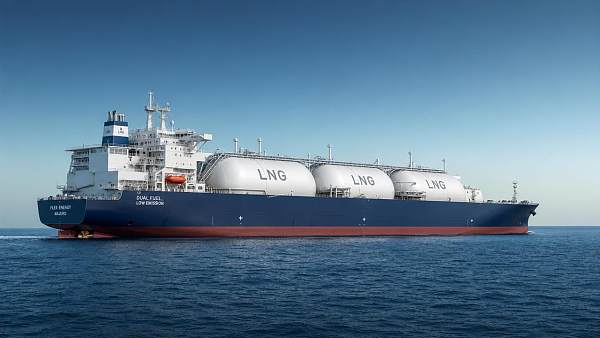
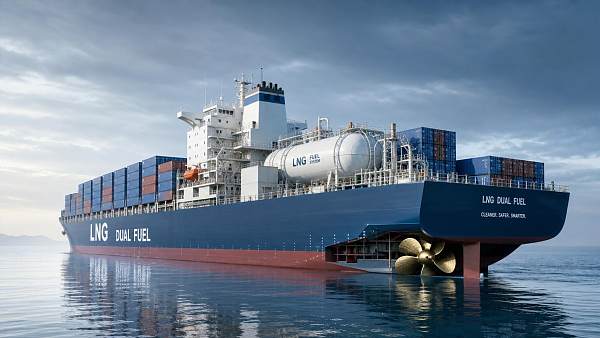
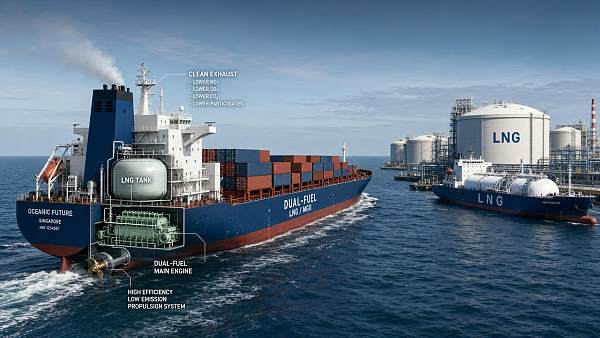
LNG dual-fuel vessels benefit from proven engine platforms, expanding bunkering networks, and established cryogenic engineering practices.
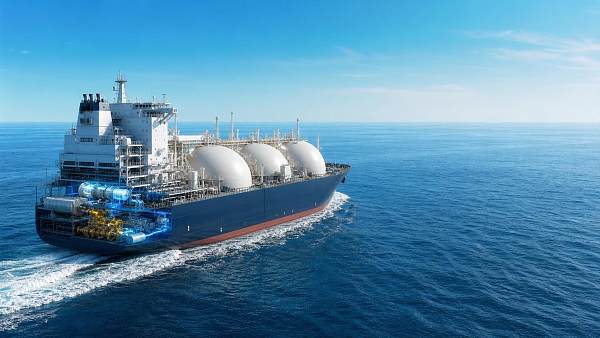
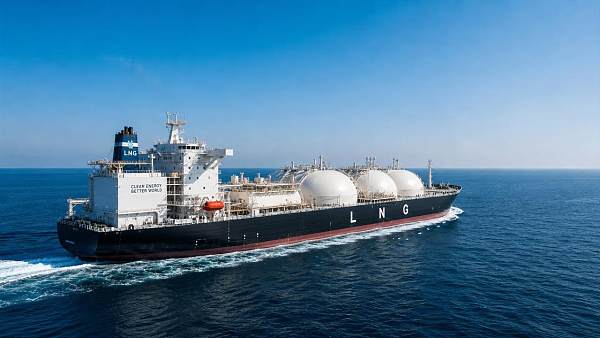
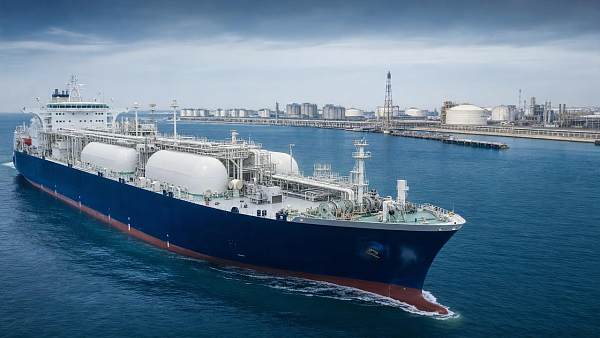
For LNG carriers, dual-fuel propulsion also connects cargo boil-off management with voyage efficiency.
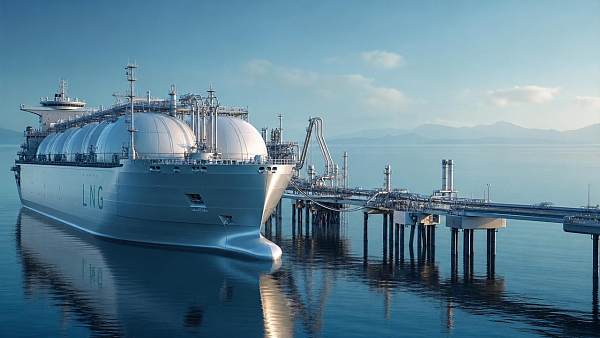
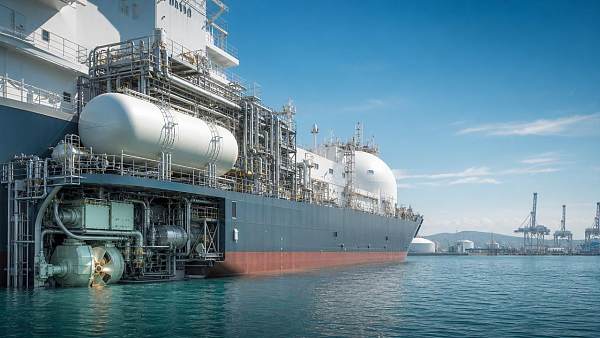
International shipbuilding expertise in membrane containment and cryogenic systems remains strategically valuable.
Methanol is gaining practical momentum
Methanol attracts attention because liquid storage is simpler than deep-cryogenic alternatives.
It can support flexible vessel layouts, especially where tank volume trade-offs are manageable.
However, green methanol availability and price visibility remain decisive constraints for fleet scaling.
Ammonia is strategic but still developing
Ammonia offers zero-carbon combustion potential, yet toxicity, safety, and engine maturity require disciplined evaluation.
International shipbuilding teams are increasingly preparing ammonia-ready structures without assuming immediate commercial adoption.
This creates a staged pathway from readiness to conversion, reducing stranded asset exposure.
The Competitive Map Is Moving From Yard Capacity to Systems Integration
International shipbuilding competitiveness now depends on how well yards coordinate equipment suppliers, classification societies, and digital platforms.
A dual-fuel vessel is not just a hull with another engine option.
It is an integrated energy system operating inside complex regulatory and commercial boundaries.
The most capable programs connect propulsion, route planning, fuel consumption forecasting, emissions reporting, and maintenance diagnostics.
- Hull optimization reduces fuel demand before alternative fuel costs are considered.
- Engine control systems balance efficiency, safety, and emissions across operating modes.
- Digital twins support commissioning, crew training, and lifecycle performance verification.
- Ship-to-shore data links improve voyage planning and bunker scheduling.
- Classification documentation strengthens bankability and charter confidence.
This systems approach aligns with the broader direction of smart ocean-going vessels.
It also explains why international shipbuilding increasingly overlaps with automation, energy intelligence, and supply chain analytics.
Business Impacts Are Spreading Across the Maritime Value Chain
Dual-fuel adoption affects more than vessel owners and shipyards.
It changes how ports plan bunkering infrastructure, how insurers price risk, and how charterers assess transport emissions.
For international shipbuilding, this expands the definition of a successful newbuild project.
Delivery speed matters, but lifecycle credibility matters more when vessels face decades of regulatory adjustment.
Operational planning becomes more data-intensive
Fuel choice now interacts with route length, port availability, weather routing, cargo schedule, and emissions accounting.
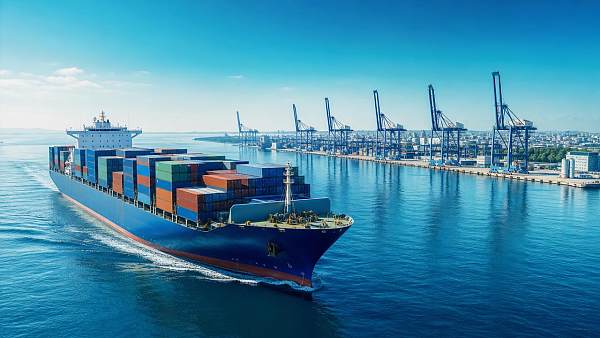
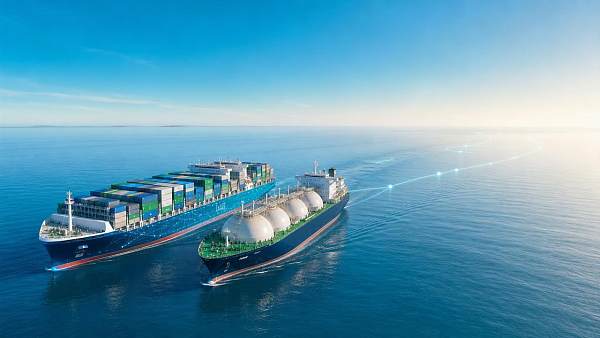
Smart container ships and LNG carriers increasingly depend on predictive systems rather than static voyage assumptions.
Supplier selection becomes a strategic risk issue
Equipment suppliers must prove reliability under mixed operating modes and evolving safety requirements.
International shipbuilding programs therefore require tighter qualification of engines, tanks, valves, sensors, and automation layers.
Asset valuation becomes more future-sensitive
A vessel with credible retrofit pathways can hold stronger residual value than a rigid single-fuel design.
This is why conversion-ready engineering is becoming a financial feature, not only a technical option.
Key Priorities for Decision-Ready Dual-Fuel Strategies
The next stage of international shipbuilding will reward disciplined technical judgment.
A strong dual-fuel strategy should avoid both conservative delay and speculative overcommitment.
- Assess route-specific fuel realism. Bunkering availability must match actual trade lanes, not only future announcements.
- Model lifetime carbon exposure. Compliance cost scenarios should be tested across multiple policy pathways.
- Protect cargo economics. Tank placement and fuel volume must not quietly damage earning capacity.
- Demand conversion documentation. Ammonia-ready or methanol-ready claims require structural and systems evidence.
- Integrate digital monitoring early. Data quality will influence efficiency, reporting, and warranty discussions.
- Evaluate crew readiness. Safety culture and operational training are central to alternative fuel performance.
These priorities help translate international shipbuilding trends into practical fleet decisions.
They also reduce the risk of ordering advanced vessels that cannot perform commercially.
A Practical Roadmap for the Next Newbuilding Cycle
The next newbuilding cycle will likely favor phased flexibility over single-point forecasting.
International shipbuilding roadmaps should combine near-term compliance with long-term conversion logic.
This phased approach is especially relevant for long-life assets such as LNG carriers and large container ships.
It also reflects a broader international shipbuilding reality: uncertainty cannot be eliminated, but it can be engineered around.
What GTOT Will Continue Watching
GTOT tracks international shipbuilding through the lens of land-sea infrastructure intelligence.
Our focus connects smart vessels, LNG carrier engineering, control systems, and the supply chain arteries behind global trade.
For dual-fuel fleets, several indicators deserve continuous attention.
- Orderbook composition by fuel type, vessel class, and delivery window.
- Progress in LNG, methanol, and ammonia bunkering corridors.
- Classification guidance on safety, conversion, and emissions verification.
- Engine reliability data from mixed-fuel operating profiles.
- Digital integration between vessel systems, ports, and fleet command centers.
These signals will help separate durable international shipbuilding trends from short-term market enthusiasm.
They will also clarify which dual-fuel pathways can scale beyond early adopters.
From Compliance Response to Maritime Competitiveness
Dual-fuel fleets are becoming a central test of maritime competitiveness.
The winning approach will combine reliable engineering, fuel flexibility, lifecycle economics, and intelligent operations.
International shipbuilding is therefore moving from vessel production toward integrated mobility infrastructure.
The next step is to review fleet exposure, map trade-lane fuel scenarios, and benchmark newbuild specifications against conversion-ready standards.
By turning market uncertainty into engineered flexibility, international shipbuilding can support safer, cleaner, and more resilient global transport.
Recommended News
 Aug 28, 2026How to select a marine propulsion system for tankers by operating profileMarine propulsion system for tankers: learn how to align propulsion, fuel strategy, propeller performance, redundancy, and lifecycle costs with real operating profiles.
 Jul 15, 2026Class Approved Dual-Fuel Marine Propulsion: Key Certification Points to CheckClass approved dual-fuel marine propulsion explained: learn the key certification points, hidden compliance gaps, and practical checks to improve safety, approval readiness, and supplier selection.
 Jul 10, 2026Dual Fuel Propulsion IMO Compliance: What to Check Before SpecificationDual fuel propulsion IMO compliance starts before spec freeze. Learn the key checks on emissions, IGF safety, class approval, and lifecycle risk to avoid costly redesigns.
 Jul 04, 2026LNG Vessel Retrofit: Key Risks Before Final Scope ApprovalLNG vessel retrofit risks often emerge before final scope approval. Learn how to assess interfaces, yard limits, compliance, and lifecycle value to avoid delays and costly rework.
 Jun 21, 2026How Dual-Fuel Propulsion Cuts LNG Carrier Fuel Risk and EmissionsLNG carriers dual-fuel propulsion cuts fuel risk and emissions by using boil-off gas and liquid fuels flexibly. Learn how it boosts efficiency, compliance, and voyage resilience.
 Jun 18, 2026Dual-Fuel Propulsion: What to Check Before Choosing a SystemDual-fuel propulsion buyers should check fuel strategy, emissions, control logic, safety, and lifecycle cost before choosing a system. Learn what drives real vessel performance.
 Jun 16, 2026Decarbonization Solutions for Maritime Logistics: Which Options Deliver Real ROI?Decarbonization solutions for maritime logistics: discover which upgrades, digital tools, and fuel strategies deliver real ROI, lower risk, and measurable savings for fleets.
 Jun 14, 2026Decarbonization Solutions for Maritime Logistics ComparedDecarbonization solutions for maritime logistics compared: explore LNG, retrofits, AI routing, and smart vessel strategies to cut emissions, control costs, and protect shipping reliability.
 Jun 12, 2026LNG Carriers Dual-Fuel Propulsion: Cost, Compliance, and PaybackLNG carriers dual-fuel propulsion explained: compare cost, compliance impact, and payback to see how fuel flexibility can protect vessel value and charter competitiveness.
![]() Jun 09, 2026Dual-Fuel Propulsion: Cost, Compliance, and Retrofit Trade-OffsDual-fuel propulsion explained: compare cost, compliance, and retrofit trade-offs for vessels, with practical insights on LNG flexibility, asset value, and smarter procurement decisions.
Jun 09, 2026Dual-Fuel Propulsion: Cost, Compliance, and Retrofit Trade-OffsDual-fuel propulsion explained: compare cost, compliance, and retrofit trade-offs for vessels, with practical insights on LNG flexibility, asset value, and smarter procurement decisions. Jun 08, 2026Dual-Fuel Propulsion: Cost, Range, and Emissions Trade-Offs in 2026Dual-fuel propulsion in 2026: compare cost, range, and emissions trade-offs for ships and transport assets. Learn where flexibility pays off and what to verify before investing.
 Jun 07, 2026Marine Propulsion Systems: Key Efficiency Trade-Offs for New Vessel ProjectsMarine propulsion systems for new vessel projects: compare fuel efficiency, emissions, lifecycle cost, and control trade-offs to choose a smarter, future-ready vessel solution.
 Jun 02, 20262026 LNG Carriers Technology Advancements Reshaping Fleet PlanningLNG carriers technology advancements are redefining 2026 fleet planning with smarter containment, dual-fuel propulsion, AI routing, and compliance-ready performance.
 Jun 01, 2026Marine Propulsion Systems: Cost Risks Before RetrofitMarine propulsion systems retrofits can hide fuel, downtime, compliance, and maintenance costs. Learn how to quantify risks before approval and protect fleet ROI.
 May 31, 2026International Shipbuilding Trends Shaping Dual-Fuel FleetsInternational shipbuilding is shifting toward dual-fuel fleets, reshaping fuel flexibility, asset value, compliance strategy, and maritime competitiveness.
 May 25, 2026LNG Carriers: Choosing Dual-Fuel Propulsion for Lower LossesLNG carriers for global energy transport benefit from dual-fuel propulsion with lower cargo losses, stronger compliance, and better fuel flexibility—see what buyers should evaluate now.
 May 24, 2026Marine Propulsion Technology: Dual-fuel Performance Trade-offsMarine propulsion technology explained: compare dual-fuel efficiency, emissions, methane slip, load profile, and lifecycle risk to choose smarter vessel propulsion strategies.
![]() May 23, 2026Marine Propulsion Systems: Cost vs Fuel EfficiencyMarine propulsion systems decisions should balance cost, fuel efficiency, and compliance. Compare scenario-based options for container ships, LNG carriers, and hybrid routes.
May 23, 2026Marine Propulsion Systems: Cost vs Fuel EfficiencyMarine propulsion systems decisions should balance cost, fuel efficiency, and compliance. Compare scenario-based options for container ships, LNG carriers, and hybrid routes. May 21, 2026LNG Carriers Dual-Fuel Propulsion: Fuel Savings vs Retrofit CostLNG carriers dual-fuel propulsion: compare fuel savings, retrofit cost, payback, and charter value to see when fleet upgrades deliver stronger ROI and lower compliance risk.
 May 18, 2026Marine Propulsion Technology: When Dual-Fuel Pays OffMarine propulsion technology explained: discover when dual-fuel systems deliver real ROI, lower compliance risk, and stronger vessel value across modern shipping routes.
 May 17, 2026Dual-fuel Marine Propulsion Systems: Cost vs EfficiencyMarine propulsion systems: discover whether dual-fuel upgrades truly balance higher capex with fuel savings, compliance gains, and stronger lifetime vessel returns.