



Search News
Industry Portal
Popular Tags
Dual-Fuel Propulsion: What to Check Before Choosing a System
Author
Time
Click Count
Choosing a dual-fuel propulsion system is no longer a narrow machinery decision. It sits at the intersection of fuel strategy, emission compliance, route economics, vessel uptime, and long-term asset value.
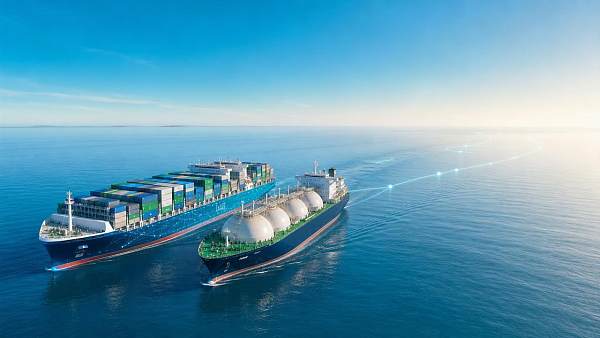
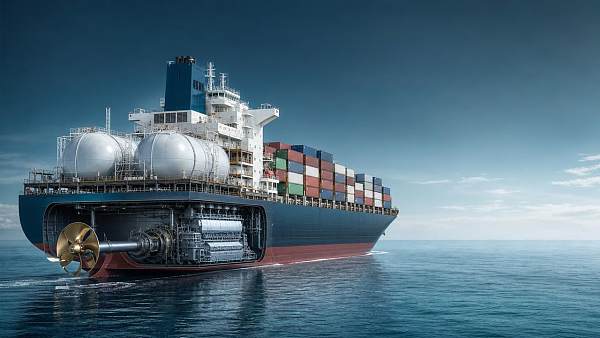
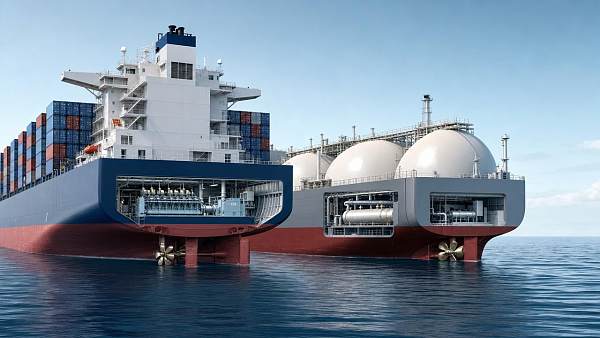
That is why dual-fuel propulsion now attracts attention across LNG carriers, smart container ships, and other high-performance fleets linked to global supply chains. A system that looks flexible on paper may still underperform under real load swings, port restrictions, or maintenance pressure.
In the wider transport intelligence landscape tracked by GTOT, the same principle applies on land and sea: high-speed systems only create value when control logic, safety margins, and operating context align. Dual-fuel propulsion deserves that same disciplined evaluation.
What dual-fuel propulsion really means in operation
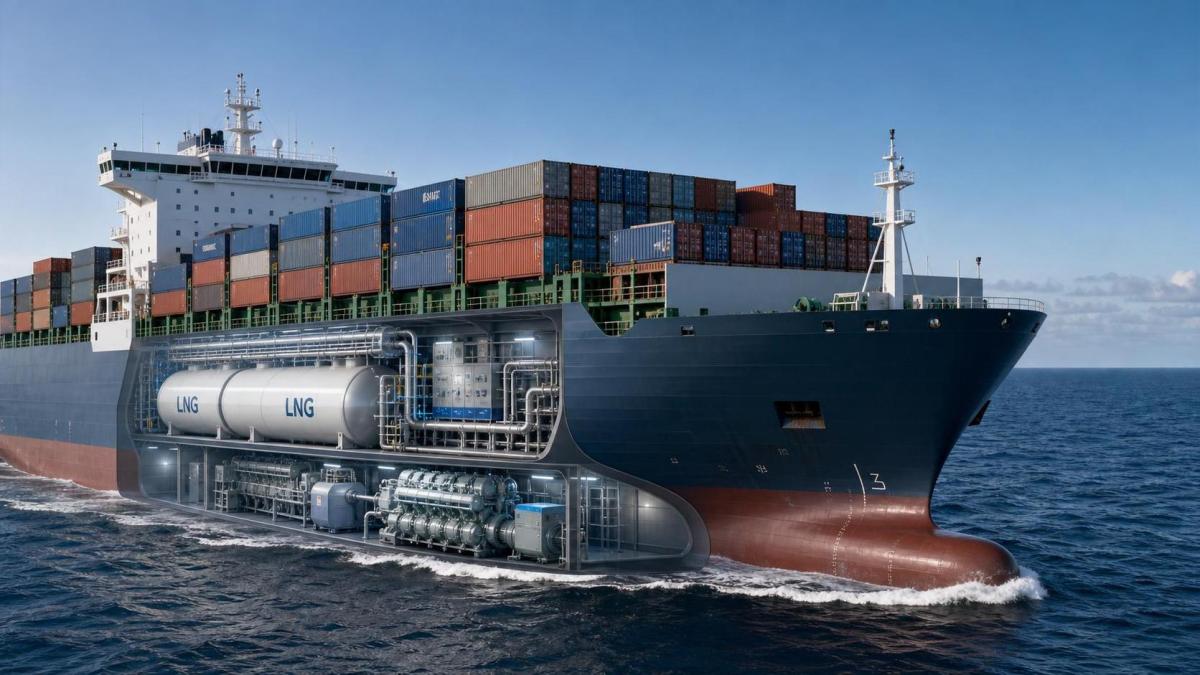
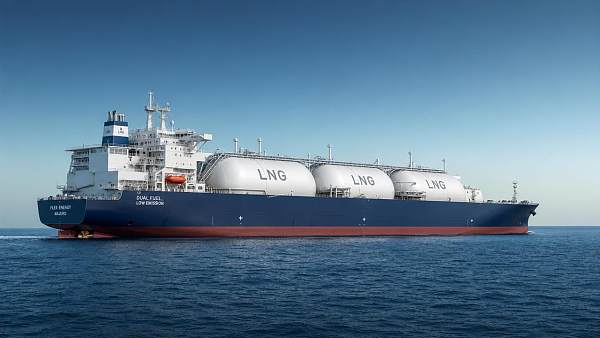
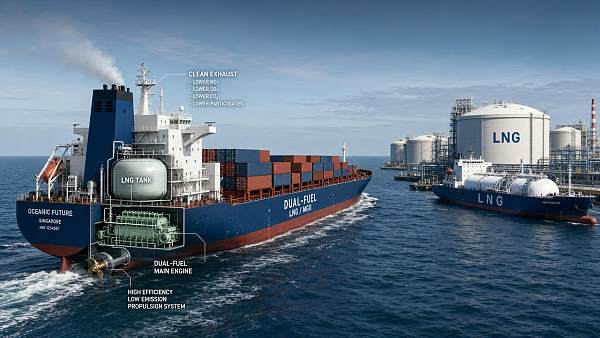
At its core, dual-fuel propulsion allows a vessel to run on two fuel options, usually LNG and marine liquid fuel. The practical goal is not simply switching fuels. It is preserving propulsion continuity under changing commercial and regulatory conditions.
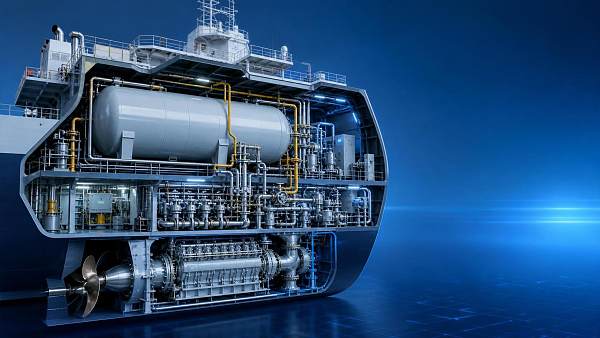
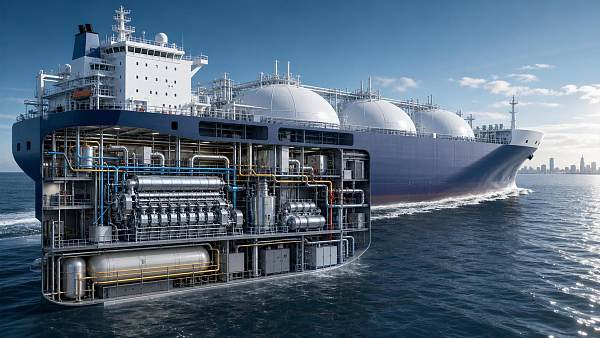
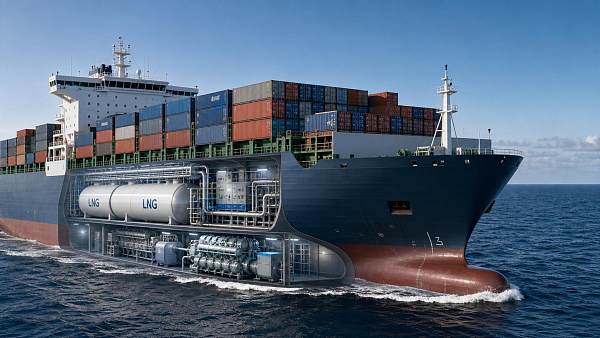
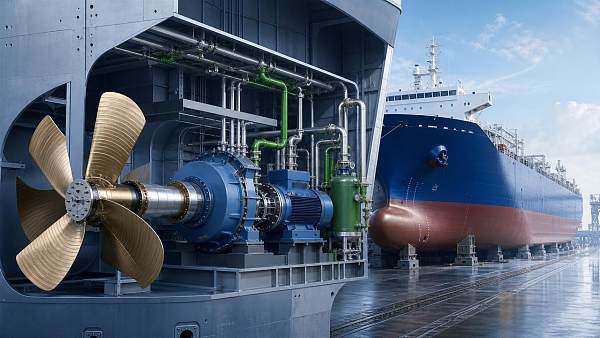
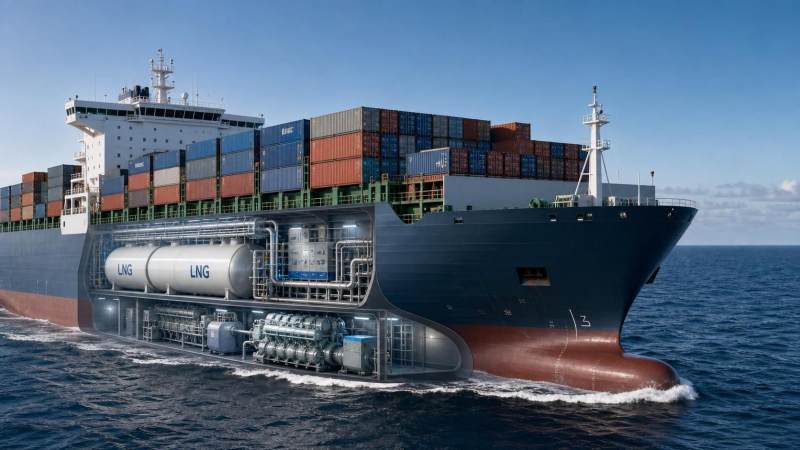
In real service, the system combines engines, fuel supply modules, control software, safety barriers, tank arrangements, and crew procedures. Performance depends on how those parts respond together, not on engine specifications alone.
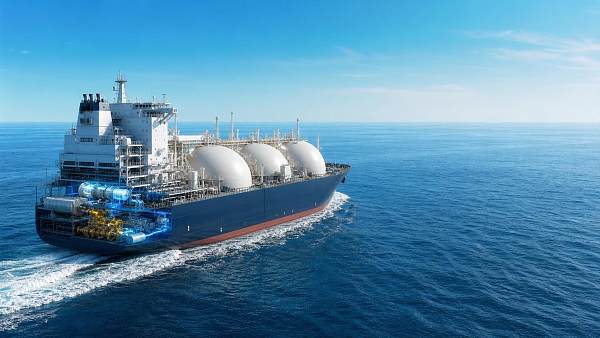
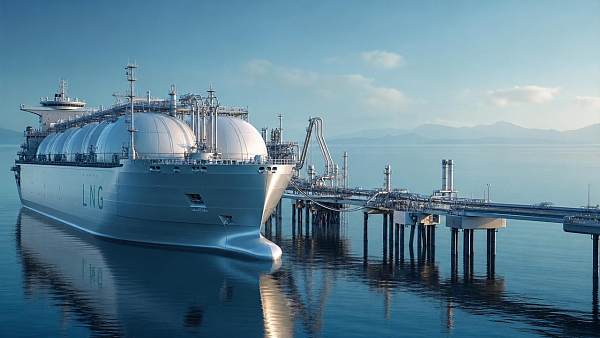
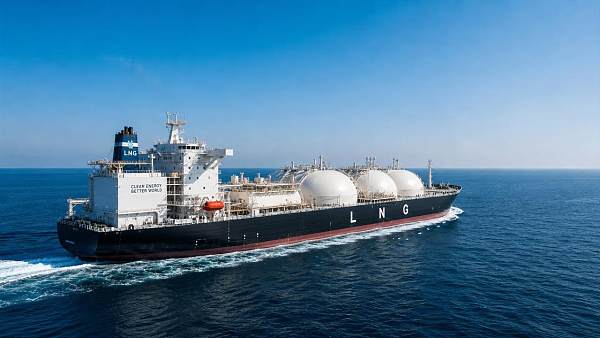
This is especially relevant for LNG carriers and intelligent ocean-going vessels. They operate in environments where cargo value, fuel temperature control, route optimization, and emission reporting can all influence propulsion choices.
A useful comparison comes from rail control philosophy. Just as a braking system cannot be judged by peak force alone, a dual-fuel propulsion package should not be judged by fuel flexibility alone. Stability under variable conditions matters more.
Why the market is paying closer attention
Several pressures have made dual-fuel propulsion a strategic topic rather than a technical add-on. Emission rules are tightening, fuel spreads remain volatile, and charter expectations increasingly include transparency around efficiency and carbon intensity.
At the same time, vessel operators want resilience. One fuel pathway can expose a ship to bunkering limitations, price shocks, or regional compliance constraints. A better-designed dual-fuel propulsion system can reduce that exposure, but only if the design fits the service profile.
This is where intelligence-led review becomes important. GTOT’s coverage of smart shipping and cryogenic engineering highlights a broader industry shift: equipment choices are increasingly judged by data quality, controllability, and lifecycle impact, not by headline claims.
- Newbuild projects must balance compliance readiness with capital discipline.
- Retrofit projects must check space, integration risk, and downtime windows.
- High-utilization fleets need predictable maintenance and spare support.
- Long-haul routes need confidence in bunkering availability and switching logic.
The first checks before comparing suppliers
Before looking at brands or model families, it helps to define the operating envelope. A dual-fuel propulsion system that performs well on one route may not be the best fit for another.
Operating profile comes first
Check average load, peak load, maneuvering frequency, idling periods, and voyage length. Frequent load swings can affect combustion stability, methane slip behavior, and fuel switching efficiency.
A vessel spending long periods at partial load may need a different evaluation than one running steady ocean passages. The propulsion concept must match actual duty cycles, not assumed ideal conditions.
Fuel pathway and storage logic
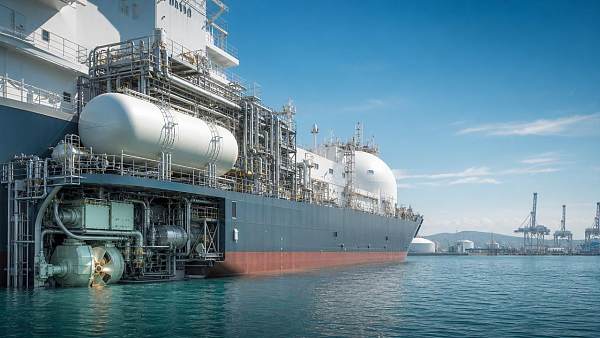
Dual-fuel propulsion depends heavily on the fuel gas supply system, tank arrangement, boil-off handling, and pressure management. These factors can affect available cargo space, safety zoning, and operating simplicity.
For LNG-linked applications, cryogenic reliability is not a side issue. It is part of propulsion reliability. A weak interface between storage and engine demand can erase theoretical efficiency gains.
Control system quality
The control layer deserves close scrutiny. Fuel transition timing, alarm logic, redundancy, and fault response determine whether the vessel sees smooth operation or repeated interruptions.
This is familiar across GTOT’s transport sectors. Whether evaluating rail signaling or marine propulsion, the intelligence of the control system often decides the usable value of the hardware.
Performance metrics that matter more than brochure numbers
Published efficiency figures are useful, but they rarely tell the whole story. A stronger review compares performance under realistic operating conditions and across a full service year.
More importantly, ask how the dual-fuel propulsion system behaves during abnormal but realistic conditions. Examples include sudden load pickup, poor gas quality, emergency reversion to liquid fuel, and extended low-speed port operation.
Safety, compliance, and maintainability are not separate topics
A common evaluation mistake is treating safety, compliance, and maintenance as later-stage checks. In practice, they shape the feasibility of the entire propulsion decision.
Dual-fuel propulsion introduces cryogenic handling, gas detection, ventilation, hazardous area design, and emergency shutdown coordination. Those features must work with the vessel’s layout and operational discipline.
Compliance should also be reviewed beyond current rules. Future carbon accounting, methane emission scrutiny, and port-specific requirements may influence whether the chosen system remains competitive over its service life.
- Check classification approvals and documented operating limits.
- Review safety interlocks at engine, tank, and control levels.
- Assess planned maintenance intervals and access for onboard service.
- Confirm crew training needs during normal and emergency modes.
Maintainability deserves extra weight. A technically advanced dual-fuel propulsion system can become an operational burden if sensors are difficult to calibrate, specialist support is distant, or troubleshooting requires prolonged off-hire periods.
Where lifecycle cost often changes the answer
Initial capital cost rarely tells the full economic story. A better decision model includes fuel price scenarios, maintenance burden, training demand, spare strategy, efficiency degradation, and residual value implications.
This is especially important for fleets tied to strict schedules or premium cargo chains. If a dual-fuel propulsion package reduces emissions but increases unplanned stoppages, the commercial tradeoff may not hold.
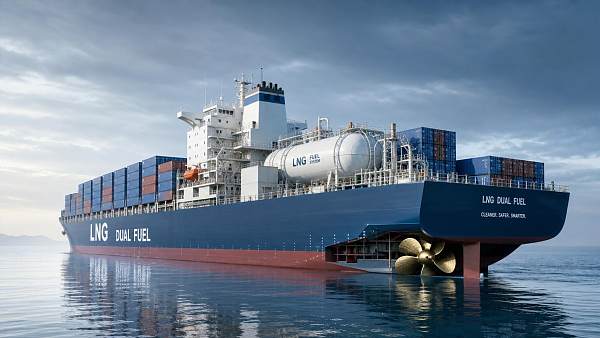
For LNG carriers, integration with cargo handling logic can create additional value or additional complexity. For smart container ships, digital route optimization may improve the economics of dual-fuel propulsion when the control system can react accurately to voyage planning inputs.
In other words, lifecycle cost should be modeled as a system question. Engine efficiency, storage losses, compliance exposure, and service support all belong in the same calculation.
A practical evaluation framework for the next decision stage
A structured review helps narrow options without oversimplifying them. The goal is to build a decision basis that remains useful during technical clarification, commercial negotiation, and final approval.
Questions worth putting on one page
- How often will the vessel actually benefit from dual-fuel operation?
- What happens to efficiency at expected part-load conditions?
- Which compliance risks are reduced, and which new ones appear?
- How mature is the control architecture and fault response logic?
- What service infrastructure supports the system across key routes?
- How sensitive is the business case to fuel spread changes?
How to move forward
The next step is usually not a final selection. It is a tighter comparison framework. Define route assumptions, duty cycles, compliance horizons, and maintenance constraints before requesting final technical offers.
From there, compare dual-fuel propulsion options using common operating scenarios rather than supplier-specific presentation formats. That approach reveals where claimed flexibility is genuine and where it is conditional.
For organizations following GTOT’s land-sea intelligence approach, this method is consistent with broader equipment evaluation practice: start with control reality, test lifecycle resilience, and only then rank the technology.
A dual-fuel propulsion decision becomes stronger when it is treated as an operational architecture choice, not just an engine purchase. That is the point where fuel flexibility turns into strategic value.
Recommended News
 Aug 28, 2026How to select a marine propulsion system for tankers by operating profileMarine propulsion system for tankers: learn how to align propulsion, fuel strategy, propeller performance, redundancy, and lifecycle costs with real operating profiles.
 Jul 15, 2026Class Approved Dual-Fuel Marine Propulsion: Key Certification Points to CheckClass approved dual-fuel marine propulsion explained: learn the key certification points, hidden compliance gaps, and practical checks to improve safety, approval readiness, and supplier selection.
 Jul 10, 2026Dual Fuel Propulsion IMO Compliance: What to Check Before SpecificationDual fuel propulsion IMO compliance starts before spec freeze. Learn the key checks on emissions, IGF safety, class approval, and lifecycle risk to avoid costly redesigns.
 Jul 04, 2026LNG Vessel Retrofit: Key Risks Before Final Scope ApprovalLNG vessel retrofit risks often emerge before final scope approval. Learn how to assess interfaces, yard limits, compliance, and lifecycle value to avoid delays and costly rework.
 Jun 21, 2026How Dual-Fuel Propulsion Cuts LNG Carrier Fuel Risk and EmissionsLNG carriers dual-fuel propulsion cuts fuel risk and emissions by using boil-off gas and liquid fuels flexibly. Learn how it boosts efficiency, compliance, and voyage resilience.
 Jun 18, 2026Dual-Fuel Propulsion: What to Check Before Choosing a SystemDual-fuel propulsion buyers should check fuel strategy, emissions, control logic, safety, and lifecycle cost before choosing a system. Learn what drives real vessel performance.
 Jun 16, 2026Decarbonization Solutions for Maritime Logistics: Which Options Deliver Real ROI?Decarbonization solutions for maritime logistics: discover which upgrades, digital tools, and fuel strategies deliver real ROI, lower risk, and measurable savings for fleets.
 Jun 14, 2026Decarbonization Solutions for Maritime Logistics ComparedDecarbonization solutions for maritime logistics compared: explore LNG, retrofits, AI routing, and smart vessel strategies to cut emissions, control costs, and protect shipping reliability.
 Jun 12, 2026LNG Carriers Dual-Fuel Propulsion: Cost, Compliance, and PaybackLNG carriers dual-fuel propulsion explained: compare cost, compliance impact, and payback to see how fuel flexibility can protect vessel value and charter competitiveness.
![]() Jun 09, 2026Dual-Fuel Propulsion: Cost, Compliance, and Retrofit Trade-OffsDual-fuel propulsion explained: compare cost, compliance, and retrofit trade-offs for vessels, with practical insights on LNG flexibility, asset value, and smarter procurement decisions.
Jun 09, 2026Dual-Fuel Propulsion: Cost, Compliance, and Retrofit Trade-OffsDual-fuel propulsion explained: compare cost, compliance, and retrofit trade-offs for vessels, with practical insights on LNG flexibility, asset value, and smarter procurement decisions. Jun 08, 2026Dual-Fuel Propulsion: Cost, Range, and Emissions Trade-Offs in 2026Dual-fuel propulsion in 2026: compare cost, range, and emissions trade-offs for ships and transport assets. Learn where flexibility pays off and what to verify before investing.
 Jun 07, 2026Marine Propulsion Systems: Key Efficiency Trade-Offs for New Vessel ProjectsMarine propulsion systems for new vessel projects: compare fuel efficiency, emissions, lifecycle cost, and control trade-offs to choose a smarter, future-ready vessel solution.
 Jun 02, 20262026 LNG Carriers Technology Advancements Reshaping Fleet PlanningLNG carriers technology advancements are redefining 2026 fleet planning with smarter containment, dual-fuel propulsion, AI routing, and compliance-ready performance.
 Jun 01, 2026Marine Propulsion Systems: Cost Risks Before RetrofitMarine propulsion systems retrofits can hide fuel, downtime, compliance, and maintenance costs. Learn how to quantify risks before approval and protect fleet ROI.
 May 31, 2026International Shipbuilding Trends Shaping Dual-Fuel FleetsInternational shipbuilding is shifting toward dual-fuel fleets, reshaping fuel flexibility, asset value, compliance strategy, and maritime competitiveness.
 May 25, 2026LNG Carriers: Choosing Dual-Fuel Propulsion for Lower LossesLNG carriers for global energy transport benefit from dual-fuel propulsion with lower cargo losses, stronger compliance, and better fuel flexibility—see what buyers should evaluate now.
 May 24, 2026Marine Propulsion Technology: Dual-fuel Performance Trade-offsMarine propulsion technology explained: compare dual-fuel efficiency, emissions, methane slip, load profile, and lifecycle risk to choose smarter vessel propulsion strategies.
![]() May 23, 2026Marine Propulsion Systems: Cost vs Fuel EfficiencyMarine propulsion systems decisions should balance cost, fuel efficiency, and compliance. Compare scenario-based options for container ships, LNG carriers, and hybrid routes.
May 23, 2026Marine Propulsion Systems: Cost vs Fuel EfficiencyMarine propulsion systems decisions should balance cost, fuel efficiency, and compliance. Compare scenario-based options for container ships, LNG carriers, and hybrid routes. May 21, 2026LNG Carriers Dual-Fuel Propulsion: Fuel Savings vs Retrofit CostLNG carriers dual-fuel propulsion: compare fuel savings, retrofit cost, payback, and charter value to see when fleet upgrades deliver stronger ROI and lower compliance risk.
 May 18, 2026Marine Propulsion Technology: When Dual-Fuel Pays OffMarine propulsion technology explained: discover when dual-fuel systems deliver real ROI, lower compliance risk, and stronger vessel value across modern shipping routes.
 May 17, 2026Dual-fuel Marine Propulsion Systems: Cost vs EfficiencyMarine propulsion systems: discover whether dual-fuel upgrades truly balance higher capex with fuel savings, compliance gains, and stronger lifetime vessel returns.