



Search News
Industry Portal
Popular Tags
Dual-Fuel Propulsion: Cost, Compliance, and Retrofit Trade-Offs

Author
Time
Click Count
Dual-Fuel Propulsion: Cost, Compliance, and Retrofit Trade-Offs
For procurement teams evaluating vessel upgrades or newbuild strategies, dual-fuel propulsion is no longer just a technical option.
It is a decision shaped by fuel economics, emissions compliance, retrofit complexity, and long-term asset value.
In practical terms, the right choice depends on route profile, bunkering access, charter expectations, and future regulatory exposure.
That is why dual-fuel propulsion now sits at the center of many vessel investment discussions.
Why dual-fuel propulsion is moving into mainstream procurement
The shift is not happening because of one single factor.
It comes from the combined pressure of emissions rules, volatile fuel prices, and owner demand for more flexible operating models.
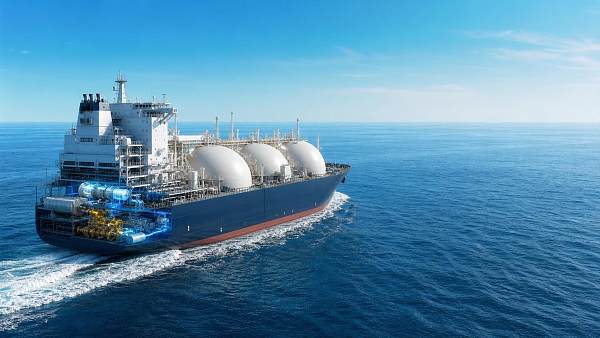
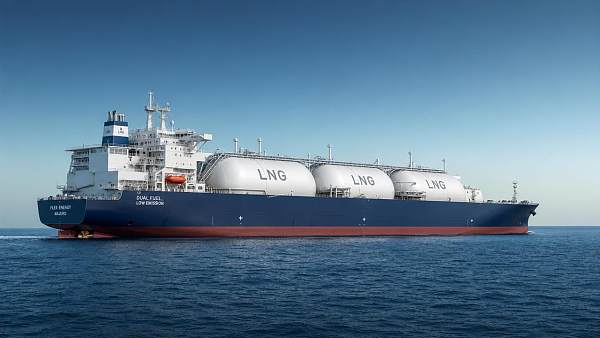
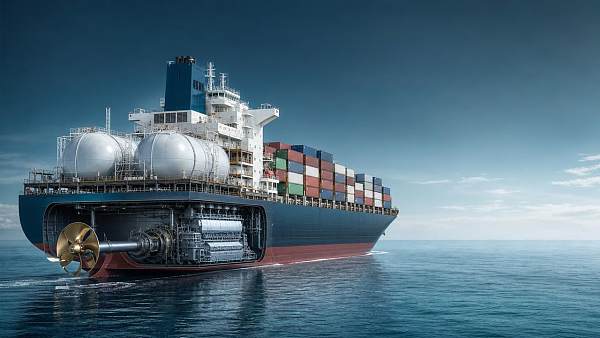
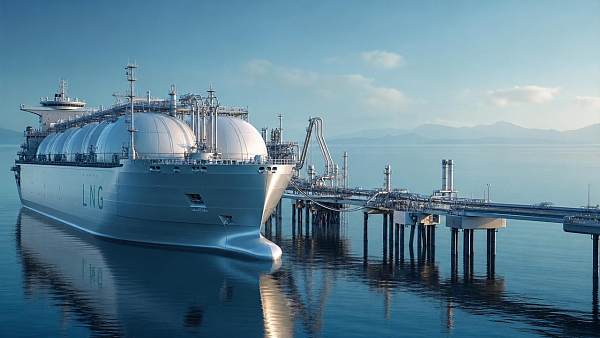
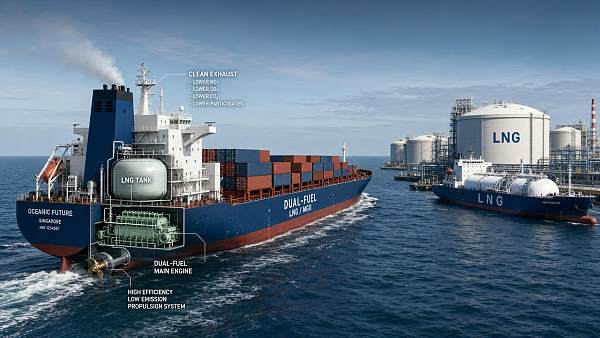
Dual-fuel propulsion gives operators the ability to run on conventional marine fuel and cleaner alternatives such as LNG.
That flexibility matters when fuel spreads change quickly across regions.
It also matters when ports, charterers, and regulators ask tougher questions about emissions intensity.
From a buying perspective, dual-fuel propulsion is less about technology fashion and more about risk balancing.
A vessel with fuel flexibility may protect earnings better than a single-fuel asset in a tightening compliance environment.
Still, the upside is real only when the commercial case is grounded in route-level data.
The real cost structure behind dual-fuel propulsion
The first question is usually simple: how much more does dual-fuel propulsion cost?
The honest answer is that capex is only the starting point.
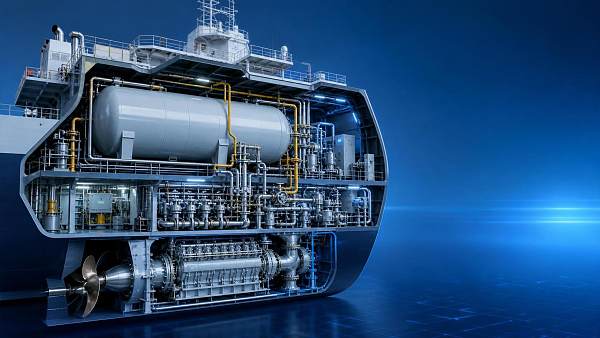
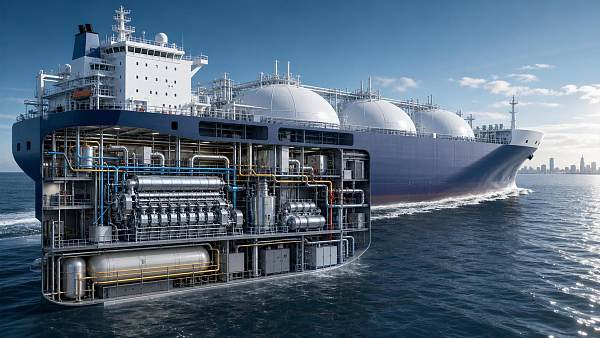
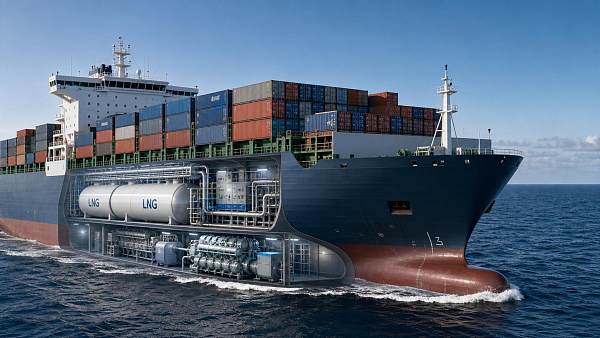
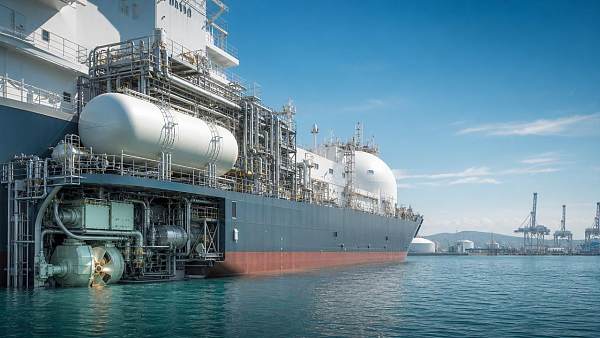
For a newbuild, added cost often includes engines, fuel gas supply systems, cryogenic tanks, safety systems, and control integration.
For a retrofit, the bill can rise further because of steel work, layout changes, downtime, and engineering constraints.
That said, procurement should not compare sticker prices alone.
A better framework separates total cost into five layers.
- Initial equipment and integration cost
- Fuel cost under expected trading patterns
- Maintenance cost for engines and gas systems
- Compliance cost under regional and global rules
- Residual value or resale discount premium
When these layers are modeled together, dual-fuel propulsion may look more competitive than expected.
This is especially true on fixed routes with stable LNG availability and long utilization horizons.
However, on irregular routes with weak bunkering access, the economics can narrow fast.
A practical way to compare cost scenarios
A procurement review should model at least three fuel spread scenarios.
Use a conservative case, a base case, and a stressed case.
Then test each case against utilization rate, off-hire risk, and port access limitations.
This approach often reveals whether dual-fuel propulsion is a strategic hedge or an expensive extra.
Compliance value: where dual-fuel propulsion creates leverage
Compliance is now a direct commercial variable, not just a technical checklist.
IMO carbon measures, regional emissions rules, and charterer reporting standards all raise the value of cleaner operation.
In that context, dual-fuel propulsion can reduce exposure to tightening emissions frameworks.
It may also support better carbon intensity performance, depending on engine setup and actual fuel use.
More importantly, it gives buyers flexibility when future rules remain uncertain.
That flexibility can be valuable in tenders where environmental scoring influences award outcomes.
For operators serving premium cargo or energy trades, dual-fuel propulsion may strengthen commercial positioning beyond fuel savings alone.
Compliance questions worth asking suppliers
- What emissions performance is guaranteed under real operating loads?
- How is methane slip addressed in the engine package?
- What future retrofit path exists for tighter carbon rules?
- Which class and flag approvals are already proven?
- What digital monitoring tools support compliance reporting?
These questions help connect dual-fuel propulsion claims to contract-level accountability.
Retrofit trade-offs: where the business case gets complicated
Retrofit projects are often more attractive on paper than in execution.
The promise is clear: extend asset life, improve compliance, and avoid full replacement.
But retrofit feasibility depends heavily on vessel age, available space, tank arrangement, and trading schedule.
Dual-fuel propulsion retrofits can trigger knock-on changes across piping, ventilation, electrical systems, and safety zones.
That means downtime is often one of the biggest hidden costs.
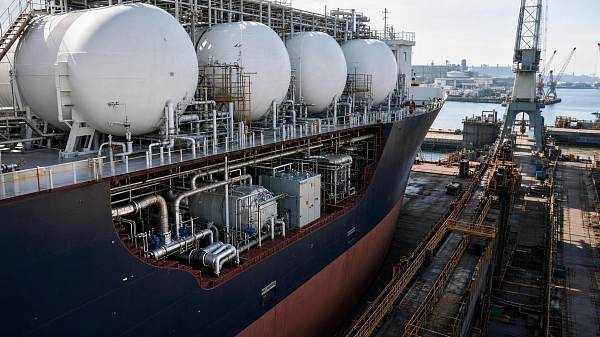
Another issue is payload or cargo space sacrifice when LNG tanks are added.
In some segments, that loss can undermine the economics of dual-fuel propulsion.
So the key question is not whether retrofit is technically possible.
The key question is whether the vessel can earn back the conversion within its remaining commercial life.
When retrofit usually makes more sense
- The vessel has a strong charter outlook for seven years or more
- Trading routes have reliable LNG bunkering infrastructure
- The hull and machinery still support long remaining service life
- Compliance penalties are rising faster than retrofit cost
- Off-hire can be aligned with scheduled drydock windows
Where these conditions are missing, newbuild evaluation may be the safer path.
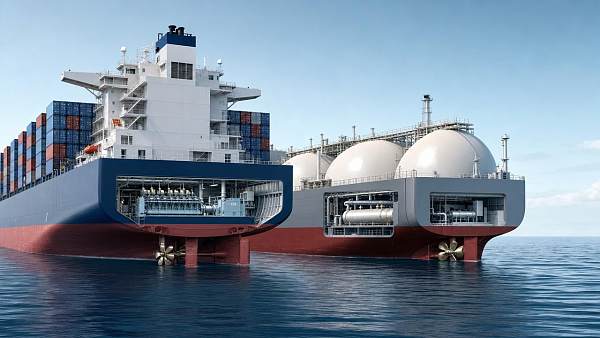
Newbuild versus retrofit: a buyer’s comparison table
This comparison shows why dual-fuel propulsion decisions should be tied to asset strategy, not only engineering preference.
Operational performance and supplier due diligence
Even when the economics look solid, supplier quality remains critical.
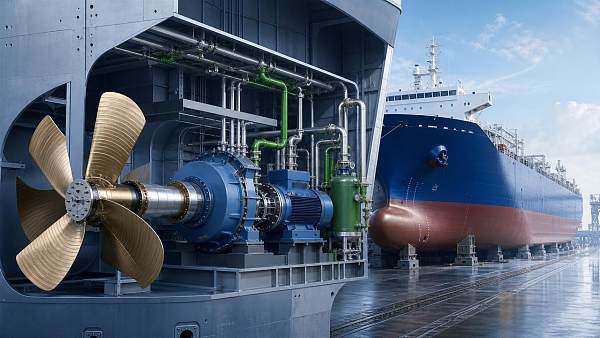
Dual-fuel propulsion systems involve engine makers, tank specialists, automation vendors, class partners, and yard execution teams.
A weak link in that chain can reduce performance or delay delivery.
From recent market behavior, the stronger signal is clear.
Buyers increasingly value proven integration references over headline specifications.
In real operations, fuel mode switching stability, crew training, spare parts access, and digital diagnostics matter just as much as nominal efficiency.
A focused due diligence checklist
- Verify reference vessels with similar routes and duty cycles.
- Request lifecycle maintenance assumptions in writing.
- Confirm guaranteed performance in both fuel modes.
- Check yard experience with dual-fuel propulsion integration.
- Review bunkering strategy alongside fuel procurement contracts.
- Assess crew readiness, training scope, and safety procedures.
This kind of discipline turns dual-fuel propulsion from a concept purchase into a controlled investment decision.
How to make the final decision with less uncertainty
A good decision rarely starts with the engine brochure.
It starts with a route-based business case and a realistic compliance outlook.
If fuel flexibility, emissions positioning, and long-term utilization align, dual-fuel propulsion can offer strong strategic value.
If infrastructure, off-hire tolerance, or vessel life are weak, the same solution can become a costly compromise.
The most reliable path is to compare options through a structured procurement lens.
- Map route and bunkering reality first
- Stress-test total cost, not just capex
- Quantify compliance value over time
- Challenge retrofit assumptions early
- Select suppliers with proven execution records
That process makes dual-fuel propulsion easier to evaluate with confidence.
It also helps protect budget, compliance readiness, and long-term vessel value in a market that is changing fast.
For buyers comparing newbuild and conversion paths, the smartest next step is simple: build the commercial model first, then let the technology follow.
Recommended News
 Aug 28, 2026How to select a marine propulsion system for tankers by operating profileMarine propulsion system for tankers: learn how to align propulsion, fuel strategy, propeller performance, redundancy, and lifecycle costs with real operating profiles.
 Jul 15, 2026Class Approved Dual-Fuel Marine Propulsion: Key Certification Points to CheckClass approved dual-fuel marine propulsion explained: learn the key certification points, hidden compliance gaps, and practical checks to improve safety, approval readiness, and supplier selection.
 Jul 10, 2026Dual Fuel Propulsion IMO Compliance: What to Check Before SpecificationDual fuel propulsion IMO compliance starts before spec freeze. Learn the key checks on emissions, IGF safety, class approval, and lifecycle risk to avoid costly redesigns.
 Jul 04, 2026LNG Vessel Retrofit: Key Risks Before Final Scope ApprovalLNG vessel retrofit risks often emerge before final scope approval. Learn how to assess interfaces, yard limits, compliance, and lifecycle value to avoid delays and costly rework.
 Jun 21, 2026How Dual-Fuel Propulsion Cuts LNG Carrier Fuel Risk and EmissionsLNG carriers dual-fuel propulsion cuts fuel risk and emissions by using boil-off gas and liquid fuels flexibly. Learn how it boosts efficiency, compliance, and voyage resilience.
 Jun 18, 2026Dual-Fuel Propulsion: What to Check Before Choosing a SystemDual-fuel propulsion buyers should check fuel strategy, emissions, control logic, safety, and lifecycle cost before choosing a system. Learn what drives real vessel performance.
 Jun 16, 2026Decarbonization Solutions for Maritime Logistics: Which Options Deliver Real ROI?Decarbonization solutions for maritime logistics: discover which upgrades, digital tools, and fuel strategies deliver real ROI, lower risk, and measurable savings for fleets.
 Jun 14, 2026Decarbonization Solutions for Maritime Logistics ComparedDecarbonization solutions for maritime logistics compared: explore LNG, retrofits, AI routing, and smart vessel strategies to cut emissions, control costs, and protect shipping reliability.
 Jun 12, 2026LNG Carriers Dual-Fuel Propulsion: Cost, Compliance, and PaybackLNG carriers dual-fuel propulsion explained: compare cost, compliance impact, and payback to see how fuel flexibility can protect vessel value and charter competitiveness.
![]() Jun 09, 2026Dual-Fuel Propulsion: Cost, Compliance, and Retrofit Trade-OffsDual-fuel propulsion explained: compare cost, compliance, and retrofit trade-offs for vessels, with practical insights on LNG flexibility, asset value, and smarter procurement decisions.
Jun 09, 2026Dual-Fuel Propulsion: Cost, Compliance, and Retrofit Trade-OffsDual-fuel propulsion explained: compare cost, compliance, and retrofit trade-offs for vessels, with practical insights on LNG flexibility, asset value, and smarter procurement decisions. Jun 08, 2026Dual-Fuel Propulsion: Cost, Range, and Emissions Trade-Offs in 2026Dual-fuel propulsion in 2026: compare cost, range, and emissions trade-offs for ships and transport assets. Learn where flexibility pays off and what to verify before investing.
 Jun 07, 2026Marine Propulsion Systems: Key Efficiency Trade-Offs for New Vessel ProjectsMarine propulsion systems for new vessel projects: compare fuel efficiency, emissions, lifecycle cost, and control trade-offs to choose a smarter, future-ready vessel solution.
 Jun 02, 20262026 LNG Carriers Technology Advancements Reshaping Fleet PlanningLNG carriers technology advancements are redefining 2026 fleet planning with smarter containment, dual-fuel propulsion, AI routing, and compliance-ready performance.
 Jun 01, 2026Marine Propulsion Systems: Cost Risks Before RetrofitMarine propulsion systems retrofits can hide fuel, downtime, compliance, and maintenance costs. Learn how to quantify risks before approval and protect fleet ROI.
 May 31, 2026International Shipbuilding Trends Shaping Dual-Fuel FleetsInternational shipbuilding is shifting toward dual-fuel fleets, reshaping fuel flexibility, asset value, compliance strategy, and maritime competitiveness.
 May 25, 2026LNG Carriers: Choosing Dual-Fuel Propulsion for Lower LossesLNG carriers for global energy transport benefit from dual-fuel propulsion with lower cargo losses, stronger compliance, and better fuel flexibility—see what buyers should evaluate now.
 May 24, 2026Marine Propulsion Technology: Dual-fuel Performance Trade-offsMarine propulsion technology explained: compare dual-fuel efficiency, emissions, methane slip, load profile, and lifecycle risk to choose smarter vessel propulsion strategies.
![]() May 23, 2026Marine Propulsion Systems: Cost vs Fuel EfficiencyMarine propulsion systems decisions should balance cost, fuel efficiency, and compliance. Compare scenario-based options for container ships, LNG carriers, and hybrid routes.
May 23, 2026Marine Propulsion Systems: Cost vs Fuel EfficiencyMarine propulsion systems decisions should balance cost, fuel efficiency, and compliance. Compare scenario-based options for container ships, LNG carriers, and hybrid routes. May 21, 2026LNG Carriers Dual-Fuel Propulsion: Fuel Savings vs Retrofit CostLNG carriers dual-fuel propulsion: compare fuel savings, retrofit cost, payback, and charter value to see when fleet upgrades deliver stronger ROI and lower compliance risk.
 May 18, 2026Marine Propulsion Technology: When Dual-Fuel Pays OffMarine propulsion technology explained: discover when dual-fuel systems deliver real ROI, lower compliance risk, and stronger vessel value across modern shipping routes.
 May 17, 2026Dual-fuel Marine Propulsion Systems: Cost vs EfficiencyMarine propulsion systems: discover whether dual-fuel upgrades truly balance higher capex with fuel savings, compliance gains, and stronger lifetime vessel returns.