



Search News
Industry Portal
Popular Tags
Marine Propulsion Systems: Cost vs Fuel Efficiency

Author
Time
Click Count
Why cost versus fuel efficiency matters in real marine propulsion systems decisions
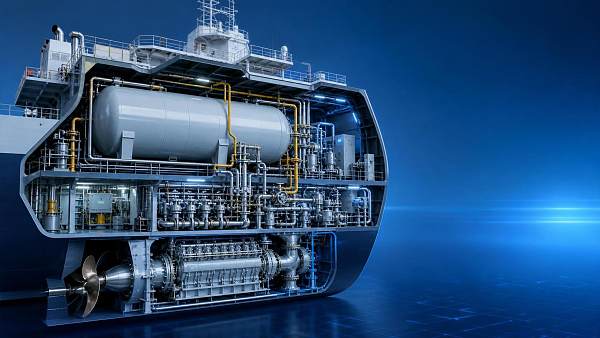
For procurement teams evaluating marine propulsion systems, the real challenge is balancing upfront investment with long-term fuel efficiency, compliance, and lifecycle reliability.
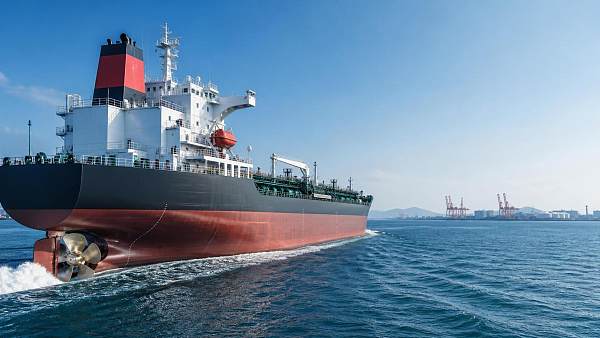
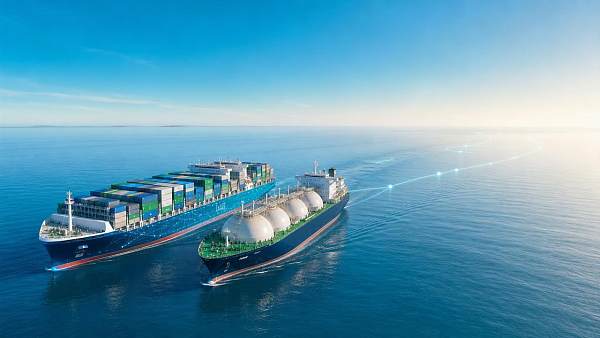
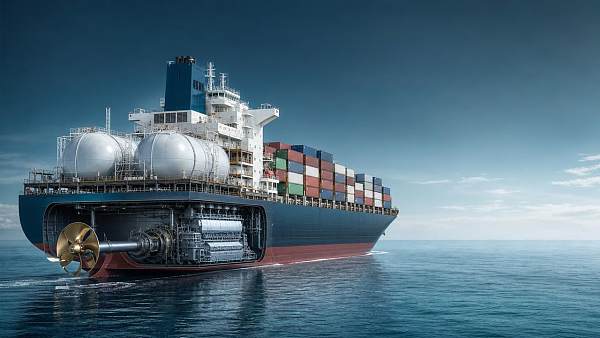
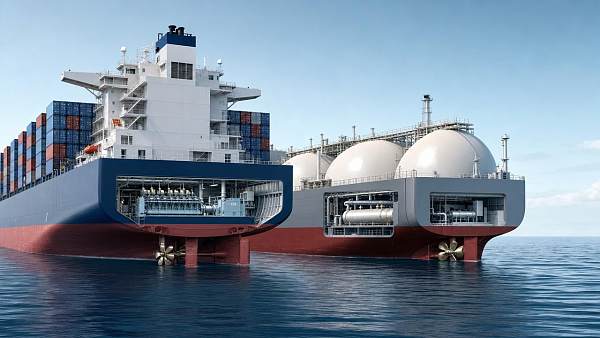
From LNG carriers to smart container ships, the propulsion choice shapes operating cost, emissions results, maintenance planning, and fleet competitiveness.
A lower purchase price can look attractive, yet fuel burn over ten to twenty years often outweighs early capital savings.
That is why marine propulsion systems should be judged by route profile, cargo pattern, port limits, fuel availability, and regulatory exposure.
Within global transport, GTOT closely tracks how marine propulsion systems connect vessel intelligence, deep-sea efficiency, and resilient supply chain performance.
Different operating scenarios change the best marine propulsion systems choice
No single propulsion setup wins in every case. The right answer depends on sailing distance, speed stability, cargo sensitivity, and environmental targets.
When buyers compare marine propulsion systems without scenario context, they often overvalue engine nameplate efficiency and undervalue operating reality.
A vessel trading on fixed long-haul lanes faces different economics than one serving flexible regional routes with frequent starts and stops.
Fuel efficiency also changes with partial load operation, weather routing, hull condition, power management, and auxiliary demand.
The most useful comparison method is scenario based: define the mission first, then model lifecycle cost and compliance risk.
Scenario signals worth checking early
- Average annual sailing hours and idle time
- Design speed versus actual service speed
- Fuel type access across intended ports
- Exposure to EEXI, CII, and regional emissions rules
- Crew familiarity with advanced power systems
- Expected maintenance window availability
Long-haul container ship scenarios favor efficiency under stable loads
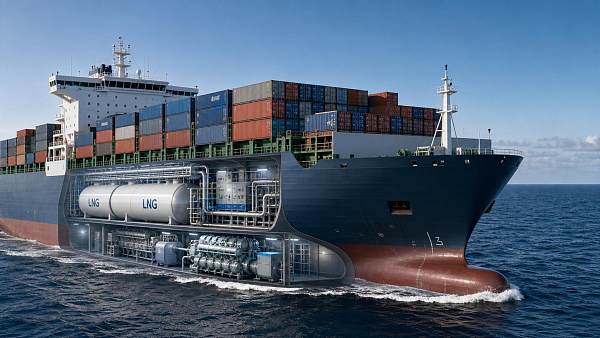
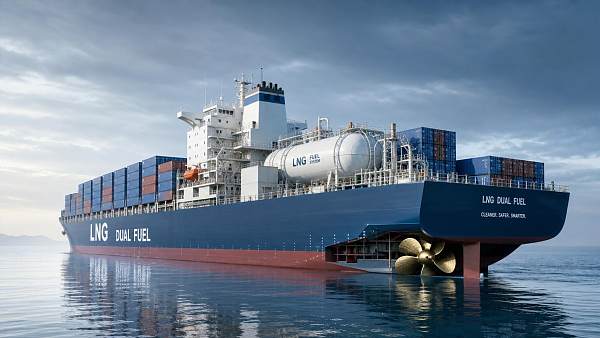
For large container ships on predictable routes, slow steaming and steady power demand usually make fuel efficiency the leading decision factor.
In this scenario, low-speed two-stroke engines remain highly competitive among marine propulsion systems because of strong thermal efficiency.
The capital cost may be substantial, yet fuel savings over long annual distances can create a favorable total cost profile.
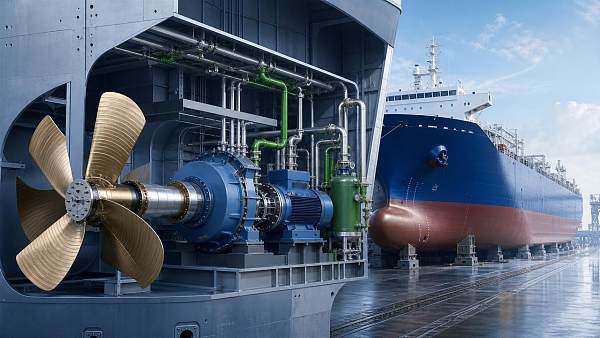
Integration with voyage optimization, shaft monitoring, and smart power management can further improve fuel efficiency in actual service.
The key judgment point is not peak engine performance, but sustained efficiency across the expected operating load band.
What often matters most here
- Specific fuel oil consumption at service speed
- Propeller and hull matching quality
- Waste heat recovery potential
- Digital route optimization compatibility
LNG carrier scenarios require fuel flexibility and boil-off gas value capture
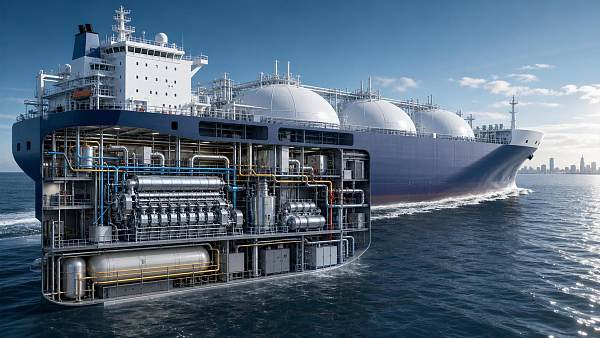
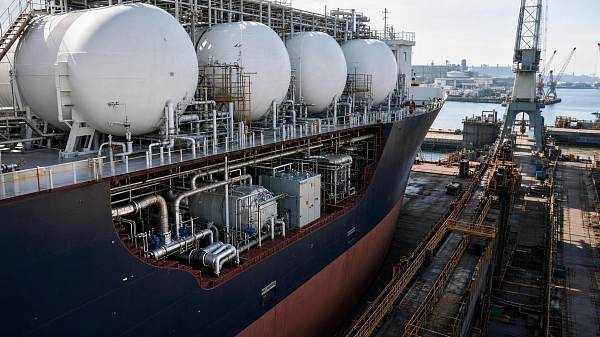
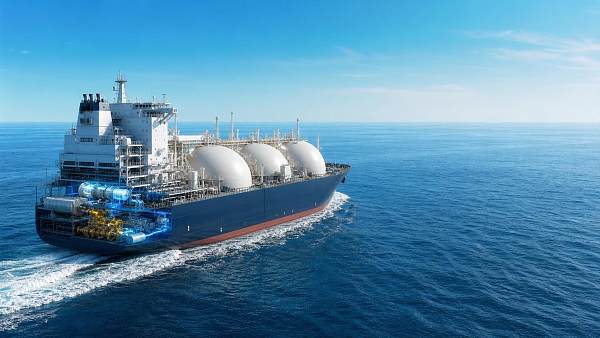
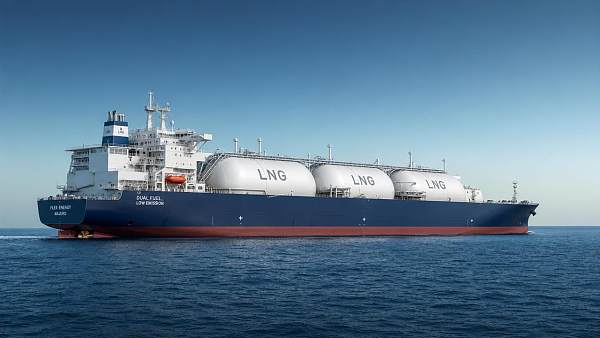
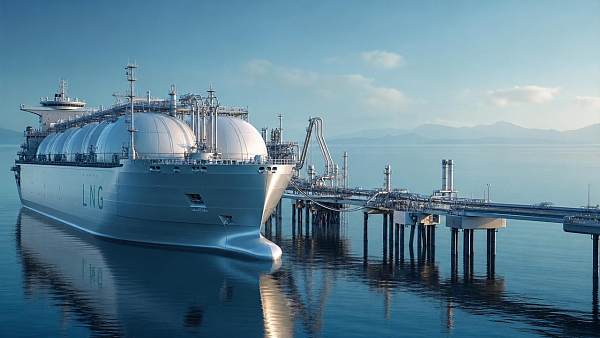
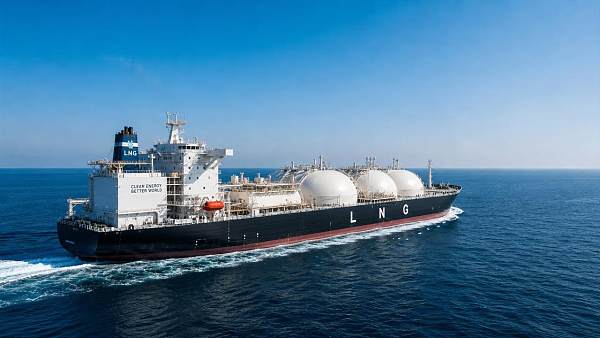
For LNG carriers, marine propulsion systems must support cargo handling logic, boil-off gas management, and strict reliability expectations.
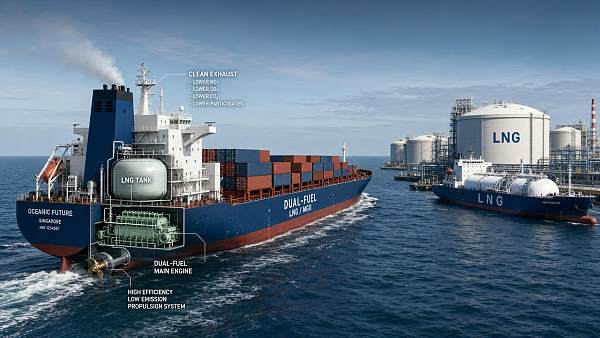
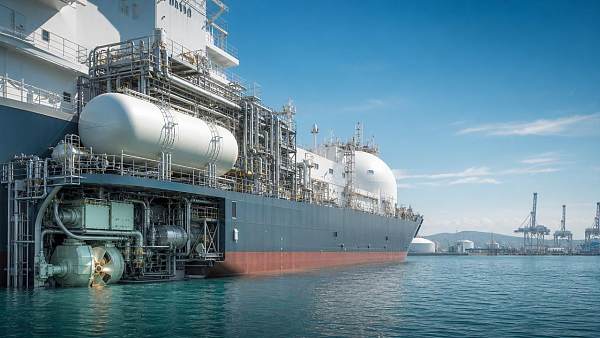
Older steam turbine arrangements offered operational simplicity, but many newer projects favor dual-fuel diesel-electric or ME-GI and X-DF concepts.
These marine propulsion systems can improve fuel efficiency and emissions performance, especially when gas utilization is economically optimized.
However, higher technical complexity may increase acquisition cost, training needs, and spare parts planning.
The right selection depends on trade route, charter model, expected gas price spread, and tolerance for methane slip risk.
Core judgment points for LNG carrier applications
- Daily boil-off gas generation and handling strategy
- Gas versus liquid fuel cost outlook
- Methane slip control performance
- Redundancy and operational continuity
Short-sea and port-intensive routes may justify hybrid marine propulsion systems
Vessels with frequent maneuvering, hotel load variation, or port emission pressure often need a different balance between cost and fuel efficiency.
In these cases, hybrid or diesel-electric marine propulsion systems may outperform conventional alternatives in practical operating conditions.
Their initial cost can be higher because of batteries, converters, and control architecture, yet fuel savings may appear through load smoothing.
They also support lower noise, better maneuverability, and stronger compliance in emission control areas or urban port environments.
The main question is whether the route includes enough low-load cycles and harbor operation to repay the extra capital.
How scenario needs differ across common vessel applications
A practical method to compare marine propulsion systems beyond purchase price
The most reliable comparison uses total lifecycle economics rather than equipment price alone.
This method is especially important when marine propulsion systems include dual-fuel capability, electrical architecture, or advanced automation.
Recommended evaluation steps
- Define the mission profile using real route and weather data.
- Estimate annual fuel burn under multiple load conditions.
- Model maintenance, overhaul, and spare parts costs.
- Include compliance costs linked to emissions rules.
- Test payback under fuel price volatility scenarios.
- Check digital integration and crew support requirements.
A sound marine propulsion systems comparison should also include off-hire risk, supplier service network strength, and retrofit potential.
Those factors often decide whether theoretical fuel efficiency becomes real commercial value.
Scenario-based recommendations for stronger propulsion fit
- Prioritize proven high-efficiency main engines for stable deep-sea routes with heavy annual fuel consumption.
- Choose dual-fuel marine propulsion systems when gas access, emissions pressure, and cargo logic support the premium.
- Consider hybrid systems where port stays, maneuvering, and variable loads are frequent.
- Pair propulsion upgrades with route analytics, hull monitoring, and energy management for better returns.
- Use sensitivity analysis before approving designs that depend on narrow fuel price assumptions.
Common misjudgments when balancing cost and fuel efficiency
One common error is comparing marine propulsion systems only at ideal load points, while real operations often run below design conditions.
Another mistake is treating compliance as a minor add-on instead of a cost driver affecting future fuel and technology choices.
Some projects ignore crew capability and maintenance maturity, even though advanced systems lose value when operation quality is inconsistent.
There is also risk in overestimating fuel savings without considering hull fouling, weather deviation, or auxiliary power demand.
Finally, buyers sometimes separate propulsion from digital vessel intelligence, despite the fact that control logic strongly affects fuel efficiency.
Next steps for a clearer marine propulsion systems decision
The best marine propulsion systems decision begins with a realistic operating scenario, not a catalog specification.
Build a short list using route data, fuel strategy, emissions exposure, and expected maintenance resources.
Then compare each option through lifecycle cost, service support, and measurable fuel efficiency under actual trading conditions.
For organizations following deep-sea transport technology, GTOT provides intelligence linking smart vessels, LNG shipping, and long-term equipment value.
With scenario-based analysis, marine propulsion systems can be selected with greater confidence, stronger compliance readiness, and better commercial resilience.
Recommended News
 Aug 28, 2026How to select a marine propulsion system for tankers by operating profileMarine propulsion system for tankers: learn how to align propulsion, fuel strategy, propeller performance, redundancy, and lifecycle costs with real operating profiles.
 Jul 15, 2026Class Approved Dual-Fuel Marine Propulsion: Key Certification Points to CheckClass approved dual-fuel marine propulsion explained: learn the key certification points, hidden compliance gaps, and practical checks to improve safety, approval readiness, and supplier selection.
 Jul 10, 2026Dual Fuel Propulsion IMO Compliance: What to Check Before SpecificationDual fuel propulsion IMO compliance starts before spec freeze. Learn the key checks on emissions, IGF safety, class approval, and lifecycle risk to avoid costly redesigns.
 Jul 04, 2026LNG Vessel Retrofit: Key Risks Before Final Scope ApprovalLNG vessel retrofit risks often emerge before final scope approval. Learn how to assess interfaces, yard limits, compliance, and lifecycle value to avoid delays and costly rework.
 Jun 21, 2026How Dual-Fuel Propulsion Cuts LNG Carrier Fuel Risk and EmissionsLNG carriers dual-fuel propulsion cuts fuel risk and emissions by using boil-off gas and liquid fuels flexibly. Learn how it boosts efficiency, compliance, and voyage resilience.
 Jun 18, 2026Dual-Fuel Propulsion: What to Check Before Choosing a SystemDual-fuel propulsion buyers should check fuel strategy, emissions, control logic, safety, and lifecycle cost before choosing a system. Learn what drives real vessel performance.
 Jun 16, 2026Decarbonization Solutions for Maritime Logistics: Which Options Deliver Real ROI?Decarbonization solutions for maritime logistics: discover which upgrades, digital tools, and fuel strategies deliver real ROI, lower risk, and measurable savings for fleets.
 Jun 14, 2026Decarbonization Solutions for Maritime Logistics ComparedDecarbonization solutions for maritime logistics compared: explore LNG, retrofits, AI routing, and smart vessel strategies to cut emissions, control costs, and protect shipping reliability.
 Jun 12, 2026LNG Carriers Dual-Fuel Propulsion: Cost, Compliance, and PaybackLNG carriers dual-fuel propulsion explained: compare cost, compliance impact, and payback to see how fuel flexibility can protect vessel value and charter competitiveness.
![]() Jun 09, 2026Dual-Fuel Propulsion: Cost, Compliance, and Retrofit Trade-OffsDual-fuel propulsion explained: compare cost, compliance, and retrofit trade-offs for vessels, with practical insights on LNG flexibility, asset value, and smarter procurement decisions.
Jun 09, 2026Dual-Fuel Propulsion: Cost, Compliance, and Retrofit Trade-OffsDual-fuel propulsion explained: compare cost, compliance, and retrofit trade-offs for vessels, with practical insights on LNG flexibility, asset value, and smarter procurement decisions. Jun 08, 2026Dual-Fuel Propulsion: Cost, Range, and Emissions Trade-Offs in 2026Dual-fuel propulsion in 2026: compare cost, range, and emissions trade-offs for ships and transport assets. Learn where flexibility pays off and what to verify before investing.
 Jun 07, 2026Marine Propulsion Systems: Key Efficiency Trade-Offs for New Vessel ProjectsMarine propulsion systems for new vessel projects: compare fuel efficiency, emissions, lifecycle cost, and control trade-offs to choose a smarter, future-ready vessel solution.
 Jun 02, 20262026 LNG Carriers Technology Advancements Reshaping Fleet PlanningLNG carriers technology advancements are redefining 2026 fleet planning with smarter containment, dual-fuel propulsion, AI routing, and compliance-ready performance.
 Jun 01, 2026Marine Propulsion Systems: Cost Risks Before RetrofitMarine propulsion systems retrofits can hide fuel, downtime, compliance, and maintenance costs. Learn how to quantify risks before approval and protect fleet ROI.
 May 31, 2026International Shipbuilding Trends Shaping Dual-Fuel FleetsInternational shipbuilding is shifting toward dual-fuel fleets, reshaping fuel flexibility, asset value, compliance strategy, and maritime competitiveness.
 May 25, 2026LNG Carriers: Choosing Dual-Fuel Propulsion for Lower LossesLNG carriers for global energy transport benefit from dual-fuel propulsion with lower cargo losses, stronger compliance, and better fuel flexibility—see what buyers should evaluate now.
 May 24, 2026Marine Propulsion Technology: Dual-fuel Performance Trade-offsMarine propulsion technology explained: compare dual-fuel efficiency, emissions, methane slip, load profile, and lifecycle risk to choose smarter vessel propulsion strategies.
![]() May 23, 2026Marine Propulsion Systems: Cost vs Fuel EfficiencyMarine propulsion systems decisions should balance cost, fuel efficiency, and compliance. Compare scenario-based options for container ships, LNG carriers, and hybrid routes.
May 23, 2026Marine Propulsion Systems: Cost vs Fuel EfficiencyMarine propulsion systems decisions should balance cost, fuel efficiency, and compliance. Compare scenario-based options for container ships, LNG carriers, and hybrid routes. May 21, 2026LNG Carriers Dual-Fuel Propulsion: Fuel Savings vs Retrofit CostLNG carriers dual-fuel propulsion: compare fuel savings, retrofit cost, payback, and charter value to see when fleet upgrades deliver stronger ROI and lower compliance risk.
 May 18, 2026Marine Propulsion Technology: When Dual-Fuel Pays OffMarine propulsion technology explained: discover when dual-fuel systems deliver real ROI, lower compliance risk, and stronger vessel value across modern shipping routes.
 May 17, 2026Dual-fuel Marine Propulsion Systems: Cost vs EfficiencyMarine propulsion systems: discover whether dual-fuel upgrades truly balance higher capex with fuel savings, compliance gains, and stronger lifetime vessel returns.