



Search News
Industry Portal
Popular Tags
2026 LNG Carriers Technology Advancements Reshaping Fleet Planning
Author
Time
Click Count
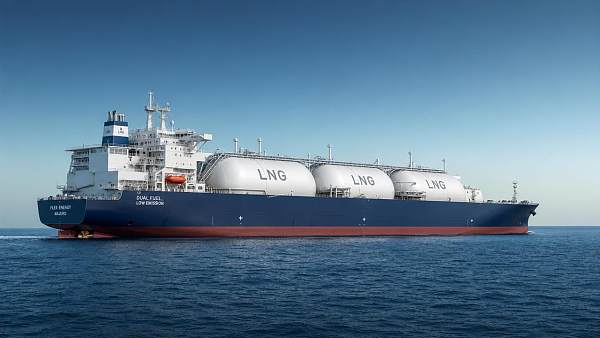
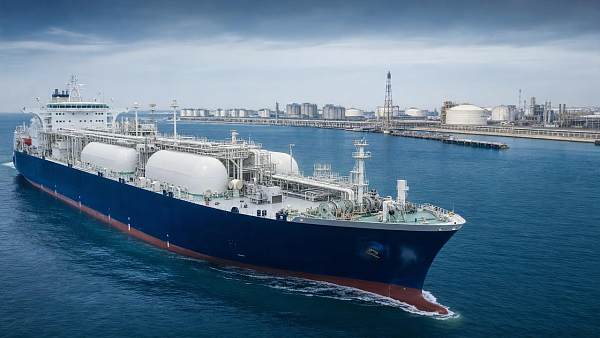
As 2026 fleet strategies take shape, LNG carriers technology advancements are becoming a decisive factor for shipowners, energy majors, and infrastructure investors.
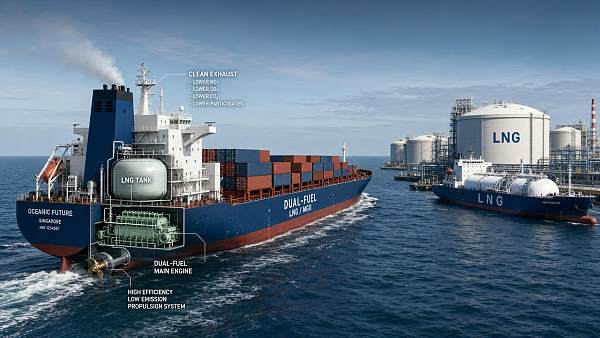
From next-generation containment systems and dual-fuel propulsion to AI-assisted voyage optimization, technical choices now shape asset value, charter competitiveness, and energy security.
2026 LNG Carriers Technology Advancements Reshaping Fleet Planning
LNG shipping is entering a planning cycle defined by efficiency, reliability, and regulatory resilience.
The latest LNG carriers technology advancements are not isolated upgrades. They influence vessel specification, financing assumptions, terminal compatibility, and long-term deployment models.
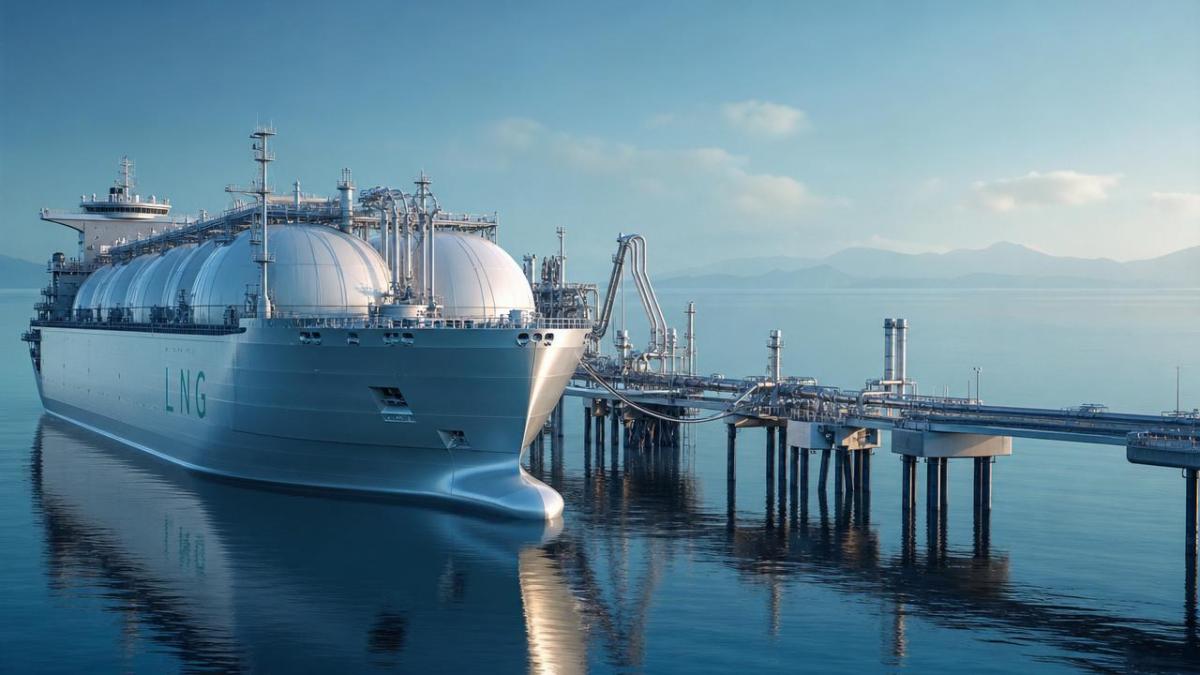
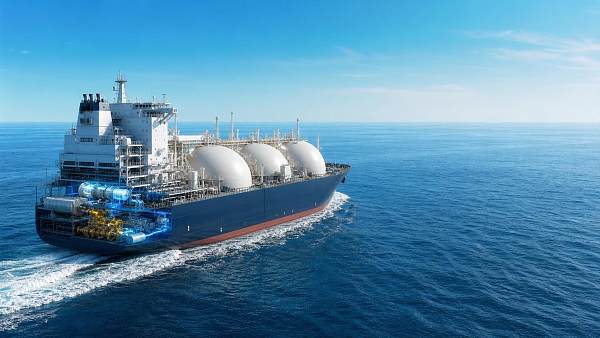
For GTOT, LNG carriers remain mobile pipelines of global energy security. Their value depends on cryogenic engineering, propulsion intelligence, and operational transparency.
Core Definition and Technology Scope
LNG carriers technology advancements refer to engineering improvements that raise safety, efficiency, cargo integrity, and environmental performance across LNG vessel lifecycles.
The scope includes containment systems, boil-off gas handling, dual-fuel engines, digital navigation, onboard automation, and emissions monitoring.
Unlike conventional bulk shipping upgrades, LNG innovation must manage cargo at minus 163 degrees Celsius.
This extreme cryogenic environment makes insulation reliability, membrane stress control, and gas management central to fleet economics.
Modern LNG carriers technology advancements also connect vessel design with land-based infrastructure.
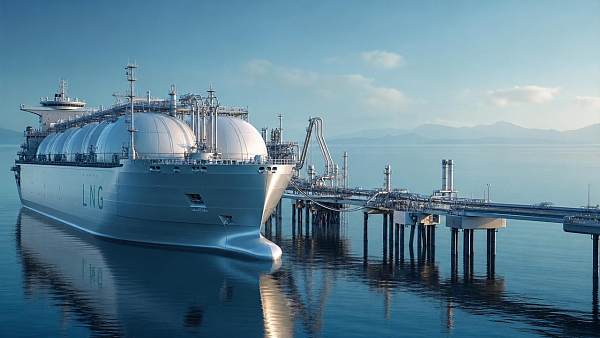
Compatibility with liquefaction plants, regasification terminals, bunkering systems, and digital port networks now affects deployment flexibility.
Key Technical Domains
- Containment systems that reduce thermal leakage and structural fatigue.
- Propulsion architectures that optimize fuel consumption and methane control.
- Automation platforms that improve voyage decisions and predictive maintenance.
- Compliance systems that support carbon reporting and future regulatory audits.
Industry Background and 2026 Planning Signals
Several forces are pushing LNG fleet planning toward more technical scrutiny in 2026.
Global gas trade remains strategically important, while energy transition policies increase pressure on shipping emissions.
At the same time, new liquefaction projects require reliable tonnage that can handle longer routes and tighter delivery windows.
These conditions make LNG carriers technology advancements a practical planning benchmark, not a distant research topic.
The most relevant LNG carriers technology advancements are those that combine measurable savings with lower operational risk.
Pure capacity expansion is no longer enough when voyage economics depend on fuel cost, boil-off performance, and regulatory exposure.
Containment Systems and Cargo Integrity
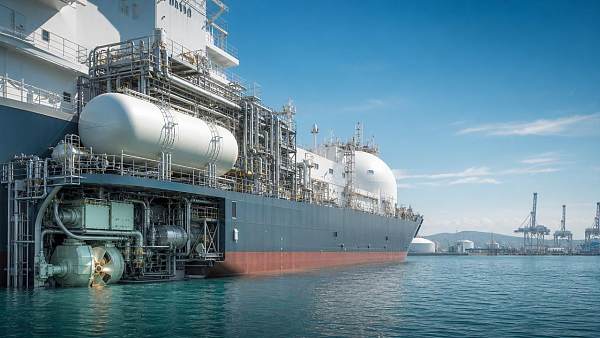
Containment technology remains the technical heart of LNG carrier design.
The main objective is to protect cargo quality while maintaining structural safety during sloshing, thermal cycling, and hull movement.
Recent LNG carriers technology advancements focus on stronger membrane materials, improved secondary barriers, and better insulation behavior under dynamic loads.
These improvements help reduce boil-off gas generation and support more flexible voyage profiles.
Lower boil-off rates can improve commercial performance, especially when vessels wait at anchorage or operate on variable-speed routes.
For fleet planning, containment choice also affects maintenance strategy and dry-docking expectations.
Membrane inspection access, sensor coverage, and repair procedures should be evaluated before newbuilding contracts are finalized.
Planning Considerations for Cryogenic Reliability
- Review containment performance data under partial loading conditions.
- Assess sloshing resistance for expected trade routes and sea states.
- Confirm monitoring systems for insulation degradation and barrier integrity.
- Align maintenance access with planned dry-docking and charter windows.
Propulsion, Fuel Strategy, and Emissions Control
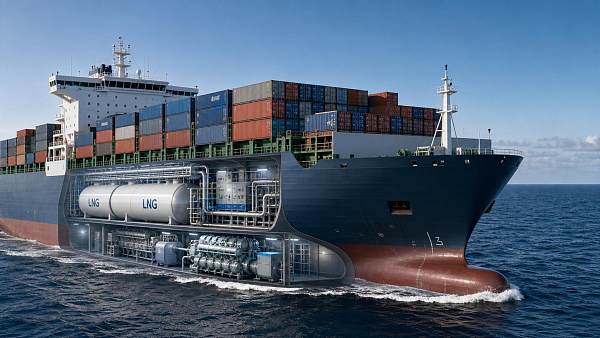
Propulsion is where LNG carriers technology advancements most directly affect fuel expenditure and emissions performance.
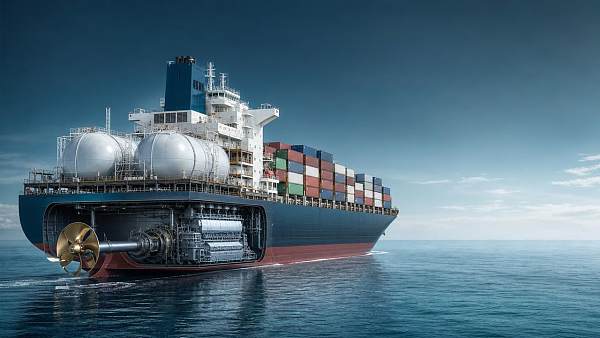
Dual-fuel engines, reliquefaction systems, shaft generators, and waste heat recovery can create substantial lifecycle value.
However, propulsion selection must reflect route length, cargo boil-off volume, bunkering access, and expected speed profile.
A vessel optimized for stable long-haul service may not fit short, flexible, multi-terminal patterns.
Methane slip has become a central technical concern.
Even efficient gas engines may face commercial pressure if methane emissions are not transparently measured and reduced.
Future-ready specifications should include emissions monitoring interfaces, engine tuning capability, and compatibility with evolving reporting frameworks.
This is why LNG carriers technology advancements increasingly combine mechanical efficiency with data accountability.
Digital Intelligence in Fleet Operation
Digital systems are changing LNG fleet management from reactive operation to predictive control.
AI-assisted voyage planning can integrate weather, port congestion, boil-off generation, charter commitments, and fuel strategy.
These LNG carriers technology advancements support better decisions before speed changes become expensive.
Condition monitoring adds another layer of value.
Sensors can track machinery vibration, cargo tank pressure, insulation behavior, pump performance, and energy consumption trends.
When integrated correctly, these systems support predictive maintenance and reduce unexpected off-hire events.
Cybersecurity must not be treated as an afterthought.
Connected vessels require secure data architecture, access governance, and incident response procedures across ship and shore platforms.
Digital Functions with Practical Fleet Value
- Voyage optimization aligned with cargo temperature and arrival windows.
- Energy dashboards comparing actual performance with design assumptions.
- Predictive maintenance alerts for pumps, compressors, and propulsion systems.
- Regulatory reporting support for emissions and operational efficiency metrics.
Business Value for Fleet Planning
The commercial value of LNG carriers technology advancements appears across financing, chartering, insurance, and asset retention.
Vessels with stronger efficiency profiles can remain competitive even when fuel prices and freight rates fluctuate.
Technical transparency also improves confidence during long-term charter evaluation.
A vessel that clearly documents emissions, maintenance condition, and containment performance is easier to assess.
Fleet resilience depends on adaptability.
Ships designed for broader terminal access, variable speeds, and digital reporting can respond faster to trade flow shifts.
This is especially relevant as LNG supply routes expand and floating storage requirements change.
Typical Vessel Categories and Application Scenarios
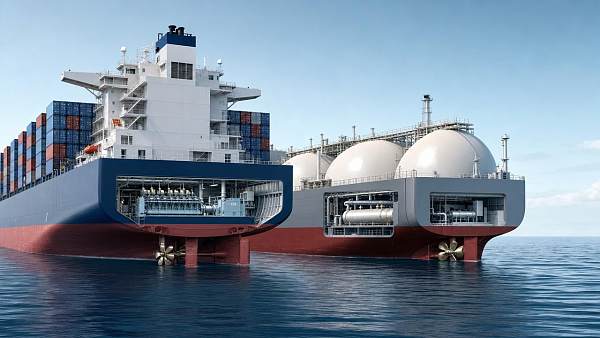
Different vessel categories require different interpretations of LNG carriers technology advancements.
A single specification philosophy rarely fits every trade pattern, financing horizon, or terminal network.
This classification helps connect vessel technology with contract structure and operating risk.
It also prevents overinvestment in features that do not support the intended deployment model.
Practical Evaluation Guidelines
A disciplined evaluation framework is essential when comparing LNG carriers technology advancements across shipyards, designs, and equipment packages.
Technical claims should be tested against route assumptions, maintenance capacity, and measurable lifecycle outcomes.
- Define the target trade profile before selecting propulsion and containment options.
- Compare boil-off performance under realistic operating speeds and waiting periods.
- Verify emissions measurement quality, not only design-stage efficiency figures.
- Assess digital system integration with shore-based fleet platforms.
- Review spare parts availability and service support across major LNG routes.
- Model sensitivity to fuel price, carbon cost, and charter utilization changes.
The best fleet decisions combine engineering evidence with commercial scenarios.
A technically impressive vessel can underperform if its systems do not match actual route behavior.
Risk Points Requiring Attention
Rapid innovation creates risk when specifications become fragmented or poorly integrated.
LNG carriers technology advancements should be assessed as complete systems, not isolated equipment upgrades.
A more efficient engine may require revised gas handling logic, additional crew training, and stronger data interfaces.
Similarly, advanced digital platforms may create limited value without reliable sensor calibration and governance.
- Avoid selecting technology based only on headline efficiency claims.
- Check whether emissions performance remains strong across partial loads.
- Confirm crew readiness for advanced automation and diagnostic systems.
- Ensure cybersecurity planning covers vessel, terminal, and shore interfaces.
- Evaluate upgrade pathways for regulations that may tighten after delivery.
Strategic Outlook for 2026 and Beyond
In 2026, LNG carriers technology advancements will increasingly define which vessels remain attractive in complex energy logistics.
The strongest designs will integrate cryogenic safety, fuel flexibility, digital intelligence, and verifiable environmental performance.
Fleet planning should therefore move beyond simple capacity questions.
The more important issue is how each technical decision protects operating reliability across changing routes, regulations, and trade cycles.
GTOT will continue tracking LNG carriers technology advancements through shipbuilding cycles, propulsion trends, containment engineering, and maritime digitalization.
The next practical step is to map planned vessels against route assumptions, compliance exposure, and lifecycle cost sensitivity.
A clear technology matrix can turn fleet planning from reactive procurement into resilient strategic asset design.
Recommended News
 Aug 28, 2026How to select a marine propulsion system for tankers by operating profileMarine propulsion system for tankers: learn how to align propulsion, fuel strategy, propeller performance, redundancy, and lifecycle costs with real operating profiles.
 Jul 15, 2026Class Approved Dual-Fuel Marine Propulsion: Key Certification Points to CheckClass approved dual-fuel marine propulsion explained: learn the key certification points, hidden compliance gaps, and practical checks to improve safety, approval readiness, and supplier selection.
 Jul 10, 2026Dual Fuel Propulsion IMO Compliance: What to Check Before SpecificationDual fuel propulsion IMO compliance starts before spec freeze. Learn the key checks on emissions, IGF safety, class approval, and lifecycle risk to avoid costly redesigns.
 Jul 04, 2026LNG Vessel Retrofit: Key Risks Before Final Scope ApprovalLNG vessel retrofit risks often emerge before final scope approval. Learn how to assess interfaces, yard limits, compliance, and lifecycle value to avoid delays and costly rework.
 Jun 21, 2026How Dual-Fuel Propulsion Cuts LNG Carrier Fuel Risk and EmissionsLNG carriers dual-fuel propulsion cuts fuel risk and emissions by using boil-off gas and liquid fuels flexibly. Learn how it boosts efficiency, compliance, and voyage resilience.
 Jun 18, 2026Dual-Fuel Propulsion: What to Check Before Choosing a SystemDual-fuel propulsion buyers should check fuel strategy, emissions, control logic, safety, and lifecycle cost before choosing a system. Learn what drives real vessel performance.
 Jun 16, 2026Decarbonization Solutions for Maritime Logistics: Which Options Deliver Real ROI?Decarbonization solutions for maritime logistics: discover which upgrades, digital tools, and fuel strategies deliver real ROI, lower risk, and measurable savings for fleets.
 Jun 14, 2026Decarbonization Solutions for Maritime Logistics ComparedDecarbonization solutions for maritime logistics compared: explore LNG, retrofits, AI routing, and smart vessel strategies to cut emissions, control costs, and protect shipping reliability.
 Jun 12, 2026LNG Carriers Dual-Fuel Propulsion: Cost, Compliance, and PaybackLNG carriers dual-fuel propulsion explained: compare cost, compliance impact, and payback to see how fuel flexibility can protect vessel value and charter competitiveness.
![]() Jun 09, 2026Dual-Fuel Propulsion: Cost, Compliance, and Retrofit Trade-OffsDual-fuel propulsion explained: compare cost, compliance, and retrofit trade-offs for vessels, with practical insights on LNG flexibility, asset value, and smarter procurement decisions.
Jun 09, 2026Dual-Fuel Propulsion: Cost, Compliance, and Retrofit Trade-OffsDual-fuel propulsion explained: compare cost, compliance, and retrofit trade-offs for vessels, with practical insights on LNG flexibility, asset value, and smarter procurement decisions. Jun 08, 2026Dual-Fuel Propulsion: Cost, Range, and Emissions Trade-Offs in 2026Dual-fuel propulsion in 2026: compare cost, range, and emissions trade-offs for ships and transport assets. Learn where flexibility pays off and what to verify before investing.
 Jun 07, 2026Marine Propulsion Systems: Key Efficiency Trade-Offs for New Vessel ProjectsMarine propulsion systems for new vessel projects: compare fuel efficiency, emissions, lifecycle cost, and control trade-offs to choose a smarter, future-ready vessel solution.
 Jun 02, 20262026 LNG Carriers Technology Advancements Reshaping Fleet PlanningLNG carriers technology advancements are redefining 2026 fleet planning with smarter containment, dual-fuel propulsion, AI routing, and compliance-ready performance.
 Jun 01, 2026Marine Propulsion Systems: Cost Risks Before RetrofitMarine propulsion systems retrofits can hide fuel, downtime, compliance, and maintenance costs. Learn how to quantify risks before approval and protect fleet ROI.
 May 31, 2026International Shipbuilding Trends Shaping Dual-Fuel FleetsInternational shipbuilding is shifting toward dual-fuel fleets, reshaping fuel flexibility, asset value, compliance strategy, and maritime competitiveness.
 May 25, 2026LNG Carriers: Choosing Dual-Fuel Propulsion for Lower LossesLNG carriers for global energy transport benefit from dual-fuel propulsion with lower cargo losses, stronger compliance, and better fuel flexibility—see what buyers should evaluate now.
 May 24, 2026Marine Propulsion Technology: Dual-fuel Performance Trade-offsMarine propulsion technology explained: compare dual-fuel efficiency, emissions, methane slip, load profile, and lifecycle risk to choose smarter vessel propulsion strategies.
![]() May 23, 2026Marine Propulsion Systems: Cost vs Fuel EfficiencyMarine propulsion systems decisions should balance cost, fuel efficiency, and compliance. Compare scenario-based options for container ships, LNG carriers, and hybrid routes.
May 23, 2026Marine Propulsion Systems: Cost vs Fuel EfficiencyMarine propulsion systems decisions should balance cost, fuel efficiency, and compliance. Compare scenario-based options for container ships, LNG carriers, and hybrid routes. May 21, 2026LNG Carriers Dual-Fuel Propulsion: Fuel Savings vs Retrofit CostLNG carriers dual-fuel propulsion: compare fuel savings, retrofit cost, payback, and charter value to see when fleet upgrades deliver stronger ROI and lower compliance risk.
 May 18, 2026Marine Propulsion Technology: When Dual-Fuel Pays OffMarine propulsion technology explained: discover when dual-fuel systems deliver real ROI, lower compliance risk, and stronger vessel value across modern shipping routes.
 May 17, 2026Dual-fuel Marine Propulsion Systems: Cost vs EfficiencyMarine propulsion systems: discover whether dual-fuel upgrades truly balance higher capex with fuel savings, compliance gains, and stronger lifetime vessel returns.