



Search News
Industry Portal
Popular Tags
Dual-fuel Marine Propulsion Systems: Cost vs Efficiency
Author
Time
Click Count
For financial decision-makers evaluating vessel upgrades, dual-fuel marine propulsion systems present a critical trade-off between upfront capital costs and long-term operating efficiency. As fuel volatility, emissions rules, and asset utilization pressure margins, understanding how marine propulsion systems affect total cost of ownership becomes essential for smarter investment approvals and competitive fleet strategy.
For most finance-led evaluations, the right question is not whether dual-fuel technology is universally cheaper. It is whether a specific vessel, route profile, and fuel strategy can convert higher capex into measurable lifecycle returns.
The short answer is clear: dual-fuel marine propulsion systems can deliver stronger long-term economics, but only when fuel flexibility, compliance exposure, and utilization rates are aligned. Without those conditions, the investment case weakens quickly.
What is the real search intent behind “cost vs efficiency” in marine propulsion systems?
When finance teams search for “Dual-fuel Marine Propulsion Systems: Cost vs Efficiency,” they are usually not looking for a technical definition. They want an investment framework that clarifies whether efficiency gains truly offset higher acquisition and integration costs.
That means the priority is decision support. Readers want to compare capital expenditure, fuel savings, maintenance implications, regulatory benefits, residual value effects, and risk exposure across the vessel’s operating life.
In other words, the commercial question behind marine propulsion systems is straightforward: which propulsion architecture protects margins better under changing fuel prices, tightening emissions rules, and uncertain charter market conditions?
Why finance approvers should evaluate total cost of ownership, not engine price alone
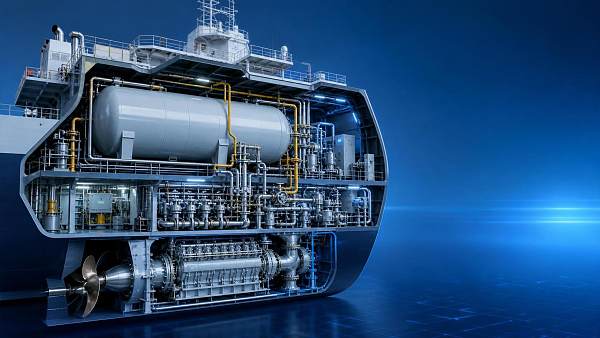
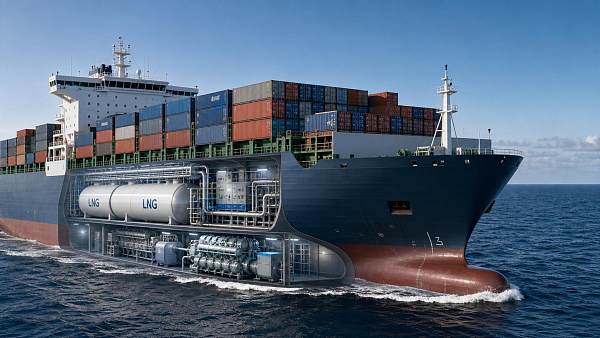
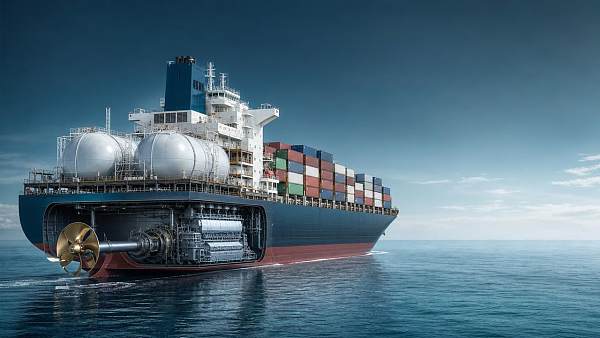
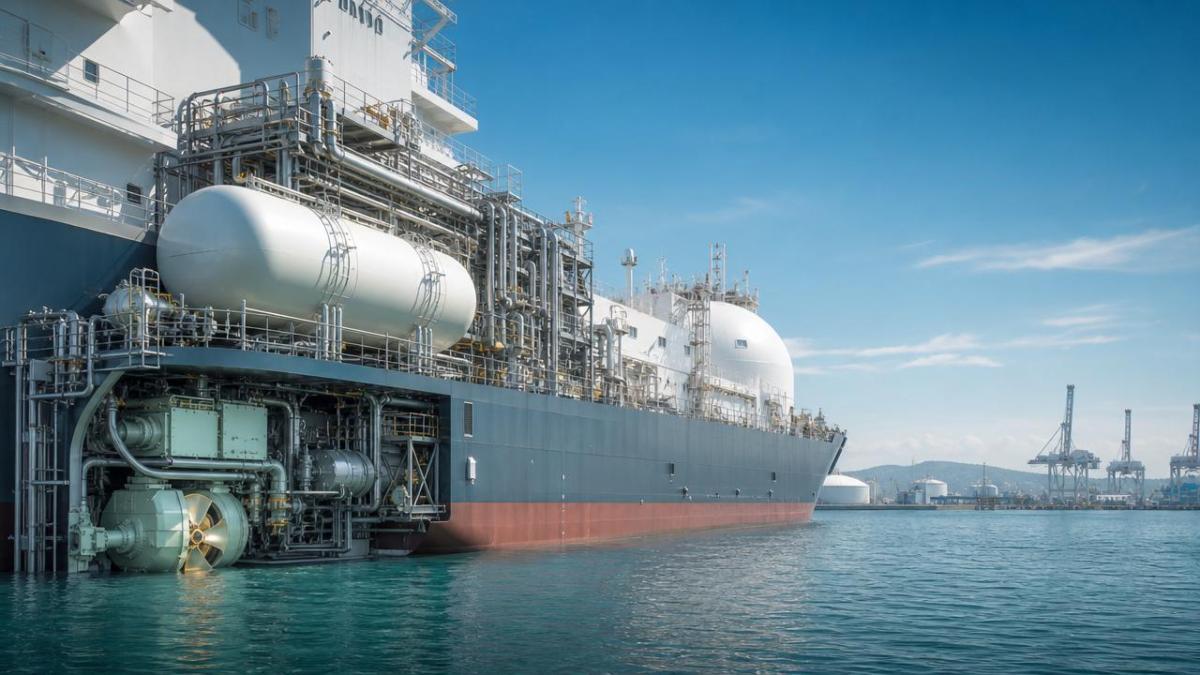
A dual-fuel package almost always costs more upfront than a conventional single-fuel configuration. The premium may include engines, fuel gas supply systems, cryogenic tanks, safety systems, class approvals, crew training, and integration engineering.
For a finance approver, however, engine price is only one line in a much larger equation. The real benchmark is total cost of ownership across the vessel’s earning life, not the shipyard invoice at delivery.
Total cost of ownership typically combines six elements: initial capex, fuel spend, maintenance, compliance cost, downtime risk, and residual value. Dual-fuel marine propulsion systems can influence every one of these variables, sometimes positively, sometimes negatively.
This is why two vessels with identical dual-fuel technology can generate very different returns. The difference usually comes from route utilization, bunkering access, emissions exposure, and commercial operating discipline rather than from the engine itself.
Where dual-fuel marine propulsion systems create efficiency value
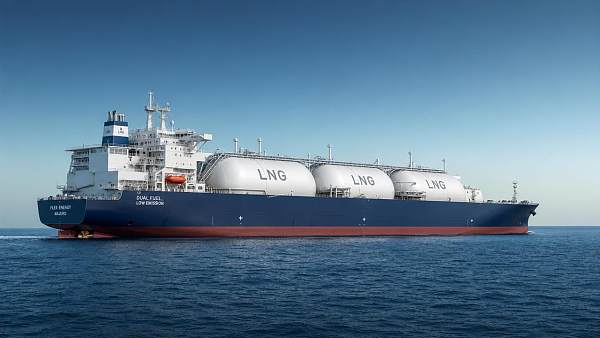
The main efficiency advantage of dual-fuel marine propulsion systems is operational flexibility. Operators can choose between fuels based on price, availability, emissions limits, and voyage requirements rather than being locked into a single fuel strategy.
That flexibility matters when LNG pricing diverges from marine gasoil or very low sulfur fuel oil. If procurement teams can switch intelligently, the vessel may capture meaningful fuel cost savings over time.
Efficiency also appears in emissions compliance. Dual-fuel engines operating on LNG can lower sulfur oxides, particulate matter, and carbon dioxide intensity compared with many conventional fuel options, reducing dependence on add-on compliance measures.
In some cases, this lowers spending on emissions-related equipment, avoids penalties, or reduces future retrofit pressure. For finance teams, avoided future costs can be just as important as direct operating savings.
Another source of value is commercial access. Certain cargo owners, ports, and charterers increasingly prefer lower-emission vessels. A dual-fuel ship may therefore support stronger charter attractiveness, better utilization, or improved access to sustainability-linked financing.
Where the cost burden becomes difficult to justify
Despite those benefits, dual-fuel propulsion is not automatically a superior investment. The economics can become fragile if the vessel trades in regions with weak LNG bunkering infrastructure or inconsistent fuel availability.
Fuel flexibility only creates value when both fuels are actually accessible at acceptable commercial terms. If LNG supply is unreliable, operators may fall back to conventional fuel too often to justify the original premium.
Capex burden is another concern. The initial investment can be substantial, and financing costs matter. If the vessel’s utilization is low or the payback window stretches beyond internal approval thresholds, finance committees may reasonably reject the project.
There are also technical and operational complexity costs. Dual-fuel marine propulsion systems require specialized training, stricter safety procedures, added maintenance planning, and more sophisticated onboard fuel handling systems.
These factors do not necessarily erase efficiency gains, but they do raise execution risk. For a financial approver, the issue is not just expected savings, but the reliability of achieving them in actual service.
How fuel price volatility changes the investment case
Fuel spread analysis is often the single most important variable in evaluating marine propulsion systems. If LNG maintains a favorable cost relationship versus compliant liquid fuels, the dual-fuel case strengthens materially.
But fuel markets are cyclical and regionally fragmented. A model based on one year of attractive LNG economics may produce a misleading result if future spreads narrow or reverse.
Finance teams should therefore avoid single-scenario assumptions. A robust approval model should test best-case, base-case, and downside fuel spread scenarios across multiple years and trade lanes.
The key question is not whether fuel savings are possible. It is whether savings remain acceptable under stressed assumptions. If the business case only works under ideal commodity pricing, the investment may be too fragile.
For chartered tonnage, pass-through clauses also matter. If the owner cannot retain enough of the fuel-efficiency benefit because charter terms transfer the upside elsewhere, the payback logic changes significantly.
Regulatory pressure is turning efficiency into a financial metric
Historically, propulsion decisions were often driven by engineering preference and fuel economics. Today, regulation is making marine propulsion systems a direct financial issue for owners, operators, and lenders.
Carbon intensity rules, regional emissions frameworks, port-level incentives, and charterer decarbonization requirements all influence vessel earnings and compliance costs. A propulsion system that looks expensive today may become financially defensive tomorrow.
Dual-fuel capability can help fleets manage regulatory uncertainty because it preserves optionality. Optionality has financial value when rules are evolving faster than asset replacement cycles.
That said, finance approvers should separate “future-proofing” from vague optimism. The right analysis estimates how much regulatory cost exposure is reduced and over what time frame, instead of assigning generic value to sustainability claims.
In practical terms, the investment case improves when compliance savings are quantifiable, charter demand is visible, and financing institutions offer better terms for lower-emission assets.
What financial decision-makers should ask before approving a project
A disciplined approval process starts with operational fit. Does the vessel trade on predictable routes with reliable LNG bunkering and enough annual utilization to monetize fuel flexibility?
Next comes commercial visibility. Are charterers willing to pay a premium, prefer lower-emission tonnage, or sign contracts long enough to support payback confidence? Without demand-side support, the theoretical efficiency case may remain unrealized.
Third is scenario modeling. Finance teams should ask how sensitive the business case is to fuel spreads, tank space trade-offs, maintenance intervals, off-hire risk, and emissions pricing developments.
Fourth is balance sheet impact. Even if lifecycle savings are attractive, the company must assess capital allocation priorities. A positive project can still be the wrong project if alternative investments offer faster returns or lower execution risk.
Fifth is technical credibility. The projected gains depend on system integration, crew readiness, maintenance support, and supplier reliability. Weak execution can turn a strong spreadsheet case into a disappointing operating result.
How to compare dual-fuel and conventional options in a board-ready model
For board-level review, the comparison should be simple, transparent, and grounded in cash flow. A useful model evaluates annual net operating benefit after accounting for fuel, maintenance, compliance, financing, and utilization effects.
It should also isolate one-time costs such as retrofit downtime, yard modifications, training, and classification approvals. These are often underestimated in early-stage proposals and can distort payback calculations.
Decision-makers should look beyond payback period alone. Net present value, internal rate of return, and downside resilience under adverse fuel assumptions are more informative than a single headline payback number.
Residual value should also be included. In a market increasingly shaped by emissions performance, dual-fuel marine propulsion systems may help preserve asset liquidity better than conventional alternatives, depending on vessel class and trade outlook.
A strong model does not claim certainty. Instead, it shows which assumptions drive value most strongly and where management must maintain control after approval.
Which vessel profiles usually justify dual-fuel investment best?
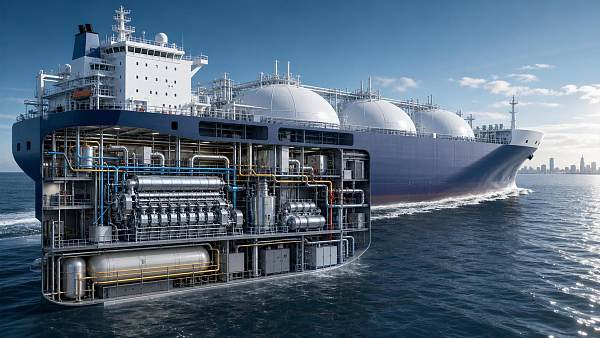
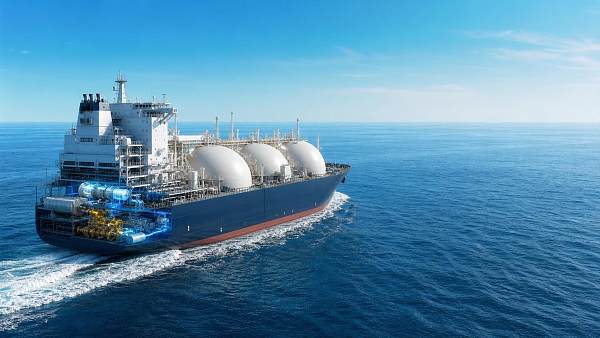
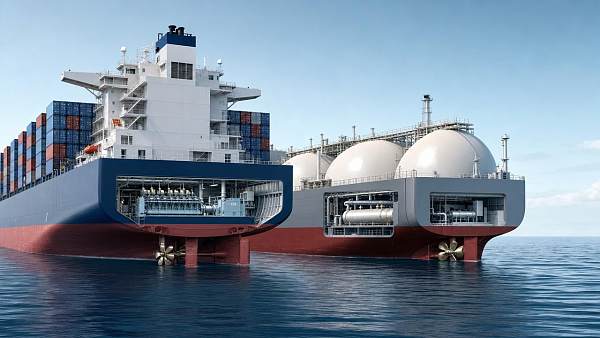
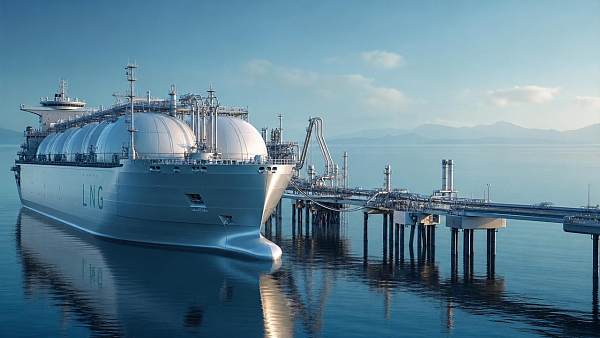
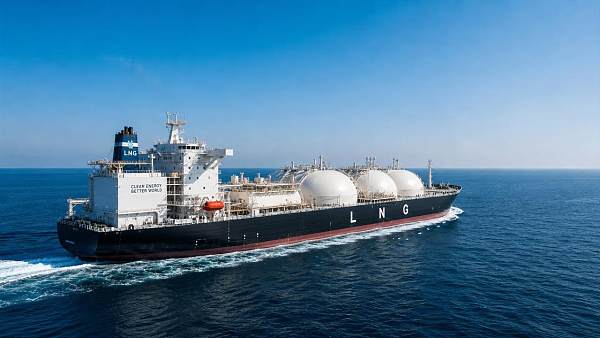
Dual-fuel economics are usually strongest in vessels with high annual fuel consumption, predictable trading patterns, and exposure to emissions-sensitive markets. LNG carriers are the clearest example, but other segments may also qualify.
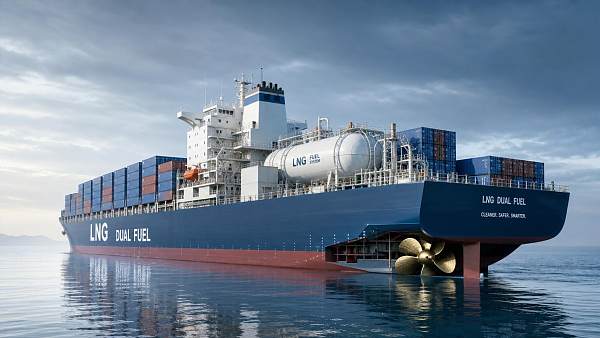
Container ships on structured routes, vessels calling at ports with mature LNG infrastructure, and assets working under charter frameworks that reward emissions performance often present a stronger case than irregular tramp operations.
The business case is also better when vessels are expected to remain in service long enough to absorb initial capex through operating savings and strategic market relevance.
By contrast, vessels with uncertain deployment, lower fuel intensity, limited infrastructure access, or short remaining asset life may struggle to justify the premium. In those cases, conventional systems or other efficiency upgrades may produce better returns.
Final assessment: cost or efficiency is the wrong binary
For financial approvers, “cost vs efficiency” is ultimately an incomplete framing. The more useful lens is capital premium versus lifetime commercial resilience.
Dual-fuel marine propulsion systems are not the lowest-cost option at the point of purchase. But in the right operating context, they can be the lower-cost option over the life of the asset while also improving compliance flexibility and marketability.
The approval decision should therefore rest on route-specific economics, fuel access, charter structure, regulatory exposure, and execution capability. If those factors align, the premium can be justified with confidence.
If they do not, efficiency benefits may remain theoretical, and the safer financial decision may be to delay, redesign, or choose a less complex propulsion pathway.
In a shipping market shaped by volatility, decarbonization, and tighter asset scrutiny, the smartest investment in marine propulsion systems is not the most advanced one. It is the one with the clearest, most defendable lifecycle business case.
Recommended News
 Aug 28, 2026How to select a marine propulsion system for tankers by operating profileMarine propulsion system for tankers: learn how to align propulsion, fuel strategy, propeller performance, redundancy, and lifecycle costs with real operating profiles.
 Jul 15, 2026Class Approved Dual-Fuel Marine Propulsion: Key Certification Points to CheckClass approved dual-fuel marine propulsion explained: learn the key certification points, hidden compliance gaps, and practical checks to improve safety, approval readiness, and supplier selection.
 Jul 10, 2026Dual Fuel Propulsion IMO Compliance: What to Check Before SpecificationDual fuel propulsion IMO compliance starts before spec freeze. Learn the key checks on emissions, IGF safety, class approval, and lifecycle risk to avoid costly redesigns.
 Jul 04, 2026LNG Vessel Retrofit: Key Risks Before Final Scope ApprovalLNG vessel retrofit risks often emerge before final scope approval. Learn how to assess interfaces, yard limits, compliance, and lifecycle value to avoid delays and costly rework.
 Jun 21, 2026How Dual-Fuel Propulsion Cuts LNG Carrier Fuel Risk and EmissionsLNG carriers dual-fuel propulsion cuts fuel risk and emissions by using boil-off gas and liquid fuels flexibly. Learn how it boosts efficiency, compliance, and voyage resilience.
 Jun 18, 2026Dual-Fuel Propulsion: What to Check Before Choosing a SystemDual-fuel propulsion buyers should check fuel strategy, emissions, control logic, safety, and lifecycle cost before choosing a system. Learn what drives real vessel performance.
 Jun 16, 2026Decarbonization Solutions for Maritime Logistics: Which Options Deliver Real ROI?Decarbonization solutions for maritime logistics: discover which upgrades, digital tools, and fuel strategies deliver real ROI, lower risk, and measurable savings for fleets.
 Jun 14, 2026Decarbonization Solutions for Maritime Logistics ComparedDecarbonization solutions for maritime logistics compared: explore LNG, retrofits, AI routing, and smart vessel strategies to cut emissions, control costs, and protect shipping reliability.
 Jun 12, 2026LNG Carriers Dual-Fuel Propulsion: Cost, Compliance, and PaybackLNG carriers dual-fuel propulsion explained: compare cost, compliance impact, and payback to see how fuel flexibility can protect vessel value and charter competitiveness.
![]() Jun 09, 2026Dual-Fuel Propulsion: Cost, Compliance, and Retrofit Trade-OffsDual-fuel propulsion explained: compare cost, compliance, and retrofit trade-offs for vessels, with practical insights on LNG flexibility, asset value, and smarter procurement decisions.
Jun 09, 2026Dual-Fuel Propulsion: Cost, Compliance, and Retrofit Trade-OffsDual-fuel propulsion explained: compare cost, compliance, and retrofit trade-offs for vessels, with practical insights on LNG flexibility, asset value, and smarter procurement decisions. Jun 08, 2026Dual-Fuel Propulsion: Cost, Range, and Emissions Trade-Offs in 2026Dual-fuel propulsion in 2026: compare cost, range, and emissions trade-offs for ships and transport assets. Learn where flexibility pays off and what to verify before investing.
 Jun 07, 2026Marine Propulsion Systems: Key Efficiency Trade-Offs for New Vessel ProjectsMarine propulsion systems for new vessel projects: compare fuel efficiency, emissions, lifecycle cost, and control trade-offs to choose a smarter, future-ready vessel solution.
 Jun 02, 20262026 LNG Carriers Technology Advancements Reshaping Fleet PlanningLNG carriers technology advancements are redefining 2026 fleet planning with smarter containment, dual-fuel propulsion, AI routing, and compliance-ready performance.
 Jun 01, 2026Marine Propulsion Systems: Cost Risks Before RetrofitMarine propulsion systems retrofits can hide fuel, downtime, compliance, and maintenance costs. Learn how to quantify risks before approval and protect fleet ROI.
 May 31, 2026International Shipbuilding Trends Shaping Dual-Fuel FleetsInternational shipbuilding is shifting toward dual-fuel fleets, reshaping fuel flexibility, asset value, compliance strategy, and maritime competitiveness.
 May 25, 2026LNG Carriers: Choosing Dual-Fuel Propulsion for Lower LossesLNG carriers for global energy transport benefit from dual-fuel propulsion with lower cargo losses, stronger compliance, and better fuel flexibility—see what buyers should evaluate now.
 May 24, 2026Marine Propulsion Technology: Dual-fuel Performance Trade-offsMarine propulsion technology explained: compare dual-fuel efficiency, emissions, methane slip, load profile, and lifecycle risk to choose smarter vessel propulsion strategies.
![]() May 23, 2026Marine Propulsion Systems: Cost vs Fuel EfficiencyMarine propulsion systems decisions should balance cost, fuel efficiency, and compliance. Compare scenario-based options for container ships, LNG carriers, and hybrid routes.
May 23, 2026Marine Propulsion Systems: Cost vs Fuel EfficiencyMarine propulsion systems decisions should balance cost, fuel efficiency, and compliance. Compare scenario-based options for container ships, LNG carriers, and hybrid routes. May 21, 2026LNG Carriers Dual-Fuel Propulsion: Fuel Savings vs Retrofit CostLNG carriers dual-fuel propulsion: compare fuel savings, retrofit cost, payback, and charter value to see when fleet upgrades deliver stronger ROI and lower compliance risk.
 May 18, 2026Marine Propulsion Technology: When Dual-Fuel Pays OffMarine propulsion technology explained: discover when dual-fuel systems deliver real ROI, lower compliance risk, and stronger vessel value across modern shipping routes.
 May 17, 2026Dual-fuel Marine Propulsion Systems: Cost vs EfficiencyMarine propulsion systems: discover whether dual-fuel upgrades truly balance higher capex with fuel savings, compliance gains, and stronger lifetime vessel returns.