



Search News
Industry Portal
Popular Tags
Marine Propulsion Systems: Cost Risks Before Retrofit
Author
Time
Click Count
Before a retrofit budget is approved, hidden exposure in marine propulsion systems must be visible, quantified, and linked to asset strategy.
Beyond equipment price, risks can arise from fuel choice, integration work, downtime, class approval, crew capability, and maintenance assumptions.
For vessel owners and operators, propulsion retrofit is no longer only an engineering project. It is a lifecycle cost decision.
Marine Propulsion Systems in Retrofit Cost Planning
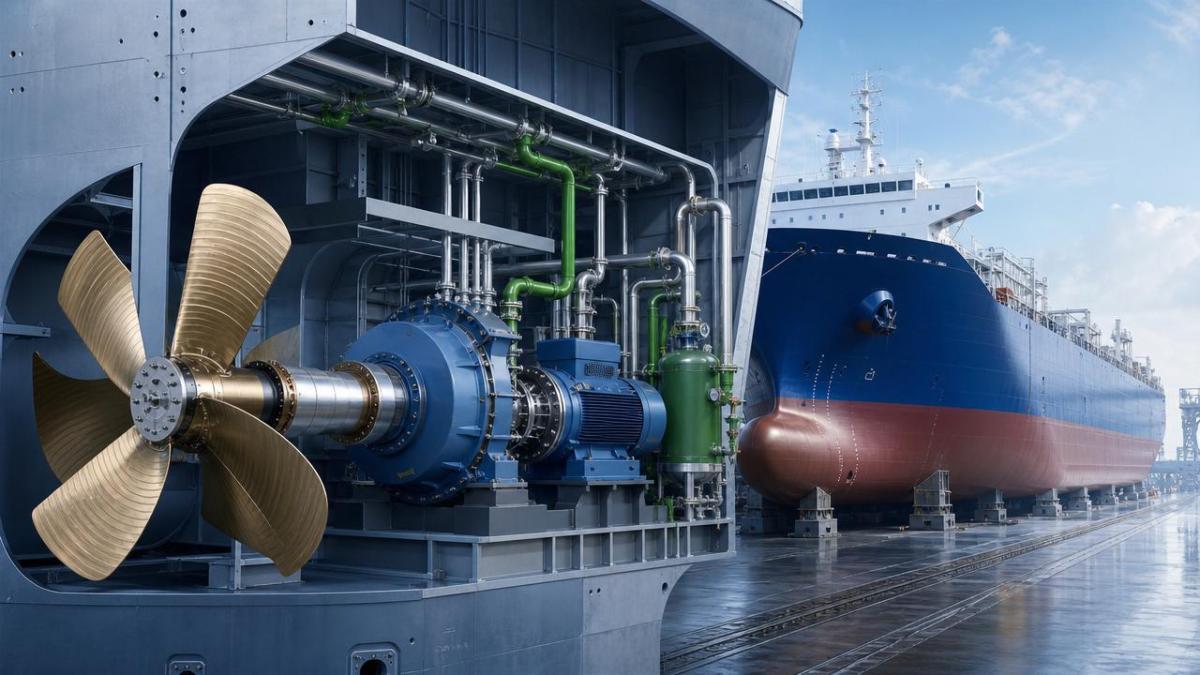
Marine propulsion systems convert stored or supplied energy into thrust, while supporting maneuvering, safety, emissions control, and voyage reliability.
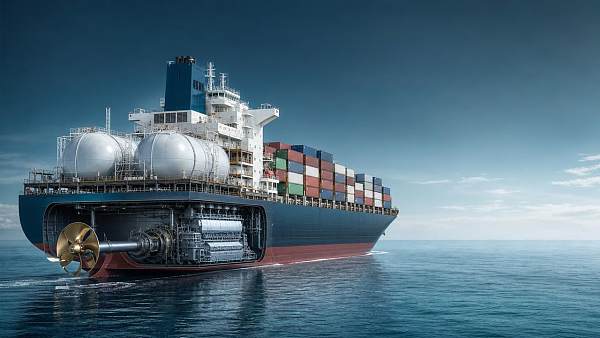
In retrofit planning, the system boundary is wider than the main engine or electric motor.
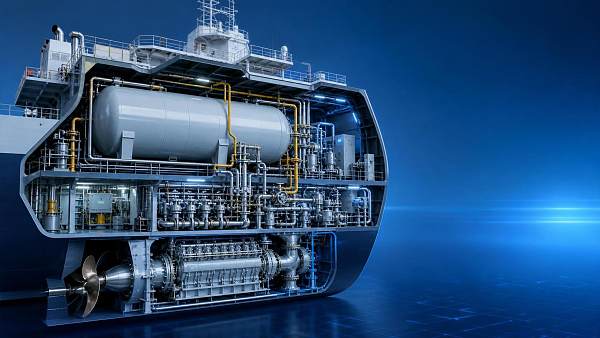
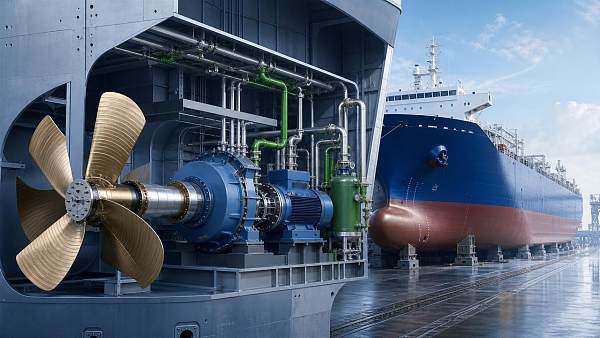
It includes fuel storage, power conversion, shafting, propellers, control logic, cooling, ventilation, automation, and monitoring interfaces.
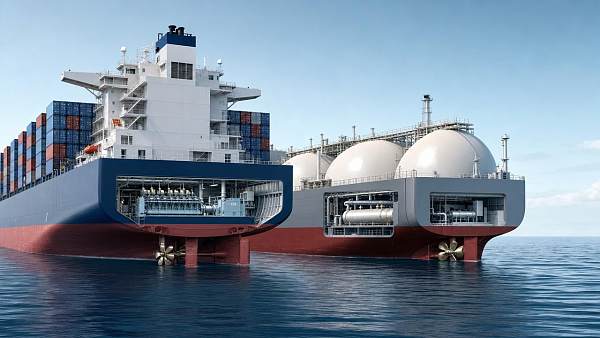
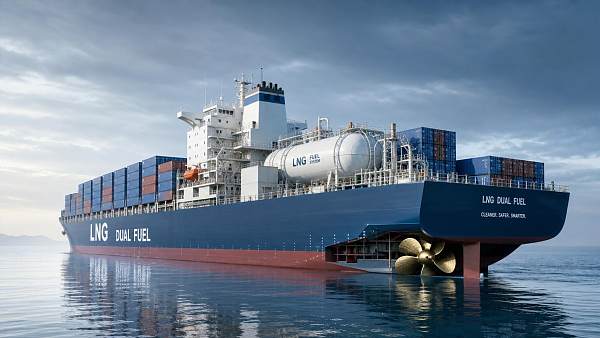
Modern marine propulsion systems may use diesel, LNG, methanol, hybrid-electric arrangements, batteries, fuel cells, or wind-assisted support.
Each option changes vessel layout, capital expenditure, operating cost, technical risk, and future compliance flexibility.
A low equipment quotation may still produce high lifecycle exposure if integration, downtime, or fuel availability is underestimated.
Therefore, marine propulsion systems should be evaluated through total cost of ownership, not isolated purchase price.
Industry Signals Driving Propulsion Retrofit Decisions
The retrofit market is shaped by decarbonization rules, freight volatility, fuel uncertainty, and tightening port expectations.
These forces make marine propulsion systems a strategic variable in fleet competitiveness and charter acceptance.
For GTOT, the same logic connects smart container ships, LNG carriers, rail control, and high-speed traction systems.
Critical transport assets depend on safe control, efficient power transfer, and reliable lifecycle intelligence.
Marine propulsion systems sit at the center of that intelligence when ocean assets face emissions and cost pressure.
Main Cost Risks Hidden Behind Equipment Price
Fuel Strategy and Infrastructure Exposure
Fuel choice is often the largest strategic uncertainty in marine propulsion systems retrofit planning.
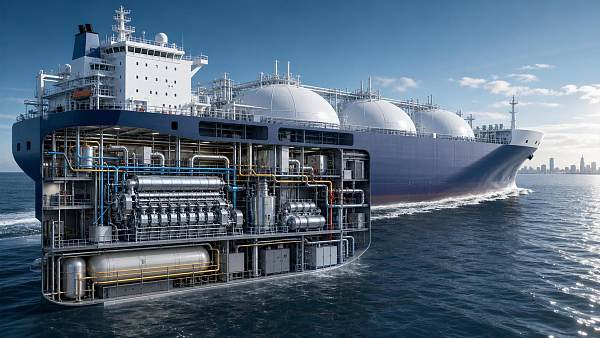
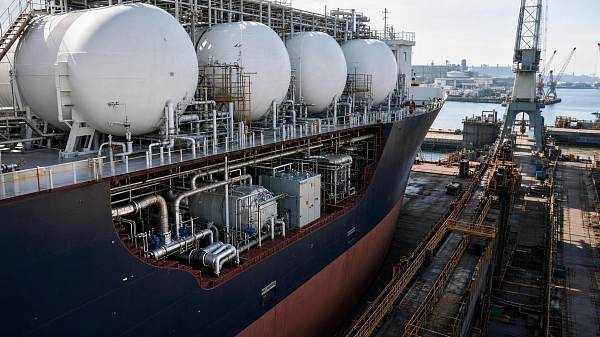
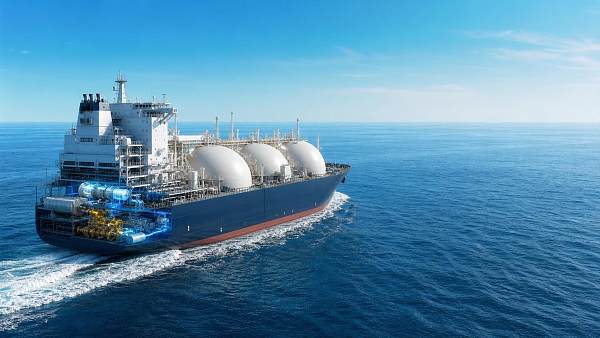
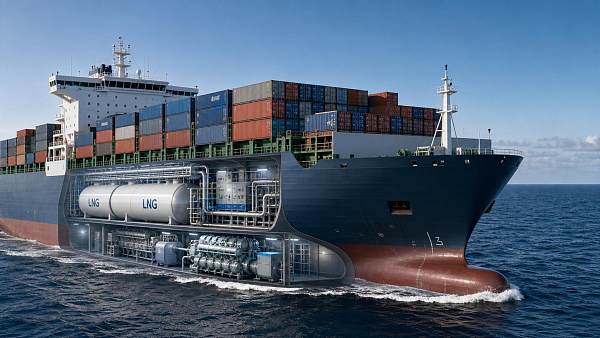
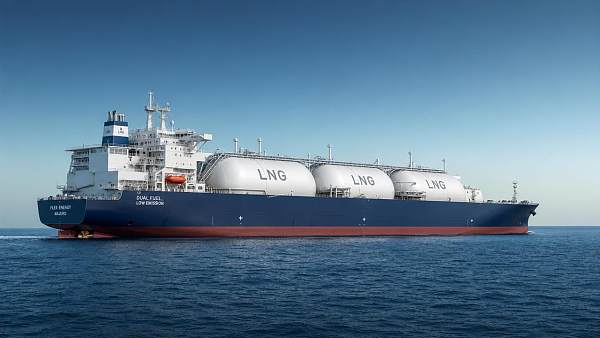
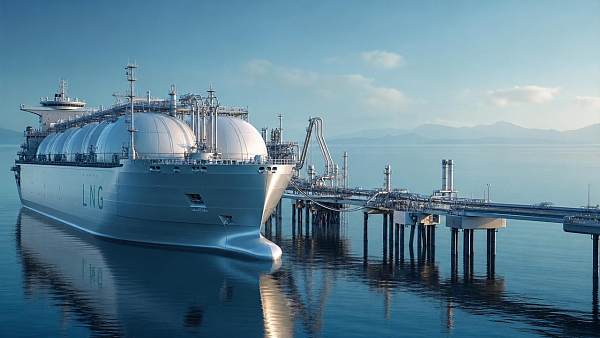
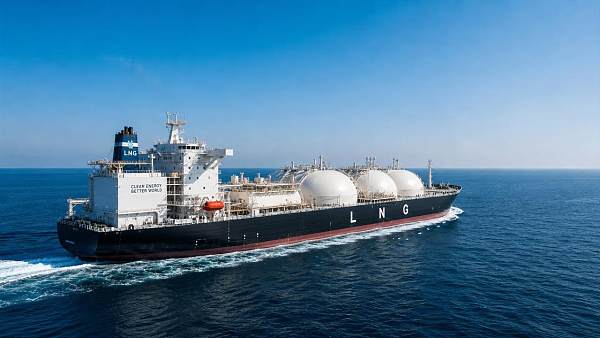
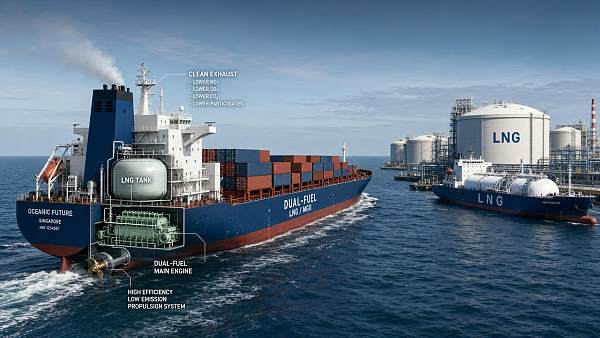
LNG can reduce emissions, but cryogenic tanks require space, insulation, ventilation, and specialized safety architecture.
Methanol simplifies storage compared with LNG, yet price, supply maturity, and green certification remain important variables.
Battery-hybrid solutions can improve port operation, peak shaving, and redundancy, but energy density limits ocean range.
If fuel availability is assumed too optimistically, marine propulsion systems may increase voyage cost rather than reduce it.
Integration Complexity and Vessel Disruption
Retrofit projects rarely fit perfectly into existing hull geometry, machinery rooms, and electrical architecture.
New marine propulsion systems may require structural reinforcement, revised piping, new cable routes, or upgraded switchboards.
The hidden cost is not only steelwork. It includes engineering rework when drawings do not match onboard reality.
A detailed 3D scan, early class discussion, and interface register can reduce late-stage change orders.
Off-Hire, Yard Delay, and Lost Revenue
Downtime can exceed hardware cost when a vessel misses charter windows or high-rate seasonal demand.
Marine propulsion systems retrofit schedules should include dismantling, inspection, installation, commissioning, trials, and class witness activities.
Critical spares, long-lead automation parts, and fuel system components need secured delivery before yard entry.
A compressed schedule without contingency may shift cost from planned capital expenditure to emergency operational loss.
Compliance, Classification, and Documentation
Marine propulsion systems must satisfy flag, class, port state, and insurer requirements after modification.
Alternative fuels introduce additional rules for hazardous zones, ventilation, gas detection, emergency shutdown, and crew safety.
Documentation gaps can delay approval, even when physical installation appears complete.
Cost models should reserve budget for drawings, risk assessment, HAZID, HAZOP, software validation, and sea trials.
Business Value of a Well-Structured Propulsion Upgrade
Despite the risks, well-selected marine propulsion systems can protect asset value and improve operating resilience.
Efficient propulsion lowers fuel consumption, reduces emissions exposure, and strengthens access to environmentally screened cargo contracts.
Digital monitoring can turn marine propulsion systems into measurable performance assets, not hidden machinery below deck.
Condition data supports predictive maintenance, speed optimization, trim analysis, and better spare parts planning.
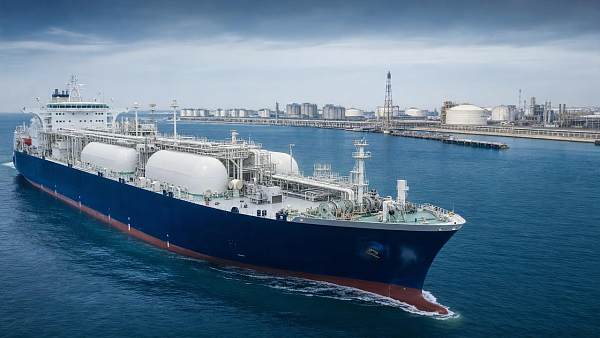
For LNG carriers, propulsion decisions also interact with boil-off gas management and dual-fuel operating strategy.
For smart container ships, propulsion data supports shore-side route optimization, port arrival planning, and supply chain reliability.
The commercial benefit depends on matching technology to trading pattern, not simply choosing the newest configuration.
Typical Vessel Scenarios and Retrofit Priorities
Different vessel types expose different cost risks when marine propulsion systems are upgraded.
A useful assessment starts with route profile, cargo sensitivity, operating speed, port rules, and remaining asset life.
Short-sea vessels may justify electrification faster because routes, charging points, and duty cycles are predictable.
Ocean-going ships often need fuel flexibility because future bunker economics remain uncertain across regions.
A single retrofit template is risky because marine propulsion systems behave differently under each operational profile.
Practical Checks Before Capital Approval
A structured review reduces optimism bias before committing capital to marine propulsion systems upgrades.
- Confirm the remaining economic life of the vessel against expected payback period.
- Compare fuel scenarios using conservative bunker price and availability assumptions.
- Map every mechanical, electrical, automation, cooling, and safety interface.
- Reserve schedule allowance for class review, commissioning, and sea trials.
- Validate crew training needs before introducing new control or fuel systems.
- Review spare parts access, service network coverage, and diagnostic support.
- Test sensitivity to carbon cost, freight rate changes, and off-hire duration.
The business case should separate unavoidable regulatory spending from optional efficiency investment.
This distinction clarifies which benefits must occur and which depend on market conditions.
Marine propulsion systems should also be reviewed for cybersecurity where remote monitoring or shore integration is added.
Connected propulsion data can improve performance, but weak access control may create operational and compliance risk.
Lifecycle Maintenance and Crew Capability
Maintenance assumptions often decide whether marine propulsion systems deliver their promised savings.
Advanced equipment may reduce fuel use, yet demand higher diagnostic skill, specialized tools, and vendor support.
Training must cover normal operation, emergency response, fault isolation, fuel safety, and digital alarm interpretation.
If crews bypass automation because it is poorly understood, expected efficiency gains can disappear quickly.
Maintenance contracts should specify response time, remote support scope, software updates, and critical spare availability.
A retrofit budget without long-term service planning may understate the real cost of marine propulsion systems ownership.
Action Path for Lower-Risk Retrofit Decisions
A practical next step is to build a retrofit risk register before supplier selection is finalized.
The register should rank cost exposure by probability, financial impact, schedule effect, and mitigation responsibility.
Marine propulsion systems options can then be compared through lifecycle scenarios, not marketing claims or headline efficiency figures.
GTOT’s intelligence perspective supports this approach by connecting vessel technology, regulation, energy transition, and supply chain timing.
The strongest retrofit decision is neither the cheapest nor the most advanced option.
It is the option that keeps marine propulsion systems compliant, serviceable, fuel-ready, and commercially useful across uncertain market cycles.
Before approval, quantify integration risk, downtime risk, fuel risk, compliance risk, and maintenance risk in one financial model.
That disciplined view turns propulsion retrofit from a cost surprise into a controlled investment in maritime resilience.
Recommended News
 Aug 28, 2026How to select a marine propulsion system for tankers by operating profileMarine propulsion system for tankers: learn how to align propulsion, fuel strategy, propeller performance, redundancy, and lifecycle costs with real operating profiles.
 Jul 15, 2026Class Approved Dual-Fuel Marine Propulsion: Key Certification Points to CheckClass approved dual-fuel marine propulsion explained: learn the key certification points, hidden compliance gaps, and practical checks to improve safety, approval readiness, and supplier selection.
 Jul 10, 2026Dual Fuel Propulsion IMO Compliance: What to Check Before SpecificationDual fuel propulsion IMO compliance starts before spec freeze. Learn the key checks on emissions, IGF safety, class approval, and lifecycle risk to avoid costly redesigns.
 Jul 04, 2026LNG Vessel Retrofit: Key Risks Before Final Scope ApprovalLNG vessel retrofit risks often emerge before final scope approval. Learn how to assess interfaces, yard limits, compliance, and lifecycle value to avoid delays and costly rework.
 Jun 21, 2026How Dual-Fuel Propulsion Cuts LNG Carrier Fuel Risk and EmissionsLNG carriers dual-fuel propulsion cuts fuel risk and emissions by using boil-off gas and liquid fuels flexibly. Learn how it boosts efficiency, compliance, and voyage resilience.
 Jun 18, 2026Dual-Fuel Propulsion: What to Check Before Choosing a SystemDual-fuel propulsion buyers should check fuel strategy, emissions, control logic, safety, and lifecycle cost before choosing a system. Learn what drives real vessel performance.
 Jun 16, 2026Decarbonization Solutions for Maritime Logistics: Which Options Deliver Real ROI?Decarbonization solutions for maritime logistics: discover which upgrades, digital tools, and fuel strategies deliver real ROI, lower risk, and measurable savings for fleets.
 Jun 14, 2026Decarbonization Solutions for Maritime Logistics ComparedDecarbonization solutions for maritime logistics compared: explore LNG, retrofits, AI routing, and smart vessel strategies to cut emissions, control costs, and protect shipping reliability.
 Jun 12, 2026LNG Carriers Dual-Fuel Propulsion: Cost, Compliance, and PaybackLNG carriers dual-fuel propulsion explained: compare cost, compliance impact, and payback to see how fuel flexibility can protect vessel value and charter competitiveness.
![]() Jun 09, 2026Dual-Fuel Propulsion: Cost, Compliance, and Retrofit Trade-OffsDual-fuel propulsion explained: compare cost, compliance, and retrofit trade-offs for vessels, with practical insights on LNG flexibility, asset value, and smarter procurement decisions.
Jun 09, 2026Dual-Fuel Propulsion: Cost, Compliance, and Retrofit Trade-OffsDual-fuel propulsion explained: compare cost, compliance, and retrofit trade-offs for vessels, with practical insights on LNG flexibility, asset value, and smarter procurement decisions. Jun 08, 2026Dual-Fuel Propulsion: Cost, Range, and Emissions Trade-Offs in 2026Dual-fuel propulsion in 2026: compare cost, range, and emissions trade-offs for ships and transport assets. Learn where flexibility pays off and what to verify before investing.
 Jun 07, 2026Marine Propulsion Systems: Key Efficiency Trade-Offs for New Vessel ProjectsMarine propulsion systems for new vessel projects: compare fuel efficiency, emissions, lifecycle cost, and control trade-offs to choose a smarter, future-ready vessel solution.
 Jun 02, 20262026 LNG Carriers Technology Advancements Reshaping Fleet PlanningLNG carriers technology advancements are redefining 2026 fleet planning with smarter containment, dual-fuel propulsion, AI routing, and compliance-ready performance.
 Jun 01, 2026Marine Propulsion Systems: Cost Risks Before RetrofitMarine propulsion systems retrofits can hide fuel, downtime, compliance, and maintenance costs. Learn how to quantify risks before approval and protect fleet ROI.
 May 31, 2026International Shipbuilding Trends Shaping Dual-Fuel FleetsInternational shipbuilding is shifting toward dual-fuel fleets, reshaping fuel flexibility, asset value, compliance strategy, and maritime competitiveness.
 May 25, 2026LNG Carriers: Choosing Dual-Fuel Propulsion for Lower LossesLNG carriers for global energy transport benefit from dual-fuel propulsion with lower cargo losses, stronger compliance, and better fuel flexibility—see what buyers should evaluate now.
 May 24, 2026Marine Propulsion Technology: Dual-fuel Performance Trade-offsMarine propulsion technology explained: compare dual-fuel efficiency, emissions, methane slip, load profile, and lifecycle risk to choose smarter vessel propulsion strategies.
![]() May 23, 2026Marine Propulsion Systems: Cost vs Fuel EfficiencyMarine propulsion systems decisions should balance cost, fuel efficiency, and compliance. Compare scenario-based options for container ships, LNG carriers, and hybrid routes.
May 23, 2026Marine Propulsion Systems: Cost vs Fuel EfficiencyMarine propulsion systems decisions should balance cost, fuel efficiency, and compliance. Compare scenario-based options for container ships, LNG carriers, and hybrid routes. May 21, 2026LNG Carriers Dual-Fuel Propulsion: Fuel Savings vs Retrofit CostLNG carriers dual-fuel propulsion: compare fuel savings, retrofit cost, payback, and charter value to see when fleet upgrades deliver stronger ROI and lower compliance risk.
 May 18, 2026Marine Propulsion Technology: When Dual-Fuel Pays OffMarine propulsion technology explained: discover when dual-fuel systems deliver real ROI, lower compliance risk, and stronger vessel value across modern shipping routes.
 May 17, 2026Dual-fuel Marine Propulsion Systems: Cost vs EfficiencyMarine propulsion systems: discover whether dual-fuel upgrades truly balance higher capex with fuel savings, compliance gains, and stronger lifetime vessel returns.