



Search News
Industry Portal
Popular Tags
Marine Propulsion Technology: When Dual-Fuel Pays Off
Author
Time
Click Count
For business evaluators in shipping and offshore investment, marine propulsion technology is no longer just an engineering choice—it is a profitability decision.
Fuel volatility, stricter emissions rules, and route uncertainty are changing vessel economics across global transport corridors.
That is why dual-fuel systems now sit at the center of many capital planning discussions.
Yet the answer is not simple. Dual-fuel does not pay off for every ship, route, or financing model.
This FAQ-style guide explains when marine propulsion technology based on dual-fuel engines creates real value, and when conventional options remain stronger.
What does dual-fuel marine propulsion technology actually mean?
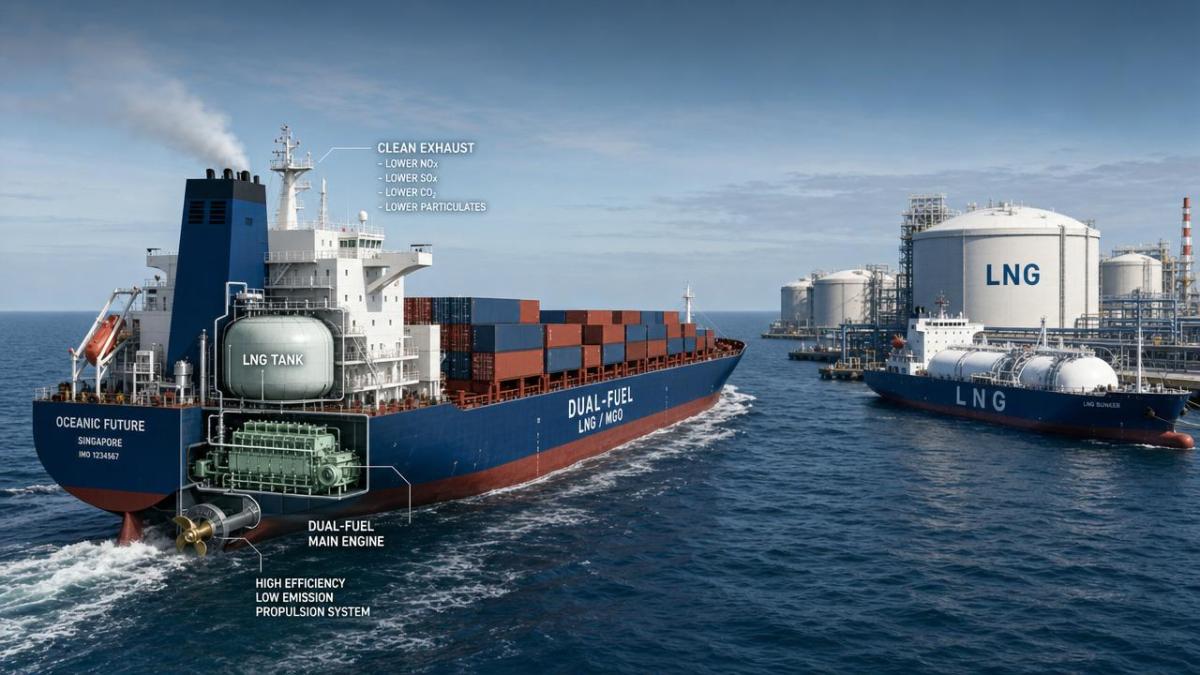
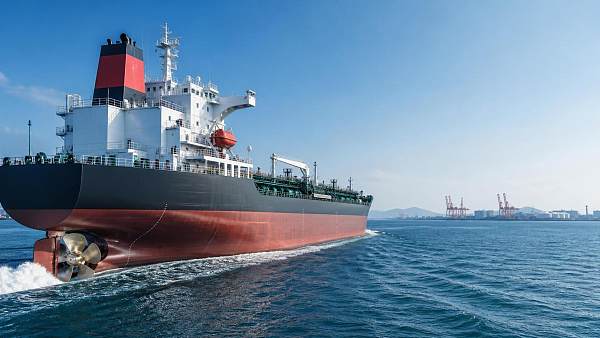
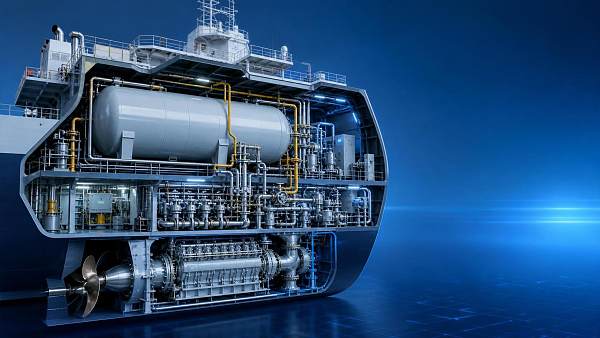
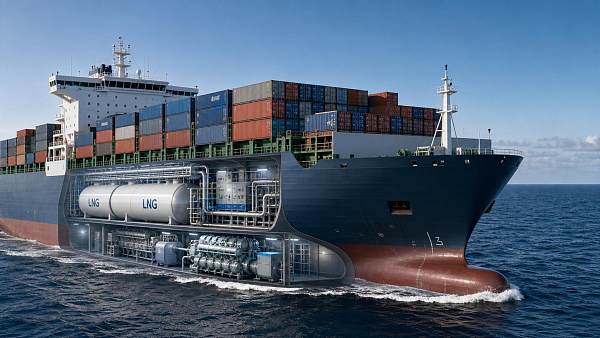
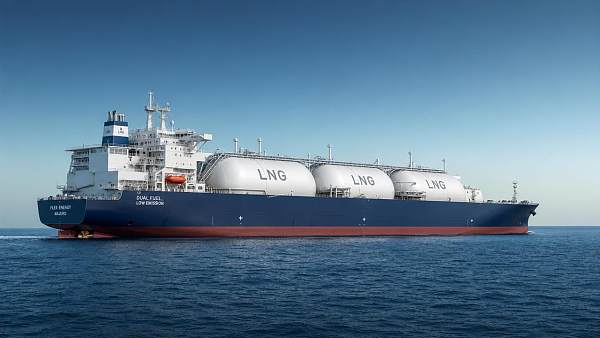
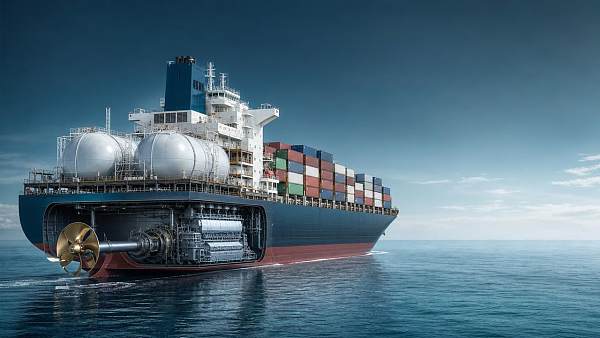
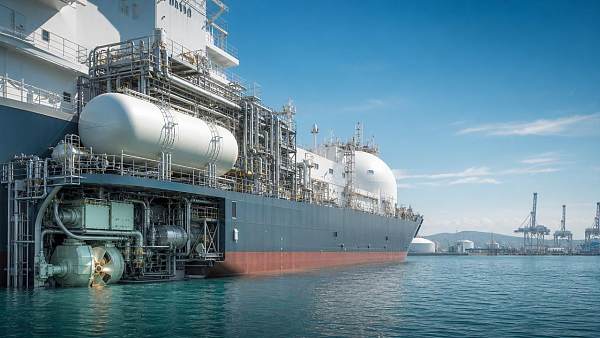
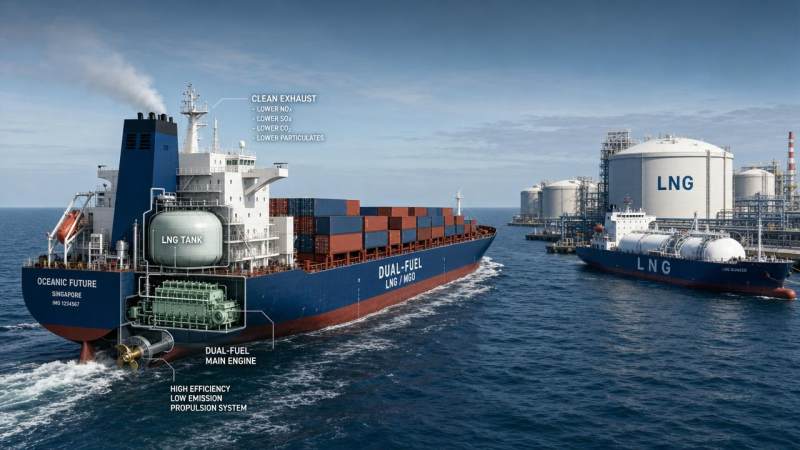
In practical terms, dual-fuel marine propulsion technology allows a vessel to operate on two fuel options, usually LNG and marine diesel.
Some systems also support methanol pathways, but LNG remains the most established commercial example today.
The main idea is flexibility. Operators can switch fuels based on price, port availability, emissions targets, and voyage profile.
This flexibility matters because marine propulsion technology now influences charter attractiveness, compliance exposure, and residual vessel value.
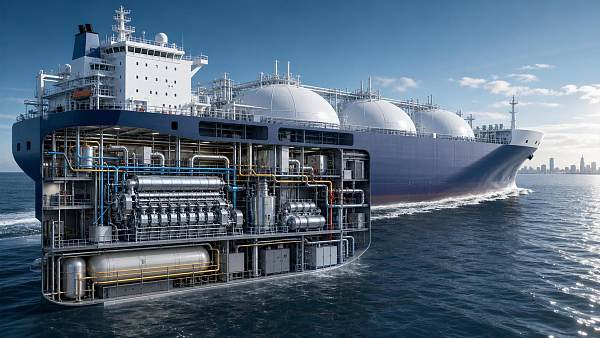
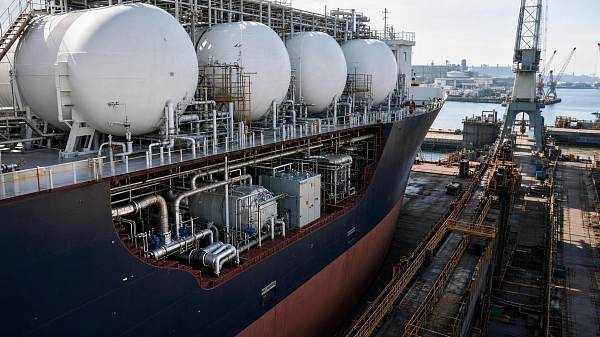
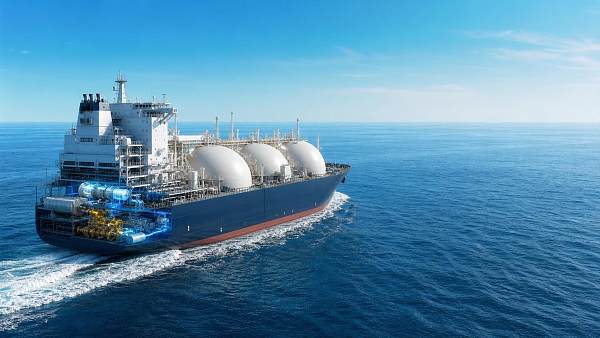
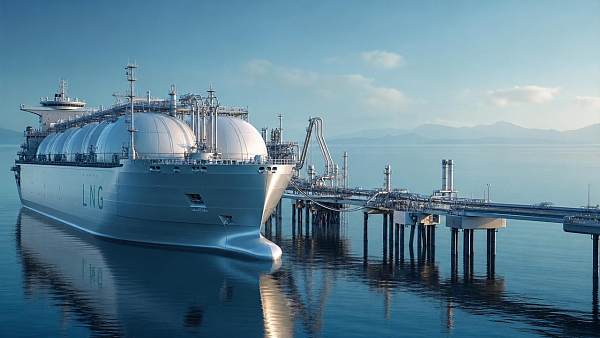
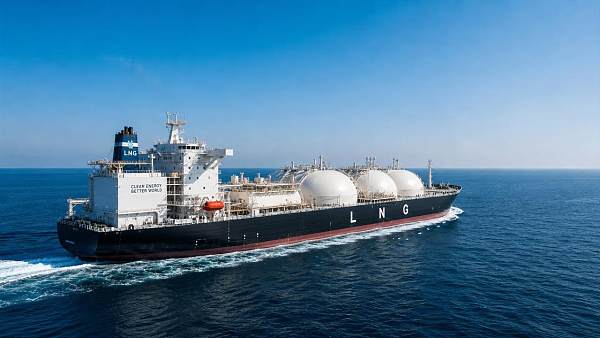
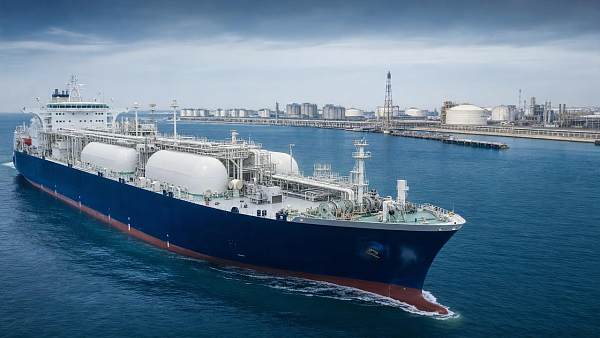
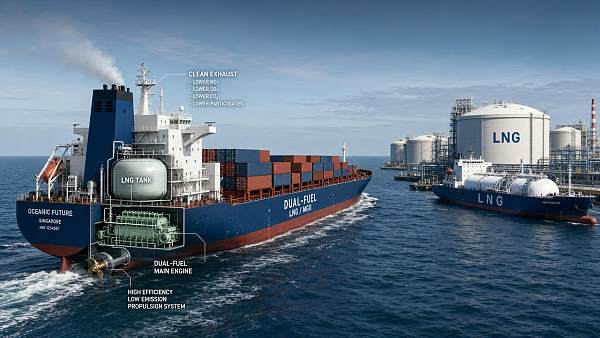
For LNG carriers, dual-fuel capability is often closely aligned with cargo boil-off gas management and long-haul efficiency.
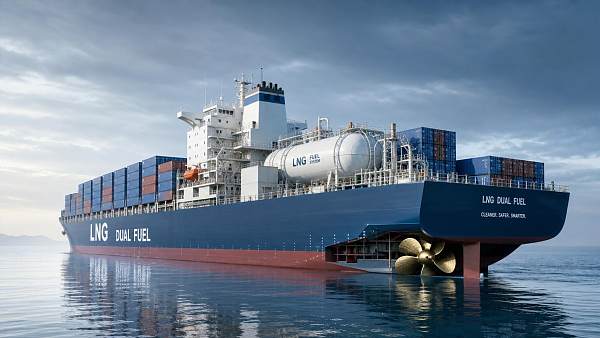
For container vessels and other smart ships, the logic often centers on future regulation and fuel cost diversification.
In short, marine propulsion technology is becoming a strategic asset rather than a hidden engine-room decision.
Why this matters beyond engineering
A dual-fuel design affects capex, cargo space, bunkering planning, training needs, and maintenance routines.
It also changes how investors assess regulatory durability over a vessel’s operating life.
- Higher technical complexity
- Better compliance optionality
- Potential fuel spread advantages
- Exposure to bunkering infrastructure gaps
When does dual-fuel marine propulsion technology pay off financially?
Dual-fuel pays off when three forces align: fuel economics, utilization stability, and regulatory benefit.
If one of these is weak, the investment case becomes fragile.
1. Fuel spread supports savings
The first driver is the price relationship between LNG and conventional marine fuels.
If LNG remains structurally competitive across the vessel’s trading pattern, savings can offset the initial premium.
If the spread is volatile or negative, payback stretches quickly.
2. Vessel utilization is high
Marine propulsion technology investments recover faster on ships with high annual sailing hours and predictable schedules.
That is why dual-fuel often looks stronger for major liner routes and large LNG carriers than for irregular services.
3. Compliance has monetizable value
Lower sulfur exposure, potential carbon intensity benefits, and easier access to stricter ports all add indirect returns.
Those returns may appear as lower penalty risk, better charter terms, or stronger financing conditions.
4. Residual value remains stronger
A vessel with adaptable marine propulsion technology can be more attractive in a market moving toward decarbonization.
This matters most for long-lived assets expected to trade through several regulatory cycles.
Which vessel types and operating profiles benefit the most?
Not every asset class receives equal benefit from dual-fuel marine propulsion technology.
The strongest cases usually share route scale, fuel access, and long-term operational predictability.
High-fit scenarios
- LNG carriers using boil-off gas as part of propulsion strategy
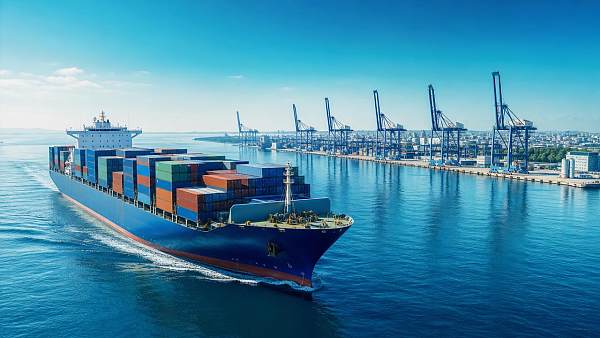
- Large container ships on fixed global loops
- Vessels serving ports with mature LNG bunkering networks
- Assets financed with long-term compliance assumptions
Lower-fit scenarios
- Small vessels with limited sailing range needs
- Routes with weak LNG bunkering reliability
- Assets near retirement or with uncertain deployment
- Projects where cargo space loss materially reduces revenue
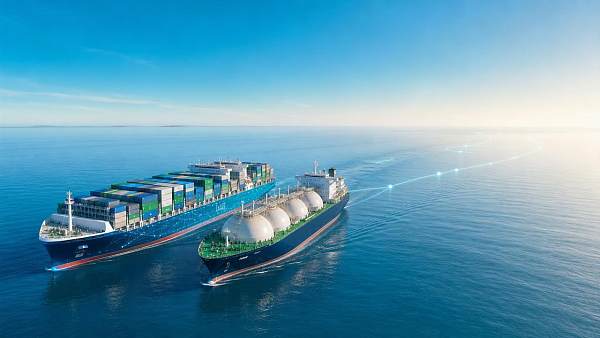
Smart vessel programs especially benefit when propulsion data, route optimization, and port planning are digitally connected.
This aligns with GTOT’s focus on integrating advanced transport equipment intelligence across sea logistics systems.
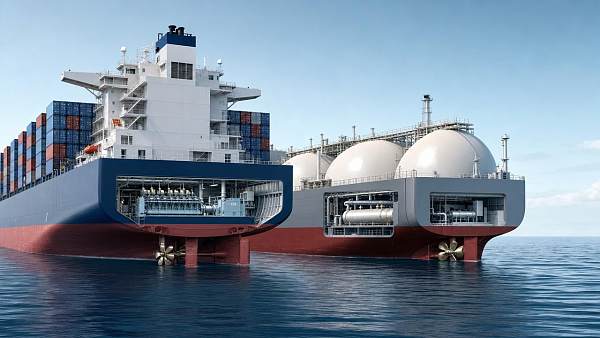
How does dual-fuel compare with conventional marine propulsion technology?
The comparison should never stop at fuel savings alone.
A full evaluation includes onboard systems, safety architecture, infrastructure support, and long-term strategic fit.
Conventional systems still make sense when low capex, operational simplicity, and known fuel access matter most.
Dual-fuel marine propulsion technology wins when strategic flexibility has measurable economic value.
What hidden risks can weaken the dual-fuel business case?
The biggest mistake is treating dual-fuel as an automatic compliance shortcut.
The commercial result depends on execution quality across the full vessel ecosystem.
Common risk areas
- Overestimating LNG availability across all ports
- Ignoring methane slip concerns in lifecycle calculations
- Underpricing crew training and safety procedures
- Missing cargo loss linked to larger fuel storage needs
- Using unrealistic fuel spread assumptions in payback models
A resilient marine propulsion technology review should test best-case, base-case, and stress-case economics.
That review should also include dry-docking implications, spare parts support, and onboard monitoring needs.
How should a decision model be built before choosing dual-fuel?
A strong decision model combines technical feasibility with route economics and policy exposure.
This is where marine propulsion technology evaluation becomes a cross-functional intelligence exercise.
Recommended evaluation checklist
- Map current and future trading routes by bunkering access.
- Model fuel spread scenarios over at least ten years.
- Quantify emissions compliance benefits under likely regulations.
- Assess revenue impact from cargo or space trade-offs.
- Estimate maintenance, training, and safety management cost.
- Test residual value assumptions against market demand shifts.
What is the practical conclusion for today’s marine propulsion technology choices?
Dual-fuel is not universally superior, but it can be economically decisive in the right operating environment.
The strongest cases combine reliable LNG access, high utilization, long asset life, and rising compliance costs.
The weakest cases involve uncertain routes, low utilization, and investment models focused only on near-term capex.
For organizations tracking advanced ship systems, marine propulsion technology should be reviewed alongside digital operations, safety architecture, and fleet strategy.
A disciplined scenario model will reveal whether dual-fuel is a premium feature or a profit engine.
As shipping, energy security, and smart vessel development become more connected, decisions on marine propulsion technology deserve intelligence-led evaluation.
Use route data, compliance forecasts, and lifecycle economics together before moving to specification or retrofit planning.
Recommended News
 Aug 28, 2026How to select a marine propulsion system for tankers by operating profileMarine propulsion system for tankers: learn how to align propulsion, fuel strategy, propeller performance, redundancy, and lifecycle costs with real operating profiles.
 Jul 15, 2026Class Approved Dual-Fuel Marine Propulsion: Key Certification Points to CheckClass approved dual-fuel marine propulsion explained: learn the key certification points, hidden compliance gaps, and practical checks to improve safety, approval readiness, and supplier selection.
 Jul 10, 2026Dual Fuel Propulsion IMO Compliance: What to Check Before SpecificationDual fuel propulsion IMO compliance starts before spec freeze. Learn the key checks on emissions, IGF safety, class approval, and lifecycle risk to avoid costly redesigns.
 Jul 04, 2026LNG Vessel Retrofit: Key Risks Before Final Scope ApprovalLNG vessel retrofit risks often emerge before final scope approval. Learn how to assess interfaces, yard limits, compliance, and lifecycle value to avoid delays and costly rework.
 Jun 21, 2026How Dual-Fuel Propulsion Cuts LNG Carrier Fuel Risk and EmissionsLNG carriers dual-fuel propulsion cuts fuel risk and emissions by using boil-off gas and liquid fuels flexibly. Learn how it boosts efficiency, compliance, and voyage resilience.
 Jun 18, 2026Dual-Fuel Propulsion: What to Check Before Choosing a SystemDual-fuel propulsion buyers should check fuel strategy, emissions, control logic, safety, and lifecycle cost before choosing a system. Learn what drives real vessel performance.
 Jun 16, 2026Decarbonization Solutions for Maritime Logistics: Which Options Deliver Real ROI?Decarbonization solutions for maritime logistics: discover which upgrades, digital tools, and fuel strategies deliver real ROI, lower risk, and measurable savings for fleets.
 Jun 14, 2026Decarbonization Solutions for Maritime Logistics ComparedDecarbonization solutions for maritime logistics compared: explore LNG, retrofits, AI routing, and smart vessel strategies to cut emissions, control costs, and protect shipping reliability.
 Jun 12, 2026LNG Carriers Dual-Fuel Propulsion: Cost, Compliance, and PaybackLNG carriers dual-fuel propulsion explained: compare cost, compliance impact, and payback to see how fuel flexibility can protect vessel value and charter competitiveness.
![]() Jun 09, 2026Dual-Fuel Propulsion: Cost, Compliance, and Retrofit Trade-OffsDual-fuel propulsion explained: compare cost, compliance, and retrofit trade-offs for vessels, with practical insights on LNG flexibility, asset value, and smarter procurement decisions.
Jun 09, 2026Dual-Fuel Propulsion: Cost, Compliance, and Retrofit Trade-OffsDual-fuel propulsion explained: compare cost, compliance, and retrofit trade-offs for vessels, with practical insights on LNG flexibility, asset value, and smarter procurement decisions. Jun 08, 2026Dual-Fuel Propulsion: Cost, Range, and Emissions Trade-Offs in 2026Dual-fuel propulsion in 2026: compare cost, range, and emissions trade-offs for ships and transport assets. Learn where flexibility pays off and what to verify before investing.
 Jun 07, 2026Marine Propulsion Systems: Key Efficiency Trade-Offs for New Vessel ProjectsMarine propulsion systems for new vessel projects: compare fuel efficiency, emissions, lifecycle cost, and control trade-offs to choose a smarter, future-ready vessel solution.
 Jun 02, 20262026 LNG Carriers Technology Advancements Reshaping Fleet PlanningLNG carriers technology advancements are redefining 2026 fleet planning with smarter containment, dual-fuel propulsion, AI routing, and compliance-ready performance.
 Jun 01, 2026Marine Propulsion Systems: Cost Risks Before RetrofitMarine propulsion systems retrofits can hide fuel, downtime, compliance, and maintenance costs. Learn how to quantify risks before approval and protect fleet ROI.
 May 31, 2026International Shipbuilding Trends Shaping Dual-Fuel FleetsInternational shipbuilding is shifting toward dual-fuel fleets, reshaping fuel flexibility, asset value, compliance strategy, and maritime competitiveness.
 May 25, 2026LNG Carriers: Choosing Dual-Fuel Propulsion for Lower LossesLNG carriers for global energy transport benefit from dual-fuel propulsion with lower cargo losses, stronger compliance, and better fuel flexibility—see what buyers should evaluate now.
 May 24, 2026Marine Propulsion Technology: Dual-fuel Performance Trade-offsMarine propulsion technology explained: compare dual-fuel efficiency, emissions, methane slip, load profile, and lifecycle risk to choose smarter vessel propulsion strategies.
![]() May 23, 2026Marine Propulsion Systems: Cost vs Fuel EfficiencyMarine propulsion systems decisions should balance cost, fuel efficiency, and compliance. Compare scenario-based options for container ships, LNG carriers, and hybrid routes.
May 23, 2026Marine Propulsion Systems: Cost vs Fuel EfficiencyMarine propulsion systems decisions should balance cost, fuel efficiency, and compliance. Compare scenario-based options for container ships, LNG carriers, and hybrid routes. May 21, 2026LNG Carriers Dual-Fuel Propulsion: Fuel Savings vs Retrofit CostLNG carriers dual-fuel propulsion: compare fuel savings, retrofit cost, payback, and charter value to see when fleet upgrades deliver stronger ROI and lower compliance risk.
 May 18, 2026Marine Propulsion Technology: When Dual-Fuel Pays OffMarine propulsion technology explained: discover when dual-fuel systems deliver real ROI, lower compliance risk, and stronger vessel value across modern shipping routes.
 May 17, 2026Dual-fuel Marine Propulsion Systems: Cost vs EfficiencyMarine propulsion systems: discover whether dual-fuel upgrades truly balance higher capex with fuel savings, compliance gains, and stronger lifetime vessel returns.