



Search News
Industry Portal
Popular Tags
Marine Propulsion Technology: Dual-fuel Performance Trade-offs
Author
Time
Click Count
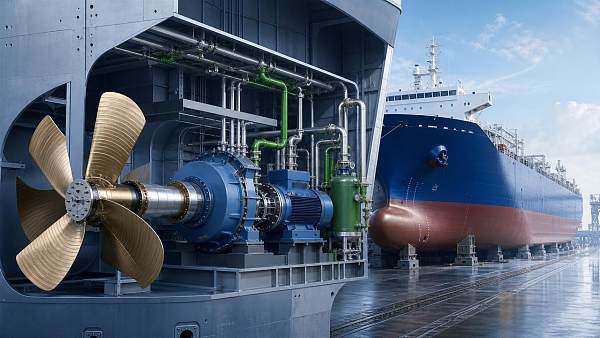
For technical evaluators, marine propulsion technology is no longer a simple power choice but a balance of fuel flexibility, emissions compliance, efficiency, and lifecycle risk. As dual-fuel systems gain traction in advanced vessels, understanding their performance trade-offs is essential for sound specification and investment decisions. This article examines the key engineering factors shaping real-world propulsion outcomes.
What does dual-fuel marine propulsion technology really mean in practice?
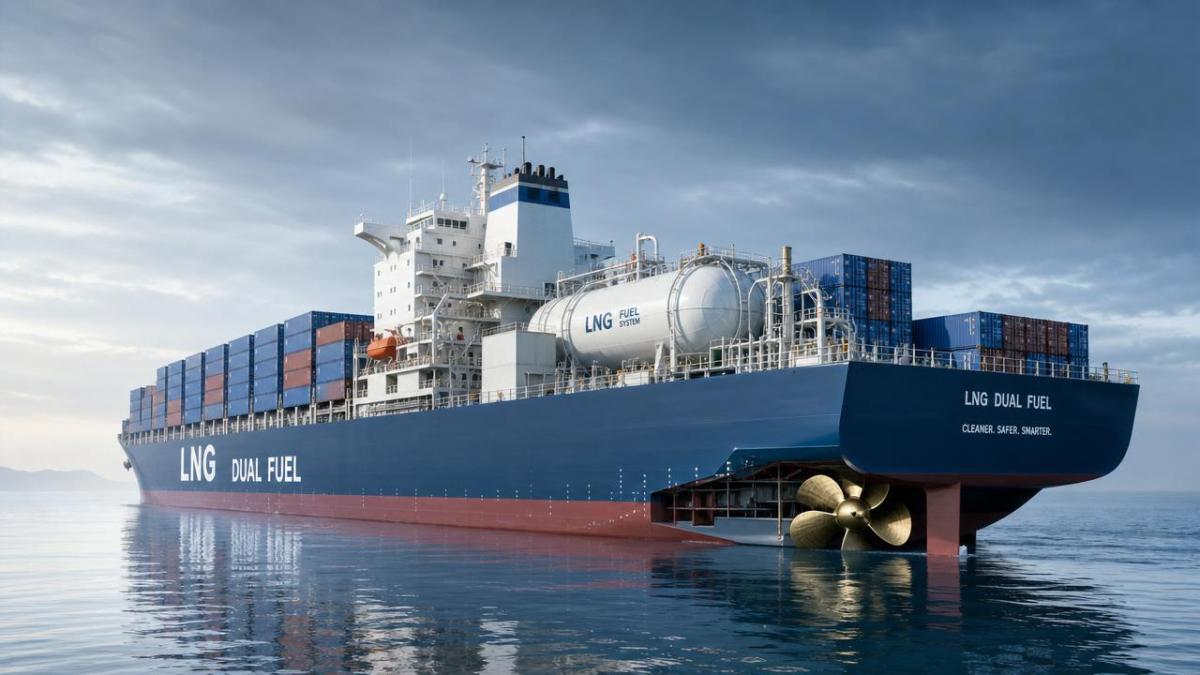
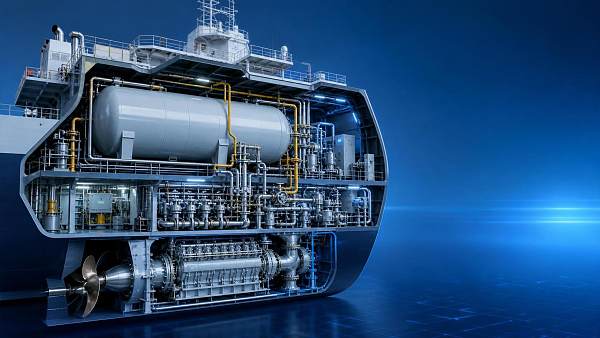
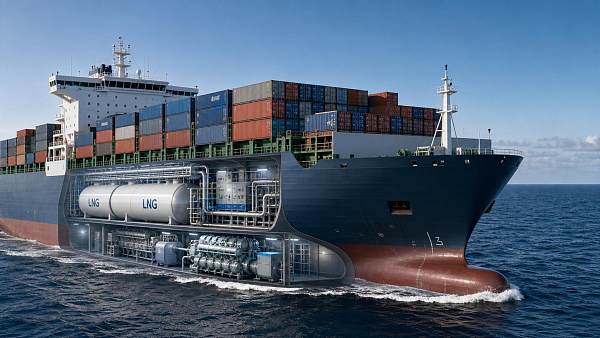
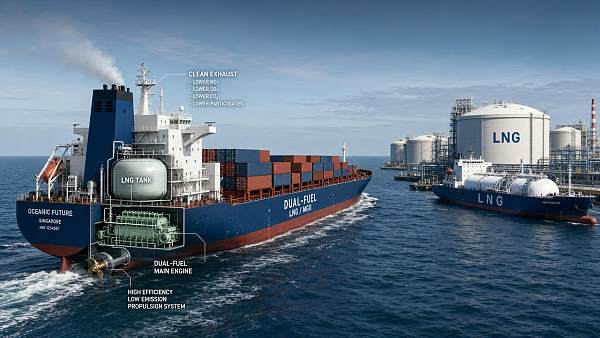
In marine propulsion technology, dual-fuel usually means one engine can operate on two fuel paths, most commonly LNG and marine diesel oil.
The concept sounds straightforward, but performance depends on combustion mode, fuel storage design, control logic, and vessel operating profile.
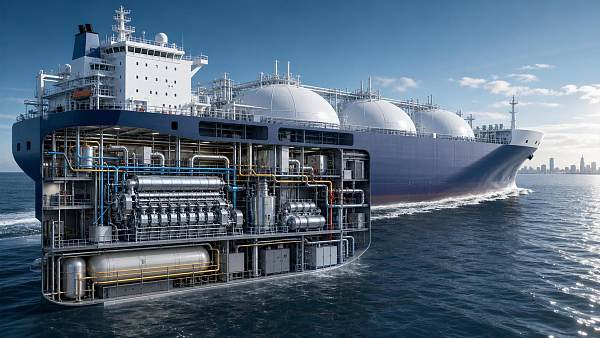
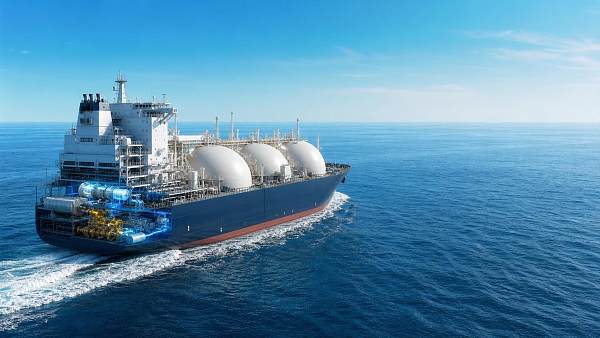
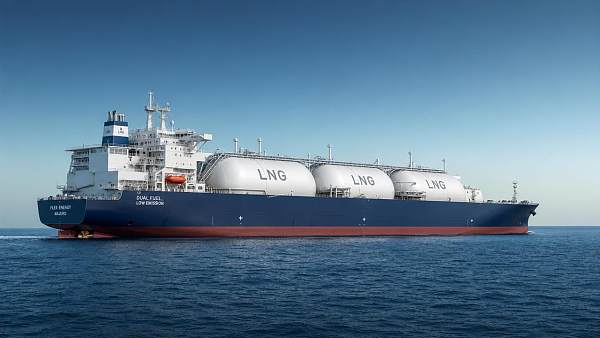
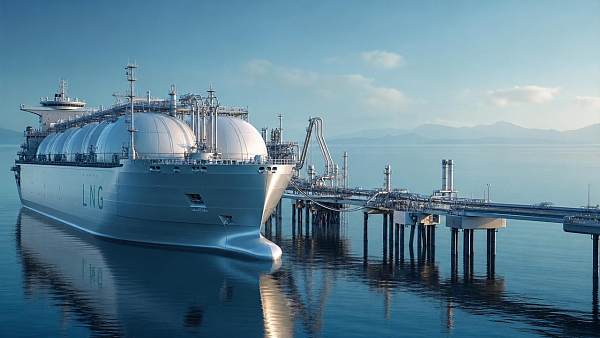
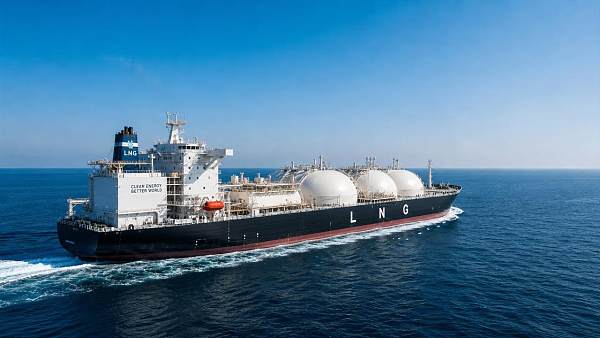
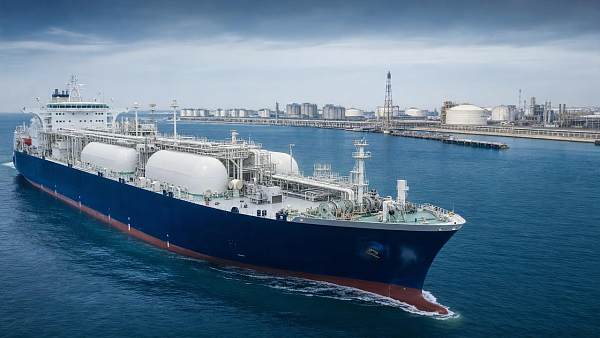
On LNG carriers, dual-fuel marine propulsion technology often integrates boil-off gas management with engine demand.
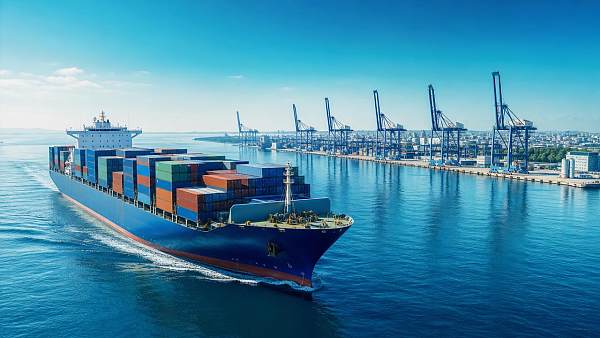
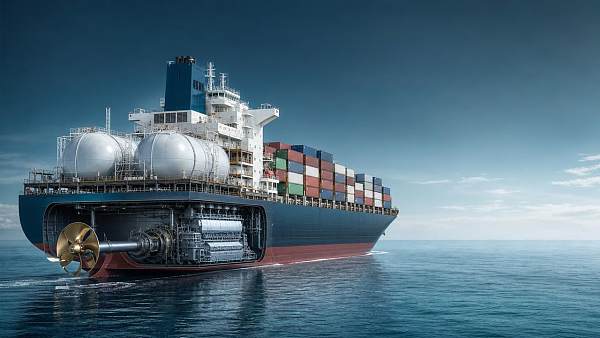
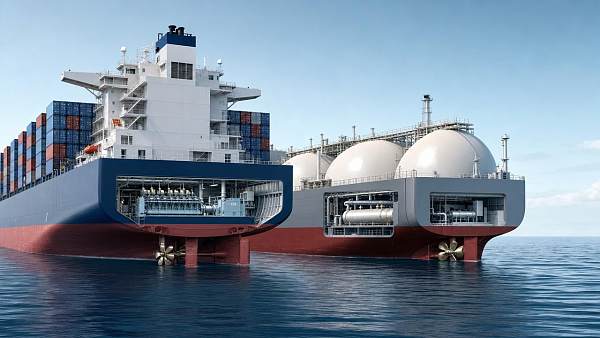
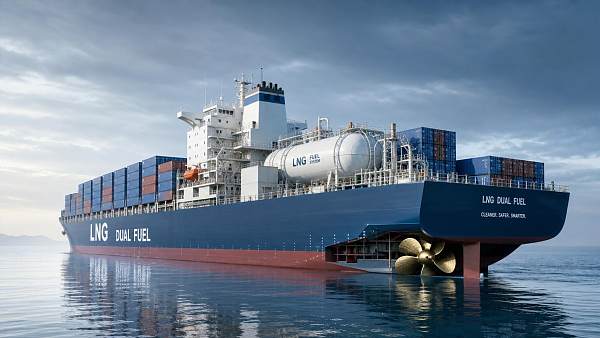
On container ships or smart vessels, the same technology may focus more on emissions compliance and route-based fuel optimization.
This distinction matters because the same label can hide very different trade-offs in efficiency, redundancy, capital cost, and maintenance burden.
Key configurations seen in modern fleets
- Low-pressure dual-fuel two-stroke engines
- High-pressure gas injection two-stroke engines
- Medium-speed four-stroke dual-fuel systems
- Hybrid arrangements with shaft generators or battery support
Each architecture affects methane slip, transient response, fuel flexibility, and integration complexity.
Why are efficiency and emissions not always aligned in marine propulsion technology?
A frequent assumption is that cleaner fuel automatically means better overall propulsion performance. In marine propulsion technology, that is only partly true.
LNG can lower SOx, particulate matter, and CO2 emissions compared with conventional heavy fuels.
However, actual system efficiency depends on engine load, ambient conditions, gas quality, and energy used by auxiliary systems.
Fuel gas supply units, tank conditioning, reliquefaction, ventilation, and safety systems all consume power.
That parasitic load can reduce the theoretical efficiency advantage of advanced marine propulsion technology.
Where trade-offs usually appear
- Lower carbon intensity may come with higher system complexity
- Better local emissions may still face methane slip concerns
- High peak efficiency may weaken under part-load operation
- Fuel flexibility can increase controls and maintenance demands
For this reason, performance claims should be checked against the vessel’s real duty cycle rather than brochure values.
How does load profile change dual-fuel propulsion results?
Load profile is one of the most overlooked variables in marine propulsion technology selection.
A vessel with long, steady voyages may extract strong benefits from optimized gas operation.
A ship with frequent maneuvering, port waiting, and variable speed may experience more mode switching and less stable combustion.
That can affect specific fuel consumption, engine wear, and emissions consistency.
Typical operating scenarios
Deep-sea LNG carriers often benefit from marine propulsion technology that aligns engine demand with cargo boil-off gas availability.
Large container ships may prioritize high-output reliability and route flexibility across ports with uneven LNG bunkering access.
Regional vessels may value responsive start-stop performance more than maximum thermal efficiency.
Practical evaluation questions
- How many annual hours are spent below optimal gas-load range?
- How often will the engine switch between gas and liquid fuel?
- Is shaft power demand stable or highly transient?
- Can onboard storage support the planned bunkering interval?
Without these answers, marine propulsion technology comparisons remain incomplete.
What hidden costs and risks should be considered beyond engine efficiency?
Lifecycle performance is broader than fuel consumption. Marine propulsion technology decisions also involve installation footprint, safety design, training, downtime risk, and retrofit complexity.
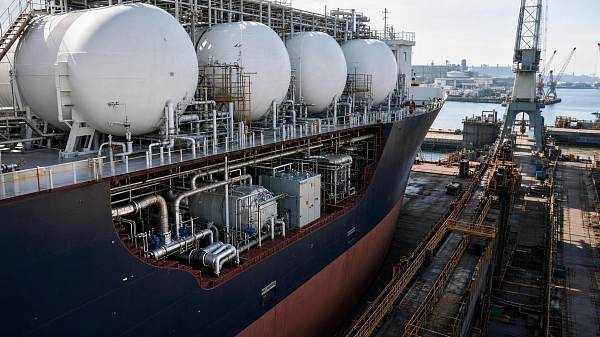
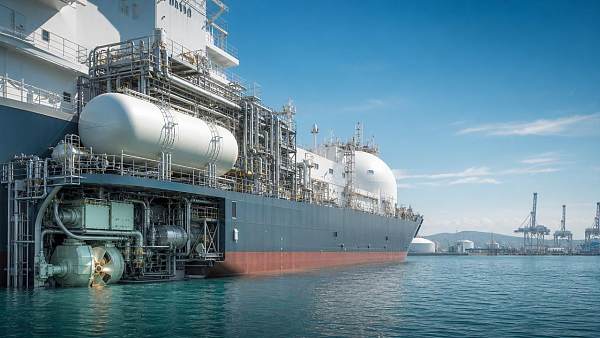
Cryogenic tanks can reduce cargo space or alter weight distribution.
Gas handling systems add valves, piping, sensors, and hazardous area requirements.
These features improve compliance capability, but they also increase inspection points and potential failure interfaces.
Commonly underestimated risk factors
- Methane slip exposure under tightening greenhouse rules
- Fuel availability mismatches across trading routes
- Longer commissioning due to integrated automation testing
- Higher spare parts diversity for dual operating modes
- Crew competency gaps in gas safety procedures
For GTOT-observed projects, the strongest results usually come from evaluating propulsion, containment, bunkering, and digital monitoring as one system.
How should marine propulsion technology be compared for different vessel strategies?
A useful comparison should connect technical metrics with commercial operating logic.
The best marine propulsion technology for one ship class can be a poor fit for another.
This type of matrix keeps marine propulsion technology selection grounded in actual service conditions.
What are the most common mistakes when judging dual-fuel performance trade-offs?
The first mistake is treating fuel flexibility as equal to operational flexibility.
A technically dual-fuel engine may still perform unevenly if bunkering access, crew readiness, or gas quality are inconsistent.
The second mistake is focusing only on nominal engine efficiency.
In marine propulsion technology, total energy use includes auxiliaries, boil-off treatment, and control system overhead.
The third mistake is underestimating regulation trajectory.
A system that looks compliant today may face future pressure from methane and lifecycle carbon accounting rules.
A better review approach
- Model performance across realistic load bands
- Include auxiliary energy demand in comparisons
- Test route-specific bunkering assumptions
- Check future emissions exposure, not only current limits
- Review maintainability and crew training requirements
FAQ summary: which marine propulsion technology signals deserve the closest attention?
Marine propulsion technology should be judged as a vessel-wide performance system, not as an isolated engine specification.
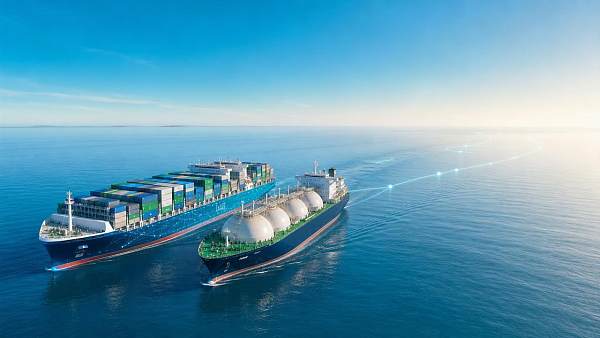
For advanced fleets, especially smart container ships and LNG carriers, dual-fuel performance trade-offs become clearer when evaluated against route, regulation, and integration realities.
A practical next step is to build a comparison sheet covering load profile, bunkering access, methane risk, auxiliary demand, and containment impacts.
That structured review makes marine propulsion technology decisions more resilient, especially in a market shaped by decarbonization and digital operational control.
Recommended News
 Aug 28, 2026How to select a marine propulsion system for tankers by operating profileMarine propulsion system for tankers: learn how to align propulsion, fuel strategy, propeller performance, redundancy, and lifecycle costs with real operating profiles.
 Jul 15, 2026Class Approved Dual-Fuel Marine Propulsion: Key Certification Points to CheckClass approved dual-fuel marine propulsion explained: learn the key certification points, hidden compliance gaps, and practical checks to improve safety, approval readiness, and supplier selection.
 Jul 10, 2026Dual Fuel Propulsion IMO Compliance: What to Check Before SpecificationDual fuel propulsion IMO compliance starts before spec freeze. Learn the key checks on emissions, IGF safety, class approval, and lifecycle risk to avoid costly redesigns.
 Jul 04, 2026LNG Vessel Retrofit: Key Risks Before Final Scope ApprovalLNG vessel retrofit risks often emerge before final scope approval. Learn how to assess interfaces, yard limits, compliance, and lifecycle value to avoid delays and costly rework.
 Jun 21, 2026How Dual-Fuel Propulsion Cuts LNG Carrier Fuel Risk and EmissionsLNG carriers dual-fuel propulsion cuts fuel risk and emissions by using boil-off gas and liquid fuels flexibly. Learn how it boosts efficiency, compliance, and voyage resilience.
 Jun 18, 2026Dual-Fuel Propulsion: What to Check Before Choosing a SystemDual-fuel propulsion buyers should check fuel strategy, emissions, control logic, safety, and lifecycle cost before choosing a system. Learn what drives real vessel performance.
 Jun 16, 2026Decarbonization Solutions for Maritime Logistics: Which Options Deliver Real ROI?Decarbonization solutions for maritime logistics: discover which upgrades, digital tools, and fuel strategies deliver real ROI, lower risk, and measurable savings for fleets.
 Jun 14, 2026Decarbonization Solutions for Maritime Logistics ComparedDecarbonization solutions for maritime logistics compared: explore LNG, retrofits, AI routing, and smart vessel strategies to cut emissions, control costs, and protect shipping reliability.
 Jun 12, 2026LNG Carriers Dual-Fuel Propulsion: Cost, Compliance, and PaybackLNG carriers dual-fuel propulsion explained: compare cost, compliance impact, and payback to see how fuel flexibility can protect vessel value and charter competitiveness.
![]() Jun 09, 2026Dual-Fuel Propulsion: Cost, Compliance, and Retrofit Trade-OffsDual-fuel propulsion explained: compare cost, compliance, and retrofit trade-offs for vessels, with practical insights on LNG flexibility, asset value, and smarter procurement decisions.
Jun 09, 2026Dual-Fuel Propulsion: Cost, Compliance, and Retrofit Trade-OffsDual-fuel propulsion explained: compare cost, compliance, and retrofit trade-offs for vessels, with practical insights on LNG flexibility, asset value, and smarter procurement decisions. Jun 08, 2026Dual-Fuel Propulsion: Cost, Range, and Emissions Trade-Offs in 2026Dual-fuel propulsion in 2026: compare cost, range, and emissions trade-offs for ships and transport assets. Learn where flexibility pays off and what to verify before investing.
 Jun 07, 2026Marine Propulsion Systems: Key Efficiency Trade-Offs for New Vessel ProjectsMarine propulsion systems for new vessel projects: compare fuel efficiency, emissions, lifecycle cost, and control trade-offs to choose a smarter, future-ready vessel solution.
 Jun 02, 20262026 LNG Carriers Technology Advancements Reshaping Fleet PlanningLNG carriers technology advancements are redefining 2026 fleet planning with smarter containment, dual-fuel propulsion, AI routing, and compliance-ready performance.
 Jun 01, 2026Marine Propulsion Systems: Cost Risks Before RetrofitMarine propulsion systems retrofits can hide fuel, downtime, compliance, and maintenance costs. Learn how to quantify risks before approval and protect fleet ROI.
 May 31, 2026International Shipbuilding Trends Shaping Dual-Fuel FleetsInternational shipbuilding is shifting toward dual-fuel fleets, reshaping fuel flexibility, asset value, compliance strategy, and maritime competitiveness.
 May 25, 2026LNG Carriers: Choosing Dual-Fuel Propulsion for Lower LossesLNG carriers for global energy transport benefit from dual-fuel propulsion with lower cargo losses, stronger compliance, and better fuel flexibility—see what buyers should evaluate now.
 May 24, 2026Marine Propulsion Technology: Dual-fuel Performance Trade-offsMarine propulsion technology explained: compare dual-fuel efficiency, emissions, methane slip, load profile, and lifecycle risk to choose smarter vessel propulsion strategies.
![]() May 23, 2026Marine Propulsion Systems: Cost vs Fuel EfficiencyMarine propulsion systems decisions should balance cost, fuel efficiency, and compliance. Compare scenario-based options for container ships, LNG carriers, and hybrid routes.
May 23, 2026Marine Propulsion Systems: Cost vs Fuel EfficiencyMarine propulsion systems decisions should balance cost, fuel efficiency, and compliance. Compare scenario-based options for container ships, LNG carriers, and hybrid routes. May 21, 2026LNG Carriers Dual-Fuel Propulsion: Fuel Savings vs Retrofit CostLNG carriers dual-fuel propulsion: compare fuel savings, retrofit cost, payback, and charter value to see when fleet upgrades deliver stronger ROI and lower compliance risk.
 May 18, 2026Marine Propulsion Technology: When Dual-Fuel Pays OffMarine propulsion technology explained: discover when dual-fuel systems deliver real ROI, lower compliance risk, and stronger vessel value across modern shipping routes.
 May 17, 2026Dual-fuel Marine Propulsion Systems: Cost vs EfficiencyMarine propulsion systems: discover whether dual-fuel upgrades truly balance higher capex with fuel savings, compliance gains, and stronger lifetime vessel returns.