Search News
Industry Portal
Popular Tags
Marine Propulsion Systems: Key Efficiency Trade-Offs for New Vessel Projects
Author
Time
Click Count
Choosing the right marine propulsion systems can shape fuel burn, emissions, range, uptime, and long-term vessel value. In new vessel projects, the best answer is rarely the most advanced package on paper.
What matters more is fit. A propulsion setup has to match route profile, cargo pattern, port limitations, maintenance resources, and future regulatory pressure without creating hidden operating penalties.
For technical evaluation work, that means comparing trade-offs in a practical way. It also means looking beyond engine efficiency alone and checking the full ship system, from control logic to hotel load to fuel flexibility.
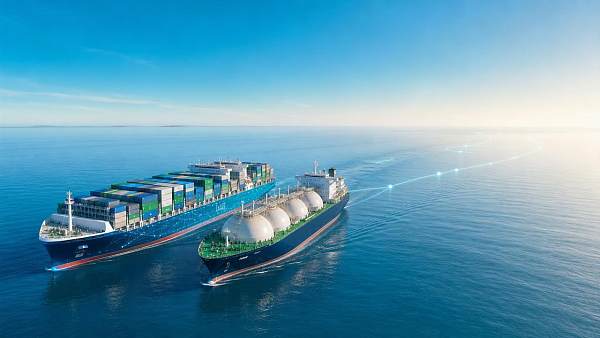
At GTOT, this broader view matters because smart container ships, LNG carriers, and digitally managed transport assets now sit inside one connected land-sea efficiency chain. Decisions on marine propulsion systems increasingly affect logistics reliability, emissions strategy, and tender competitiveness.
Start with the operating profile, not the brochure
Before comparing brands or architectures, define how the vessel will actually work. A ship designed for long, steady voyages needs a different propulsion logic than one facing frequent speed changes, port waiting, or auxiliary-heavy operations.
That sounds obvious, but this is where many propulsion selections drift off course. The project team often locks onto peak efficiency figures while missing how the vessel spends most of its time.
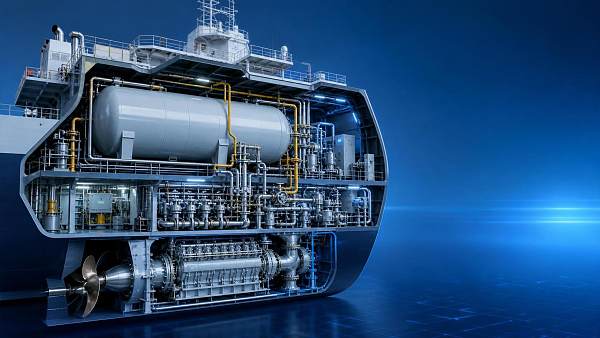
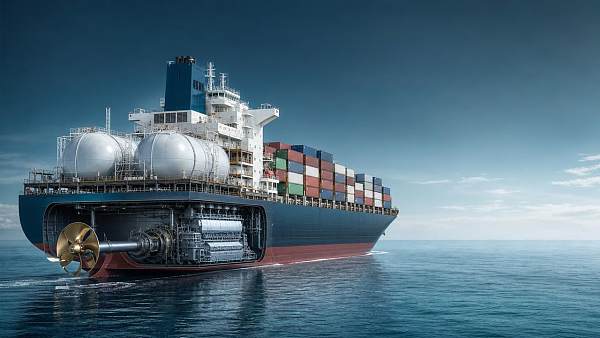
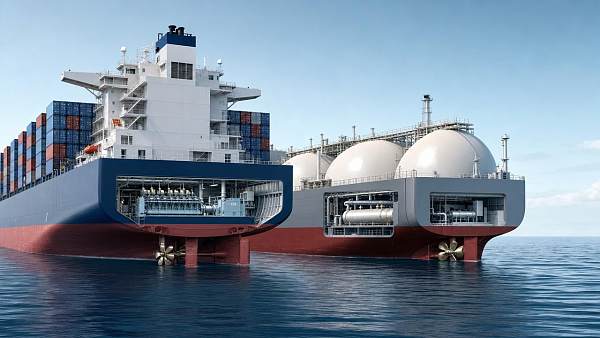
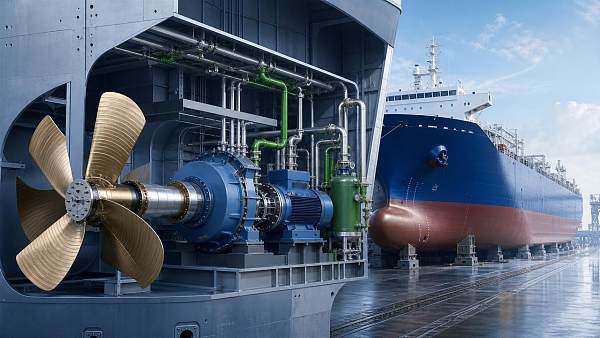
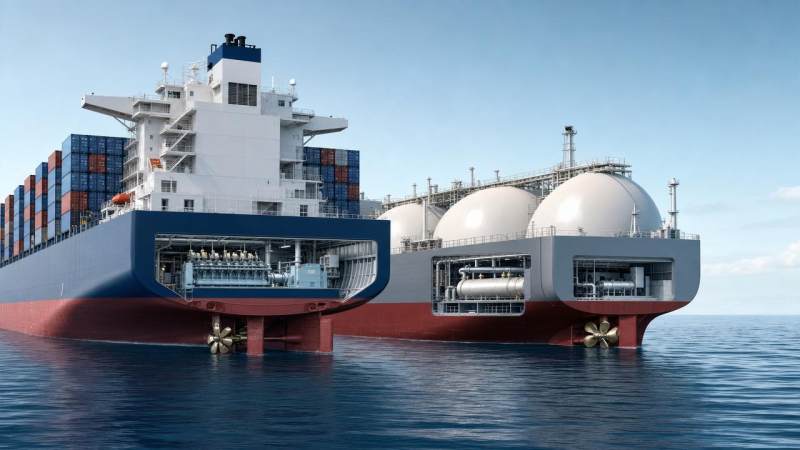
The image below is useful as a quick mental model when screening marine propulsion systems for new builds.
[Image 01: Comparison diagram of main marine propulsion systems, efficiency bands, load response, and vessel mission fit]
- Map actual duty cycles first. Compare cruising hours, maneuvering time, idle periods, and auxiliary demand before judging marine propulsion systems by headline efficiency alone.
- Check average load, not only maximum load. Many propulsion losses appear when engines run far below their best specific fuel consumption window.
- Treat route variability as a design input. Weather margins, current shifts, and port congestion can change the practical value of flexible propulsion architectures.
- Include future operational changes early. Charter pattern shifts, slow steaming plans, or alternative fuel adoption can quickly alter propulsion suitability.
The main efficiency trade-offs that usually decide the project
Most new vessel evaluations come down to a handful of repeat questions. The list below helps turn those questions into checks that are easier to act on.
1) Peak efficiency versus real-world efficiency
A mechanically simple propulsion train may deliver strong efficiency at stable loads. But if the vessel faces frequent speed swings, electric or hybrid support can outperform it across the real operating year.
- Favor annual fuel profile over sea-trial best case. The most efficient marine propulsion systems are the ones that stay efficient across normal load variation.
2) Simplicity versus controllability
Direct-drive systems are often robust and easier to maintain. Integrated electric propulsion adds control flexibility, smoother power sharing, and easier integration with automation, but it raises system complexity.
- Score control benefits carefully. Better maneuvering, power management, and redundancy may justify higher complexity in marine propulsion systems for demanding routes.
3) Fuel flexibility versus capital cost
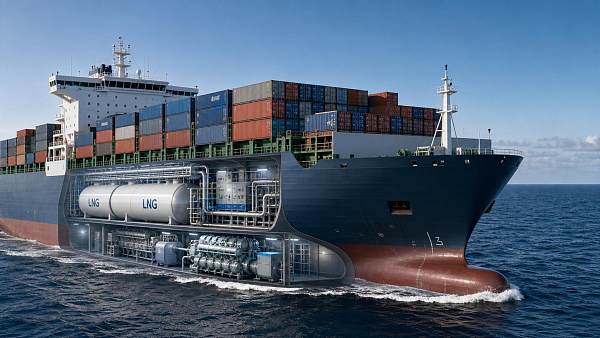
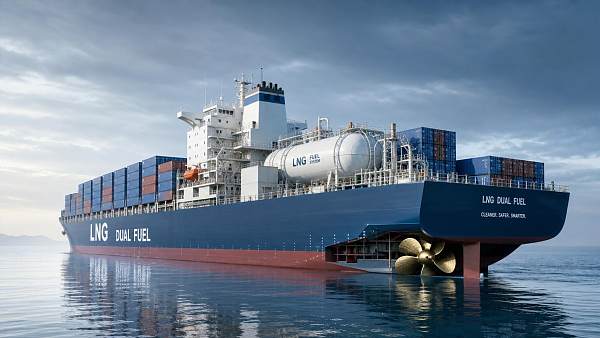
Dual-fuel and alternative-fuel-ready arrangements improve regulatory resilience. They can also support decarbonization goals, especially in LNG carriers and advanced commercial fleets, but they usually require higher upfront investment and added integration effort.
- Price fuel flexibility over the vessel’s expected compliance life. Higher CAPEX may protect marine propulsion systems from future emissions penalties and retrofit costs.
4) Compact layout versus service accessibility
Tighter machinery arrangements may free cargo or tank volume. Still, cramped layouts often increase maintenance time, complicate inspection routines, and reduce safe access during repairs.
- Review maintenance access in 3D. Efficient marine propulsion systems lose value quickly when routine service tasks become slow, unsafe, or port-dependent.
5) Redundancy versus weight and losses
Extra redundancy improves uptime and mission security. However, additional equipment adds weight, parasitic losses, and more interfaces that must be monitored and maintained.
- Set redundancy by mission consequence. Add backup depth where failure cost is high, not simply because a marine propulsion systems package allows it.
How propulsion choice changes by vessel scenario
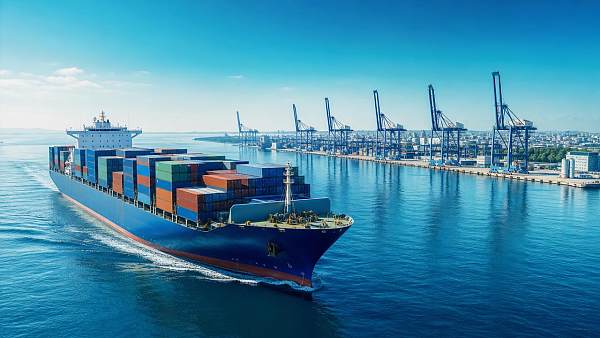
For smart container ships, voyage efficiency often depends on consistent service speed, weather routing, and port turnaround timing. In that case, propulsion should be evaluated together with digital voyage optimization and onboard power management.
A system that looks slightly weaker in isolated engine metrics may perform better once routing AI, shaft power management, and hotel load balancing are included. GTOT tracks these cross-system links because they now influence commercial competitiveness.
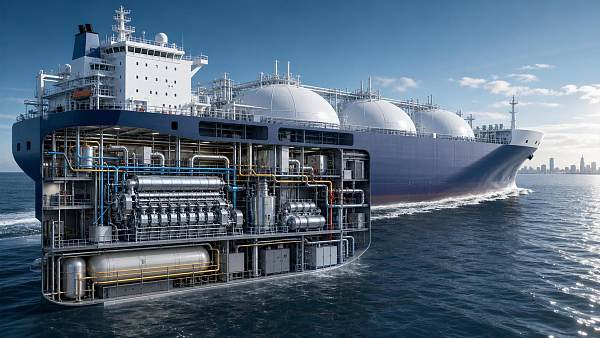
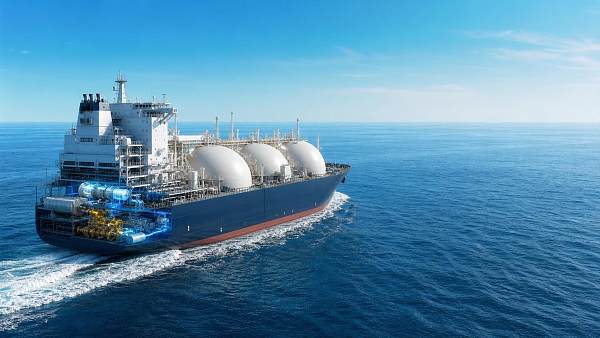
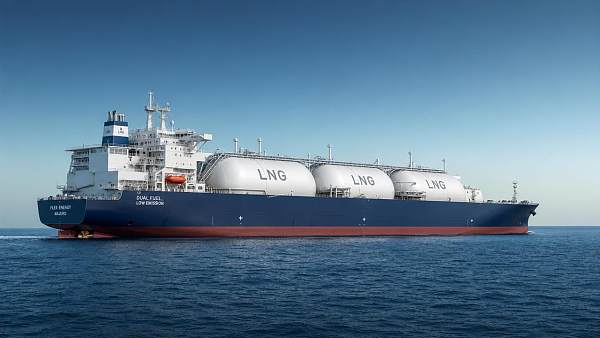
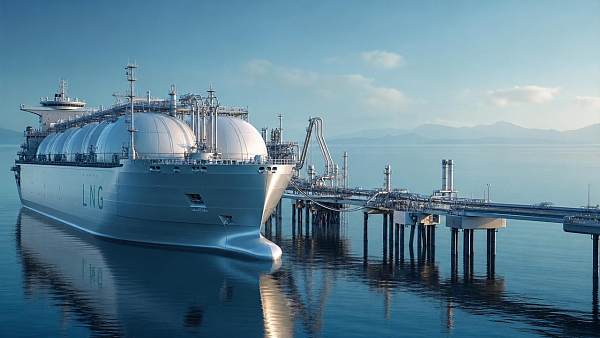
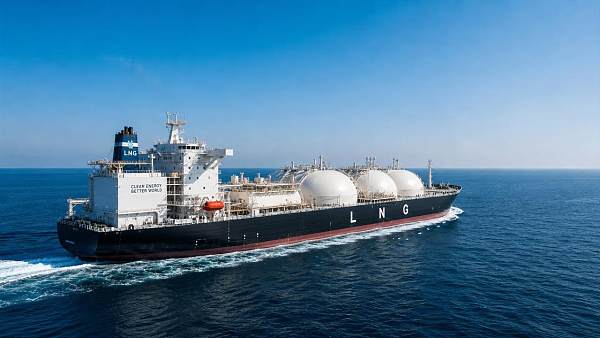
For LNG carriers, the equation shifts. Boil-off gas handling, dual-fuel strategy, cryogenic safety logic, and emissions compliance become central. Here, marine propulsion systems are not just about propulsion efficiency; they are tied directly to cargo containment performance and fuel management.
That is why propulsion reviews for LNG projects need tighter coordination across machinery, cargo systems, control architecture, and lifecycle safety requirements.
A practical screening table for early-stage comparison
A simple table can keep early discussions grounded. It helps separate attractive specifications from project-ready decisions.
What often gets overlooked in marine propulsion systems reviews
Some of the biggest project mistakes hide in secondary factors. They do not always show up in headline efficiency claims, but they can reshape total vessel performance.
- Do not separate propulsion from automation. Modern marine propulsion systems depend heavily on control logic, sensors, and power coordination quality.
- Check part-load emissions behavior. A system can meet targets in formal modes yet perform poorly during actual mixed-load operations.
- Review port and service network realities. Efficient marine propulsion systems still need fuel access, trained technicians, and spare support in target regions.
- Test vibration and noise implications early. Propulsion choices can affect crew comfort, equipment life, and onboard electronics reliability.
- Look at upgrade pathways. Digital retrofit compatibility and fuel transition readiness often matter more than a small initial efficiency advantage.
A workable decision sequence for new vessel projects
A disciplined review process usually beats a long list of disconnected technical preferences. The goal is to narrow choices by mission fit, then test economics and compliance resilience.
- Define mission envelopes clearly. Speed bands, route length, cargo pattern, and waiting time should shape the first shortlist of marine propulsion systems.
- Model whole-ship energy demand. Include propulsion, auxiliary loads, reefer demand, cargo handling interfaces, and digital equipment power draw.
- Run lifecycle sensitivity cases. Compare fuel cost swings, carbon-related charges, maintenance intervals, and off-hire exposure across each option.
- Challenge integration assumptions early. Confirm class rules, control architecture maturity, and yard capability before locking the propulsion baseline.
This approach fits GTOT’s broader intelligence model. In both marine and rail systems, the strongest technical choice is often the one that performs best across interfaces, not the one with the most impressive isolated specification.
Closing perspective
In new vessel planning, marine propulsion systems should be judged as operating platforms, not standalone machines. Efficiency matters, but so do maintainability, controllability, fuel pathway resilience, and digital integration.
A good next step is simple: build a comparison sheet around actual duty cycles, part-load behavior, service support, and lifecycle compliance cost. That usually reveals which marine propulsion systems are truly project-fit, and which only look strong in theory.
Recommended News
 Aug 28, 2026How to select a marine propulsion system for tankers by operating profileMarine propulsion system for tankers: learn how to align propulsion, fuel strategy, propeller performance, redundancy, and lifecycle costs with real operating profiles.
 Jul 15, 2026Class Approved Dual-Fuel Marine Propulsion: Key Certification Points to CheckClass approved dual-fuel marine propulsion explained: learn the key certification points, hidden compliance gaps, and practical checks to improve safety, approval readiness, and supplier selection.
 Jul 10, 2026Dual Fuel Propulsion IMO Compliance: What to Check Before SpecificationDual fuel propulsion IMO compliance starts before spec freeze. Learn the key checks on emissions, IGF safety, class approval, and lifecycle risk to avoid costly redesigns.
 Jul 04, 2026LNG Vessel Retrofit: Key Risks Before Final Scope ApprovalLNG vessel retrofit risks often emerge before final scope approval. Learn how to assess interfaces, yard limits, compliance, and lifecycle value to avoid delays and costly rework.
 Jun 21, 2026How Dual-Fuel Propulsion Cuts LNG Carrier Fuel Risk and EmissionsLNG carriers dual-fuel propulsion cuts fuel risk and emissions by using boil-off gas and liquid fuels flexibly. Learn how it boosts efficiency, compliance, and voyage resilience.
 Jun 18, 2026Dual-Fuel Propulsion: What to Check Before Choosing a SystemDual-fuel propulsion buyers should check fuel strategy, emissions, control logic, safety, and lifecycle cost before choosing a system. Learn what drives real vessel performance.
 Jun 16, 2026Decarbonization Solutions for Maritime Logistics: Which Options Deliver Real ROI?Decarbonization solutions for maritime logistics: discover which upgrades, digital tools, and fuel strategies deliver real ROI, lower risk, and measurable savings for fleets.
 Jun 14, 2026Decarbonization Solutions for Maritime Logistics ComparedDecarbonization solutions for maritime logistics compared: explore LNG, retrofits, AI routing, and smart vessel strategies to cut emissions, control costs, and protect shipping reliability.
 Jun 12, 2026LNG Carriers Dual-Fuel Propulsion: Cost, Compliance, and PaybackLNG carriers dual-fuel propulsion explained: compare cost, compliance impact, and payback to see how fuel flexibility can protect vessel value and charter competitiveness.
![]() Jun 09, 2026Dual-Fuel Propulsion: Cost, Compliance, and Retrofit Trade-OffsDual-fuel propulsion explained: compare cost, compliance, and retrofit trade-offs for vessels, with practical insights on LNG flexibility, asset value, and smarter procurement decisions.
Jun 09, 2026Dual-Fuel Propulsion: Cost, Compliance, and Retrofit Trade-OffsDual-fuel propulsion explained: compare cost, compliance, and retrofit trade-offs for vessels, with practical insights on LNG flexibility, asset value, and smarter procurement decisions. Jun 08, 2026Dual-Fuel Propulsion: Cost, Range, and Emissions Trade-Offs in 2026Dual-fuel propulsion in 2026: compare cost, range, and emissions trade-offs for ships and transport assets. Learn where flexibility pays off and what to verify before investing.
 Jun 07, 2026Marine Propulsion Systems: Key Efficiency Trade-Offs for New Vessel ProjectsMarine propulsion systems for new vessel projects: compare fuel efficiency, emissions, lifecycle cost, and control trade-offs to choose a smarter, future-ready vessel solution.
 Jun 02, 20262026 LNG Carriers Technology Advancements Reshaping Fleet PlanningLNG carriers technology advancements are redefining 2026 fleet planning with smarter containment, dual-fuel propulsion, AI routing, and compliance-ready performance.
 Jun 01, 2026Marine Propulsion Systems: Cost Risks Before RetrofitMarine propulsion systems retrofits can hide fuel, downtime, compliance, and maintenance costs. Learn how to quantify risks before approval and protect fleet ROI.
 May 31, 2026International Shipbuilding Trends Shaping Dual-Fuel FleetsInternational shipbuilding is shifting toward dual-fuel fleets, reshaping fuel flexibility, asset value, compliance strategy, and maritime competitiveness.
 May 25, 2026LNG Carriers: Choosing Dual-Fuel Propulsion for Lower LossesLNG carriers for global energy transport benefit from dual-fuel propulsion with lower cargo losses, stronger compliance, and better fuel flexibility—see what buyers should evaluate now.
 May 24, 2026Marine Propulsion Technology: Dual-fuel Performance Trade-offsMarine propulsion technology explained: compare dual-fuel efficiency, emissions, methane slip, load profile, and lifecycle risk to choose smarter vessel propulsion strategies.
![]() May 23, 2026Marine Propulsion Systems: Cost vs Fuel EfficiencyMarine propulsion systems decisions should balance cost, fuel efficiency, and compliance. Compare scenario-based options for container ships, LNG carriers, and hybrid routes.
May 23, 2026Marine Propulsion Systems: Cost vs Fuel EfficiencyMarine propulsion systems decisions should balance cost, fuel efficiency, and compliance. Compare scenario-based options for container ships, LNG carriers, and hybrid routes. May 21, 2026LNG Carriers Dual-Fuel Propulsion: Fuel Savings vs Retrofit CostLNG carriers dual-fuel propulsion: compare fuel savings, retrofit cost, payback, and charter value to see when fleet upgrades deliver stronger ROI and lower compliance risk.
 May 18, 2026Marine Propulsion Technology: When Dual-Fuel Pays OffMarine propulsion technology explained: discover when dual-fuel systems deliver real ROI, lower compliance risk, and stronger vessel value across modern shipping routes.
 May 17, 2026Dual-fuel Marine Propulsion Systems: Cost vs EfficiencyMarine propulsion systems: discover whether dual-fuel upgrades truly balance higher capex with fuel savings, compliance gains, and stronger lifetime vessel returns.