



Search News
Industry Portal
Popular Tags
How Dual-Fuel Propulsion Cuts LNG Carrier Fuel Risk and Emissions
Author
Time
Click Count
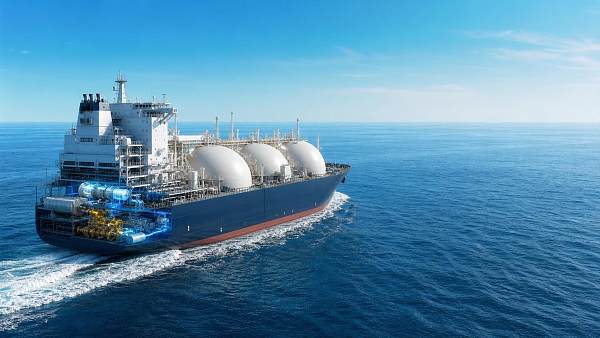
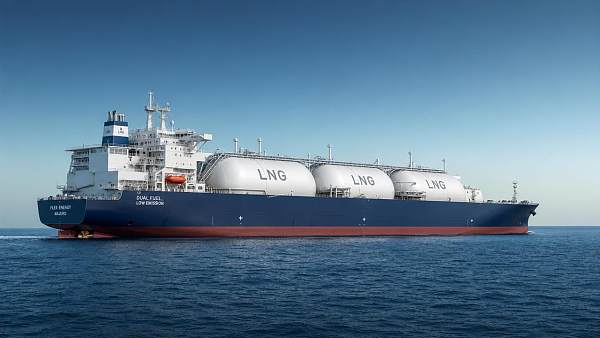
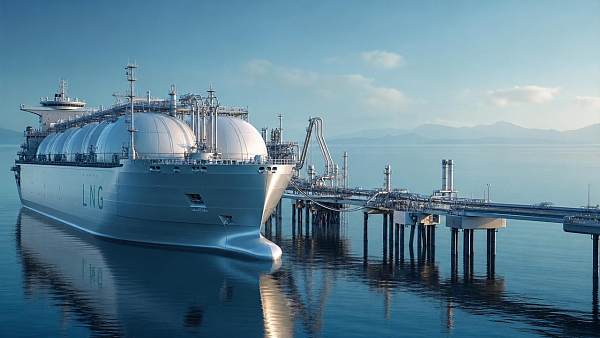
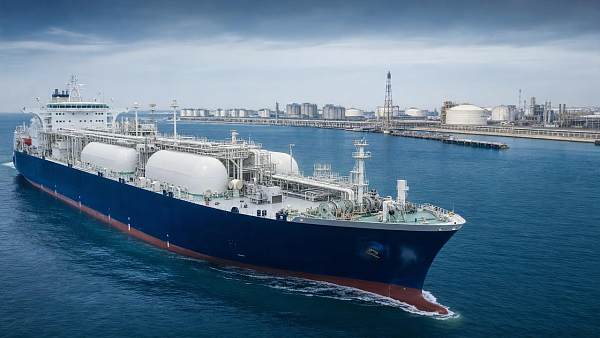
For LNG shipping, propulsion is no longer a narrow machinery choice. It now sits at the intersection of fuel economics, emissions policy, cargo management, and voyage resilience. That is why LNG carriers dual-fuel propulsion has become a central evaluation topic across newbuild programs and fleet upgrades.
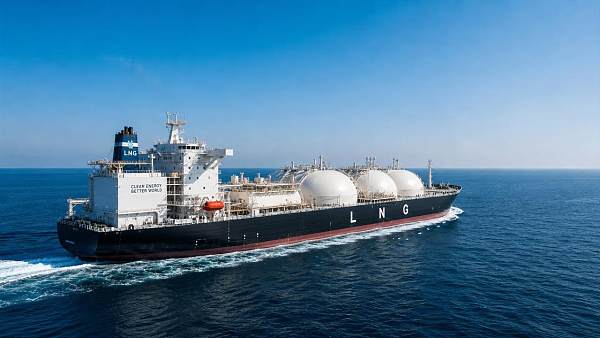
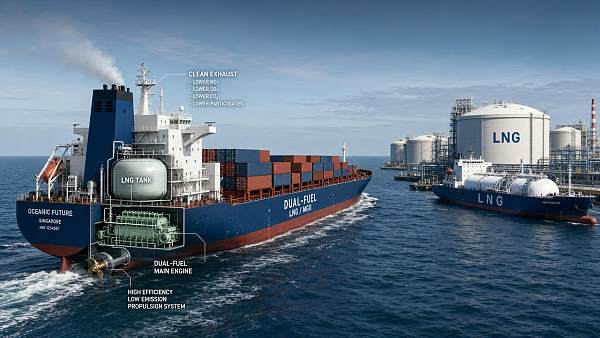
The logic is practical. An LNG carrier already produces boil-off gas during transport, and a dual-fuel plant can use that gas as propulsion energy while retaining access to marine liquid fuels when operating conditions change. This flexibility reduces exposure to fuel price swings and helps operators respond to tightening carbon and methane scrutiny.
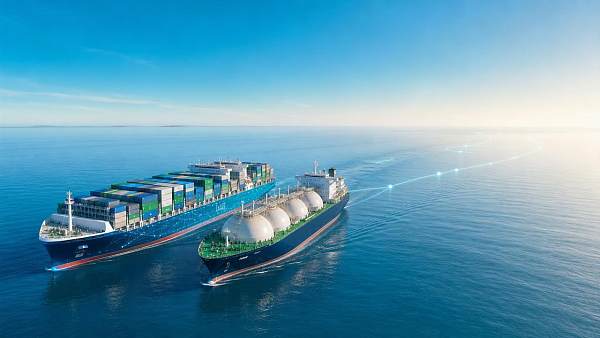
Within the wider transport intelligence landscape observed by GTOT, LNG carriers stand beside smart container ships and advanced rail systems as strategic assets. In each case, value depends on safe control, high efficiency, and the ability to perform under stricter decarbonization requirements.
Why dual-fuel propulsion matters more now
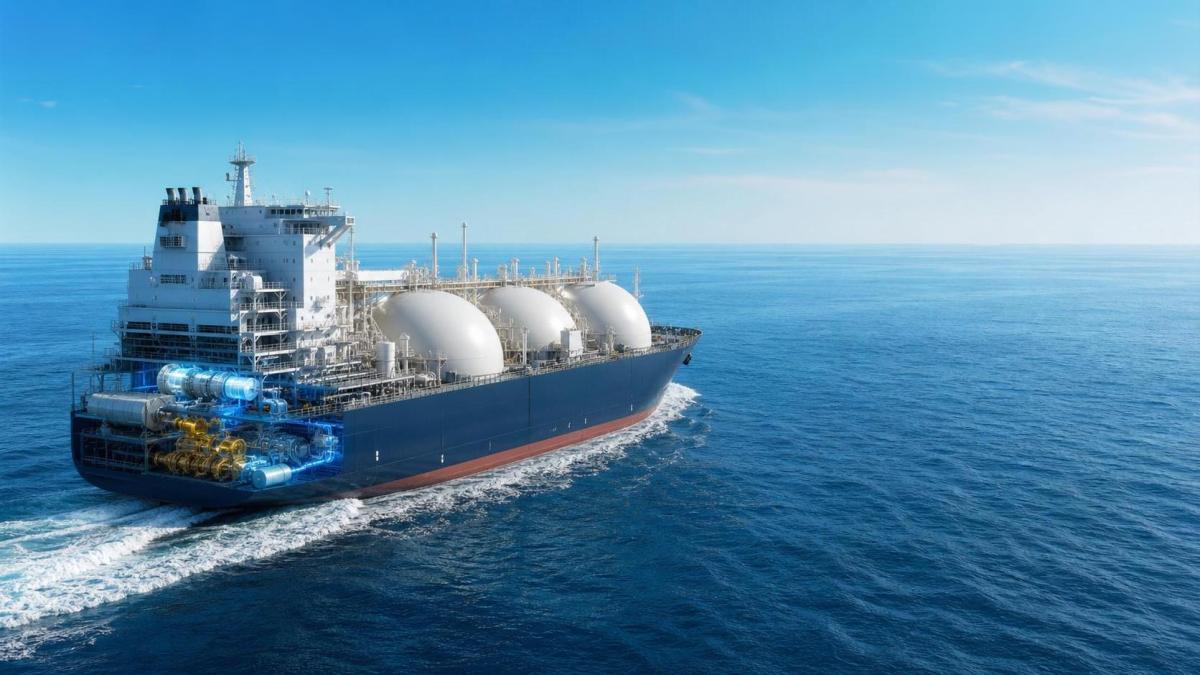
The LNG carrier market has changed in three important ways. Fuel cost volatility is higher, compliance pressure is broader, and operational planning is less predictable than in the past.
A single-fuel strategy leaves less room to adapt. By contrast, LNG carriers dual-fuel propulsion provides optionality during long-haul voyages, port approaches, variable cargo conditions, and shifting bunkering availability.
This is especially relevant as charterers and financiers ask tougher questions about lifecycle efficiency. A vessel may still meet headline capacity targets, yet underperform if propulsion cannot convert cargo boil-off into reliable, compliant power.
The issue is not only fuel substitution. It is the ability to manage propulsion, containment, and route economics as one system.
What LNG carriers dual-fuel propulsion actually means
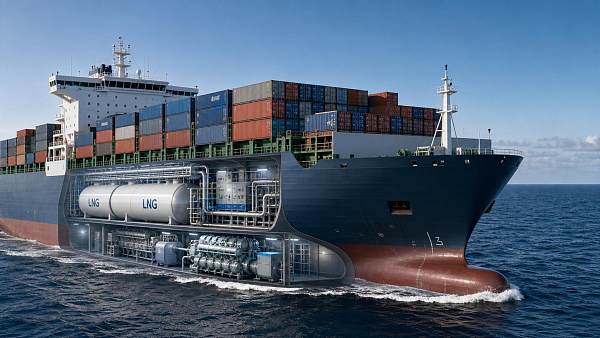
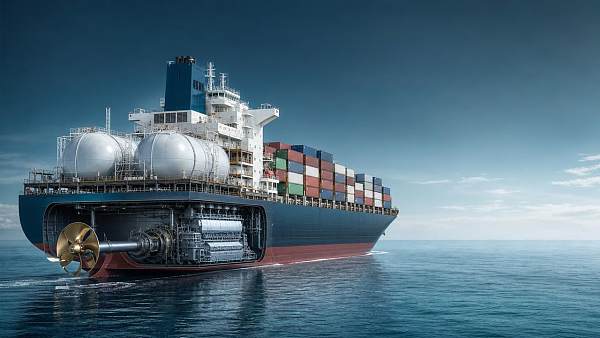
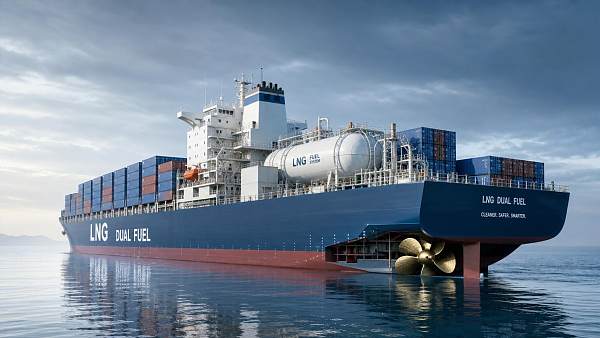
In simple terms, a dual-fuel LNG carrier can run on boil-off gas, supplied natural gas, and conventional marine fuels, depending on engine design and operating mode.
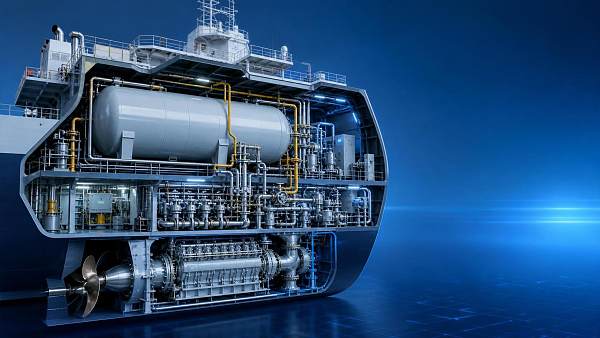
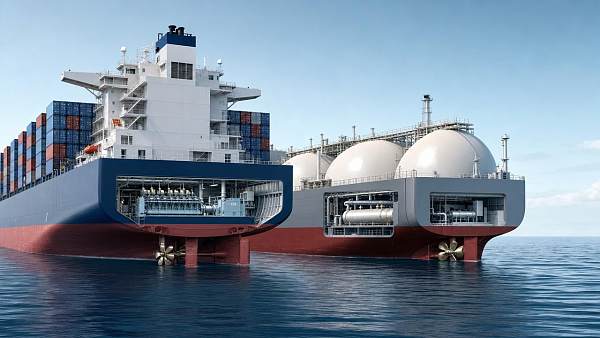
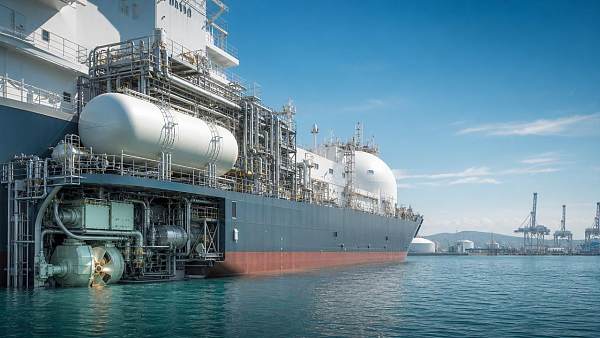
That sounds straightforward, but the engineering chain is broader. Fuel gas supply systems, tank pressure management, containment behavior, engine tuning, and safety controls all affect real performance.
On many modern vessels, the propulsion package is linked closely to cargo handling logic. If boil-off gas rises during certain voyage phases, the propulsion system can absorb part of that energy instead of forcing less efficient treatment elsewhere.
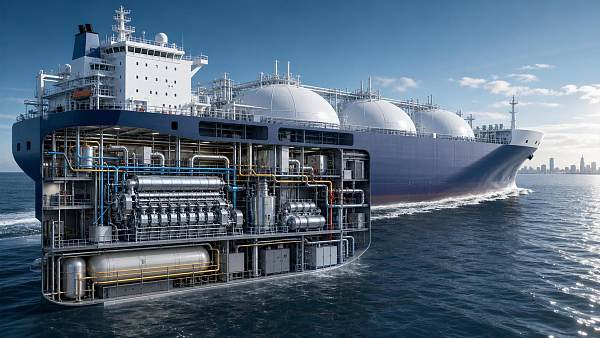
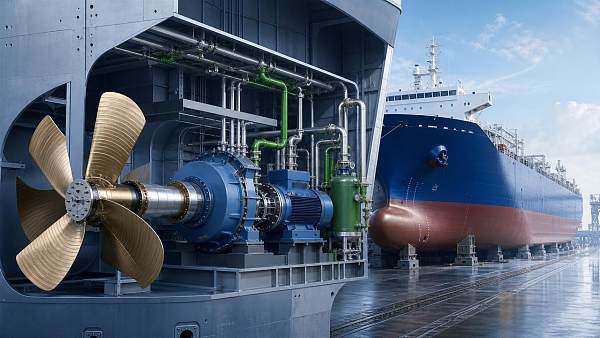
From a technical evaluation standpoint, LNG carriers dual-fuel propulsion should be treated as an integrated architecture, not just an engine specification.
Core elements behind performance
- Engine response across gas and liquid fuel modes
- Fuel gas conditioning and pressure stability
- Boil-off gas utilization efficiency during varied loads
- Methane slip control and aftertreatment strategy
- Automation, safety shutdown logic, and redundancy
How it reduces fuel risk in commercial operation
Fuel risk in LNG shipping rarely comes from one source. It comes from price dislocation, bunkering limits, cargo boil-off uncertainty, route deviations, and off-hire exposure linked to machinery constraints.
LNG carriers dual-fuel propulsion helps by spreading dependency across more than one fuel pathway. When gas use is favorable, operators can capture value from onboard boil-off. When gas conditions are less optimal, liquid fuel capability protects schedule integrity.
This flexibility also supports portfolio planning. Owners operating across different charter profiles can adapt the same vessel class to varied fuel availability and emissions strategies without redesigning the asset around a single assumption.
In volatile energy markets, optionality itself becomes a measurable asset feature.
Where the emissions benefit is real, and where caution is needed
The emissions case is strong, but it should be assessed carefully. Using gas instead of heavier marine fuels can lower sulfur oxides, particulate matter, and often carbon dioxide intensity.
That supports compliance with a tightening global framework shaped by IMO decarbonization pressure, carbon accounting, and more detailed reporting expectations.
However, the picture changes if methane slip is poorly controlled. Unburned methane can weaken the climate benefit, especially on engines or duty cycles that do not optimize gas combustion effectively.
This is why LNG carriers dual-fuel propulsion should never be evaluated only by nominal fuel-switching capability. The real question is how the vessel performs across a full operating profile.
Useful emissions checks during evaluation
- Gas-mode efficiency at low, medium, and high loads
- Measured or validated methane slip behavior
- Interaction between propulsion and boil-off handling
- Compliance readiness for future carbon intensity rules
- Control system robustness during fuel transitions
Typical scenarios that shape the decision
Not every LNG carrier operates under the same commercial logic. The value of LNG carriers dual-fuel propulsion becomes clearer when matched to specific voyage and asset conditions.
On long-haul routes, the ability to consume boil-off gas efficiently can materially influence voyage cost. On shorter or more variable routes, mode-switching reliability may matter more than maximum gas utilization.
For modern smart fleets, the propulsion choice also affects data integration. Engine mode, cargo state, routing software, and maintenance planning increasingly feed into one operational dashboard.
This wider systems view aligns with GTOT’s cross-sector perspective. Just as rail signal control depends on precise system coordination, LNG propulsion value depends on how machinery, controls, and mission profile work together.
What to examine beyond the headline specification
A brochure may say the vessel is dual-fuel ready, but that phrase can hide large performance differences. Good assessment starts with the relationship between propulsion design and shipwide operating logic.
More attention should go to transient behavior. Fuel changes during maneuvering, partial loads, or weather-driven speed adjustments often reveal more than rated output figures.
Maintenance strategy also matters. Dual-fuel systems can improve commercial flexibility, yet they introduce additional interfaces that must be monitored, calibrated, and serviced with discipline.
Digital diagnostics can help here. For a portal such as GTOT, the most useful intelligence often lies in performance traces, failure patterns, and comparative operating evidence rather than headline claims.
Practical checkpoints
- Review gas and liquid fuel consumption under comparable voyage profiles
- Check transition stability between propulsion modes
- Assess containment-system interaction with boil-off demand
- Compare lifecycle maintenance implications, not only CAPEX
- Verify automation, redundancy, and emergency shutdown philosophy
A useful way to frame the next decision
LNG carriers dual-fuel propulsion is best viewed as a risk-balancing tool. It can improve emissions performance, protect operating flexibility, and convert cargo-related gas behavior into commercial value.
Still, the strongest decisions come from comparing actual duty cycles, emissions evidence, and control-system maturity rather than relying on generic dual-fuel labels.
A sensible next step is to map voyage profile, fuel access, boil-off expectations, and compliance targets into one evaluation matrix. That makes it easier to see whether a given propulsion architecture truly reduces fuel risk and emissions for the intended fleet role.
For organizations following GTOT’s land-and-sea intelligence approach, the broader lesson is consistent: high-value transport assets perform best when energy, control, safety, and data are judged as one connected system.
Recommended News
 Aug 28, 2026How to select a marine propulsion system for tankers by operating profileMarine propulsion system for tankers: learn how to align propulsion, fuel strategy, propeller performance, redundancy, and lifecycle costs with real operating profiles.
 Jul 15, 2026Class Approved Dual-Fuel Marine Propulsion: Key Certification Points to CheckClass approved dual-fuel marine propulsion explained: learn the key certification points, hidden compliance gaps, and practical checks to improve safety, approval readiness, and supplier selection.
 Jul 10, 2026Dual Fuel Propulsion IMO Compliance: What to Check Before SpecificationDual fuel propulsion IMO compliance starts before spec freeze. Learn the key checks on emissions, IGF safety, class approval, and lifecycle risk to avoid costly redesigns.
 Jul 04, 2026LNG Vessel Retrofit: Key Risks Before Final Scope ApprovalLNG vessel retrofit risks often emerge before final scope approval. Learn how to assess interfaces, yard limits, compliance, and lifecycle value to avoid delays and costly rework.
 Jun 21, 2026How Dual-Fuel Propulsion Cuts LNG Carrier Fuel Risk and EmissionsLNG carriers dual-fuel propulsion cuts fuel risk and emissions by using boil-off gas and liquid fuels flexibly. Learn how it boosts efficiency, compliance, and voyage resilience.
 Jun 18, 2026Dual-Fuel Propulsion: What to Check Before Choosing a SystemDual-fuel propulsion buyers should check fuel strategy, emissions, control logic, safety, and lifecycle cost before choosing a system. Learn what drives real vessel performance.
 Jun 16, 2026Decarbonization Solutions for Maritime Logistics: Which Options Deliver Real ROI?Decarbonization solutions for maritime logistics: discover which upgrades, digital tools, and fuel strategies deliver real ROI, lower risk, and measurable savings for fleets.
 Jun 14, 2026Decarbonization Solutions for Maritime Logistics ComparedDecarbonization solutions for maritime logistics compared: explore LNG, retrofits, AI routing, and smart vessel strategies to cut emissions, control costs, and protect shipping reliability.
 Jun 12, 2026LNG Carriers Dual-Fuel Propulsion: Cost, Compliance, and PaybackLNG carriers dual-fuel propulsion explained: compare cost, compliance impact, and payback to see how fuel flexibility can protect vessel value and charter competitiveness.
![]() Jun 09, 2026Dual-Fuel Propulsion: Cost, Compliance, and Retrofit Trade-OffsDual-fuel propulsion explained: compare cost, compliance, and retrofit trade-offs for vessels, with practical insights on LNG flexibility, asset value, and smarter procurement decisions.
Jun 09, 2026Dual-Fuel Propulsion: Cost, Compliance, and Retrofit Trade-OffsDual-fuel propulsion explained: compare cost, compliance, and retrofit trade-offs for vessels, with practical insights on LNG flexibility, asset value, and smarter procurement decisions. Jun 08, 2026Dual-Fuel Propulsion: Cost, Range, and Emissions Trade-Offs in 2026Dual-fuel propulsion in 2026: compare cost, range, and emissions trade-offs for ships and transport assets. Learn where flexibility pays off and what to verify before investing.
 Jun 07, 2026Marine Propulsion Systems: Key Efficiency Trade-Offs for New Vessel ProjectsMarine propulsion systems for new vessel projects: compare fuel efficiency, emissions, lifecycle cost, and control trade-offs to choose a smarter, future-ready vessel solution.
 Jun 02, 20262026 LNG Carriers Technology Advancements Reshaping Fleet PlanningLNG carriers technology advancements are redefining 2026 fleet planning with smarter containment, dual-fuel propulsion, AI routing, and compliance-ready performance.
 Jun 01, 2026Marine Propulsion Systems: Cost Risks Before RetrofitMarine propulsion systems retrofits can hide fuel, downtime, compliance, and maintenance costs. Learn how to quantify risks before approval and protect fleet ROI.
 May 31, 2026International Shipbuilding Trends Shaping Dual-Fuel FleetsInternational shipbuilding is shifting toward dual-fuel fleets, reshaping fuel flexibility, asset value, compliance strategy, and maritime competitiveness.
 May 25, 2026LNG Carriers: Choosing Dual-Fuel Propulsion for Lower LossesLNG carriers for global energy transport benefit from dual-fuel propulsion with lower cargo losses, stronger compliance, and better fuel flexibility—see what buyers should evaluate now.
 May 24, 2026Marine Propulsion Technology: Dual-fuel Performance Trade-offsMarine propulsion technology explained: compare dual-fuel efficiency, emissions, methane slip, load profile, and lifecycle risk to choose smarter vessel propulsion strategies.
![]() May 23, 2026Marine Propulsion Systems: Cost vs Fuel EfficiencyMarine propulsion systems decisions should balance cost, fuel efficiency, and compliance. Compare scenario-based options for container ships, LNG carriers, and hybrid routes.
May 23, 2026Marine Propulsion Systems: Cost vs Fuel EfficiencyMarine propulsion systems decisions should balance cost, fuel efficiency, and compliance. Compare scenario-based options for container ships, LNG carriers, and hybrid routes. May 21, 2026LNG Carriers Dual-Fuel Propulsion: Fuel Savings vs Retrofit CostLNG carriers dual-fuel propulsion: compare fuel savings, retrofit cost, payback, and charter value to see when fleet upgrades deliver stronger ROI and lower compliance risk.
 May 18, 2026Marine Propulsion Technology: When Dual-Fuel Pays OffMarine propulsion technology explained: discover when dual-fuel systems deliver real ROI, lower compliance risk, and stronger vessel value across modern shipping routes.
 May 17, 2026Dual-fuel Marine Propulsion Systems: Cost vs EfficiencyMarine propulsion systems: discover whether dual-fuel upgrades truly balance higher capex with fuel savings, compliance gains, and stronger lifetime vessel returns.