Search News
Industry Portal
Popular Tags
Marine Propulsion Solutions Compared: Retrofit Constraints, Efficiency, and CAPEX
Author
Time
Click Count
A propulsion replacement is rarely a simple equipment purchase. A vessel may have a sound hull and acceptable auxiliary systems, yet its existing main engine, shaft line, propeller, fuel arrangement, or control architecture can no longer meet the owner’s operating profile. The procurement problem appears when a technically attractive marine propulsion solution requires extensive structural work, removes cargo capacity, creates dry-dock risk, or shifts costs into electrical upgrades and class approvals.
The practical answer is to compare propulsion options in this order: retrofit fit first, duty-cycle efficiency second, and CAPEX only after the full modification scope is visible. A lower-priced engine package can become the most expensive option when it drives tank conversion, shafting changes, cooling upgrades, or extended off-hire. Conversely, a more complex solution may justify its capital cost where fuel use, operating pattern, emissions requirements, and remaining vessel life support it.
Start with the vessel you actually have
Before requesting comparable quotations, define the physical and operational boundaries of the vessel. Procurement teams often receive proposals based on rated power, fuel type, and nominal efficiency. Those figures are useful, but they do not answer whether the package can be installed without compromising stability, cargo operations, maintenance access, or schedule.
Build the initial decision file around verified vessel information rather than assumptions:
- Current main engine model, rating, load profile, fuel consumption records, and maintenance condition.
- Propeller type, shaft diameter, gearbox arrangement, controllable-pitch or fixed-pitch configuration, and available shaft-generator interfaces.
- Engine-room dimensions, lifting routes, foundation condition, ventilation capacity, exhaust routing, cooling circuits, and electrical switchboard margin.
- Fuel tank locations, available deck or machinery-space volume, bunkering arrangement, hazardous-area implications, and impact on payload or endurance.
- Typical operating modes: long-distance transit, slow steaming, frequent maneuvering, dynamic positioning, hotel load, standby time, or irregular port calls.
- Expected remaining service life, planned dry-docking window, route restrictions, and acceptable off-hire duration.
This baseline prevents a common mistake: comparing alternative propulsion systems as though every vessel begins with the same installation conditions. A newbuild can be designed around tanks, machinery rooms, cable routes, and redundancy philosophy. A retrofit must work around what is already welded, wired, classified, and commercially committed.
Where retrofit constraints change the preferred technology
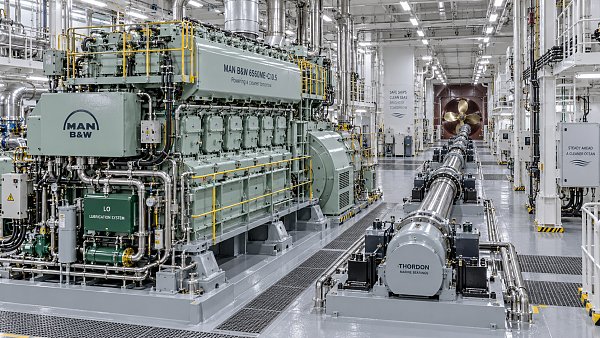
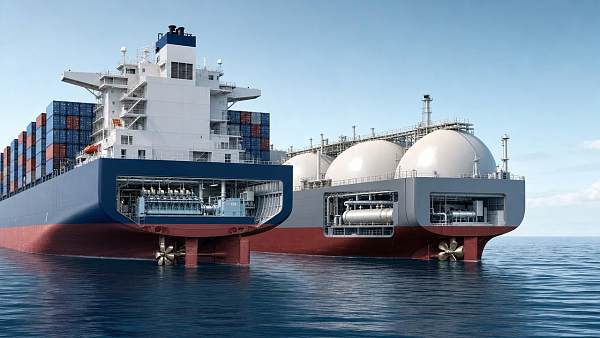
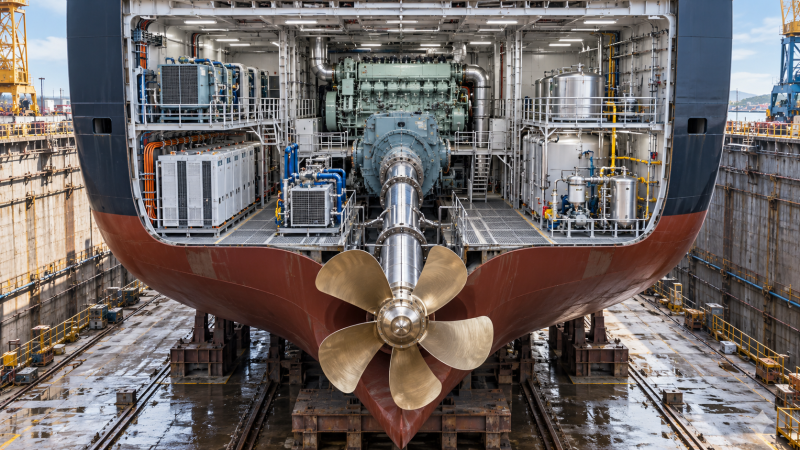
Conventional diesel mechanical propulsion remains the least disruptive route when the objective is engine renewal, power uprating within the existing shaft-line limit, or improved fuel consumption without changing fuel infrastructure. It is typically easier to integrate when the vessel already uses a direct-drive or geared arrangement and when engine-room geometry permits replacement machinery. Its limitation is strategic rather than mechanical: it may not provide the flexibility required by an owner seeking a different fuel pathway or more extensive operating-mode optimization.
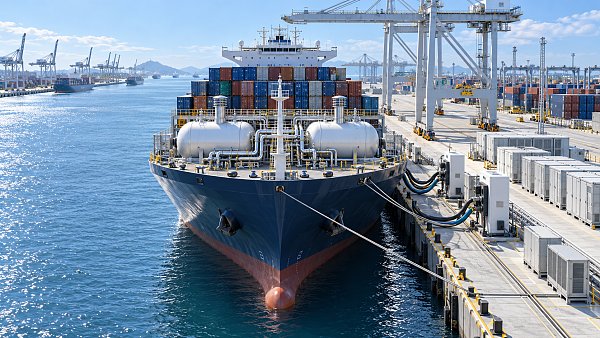
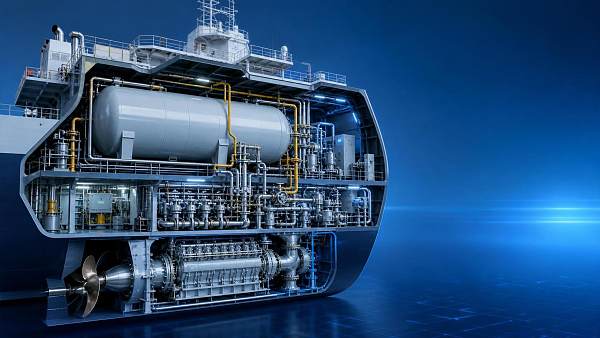
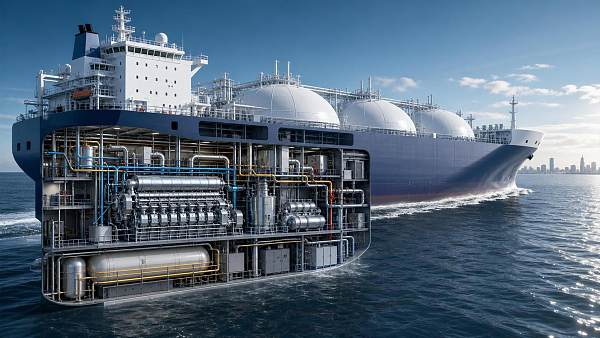
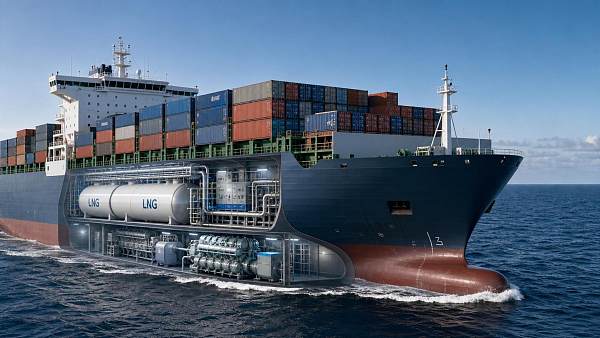
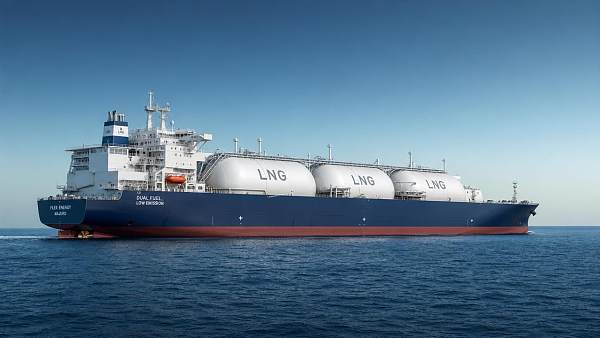
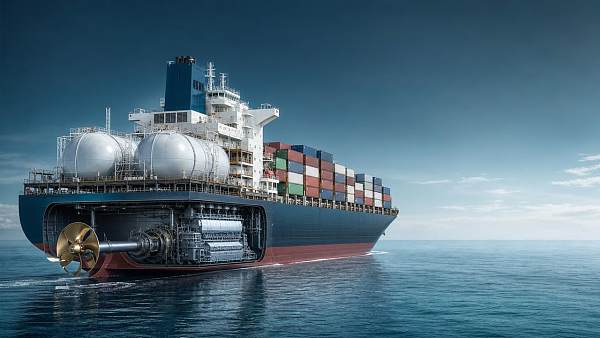
Dual-fuel propulsion can offer a transition path where alternative-fuel availability and emissions objectives are central to the operating plan. However, the engine itself is only part of the retrofit. Storage tanks, fuel preparation equipment, pipe routing, ventilation, detection, control interfaces, bunkering procedures, and protected spaces may define the project more than the prime mover does. On vessels with limited deck area or compact engine rooms, tank placement can reduce cargo capacity, restrict access, or require a layout that changes the vessel’s commercial use. A quotation should therefore separate engine supply from the full fuel-system conversion scope.
Battery-electric or hybrid propulsion is especially relevant where the vessel has repeated routes, meaningful low-load running, frequent harbor operations, or substantial variation between transit and hotel demand. It can reduce inefficient engine operation by allowing gensets to run nearer favorable load ranges and by using stored energy for short-duration peaks, maneuvering, or port-side operation. Yet battery rooms, fire protection, cooling, ventilation, power-conversion equipment, cable segregation, and charging arrangements must be evaluated as an integrated installation. A hybrid package that fits electrically but lacks practical charging access may deliver less value than its operating model suggests.
Diesel-electric propulsion is often considered when operational flexibility, redundancy, variable-speed machinery, or high hotel loads matter more than the highest possible mechanical transmission efficiency at steady cruise. It can simplify some machinery-layout decisions because generating sets need not sit directly on the shaft centerline. At the same time, it introduces generator, converter, motor, switchboard, harmonic-management, cooling, and control-system requirements. Retrofitting it into a mechanically driven vessel may be a major engineering project rather than a machinery swap.
Wind-assist and other supplemental propulsion technologies should be treated as load-reduction measures, not assumed replacements for the installed propulsion plant. Their value depends on route, seasonal wind conditions, deck arrangement, air-draft limits, cargo-handling interference, structural reinforcement, and the vessel’s ability to convert reduced resistance into lower fuel burn. They may complement an engine upgrade or energy-management program, but the procurement comparison should make clear which savings arise from the primary propulsion system and which depend on external conditions.
Efficiency is a duty-cycle question, not an engine-brochure question
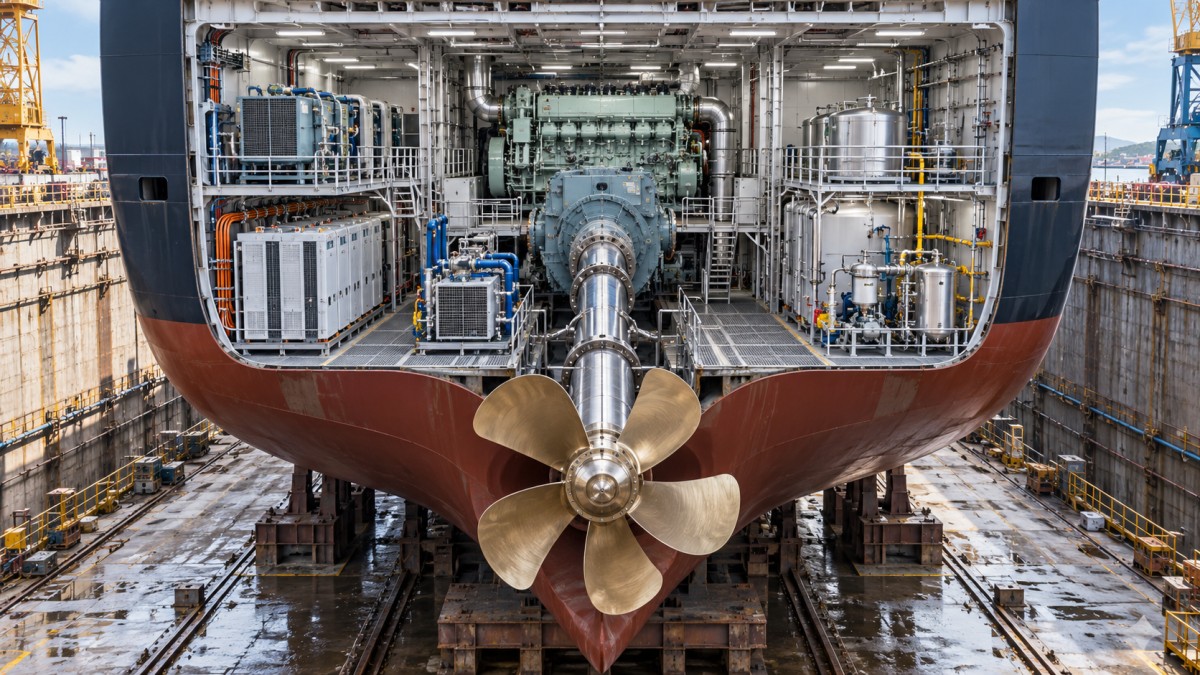
A propulsion system can be highly efficient in one operating range and inefficient in another. A direct mechanical drive often performs well during sustained operation close to its design point. But vessels that spend long periods at low speed, alternate between transit and maneuvering, or carry large auxiliary loads may not obtain the same result. The relevant question is not “Which technology has the best efficiency?” but “At what load, speed, and mission segment will this vessel operate most of the time?”
Ask suppliers to show the energy path from fuel or shore connection to useful thrust. That path may include combustion, mechanical transmission, electrical generation, conversion, distribution, motor drive, shafting, and propeller losses. A system with more conversion stages can still be commercially sensible if it allows generators to avoid prolonged low-load operation, recovers operational flexibility, or reduces redundancy-related downtime. It should not, however, be assumed to outperform a well-matched mechanical installation on a predictable, steady-speed route.
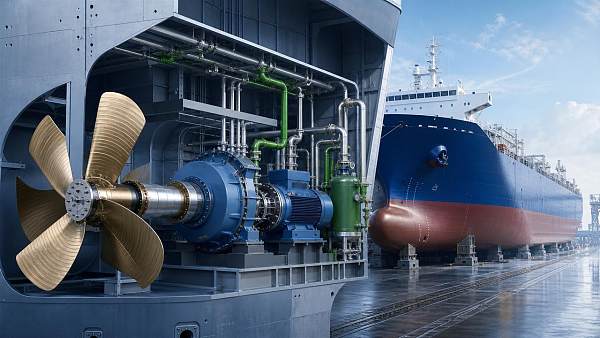
Propeller matching deserves the same attention as prime-mover selection. Changing engine characteristics without reviewing propeller diameter, pitch, cavitation margin, gearbox ratio, wake field, and hull condition can limit the expected gain. In some cases, the best CAPEX decision is not a complete propulsion replacement but a package of engine tuning or replacement, propeller work, shaft-line assessment, hull maintenance strategy, and control upgrades. Procurement documents should allow bidders to identify these dependencies rather than forcing an isolated equipment comparison.
Use representative operating modes
Request fuel and energy estimates against the vessel’s actual modes, such as departure and arrival, slow transit, normal sea passage, high-demand operation, standby, cargo work, and port stay. The estimate should state its assumptions: displacement, weather allowance, hull condition, fuel quality, electrical demand, battery state-of-charge limits where relevant, and any assumed shore-power availability. Without those assumptions, two proposals may appear directly comparable while modeling different vessels.
Also distinguish between installed power and usable power. A package may have sufficient nameplate capacity but limited continuous output under ambient temperature, electrical load, fuel constraints, or redundancy requirements. For vessels where schedule recovery or severe-weather capability is commercially important, the power reserve and control response deserve a separate review from average fuel consumption.
CAPEX should include the cost of making the system operable
Equipment price is only one line in the capital decision. The more a marine propulsion solution changes the vessel’s interfaces, the less meaningful a stand-alone machinery quote becomes. A reliable CAPEX comparison uses a common work breakdown structure so that missing scope is visible.
Off-hire should not be hidden inside a general contingency discussion. It is a commercial exposure with direct consequences for fleet availability. A proposal requiring a longer yard period may still be preferable, but only when the expected operational benefits and asset-life extension justify that disruption. Identify work that can be completed during voyage, at berth, or before the main installation window. Equally, identify items that cannot be confirmed until equipment is opened, foundations are inspected, or cable routes are exposed.
Lifecycle cost also needs boundaries. Fuel or energy cost, maintenance intervals, consumables, spare-part availability, crew training, software support, and port infrastructure can materially alter ownership cost. Avoid accepting a simplified “payback” figure unless the fuel-price basis, operating hours, maintenance assumptions, downtime treatment, and residual-value assumptions are disclosed. The purpose is not to demand false precision; it is to compare proposals using the same commercial logic.
A practical comparison between common options
How to prevent quotations from becoming incomparable
Issue a functional requirement alongside the technical specification. It should state desired service speed range, endurance, propulsion redundancy, expected annual operating pattern, maneuvering needs, auxiliary loads, fuel or charging assumptions, available installation period, and constraints on cargo space or vessel stability. Ask each bidder to identify exclusions and owner-supplied interfaces in plain language.
Then hold a technical normalization review before commercial ranking. Compare not only the purchase price but also the design maturity of the proposal. A low initial figure may reflect broad exclusions for steelwork, integration, cabling, controls, commissioning support, or yard services. A higher figure may include more scope and therefore carry less variation risk. The procurement decision should record both the quoted cost and the unresolved cost exposure.
For a vessel approaching the end of its useful commercial life, a minimally invasive renewal may protect capital better than a deep conversion, even if the latter produces a more attractive theoretical fuel model. For a vessel expected to operate over many years on a predictable route with compatible energy infrastructure, the analysis can support more substantial investment. The decisive point is alignment: the propulsion architecture, physical retrofit envelope, operating duty cycle, and asset strategy must describe the same vessel, not four separate assumptions.
Recommended News
 Oct 15, 2026What Should You Do if an LNG Carrier Propulsion System Fails at Sea?What should I do if an LNG carrier propulsion system fails at sea? Explore urgent actions for navigation, BOG control, safe recovery, and towage planning.
 Oct 20, 2026Marine Propulsion Solutions Compared: Retrofit Constraints, Efficiency, and CAPEXMarine propulsion solution comparison: assess retrofit constraints, duty-cycle efficiency, and true CAPEX to choose a vessel upgrade that controls risk and boosts lifetime value.
 Oct 19, 2026Diagnosing Marine Propulsion System Performance Loss From Operating DataMarine propulsion system performance insights: learn how operating data reveals fuel, power, vibration, and control issues for faster, evidence-based maintenance decisions.
 Oct 18, 2026Ship Propulsion Solution Selection for Variable Routes and Fuel AvailabilityShip propulsion solution selection made practical: compare fuel availability, route variability, lifecycle cost, and resilient options for smarter fleet decisions.
 Oct 17, 2026Which Marine Decarbonization Solution Fits Your Vessel Age, Fuel, and Route?Marine solutions for decarbonization tailored to vessel age, fuel options, and routes. Explore practical retrofit paths, efficiency upgrades, and future-ready strategies.
 Oct 12, 2026Which Marine Propulsion System Is Easier to Maintain?Which marine propulsion system is easier to maintain? Compare direct-drive diesel, CPP, diesel-electric, LNG, and hybrid options for smarter fleet decisions.
 Aug 28, 2026How to select a marine propulsion system for tankers by operating profileMarine propulsion system for tankers: learn how to align propulsion, fuel strategy, propeller performance, redundancy, and lifecycle costs with real operating profiles.
 Jul 15, 2026Class Approved Dual-Fuel Marine Propulsion: Key Certification Points to CheckClass approved dual-fuel marine propulsion explained: learn the key certification points, hidden compliance gaps, and practical checks to improve safety, approval readiness, and supplier selection.
 Jul 10, 2026Dual Fuel Propulsion IMO Compliance: What to Check Before SpecificationDual fuel propulsion IMO compliance starts before spec freeze. Learn the key checks on emissions, IGF safety, class approval, and lifecycle risk to avoid costly redesigns.
 Jul 04, 2026LNG Vessel Retrofit: Key Risks Before Final Scope ApprovalLNG vessel retrofit risks often emerge before final scope approval. Learn how to assess interfaces, yard limits, compliance, and lifecycle value to avoid delays and costly rework.
 Jun 21, 2026How Dual-Fuel Propulsion Cuts LNG Carrier Fuel Risk and EmissionsLNG carriers dual-fuel propulsion cuts fuel risk and emissions by using boil-off gas and liquid fuels flexibly. Learn how it boosts efficiency, compliance, and voyage resilience.
 Jun 18, 2026Dual-Fuel Propulsion: What to Check Before Choosing a SystemDual-fuel propulsion buyers should check fuel strategy, emissions, control logic, safety, and lifecycle cost before choosing a system. Learn what drives real vessel performance.
 Jun 16, 2026Decarbonization Solutions for Maritime Logistics: Which Options Deliver Real ROI?Decarbonization solutions for maritime logistics: discover which upgrades, digital tools, and fuel strategies deliver real ROI, lower risk, and measurable savings for fleets.
 Jun 14, 2026Decarbonization Solutions for Maritime Logistics ComparedDecarbonization solutions for maritime logistics compared: explore LNG, retrofits, AI routing, and smart vessel strategies to cut emissions, control costs, and protect shipping reliability.
 Jun 12, 2026LNG Carriers Dual-Fuel Propulsion: Cost, Compliance, and PaybackLNG carriers dual-fuel propulsion explained: compare cost, compliance impact, and payback to see how fuel flexibility can protect vessel value and charter competitiveness.
![]() Jun 09, 2026Dual-Fuel Propulsion: Cost, Compliance, and Retrofit Trade-OffsDual-fuel propulsion explained: compare cost, compliance, and retrofit trade-offs for vessels, with practical insights on LNG flexibility, asset value, and smarter procurement decisions.
 Jun 08, 2026Dual-Fuel Propulsion: Cost, Range, and Emissions Trade-Offs in 2026Dual-fuel propulsion in 2026: compare cost, range, and emissions trade-offs for ships and transport assets. Learn where flexibility pays off and what to verify before investing.
 Jun 07, 2026Marine Propulsion Systems: Key Efficiency Trade-Offs for New Vessel ProjectsMarine propulsion systems for new vessel projects: compare fuel efficiency, emissions, lifecycle cost, and control trade-offs to choose a smarter, future-ready vessel solution.
 Jun 02, 20262026 LNG Carriers Technology Advancements Reshaping Fleet PlanningLNG carriers technology advancements are redefining 2026 fleet planning with smarter containment, dual-fuel propulsion, AI routing, and compliance-ready performance.
 Jun 01, 2026Marine Propulsion Systems: Cost Risks Before RetrofitMarine propulsion systems retrofits can hide fuel, downtime, compliance, and maintenance costs. Learn how to quantify risks before approval and protect fleet ROI.
 May 31, 2026International Shipbuilding Trends Shaping Dual-Fuel FleetsInternational shipbuilding is shifting toward dual-fuel fleets, reshaping fuel flexibility, asset value, compliance strategy, and maritime competitiveness.
 May 25, 2026LNG Carriers: Choosing Dual-Fuel Propulsion for Lower LossesLNG carriers for global energy transport benefit from dual-fuel propulsion with lower cargo losses, stronger compliance, and better fuel flexibility—see what buyers should evaluate now.
 May 24, 2026Marine Propulsion Technology: Dual-fuel Performance Trade-offsMarine propulsion technology explained: compare dual-fuel efficiency, emissions, methane slip, load profile, and lifecycle risk to choose smarter vessel propulsion strategies.
![]() May 23, 2026Marine Propulsion Systems: Cost vs Fuel EfficiencyMarine propulsion systems decisions should balance cost, fuel efficiency, and compliance. Compare scenario-based options for container ships, LNG carriers, and hybrid routes.