Search News
Industry Portal
Popular Tags
Ship Propulsion Solution Selection for Variable Routes and Fuel Availability
Author
Time
Click Count
Ship Propulsion Solution Selection for Variable Routes and Fuel Availability
Selecting a ship propulsion solution is no longer a straightforward choice between one main engine and another. For vessels operating across variable routes, the real decision sits at the intersection of trading pattern, port infrastructure, fuel access, maintenance capability, cargo profile, and the owner’s tolerance for operational uncertainty.
A propulsion plant that looks attractive in a shipyard specification can become difficult to operate once the vessel starts calling at secondary ports, waiting outside congested terminals, steaming at reduced speed, or switching between regional and deep-sea service. Fuel availability is rarely uniform across a fleet’s entire trading range. Neither are crew skills, repair facilities, shore-power arrangements, or local emissions restrictions.
The practical question is not simply, “Which fuel is cheapest today?” It is: which propulsion configuration will remain workable when the route changes, fuel assumptions shift, and the vessel’s operating profile becomes less predictable than the original business plan?
Start with the duty profile, not the fuel brochure
A common mistake in propulsion selection is to begin with the energy source. This often leads to a technically impressive but poorly matched plant. The vessel’s duty profile should come first: annual sailing hours, likely speed range, time spent at berth, maneuvering intensity, cargo-power demand, route length, weather exposure, and expected idle periods all affect the answer.
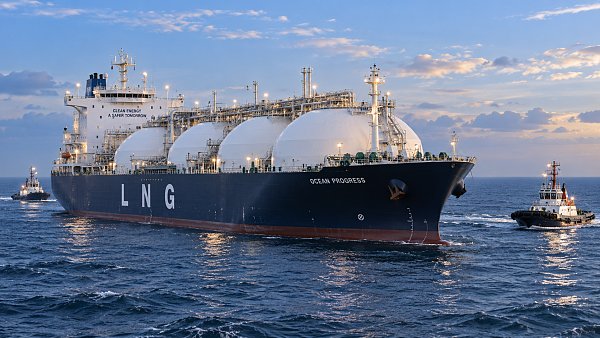
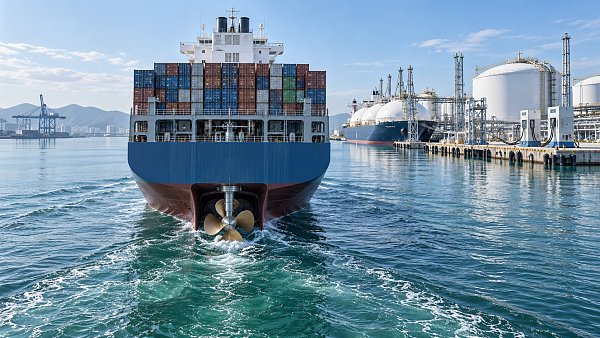
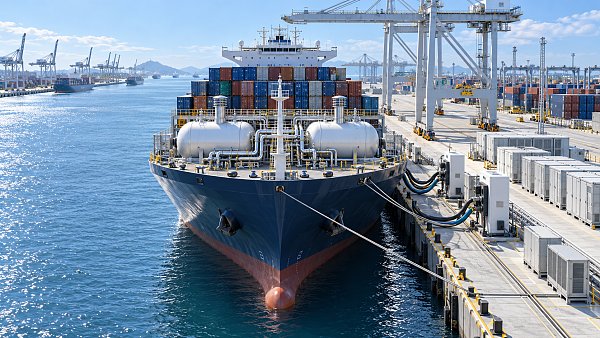
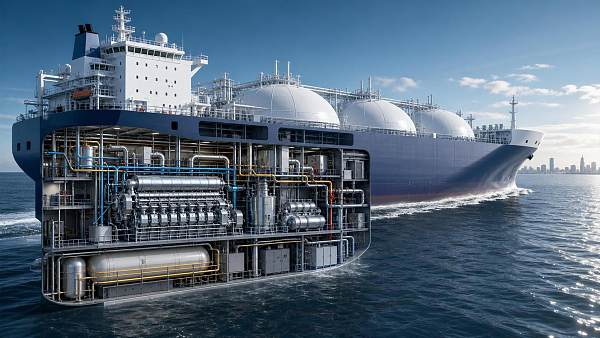
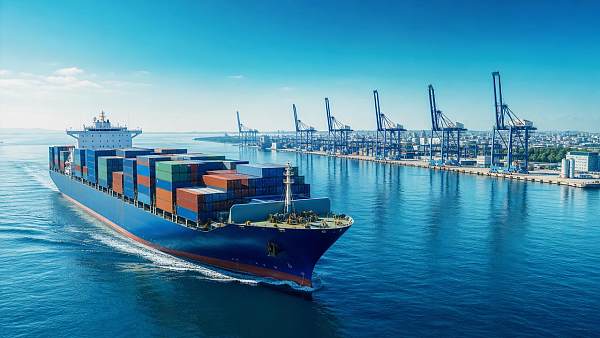
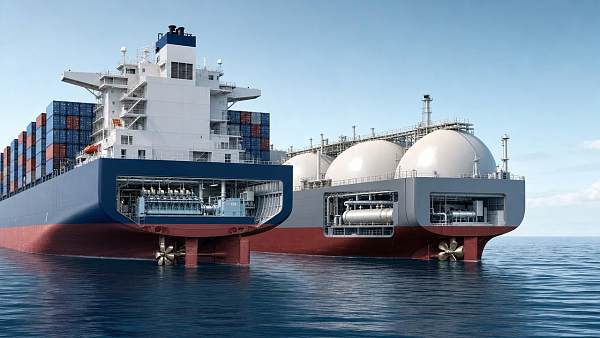
For example, a container vessel serving fixed high-frequency loops behaves differently from a bulk carrier whose ports, cargoes, and ballast legs may change from voyage to voyage. A vessel with predictable calls at major bunkering hubs can accept more dependence on a specialized fuel chain than a vessel trading opportunistically between less developed ports. Similarly, an LNG carrier has a propulsion conversation that is closely tied to cargo handling, boil-off management, reliquefaction strategy, and charter-party requirements; it should not be assessed as if it were a conventional dry-cargo ship.
Speed variation also matters more than many early-stage studies admit. A propulsion train designed around a narrow design-speed point may perform well on paper but lose its advantage when slow steaming becomes routine. Technical reviewers should request propulsion maps across the vessel’s anticipated operating envelope, not only at contractual service speed. The useful question is: where will this ship actually spend most of its time?
Map the operating reality before comparing machinery
Before evaluating engine makers, battery suppliers, shaft-generator arrangements, or fuel tanks, build a route-and-duty matrix. It does not need to be overcomplicated, but it must show the operating conditions that drive machinery behavior.
This is where selection becomes less glamorous and more useful. A propulsion package should be judged against actual dispatch conditions, including the inconvenient ones: weather delays, berth waiting, restricted channels, seasonal fuel constraints, and unplanned diversion ports.
Fuel availability should be treated as an operational risk
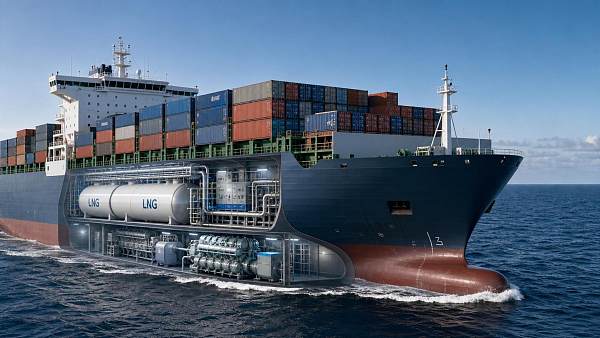
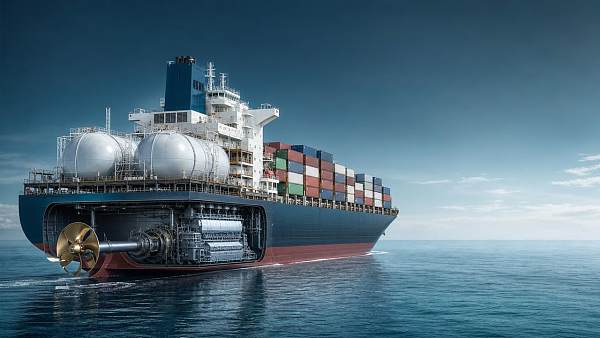
Fuel choice and propulsion choice are connected, but they should not be treated as identical decisions. A dual-fuel engine may offer flexibility, yet the vessel still needs tank capacity, bunkering procedures, trained personnel, reliable fuel-quality management, and a realistic fallback operating mode. “Dual-fuel” does not automatically mean “risk-free.”
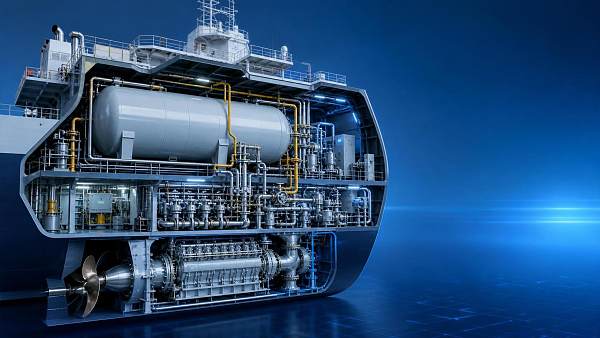
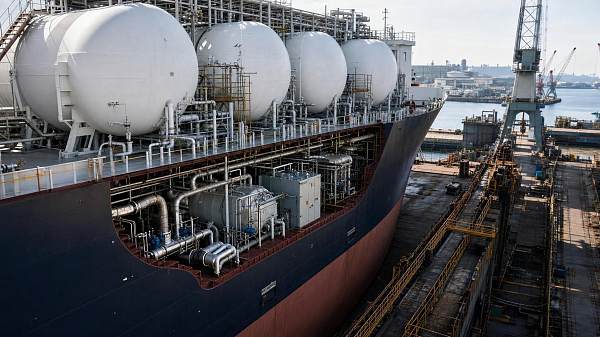
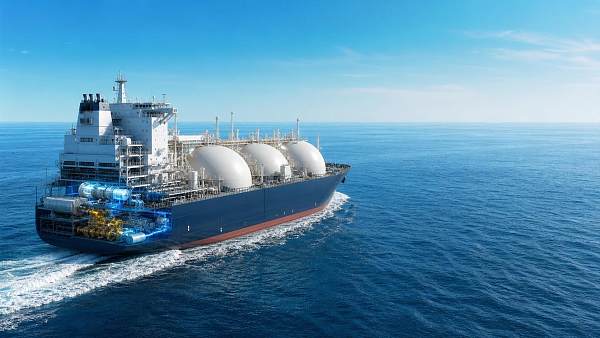
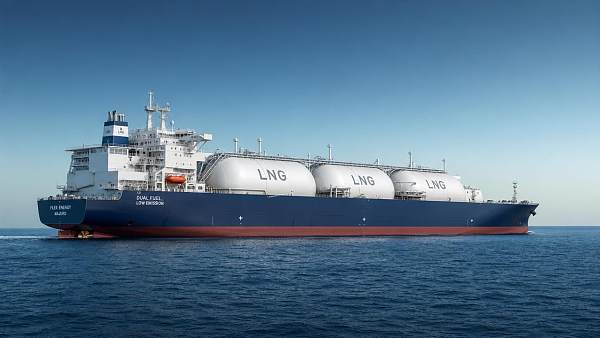
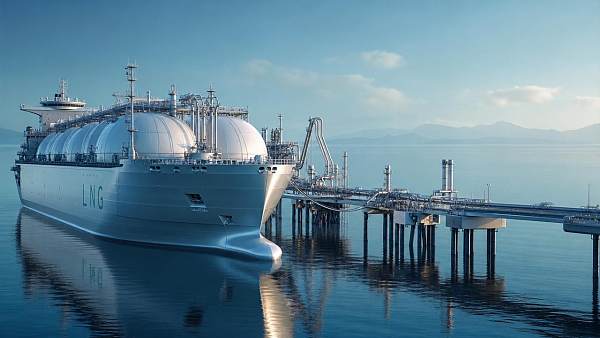
For vessels with established calls at ports where LNG bunkering is practical, gas-capable propulsion may be a workable option when assessed alongside cargo requirements, emissions strategy, and voyage duration. LNG carriers deserve particular attention here because the interaction between containment systems, cargo boil-off, and propulsion plant can materially change the technical trade-off. The cryogenic environment alone requires disciplined interface management across cargo, machinery, control, and safety systems.
Methanol-capable configurations are often considered where owners expect access to suitable bunkering locations and want a liquid-fuel handling model that differs from cryogenic gas systems. But availability, fuel specifications, onboard storage volume, voyage range, and supplier arrangements need to be reviewed port by port. It is not enough to list major hubs that can theoretically provide a fuel; the relevant issue is whether the vessel can obtain it at the required quantity, timing, quality, and commercial terms during normal operations.
Conventional liquid-fuel capability remains important in many fleet strategies because resilience has value. A technically sound ship propulsion solution should define what happens during fuel disruption, not just how the vessel operates when the preferred bunker plan works perfectly. For some owners, that leads to a dual-fuel plant. For others, it means retaining a simpler conventional arrangement while reserving space, foundations, cabling routes, or tank arrangements for later conversion. The better answer depends on conversion credibility, not on a fashionable label such as “future-ready.”
Choose the architecture that fits the vessel’s load behavior
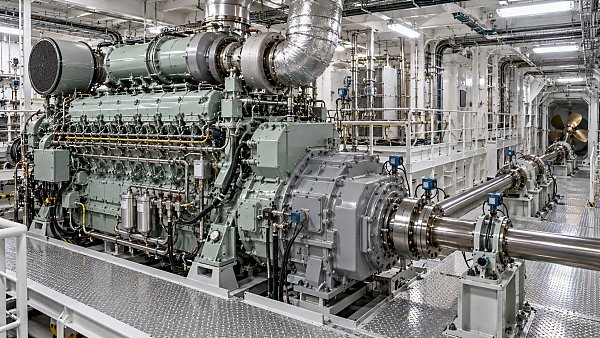
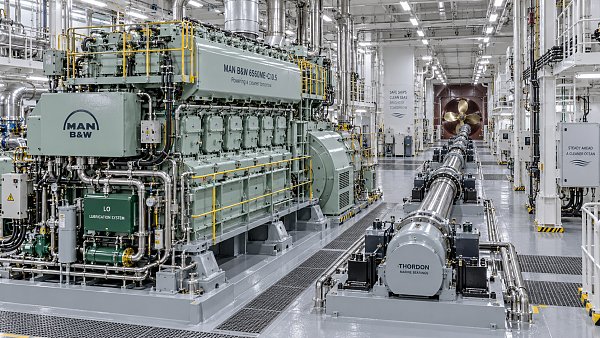
A low-speed two-stroke engine with direct drive remains a compelling arrangement for many deep-sea cargo ships because it is mechanically direct and generally well aligned with continuous propulsion demand. That does not make it universally preferable. Vessel type, shaft arrangement, auxiliary loads, redundancy requirements, and maneuvering profile can alter the balance.
Medium-speed diesel-electric systems can make sense where variable load, multiple gensets, flexible machinery placement, or high electrical demand justify their additional complexity. Cruise vessels, offshore vessels, specialized ships, and some short-sea applications may benefit from the operational flexibility of electric propulsion. Yet technical teams should be candid about conversion losses, switchboard dependencies, harmonics management, cooling requirements, and the maintenance burden of power electronics. A flexible system is only an advantage if the operator can support it.
Hybrid arrangements deserve the same discipline. Batteries can be valuable for peak shaving, harbor maneuvering, spinning reserve, short zero-emission operating windows, or improved generator loading. They are not a substitute for careful energy accounting. The battery case depends on charging opportunity, safety design, thermal management, usable capacity over time, and the vessel’s real power profile. Installing battery capacity merely because a tender asks for “hybrid readiness” can create cost, weight, and integration penalties without a meaningful operating benefit.
Do not isolate propulsion from the propulsor
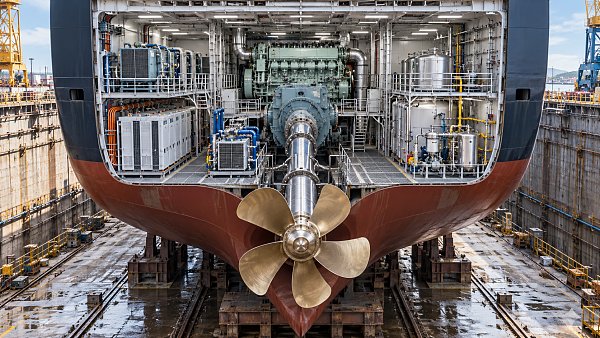
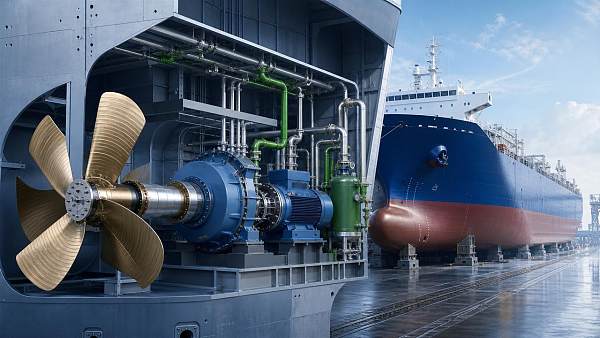
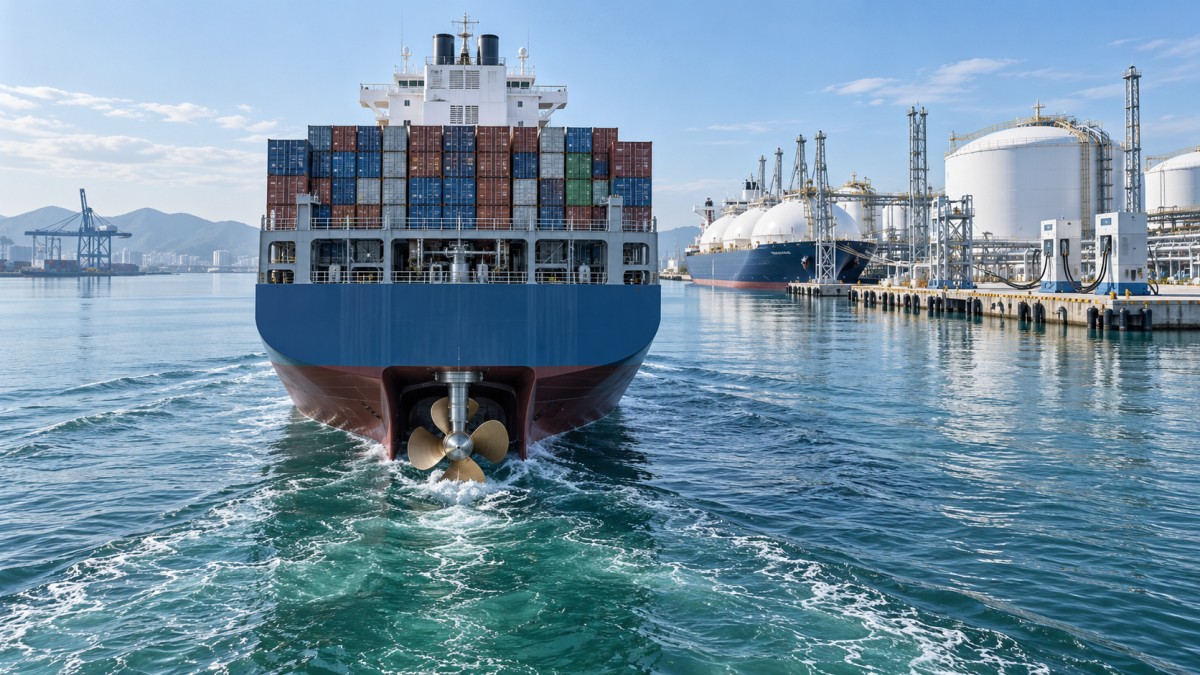
Engine selection is only one part of the propulsion system. Propeller diameter, pitch choice, shaft line, rudder design, wake field, hull fouling assumptions, and power-take-off or power-take-in arrangements all influence delivered performance. A technically strong engine can still be paired with an inefficient propulsor match.
For variable routes, controllable-pitch propellers may offer operating flexibility in certain vessel categories, while fixed-pitch propellers can remain preferable where simplicity and deep-sea efficiency dominate. There is no universal winner. The selection should consider maneuvering needs, gearbox arrangement, maintenance philosophy, anticipated part-load operation, and the consequences of a pitch-control failure.
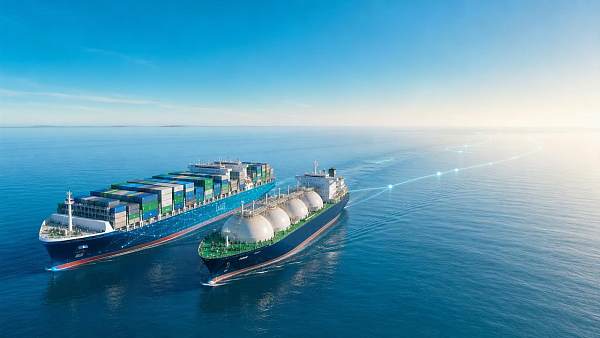
This is also why digital monitoring should not be treated as an optional add-on. Shaft power measurement, fuel-flow verification, hull and propeller condition tracking, and voyage-performance analysis can reveal whether a ship is drifting away from its assumed operating point. Smart container ships increasingly connect route optimization with machinery data, but the quality of the decision still depends on sensor reliability and disciplined interpretation. Data that is not validated can create false confidence.
Lifecycle cost is broader than fuel consumption
Fuel consumption is visible and easy to compare. Downtime, spare-part lead times, crew competence, tank inspections, gas-valve-unit servicing, software support, and dry-dock access are less visible, but they can decide whether a propulsion choice remains commercially acceptable over time.
When reviewing lifecycle cost, technical teams should separate costs that are reasonably predictable from those that are scenario-sensitive. Predictable items include scheduled maintenance plans, known machinery interfaces, and expected consumables. Scenario-sensitive items include alternative-fuel price spreads, local bunkering delays, off-hire exposure after a system fault, and retrofit feasibility if regulations or charterer requirements change.
A useful evaluation model does not claim to forecast every uncertainty. Instead, it tests several operating cases: normal fuel access, restricted fuel access, extended slow steaming, higher port waiting time, and a diversion to a less-equipped port. If one configuration performs well only in the most optimistic case, it deserves caution.
Redundancy and serviceability are often undervalued
In propulsion selection, redundancy should be evaluated by function rather than by the number of installed machines. Two systems are not genuinely redundant if they depend on the same vulnerable cooling circuit, control network, fuel-conditioning skid, or single-point electrical distribution arrangement.
The most practical reliability question is straightforward: after a credible failure, what propulsion capability remains, how quickly can it be restored, and can the vessel reach a safe port without creating a cargo or navigational problem? The answer must include controls and auxiliaries, not just engine hardware.
Serviceability deserves equal attention. A design that requires specialized attendance for routine troubleshooting may be acceptable on a fixed route near established service centers. It is less attractive for a vessel operating globally with uncertain turnaround windows. Ask where critical spares are stocked, whether remote diagnostics are available, what data access the owner retains, and which maintenance tasks can realistically be completed by the ship’s crew.
A decision framework that survives changing trade patterns
The best propulsion decision is usually not the most advanced configuration or the lowest-cost proposal at contract signing. It is the arrangement that matches the vessel’s likely operating range while preserving a credible response to uncertainty.
A disciplined review should bring naval architects, machinery specialists, operations personnel, bunker planners, chartering teams, and safety managers into the same discussion early. Their priorities will not always align. Operations may favor fuel flexibility; finance may prefer lower initial capital cost; technical managers may prioritize maintainability; chartering may want emissions options that preserve access to specific trades. Those tensions should be made visible rather than hidden inside a generic technical specification.
At GTOT, the wider land-sea perspective is useful precisely because propulsion cannot be viewed as an isolated engine-room issue. Just as railway signaling, traction power collection, and braking performance depend on system-level interfaces, ship propulsion depends on the relationship between vessel design, fuel logistics, operational control, and asset availability. For ocean-going fleets, that relationship is becoming more complex, not less.
Before committing, require the proposed ship propulsion solution to demonstrate its behavior under the routes the vessel may actually trade—not only the route presented in the original feasibility study. That single discipline will expose many weak assumptions early, when they are still affordable to correct.
Recommended News
 Oct 15, 2026What Should You Do if an LNG Carrier Propulsion System Fails at Sea?What should I do if an LNG carrier propulsion system fails at sea? Explore urgent actions for navigation, BOG control, safe recovery, and towage planning.
 Oct 20, 2026Marine Propulsion Solutions Compared: Retrofit Constraints, Efficiency, and CAPEXMarine propulsion solution comparison: assess retrofit constraints, duty-cycle efficiency, and true CAPEX to choose a vessel upgrade that controls risk and boosts lifetime value.
 Oct 19, 2026Diagnosing Marine Propulsion System Performance Loss From Operating DataMarine propulsion system performance insights: learn how operating data reveals fuel, power, vibration, and control issues for faster, evidence-based maintenance decisions.
 Oct 18, 2026Ship Propulsion Solution Selection for Variable Routes and Fuel AvailabilityShip propulsion solution selection made practical: compare fuel availability, route variability, lifecycle cost, and resilient options for smarter fleet decisions.
 Oct 17, 2026Which Marine Decarbonization Solution Fits Your Vessel Age, Fuel, and Route?Marine solutions for decarbonization tailored to vessel age, fuel options, and routes. Explore practical retrofit paths, efficiency upgrades, and future-ready strategies.
 Oct 12, 2026Which Marine Propulsion System Is Easier to Maintain?Which marine propulsion system is easier to maintain? Compare direct-drive diesel, CPP, diesel-electric, LNG, and hybrid options for smarter fleet decisions.
 Aug 28, 2026How to select a marine propulsion system for tankers by operating profileMarine propulsion system for tankers: learn how to align propulsion, fuel strategy, propeller performance, redundancy, and lifecycle costs with real operating profiles.
 Jul 15, 2026Class Approved Dual-Fuel Marine Propulsion: Key Certification Points to CheckClass approved dual-fuel marine propulsion explained: learn the key certification points, hidden compliance gaps, and practical checks to improve safety, approval readiness, and supplier selection.
 Jul 10, 2026Dual Fuel Propulsion IMO Compliance: What to Check Before SpecificationDual fuel propulsion IMO compliance starts before spec freeze. Learn the key checks on emissions, IGF safety, class approval, and lifecycle risk to avoid costly redesigns.
 Jul 04, 2026LNG Vessel Retrofit: Key Risks Before Final Scope ApprovalLNG vessel retrofit risks often emerge before final scope approval. Learn how to assess interfaces, yard limits, compliance, and lifecycle value to avoid delays and costly rework.
 Jun 21, 2026How Dual-Fuel Propulsion Cuts LNG Carrier Fuel Risk and EmissionsLNG carriers dual-fuel propulsion cuts fuel risk and emissions by using boil-off gas and liquid fuels flexibly. Learn how it boosts efficiency, compliance, and voyage resilience.
 Jun 18, 2026Dual-Fuel Propulsion: What to Check Before Choosing a SystemDual-fuel propulsion buyers should check fuel strategy, emissions, control logic, safety, and lifecycle cost before choosing a system. Learn what drives real vessel performance.
 Jun 16, 2026Decarbonization Solutions for Maritime Logistics: Which Options Deliver Real ROI?Decarbonization solutions for maritime logistics: discover which upgrades, digital tools, and fuel strategies deliver real ROI, lower risk, and measurable savings for fleets.
 Jun 14, 2026Decarbonization Solutions for Maritime Logistics ComparedDecarbonization solutions for maritime logistics compared: explore LNG, retrofits, AI routing, and smart vessel strategies to cut emissions, control costs, and protect shipping reliability.
 Jun 12, 2026LNG Carriers Dual-Fuel Propulsion: Cost, Compliance, and PaybackLNG carriers dual-fuel propulsion explained: compare cost, compliance impact, and payback to see how fuel flexibility can protect vessel value and charter competitiveness.
![]() Jun 09, 2026Dual-Fuel Propulsion: Cost, Compliance, and Retrofit Trade-OffsDual-fuel propulsion explained: compare cost, compliance, and retrofit trade-offs for vessels, with practical insights on LNG flexibility, asset value, and smarter procurement decisions.
 Jun 08, 2026Dual-Fuel Propulsion: Cost, Range, and Emissions Trade-Offs in 2026Dual-fuel propulsion in 2026: compare cost, range, and emissions trade-offs for ships and transport assets. Learn where flexibility pays off and what to verify before investing.
 Jun 07, 2026Marine Propulsion Systems: Key Efficiency Trade-Offs for New Vessel ProjectsMarine propulsion systems for new vessel projects: compare fuel efficiency, emissions, lifecycle cost, and control trade-offs to choose a smarter, future-ready vessel solution.
 Jun 02, 20262026 LNG Carriers Technology Advancements Reshaping Fleet PlanningLNG carriers technology advancements are redefining 2026 fleet planning with smarter containment, dual-fuel propulsion, AI routing, and compliance-ready performance.
 Jun 01, 2026Marine Propulsion Systems: Cost Risks Before RetrofitMarine propulsion systems retrofits can hide fuel, downtime, compliance, and maintenance costs. Learn how to quantify risks before approval and protect fleet ROI.
 May 31, 2026International Shipbuilding Trends Shaping Dual-Fuel FleetsInternational shipbuilding is shifting toward dual-fuel fleets, reshaping fuel flexibility, asset value, compliance strategy, and maritime competitiveness.
 May 25, 2026LNG Carriers: Choosing Dual-Fuel Propulsion for Lower LossesLNG carriers for global energy transport benefit from dual-fuel propulsion with lower cargo losses, stronger compliance, and better fuel flexibility—see what buyers should evaluate now.
 May 24, 2026Marine Propulsion Technology: Dual-fuel Performance Trade-offsMarine propulsion technology explained: compare dual-fuel efficiency, emissions, methane slip, load profile, and lifecycle risk to choose smarter vessel propulsion strategies.
![]() May 23, 2026Marine Propulsion Systems: Cost vs Fuel EfficiencyMarine propulsion systems decisions should balance cost, fuel efficiency, and compliance. Compare scenario-based options for container ships, LNG carriers, and hybrid routes.