



Search News
Industry Portal
Popular Tags
How to select a marine propulsion system for tankers by operating profile
Author
Time
Click Count
How to Select a Marine Propulsion System for Tankers by Operating Profile
Selecting a marine propulsion system for tankers is not a matter of choosing the largest engine that fits in the engine room, or simply following the fuel trend of the moment. A tanker’s propulsion plant has to work with its trading pattern, cargo handling arrangement, port access, off-hire tolerance, fuel availability, and expected regulatory exposure. A system that is sensible for a long-haul crude carrier can become an expensive burden on a product tanker making frequent short calls, while an LNG carrier introduces an entirely different set of fuel, boil-off gas, and redundancy considerations.
For technical evaluators, the useful question is not “Which propulsion technology is best?” It is: “Which propulsion architecture produces the most dependable result for this vessel’s actual operating profile?” That distinction prevents many early-stage mistakes. The design speed, installed power, fuel arrangement, propeller selection, shaftline layout, and control system should all be tested against how the ship will really trade—not against an idealized voyage plan.
Start with the tanker’s duty cycle, not the engine specification
The first step is to build a realistic operating profile. This should include loaded and ballast sailing distances, average service speed, time spent at anchor, maneuvering frequency, expected weather exposure, port turnaround, canal passages, and periods of reduced-speed operation. A propulsion plant is rarely optimized across its full load range. It is optimized around a design point, and the further daily operation moves away from that point, the more important part-load efficiency and operational flexibility become.
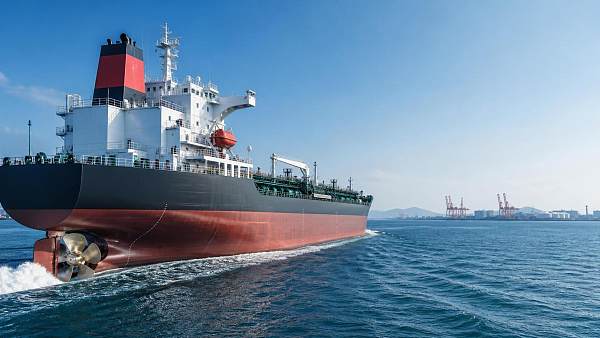
A large crude oil tanker on relatively stable intercontinental routes will often spend much of its life in sustained open-water navigation. Its propulsion decision is usually driven by propeller efficiency, low specific fuel consumption at a defined service speed, machinery reliability, and manageable maintenance over long sailing intervals. In this profile, a slow-speed, direct-drive two-stroke main engine coupled to a large fixed-pitch propeller remains a familiar and technically coherent arrangement.
The picture changes for regional product tankers, chemical tankers, shuttle tankers, and vessels with intensive terminal operations. Frequent starts, stops, low-speed transits, berth approaches, and standby time can alter the value of a simple direct-drive arrangement. Maneuverability, auxiliary power demand, rapid load response, and redundancy may deserve more weight. In some cases, controllable-pitch propellers, shaft generators, hybridized auxiliary systems, or diesel-electric arrangements may merit evaluation. None is automatically superior; their suitability depends on the operating pattern and the owner’s maintenance capability.
It is worth challenging commercial assumptions here. A stated service speed may appear in the chartering model, but actual operation may involve slow steaming, weather routing, waiting for berths, or speed changes to meet laycan windows. If the vessel is likely to operate for long periods well below its original design speed, the selected engine rating and propeller match should be examined carefully. An engine that is comfortable at contractual speed but persistently underloaded in practice can create operational and maintenance concerns that were not obvious during initial selection.
Match propulsion architecture to the trade
A practical assessment normally begins by grouping the vessel into its likely trade behavior rather than its tanker label alone. “Aframax” or “MR tanker” says something about scale, but not enough about machinery duty. A ship operating point-to-point between a limited number of deepwater terminals faces a different propulsion problem from a tanker serving shallow ports with tight maneuvering margins.
For a conventional tanker with a stable deep-sea profile, the attraction of direct mechanical propulsion is straightforward: fewer energy conversion stages, a mature machinery concept, and a large slow-turning propeller that can be highly effective for displacement hulls. But the technical team still needs to assess shaft-generator operating modes, power take-in or power take-off capability where relevant, torsional vibration limits, and the impact of engine derating on the usable operating envelope.
Diesel-electric propulsion can offer flexibility where vessel loads vary significantly or where a wider power-management strategy is required. The trade-off is not merely capital cost. Evaluators should consider conversion losses, equipment footprint, harmonic and power-quality management, cooling arrangements, control-system complexity, and the competency needed on board and ashore to troubleshoot the installation. It may be a strong fit for a specialized duty cycle, but it should not be adopted simply because electrification sounds future-ready.
Treat propeller and hull interaction as part of the propulsion decision
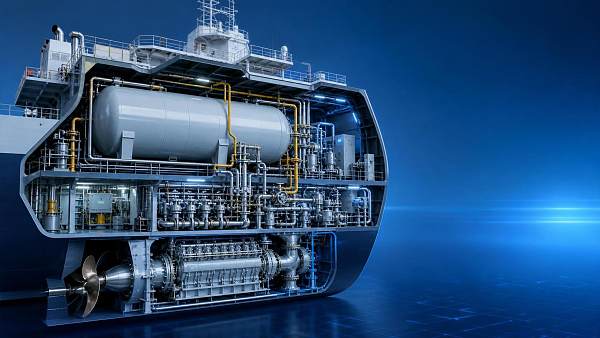
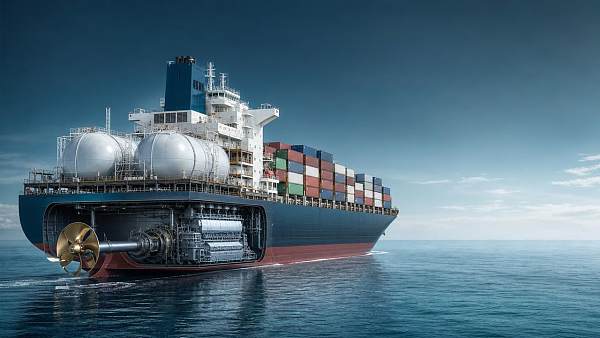
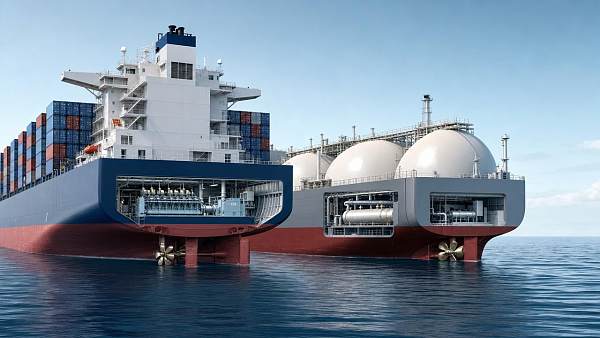
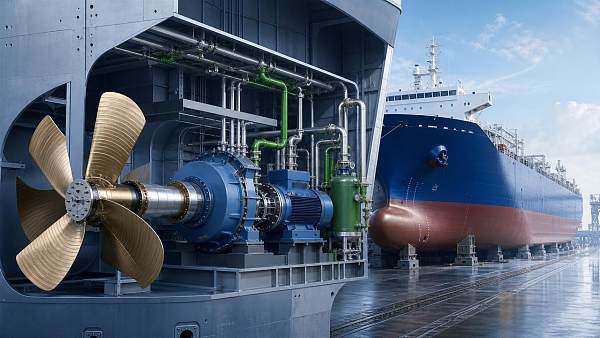
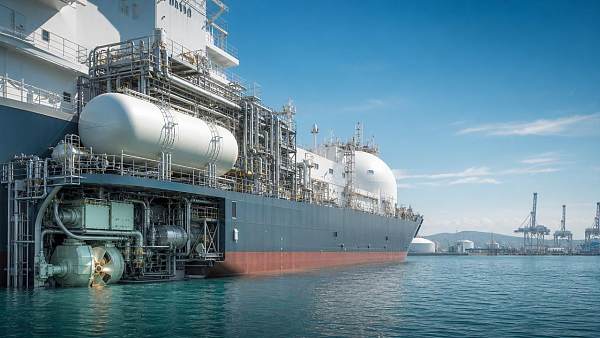
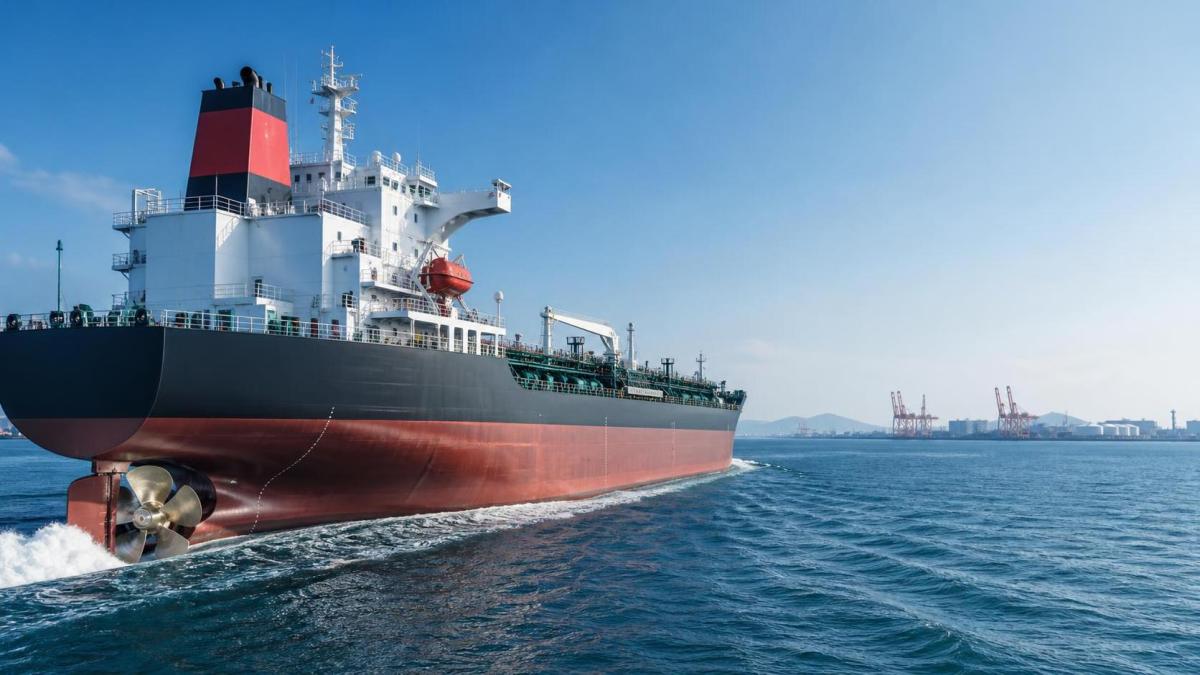
A marine propulsion system for tankers is a system, not an engine purchase. The main engine, gearbox where fitted, shaftline, propeller, rudder arrangement, hull form, wake field, and control logic all influence delivered performance. Evaluating engine fuel consumption without examining the propulsive chain can produce a misleading comparison.
Propeller diameter is often constrained by draft, stern geometry, cavitation margin, and docking limitations. A larger, slower-turning propeller can improve efficiency, but only if clearance and vibration considerations are properly addressed. Tankers also face operational requirements that are less visible in a brochure: acceptable vibration at accommodation spaces, propeller-induced pressure pulses, maneuvering behavior when loaded versus in ballast, and the effect of fouling during long intervals between hull cleaning.
This is where model testing, computational analysis, and sea-margin assumptions need disciplined review. The issue is not whether a calculation is sophisticated; it is whether the assumptions represent the vessel’s likely route and condition. A design based on clean-hull performance in calm water may look attractive on paper yet leave too little margin for seasonal weather, hull roughness, cargo-related draft changes, or conservative speed obligations. Technical evaluators should ask how the proposed plant behaves after the ship has been in service, not only on delivery day.
Fuel choice must be assessed as an operating system
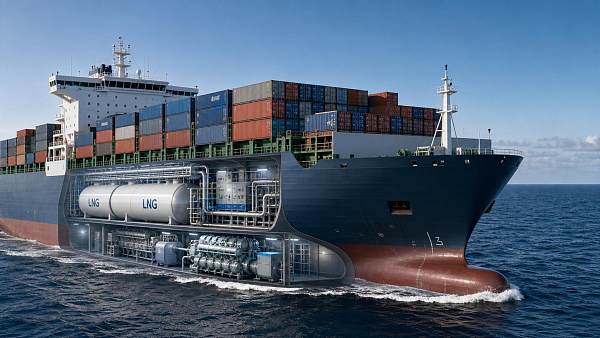
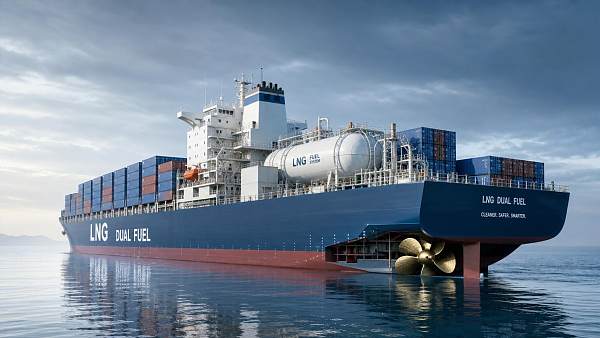
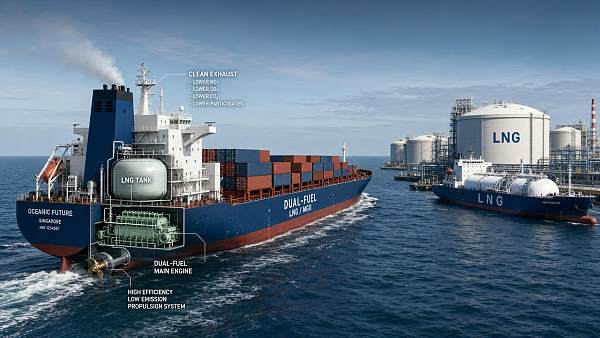
Fuel selection is now inseparable from propulsion selection. Conventional fuel capability, LNG dual-fuel arrangements, methanol-ready concepts, and other alternative-fuel pathways each affect tank layout, safety systems, bunkering procedures, crew training, maintenance routines, and cargo capacity. The decision should not be reduced to a comparison of fuel prices at one port.
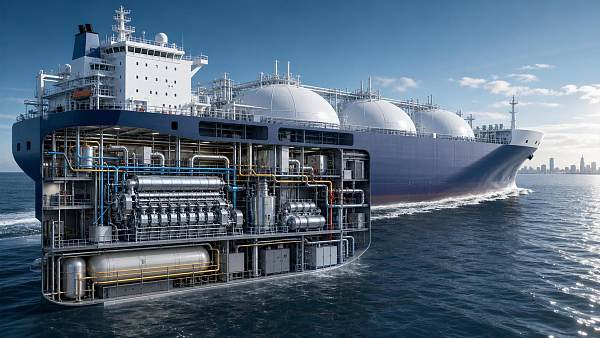
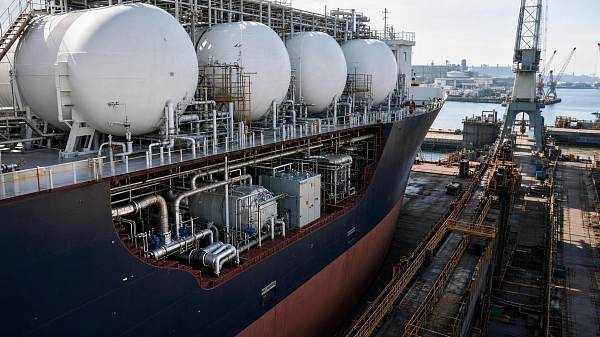
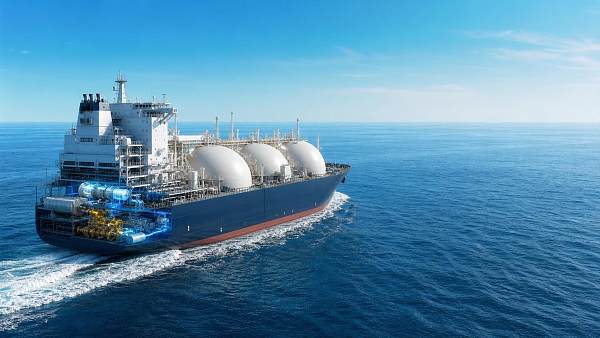
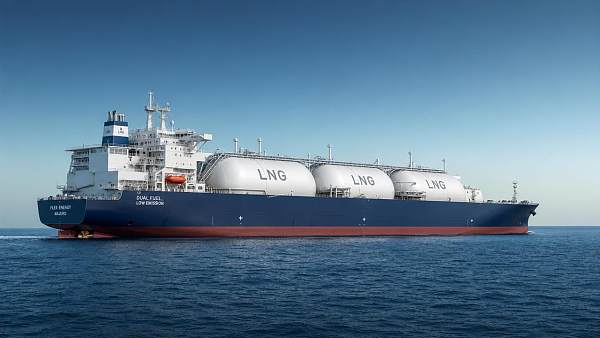
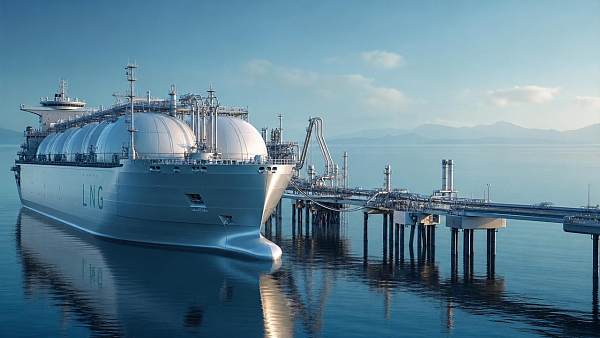
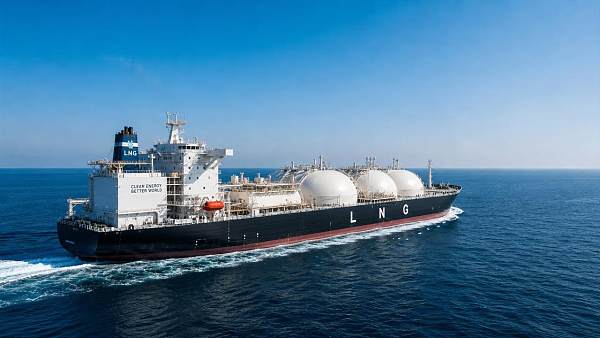
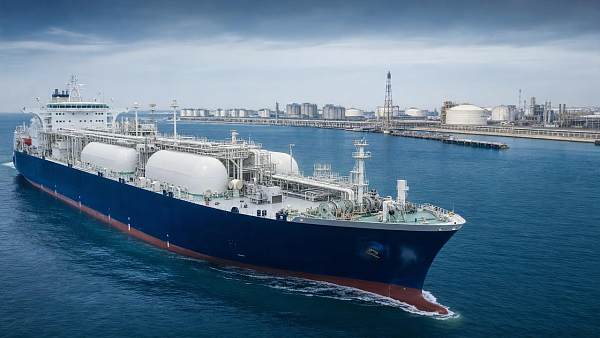
For LNG carriers, this relationship is particularly close. Cargo containment, boil-off gas management, reliquefaction or gas-handling philosophy, and the propulsion plant must be considered together. A change in propulsion arrangement can alter the preferred approach to handling available boil-off gas. It can also affect redundancy logic and the vessel’s ability to manage varying cargo and voyage conditions. These interfaces deserve early involvement from naval architects, cargo-system specialists, machinery suppliers, and operations personnel.
For oil and product tankers, the question is often less about choosing a single “winning” fuel and more about preserving sensible optionality. Fuel availability on the actual trading route, tank volume penalties, bunkering constraints, expected asset life, charterer expectations, and applicable emissions rules all need to be mapped. Rules may vary by route, flag, port state, and classification requirements, so the project team should verify the current requirements with the relevant authorities and class society rather than relying on an old newbuilding specification.
Do not undervalue redundancy, maintainability, and recovery from failure
A propulsion choice should be tested against abnormal operation as seriously as normal operation. What happens if a generator trips during cargo operations? Can the vessel retain adequate maneuvering capability after a single equipment failure? Is there a clear operational path when fuel mode changes are interrupted? How quickly can critical machinery be isolated, repaired, or bypassed?
The correct level of redundancy depends on the tanker’s risk profile. A vessel calling sheltered terminals with tug support has a different exposure from one operating offshore, in remote regions, or under schedules where a propulsion failure creates disproportionate commercial consequences. More redundancy is not always better if it produces a complex plant that the operator cannot maintain reliably. The goal is credible fault tolerance, not maximum equipment count.
Maintainability is often underestimated during technical evaluation. Ask where routine work will occur, whether major components can be removed without extraordinary dismantling, how spare parts will be supported in the vessel’s trading regions, and whether diagnostic tools are accessible to the operator. Remote monitoring can be valuable, but it does not replace competent onboard diagnosis or a practical spare-parts strategy. Software-supported machinery also introduces questions about data access, cybersecurity boundaries, update responsibility, and supplier response times.
Use lifecycle economics, but be honest about uncertainty
Lifecycle cost analysis is essential, yet it is easy to give it false precision. Fuel costs, carbon-related charges, port incentives, utilization, repair expenses, and resale value are all uncertain over a tanker’s life. A good evaluation does not hide that uncertainty behind a single net-present-value figure. It uses scenarios.
At minimum, compare the selected propulsion options under expected, low-utilization, and high-utilization cases. Vary speed assumptions. Test the impact of extended slow steaming. Include time in port and at anchor, not only sailing hours. Identify which assumptions have the greatest effect on the decision. This approach often reveals that a technically elegant system only pays back under a narrow operational pattern, while a more conventional solution remains resilient across several plausible conditions.
The Global Transit & Ocean Tech perspective is useful here because propulsion cannot be separated from the larger transport system. The same discipline used to examine rail control reliability or high-speed traction performance applies at sea: look at interfaces, control logic, operating margins, and failure consequences. For tanker projects, that means connecting hull performance, fuel strategy, cargo operations, machinery controls, and commercial routing instead of evaluating each package in isolation.
A practical decision sequence for technical evaluation
Before issuing a final propulsion recommendation, technical teams should establish an operating-profile document agreed by commercial, marine, technical, and safety stakeholders. It should state the intended trade, speed range, port conditions, cargo-related constraints, anticipated fuel pathways, and acceptable downtime exposure. Suppliers can then respond to the same basis rather than to loosely defined assumptions.
Next, assess candidate systems at vessel level. Review propulsion efficiency, auxiliary demand, maneuvering performance, emissions compliance pathway, maintenance access, redundancy, class implications, and installation effects together. A lower main-engine fuel figure is not enough if the associated electrical load, fuel-handling burden, or loss of cargo volume changes the overall result.
Finally, pressure-test the preferred configuration with operational questions that cannot be answered by a datasheet: Can the crew run it confidently during a demanding port call? Can it remain reliable after months of low-load operation? Are key spares and service competence available where the vessel will trade? Does the configuration still make sense if the charter pattern changes?
The right marine propulsion system for tankers is usually the one that fits the vessel’s real duty cycle with the fewest hidden compromises. A sound decision will not depend on one attractive performance number. It will show a clear relationship between operating profile, propulsor behavior, fuel and cargo interfaces, maintainability, and the practical realities of keeping the ship moving throughout its service life.
Recommended News
 Aug 28, 2026How to select a marine propulsion system for tankers by operating profileMarine propulsion system for tankers: learn how to align propulsion, fuel strategy, propeller performance, redundancy, and lifecycle costs with real operating profiles.
 Jul 15, 2026Class Approved Dual-Fuel Marine Propulsion: Key Certification Points to CheckClass approved dual-fuel marine propulsion explained: learn the key certification points, hidden compliance gaps, and practical checks to improve safety, approval readiness, and supplier selection.
 Jul 10, 2026Dual Fuel Propulsion IMO Compliance: What to Check Before SpecificationDual fuel propulsion IMO compliance starts before spec freeze. Learn the key checks on emissions, IGF safety, class approval, and lifecycle risk to avoid costly redesigns.
 Jul 04, 2026LNG Vessel Retrofit: Key Risks Before Final Scope ApprovalLNG vessel retrofit risks often emerge before final scope approval. Learn how to assess interfaces, yard limits, compliance, and lifecycle value to avoid delays and costly rework.
 Jun 21, 2026How Dual-Fuel Propulsion Cuts LNG Carrier Fuel Risk and EmissionsLNG carriers dual-fuel propulsion cuts fuel risk and emissions by using boil-off gas and liquid fuels flexibly. Learn how it boosts efficiency, compliance, and voyage resilience.
 Jun 18, 2026Dual-Fuel Propulsion: What to Check Before Choosing a SystemDual-fuel propulsion buyers should check fuel strategy, emissions, control logic, safety, and lifecycle cost before choosing a system. Learn what drives real vessel performance.
 Jun 16, 2026Decarbonization Solutions for Maritime Logistics: Which Options Deliver Real ROI?Decarbonization solutions for maritime logistics: discover which upgrades, digital tools, and fuel strategies deliver real ROI, lower risk, and measurable savings for fleets.
 Jun 14, 2026Decarbonization Solutions for Maritime Logistics ComparedDecarbonization solutions for maritime logistics compared: explore LNG, retrofits, AI routing, and smart vessel strategies to cut emissions, control costs, and protect shipping reliability.
 Jun 12, 2026LNG Carriers Dual-Fuel Propulsion: Cost, Compliance, and PaybackLNG carriers dual-fuel propulsion explained: compare cost, compliance impact, and payback to see how fuel flexibility can protect vessel value and charter competitiveness.
![]() Jun 09, 2026Dual-Fuel Propulsion: Cost, Compliance, and Retrofit Trade-OffsDual-fuel propulsion explained: compare cost, compliance, and retrofit trade-offs for vessels, with practical insights on LNG flexibility, asset value, and smarter procurement decisions.
Jun 09, 2026Dual-Fuel Propulsion: Cost, Compliance, and Retrofit Trade-OffsDual-fuel propulsion explained: compare cost, compliance, and retrofit trade-offs for vessels, with practical insights on LNG flexibility, asset value, and smarter procurement decisions. Jun 08, 2026Dual-Fuel Propulsion: Cost, Range, and Emissions Trade-Offs in 2026Dual-fuel propulsion in 2026: compare cost, range, and emissions trade-offs for ships and transport assets. Learn where flexibility pays off and what to verify before investing.
 Jun 07, 2026Marine Propulsion Systems: Key Efficiency Trade-Offs for New Vessel ProjectsMarine propulsion systems for new vessel projects: compare fuel efficiency, emissions, lifecycle cost, and control trade-offs to choose a smarter, future-ready vessel solution.
 Jun 02, 20262026 LNG Carriers Technology Advancements Reshaping Fleet PlanningLNG carriers technology advancements are redefining 2026 fleet planning with smarter containment, dual-fuel propulsion, AI routing, and compliance-ready performance.
 Jun 01, 2026Marine Propulsion Systems: Cost Risks Before RetrofitMarine propulsion systems retrofits can hide fuel, downtime, compliance, and maintenance costs. Learn how to quantify risks before approval and protect fleet ROI.
 May 31, 2026International Shipbuilding Trends Shaping Dual-Fuel FleetsInternational shipbuilding is shifting toward dual-fuel fleets, reshaping fuel flexibility, asset value, compliance strategy, and maritime competitiveness.
 May 25, 2026LNG Carriers: Choosing Dual-Fuel Propulsion for Lower LossesLNG carriers for global energy transport benefit from dual-fuel propulsion with lower cargo losses, stronger compliance, and better fuel flexibility—see what buyers should evaluate now.
 May 24, 2026Marine Propulsion Technology: Dual-fuel Performance Trade-offsMarine propulsion technology explained: compare dual-fuel efficiency, emissions, methane slip, load profile, and lifecycle risk to choose smarter vessel propulsion strategies.
![]() May 23, 2026Marine Propulsion Systems: Cost vs Fuel EfficiencyMarine propulsion systems decisions should balance cost, fuel efficiency, and compliance. Compare scenario-based options for container ships, LNG carriers, and hybrid routes.
May 23, 2026Marine Propulsion Systems: Cost vs Fuel EfficiencyMarine propulsion systems decisions should balance cost, fuel efficiency, and compliance. Compare scenario-based options for container ships, LNG carriers, and hybrid routes. May 21, 2026LNG Carriers Dual-Fuel Propulsion: Fuel Savings vs Retrofit CostLNG carriers dual-fuel propulsion: compare fuel savings, retrofit cost, payback, and charter value to see when fleet upgrades deliver stronger ROI and lower compliance risk.
 May 18, 2026Marine Propulsion Technology: When Dual-Fuel Pays OffMarine propulsion technology explained: discover when dual-fuel systems deliver real ROI, lower compliance risk, and stronger vessel value across modern shipping routes.
 May 17, 2026Dual-fuel Marine Propulsion Systems: Cost vs EfficiencyMarine propulsion systems: discover whether dual-fuel upgrades truly balance higher capex with fuel savings, compliance gains, and stronger lifetime vessel returns.