Search News
Industry Portal
Popular Tags
What Should You Do if an LNG Carrier Propulsion System Fails at Sea?
Author
Time
Click Count
What Should You Do if an LNG Carrier Propulsion System Fails at Sea?
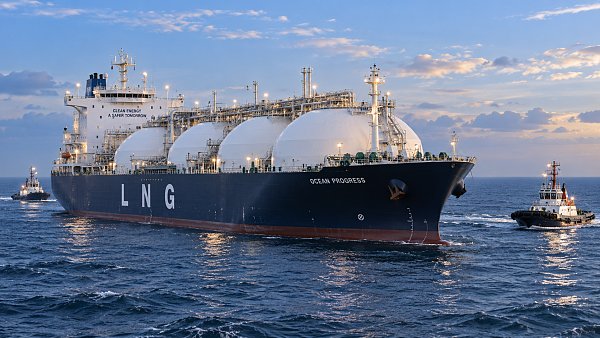
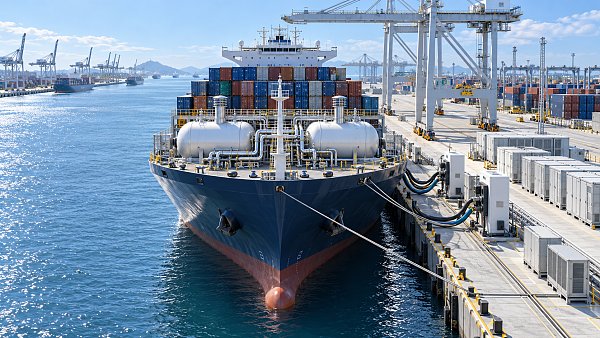
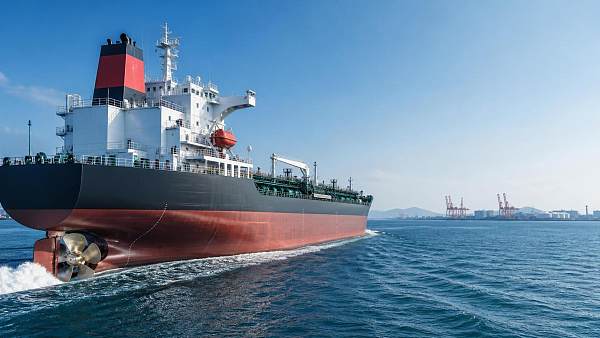
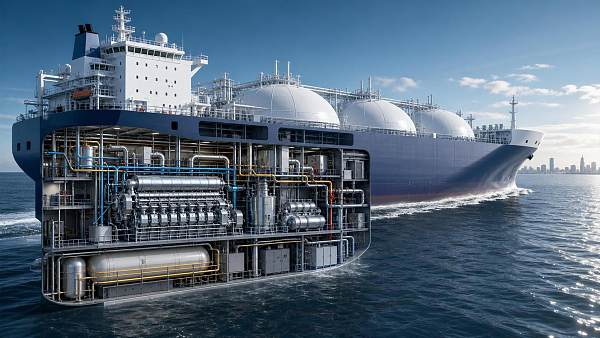
What should I do if an LNG carrier propulsion system fails at sea? The immediate answer is not “repair the engine.” The first task is to prevent a machinery casualty from becoming a navigational, cargo-containment, or personnel emergency. An LNG carrier without propulsion may still have electrical power, steering, communications, cargo systems, and partial redundancy available—but those capabilities must be verified rather than assumed.
A loss of propulsion on an LNG carrier is different from an ordinary merchant-vessel breakdown. The vessel is carrying cryogenic cargo, typically maintained near minus 163°C, while boil-off gas (BOG) continues to evolve as part of normal cargo behavior. The ship’s crew must manage drift, traffic exposure, weather, machinery condition, fuel-gas safety, and tank pressure at the same time. Decisions taken during the first minutes can shape the next several days of recovery, towage, port coordination, and commercial disruption.
The exact response must follow the vessel’s approved emergency procedures, Safety Management System, flag-state requirements, class rules, charter-party obligations, and instructions from the master. Still, the operational logic is broadly consistent across steam-turbine, dual-fuel diesel-electric, and modern low-speed dual-fuel propulsion arrangements: stabilize the ship, protect people and cargo, establish the cause and extent of the failure, and bring in assistance early enough to preserve options.
The First Priority: Establish Control Before Troubleshooting
The master should be informed without delay, and the bridge and engine room need a shared picture of what has actually failed. “No propulsion” can describe several very different conditions: a main-engine trip, loss of shaft drive, electrical blackout, propulsion converter fault, contaminated fuel, control-system failure, restricted engine load, or a deliberate shutdown caused by a fuel-gas safety trip. The response cannot safely be built on an early assumption.
On the bridge, the immediate question is whether the vessel remains safely clear of hazards. Plot the ship’s position, heading, speed through water, drift, set and drift from current, nearest traffic, shallow water, offshore installations, restricted areas, and weather trend. A vessel that loses propulsion in open water with ample sea room presents a very different risk from one approaching a strait, pilot station, traffic separation scheme, offshore field, or congested anchorage.
The crew should assess whether steering remains available. Emergency steering readiness may be required depending on the nature of the casualty and the vessel’s location. If anchor deployment is a realistic protective measure, the decision must take account of water depth, seabed suitability, cable capacity, traffic, weather, and the risk of creating a new hazard. Anchoring simply because propulsion has failed is not automatically the safest choice.
Appropriate navigation signals, sound signals, and radio communications should be used in line with the applicable collision regulations and the ship’s procedures. Nearby ships should not have to infer that a loaded gas carrier is unable to manoeuvre. Early, clear communication gives surrounding traffic time to create passing distance and lets vessel traffic services understand the developing situation.
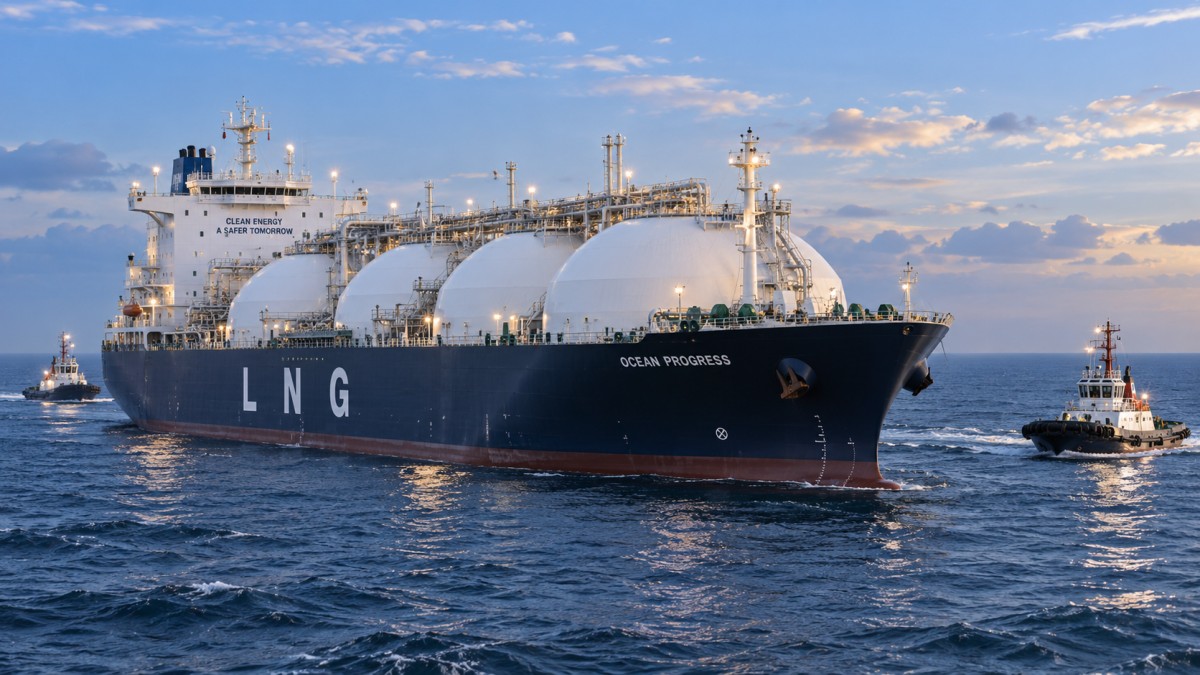
Make the Right Notifications Early
Once the ship’s immediate position is understood, notification should begin. Depending on location and severity, this may involve the company’s designated shore-side emergency contact, the vessel operator, charterer, coastal radio station, vessel traffic service, port authority, flag administration, class, and relevant search-and-rescue or coastal-state authorities. The master retains command, but shore-based technical and emergency resources need accurate information quickly.
The first report should be factual and operationally useful: position, time of failure, weather and sea state, cargo condition, propulsion and electrical status, steering status, traffic exposure, whether the ship is drifting, immediate action taken, and whether tug assistance is being considered or requested. Avoid declaring a technical root cause before the engine team has verified it. A premature diagnosis can send towing, repair, and regulatory discussions in the wrong direction.
For an LNG carrier, the communication plan should also make clear whether cargo containment is stable. Shore teams need to know tank pressure trends, BOG handling status, available power, reliquefaction capability if fitted, combustion options, and any restrictions affecting the fuel-gas supply system. This is the difference between reporting “propulsion lost” and communicating a credible risk picture.
Protect Cargo Containment and Boil-Off Gas Management
A propulsion casualty does not necessarily mean an LNG cargo emergency. However, it removes one of the normal energy consumers for BOG on many vessels: the propulsion plant. The engineering team must determine how boil-off gas will be safely handled while the ship is stopped, drifting, or under tow.
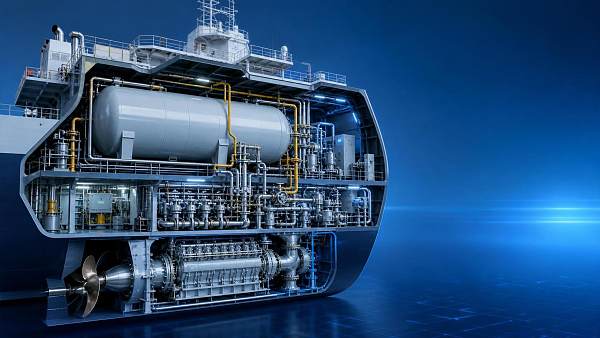
The available options depend on vessel design. A dual-fuel ship may be able to consume gas in auxiliary generators if electrical demand and machinery configuration permit. Some LNG carriers have cargo boil-off management or reliquefaction arrangements. Others may rely on gas combustion equipment designed for controlled disposal when cargo pressure management requires it. These systems are not interchangeable, and their use must follow the ship-specific operating manuals and safety interlocks.
Tank pressure and temperature trends should be monitored continuously, not checked at long intervals. If the propulsion failure involves a blackout, loss of cooling, reduced generator availability, or a fault in the gas-handling system, the risk profile changes rapidly. The crew must preserve essential electrical loads, maintain gas detection, ensure hazardous-area integrity, and confirm that emergency shutdown functions remain available.
Any indication of gas leakage, abnormal pressure rise, insulation-space alarm, vapour-handling malfunction, or loss of critical safety systems should trigger escalation under the vessel’s emergency response plan. This is not the moment for improvised workarounds. LNG containment systems, fuel-gas rooms, compressors, vaporizers, and vent arrangements are tightly interdependent; bypassing a protective trip without a disciplined technical basis can turn a recoverable trip into a far more serious event.
Diagnose the Machinery Failure Without Creating a Second Failure
Once the ship is navigationally protected, the engine department can move from emergency response to controlled diagnosis. The practical objective is to distinguish between a fault that can be safely reset or repaired at sea and one that requires tug assistance, a controlled diversion, or external technical support.
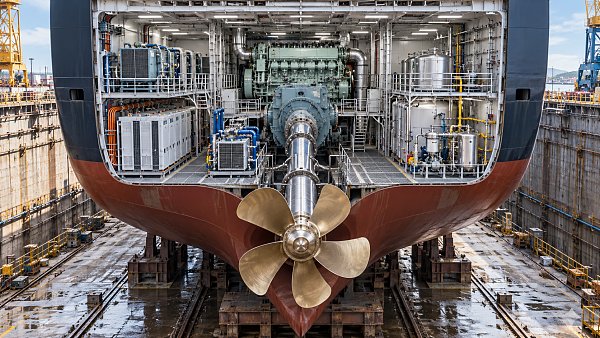
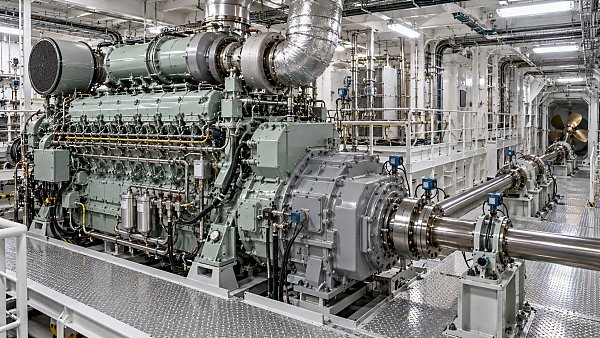
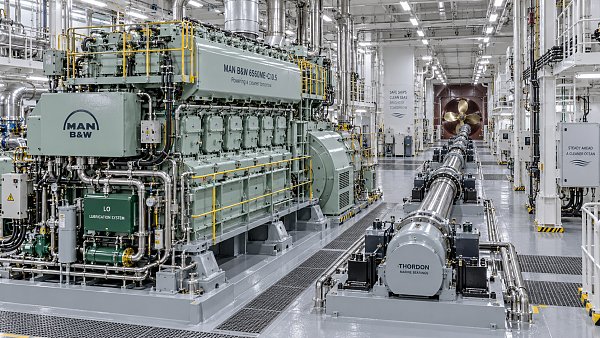
The first checks often concern the power chain rather than the prime mover alone: main switchboard condition, generator availability, bus-tie status, propulsion transformer or converter alarms where relevant, shaft-generator interactions, control-air supply, cooling-water condition, lubrication alarms, fuel transfer and conditioning, and automation-system health. On dual-fuel machinery, a gas-mode trip may allow operation on liquid fuel only, but only if the engine maker’s limits, safety system status, and vessel procedures allow that transition.
Repeated restart attempts can be damaging. If the trip followed high exhaust temperature, low lube-oil pressure, crankcase mist alarm, abnormal vibration, shaft-line alarm, cooling loss, electrical earth fault, or fuel-gas safety shutdown, the cause needs investigation before another start command is issued. Restarting under pressure from schedule concerns is a familiar but poor decision pattern. The more defensible approach is to document alarms, preserve trend data, inspect where safe, and obtain maker or shore technical input when the failure mode is unclear.
A limited propulsion recovery may be more valuable than an immediate return to full speed. If the vessel can safely make minimal headway, hold a safe heading, or reduce drift while awaiting a tug, that may materially reduce navigational exposure. Yet degraded operation should be accepted only after a clear assessment of machinery limits, redundancy, weather, and the ability to stop again if conditions worsen.
When to Request Towage—and What Must Be Ready
Tug assistance should be considered early when the ship is near land, traffic, offshore infrastructure, ice, severe weather, or a route where drift can quickly erode sea room. Waiting until the vessel is close to danger narrows the choice of tugs and may force a higher-risk connection in deteriorating conditions. The decision is not only about whether repairs seem possible; it is about how much time is available before the vessel’s position becomes unacceptable.
Towage planning for an LNG carrier should cover the expected direction of pull, connection point, emergency towing arrangements, crew readiness, communications between tug and ship, escort requirements, cargo condition, weather limits, and destination options. The selected refuge, anchorage, repair port, or discharge terminal may have separate restrictions for gas carriers, impaired vessels, and vessels carrying cargo. A technically available port is not automatically an operationally acceptable destination.
The crew should prepare towing equipment in accordance with the vessel’s approved arrangements, but only when conditions allow safe deck work. Snap-back exposure, poor visibility, heavy rolling, and unfamiliar tug procedures can make the connection itself hazardous. Clear command structure and closed-loop communication matter as much as the towline specification.
Do Not Treat the Incident as Finished When Propulsion Returns
A successful restart is a transition, not proof that the emergency is over. Before resuming passage, the master and chief engineer should decide whether the ship has reliable propulsion, sufficient redundancy, stable electrical generation, manageable BOG conditions, and a workable contingency if the fault recurs. In some circumstances, continuing at reduced speed toward a suitable port is more prudent than attempting to recover the original voyage plan.
The incident should be logged thoroughly: alarm sequences, machinery parameters, corrective actions, communications, weather, navigational decisions, and any temporary measures used. That record supports technical investigation, class and insurer communication where required, and a more useful root-cause review. It also helps distinguish a one-off external disturbance from a recurring weakness in sensors, fuel treatment, automation logic, maintenance practice, or crew familiarization.
For owners and operators, the deeper lesson is usually found before the next casualty. Emergency drills should test more than a generic “engine failure” callout. They should connect bridge resource management, blackout recovery, fuel-gas operation, cargo pressure management, towing preparation, and shore escalation. Critical spares, remote diagnostic access, alarm trend retention, and maker support arrangements deserve review after any meaningful propulsion event.
A Land-Sea Reliability Perspective
The same discipline used in high-consequence rail control systems applies at sea: a fault must be detected, contained, communicated, and recovered through defined layers of protection. GTOT’s work across railway signalling, traction power, braking systems, smart vessels, and LNG carrier technology reflects this common engineering reality. A train’s control architecture and an LNG carrier’s propulsion-and-cargo interface are different systems, but both depend on trustworthy alarms, clear authority, maintained redundancy, and crews who can act before a technical defect becomes an operational crisis.
For LNG shipping stakeholders, the practical next step is to review vessel-specific failure scenarios against actual routes, tug availability, cargo-handling capability, and shore response arrangements. The most useful plan is not the longest document on board. It is the one that helps the master, chief engineer, operator, and technical advisers make sound decisions while the vessel is drifting and time is no longer abundant.
Recommended News
 Oct 15, 2026What Should You Do if an LNG Carrier Propulsion System Fails at Sea?What should I do if an LNG carrier propulsion system fails at sea? Explore urgent actions for navigation, BOG control, safe recovery, and towage planning.
 Oct 20, 2026Marine Propulsion Solutions Compared: Retrofit Constraints, Efficiency, and CAPEXMarine propulsion solution comparison: assess retrofit constraints, duty-cycle efficiency, and true CAPEX to choose a vessel upgrade that controls risk and boosts lifetime value.
 Oct 19, 2026Diagnosing Marine Propulsion System Performance Loss From Operating DataMarine propulsion system performance insights: learn how operating data reveals fuel, power, vibration, and control issues for faster, evidence-based maintenance decisions.
 Oct 18, 2026Ship Propulsion Solution Selection for Variable Routes and Fuel AvailabilityShip propulsion solution selection made practical: compare fuel availability, route variability, lifecycle cost, and resilient options for smarter fleet decisions.
 Oct 17, 2026Which Marine Decarbonization Solution Fits Your Vessel Age, Fuel, and Route?Marine solutions for decarbonization tailored to vessel age, fuel options, and routes. Explore practical retrofit paths, efficiency upgrades, and future-ready strategies.
 Oct 12, 2026Which Marine Propulsion System Is Easier to Maintain?Which marine propulsion system is easier to maintain? Compare direct-drive diesel, CPP, diesel-electric, LNG, and hybrid options for smarter fleet decisions.
 Aug 28, 2026How to select a marine propulsion system for tankers by operating profileMarine propulsion system for tankers: learn how to align propulsion, fuel strategy, propeller performance, redundancy, and lifecycle costs with real operating profiles.
 Jul 15, 2026Class Approved Dual-Fuel Marine Propulsion: Key Certification Points to CheckClass approved dual-fuel marine propulsion explained: learn the key certification points, hidden compliance gaps, and practical checks to improve safety, approval readiness, and supplier selection.
 Jul 10, 2026Dual Fuel Propulsion IMO Compliance: What to Check Before SpecificationDual fuel propulsion IMO compliance starts before spec freeze. Learn the key checks on emissions, IGF safety, class approval, and lifecycle risk to avoid costly redesigns.
 Jul 04, 2026LNG Vessel Retrofit: Key Risks Before Final Scope ApprovalLNG vessel retrofit risks often emerge before final scope approval. Learn how to assess interfaces, yard limits, compliance, and lifecycle value to avoid delays and costly rework.
 Jun 21, 2026How Dual-Fuel Propulsion Cuts LNG Carrier Fuel Risk and EmissionsLNG carriers dual-fuel propulsion cuts fuel risk and emissions by using boil-off gas and liquid fuels flexibly. Learn how it boosts efficiency, compliance, and voyage resilience.
 Jun 18, 2026Dual-Fuel Propulsion: What to Check Before Choosing a SystemDual-fuel propulsion buyers should check fuel strategy, emissions, control logic, safety, and lifecycle cost before choosing a system. Learn what drives real vessel performance.
 Jun 16, 2026Decarbonization Solutions for Maritime Logistics: Which Options Deliver Real ROI?Decarbonization solutions for maritime logistics: discover which upgrades, digital tools, and fuel strategies deliver real ROI, lower risk, and measurable savings for fleets.
 Jun 14, 2026Decarbonization Solutions for Maritime Logistics ComparedDecarbonization solutions for maritime logistics compared: explore LNG, retrofits, AI routing, and smart vessel strategies to cut emissions, control costs, and protect shipping reliability.
 Jun 12, 2026LNG Carriers Dual-Fuel Propulsion: Cost, Compliance, and PaybackLNG carriers dual-fuel propulsion explained: compare cost, compliance impact, and payback to see how fuel flexibility can protect vessel value and charter competitiveness.
![]() Jun 09, 2026Dual-Fuel Propulsion: Cost, Compliance, and Retrofit Trade-OffsDual-fuel propulsion explained: compare cost, compliance, and retrofit trade-offs for vessels, with practical insights on LNG flexibility, asset value, and smarter procurement decisions.
 Jun 08, 2026Dual-Fuel Propulsion: Cost, Range, and Emissions Trade-Offs in 2026Dual-fuel propulsion in 2026: compare cost, range, and emissions trade-offs for ships and transport assets. Learn where flexibility pays off and what to verify before investing.
 Jun 07, 2026Marine Propulsion Systems: Key Efficiency Trade-Offs for New Vessel ProjectsMarine propulsion systems for new vessel projects: compare fuel efficiency, emissions, lifecycle cost, and control trade-offs to choose a smarter, future-ready vessel solution.
 Jun 02, 20262026 LNG Carriers Technology Advancements Reshaping Fleet PlanningLNG carriers technology advancements are redefining 2026 fleet planning with smarter containment, dual-fuel propulsion, AI routing, and compliance-ready performance.
 Jun 01, 2026Marine Propulsion Systems: Cost Risks Before RetrofitMarine propulsion systems retrofits can hide fuel, downtime, compliance, and maintenance costs. Learn how to quantify risks before approval and protect fleet ROI.
 May 31, 2026International Shipbuilding Trends Shaping Dual-Fuel FleetsInternational shipbuilding is shifting toward dual-fuel fleets, reshaping fuel flexibility, asset value, compliance strategy, and maritime competitiveness.
 May 25, 2026LNG Carriers: Choosing Dual-Fuel Propulsion for Lower LossesLNG carriers for global energy transport benefit from dual-fuel propulsion with lower cargo losses, stronger compliance, and better fuel flexibility—see what buyers should evaluate now.
 May 24, 2026Marine Propulsion Technology: Dual-fuel Performance Trade-offsMarine propulsion technology explained: compare dual-fuel efficiency, emissions, methane slip, load profile, and lifecycle risk to choose smarter vessel propulsion strategies.
![]() May 23, 2026Marine Propulsion Systems: Cost vs Fuel EfficiencyMarine propulsion systems decisions should balance cost, fuel efficiency, and compliance. Compare scenario-based options for container ships, LNG carriers, and hybrid routes.