Search News
Industry Portal
Popular Tags
Which Marine Decarbonization Solution Fits Your Vessel Age, Fuel, and Route?
Author
Time
Click Count
Start with the vessel's remaining commercial life, because it sets the acceptable level of disruption, capital commitment, and technology risk. A ship expected to remain in service for only a limited period rarely justifies a fuel-system conversion that requires major tank changes, structural work, hazardous-area redesign, and extended drydock time. A younger vessel with a stable trading pattern can support a deeper retrofit pathway, especially when its machinery, tank arrangement, and electrical capacity leave room for future additions.
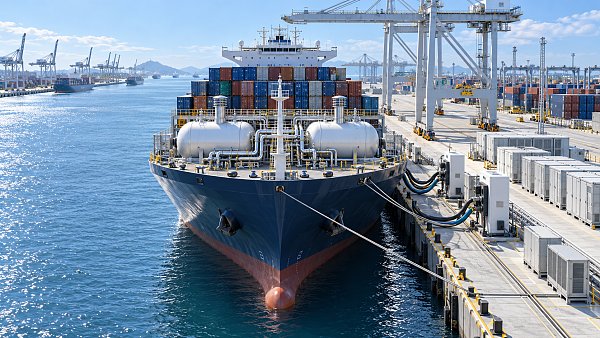
Fuel, route, and vessel age must be assessed together. A technically attractive fuel has little value when reliable bunkering is absent at the ports actually used, while a route with consistent port calls may support shore power, battery charging, or a dedicated fuel supply arrangement that would be impractical on a tramp trade. The strongest marine solutions for decarbonization are usually staged combinations: immediate efficiency measures, a fuel or power pathway suited to the route, and reserved space or interfaces for later upgrades.
Begin with the vessel's real operating profile
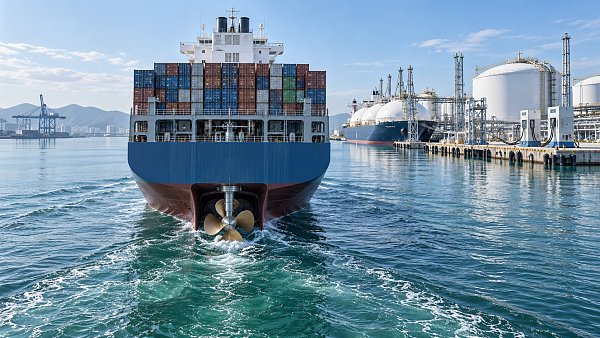
Annual fuel consumption is a useful starting point, but it does not identify the right solution by itself. Separate main-engine propulsion demand from auxiliary loads, cargo-handling loads, hotel load, and time spent at berth. A container vessel maintaining a scheduled speed profile faces a different design problem from a bulk carrier waiting at anchorage, a tanker with substantial cargo pump demand, or a short-sea vessel making repeated port calls each day.
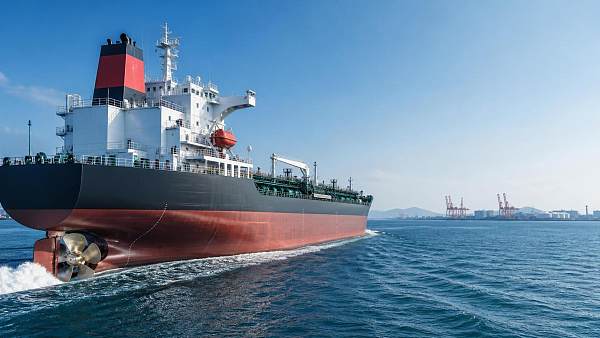
Speed variation deserves particular attention. Fuel use rises sharply as speed approaches the upper end of the operating envelope, so a vessel that regularly recovers schedule delays through high-power sailing may obtain substantial benefit from operational speed governance, weather routing, hull condition control, and propeller optimization. By contrast, a ship that already sails close to its economical speed may have less operational margin; machinery upgrades or a different energy source may carry more weight in its emissions pathway.
Build the baseline from noon reports, engine logs, shaft-power records where available, fuel delivery records, weather data, port stays, and drydock history. Treat reported consumption cautiously when draft, trim, sea state, fouling condition, and cargo condition are mixed together. A rising consumption curve after cleaning may point to an engine, propeller, or operational issue rather than a coating failure. Without a clean baseline, projected savings from a retrofit can be assigned to the wrong measure.
Vessel age changes the retrofit threshold
A vessel's calendar age is only a proxy. The more useful questions are remaining class renewal work, expected drydock timing, machinery condition, steel renewal scope, available installation space, and the likelihood of retaining the vessel on the same trade. Major modifications become more credible when they can be integrated with planned yard work. Doing tank foundations, piping penetrations, cable routing, ventilation changes, and control-system integration during separate dockings creates repeated off-hire exposure and avoidable rework.
Age should not automatically eliminate a major upgrade. A well-maintained vessel with a long charter commitment, a predictable regional route, and a favorable machinery layout can justify a substantial conversion. Conversely, a newer ship with no assured route or fuel supply may be better served by a reversible efficiency program and design provisions for later conversion.
Match the fuel pathway to engine and tank reality
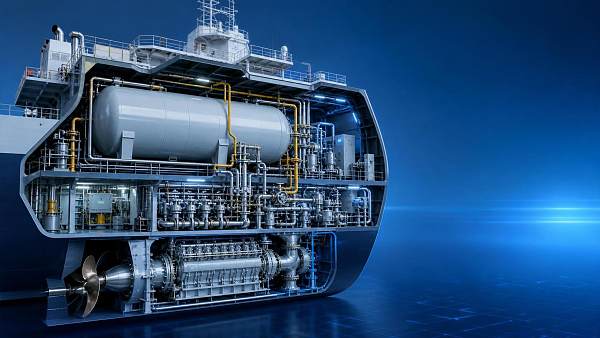
Alternative fuels affect far more than the engine. Their adoption changes storage volume, tank location, fuel conditioning, ventilation, detection systems, bunkering procedures, crew routines, and emergency arrangements. The engineering question is whether the entire vessel can accommodate those changes without creating unacceptable cargo loss, stability consequences, maintenance burdens, or turnaround delays.
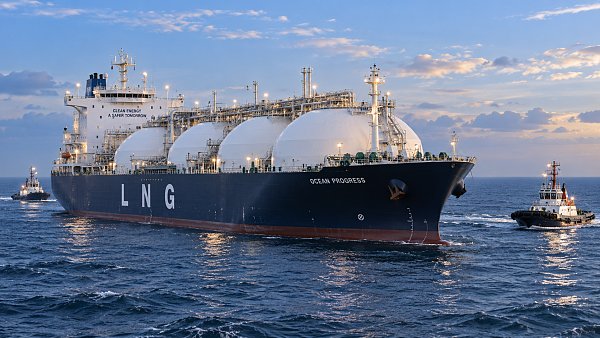
For vessels already configured for liquefied gas, an incremental path may be more practical than a wholesale machinery replacement, provided the engine maker's approved fuel range, fuel supply system, lubricating oil strategy, and control logic are verified. Do not assume that a fuel described as compatible at the engine level is compatible with the existing storage, piping metallurgy, seals, pumps, safety systems, or bunkering connection. Temperature, pressure, lubricity, density, and chemical behavior can alter the design basis across the fuel train.
Methanol-based pathways often bring a different space and handling challenge from liquefied gases. The fuel may require more tank volume for a comparable voyage energy requirement, and the conversion must address material compatibility, leakage management, drainage, and safe isolation. A route with frequent calls can tolerate reduced fuel autonomy better than a long ocean passage route. Tank placement also matters: locating new tanks near existing service spaces can simplify piping but may introduce fire boundaries, access restrictions, or cargo interference that erode the original business case.
Hydrogen and ammonia pathways require an even more rigorous integration review. Their feasibility cannot be inferred from emissions potential alone. Storage conditions, ventilation, release management, detection, crew procedures, machinery availability, and port-side handling arrangements must fit the exact vessel concept. A proposal that solves fuel storage but leaves no practical route for maintenance access, emergency isolation, or bunkering operations is not an installable solution.
Route infrastructure can rule out an otherwise sound technology
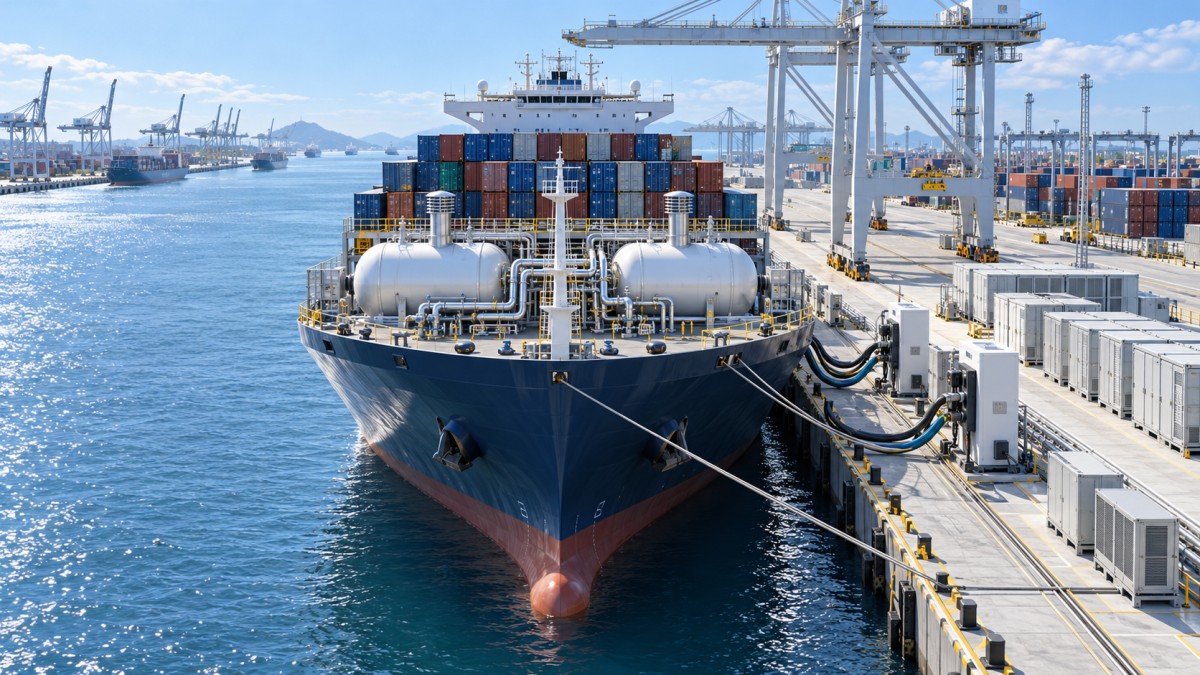
Map the actual voyage cycle rather than using a list of theoretically accessible ports. Identify regular terminals, diversion ports, waiting areas, seasonal calls, voyage duration, berth time, local power availability, fuel transfer windows, and restrictions that affect bunkering alongside cargo operations. The route should be tested against disruption scenarios as well: a fuel plan that works only when each scheduled port call occurs exactly as planned is operationally fragile.
Short, repetitive routes create a stronger case for batteries, hybrid propulsion, shore power, and charging-linked energy management. The relevant calculation is not simply installed battery capacity. It includes berth duration, available connection power, grid reliability, cable handling, battery cooling, reserve energy, degradation allowance, and the vessel's required maneuvering and contingency margin. A battery system sized around ideal charging conditions can force operational compromises when port turnaround compresses.
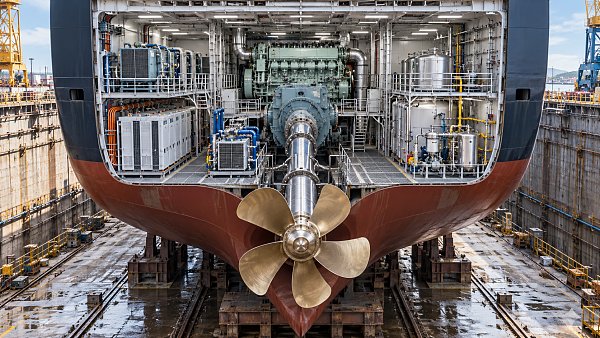
Long-haul routes tend to favor measures that preserve range and reduce resistance: hull coatings, propeller upgrades, duct or pre-swirl devices, air lubrication where hull form and operating profile support it, waste-heat recovery, shaft generators, and machinery control improvements. These measures should be evaluated as a package because their interaction is not always additive. A propeller change can alter engine loading; a power-limitation strategy can affect schedule resilience; an energy-saving device can underperform if it is installed outside its intended flow conditions.
Efficiency measures are often the first commitment, not the final answer
Energy-efficiency retrofits usually fit a wide range of vessel ages because they avoid dependence on a new fuel network. Yet their selection still requires disciplined engineering. Hull coatings should be assessed against docking interval, trading waters, cleaning method, surface preparation, and expected idle periods. A coating system chosen for frequent service may behave differently on a vessel that remains stationary for long periods in warm water. Propeller polishing and hull cleaning programs need performance monitoring, otherwise the benefit is easily obscured by draft changes and weather variation.
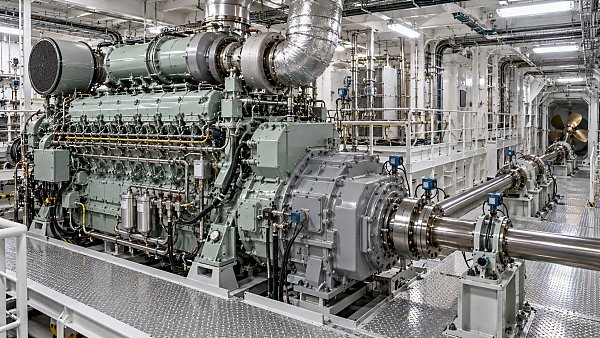
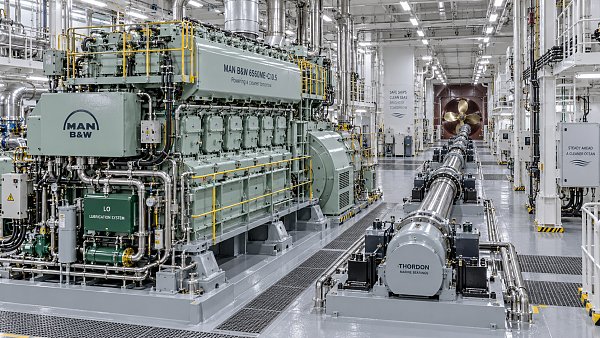
Engine derating, shaft-power limitation, and combinator-curve adjustment can reduce fuel use when the vessel has margin in schedule and propulsive power. They are less attractive where weather reserve, maneuverability, ice operation, cargo pumping, or contractual speed obligations consume that margin. Before implementing a power-management change, review torsional vibration, generator loading, exhaust temperature, turbocharger behavior, and auxiliary power balance across the full expected operating range. A favorable result at one load point does not prove acceptable machinery behavior over the voyage cycle.
Digital voyage optimization is useful when it changes decisions rather than merely displaying data. It should combine weather forecasts, currents, charter-party constraints, port arrival windows, draft, fuel state, and vessel-specific speed-power performance. A system based on a generic speed-consumption curve can produce misleading route advice after hull fouling, engine degradation, or a propeller modification. Data quality, sensor calibration, and a clear process for acting on the recommendations matter as much as the software output.
Where onboard carbon capture belongs
Onboard carbon capture is not a substitute for reducing energy demand. It adds equipment weight, electrical load, heat demand, solvent or consumable handling, captured-carbon storage, and offloading requirements. The appropriate comparison is against the vessel's emission profile, available space, voyage duration, fuel type, waste-heat availability, and the practical ability to discharge captured material at suitable terminals.
It can be more credible on vessels with concentrated, high-utilization emissions and enough service space to accommodate capture equipment and storage without compromising essential operations. Ships with long voyages also need to examine storage accumulation carefully. A capture system that performs well during a short demonstration period may become constrained by tank volume or offloading logistics over a full trading cycle. Integration studies should include exhaust backpressure, heat-exchanger fouling exposure, corrosion control, drainage, maintenance access, and failure modes that allow the vessel to continue operating safely when the capture plant is unavailable.
Use a staged decision rather than a single technology verdict
A practical selection sequence starts by establishing the vessel-specific baseline and identifying the next unavoidable docking or machinery event. Then compare measures at the same boundary: fuel use, auxiliary demand, lost cargo capacity, added deadweight, port time, maintenance tasks, and expected route coverage. Comparing an engine-only fuel claim with a whole-vessel efficiency project produces a distorted result.
- First layer: remove avoidable energy demand through hull, propeller, machinery, trim, and voyage-control measures that fit the vessel's immediate operating pattern.
- Second layer: determine whether the route supports shore power, battery operation, hybridization, or a specific alternative fuel without relying on exceptional port arrangements.
- Third layer: reserve physical and control-system interfaces for the next upgrade, such as deck foundations, cable capacity, tank boundaries, monitoring points, or space for treatment equipment.
- Final gate: test the proposal against drydock duration, cargo and stability effects, crew workload, spare-parts support, maintenance access, and an off-normal voyage scenario.
The best-fit solution is the one that remains credible after these constraints are applied. A mature vessel on varied long-haul employment may justify a carefully measured efficiency package and fuel-readiness provisions. A younger vessel on a regular route with secured energy infrastructure can support a more substantial conversion. Where the route, fuel supply, or vessel future remains uncertain, preserving optionality through modular upgrades is often a stronger engineering decision than committing early to equipment that cannot be used across the vessel's real operating envelope.
Recommended News
 Oct 15, 2026What Should You Do if an LNG Carrier Propulsion System Fails at Sea?What should I do if an LNG carrier propulsion system fails at sea? Explore urgent actions for navigation, BOG control, safe recovery, and towage planning.
 Oct 20, 2026Marine Propulsion Solutions Compared: Retrofit Constraints, Efficiency, and CAPEXMarine propulsion solution comparison: assess retrofit constraints, duty-cycle efficiency, and true CAPEX to choose a vessel upgrade that controls risk and boosts lifetime value.
 Oct 19, 2026Diagnosing Marine Propulsion System Performance Loss From Operating DataMarine propulsion system performance insights: learn how operating data reveals fuel, power, vibration, and control issues for faster, evidence-based maintenance decisions.
 Oct 18, 2026Ship Propulsion Solution Selection for Variable Routes and Fuel AvailabilityShip propulsion solution selection made practical: compare fuel availability, route variability, lifecycle cost, and resilient options for smarter fleet decisions.
 Oct 17, 2026Which Marine Decarbonization Solution Fits Your Vessel Age, Fuel, and Route?Marine solutions for decarbonization tailored to vessel age, fuel options, and routes. Explore practical retrofit paths, efficiency upgrades, and future-ready strategies.
 Oct 12, 2026Which Marine Propulsion System Is Easier to Maintain?Which marine propulsion system is easier to maintain? Compare direct-drive diesel, CPP, diesel-electric, LNG, and hybrid options for smarter fleet decisions.
 Aug 28, 2026How to select a marine propulsion system for tankers by operating profileMarine propulsion system for tankers: learn how to align propulsion, fuel strategy, propeller performance, redundancy, and lifecycle costs with real operating profiles.
 Jul 15, 2026Class Approved Dual-Fuel Marine Propulsion: Key Certification Points to CheckClass approved dual-fuel marine propulsion explained: learn the key certification points, hidden compliance gaps, and practical checks to improve safety, approval readiness, and supplier selection.
 Jul 10, 2026Dual Fuel Propulsion IMO Compliance: What to Check Before SpecificationDual fuel propulsion IMO compliance starts before spec freeze. Learn the key checks on emissions, IGF safety, class approval, and lifecycle risk to avoid costly redesigns.
 Jul 04, 2026LNG Vessel Retrofit: Key Risks Before Final Scope ApprovalLNG vessel retrofit risks often emerge before final scope approval. Learn how to assess interfaces, yard limits, compliance, and lifecycle value to avoid delays and costly rework.
 Jun 21, 2026How Dual-Fuel Propulsion Cuts LNG Carrier Fuel Risk and EmissionsLNG carriers dual-fuel propulsion cuts fuel risk and emissions by using boil-off gas and liquid fuels flexibly. Learn how it boosts efficiency, compliance, and voyage resilience.
 Jun 18, 2026Dual-Fuel Propulsion: What to Check Before Choosing a SystemDual-fuel propulsion buyers should check fuel strategy, emissions, control logic, safety, and lifecycle cost before choosing a system. Learn what drives real vessel performance.
 Jun 16, 2026Decarbonization Solutions for Maritime Logistics: Which Options Deliver Real ROI?Decarbonization solutions for maritime logistics: discover which upgrades, digital tools, and fuel strategies deliver real ROI, lower risk, and measurable savings for fleets.
 Jun 14, 2026Decarbonization Solutions for Maritime Logistics ComparedDecarbonization solutions for maritime logistics compared: explore LNG, retrofits, AI routing, and smart vessel strategies to cut emissions, control costs, and protect shipping reliability.
 Jun 12, 2026LNG Carriers Dual-Fuel Propulsion: Cost, Compliance, and PaybackLNG carriers dual-fuel propulsion explained: compare cost, compliance impact, and payback to see how fuel flexibility can protect vessel value and charter competitiveness.
![]() Jun 09, 2026Dual-Fuel Propulsion: Cost, Compliance, and Retrofit Trade-OffsDual-fuel propulsion explained: compare cost, compliance, and retrofit trade-offs for vessels, with practical insights on LNG flexibility, asset value, and smarter procurement decisions.
 Jun 08, 2026Dual-Fuel Propulsion: Cost, Range, and Emissions Trade-Offs in 2026Dual-fuel propulsion in 2026: compare cost, range, and emissions trade-offs for ships and transport assets. Learn where flexibility pays off and what to verify before investing.
 Jun 07, 2026Marine Propulsion Systems: Key Efficiency Trade-Offs for New Vessel ProjectsMarine propulsion systems for new vessel projects: compare fuel efficiency, emissions, lifecycle cost, and control trade-offs to choose a smarter, future-ready vessel solution.
 Jun 02, 20262026 LNG Carriers Technology Advancements Reshaping Fleet PlanningLNG carriers technology advancements are redefining 2026 fleet planning with smarter containment, dual-fuel propulsion, AI routing, and compliance-ready performance.
 Jun 01, 2026Marine Propulsion Systems: Cost Risks Before RetrofitMarine propulsion systems retrofits can hide fuel, downtime, compliance, and maintenance costs. Learn how to quantify risks before approval and protect fleet ROI.
 May 31, 2026International Shipbuilding Trends Shaping Dual-Fuel FleetsInternational shipbuilding is shifting toward dual-fuel fleets, reshaping fuel flexibility, asset value, compliance strategy, and maritime competitiveness.
 May 25, 2026LNG Carriers: Choosing Dual-Fuel Propulsion for Lower LossesLNG carriers for global energy transport benefit from dual-fuel propulsion with lower cargo losses, stronger compliance, and better fuel flexibility—see what buyers should evaluate now.
 May 24, 2026Marine Propulsion Technology: Dual-fuel Performance Trade-offsMarine propulsion technology explained: compare dual-fuel efficiency, emissions, methane slip, load profile, and lifecycle risk to choose smarter vessel propulsion strategies.
![]() May 23, 2026Marine Propulsion Systems: Cost vs Fuel EfficiencyMarine propulsion systems decisions should balance cost, fuel efficiency, and compliance. Compare scenario-based options for container ships, LNG carriers, and hybrid routes.