



Search News
Industry Portal
Popular Tags
Membrane Containment Systems: Key Failure Risks and Design Checks
Author
Time
Click Count
Membrane Containment Systems: Key Failure Risks and Design Checks
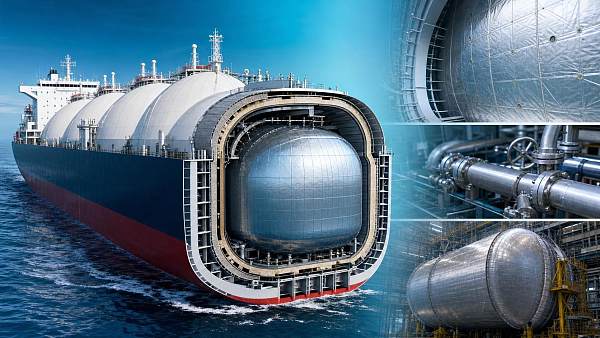
For technical evaluators assessing LNG vessel integrity, membrane containment systems demand close attention to both failure mechanisms and verification logic.
From sloshing-induced stress to insulation aging, small design gaps can grow into costly operational exposure.
This matters even more as LNG carriers operate under tighter efficiency targets, longer voyages, and stricter compliance review.
For GTOT, the topic sits directly inside the broader push for safer, smarter land-sea transport assets.
Good evaluation is not just about spotting defects. It is about checking whether the full design logic is robust enough.
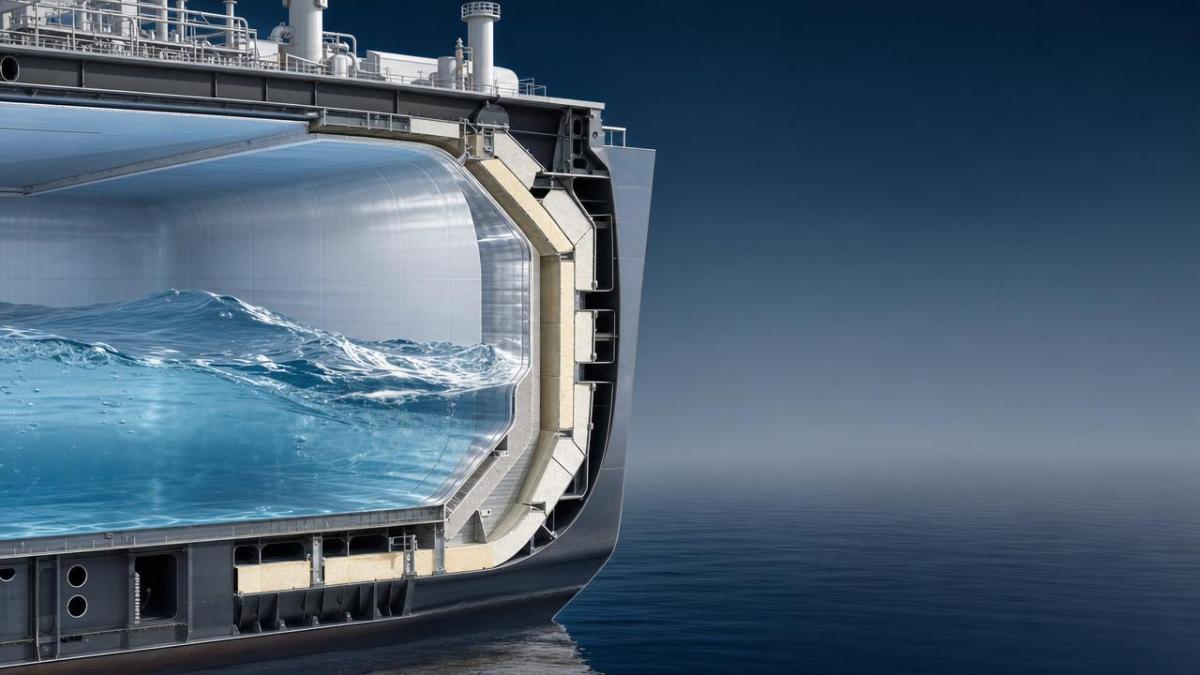
In practice, membrane containment systems must survive cryogenic temperature, vessel motion, fatigue loading, and construction variability at the same time.
That combination makes structured design checks essential before risk becomes a performance problem.
Why Membrane Containment Systems Fail
Most failures do not begin with a dramatic rupture.
They usually start with local weakness, imperfect load transfer, or a mismatch between actual service conditions and design assumptions.
In membrane containment systems, the common triggers are fairly consistent across projects.
- Sloshing pressure peaks that exceed local panel tolerance.
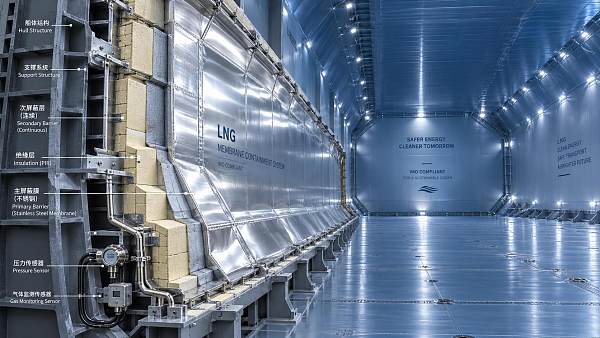
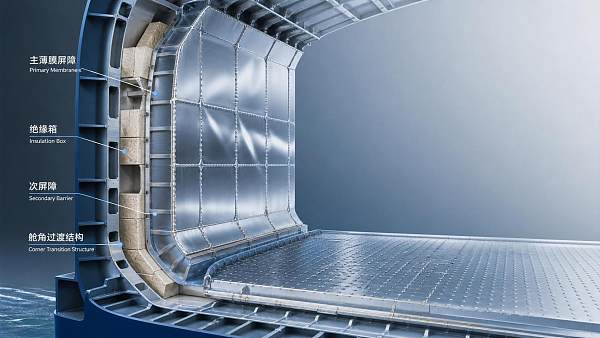
- Thermal contraction mismatch between membrane, insulation, and hull structure.
- Weld discontinuities or stress concentration at corners and joints.
- Insulation crushing, moisture ingress, or adhesive degradation over time.
- Construction tolerances that alter intended support conditions.
More importantly, these issues rarely act alone.
A moderate sloshing event becomes more serious when insulation stiffness has changed or welding quality varies near a transition zone.
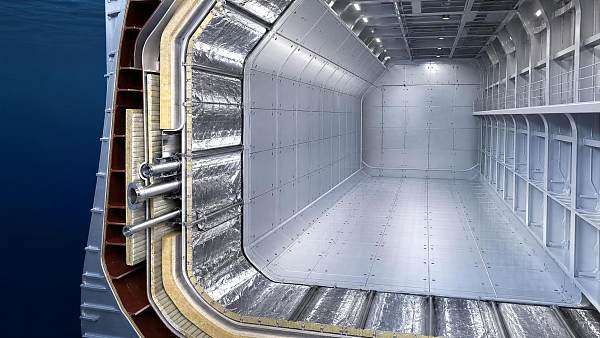
That is why membrane containment systems should be reviewed as integrated assemblies, not as isolated components.
Core Failure Risks to Evaluate First
1. Sloshing-Induced Structural Stress
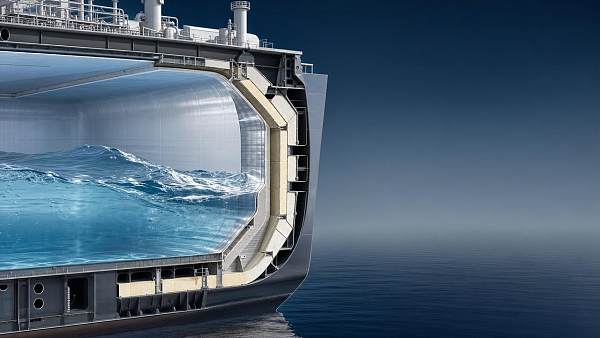
Sloshing remains one of the most discussed risks in membrane containment systems.
Partial filling conditions can create highly localized impact loads, especially during harsh sea states or off-design routing.
The design review should ask whether dynamic pressure envelopes reflect realistic operating profiles, not ideal ones.
Recent vessel optimization trends make this question even sharper because route flexibility can change filling patterns unexpectedly.
2. Insulation System Degradation
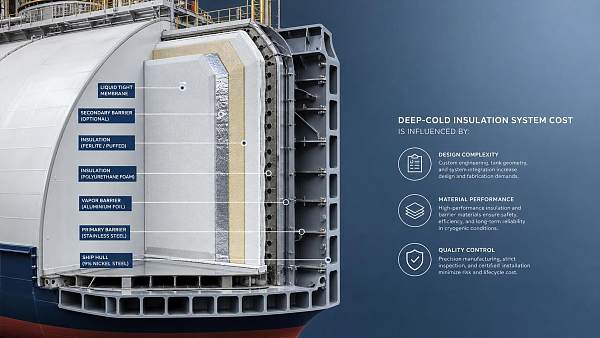
Membrane containment systems depend on insulation for more than boil-off control.
Insulation also supports load distribution and dimensional stability.
If compression strength drops, local membrane stress can increase even when global loads stay within limits.
Evaluators should look closely at material aging data, moisture protection strategy, and repairability after local damage.
3. Weld and Joint Reliability
Thin membranes are sensitive to weld quality because small defects can amplify cryogenic fatigue risk.
The highest concern areas are often corners, penetrations, transitions, and repaired zones.
For membrane containment systems, documentation quality matters almost as much as fabrication quality.
Without traceable records, risk screening becomes less reliable during later inspections.
4. Thermal Cycling and Differential Movement
LNG service repeatedly exposes membrane containment systems to severe temperature transitions.
Different materials contract and recover at different rates.
If the movement path is not well accommodated, local shear, wrinkling, or debonding can emerge.
This is one reason thermal cycling data should be reviewed alongside mechanical stress analysis, not separately.
Design Checks That Actually Reduce Risk
A useful review process moves from load assumptions to local details, then back to system interaction.
That sequence helps expose hidden gaps in membrane containment systems before approval decisions are locked in.
Check the Load Case Envelope
- Confirm sloshing loads cover realistic filling ratios and sea states.
- Review whether route, speed, and loading flexibility were considered.
- Verify accidental and transient cases are not screened out too early.
This check is basic, but it often reveals the biggest blind spots.
Check Local Stress Hotspots
- Inspect corners, edges, pump tower interfaces, and penetration zones.
- Look for abrupt geometry changes or support stiffness variation.
- Compare finite element assumptions with actual construction detail.
In membrane containment systems, local geometry often drives lifetime more than global stress averages.
Check Insulation Performance Beyond Thermal Numbers
- Review compression, creep, shear, and moisture resistance data.
- Check acceptance criteria after impact or handling damage.
- Confirm repair procedures preserve both thermal and structural function.
This is where many paper-compliant solutions show practical weakness.
Check Fabrication and NDT Logic
- Verify weld qualification aligns with membrane material behavior.
- Review NDT coverage for critical joints and repaired sections.
- Check traceability, hold points, and defect disposition workflow.
A strong design can still underperform if manufacturing controls are weak.
Standards, Compliance, and Review Priorities
Technical review should stay anchored to recognized class rules, IGC Code expectations, and project-specific approval requirements.
Still, compliance alone does not guarantee durable membrane containment systems.
What matters is whether the evidence chain is coherent from design basis to in-service monitoring.
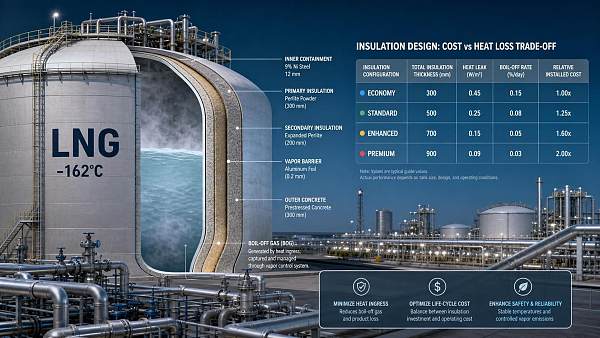
From a decision standpoint, that table is often where a technical review becomes much sharper.
A Practical Evaluation Workflow
A practical workflow makes membrane containment systems easier to compare across projects, yards, and retrofit proposals.
- Define the actual operating envelope, not the nominal one.
- Map high-risk zones using load, geometry, and material interaction.
- Test whether inspection and repair logic is realistic in service.
- Review evidence quality, including assumptions, margins, and traceability.
- Rank residual risk against lifecycle cost and compliance exposure.
This workflow keeps the focus on decision usefulness, not document volume.
It also helps separate mature membrane containment systems from designs that only look strong in summary reports.
Final Takeaway
Membrane containment systems are highly efficient, but they are not forgiving of weak assumptions or inconsistent execution.
The strongest evaluations connect sloshing, thermal cycling, insulation behavior, weld integrity, and inspection logic into one clear risk picture.
In actual project work, that integrated view supports safer approvals, stronger compliance, and fewer surprises across vessel life.
When reviewing membrane containment systems, the best next step is simple: challenge the assumptions first, then test the details that carry the highest consequence.
Recommended News
 Sep 28, 2026When is nickel steel containment needed for cryogenic storage?Nickel steel containment is essential when cryogenic tanks face brittle-fracture risk. Discover how temperature, loads, and tank design guide the right choice.
 Sep 11, 2026How membrane containment systems demonstrate compliance with IMO standardsMembrane containment systems IMO standards: discover how LNG carriers prove compliance through verified barriers, testing, monitoring, and traceable records.
 Sep 10, 2026How membrane and Moss containment systems differ for LNG carriersLNG cargo containment for carriers: compare membrane and Moss systems for capacity, BOG, safety, sloshing, lifecycle cost, and operational flexibility.
 Sep 03, 2026What drives membrane containment systems cost in LNG projects?Membrane containment systems cost depends on tank design, materials, labor, QA, and boil-off performance. Discover how to control LNG project risk and lifecycle costs.
 Aug 11, 2026How Vacuum Insulated Cryogenic Engineering Reduces Boil-Off and Heat LeakVacuum insulated cryogenic engineering cuts boil-off and heat leak by optimizing vacuum spaces, MLI, supports, and penetrations—discover what really improves LNG thermal performance.
 Aug 09, 2026What Determines Safe Cryogenic Containment Design in LNG Storage?Cryogenic containment design in LNG storage depends on materials, thermal stress, leak control, and BOG management. Discover what truly defines safe, code-compliant performance.
 Jul 29, 2026How to Evaluate a Cryogenic Tank Handling System for LNG Transfer SafetyCryogenic tank handling system evaluation for LNG transfer safety: learn how to assess pressure control, insulation, ESD response, and operational reliability before choosing a safer system.
 Jul 24, 2026Deep-Cryogenic Insulation Systems Cost: What Drives Total Project Spend?Deep-cryogenic insulation systems cost depends on design, materials, installation, QA, and boil-off performance. Learn what drives total project spend and compare bids with confidence.
 Jul 21, 2026LNG Carriers Class Approval: Key Rules and Compliance RisksLNG carriers class approval explained: key rules, major compliance risks, and practical steps to prevent delays, protect vessel readiness, and improve charter confidence.
 Jul 15, 2026Low Boil Off Insulation System Performance: What Reduces LNG Losses MostLow boil off insulation system performance explained: discover what cuts LNG losses most through smarter containment, installation quality, and BOG management.
 Jul 13, 2026Deep Cryogenic Insulation for LNG Tanks: Cost vs Heat LossDeep cryogenic insulation for LNG tanks impacts more than upfront cost. Learn how lower heat loss cuts BOG, improves efficiency, and strengthens lifecycle value.
 Jul 13, 2026Low Loss Cryogenic Handling: Key Factors for Safer TransferLow loss cryogenic handling starts with thermal control, pressure balance, and clean transfer. Learn the key factors that reduce boil-off, protect product integrity, and improve safer LNG and industrial operations.
 Jul 12, 2026LNG Vessel Fuel Storage: Main Safety Risks and FixesLNG vessel fuel storage safety starts with early risk detection. Learn the main hazards, warning signs, and practical fixes to reduce leaks, pressure instability, and onboard failures.
 Jul 09, 2026Membrane Cargo Tank vs Moss Type: Which Fits Modern LNG FleetsMembrane cargo tank vs Moss type: compare LNG fleet capacity, boil-off strategy, maintenance, and asset value to choose the best-fit design for modern shipping returns.
 Jul 08, 2026Membrane Containment Systems: Key Failure Risks in LNG Tank DesignMembrane containment systems are central to LNG tank safety. Explore key failure risks, from insulation degradation to sloshing and secondary barrier issues, and learn what to check early.
 Jul 06, 2026How to Compare a Cryogenic Shipping Systems Manufacturer for Long-Haul LNG ProjectsCryogenic shipping systems manufacturer selection can make or break long-haul LNG projects. Compare boil-off control, compliance, engineering support, and lifecycle value.
 Jul 02, 2026Cryogenic Shipping Safety: Common Failure Risks and FixesCryogenic shipping safety starts with finding hidden failure risks early. Learn the main causes, practical fixes, and audit gaps that help protect LNG cargo, cut incidents, and improve control.
 Jul 02, 2026LNG Carriers Dimensions Explained for Terminal PlanningLNG carriers dimensions explained for smarter terminal planning. Learn how vessel size affects berth design, draft limits, mooring, and future fleet compatibility.
 Jun 30, 2026LNG Carrier Containment Technology Explained: Membrane vs Moss SystemsLNG carrier containment technology explained clearly: compare membrane vs Moss systems, key trade-offs, cargo efficiency, sloshing risk, and what drives smarter LNG vessel decisions.
 Jun 30, 2026Vacuum Deep Cryogenic Insulation: Key Failure Risks and How to Prevent ThemVacuum deep cryogenic insulation failure can raise boil-off, safety, and compliance risks. Learn key warning signs, root causes, and practical prevention steps to protect LNG operations.
 Jun 28, 2026Deep-Cryogenic Insulation Cost: What Drives Budget Changes in LNG ProjectsDeep-cryogenic insulation cost in LNG projects depends on materials, containment design, labor, compliance, and shipyard execution. Learn what drives budget changes and how to control risk.
 Jun 25, 2026Cryogenic Shipping Solutions: Key Risks, Costs, and Containment ChoicesCryogenic shipping solutions: compare key risks, lifecycle costs, and membrane vs. Moss containment to avoid hidden losses and choose safer, more efficient LNG transport.
 Jun 15, 2026Cryogenic Engineering Basics: Key Design Factors for Containment SafetyCryogenic engineering basics explained: discover the key design factors behind safer LNG and low-temperature containment, from materials and thermal stress to boil-off control and monitoring.
 Jun 11, 2026Membrane Containment Systems: Key Failure Risks and Design ChecksMembrane containment systems demand rigorous design checks. Explore key failure risks, from sloshing stress to insulation aging, and learn how to improve LNG vessel safety and compliance.