



Search News
Industry Portal
Popular Tags
Cryogenic Shipping Solutions: Containment Risks to Review
Author
Time
Click Count
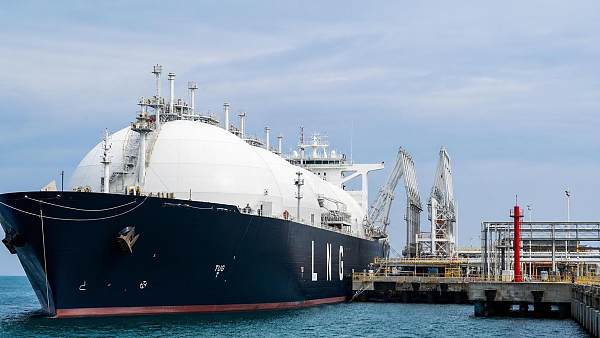
For quality control and safety managers, cryogenic shipping solutions demand more than thermal efficiency—they require rigorous review of containment risks, material stress, insulation integrity, and operational safeguards. As LNG carriers and deep-cold transport systems face harsher performance expectations, understanding where failures begin is essential to protecting cargo, crews, and long-term asset reliability.
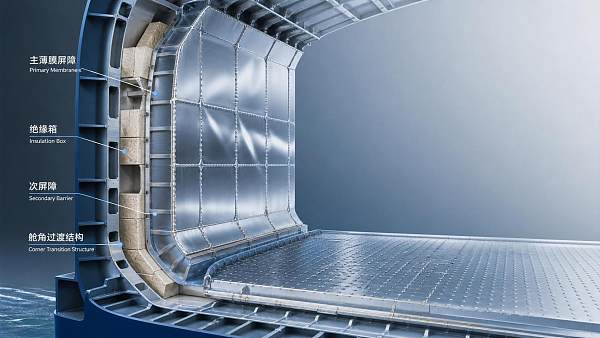
In LNG marine transport and other deep-cold logistics environments, a containment failure rarely starts with one dramatic event. More often, it begins with a small deviation: a membrane stress hotspot, a weld defect below detection threshold, a pressure excursion during cooldown, or insulation moisture ingress that slowly degrades performance over 6–18 months.
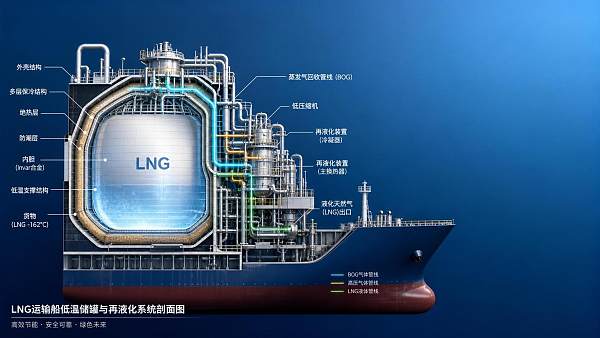
For organizations managing fleet reliability, terminal interfaces, and inspection compliance, cryogenic shipping solutions must be reviewed as integrated systems. Tank design, material selection, boil-off gas handling, instrumentation redundancy, and crew procedures all affect whether a vessel can maintain cargo integrity at around -163°C through repeated loading cycles and long-haul voyages.
Why containment risk review matters in cryogenic shipping solutions
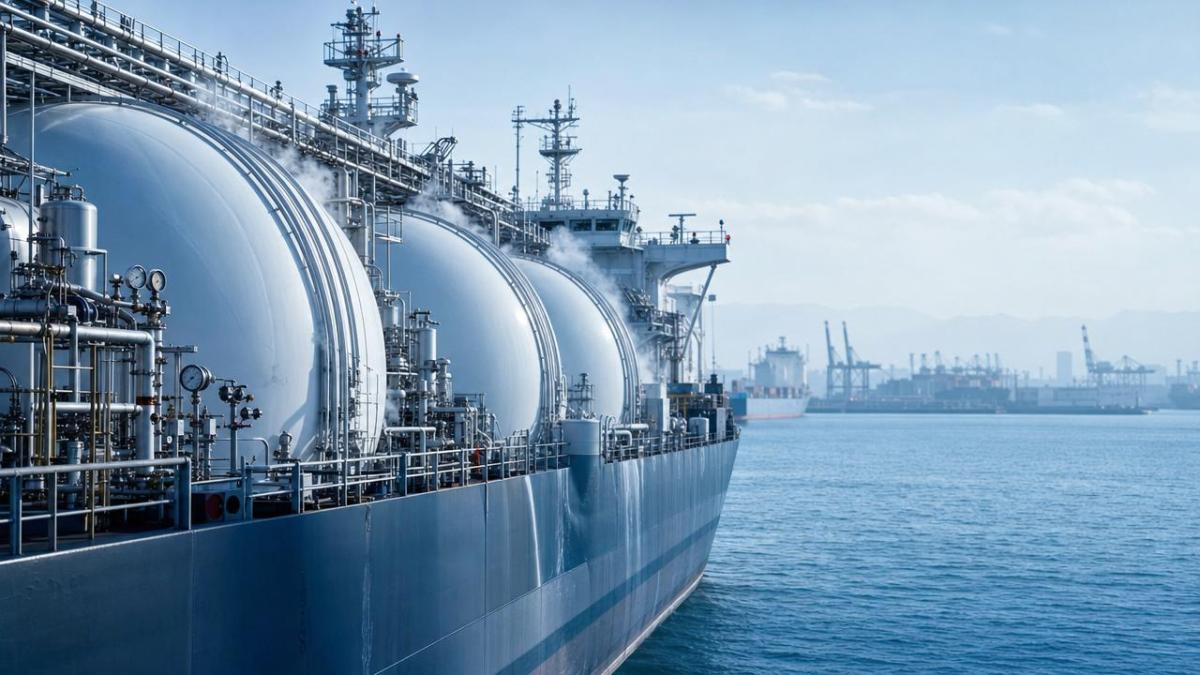
For GTOT’s audience in ocean-going transport, containment is not only a tank issue. It is a system-level safety barrier that connects cargo handling, propulsion efficiency, inspection planning, and regulatory confidence. In practical terms, one unresolved weakness can increase maintenance downtime, create off-hire exposure, and raise the probability of gas release incidents during loading, transit, or discharge.
Modern cryogenic shipping solutions typically operate under narrow thermal and mechanical margins. Temperature differentials may exceed 180°C between cargo zones and ambient structures, while repeated sloshing, partial filling, and route-dependent motions can generate cyclic stress thousands of times over a vessel’s service interval. That makes early review more valuable than reactive correction.
The operational impact of small defects
A defect does not need to be large to become critical in cryogenic service. A microcrack in a secondary barrier area, a sensor drift of 1–2%, or a localized insulation void can alter temperature distribution and generate uneven contraction. Over multiple voyages, that can lead to accelerated fatigue, boil-off irregularity, and rising inspection findings.
- Higher boil-off gas generation can reduce cargo delivery efficiency over a 10–25 day route.
- Undetected insulation degradation may increase localized cold spots and structural stress.
- Incomplete cooldown control can produce pressure instability during loading and unloading windows.
- Weak procedural discipline increases the chance of valve sequencing errors and emergency shutdown events.
Where quality and safety teams should focus first
A useful starting point is to divide risk into four review layers: containment structure, thermal protection, instrumentation reliability, and operating discipline. This approach helps safety managers avoid overemphasizing one element while missing interactions between design condition and human operation.
The matrix below outlines the most common containment risk categories in cryogenic shipping solutions and what quality teams should verify during routine review, docking preparation, or supplier evaluation.
The key lesson is that containment risk is cumulative. A vessel may pass one inspection point and still carry growing exposure if thermal, structural, and procedural indicators are reviewed in isolation. High-performing cryogenic shipping solutions are managed through linked evidence, not single-point checks.
Critical containment risks to review before they escalate
Quality control teams often ask where failures begin in practical terms. In LNG carriers and comparable cryogenic transport systems, the answer usually falls into five recurring categories: material embrittlement, fatigue under cyclic loading, insulation breakdown, pressure management deviation, and human-factor gaps during handling operations.
1. Material embrittlement at ultra-low temperature
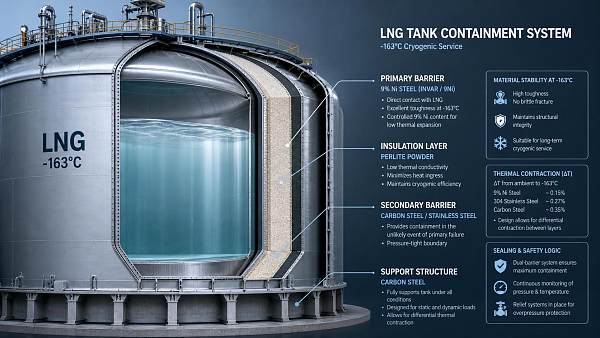
At approximately -163°C, not every metal, seal, or support material behaves predictably over time. Austenitic stainless steels, aluminum alloys, and selected nickel-bearing materials are often chosen because they retain toughness in deep-cold service. However, compatibility on paper is not enough; fabrication quality and heat-affected zones must also be reviewed.
Safety managers should verify whether the material control process covers batch identification, welding procedure qualification, and low-temperature service suitability for gaskets, expansion joints, and valve seats. A single overlooked non-cryogenic elastomer in an auxiliary line can become a weak point within the first few thermal cycles.
Practical checkpoints
- Confirm material traceability from fabrication through installation.
- Review repair history in zones exposed to repeated cooldown and warm-up.
- Check whether non-metallic parts are rated for the expected temperature range.
- Require visual, dimensional, and NDT records for critical joints and transitions.
2. Sloshing and cyclic fatigue in partial-fill conditions
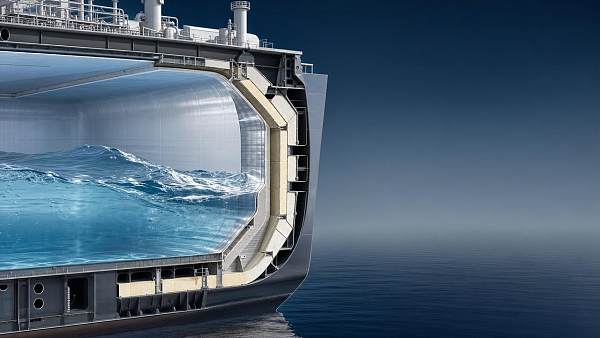
Containment stress is strongly affected by fill level and sea condition. Partial-fill operation can create dynamic liquid movement that loads membranes, supports, and internal structures unevenly. Over a voyage pattern with repeated accelerations, wave impact, and thermal contraction, fatigue can progress without immediate leakage.
This is especially important on routes with changing weather windows or long ballast-return cycles. Risk review should include vessel motion profile, filling limits, loading pattern, and the frequency of operation in known sloshing-sensitive bands. Even a 5–10% change in repeated fill practice can alter stress distribution over time.
3. Insulation integrity loss and hidden thermal bridges
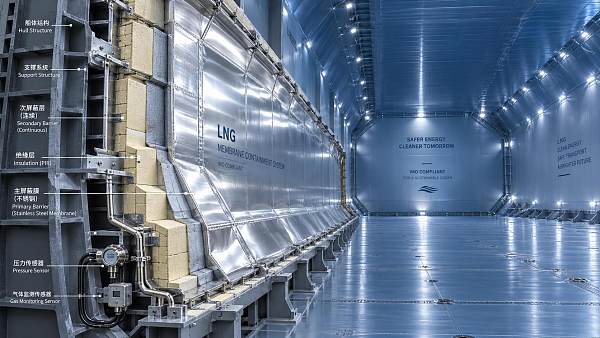
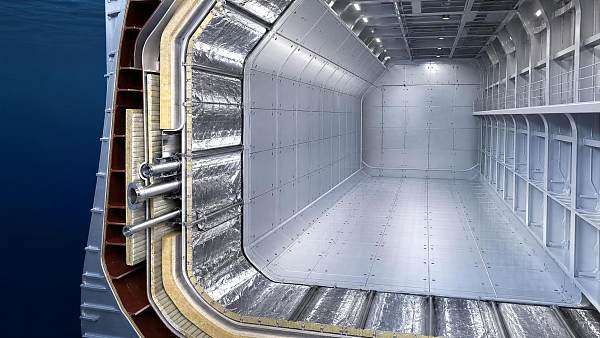
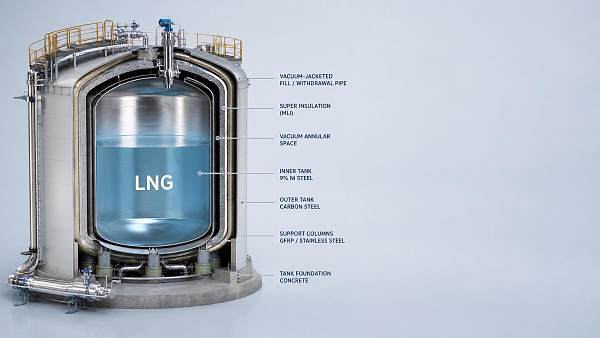
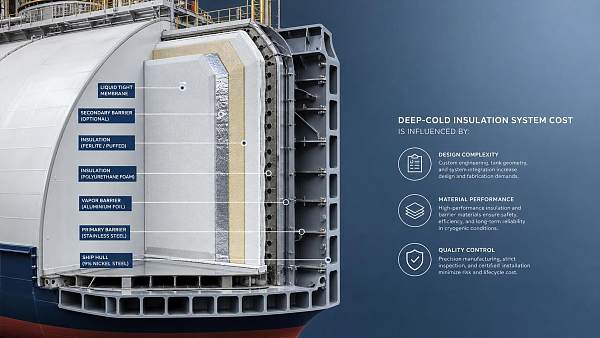
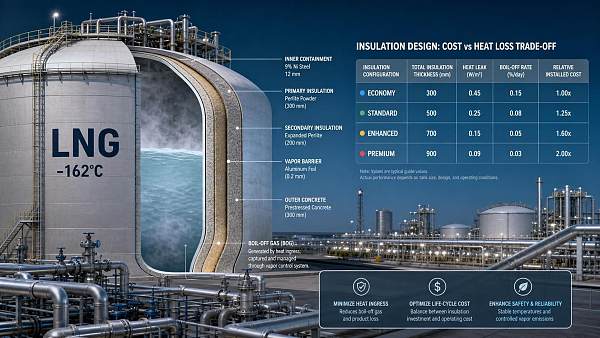
Insulation is sometimes treated as a passive layer, but in effective cryogenic shipping solutions it behaves more like an active reliability component. When insulation panels settle, absorb moisture, or lose compression, heat ingress rises and local cold spots can form outside expected design zones. That affects boil-off behavior and nearby structural response.
Quality teams should not rely on appearance alone. Trend-based review of temperature deviation, boil-off changes, and recurring cold-area findings is more useful than isolated observations. If performance drift continues over 3–4 voyage cycles, further inspection is usually justified.
4. Pressure excursions during cargo handling
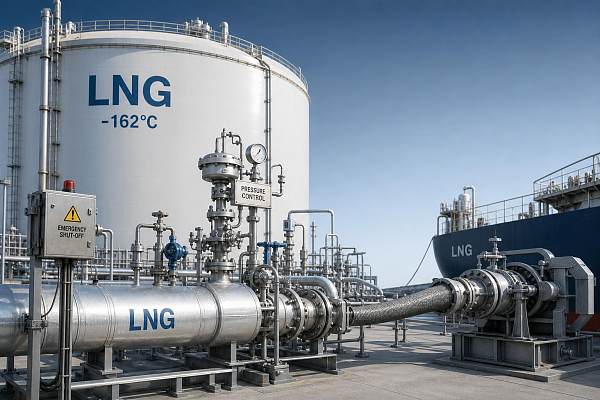
Pressure control failures often arise from operational transitions rather than steady sailing. Cooldown, gassing-up, loading ramp changes, emergency shutdown sequences, and boil-off gas management all create moments when pressure can move outside preferred operating range. If alarms are delayed or operators respond out of sequence, containment stress increases quickly.
A strong review program checks not only relief devices and transmitters, but also response timing, operator drills, and interface discipline between ship and shore. In many operations, the highest value improvement comes from shortening abnormal-condition response time from several minutes to less than 60–90 seconds.
5. Inspection blind spots and documentation gaps
Containment risk increases when inspection data cannot be trended. If thickness checks, thermal maps, alarm histories, or repair notes remain scattered across departments, early warning patterns are lost. For safety managers, documentation quality is a control measure in itself, not an administrative afterthought.
A practical baseline is to maintain 12–24 months of comparable records for pressure anomalies, temperature irregularities, alarm events, valve maintenance, and cargo handling deviations. That history supports better root-cause analysis and helps distinguish one-time noise from systemic degradation.
How to evaluate cryogenic shipping solutions from a QC and safety perspective
When comparing systems, vessels, retrofit packages, or component suppliers, decision-makers should use a structured framework rather than a single benchmark such as boil-off rate. The strongest cryogenic shipping solutions perform consistently across design robustness, monitoring capability, maintainability, and emergency readiness.
Four decision dimensions for supplier or system review
The table below can be used during technical qualification, yard supervision, component sourcing, or lifecycle risk review. It supports B2B procurement teams that need to align engineering concerns with safety assurance and long-term operating cost.
This comparison shows why procurement should not separate equipment selection from operational readiness. Two systems may look similar in design intent, yet produce very different risk profiles if calibration cycles, inspection access, or emergency response logic are weak.
A five-step review process before approval
- Define cargo profile, route duration, fill pattern, and expected operating temperature range.
- Review structural and thermal risk points, including previous repair or anomaly records.
- Verify instrumentation redundancy, alarm setpoints, and test intervals, often every 6–12 months.
- Assess procedures for cooldown, loading, discharge, gas handling, and emergency shutdown.
- Document residual risks, corrective actions, ownership, and review cycle before final acceptance.
For many fleets, this structured process is more useful than a simple checklist because it connects engineering evidence with decision accountability. It also creates a clearer basis for yard dialogue, insurer review, and internal audit readiness.
Implementation priorities: what safety managers should monitor over the vessel lifecycle
Containment review should continue well beyond commissioning. High-value cryogenic shipping solutions depend on stable monitoring over years of service, especially as routes change, turnaround windows shorten, and environmental expectations tighten. The most resilient operators build routine verification into operations rather than waiting for drydock or failure investigation.
Key lifecycle indicators to trend
- Boil-off behavior compared across similar voyage durations and ambient conditions.
- Recurring alarm zones, especially pressure and temperature deviations during transitions.
- Repair frequency in supports, seals, instrumentation points, and access interfaces.
- Insulation-related temperature anomalies detected over quarterly or semiannual review.
- Drill performance, response time, and procedural deviations during loading operations.
Common mistakes to avoid
One common mistake is to focus only on visible tank condition while neglecting control-system evidence. Another is to treat all deviations as isolated events instead of looking for patterns across 3, 6, or 12 months. A third is to assume that passing a class or statutory checkpoint means the operating risk has been fully optimized.
For GTOT readers involved in strategic equipment intelligence, the broader lesson is clear: cryogenic shipping solutions should be assessed as part of a larger transport reliability ecosystem. Containment integrity affects cargo economics, vessel availability, terminal coordination, and overall credibility in highly regulated tenders.
FAQ for quality and safety teams
How often should containment risk be formally reviewed?
A formal review is commonly aligned with annual inspection cycles, major route changes, post-repair acceptance, or repeated abnormal alarms. For higher-risk operating patterns, targeted reviews every 3–6 months may be more practical.
What is the most overlooked risk in cryogenic shipping solutions?
Insulation degradation and data fragmentation are often underestimated. Both can progress slowly and remain hidden until they begin affecting temperature distribution, boil-off management, or structural stress response.
Which metric should never be used alone?
Boil-off rate should never be used in isolation. It must be reviewed together with pressure history, fill pattern, ambient condition, cargo handling behavior, and inspection findings to provide meaningful risk insight.
For organizations responsible for LNG carriers, deep-cold cargo systems, and related transport assets, the best cryogenic shipping solutions are those that combine thermal performance with containment discipline, traceable inspection, and operational readiness. Reviewing material behavior, stress concentration, insulation health, alarm reliability, and crew execution as one connected system can reduce avoidable exposure across the full service lifecycle.
GTOT supports decision-makers who need sharper visibility into advanced maritime equipment, containment risk logic, and practical evaluation criteria for highly demanding transport environments. To discuss your vessel risk priorities, compare technical pathways, or obtain a more tailored review framework, contact us today and explore more intelligence-driven solutions.
Recommended News
 Sep 28, 2026When is nickel steel containment needed for cryogenic storage?Nickel steel containment is essential when cryogenic tanks face brittle-fracture risk. Discover how temperature, loads, and tank design guide the right choice.
 Sep 11, 2026How membrane containment systems demonstrate compliance with IMO standardsMembrane containment systems IMO standards: discover how LNG carriers prove compliance through verified barriers, testing, monitoring, and traceable records.
 Sep 10, 2026How membrane and Moss containment systems differ for LNG carriersLNG cargo containment for carriers: compare membrane and Moss systems for capacity, BOG, safety, sloshing, lifecycle cost, and operational flexibility.
 Sep 03, 2026What drives membrane containment systems cost in LNG projects?Membrane containment systems cost depends on tank design, materials, labor, QA, and boil-off performance. Discover how to control LNG project risk and lifecycle costs.
 Aug 11, 2026How Vacuum Insulated Cryogenic Engineering Reduces Boil-Off and Heat LeakVacuum insulated cryogenic engineering cuts boil-off and heat leak by optimizing vacuum spaces, MLI, supports, and penetrations—discover what really improves LNG thermal performance.
 Aug 09, 2026What Determines Safe Cryogenic Containment Design in LNG Storage?Cryogenic containment design in LNG storage depends on materials, thermal stress, leak control, and BOG management. Discover what truly defines safe, code-compliant performance.
 Jul 29, 2026How to Evaluate a Cryogenic Tank Handling System for LNG Transfer SafetyCryogenic tank handling system evaluation for LNG transfer safety: learn how to assess pressure control, insulation, ESD response, and operational reliability before choosing a safer system.
 Jul 24, 2026Deep-Cryogenic Insulation Systems Cost: What Drives Total Project Spend?Deep-cryogenic insulation systems cost depends on design, materials, installation, QA, and boil-off performance. Learn what drives total project spend and compare bids with confidence.
 Jul 21, 2026LNG Carriers Class Approval: Key Rules and Compliance RisksLNG carriers class approval explained: key rules, major compliance risks, and practical steps to prevent delays, protect vessel readiness, and improve charter confidence.
 Jul 15, 2026Low Boil Off Insulation System Performance: What Reduces LNG Losses MostLow boil off insulation system performance explained: discover what cuts LNG losses most through smarter containment, installation quality, and BOG management.
 Jul 13, 2026Deep Cryogenic Insulation for LNG Tanks: Cost vs Heat LossDeep cryogenic insulation for LNG tanks impacts more than upfront cost. Learn how lower heat loss cuts BOG, improves efficiency, and strengthens lifecycle value.
 Jul 13, 2026Low Loss Cryogenic Handling: Key Factors for Safer TransferLow loss cryogenic handling starts with thermal control, pressure balance, and clean transfer. Learn the key factors that reduce boil-off, protect product integrity, and improve safer LNG and industrial operations.
 Jul 12, 2026LNG Vessel Fuel Storage: Main Safety Risks and FixesLNG vessel fuel storage safety starts with early risk detection. Learn the main hazards, warning signs, and practical fixes to reduce leaks, pressure instability, and onboard failures.
 Jul 09, 2026Membrane Cargo Tank vs Moss Type: Which Fits Modern LNG FleetsMembrane cargo tank vs Moss type: compare LNG fleet capacity, boil-off strategy, maintenance, and asset value to choose the best-fit design for modern shipping returns.
 Jul 08, 2026Membrane Containment Systems: Key Failure Risks in LNG Tank DesignMembrane containment systems are central to LNG tank safety. Explore key failure risks, from insulation degradation to sloshing and secondary barrier issues, and learn what to check early.
 Jul 06, 2026How to Compare a Cryogenic Shipping Systems Manufacturer for Long-Haul LNG ProjectsCryogenic shipping systems manufacturer selection can make or break long-haul LNG projects. Compare boil-off control, compliance, engineering support, and lifecycle value.
 Jul 02, 2026Cryogenic Shipping Safety: Common Failure Risks and FixesCryogenic shipping safety starts with finding hidden failure risks early. Learn the main causes, practical fixes, and audit gaps that help protect LNG cargo, cut incidents, and improve control.
 Jul 02, 2026LNG Carriers Dimensions Explained for Terminal PlanningLNG carriers dimensions explained for smarter terminal planning. Learn how vessel size affects berth design, draft limits, mooring, and future fleet compatibility.
 Jun 30, 2026LNG Carrier Containment Technology Explained: Membrane vs Moss SystemsLNG carrier containment technology explained clearly: compare membrane vs Moss systems, key trade-offs, cargo efficiency, sloshing risk, and what drives smarter LNG vessel decisions.
 Jun 30, 2026Vacuum Deep Cryogenic Insulation: Key Failure Risks and How to Prevent ThemVacuum deep cryogenic insulation failure can raise boil-off, safety, and compliance risks. Learn key warning signs, root causes, and practical prevention steps to protect LNG operations.
 Jun 28, 2026Deep-Cryogenic Insulation Cost: What Drives Budget Changes in LNG ProjectsDeep-cryogenic insulation cost in LNG projects depends on materials, containment design, labor, compliance, and shipyard execution. Learn what drives budget changes and how to control risk.
 Jun 25, 2026Cryogenic Shipping Solutions: Key Risks, Costs, and Containment ChoicesCryogenic shipping solutions: compare key risks, lifecycle costs, and membrane vs. Moss containment to avoid hidden losses and choose safer, more efficient LNG transport.
 Jun 15, 2026Cryogenic Engineering Basics: Key Design Factors for Containment SafetyCryogenic engineering basics explained: discover the key design factors behind safer LNG and low-temperature containment, from materials and thermal stress to boil-off control and monitoring.
 Jun 11, 2026Membrane Containment Systems: Key Failure Risks and Design ChecksMembrane containment systems demand rigorous design checks. Explore key failure risks, from sloshing stress to insulation aging, and learn how to improve LNG vessel safety and compliance.