



Search News
Industry Portal
Popular Tags
Cryogenic Shipping Solutions: How to Cut Boil-off Losses
Author
Time
Click Count
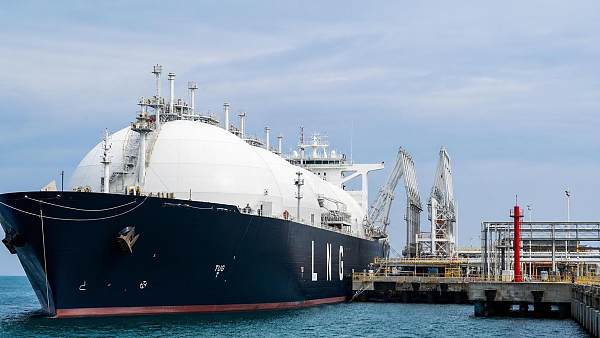
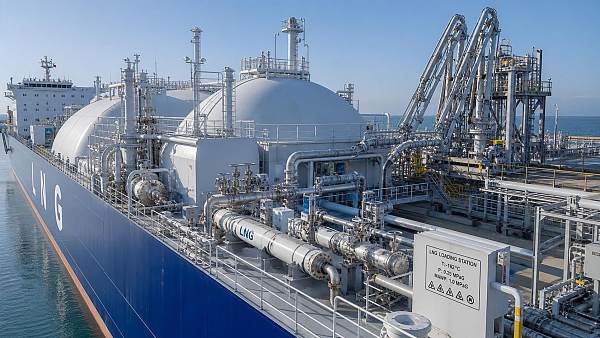
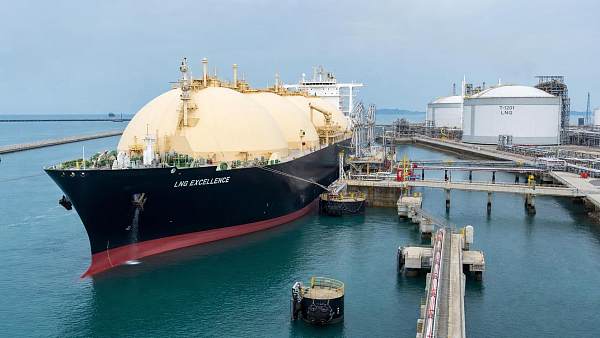
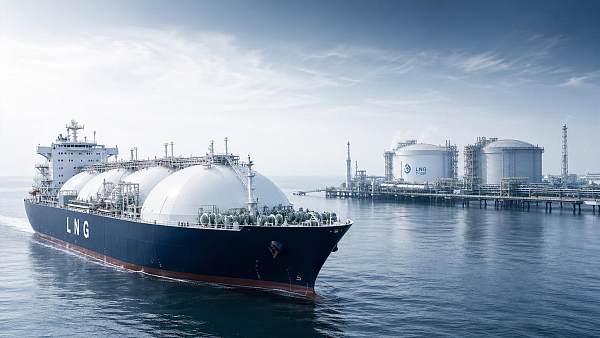
For project teams handling LNG and other ultra-cold cargoes, cryogenic shipping solutions now shape both technical performance and commercial outcomes. Lower boil-off losses mean better cargo retention, steadier fuel planning, and fewer surprises across long routes.
That is why cryogenic shipping solutions deserve attention beyond containment alone. Tank design, insulation quality, voyage profile, and onboard controls all influence evaporation rates, compliance exposure, and lifecycle cost.
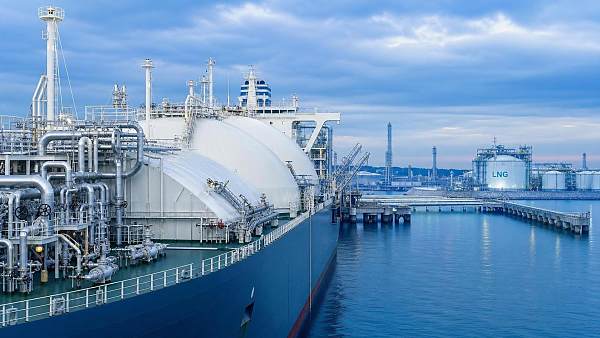
In a transport environment linking ports, vessels, terminals, and data systems, practical loss reduction requires engineering discipline and operational consistency. The following questions outline where the biggest gains usually come from.
What do cryogenic shipping solutions actually include?
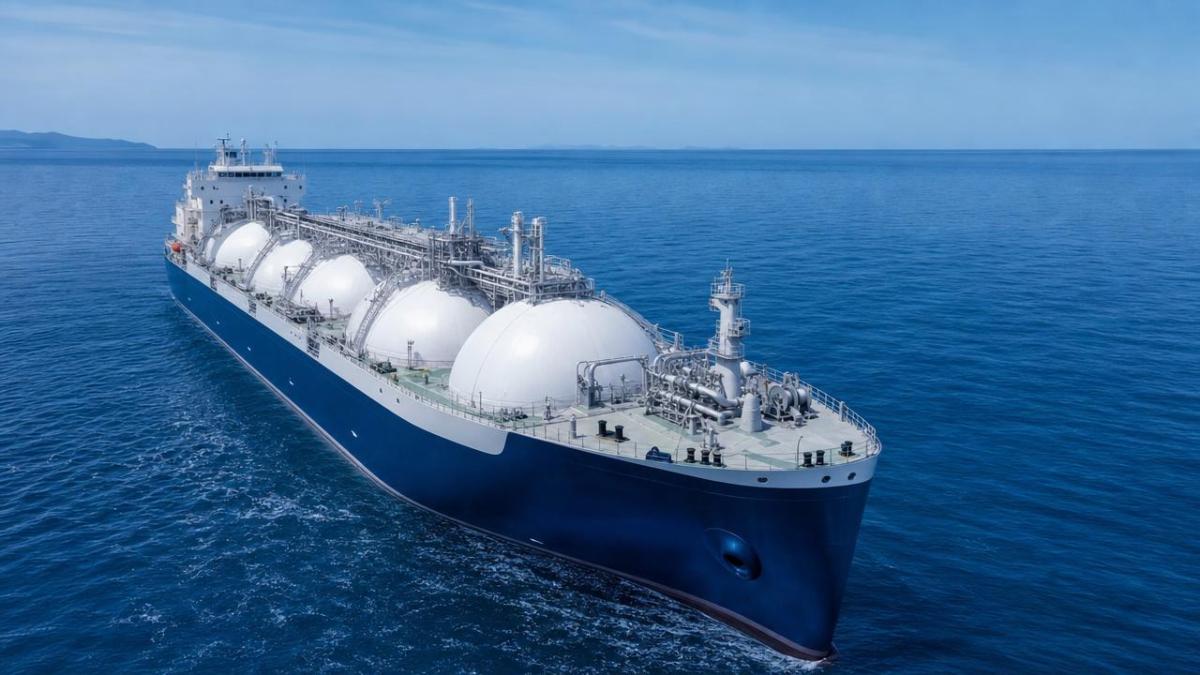
Cryogenic shipping solutions are integrated methods for moving liquefied gases or other deep-cold cargoes while limiting heat ingress, pressure instability, and product loss.
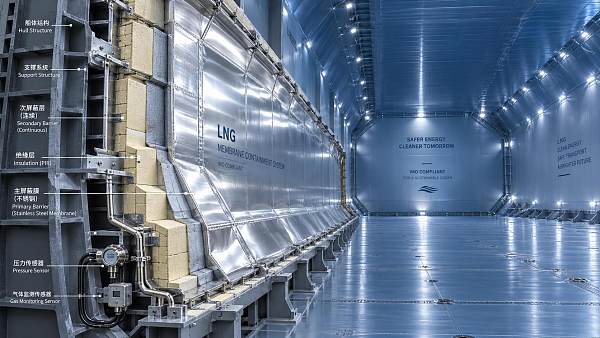
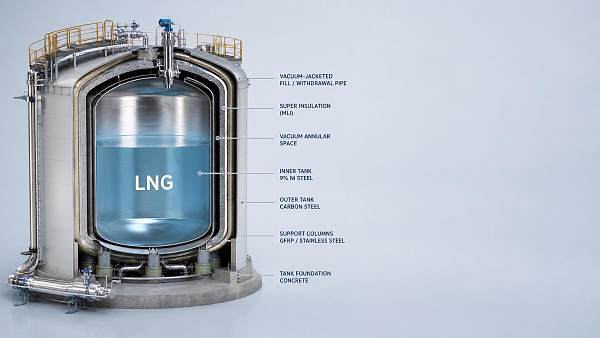
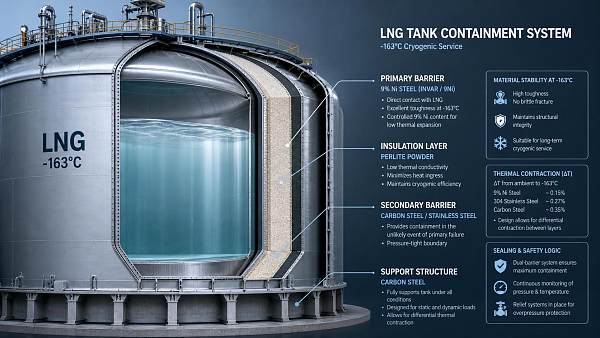
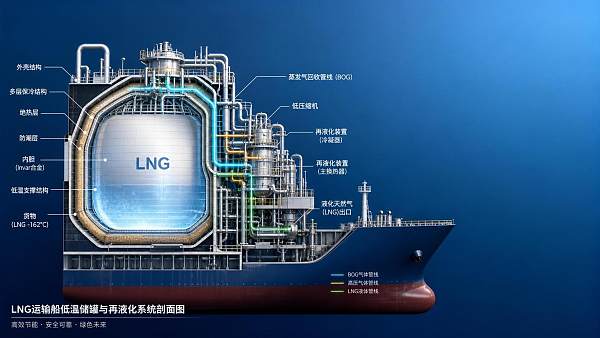
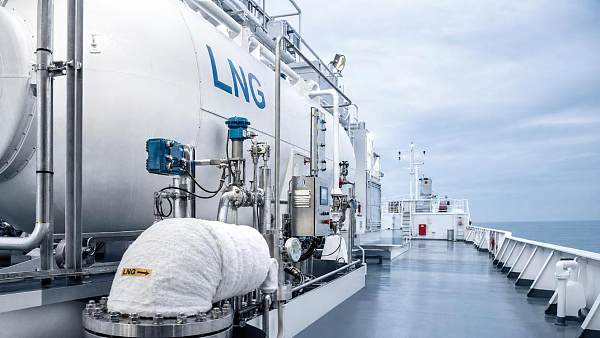
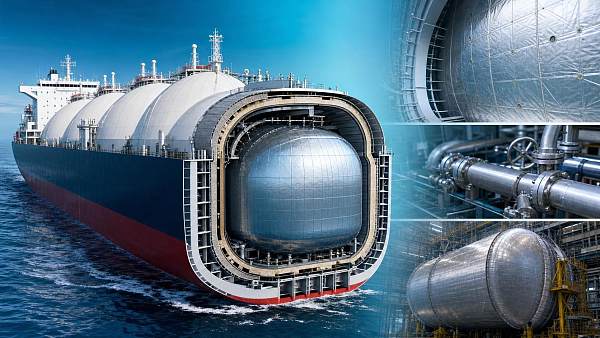
They usually combine containment systems, insulation materials, pressure management, cargo handling equipment, sensors, and digital monitoring. On LNG carriers, these elements must work as one thermal control chain.
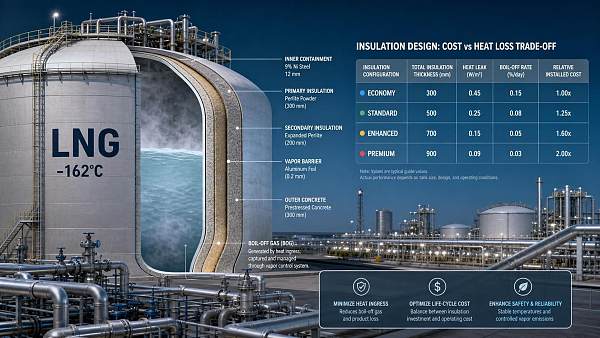
Boil-off happens when external heat enters the tank and converts part of the liquid into vapor. Even highly advanced tanks cannot eliminate this process completely.
The goal is not zero evaporation. The goal is predictable, manageable, and commercially optimized evaporation under real operating conditions.
Core building blocks of effective systems
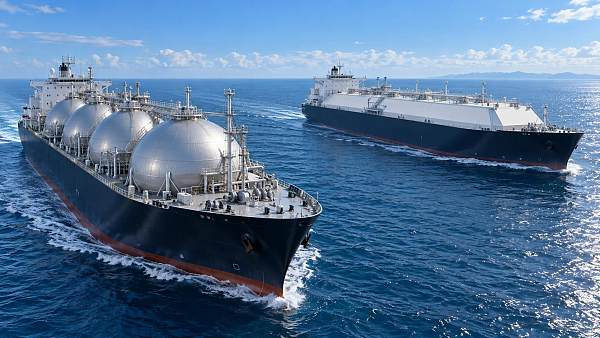
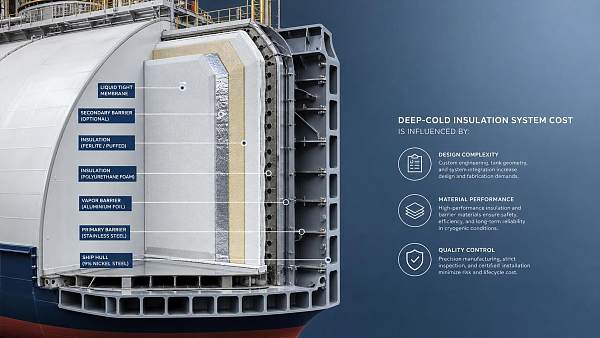
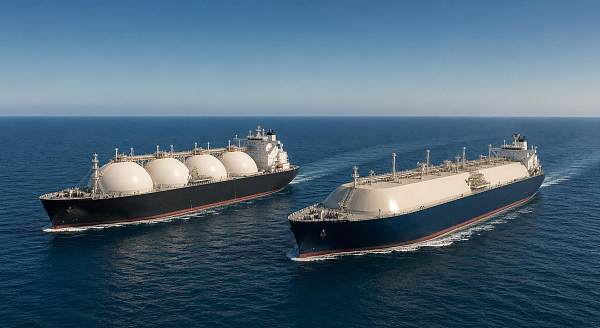
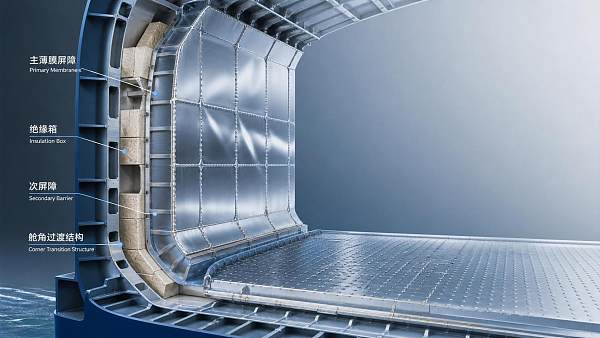
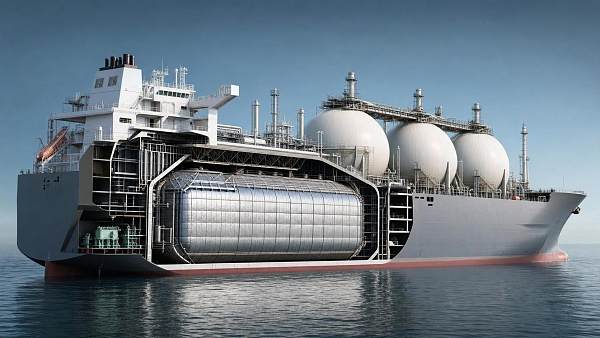
- Primary containment such as membrane or Moss-type tanks
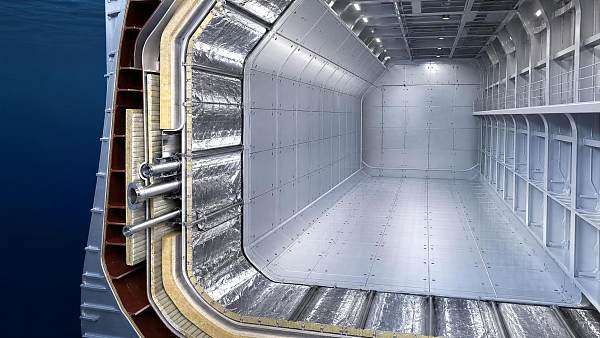
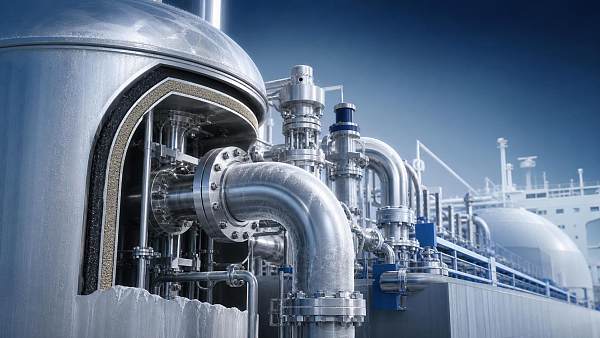
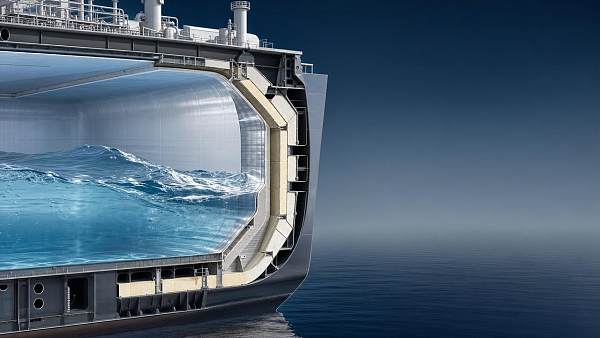
- High-performance insulation limiting conductive and convective heat transfer
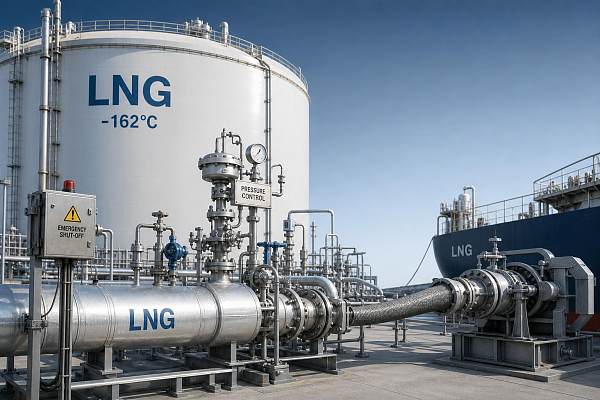
- Pressure control systems and vapor handling lines
- Boil-off gas compressors, reliquefaction, or fuel gas supply units
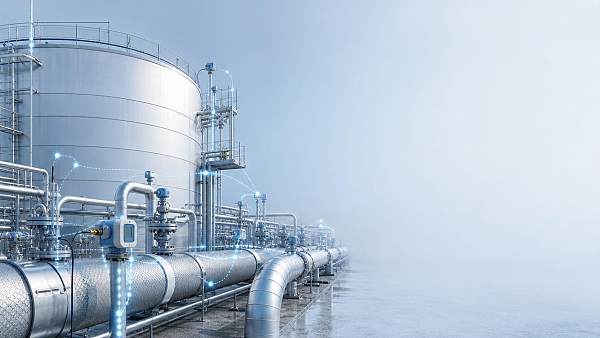
- Temperature, pressure, level, and structural monitoring instruments
- Operational software for route, weather, and energy optimization
For GTOT’s land-sea intelligence perspective, this integration mirrors high-speed rail control logic. Performance improves when every subsystem exchanges reliable data and responds within safe tolerances.
Which factors drive boil-off losses the most?
Many teams focus first on insulation thickness. That matters, but boil-off losses usually result from several interacting variables, not a single design weakness.
1. Tank and insulation performance
Material aging, installation defects, moisture intrusion, and thermal bridges can sharply reduce insulation effectiveness. Small weaknesses often become major losses during long-haul service.
2. Voyage duration and route conditions
Longer transit windows raise cumulative heat ingress. High ambient temperatures, rough seas, and repeated speed changes may also increase internal pressure fluctuation and cargo agitation.
3. Loading condition and tank filling ratio
Partially filled tanks can experience stronger sloshing and more unstable vapor behavior. Improper cooldown before loading may also create avoidable thermal stress and early vapor generation.
4. Equipment efficiency
Underperforming compressors, valves, or fuel gas systems can cause pressure buildup, forced venting risk, or poor vapor utilization. Reliability and tuning matter as much as design capacity.
5. Operational discipline
Inconsistent setpoints, delayed maintenance, weak sensor calibration, and fragmented data review can make a technically good system behave poorly.
How can cryogenic shipping solutions reduce boil-off losses in practice?
The most effective cryogenic shipping solutions combine design choices with voyage execution. Technical upgrades alone rarely deliver full value without disciplined operating procedures.
Upgrade or protect insulation integrity
Regular thermal mapping, inspection of joints, and moisture detection help identify hidden heat leak paths. Early repair prevents small losses from becoming persistent operating penalties.
Use advanced boil-off gas handling
Modern cryogenic shipping solutions may direct vapor to dual-fuel engines, partial reliquefaction units, or optimized pressure control systems. The right option depends on route economics and vessel architecture.
Optimize cargo conditioning before departure
Stable loading temperature, proper tank cooldown, and accurate filling ratios reduce avoidable vapor formation. Pre-voyage conditioning often delivers low-cost improvement.
Apply digital monitoring and predictive analytics
Live data from temperature, pressure, and flow sensors can show deviation patterns before losses escalate. Predictive models also support route and speed decisions that lower thermal stress.
Align propulsion strategy with cargo management
Where vapor can be consumed as fuel, engine demand and cargo tank pressure should be managed together. This creates a stronger balance between energy efficiency and product retention.
- Define acceptable boil-off ranges by route and season
- Track daily loss against weather and speed changes
- Audit sensor calibration and alarm logic
- Review compressor and valve response trends monthly
- Link cargo data with maintenance planning
How should different system options be compared?
Not all cryogenic shipping solutions fit every voyage profile. The best choice depends on cargo type, transit length, port infrastructure, fuel strategy, and maintenance capability.
Membrane versus spherical containment
Membrane systems often improve volumetric efficiency and support large-capacity designs. Moss-type tanks can offer strong structural robustness and proven behavior under dynamic marine conditions.
Reliquefaction versus direct fuel use
Reliquefaction may preserve more saleable cargo, especially on longer routes. Direct vapor use can simplify energy recovery where dual-fuel propulsion matches operating conditions.
Newbuild integration versus retrofit
Newbuild projects allow better layout, weight balance, and control architecture. Retrofits may still be attractive when loss reduction is urgent and structural constraints are manageable.
What mistakes weaken cryogenic shipping solutions?
A common mistake is treating boil-off as a fixed number from design documents. In service, actual losses change with weather, maintenance quality, and operating behavior.
Another mistake is overvaluing hardware while undervaluing data quality. Faulty transmitters or delayed alerts can hide rising heat ingress until financial damage becomes visible.
Some operations also ignore voyage-specific tuning. A setting that works on one route may waste cargo on another with different temperatures, delays, or bunkering constraints.
Risk reminders
- Do not assess losses without normalized route data
- Do not postpone insulation inspections after pressure anomalies
- Do not separate cargo control from propulsion planning
- Do not rely on manual logs where live integration is possible
What costs, timelines, and implementation steps matter most?
The return from cryogenic shipping solutions depends on baseline loss rate, cargo value, voyage frequency, and fuel utilization strategy. Quick wins often come from monitoring, procedures, and calibration.
Mid-level investments usually include insulation repair, compressor tuning, control upgrades, and better analytics. These can often be phased around planned maintenance windows.
Larger capital projects, such as reliquefaction upgrades or major containment modifications, need deeper modeling. Thermal behavior, power demand, class requirements, and payback assumptions must be tested carefully.
A practical implementation sequence
- Establish current boil-off baseline by route, season, and tank condition
- Verify sensor accuracy and data visibility across ship and shore teams
- Identify highest-loss intervals during loading, transit, and discharge
- Match technical options to fuel use and cargo value objectives
- Pilot revised operating settings before major hardware spend
- Measure gains continuously and adjust standards
FAQ summary: how to judge the right path?
Strong cryogenic shipping solutions do more than protect cold cargo. They improve energy balance, asset reliability, and commercial predictability across global shipping networks.
The most practical next step is to map current boil-off performance against route conditions, equipment health, and control settings. Once the loss pattern is visible, upgrade decisions become far more accurate.
For sectors where transport intelligence links vessel engineering with supply chain execution, disciplined cryogenic shipping solutions are becoming a decisive advantage rather than a technical afterthought.
Recommended News
 Sep 28, 2026When is nickel steel containment needed for cryogenic storage?Nickel steel containment is essential when cryogenic tanks face brittle-fracture risk. Discover how temperature, loads, and tank design guide the right choice.
 Sep 11, 2026How membrane containment systems demonstrate compliance with IMO standardsMembrane containment systems IMO standards: discover how LNG carriers prove compliance through verified barriers, testing, monitoring, and traceable records.
 Sep 10, 2026How membrane and Moss containment systems differ for LNG carriersLNG cargo containment for carriers: compare membrane and Moss systems for capacity, BOG, safety, sloshing, lifecycle cost, and operational flexibility.
 Sep 03, 2026What drives membrane containment systems cost in LNG projects?Membrane containment systems cost depends on tank design, materials, labor, QA, and boil-off performance. Discover how to control LNG project risk and lifecycle costs.
 Aug 11, 2026How Vacuum Insulated Cryogenic Engineering Reduces Boil-Off and Heat LeakVacuum insulated cryogenic engineering cuts boil-off and heat leak by optimizing vacuum spaces, MLI, supports, and penetrations—discover what really improves LNG thermal performance.
 Aug 09, 2026What Determines Safe Cryogenic Containment Design in LNG Storage?Cryogenic containment design in LNG storage depends on materials, thermal stress, leak control, and BOG management. Discover what truly defines safe, code-compliant performance.
 Jul 29, 2026How to Evaluate a Cryogenic Tank Handling System for LNG Transfer SafetyCryogenic tank handling system evaluation for LNG transfer safety: learn how to assess pressure control, insulation, ESD response, and operational reliability before choosing a safer system.
 Jul 24, 2026Deep-Cryogenic Insulation Systems Cost: What Drives Total Project Spend?Deep-cryogenic insulation systems cost depends on design, materials, installation, QA, and boil-off performance. Learn what drives total project spend and compare bids with confidence.
 Jul 21, 2026LNG Carriers Class Approval: Key Rules and Compliance RisksLNG carriers class approval explained: key rules, major compliance risks, and practical steps to prevent delays, protect vessel readiness, and improve charter confidence.
 Jul 15, 2026Low Boil Off Insulation System Performance: What Reduces LNG Losses MostLow boil off insulation system performance explained: discover what cuts LNG losses most through smarter containment, installation quality, and BOG management.
 Jul 13, 2026Deep Cryogenic Insulation for LNG Tanks: Cost vs Heat LossDeep cryogenic insulation for LNG tanks impacts more than upfront cost. Learn how lower heat loss cuts BOG, improves efficiency, and strengthens lifecycle value.
 Jul 13, 2026Low Loss Cryogenic Handling: Key Factors for Safer TransferLow loss cryogenic handling starts with thermal control, pressure balance, and clean transfer. Learn the key factors that reduce boil-off, protect product integrity, and improve safer LNG and industrial operations.
 Jul 12, 2026LNG Vessel Fuel Storage: Main Safety Risks and FixesLNG vessel fuel storage safety starts with early risk detection. Learn the main hazards, warning signs, and practical fixes to reduce leaks, pressure instability, and onboard failures.
 Jul 09, 2026Membrane Cargo Tank vs Moss Type: Which Fits Modern LNG FleetsMembrane cargo tank vs Moss type: compare LNG fleet capacity, boil-off strategy, maintenance, and asset value to choose the best-fit design for modern shipping returns.
 Jul 08, 2026Membrane Containment Systems: Key Failure Risks in LNG Tank DesignMembrane containment systems are central to LNG tank safety. Explore key failure risks, from insulation degradation to sloshing and secondary barrier issues, and learn what to check early.
 Jul 06, 2026How to Compare a Cryogenic Shipping Systems Manufacturer for Long-Haul LNG ProjectsCryogenic shipping systems manufacturer selection can make or break long-haul LNG projects. Compare boil-off control, compliance, engineering support, and lifecycle value.
 Jul 02, 2026Cryogenic Shipping Safety: Common Failure Risks and FixesCryogenic shipping safety starts with finding hidden failure risks early. Learn the main causes, practical fixes, and audit gaps that help protect LNG cargo, cut incidents, and improve control.
 Jul 02, 2026LNG Carriers Dimensions Explained for Terminal PlanningLNG carriers dimensions explained for smarter terminal planning. Learn how vessel size affects berth design, draft limits, mooring, and future fleet compatibility.
 Jun 30, 2026LNG Carrier Containment Technology Explained: Membrane vs Moss SystemsLNG carrier containment technology explained clearly: compare membrane vs Moss systems, key trade-offs, cargo efficiency, sloshing risk, and what drives smarter LNG vessel decisions.
 Jun 30, 2026Vacuum Deep Cryogenic Insulation: Key Failure Risks and How to Prevent ThemVacuum deep cryogenic insulation failure can raise boil-off, safety, and compliance risks. Learn key warning signs, root causes, and practical prevention steps to protect LNG operations.
 Jun 28, 2026Deep-Cryogenic Insulation Cost: What Drives Budget Changes in LNG ProjectsDeep-cryogenic insulation cost in LNG projects depends on materials, containment design, labor, compliance, and shipyard execution. Learn what drives budget changes and how to control risk.
 Jun 25, 2026Cryogenic Shipping Solutions: Key Risks, Costs, and Containment ChoicesCryogenic shipping solutions: compare key risks, lifecycle costs, and membrane vs. Moss containment to avoid hidden losses and choose safer, more efficient LNG transport.
 Jun 15, 2026Cryogenic Engineering Basics: Key Design Factors for Containment SafetyCryogenic engineering basics explained: discover the key design factors behind safer LNG and low-temperature containment, from materials and thermal stress to boil-off control and monitoring.
 Jun 11, 2026Membrane Containment Systems: Key Failure Risks and Design ChecksMembrane containment systems demand rigorous design checks. Explore key failure risks, from sloshing stress to insulation aging, and learn how to improve LNG vessel safety and compliance.