



Search News
Industry Portal
Popular Tags
LNG Carriers for Global Energy Transport: Capacity, Routes, and Risk
Author
Time
Click Count
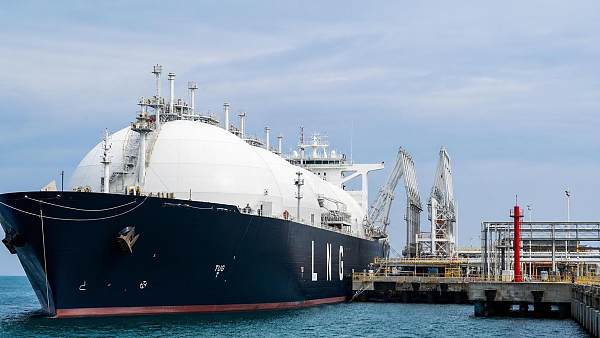
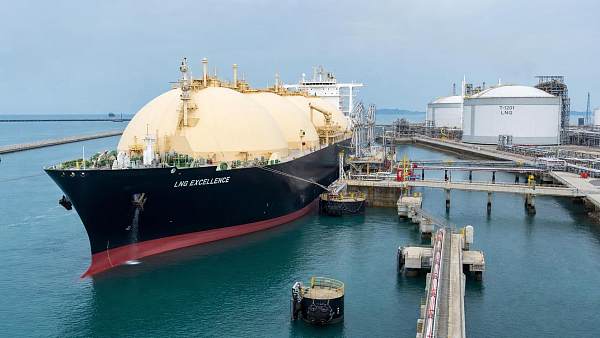
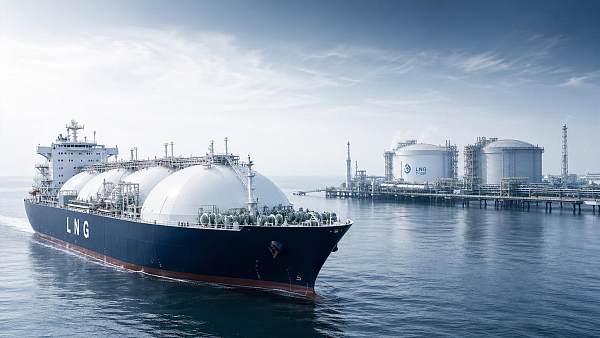
LNG carriers for global energy transport are no longer niche assets within shipping. They now influence energy security, charter economics, port investment, and the stability of cross-border supply chains.
For capital planning and market positioning, vessel capacity, route selection, and operational risk must be assessed together. A strong decision framework links cargo flexibility, terminal access, and geopolitical exposure.
This matters across the broader transport industry. As GTOT observes, land-sea intelligence, digital operations, and resilient infrastructure increasingly define performance in both maritime energy and intercontinental logistics.
When LNG carriers for global energy transport become strategic rather than transactional
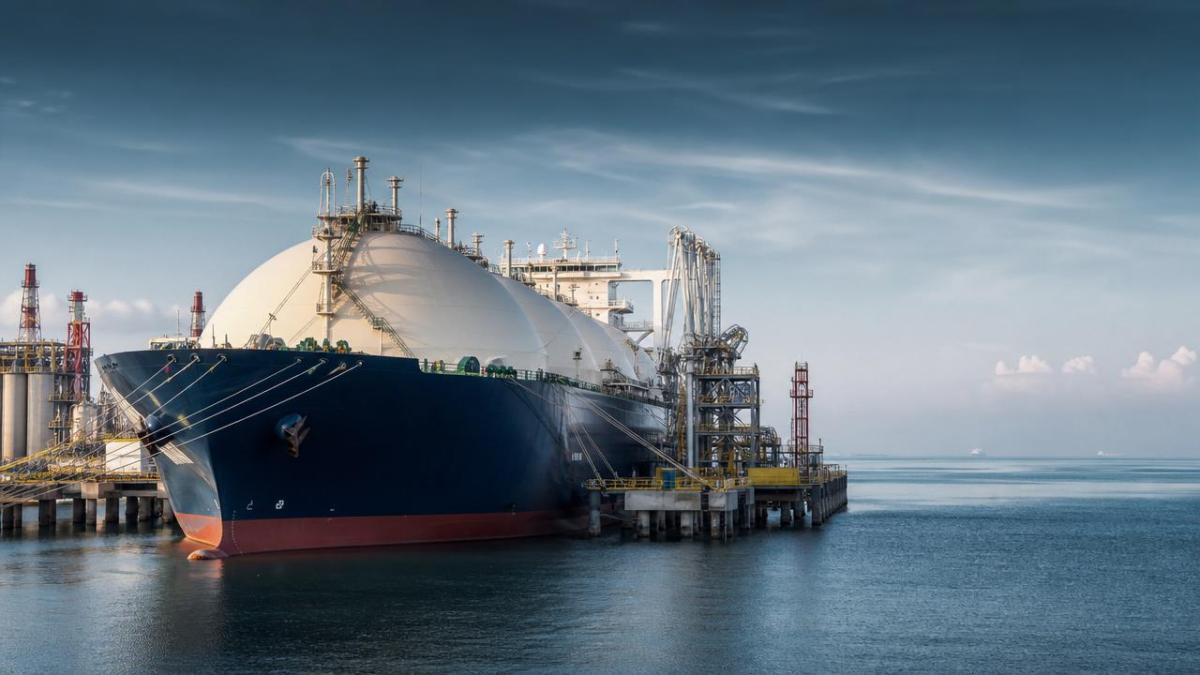
The first judgment is whether LNG shipping serves short-term trade execution or long-term energy strategy. That distinction changes vessel choice, contract structure, and acceptable operating risk.
In tight markets, LNG carriers for global energy transport act like floating infrastructure. Their value rises when pipeline constraints, seasonal demand spikes, or regional supply disruptions limit alternatives.
In balanced markets, the same ships behave more like efficiency platforms. The focus shifts toward boil-off management, fuel flexibility, turnaround speed, and route optimization.
Three background signals that change scenario value
- Regional gas demand volatility, especially during winter peaks or power shortages.
- Canal congestion or route disruption affecting voyage time and fleet availability.
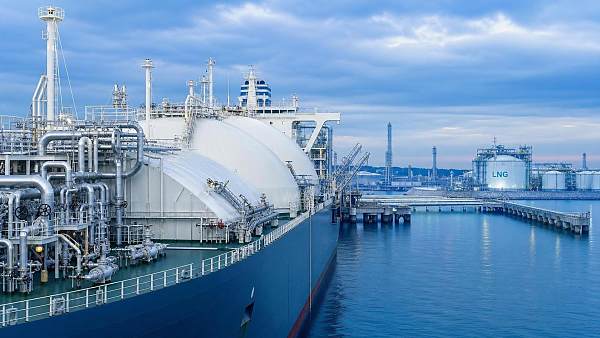
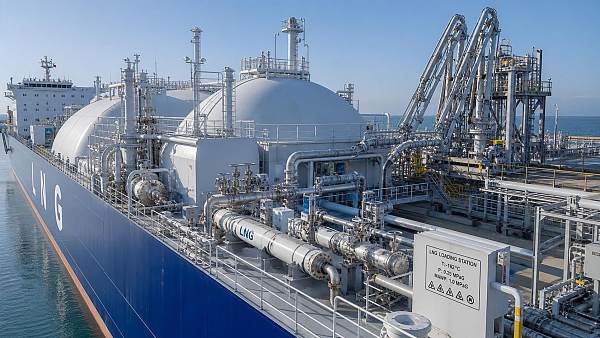
- Terminal compatibility limits involving draft, berth design, and reliquefaction handling.
These signals help determine whether an LNG carrier should be evaluated as capacity insurance, commercial leverage, or a core transport link within a larger energy portfolio.
Scenario 1: Long-haul export chains need capacity discipline more than headline scale
For Atlantic-to-Asia or Gulf-to-Europe trades, capacity is not only about cubic meters. It is about delivered energy value per voyage under route, weather, and congestion constraints.
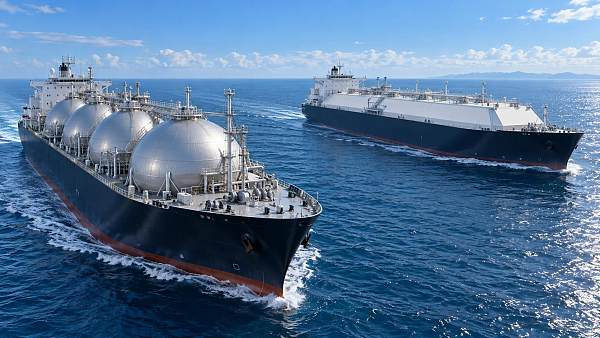
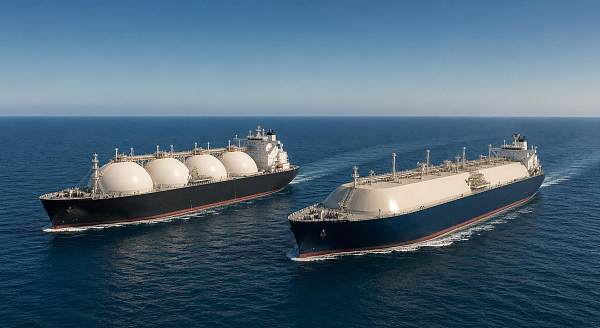
Modern LNG carriers for global energy transport usually range from about 125,000 to 266,000 cubic meters. The most common long-haul workhorses sit near 170,000 to 180,000 cubic meters.
Larger ships can reduce unit freight cost. Yet they may face berth restrictions, scheduling inflexibility, and longer waiting time at import terminals with limited slot availability.
Core judgment points in long-haul deployment
- Does cargo size match receiving terminal discharge rates?
- Can the vessel maintain efficiency on alternative routes if canals are constrained?
- Will boil-off gas utilization support voyage economics over extended sailing distances?
In this scenario, the best LNG carriers for global energy transport are often not the biggest. They are the ships with the widest compatibility and strongest schedule resilience.
Scenario 2: Regional balancing trades favor route agility and terminal compatibility
Shorter routes in Europe, the Mediterranean, or intra-Asia require a different lens. Here, flexibility often outranks absolute cargo size because delivery windows are tighter and infrastructure varies more.
Regional LNG carriers for global energy transport may support balancing cargoes, floating storage use, or demand smoothing during weather-driven consumption swings.
Smaller or midsize vessels can outperform larger ships when shallow terminals, smaller regasification units, or fragmented destination patterns reduce discharge efficiency.
Typical route-sensitive variables
- Port rotation complexity and berth queue exposure.
- Weather routing around seasonal winds or rough sea corridors.
- Flexibility to switch cargo destination without severe commercial penalty.
For this use case, route agility becomes a commercial asset. A technically capable ship with inferior terminal fit may still underperform across a regional balancing portfolio.
Scenario 3: High-volatility markets require LNG carriers for global energy transport as risk buffers
In stressed markets, LNG shipping is closely tied to energy security. Cargoes may be redirected rapidly, voyage durations may expand, and charter rates can disconnect from historical averages.
Under these conditions, LNG carriers for global energy transport serve as moving optionality. Their value includes time flexibility, destination flexibility, and resilience against infrastructure bottlenecks.
Risk buffering matters most when pipeline dependence is high, strategic storage is thin, or import demand depends heavily on spot procurement.
Main risks that intensify in volatile conditions
- Geopolitical restrictions affecting sanctioned cargoes or route access.
- Canal delays increasing fuel use, boil-off management pressure, and schedule uncertainty.
- Crew and technical reliability risks during prolonged or rerouted voyages.
- Insurance and compliance costs rising faster than freight assumptions.
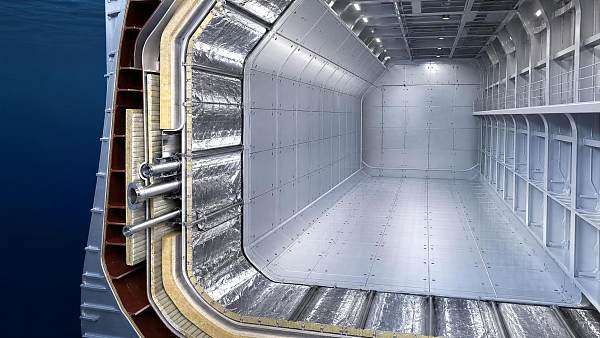
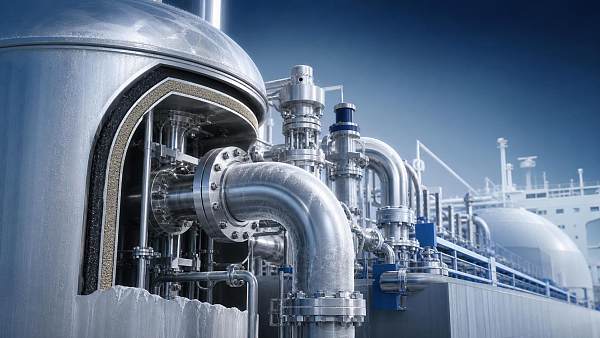
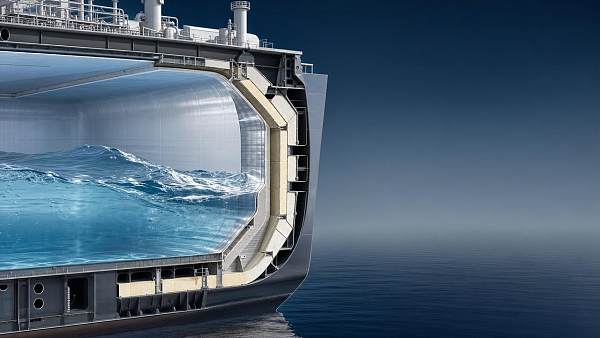
This is where technical intelligence becomes decisive. Containment system integrity, propulsion reliability, and digital voyage monitoring can protect asset value during abnormal market conditions.
How scenario needs differ across capacity, routes, and risk exposure
This comparison shows why LNG carriers for global energy transport should not be benchmarked only by nominal size. Scenario fit determines both earnings stability and operational reliability.
Practical adaptation advice for choosing the right LNG shipping approach
A useful decision model connects commercial goals with technical constraints. In integrated transport environments, shipping performance should align with storage planning, terminal readiness, and demand timing.
Recommended actions by scenario
- Map destination terminals before fixing vessel size assumptions.
- Stress-test route plans against canal disruption and seasonal weather deviation.
- Evaluate dual-fuel propulsion efficiency alongside boil-off handling performance.
- Compare time charter flexibility with spot exposure under volatile regional demand.
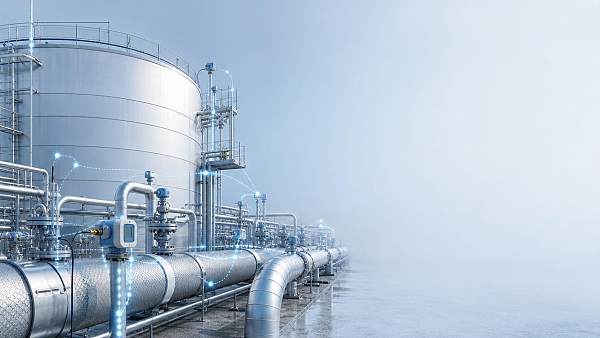
- Use digital monitoring to link ship condition, fuel behavior, and schedule risk.
For many portfolios, the most resilient LNG carriers for global energy transport are those supported by better data, not merely stronger freight markets. Intelligence improves deployment, maintenance timing, and contract discipline.
Common misjudgments that weaken LNG transport strategy
One common error is assuming larger capacity always creates lower delivered cost. If terminal limitations extend waiting time, that advantage can disappear quickly.
Another mistake is treating route maps as static. LNG carriers for global energy transport operate within a changing matrix of canal access, regional conflict, weather patterns, and emissions requirements.
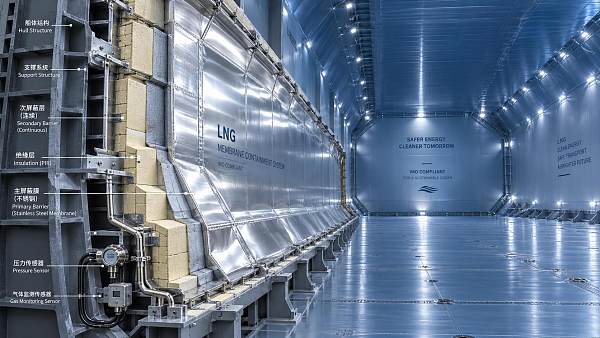
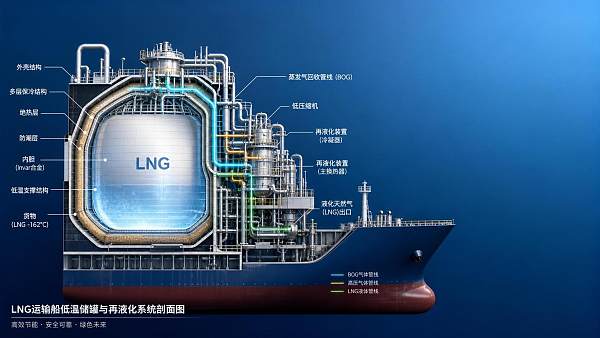
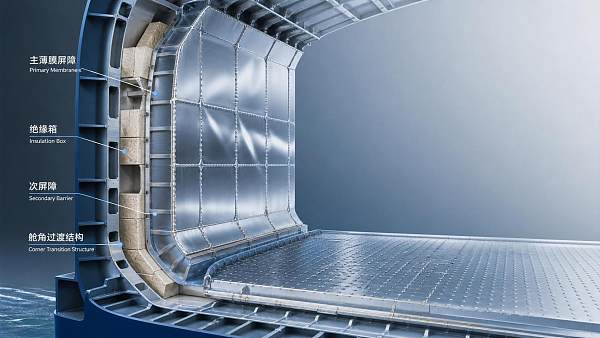
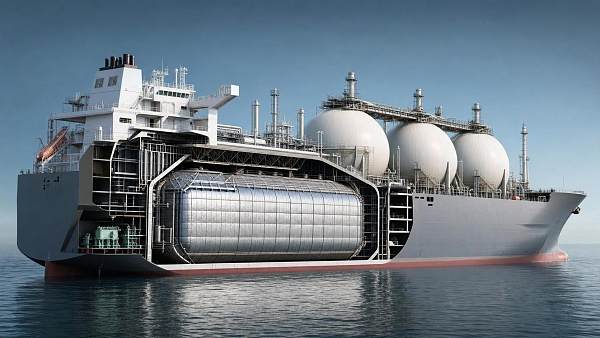
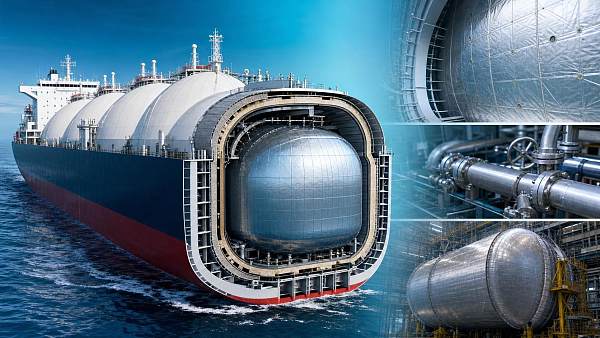
A third blind spot is underestimating technical detail. Membrane containment stress, reliquefaction needs, and propulsion system reliability all affect real commercial outcomes.
Finally, some strategies isolate shipping from wider transport intelligence. GTOT’s cross-sector view shows that resilient global logistics depends on synchronized infrastructure, digital visibility, and precise asset control.
Next-step focus for stronger decisions in LNG carriers for global energy transport
The most effective next step is scenario-based review. Assess expected cargo patterns, destination constraints, rerouting exposure, and technical vessel fit in one framework.
For organizations tracking maritime and energy infrastructure together, LNG carriers for global energy transport should be analyzed as strategic connectors within the wider supply chain, not isolated shipping units.
A disciplined review of capacity, routes, and risk will reveal where asset value is truly created. In a volatile energy system, that clarity can become a durable competitive advantage.
Recommended News
 Sep 28, 2026When is nickel steel containment needed for cryogenic storage?Nickel steel containment is essential when cryogenic tanks face brittle-fracture risk. Discover how temperature, loads, and tank design guide the right choice.
 Sep 11, 2026How membrane containment systems demonstrate compliance with IMO standardsMembrane containment systems IMO standards: discover how LNG carriers prove compliance through verified barriers, testing, monitoring, and traceable records.
 Sep 10, 2026How membrane and Moss containment systems differ for LNG carriersLNG cargo containment for carriers: compare membrane and Moss systems for capacity, BOG, safety, sloshing, lifecycle cost, and operational flexibility.
 Sep 03, 2026What drives membrane containment systems cost in LNG projects?Membrane containment systems cost depends on tank design, materials, labor, QA, and boil-off performance. Discover how to control LNG project risk and lifecycle costs.
 Aug 11, 2026How Vacuum Insulated Cryogenic Engineering Reduces Boil-Off and Heat LeakVacuum insulated cryogenic engineering cuts boil-off and heat leak by optimizing vacuum spaces, MLI, supports, and penetrations—discover what really improves LNG thermal performance.
 Aug 09, 2026What Determines Safe Cryogenic Containment Design in LNG Storage?Cryogenic containment design in LNG storage depends on materials, thermal stress, leak control, and BOG management. Discover what truly defines safe, code-compliant performance.
 Jul 29, 2026How to Evaluate a Cryogenic Tank Handling System for LNG Transfer SafetyCryogenic tank handling system evaluation for LNG transfer safety: learn how to assess pressure control, insulation, ESD response, and operational reliability before choosing a safer system.
 Jul 24, 2026Deep-Cryogenic Insulation Systems Cost: What Drives Total Project Spend?Deep-cryogenic insulation systems cost depends on design, materials, installation, QA, and boil-off performance. Learn what drives total project spend and compare bids with confidence.
 Jul 21, 2026LNG Carriers Class Approval: Key Rules and Compliance RisksLNG carriers class approval explained: key rules, major compliance risks, and practical steps to prevent delays, protect vessel readiness, and improve charter confidence.
 Jul 15, 2026Low Boil Off Insulation System Performance: What Reduces LNG Losses MostLow boil off insulation system performance explained: discover what cuts LNG losses most through smarter containment, installation quality, and BOG management.
 Jul 13, 2026Deep Cryogenic Insulation for LNG Tanks: Cost vs Heat LossDeep cryogenic insulation for LNG tanks impacts more than upfront cost. Learn how lower heat loss cuts BOG, improves efficiency, and strengthens lifecycle value.
 Jul 13, 2026Low Loss Cryogenic Handling: Key Factors for Safer TransferLow loss cryogenic handling starts with thermal control, pressure balance, and clean transfer. Learn the key factors that reduce boil-off, protect product integrity, and improve safer LNG and industrial operations.
 Jul 12, 2026LNG Vessel Fuel Storage: Main Safety Risks and FixesLNG vessel fuel storage safety starts with early risk detection. Learn the main hazards, warning signs, and practical fixes to reduce leaks, pressure instability, and onboard failures.
 Jul 09, 2026Membrane Cargo Tank vs Moss Type: Which Fits Modern LNG FleetsMembrane cargo tank vs Moss type: compare LNG fleet capacity, boil-off strategy, maintenance, and asset value to choose the best-fit design for modern shipping returns.
 Jul 08, 2026Membrane Containment Systems: Key Failure Risks in LNG Tank DesignMembrane containment systems are central to LNG tank safety. Explore key failure risks, from insulation degradation to sloshing and secondary barrier issues, and learn what to check early.
 Jul 06, 2026How to Compare a Cryogenic Shipping Systems Manufacturer for Long-Haul LNG ProjectsCryogenic shipping systems manufacturer selection can make or break long-haul LNG projects. Compare boil-off control, compliance, engineering support, and lifecycle value.
 Jul 02, 2026Cryogenic Shipping Safety: Common Failure Risks and FixesCryogenic shipping safety starts with finding hidden failure risks early. Learn the main causes, practical fixes, and audit gaps that help protect LNG cargo, cut incidents, and improve control.
 Jul 02, 2026LNG Carriers Dimensions Explained for Terminal PlanningLNG carriers dimensions explained for smarter terminal planning. Learn how vessel size affects berth design, draft limits, mooring, and future fleet compatibility.
 Jun 30, 2026LNG Carrier Containment Technology Explained: Membrane vs Moss SystemsLNG carrier containment technology explained clearly: compare membrane vs Moss systems, key trade-offs, cargo efficiency, sloshing risk, and what drives smarter LNG vessel decisions.
 Jun 30, 2026Vacuum Deep Cryogenic Insulation: Key Failure Risks and How to Prevent ThemVacuum deep cryogenic insulation failure can raise boil-off, safety, and compliance risks. Learn key warning signs, root causes, and practical prevention steps to protect LNG operations.
 Jun 28, 2026Deep-Cryogenic Insulation Cost: What Drives Budget Changes in LNG ProjectsDeep-cryogenic insulation cost in LNG projects depends on materials, containment design, labor, compliance, and shipyard execution. Learn what drives budget changes and how to control risk.
 Jun 25, 2026Cryogenic Shipping Solutions: Key Risks, Costs, and Containment ChoicesCryogenic shipping solutions: compare key risks, lifecycle costs, and membrane vs. Moss containment to avoid hidden losses and choose safer, more efficient LNG transport.
 Jun 15, 2026Cryogenic Engineering Basics: Key Design Factors for Containment SafetyCryogenic engineering basics explained: discover the key design factors behind safer LNG and low-temperature containment, from materials and thermal stress to boil-off control and monitoring.
 Jun 11, 2026Membrane Containment Systems: Key Failure Risks and Design ChecksMembrane containment systems demand rigorous design checks. Explore key failure risks, from sloshing stress to insulation aging, and learn how to improve LNG vessel safety and compliance.