



Search News
Industry Portal
Popular Tags
Cryogenic Engineering Basics: Key Design Factors for Containment Safety
Author
Time
Click Count
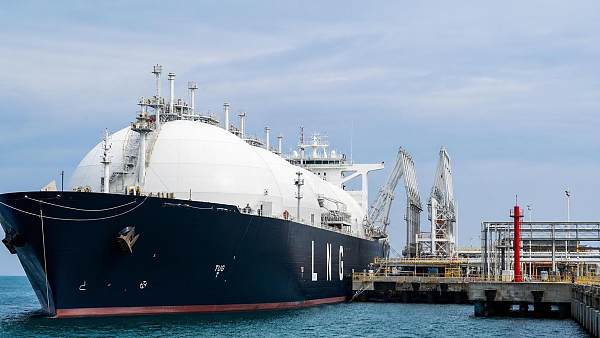
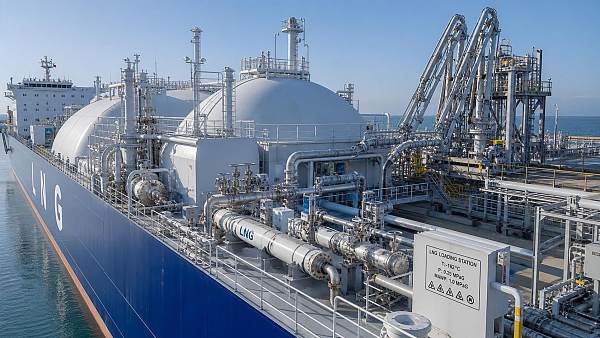
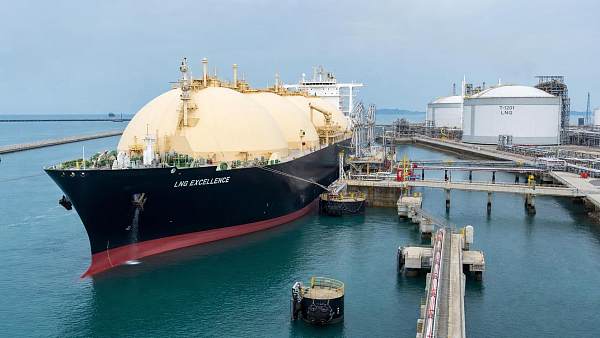
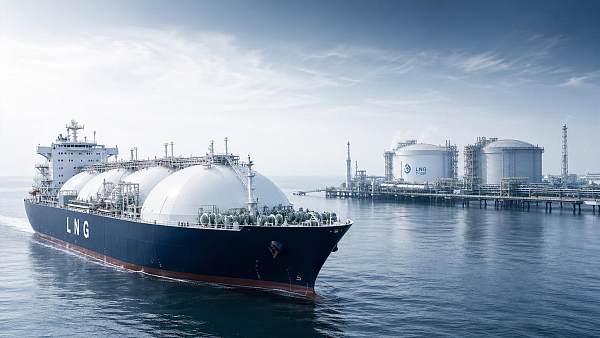
Cryogenic engineering becomes critical when cargo, fuel, or process media must stay stable at extremely low temperatures. In LNG transport and storage, containment safety depends on far more than thick insulation. Material toughness, thermal contraction, boil-off gas behavior, structural movement, and operating discipline all influence whether a system remains reliable, compliant, and economical across its full service life.
That is why the topic draws attention across global transport infrastructure. For intelligence platforms such as GTOT, where high-speed rail precision meets ocean-going asset performance, cryogenic engineering sits at a practical intersection of safety, digital monitoring, and asset value. A containment design that looks sufficient on paper can still create hidden losses if stress paths, maintenance access, or voyage conditions are poorly understood from the start.
Why containment safety now matters more
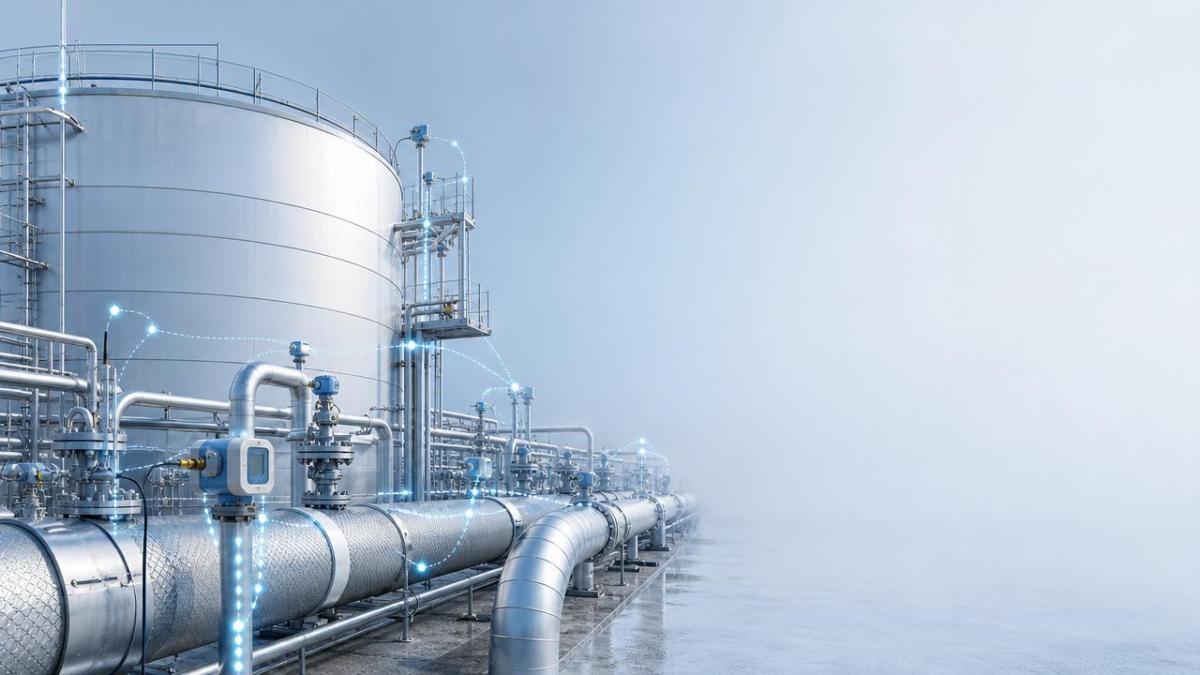
Low-temperature containment is no longer a niche issue. It now affects LNG carriers, import terminals, satellite storage, bunkering systems, and industrial gas logistics tied to global supply chains.
The pressure comes from several directions at once. Energy security requires dependable LNG movement. Decarbonization raises interest in cleaner marine fuels. At the same time, regulators and charterers expect tighter control of emissions, leakage, and off-hire risk.
In this context, cryogenic engineering is not only a technical specialty. It becomes a project decision framework. Early choices on containment type, insulation thickness, sensor coverage, and steel selection often shape lifecycle cost more than later operational tweaks.
A practical view of cryogenic engineering
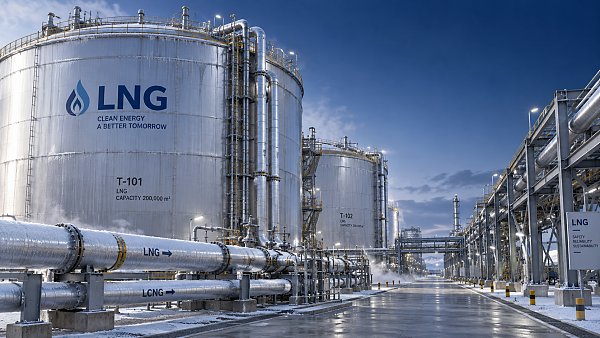
At its core, cryogenic engineering deals with systems handling fluids far below ambient temperature. LNG is a familiar example, stored near minus 163°C to remain in liquid form.
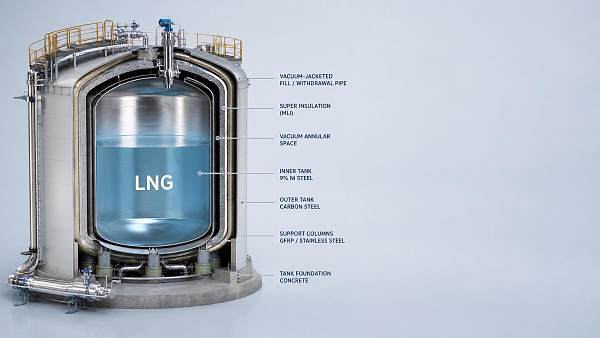
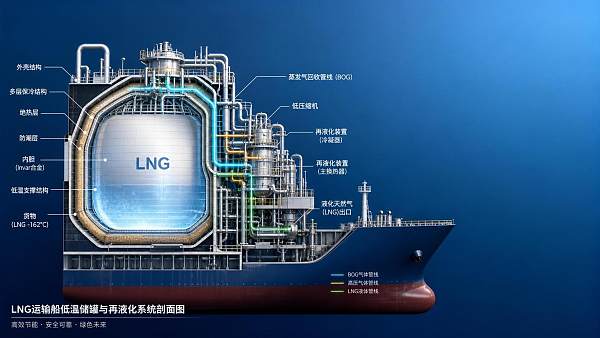
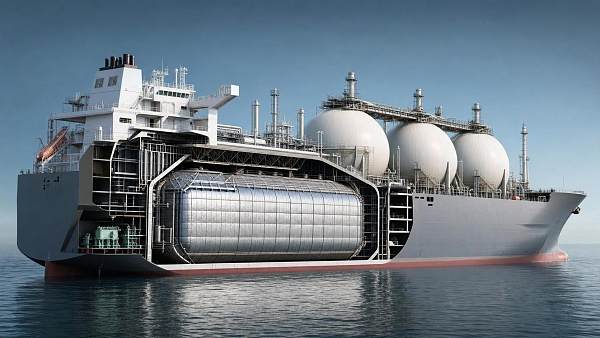
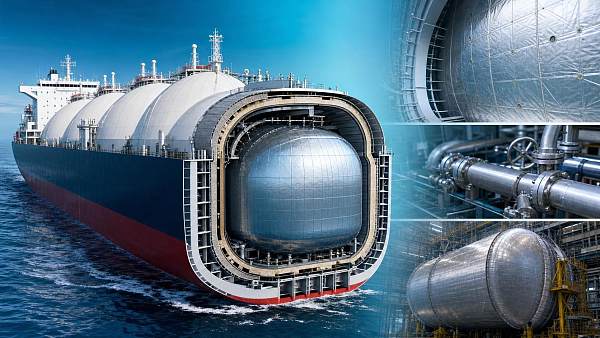
Containment safety means the cargo stays inside its designed boundaries without unacceptable heat ingress, structural damage, or uncontrolled vapor generation. That boundary is not just the tank wall.
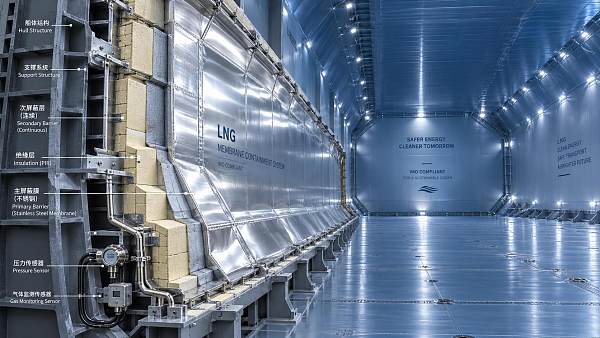
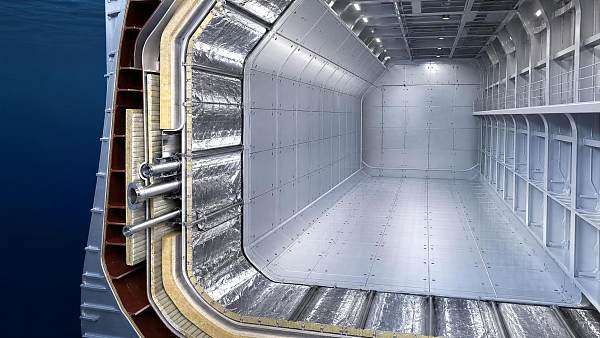
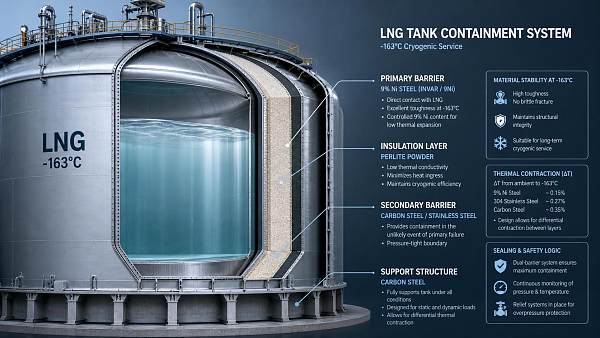
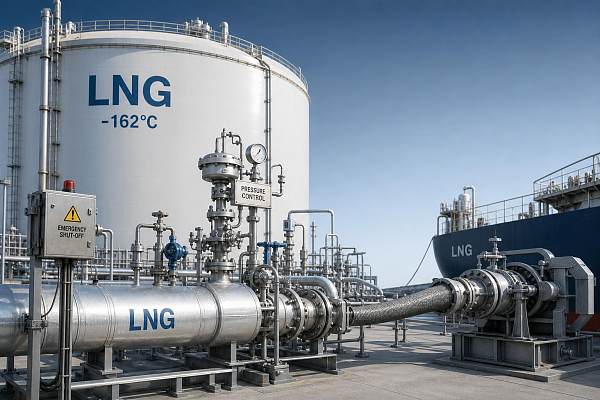
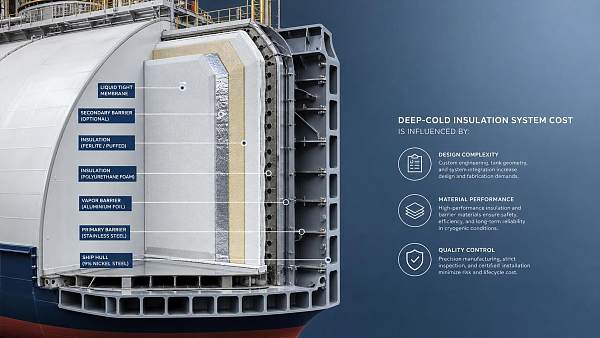
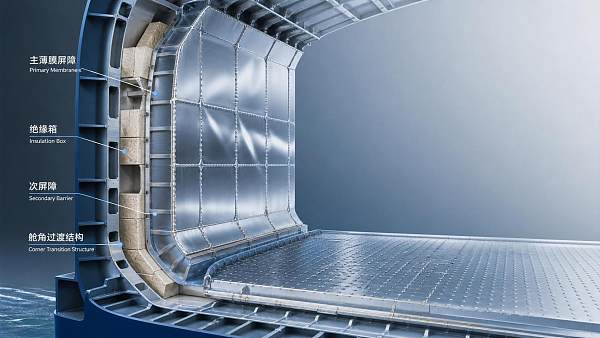
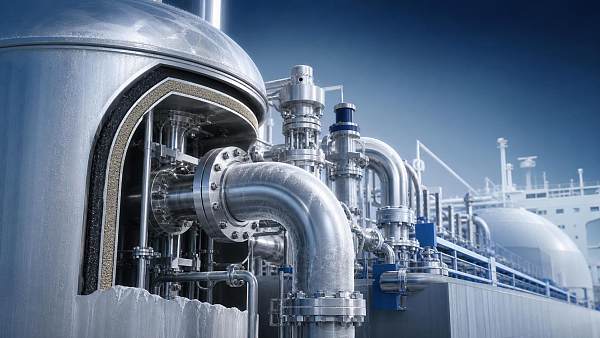
It includes primary and secondary barriers, insulation spaces, supporting structures, piping interfaces, valves, monitoring devices, and the procedures that govern loading, voyage, and discharge cycles.
From a project perspective, cryogenic engineering works best when thermal, structural, operational, and digital requirements are reviewed together. Separating them too early often creates expensive redesign later.
The design factors that shape safer containment
Material behavior under deep cold
Many metals behave differently at cryogenic temperature. Toughness, ductility, and crack resistance can change significantly. A material suited to ambient service may become brittle when exposed to LNG conditions.
This is why cryogenic engineering relies on proven material systems, qualified welding procedures, and traceable fabrication controls. The question is not simply what material is strong, but what remains predictable after repeated thermal cycling.
Thermal stress and differential contraction
When temperature drops sharply, structures shrink. Different materials shrink at different rates. If these movements are restrained, stress accumulates at supports, corners, joints, and penetrations.
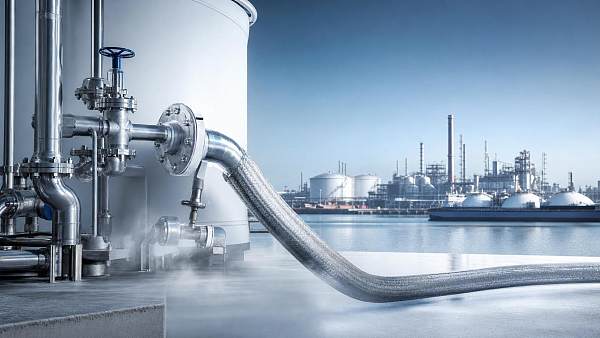
In practice, many containment issues begin at interfaces rather than flat surfaces. Supports, piping entries, pump towers, and membrane transitions often deserve more attention than the tank shell itself.
Boil-off gas management
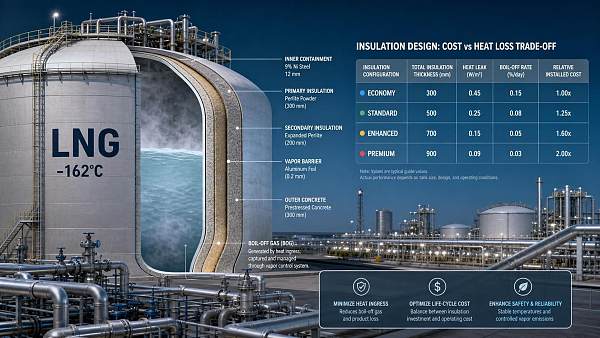
Even well-designed tanks absorb some heat. That heat creates vapor, known as boil-off gas. If the system cannot manage it efficiently, pressure rises, cargo losses grow, and operational flexibility declines.
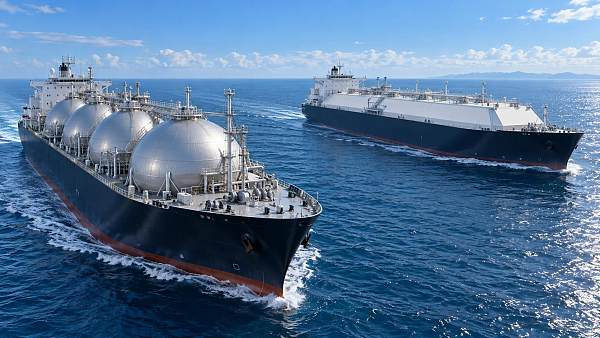
For LNG carriers, boil-off control affects propulsion strategy, emissions, voyage economics, and scheduling. For shore storage, it influences compressor sizing, flare philosophy, and emergency response planning.
Structural integrity and fatigue
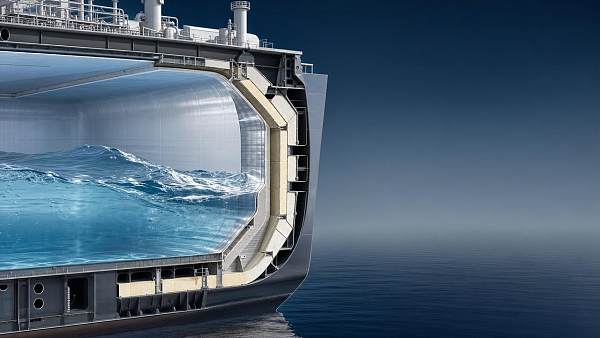
Containment systems face more than low temperature. They also face sloshing, vibration, pressure variation, ship motion, and repeated loading cycles. Over time, these conditions can drive fatigue damage.
That makes structural verification a central part of cryogenic engineering. Designers must consider not only ultimate strength, but also the accumulation of small stresses during routine service.
Instrumentation and leak detection
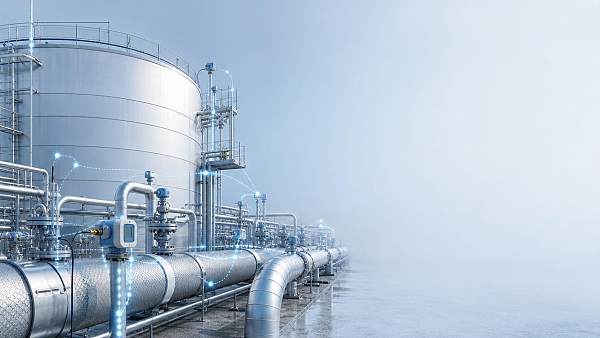
A safe containment concept needs visibility. Temperature sensors, pressure measurement, gas detection, insulation space monitoring, and alarm logic all help reveal abnormal behavior before it becomes a failure.
This is where GTOT’s wider intelligence perspective becomes relevant. The same mindset that values SIL4 reliability in railway signalling also supports disciplined monitoring in cryogenic engineering.
Where design choices create business consequences
Containment safety is often discussed as a compliance issue. It is also a commercial issue. Poor heat performance increases boil-off losses. Difficult inspection access raises downtime. Weak interface design can delay commissioning.
In large transport programs, small inefficiencies multiply quickly. A marginal insulation gain may be less valuable than a design that simplifies maintenance, improves data visibility, and reduces operational uncertainty.
This matters for tenders as well. Owners, EPC teams, and technical evaluators increasingly compare containment options through total risk exposure, not just capital cost. Cryogenic engineering therefore influences both project bankability and long-term asset reputation.
Typical containment scenarios and what deserves attention
Different assets face different cryogenic engineering priorities. A simple comparison helps frame the design conversation early.
The table shows why cryogenic engineering cannot be copied from one asset class to another. Similar temperatures do not mean identical risk profiles.
Questions worth asking before design is frozen
A useful review process should test whether the containment concept remains robust outside ideal conditions. Several questions usually reveal the true maturity of a design.
- What are the most critical thermal interfaces, and how are movements absorbed?
- How does the design behave during cooldown, warm-up, partial load, and emergency shutdown?
- Which failure mode produces the highest operational consequence, not just the highest theoretical severity?
- Can inspection teams access the areas where cryogenic engineering risk is most likely to develop?
- Does the monitoring architecture detect slow degradation before cargo loss or structural damage appears?
- How will classification, flag, terminal, and insurer expectations affect the final design margin?
These questions help shift the conversation from component selection to containment resilience. That shift is often where stronger project outcomes begin.
How to use industry intelligence more effectively
In sectors linked to land-sea interconnection, technical decisions rarely stand alone. They are shaped by fuel strategy, route profile, yard capability, classification requirements, and procurement timing.
That is why cryogenic engineering benefits from broader market intelligence. Vessel ordering cycles, membrane containment trends, dual-fuel adoption, and digital monitoring standards all affect what becomes practical or competitive.
GTOT’s cross-sector lens is useful here because it treats safety-critical equipment as part of a larger performance system. Whether the subject is a rail braking module or an LNG containment barrier, the same principle applies: precision at the interface determines reliability in service.
A sound next step for evaluation
The most effective starting point is a structured containment review before major specifications are locked. Focus on material suitability, thermal movement paths, boil-off strategy, inspection access, and monitoring logic as one connected package.
From there, compare options against actual operating scenarios rather than generic design claims. In cryogenic engineering, safer containment usually comes from better questions, clearer interfaces, and earlier alignment between technical risk and business reality.
If the goal is a more resilient low-temperature asset, the next decision should not be based on insulation thickness alone. It should be based on how the whole containment system performs when temperature, motion, pressure, and time act together.
Recommended News
 Sep 28, 2026When is nickel steel containment needed for cryogenic storage?Nickel steel containment is essential when cryogenic tanks face brittle-fracture risk. Discover how temperature, loads, and tank design guide the right choice.
 Sep 11, 2026How membrane containment systems demonstrate compliance with IMO standardsMembrane containment systems IMO standards: discover how LNG carriers prove compliance through verified barriers, testing, monitoring, and traceable records.
 Sep 10, 2026How membrane and Moss containment systems differ for LNG carriersLNG cargo containment for carriers: compare membrane and Moss systems for capacity, BOG, safety, sloshing, lifecycle cost, and operational flexibility.
 Sep 03, 2026What drives membrane containment systems cost in LNG projects?Membrane containment systems cost depends on tank design, materials, labor, QA, and boil-off performance. Discover how to control LNG project risk and lifecycle costs.
 Aug 11, 2026How Vacuum Insulated Cryogenic Engineering Reduces Boil-Off and Heat LeakVacuum insulated cryogenic engineering cuts boil-off and heat leak by optimizing vacuum spaces, MLI, supports, and penetrations—discover what really improves LNG thermal performance.
 Aug 09, 2026What Determines Safe Cryogenic Containment Design in LNG Storage?Cryogenic containment design in LNG storage depends on materials, thermal stress, leak control, and BOG management. Discover what truly defines safe, code-compliant performance.
 Jul 29, 2026How to Evaluate a Cryogenic Tank Handling System for LNG Transfer SafetyCryogenic tank handling system evaluation for LNG transfer safety: learn how to assess pressure control, insulation, ESD response, and operational reliability before choosing a safer system.
 Jul 24, 2026Deep-Cryogenic Insulation Systems Cost: What Drives Total Project Spend?Deep-cryogenic insulation systems cost depends on design, materials, installation, QA, and boil-off performance. Learn what drives total project spend and compare bids with confidence.
 Jul 21, 2026LNG Carriers Class Approval: Key Rules and Compliance RisksLNG carriers class approval explained: key rules, major compliance risks, and practical steps to prevent delays, protect vessel readiness, and improve charter confidence.
 Jul 15, 2026Low Boil Off Insulation System Performance: What Reduces LNG Losses MostLow boil off insulation system performance explained: discover what cuts LNG losses most through smarter containment, installation quality, and BOG management.
 Jul 13, 2026Deep Cryogenic Insulation for LNG Tanks: Cost vs Heat LossDeep cryogenic insulation for LNG tanks impacts more than upfront cost. Learn how lower heat loss cuts BOG, improves efficiency, and strengthens lifecycle value.
 Jul 13, 2026Low Loss Cryogenic Handling: Key Factors for Safer TransferLow loss cryogenic handling starts with thermal control, pressure balance, and clean transfer. Learn the key factors that reduce boil-off, protect product integrity, and improve safer LNG and industrial operations.
 Jul 12, 2026LNG Vessel Fuel Storage: Main Safety Risks and FixesLNG vessel fuel storage safety starts with early risk detection. Learn the main hazards, warning signs, and practical fixes to reduce leaks, pressure instability, and onboard failures.
 Jul 09, 2026Membrane Cargo Tank vs Moss Type: Which Fits Modern LNG FleetsMembrane cargo tank vs Moss type: compare LNG fleet capacity, boil-off strategy, maintenance, and asset value to choose the best-fit design for modern shipping returns.
 Jul 08, 2026Membrane Containment Systems: Key Failure Risks in LNG Tank DesignMembrane containment systems are central to LNG tank safety. Explore key failure risks, from insulation degradation to sloshing and secondary barrier issues, and learn what to check early.
 Jul 06, 2026How to Compare a Cryogenic Shipping Systems Manufacturer for Long-Haul LNG ProjectsCryogenic shipping systems manufacturer selection can make or break long-haul LNG projects. Compare boil-off control, compliance, engineering support, and lifecycle value.
 Jul 02, 2026Cryogenic Shipping Safety: Common Failure Risks and FixesCryogenic shipping safety starts with finding hidden failure risks early. Learn the main causes, practical fixes, and audit gaps that help protect LNG cargo, cut incidents, and improve control.
 Jul 02, 2026LNG Carriers Dimensions Explained for Terminal PlanningLNG carriers dimensions explained for smarter terminal planning. Learn how vessel size affects berth design, draft limits, mooring, and future fleet compatibility.
 Jun 30, 2026LNG Carrier Containment Technology Explained: Membrane vs Moss SystemsLNG carrier containment technology explained clearly: compare membrane vs Moss systems, key trade-offs, cargo efficiency, sloshing risk, and what drives smarter LNG vessel decisions.
 Jun 30, 2026Vacuum Deep Cryogenic Insulation: Key Failure Risks and How to Prevent ThemVacuum deep cryogenic insulation failure can raise boil-off, safety, and compliance risks. Learn key warning signs, root causes, and practical prevention steps to protect LNG operations.
 Jun 28, 2026Deep-Cryogenic Insulation Cost: What Drives Budget Changes in LNG ProjectsDeep-cryogenic insulation cost in LNG projects depends on materials, containment design, labor, compliance, and shipyard execution. Learn what drives budget changes and how to control risk.
 Jun 25, 2026Cryogenic Shipping Solutions: Key Risks, Costs, and Containment ChoicesCryogenic shipping solutions: compare key risks, lifecycle costs, and membrane vs. Moss containment to avoid hidden losses and choose safer, more efficient LNG transport.
 Jun 15, 2026Cryogenic Engineering Basics: Key Design Factors for Containment SafetyCryogenic engineering basics explained: discover the key design factors behind safer LNG and low-temperature containment, from materials and thermal stress to boil-off control and monitoring.
 Jun 11, 2026Membrane Containment Systems: Key Failure Risks and Design ChecksMembrane containment systems demand rigorous design checks. Explore key failure risks, from sloshing stress to insulation aging, and learn how to improve LNG vessel safety and compliance.