Search News
Industry Portal
Popular Tags
How to Evaluate a Cryogenic Tank Handling System for LNG Transfer Safety
Author
Time
Click Count
A cryogenic tank handling system is not just the tank
In LNG transfer work, one of the most common evaluation mistakes is to treat the cryogenic tank handling system as a storage vessel with some valves attached. That is far too narrow. In practice, the term covers the coordinated set of hardware, controls, protection logic, and operating interfaces that allow LNG to be received, held, conditioned, and transferred while staying within strict thermal, pressure, and safety limits. If any one of those layers is weak, transfer safety is compromised long before a visible failure occurs.
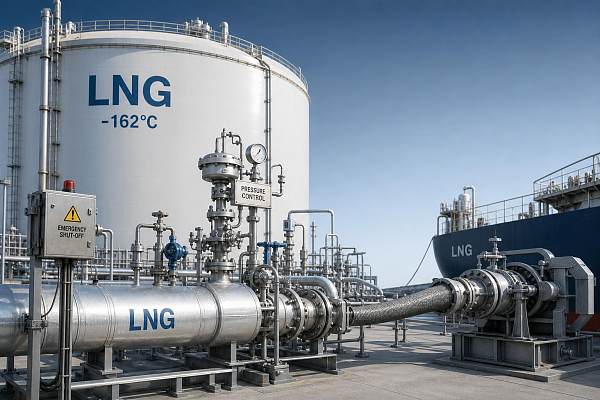
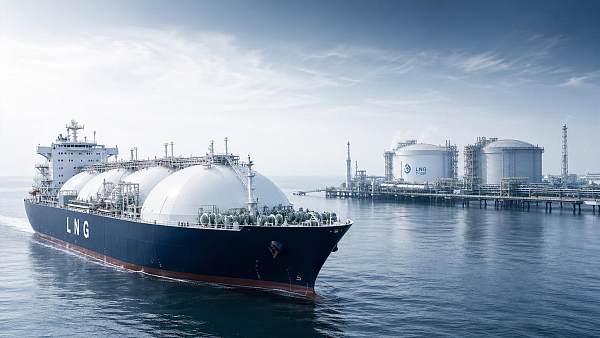
For technical evaluation, the question is therefore not whether the system can “handle LNG,” but whether it can do so predictably under real transfer conditions: ship-to-ship, ship-to-shore, bunkering, terminal loading, cooldown, stripping, hold periods, and emergency interruption. LNG at around minus 162 to minus 163 degrees Celsius leaves very little tolerance for vague specifications. Materials shrink, seals behave differently, boil-off gas accumulates, instrumentation drifts under thermal stress, and transfer stability depends on how the full system responds, not on isolated component ratings.
That is why a sound review of a cryogenic tank handling system should start with the process envelope. What transfer rate is expected? What is the allowable pressure rise during hold and during active transfer? How is vapor return managed? What happens during partial loading, pump trip, ESD activation, or a prolonged connection delay? A system that performs well in a brochure flow case may still be poorly suited to terminal operations if it lacks stable control during transient conditions.
The real evaluation axis: containment, control, and response
Most selection exercises become clearer when the system is broken into three interacting layers.
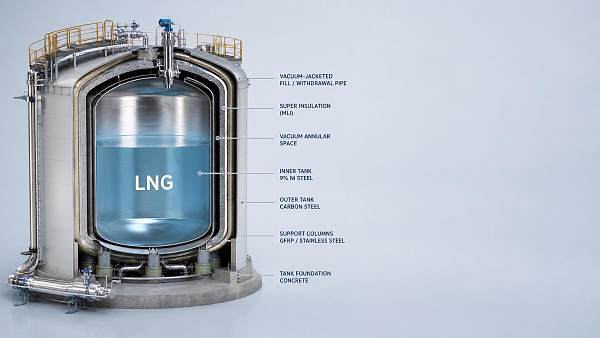
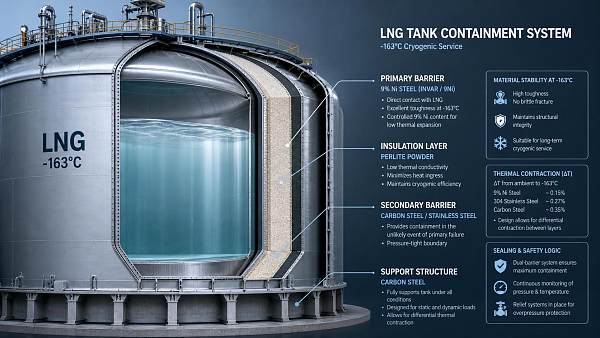
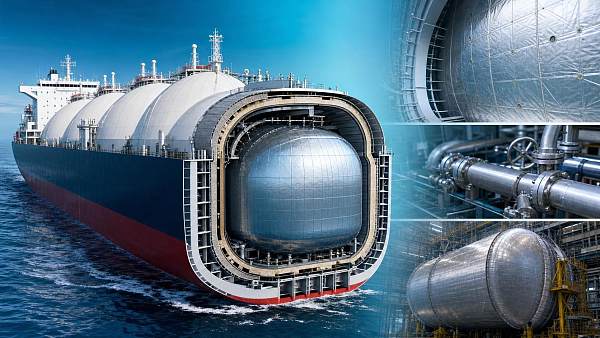
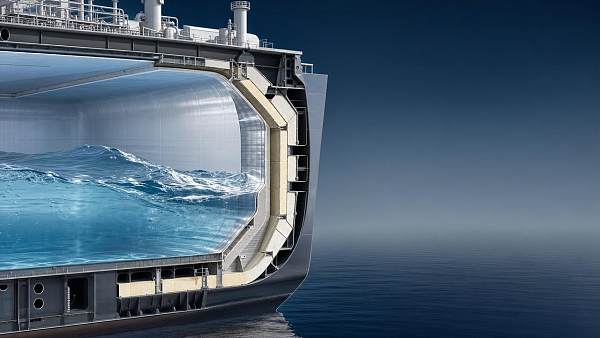
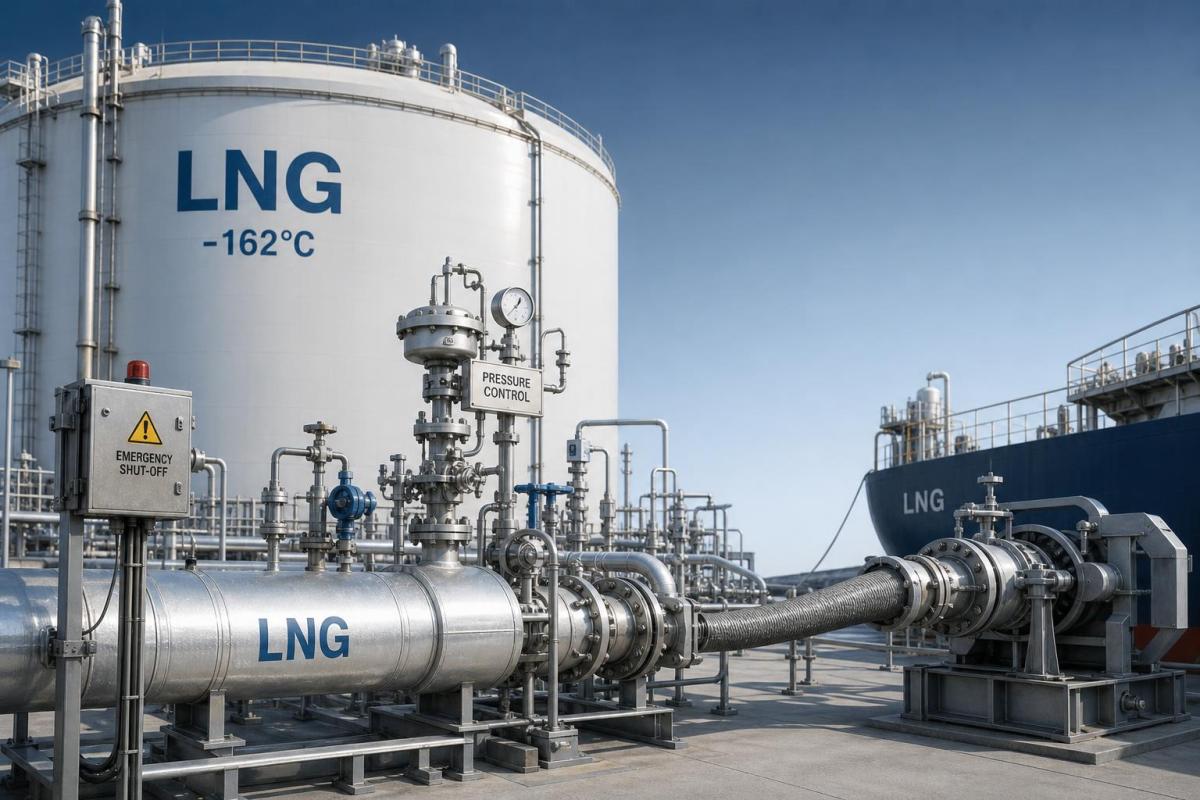
The first is containment integrity. This includes the tank structure, insulation arrangement, piping, supports, expansion management, valves, and materials exposed to cryogenic service. Here, the evaluator is looking beyond nominal compatibility with low temperature. The useful questions are about thermal cycling resistance, weld quality, leakage paths, cold shock behavior, and how secondary containment or spill management has been addressed. A stainless steel line that is technically suitable for cryogenic temperature still needs a support strategy that avoids excessive stress concentration during contraction.
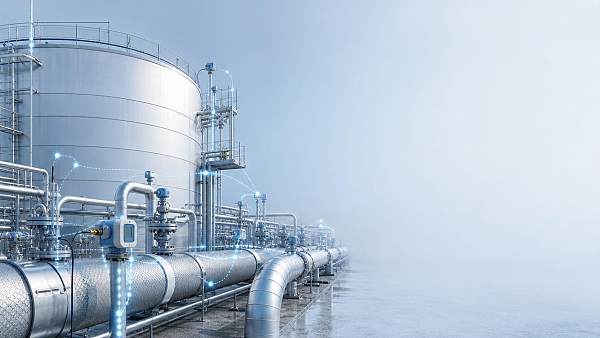
The second layer is transfer control. LNG transfer safety depends heavily on how precisely the system manages flow, pressure, level, and vapor. This is where pump selection, valve actuation speed, instrument response time, and control logic matter. A system that reacts too slowly to level changes or pressure excursions can create unstable transfer conditions even when every component is individually compliant. In marine and terminal environments, this becomes more critical because ambient heat ingress, hose behavior, vessel motion, and connection geometry all influence the transfer process.
The third layer is abnormal-event response. A cryogenic tank handling system should be evaluated for what it does when operations stop being ideal: loss of power, emergency shutdown, overpressure, line blockage, excessive boil-off, pump cavitation, sensor fault, communication failure, or a failed valve position. Safety depends on the system’s ability to move into a controlled state quickly and without introducing a second hazard.
This three-layer view is more useful than a simple checklist because it reflects how LNG incidents usually develop. They are rarely caused by one dramatic defect. More often, they emerge from the interaction of insulation losses, control delays, incomplete vapor handling, and weak shutdown coordination.
Insulation performance should be judged in operation, not only in design language
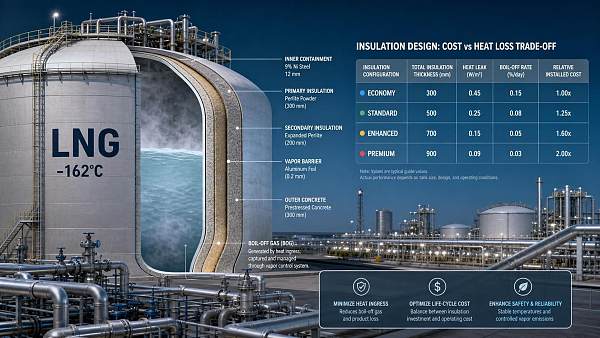
Insulation is often discussed as if it were a static feature. For LNG transfer safety, it is an operating variable. Good insulation does more than reduce heat leak in a laboratory sense. It stabilizes pressure behavior, reduces boil-off burden, supports predictable cooldown, and helps keep transfer windows manageable when operations are delayed or interrupted.
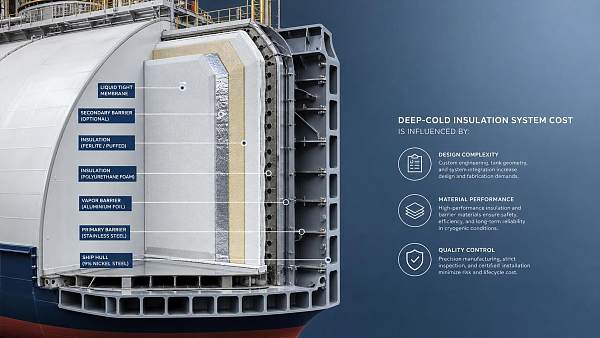
Evaluators should examine what insulation concept is used, how performance is maintained over time, and how degradation is detected. Vacuum-insulated systems, perlite-filled arrangements, and other cryogenic insulation approaches each have different maintenance implications and failure signatures. The important point is not to assume that a low heat ingress claim by itself answers the safety question. If the system has limited visibility into insulation condition, long-term performance risk becomes harder to manage, particularly in marine service where vibration, structural movement, and maintenance access are practical constraints.
Another detail that deserves attention is cooldown behavior. Rapid temperature change across lines, pumps, and valves can create thermal shock, differential contraction, and seal instability. A well-designed handling system does not simply tolerate cooldown; it guides it through controlled procedures and instrumentation feedback. Where this is poorly managed, transfer may still start, but the system accumulates stress and reliability loss over repeated cycles.
Pressure management is usually the decisive factor
If one area separates robust systems from merely acceptable ones, it is pressure control. LNG transfer involves liquid movement and vapor behavior at the same time. As heat enters the system, boil-off gas forms; as flow conditions change, pressure balance shifts across the tank, transfer line, and receiving side. Poorly integrated pressure management can lead to nuisance trips at one end of the spectrum and serious containment or venting problems at the other.
A credible evaluation should cover the relationship between liquid transfer capacity and vapor return capacity. These should never be treated as separate procurement items. The system must show that expected loading or unloading rates can be sustained without pushing tank pressure outside allowable limits. This often means reviewing pressure build-up strategy, relief arrangement, vent handling, gas return interfaces, and the control logic linking them.
It is also worth checking how the design handles low-throughput or intermittent operation. Some systems are stable at design flow but become difficult to control during topping-off, partial discharge, or bunkering pauses. Those conditions are common in service, and they expose whether the system was engineered around operations or around idealized nameplate capacity.
Standards matter, but they do not replace engineering judgment
A technical evaluator should absolutely check the applicable framework: classification society rules for marine installations where relevant, recognized codes for cryogenic vessels and piping, hazardous area requirements, pressure equipment obligations, and emergency shutdown expectations in LNG transfer systems. Depending on project location and application, references may include IMO requirements, IGC-related marine expectations, SIGTTO guidance for gas carrier and terminal interface practices, NFPA 59A in some land-based contexts, and ASME or EN design and fabrication standards where specified by the project.
The point, however, is not to turn compliance into a shortcut for suitability. A system can align with the required codes and still be operationally awkward, difficult to maintain, or poorly matched to the transfer duty. Compliance tells you the floor has been addressed. Selection still requires judging whether the design margins, instrumentation philosophy, and maintainability fit the actual LNG transfer profile.
What to ask when comparing systems
A useful comparison is built around failure exposure rather than around a long feature list. The following questions tend to reveal more than generic specification sheets:
- How is tank pressure kept within limits during startup, normal transfer, interruption, and shutdown?
- What instrumentation is considered safety-critical, and what happens if it fails or drifts?
- How are emergency shutdown signals propagated across pumps, valves, vapour return, and connected transfer equipment?
- What material selections are used in wetted parts, seals, and supports exposed to cryogenic cycling?
- How is insulation condition monitored or inferred over the service life?
- What are the maintenance access points for valves, sensors, and pump assemblies in confined marine or terminal layouts?
- Can the system demonstrate stable operation below peak transfer rate, not only at rated capacity?
Notice that none of these questions is about headline performance alone. They are about control under imperfect conditions, which is where real transfer safety is determined.
Common misunderstandings during selection
One misunderstanding is to overvalue maximum flow rate. In LNG transfer, a higher rate is only useful if the system can maintain pressure, temperature, and shutdown discipline across the full process window. Another is to assume that better insulation automatically solves boil-off management. It reduces heat ingress, but boil-off is still an operational issue tied to hold time, transfer sequence, vapor handling, and ambient conditions.
A third mistake is to evaluate automation separately from mechanical design. On paper, these often sit in different supplier packages. In service, they are inseparable. A well-made tank and piping arrangement can still become a risk if control logic does not correctly interpret level, pressure, and valve status during transient events.
There is also a tendency to treat emergency systems as a compliance layer added at the end. For cryogenic service, that approach is weak. ESD philosophy, relief paths, gas detection interfaces, and fail-safe valve actions should be understood as part of the original handling concept, not as attachments.
A practical decision frame for technical evaluators
When reviewing a cryogenic tank handling system for LNG transfer safety, the most reliable decision frame is simple: determine whether the system remains predictable when heat ingress, vapor generation, thermal contraction, and operator intervention all occur together. That is closer to reality than isolated equipment checks.
In a marine and terminal context, the stronger systems are usually the ones that show coherence across containment design, process control, and emergency behavior. They do not rely on one exceptional component to compensate for a weak process arrangement. They also make maintenance and condition visibility part of safety, because cryogenic performance is not validated once at commissioning and then frozen forever.
For GTOT readers working across LNG carriers, smart vessel systems, and high-integrity transport infrastructure, that distinction should feel familiar. Safety-critical equipment is rarely judged correctly by nominal capacity alone. It is judged by how well its logic, materials, interfaces, and failure handling stay aligned under stress. That is the right lens for selecting a cryogenic tank handling system, and it usually leads to better decisions than chasing the most aggressive performance claim on the datasheet.
Recommended News
 Sep 28, 2026When is nickel steel containment needed for cryogenic storage?Nickel steel containment is essential when cryogenic tanks face brittle-fracture risk. Discover how temperature, loads, and tank design guide the right choice.
 Sep 11, 2026How membrane containment systems demonstrate compliance with IMO standardsMembrane containment systems IMO standards: discover how LNG carriers prove compliance through verified barriers, testing, monitoring, and traceable records.
 Sep 10, 2026How membrane and Moss containment systems differ for LNG carriersLNG cargo containment for carriers: compare membrane and Moss systems for capacity, BOG, safety, sloshing, lifecycle cost, and operational flexibility.
 Sep 03, 2026What drives membrane containment systems cost in LNG projects?Membrane containment systems cost depends on tank design, materials, labor, QA, and boil-off performance. Discover how to control LNG project risk and lifecycle costs.
 Aug 11, 2026How Vacuum Insulated Cryogenic Engineering Reduces Boil-Off and Heat LeakVacuum insulated cryogenic engineering cuts boil-off and heat leak by optimizing vacuum spaces, MLI, supports, and penetrations—discover what really improves LNG thermal performance.
 Aug 09, 2026What Determines Safe Cryogenic Containment Design in LNG Storage?Cryogenic containment design in LNG storage depends on materials, thermal stress, leak control, and BOG management. Discover what truly defines safe, code-compliant performance.
 Jul 29, 2026How to Evaluate a Cryogenic Tank Handling System for LNG Transfer SafetyCryogenic tank handling system evaluation for LNG transfer safety: learn how to assess pressure control, insulation, ESD response, and operational reliability before choosing a safer system.
 Jul 24, 2026Deep-Cryogenic Insulation Systems Cost: What Drives Total Project Spend?Deep-cryogenic insulation systems cost depends on design, materials, installation, QA, and boil-off performance. Learn what drives total project spend and compare bids with confidence.
 Jul 21, 2026LNG Carriers Class Approval: Key Rules and Compliance RisksLNG carriers class approval explained: key rules, major compliance risks, and practical steps to prevent delays, protect vessel readiness, and improve charter confidence.
 Jul 15, 2026Low Boil Off Insulation System Performance: What Reduces LNG Losses MostLow boil off insulation system performance explained: discover what cuts LNG losses most through smarter containment, installation quality, and BOG management.
 Jul 13, 2026Deep Cryogenic Insulation for LNG Tanks: Cost vs Heat LossDeep cryogenic insulation for LNG tanks impacts more than upfront cost. Learn how lower heat loss cuts BOG, improves efficiency, and strengthens lifecycle value.
 Jul 13, 2026Low Loss Cryogenic Handling: Key Factors for Safer TransferLow loss cryogenic handling starts with thermal control, pressure balance, and clean transfer. Learn the key factors that reduce boil-off, protect product integrity, and improve safer LNG and industrial operations.
 Jul 12, 2026LNG Vessel Fuel Storage: Main Safety Risks and FixesLNG vessel fuel storage safety starts with early risk detection. Learn the main hazards, warning signs, and practical fixes to reduce leaks, pressure instability, and onboard failures.
 Jul 09, 2026Membrane Cargo Tank vs Moss Type: Which Fits Modern LNG FleetsMembrane cargo tank vs Moss type: compare LNG fleet capacity, boil-off strategy, maintenance, and asset value to choose the best-fit design for modern shipping returns.
 Jul 08, 2026Membrane Containment Systems: Key Failure Risks in LNG Tank DesignMembrane containment systems are central to LNG tank safety. Explore key failure risks, from insulation degradation to sloshing and secondary barrier issues, and learn what to check early.
 Jul 06, 2026How to Compare a Cryogenic Shipping Systems Manufacturer for Long-Haul LNG ProjectsCryogenic shipping systems manufacturer selection can make or break long-haul LNG projects. Compare boil-off control, compliance, engineering support, and lifecycle value.
 Jul 02, 2026Cryogenic Shipping Safety: Common Failure Risks and FixesCryogenic shipping safety starts with finding hidden failure risks early. Learn the main causes, practical fixes, and audit gaps that help protect LNG cargo, cut incidents, and improve control.
 Jul 02, 2026LNG Carriers Dimensions Explained for Terminal PlanningLNG carriers dimensions explained for smarter terminal planning. Learn how vessel size affects berth design, draft limits, mooring, and future fleet compatibility.
 Jun 30, 2026LNG Carrier Containment Technology Explained: Membrane vs Moss SystemsLNG carrier containment technology explained clearly: compare membrane vs Moss systems, key trade-offs, cargo efficiency, sloshing risk, and what drives smarter LNG vessel decisions.
 Jun 30, 2026Vacuum Deep Cryogenic Insulation: Key Failure Risks and How to Prevent ThemVacuum deep cryogenic insulation failure can raise boil-off, safety, and compliance risks. Learn key warning signs, root causes, and practical prevention steps to protect LNG operations.
 Jun 28, 2026Deep-Cryogenic Insulation Cost: What Drives Budget Changes in LNG ProjectsDeep-cryogenic insulation cost in LNG projects depends on materials, containment design, labor, compliance, and shipyard execution. Learn what drives budget changes and how to control risk.
 Jun 25, 2026Cryogenic Shipping Solutions: Key Risks, Costs, and Containment ChoicesCryogenic shipping solutions: compare key risks, lifecycle costs, and membrane vs. Moss containment to avoid hidden losses and choose safer, more efficient LNG transport.
 Jun 15, 2026Cryogenic Engineering Basics: Key Design Factors for Containment SafetyCryogenic engineering basics explained: discover the key design factors behind safer LNG and low-temperature containment, from materials and thermal stress to boil-off control and monitoring.
 Jun 11, 2026Membrane Containment Systems: Key Failure Risks and Design ChecksMembrane containment systems demand rigorous design checks. Explore key failure risks, from sloshing stress to insulation aging, and learn how to improve LNG vessel safety and compliance.