



Search News
Industry Portal
Popular Tags
Membrane Cargo Tank vs Moss Type: Which Fits Modern LNG Fleets
Author
Time
Click Count
Membrane Cargo Tank vs Moss Type: What the Choice Really Means
For modern LNG fleets, the debate over membrane cargo tank versus Moss type is no longer a purely technical discussion.
It shapes vessel economics, route flexibility, charter appeal, and long-term asset value.
That matters even more now, as LNG shipping faces tighter cost controls, fuel transition pressure, and changing trade patterns.
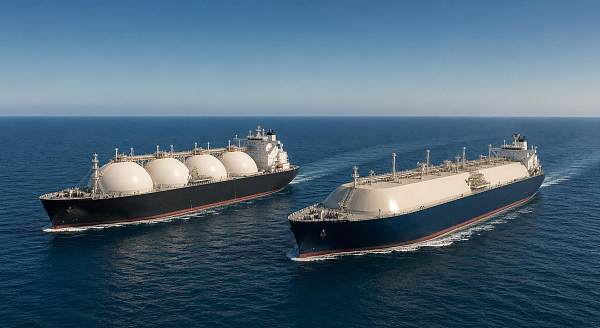
A membrane cargo tank usually maximizes cargo volume within the same hull dimensions.
A Moss type design usually wins points for structural robustness and operational familiarity.
Neither option is universally better.
The right answer depends on commercial priorities, operating profile, financing assumptions, and technical risk appetite.
In practical terms, buyers should compare not only capex, but also cargo utilization, boil-off behavior, inspection planning, and lifecycle support.
How a Membrane Cargo Tank Differs from Moss Type
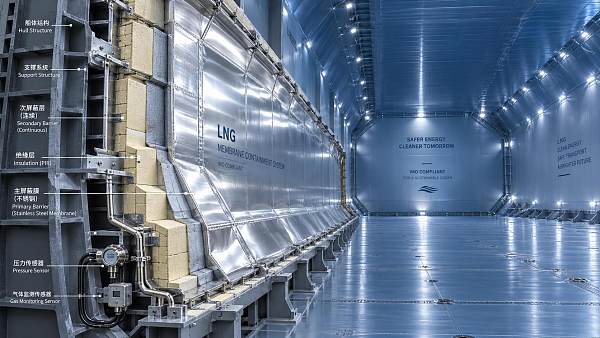
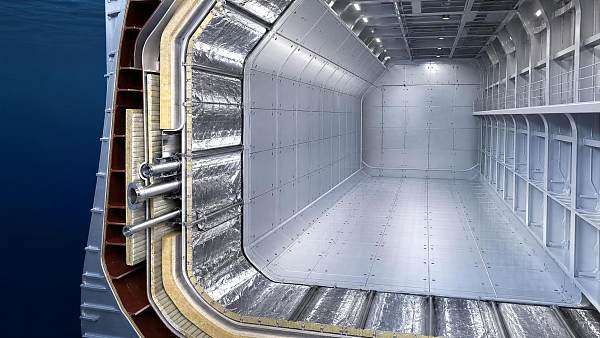
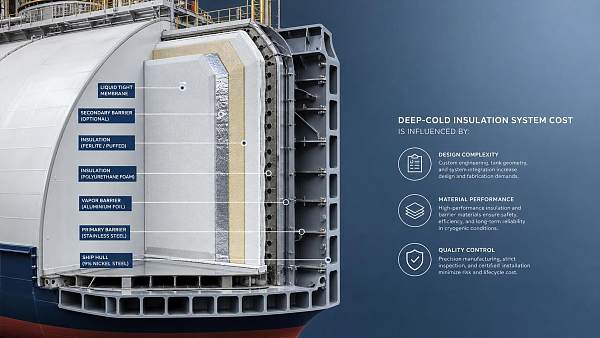
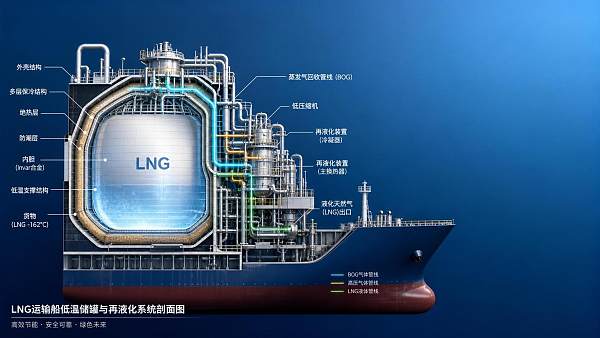
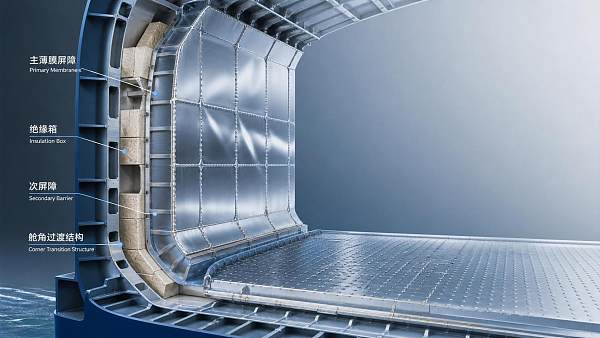
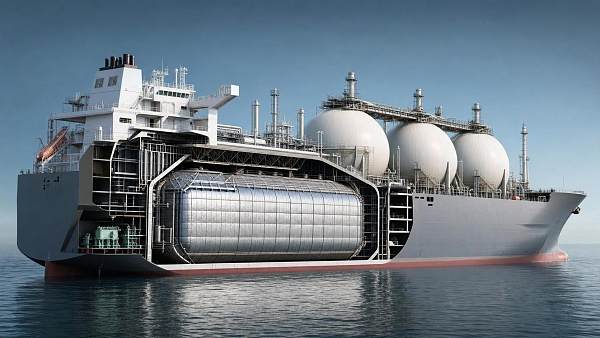
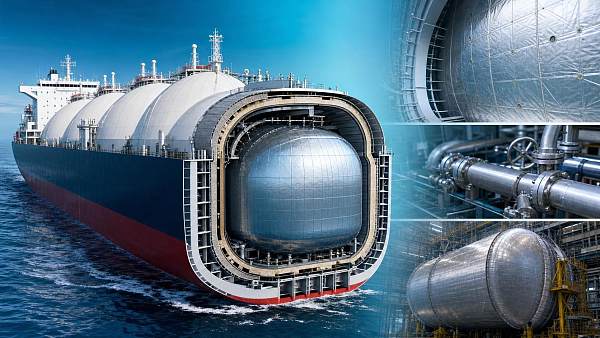
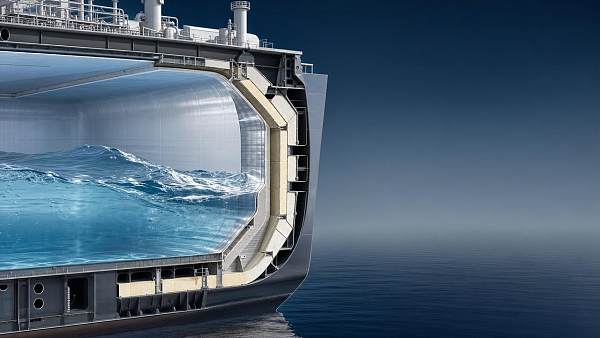
A membrane cargo tank uses a thin metallic barrier supported by insulation and the inner hull structure.
Instead of self-supporting spherical tanks, the hull carries the load through an integrated containment arrangement.
That approach allows the membrane cargo tank to follow the hull shape more closely.
As a result, more of the vessel’s internal volume can be turned into paying cargo space.
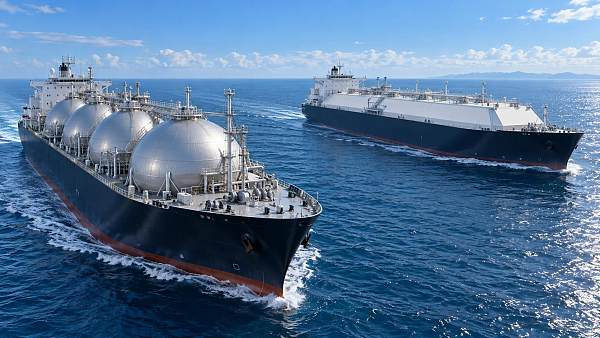
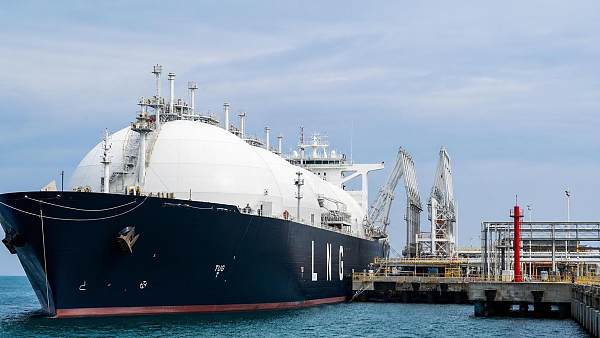
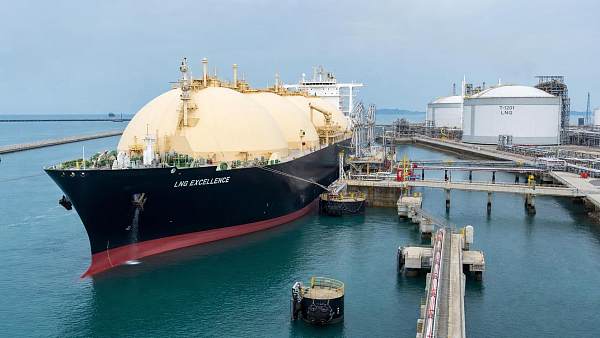
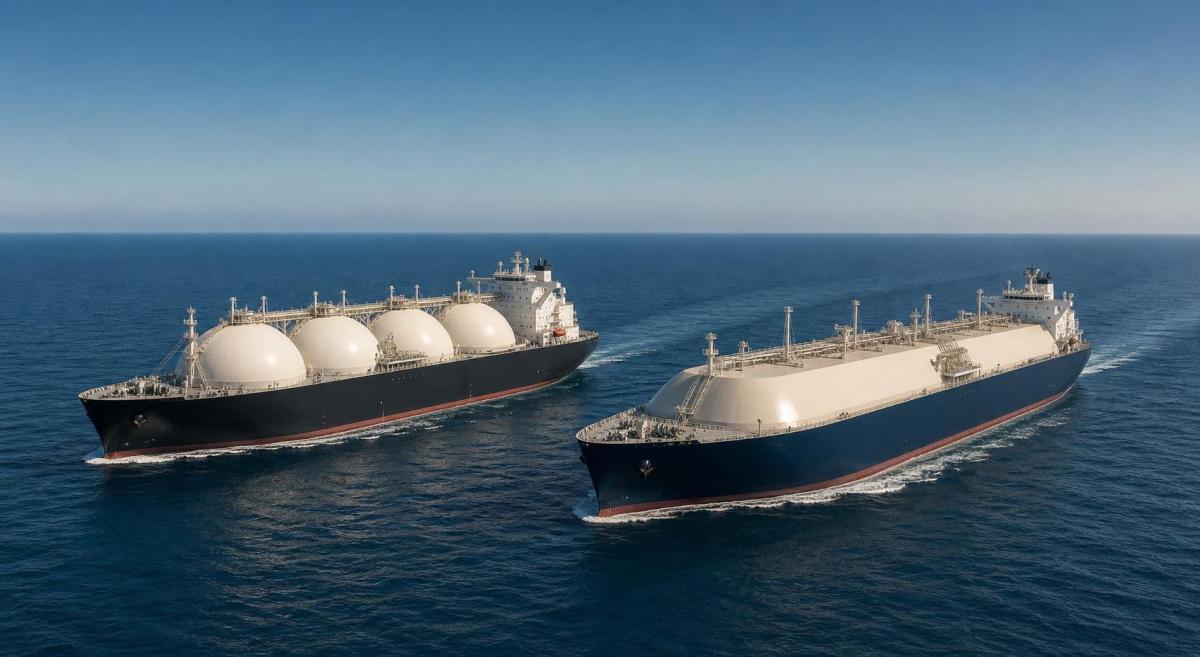
Moss type carriers use large aluminum alloy spheres that remain structurally independent from the hull.
This makes the system visually distinctive and mechanically straightforward in several respects.
From a decision angle, the membrane cargo tank favors volumetric efficiency and modern fleet optimization.
Moss type favors simplicity in load path understanding and a long operating track record.
Quick structural comparison
- Membrane cargo tank: thin barrier, insulation layers, hull-supported containment.
- Moss type: self-supporting spherical tanks, independent structure.
- Membrane cargo tank: higher space efficiency within comparable hull size.
- Moss type: lower volumetric efficiency, but strong structural familiarity.
Commercial Impact: Capacity, Earnings, and Asset Efficiency
For most newbuild evaluations, cargo capacity is the first major reason to consider a membrane cargo tank.
Because the system uses space more efficiently, the ship can often carry more LNG within a similar overall envelope.
That extra cubic capacity can translate into stronger revenue potential on long-haul routes.
It also improves transport economics when freight rates tighten or fuel prices become volatile.
This is one reason why many large contemporary LNG carriers adopt a membrane cargo tank design.
Moss vessels may carry less LNG for the same broad ship dimensions.
However, lower volumetric efficiency does not automatically mean weaker commercial value.
In some projects, operational reliability and lower perceived technical complexity support steady charter confidence.
That is especially relevant where portfolio risk matters as much as headline capacity.
Where the membrane cargo tank usually wins
- Higher cargo volume per hull footprint.
- Better fit for large-scale fleet standardization.
- Stronger economics on route systems with high utilization.
- Better alignment with modern shipyard output patterns.
Boil-Off Gas and Fuel Strategy in Modern LNG Operations
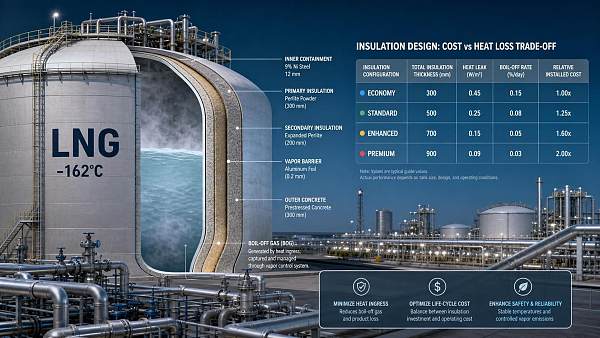
Containment choice also affects boil-off gas behavior, which directly touches fuel planning and voyage economics.
A membrane cargo tank is often selected alongside advanced propulsion and reliquefaction strategies.
Recent fleet development shows a strong preference for integrated efficiency, not isolated equipment decisions.
That means cargo containment, engine type, and route profile should be reviewed as one commercial package.
Moss type systems also manage boil-off effectively, but the decision framework may differ.
For example, vessels serving stable trade loops may prioritize predictable operating behavior over maximum volumetric efficiency.
In actual business reviews, the membrane cargo tank often performs best when fuel optimization is a board-level metric.
That becomes even more important when emissions reporting and carbon intensity targets affect financing and charter terms.
Questions to ask during fuel strategy review
- Will the ship mainly operate on long-haul or short-cycle routes?
- How much value is placed on minimizing cargo loss versus using boil-off as fuel?
- Is reliquefaction part of the standard technical concept?
- Will charterers reward lower emissions intensity in practice?
Maintenance, Inspection, and Risk Profile
Maintenance planning is where the membrane cargo tank versus Moss discussion becomes more nuanced.
A membrane cargo tank depends on precision in construction, insulation performance, and monitoring discipline.
That does not make it fragile, but it does demand strong technical management.
Moss type systems are often viewed as easier to understand from a structural inspection perspective.
This perception can influence financing committees and owner-operator comfort levels.
Still, modern support ecosystems for membrane cargo tank vessels have become much more mature.
Shipyards, class societies, and specialist service providers now offer deeper lifecycle support than before.
So the real issue is not whether one system has risk and the other does not.
The real issue is whether your organization can manage the chosen risk profile well.
Which Design Fits Different Fleet Strategies
The best containment choice depends on what the fleet is trying to achieve over the next ten to twenty years.
A membrane cargo tank is often the stronger choice for scale, standardization, and earnings optimization.
It suits owners targeting competitive transport cost per delivered cubic meter.
It also suits portfolios built around large charter programs and efficient global deployment.
Moss type may fit better where operational conservatism, legacy familiarity, or route-specific resilience take priority.
This can apply to owners with established in-house expertise in that system.
It can also apply where financing partners value established comfort over maximum cargo density.
A practical selection framework
- Choose membrane cargo tank when capacity efficiency drives returns.
- Choose membrane cargo tank when modern propulsion integration is central.
- Favor Moss type when organizational familiarity lowers execution risk.
- Favor Moss type when robust simplicity matters more than maximum payload.
Final Decision: Match the Containment System to the Business Model
The membrane cargo tank has become a defining option for modern LNG fleet expansion because it supports higher space efficiency and commercial optimization.
That said, the best decision is rarely made by looking at cargo volume alone.
A smart evaluation should combine capex, route profile, fuel strategy, charter expectations, maintenance capability, and residual value assumptions.
From today’s market direction, the clearer signal is that membrane cargo tank projects align well with large, efficiency-driven LNG programs.
Moss type still holds relevance where technical familiarity and operating confidence carry greater weight.
In the end, the right containment technology is the one that supports the fleet’s commercial logic, not just its engineering preference.
Before moving into yard talks or financing rounds, build a side-by-side business case around the membrane cargo tank and Moss type using your actual routes, charter assumptions, and lifecycle cost model.
Recommended News
 Sep 28, 2026When is nickel steel containment needed for cryogenic storage?Nickel steel containment is essential when cryogenic tanks face brittle-fracture risk. Discover how temperature, loads, and tank design guide the right choice.
 Sep 11, 2026How membrane containment systems demonstrate compliance with IMO standardsMembrane containment systems IMO standards: discover how LNG carriers prove compliance through verified barriers, testing, monitoring, and traceable records.
 Sep 10, 2026How membrane and Moss containment systems differ for LNG carriersLNG cargo containment for carriers: compare membrane and Moss systems for capacity, BOG, safety, sloshing, lifecycle cost, and operational flexibility.
 Sep 03, 2026What drives membrane containment systems cost in LNG projects?Membrane containment systems cost depends on tank design, materials, labor, QA, and boil-off performance. Discover how to control LNG project risk and lifecycle costs.
 Aug 11, 2026How Vacuum Insulated Cryogenic Engineering Reduces Boil-Off and Heat LeakVacuum insulated cryogenic engineering cuts boil-off and heat leak by optimizing vacuum spaces, MLI, supports, and penetrations—discover what really improves LNG thermal performance.
 Aug 09, 2026What Determines Safe Cryogenic Containment Design in LNG Storage?Cryogenic containment design in LNG storage depends on materials, thermal stress, leak control, and BOG management. Discover what truly defines safe, code-compliant performance.
 Jul 29, 2026How to Evaluate a Cryogenic Tank Handling System for LNG Transfer SafetyCryogenic tank handling system evaluation for LNG transfer safety: learn how to assess pressure control, insulation, ESD response, and operational reliability before choosing a safer system.
 Jul 24, 2026Deep-Cryogenic Insulation Systems Cost: What Drives Total Project Spend?Deep-cryogenic insulation systems cost depends on design, materials, installation, QA, and boil-off performance. Learn what drives total project spend and compare bids with confidence.
 Jul 21, 2026LNG Carriers Class Approval: Key Rules and Compliance RisksLNG carriers class approval explained: key rules, major compliance risks, and practical steps to prevent delays, protect vessel readiness, and improve charter confidence.
 Jul 15, 2026Low Boil Off Insulation System Performance: What Reduces LNG Losses MostLow boil off insulation system performance explained: discover what cuts LNG losses most through smarter containment, installation quality, and BOG management.
 Jul 13, 2026Deep Cryogenic Insulation for LNG Tanks: Cost vs Heat LossDeep cryogenic insulation for LNG tanks impacts more than upfront cost. Learn how lower heat loss cuts BOG, improves efficiency, and strengthens lifecycle value.
 Jul 13, 2026Low Loss Cryogenic Handling: Key Factors for Safer TransferLow loss cryogenic handling starts with thermal control, pressure balance, and clean transfer. Learn the key factors that reduce boil-off, protect product integrity, and improve safer LNG and industrial operations.
 Jul 12, 2026LNG Vessel Fuel Storage: Main Safety Risks and FixesLNG vessel fuel storage safety starts with early risk detection. Learn the main hazards, warning signs, and practical fixes to reduce leaks, pressure instability, and onboard failures.
 Jul 09, 2026Membrane Cargo Tank vs Moss Type: Which Fits Modern LNG FleetsMembrane cargo tank vs Moss type: compare LNG fleet capacity, boil-off strategy, maintenance, and asset value to choose the best-fit design for modern shipping returns.
 Jul 08, 2026Membrane Containment Systems: Key Failure Risks in LNG Tank DesignMembrane containment systems are central to LNG tank safety. Explore key failure risks, from insulation degradation to sloshing and secondary barrier issues, and learn what to check early.
 Jul 06, 2026How to Compare a Cryogenic Shipping Systems Manufacturer for Long-Haul LNG ProjectsCryogenic shipping systems manufacturer selection can make or break long-haul LNG projects. Compare boil-off control, compliance, engineering support, and lifecycle value.
 Jul 02, 2026Cryogenic Shipping Safety: Common Failure Risks and FixesCryogenic shipping safety starts with finding hidden failure risks early. Learn the main causes, practical fixes, and audit gaps that help protect LNG cargo, cut incidents, and improve control.
 Jul 02, 2026LNG Carriers Dimensions Explained for Terminal PlanningLNG carriers dimensions explained for smarter terminal planning. Learn how vessel size affects berth design, draft limits, mooring, and future fleet compatibility.
 Jun 30, 2026LNG Carrier Containment Technology Explained: Membrane vs Moss SystemsLNG carrier containment technology explained clearly: compare membrane vs Moss systems, key trade-offs, cargo efficiency, sloshing risk, and what drives smarter LNG vessel decisions.
 Jun 30, 2026Vacuum Deep Cryogenic Insulation: Key Failure Risks and How to Prevent ThemVacuum deep cryogenic insulation failure can raise boil-off, safety, and compliance risks. Learn key warning signs, root causes, and practical prevention steps to protect LNG operations.
 Jun 28, 2026Deep-Cryogenic Insulation Cost: What Drives Budget Changes in LNG ProjectsDeep-cryogenic insulation cost in LNG projects depends on materials, containment design, labor, compliance, and shipyard execution. Learn what drives budget changes and how to control risk.
 Jun 25, 2026Cryogenic Shipping Solutions: Key Risks, Costs, and Containment ChoicesCryogenic shipping solutions: compare key risks, lifecycle costs, and membrane vs. Moss containment to avoid hidden losses and choose safer, more efficient LNG transport.
 Jun 15, 2026Cryogenic Engineering Basics: Key Design Factors for Containment SafetyCryogenic engineering basics explained: discover the key design factors behind safer LNG and low-temperature containment, from materials and thermal stress to boil-off control and monitoring.
 Jun 11, 2026Membrane Containment Systems: Key Failure Risks and Design ChecksMembrane containment systems demand rigorous design checks. Explore key failure risks, from sloshing stress to insulation aging, and learn how to improve LNG vessel safety and compliance.