



Search News
Industry Portal
Popular Tags
Membrane Containment Systems: What Impacts Lifecycle Cost
Author
Time
Click Count
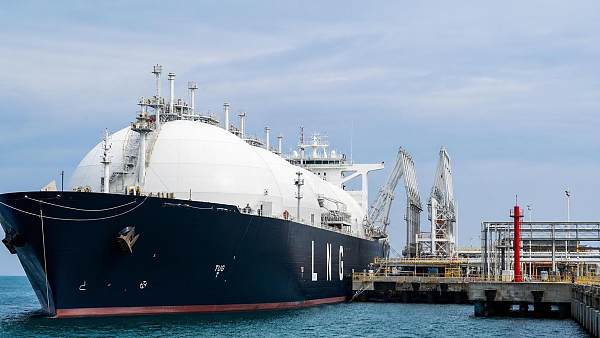
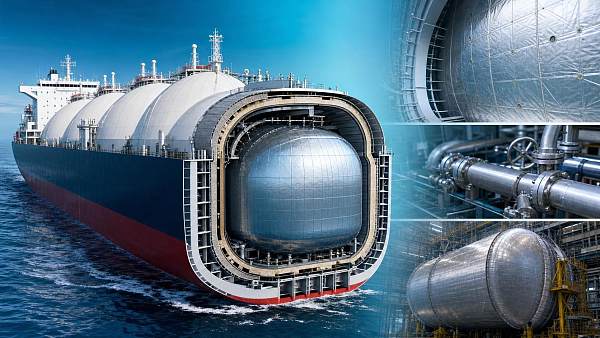
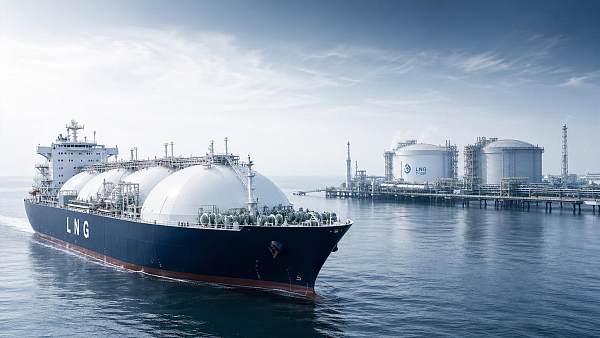
For LNG shipping assets, membrane containment systems increasingly determine whether a vessel delivers efficient value across decades. Initial price still matters, but lifecycle economics now dominate technical evaluation.
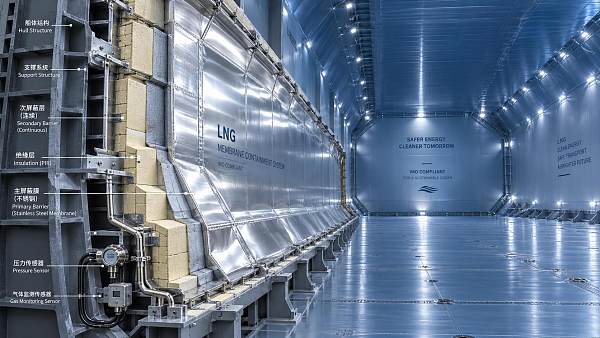
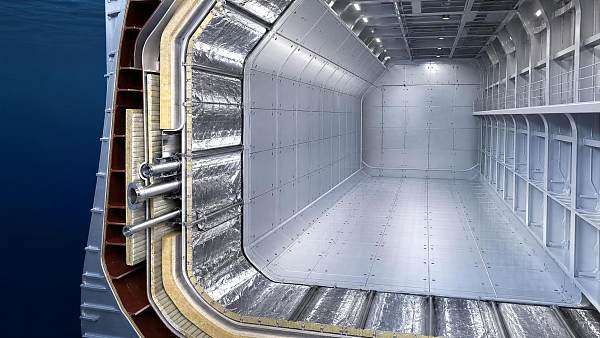
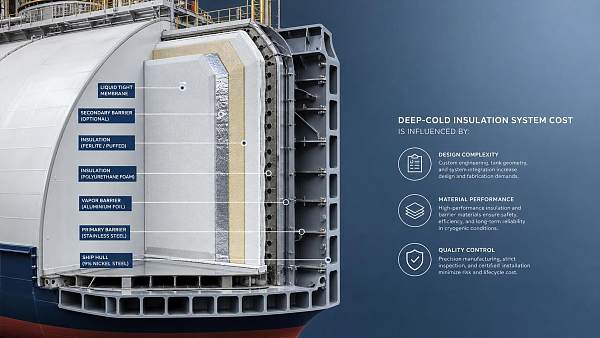
The cost picture extends beyond steel, insulation, and installation. It also includes boil-off gas behavior, inspection intervals, repair access, cargo utilization, energy consumption, and compliance exposure.
As LNG trade routes lengthen and emissions rules tighten, membrane containment systems are judged less by specification sheets and more by operational resilience under real shipping conditions.
Why membrane containment systems are under closer cost scrutiny
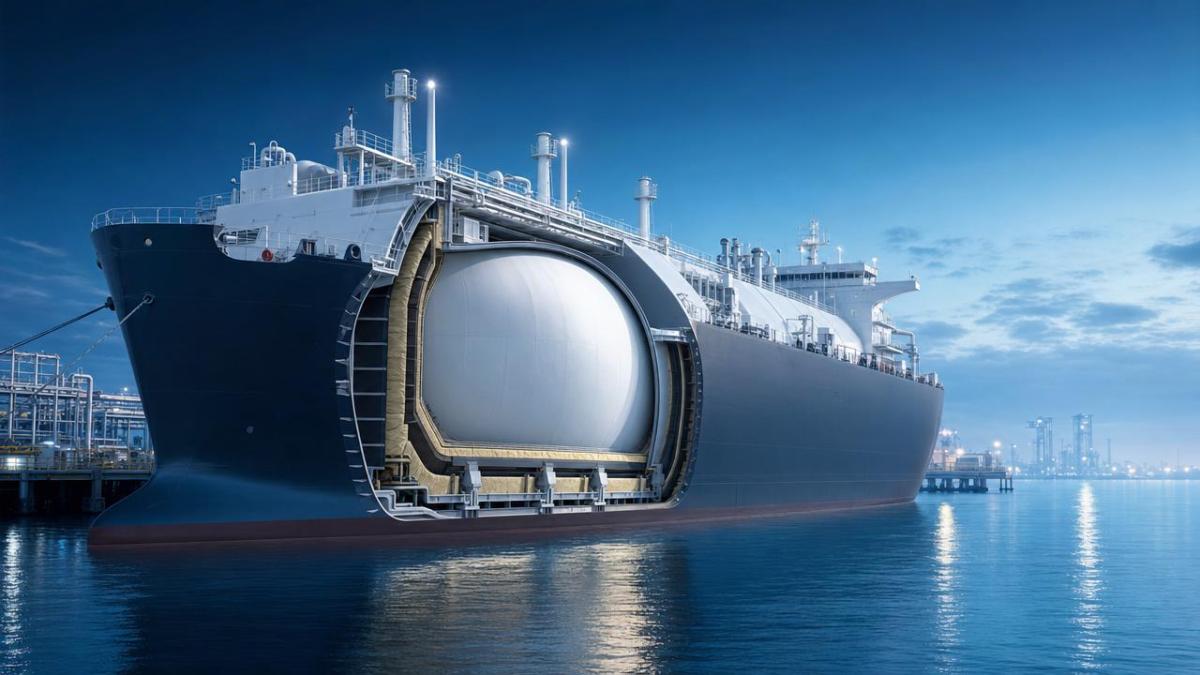
The market environment around LNG carriers has changed. Charter expectations are rising, shipyards face tighter quality thresholds, and operators need higher asset predictability over full service life.
That shift makes membrane containment systems a strategic cost center, not only a cargo technology choice. Small performance gaps can compound into major operating differences over twenty or thirty years.
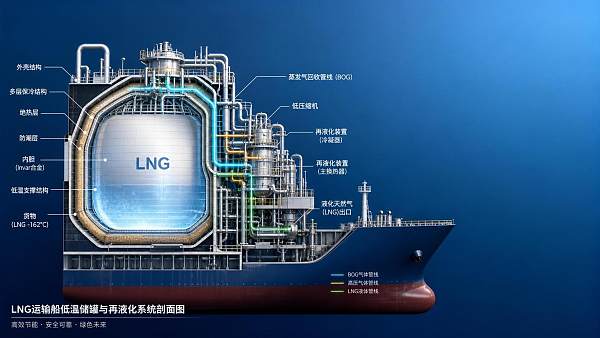
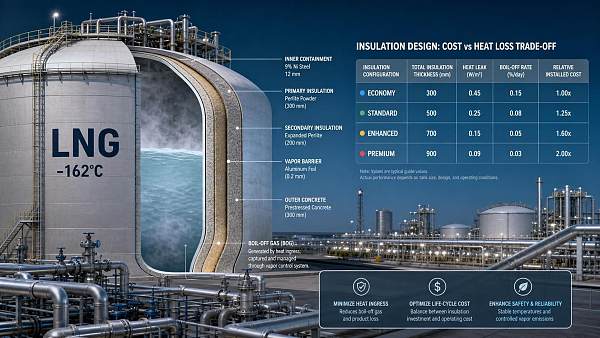
A containment design with lower heat ingress may reduce boil-off losses every voyage. A design with difficult access may increase drydock time and specialist intervention costs later.
In integrated transport intelligence, this matters because LNG carriers support energy security, trade continuity, and decarbonization targets. Lifecycle efficiency now influences both technical credibility and commercial competitiveness.
The strongest trend signals shaping lifecycle cost today
Several signals show why membrane containment systems receive deeper technical review during vessel planning, retrofitting studies, and long-term fleet optimization.
- Longer trading patterns increase sensitivity to boil-off management and insulation stability.
- Fuel efficiency targets raise attention on cargo losses and propulsion integration.
- Classification and safety oversight increase documentation and traceability requirements.
- Shipowners seek stronger uptime assurance and fewer unscheduled containment interventions.
- Advanced analytics enable closer comparison of lifetime performance, not just design assumptions.
These signals push evaluation toward measurable cost drivers. The discussion has moved from “which system is accepted” to “which system stays efficient under changing operational stress.”
What is driving the cost divergence between similar-looking systems
Many membrane containment systems appear comparable at contract stage. Actual lifecycle cost diverges because technical details interact with route profile, maintenance capability, and vessel utilization strategy.
Boil-off performance is often the biggest hidden multiplier
Among all membrane containment systems variables, boil-off rate has one of the clearest links to lifecycle cost. Even modest differences affect cargo retention and engine fuel management every day.
Higher boil-off can be useful in some propulsion setups, yet excessive generation reduces flexibility. It may force additional handling, increase reliquefaction demand, or limit voyage optimization choices.
Maintenance complexity creates cost far beyond spare parts
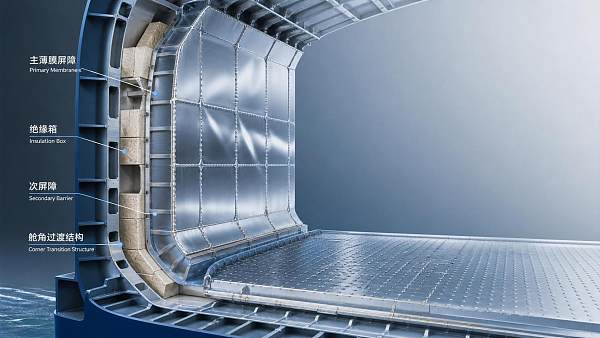
Maintenance economics depend on inspection frequency, defect detectability, access conditions, and approved repair procedures. Complex membrane containment systems can raise service costs without obvious warning during procurement.
The direct cost is only part of the issue. The bigger impact often comes from schedule disruption, extra technical supervision, and delayed return to commercial service.
How these shifts affect different business links across the LNG value chain
The changing economics of membrane containment systems influence more than vessel designers. They shape decisions across engineering, financing, operations, and aftermarket support.
- Shipbuilding programs face tighter quality assurance demands during installation and testing.
- Fleet planning models must account for route-specific thermal and operational performance.
- Technical service networks gain importance when repair specialization is limited globally.
- Financing reviews increasingly examine durability, residual value, and compliance resilience.
For intelligence-led transport sectors, this mirrors a broader trend seen in rail and maritime systems alike. Core equipment is no longer judged only by acquisition readiness, but by controllable lifetime performance.
That is why membrane containment systems now sit closer to strategic asset planning. Their behavior affects operating margin, technical risk, and long-term competitiveness in volatile global energy logistics.
The factors that deserve the closest attention during technical evaluation
When comparing membrane containment systems, the most useful approach is to test assumptions that directly influence future cost and operational stability.
- Validate guaranteed boil-off figures against realistic route lengths and loading patterns.
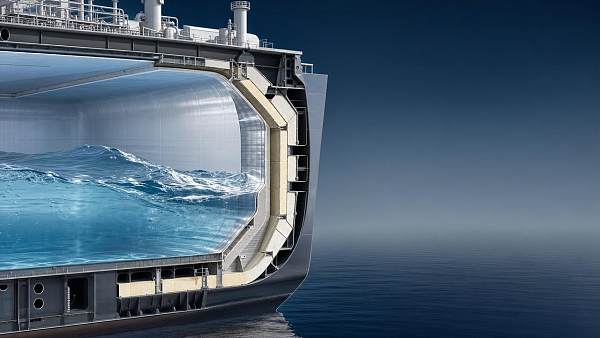
- Review insulation aging behavior under thermal cycling and sloshing conditions.
- Check the repair ecosystem, including certified yards, lead times, and material availability.
- Assess membrane stress distribution data and fatigue-related service history.
- Compare net cargo capacity, not only gross dimensions or marketing claims.
- Map compliance pathways for current and expected class or safety updates.
- Examine digital monitoring compatibility for predictive maintenance and anomaly detection.
These checkpoints help separate membrane containment systems with attractive brochures from those with durable economic value. The goal is stable performance under real operating variability.
A practical framework for judging lifecycle cost before commitment
A structured comparison model improves decision quality. It reduces the risk of overvaluing capex savings while underestimating operational penalties later.
Where the next round of cost advantage is likely to emerge
The next advantage in membrane containment systems will likely come from performance transparency. Better data will reveal which designs preserve efficiency after years of thermal cycling and operational stress.
Digital condition monitoring may also reduce uncertainty. If insulation behavior, structural strain, and boil-off deviations are tracked early, maintenance can become more preventive and less disruptive.
Another likely shift is stronger integration between containment design and propulsion architecture. Membrane containment systems will be evaluated together with fuel gas utilization and emissions strategy, not separately.
What to do next when comparing membrane containment systems
Use a lifecycle scoring model before final technical selection. Weight boil-off, maintenance access, cargo efficiency, compliance burden, and repair ecosystem with equal seriousness as initial contract price.
Request route-based performance evidence, not only standard design values. Ask for aging assumptions, service case references, and documented intervention history across comparable LNG carrier operations.
In a market defined by precision, membrane containment systems should be judged by long-term control of risk and efficiency. That is where the most durable asset value will be created.
Recommended News
 Sep 28, 2026When is nickel steel containment needed for cryogenic storage?Nickel steel containment is essential when cryogenic tanks face brittle-fracture risk. Discover how temperature, loads, and tank design guide the right choice.
 Sep 11, 2026How membrane containment systems demonstrate compliance with IMO standardsMembrane containment systems IMO standards: discover how LNG carriers prove compliance through verified barriers, testing, monitoring, and traceable records.
 Sep 10, 2026How membrane and Moss containment systems differ for LNG carriersLNG cargo containment for carriers: compare membrane and Moss systems for capacity, BOG, safety, sloshing, lifecycle cost, and operational flexibility.
 Sep 03, 2026What drives membrane containment systems cost in LNG projects?Membrane containment systems cost depends on tank design, materials, labor, QA, and boil-off performance. Discover how to control LNG project risk and lifecycle costs.
 Aug 11, 2026How Vacuum Insulated Cryogenic Engineering Reduces Boil-Off and Heat LeakVacuum insulated cryogenic engineering cuts boil-off and heat leak by optimizing vacuum spaces, MLI, supports, and penetrations—discover what really improves LNG thermal performance.
 Aug 09, 2026What Determines Safe Cryogenic Containment Design in LNG Storage?Cryogenic containment design in LNG storage depends on materials, thermal stress, leak control, and BOG management. Discover what truly defines safe, code-compliant performance.
 Jul 29, 2026How to Evaluate a Cryogenic Tank Handling System for LNG Transfer SafetyCryogenic tank handling system evaluation for LNG transfer safety: learn how to assess pressure control, insulation, ESD response, and operational reliability before choosing a safer system.
 Jul 24, 2026Deep-Cryogenic Insulation Systems Cost: What Drives Total Project Spend?Deep-cryogenic insulation systems cost depends on design, materials, installation, QA, and boil-off performance. Learn what drives total project spend and compare bids with confidence.
 Jul 21, 2026LNG Carriers Class Approval: Key Rules and Compliance RisksLNG carriers class approval explained: key rules, major compliance risks, and practical steps to prevent delays, protect vessel readiness, and improve charter confidence.
 Jul 15, 2026Low Boil Off Insulation System Performance: What Reduces LNG Losses MostLow boil off insulation system performance explained: discover what cuts LNG losses most through smarter containment, installation quality, and BOG management.
 Jul 13, 2026Deep Cryogenic Insulation for LNG Tanks: Cost vs Heat LossDeep cryogenic insulation for LNG tanks impacts more than upfront cost. Learn how lower heat loss cuts BOG, improves efficiency, and strengthens lifecycle value.
 Jul 13, 2026Low Loss Cryogenic Handling: Key Factors for Safer TransferLow loss cryogenic handling starts with thermal control, pressure balance, and clean transfer. Learn the key factors that reduce boil-off, protect product integrity, and improve safer LNG and industrial operations.
 Jul 12, 2026LNG Vessel Fuel Storage: Main Safety Risks and FixesLNG vessel fuel storage safety starts with early risk detection. Learn the main hazards, warning signs, and practical fixes to reduce leaks, pressure instability, and onboard failures.
 Jul 09, 2026Membrane Cargo Tank vs Moss Type: Which Fits Modern LNG FleetsMembrane cargo tank vs Moss type: compare LNG fleet capacity, boil-off strategy, maintenance, and asset value to choose the best-fit design for modern shipping returns.
 Jul 08, 2026Membrane Containment Systems: Key Failure Risks in LNG Tank DesignMembrane containment systems are central to LNG tank safety. Explore key failure risks, from insulation degradation to sloshing and secondary barrier issues, and learn what to check early.
 Jul 06, 2026How to Compare a Cryogenic Shipping Systems Manufacturer for Long-Haul LNG ProjectsCryogenic shipping systems manufacturer selection can make or break long-haul LNG projects. Compare boil-off control, compliance, engineering support, and lifecycle value.
 Jul 02, 2026Cryogenic Shipping Safety: Common Failure Risks and FixesCryogenic shipping safety starts with finding hidden failure risks early. Learn the main causes, practical fixes, and audit gaps that help protect LNG cargo, cut incidents, and improve control.
 Jul 02, 2026LNG Carriers Dimensions Explained for Terminal PlanningLNG carriers dimensions explained for smarter terminal planning. Learn how vessel size affects berth design, draft limits, mooring, and future fleet compatibility.
 Jun 30, 2026LNG Carrier Containment Technology Explained: Membrane vs Moss SystemsLNG carrier containment technology explained clearly: compare membrane vs Moss systems, key trade-offs, cargo efficiency, sloshing risk, and what drives smarter LNG vessel decisions.
 Jun 30, 2026Vacuum Deep Cryogenic Insulation: Key Failure Risks and How to Prevent ThemVacuum deep cryogenic insulation failure can raise boil-off, safety, and compliance risks. Learn key warning signs, root causes, and practical prevention steps to protect LNG operations.
 Jun 28, 2026Deep-Cryogenic Insulation Cost: What Drives Budget Changes in LNG ProjectsDeep-cryogenic insulation cost in LNG projects depends on materials, containment design, labor, compliance, and shipyard execution. Learn what drives budget changes and how to control risk.
 Jun 25, 2026Cryogenic Shipping Solutions: Key Risks, Costs, and Containment ChoicesCryogenic shipping solutions: compare key risks, lifecycle costs, and membrane vs. Moss containment to avoid hidden losses and choose safer, more efficient LNG transport.
 Jun 15, 2026Cryogenic Engineering Basics: Key Design Factors for Containment SafetyCryogenic engineering basics explained: discover the key design factors behind safer LNG and low-temperature containment, from materials and thermal stress to boil-off control and monitoring.
 Jun 11, 2026Membrane Containment Systems: Key Failure Risks and Design ChecksMembrane containment systems demand rigorous design checks. Explore key failure risks, from sloshing stress to insulation aging, and learn how to improve LNG vessel safety and compliance.