



Search News
Industry Portal
Popular Tags
Cryogenic Shipping Risks in 2026: What to Check First
Author
Time
Click Count
Cryogenic Shipping Risks in 2026: what deserves attention before anything else?
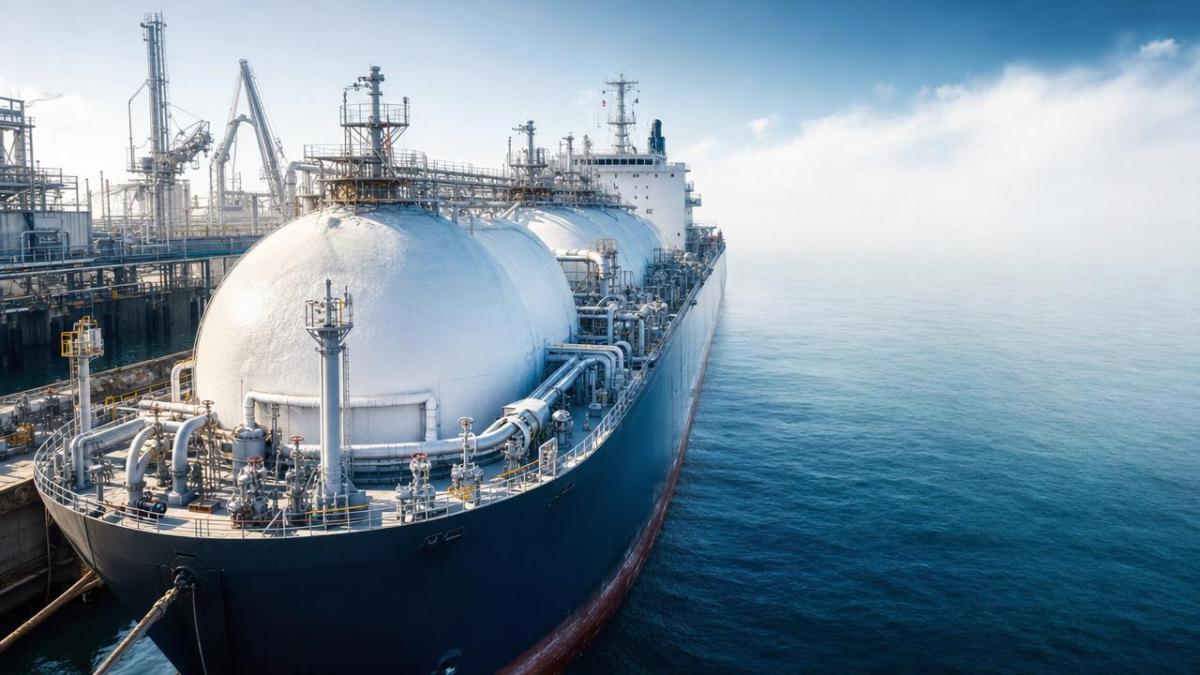
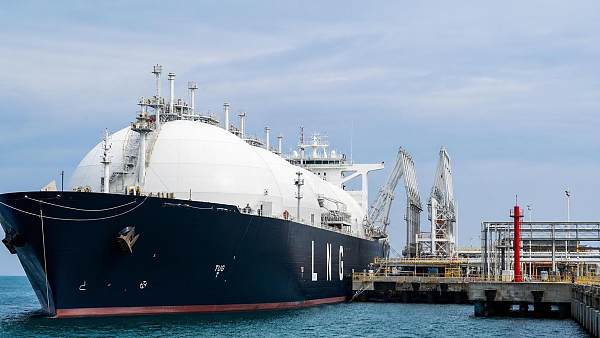
Cryogenic shipping is entering 2026 under tighter scrutiny.
LNG trade remains active, but the tolerance for preventable failure is clearly shrinking.
The first checks now sit at the intersection of engineering, operations, and compliance.
In practical terms, early warning signs often appear before a visible incident.
That is why cryogenic shipping risk review should start with systems that fail quietly.
GTOT follows this topic through its wider land-sea intelligence lens.
The same discipline used in railway control and braking applies here: safety depends on small deviations being noticed early.
So what should be checked first in cryogenic shipping, and what signals matter most?
Is containment integrity still the first priority in cryogenic shipping?
Yes, and in 2026 it is even less negotiable.
Containment integrity is not only about visible tank condition.
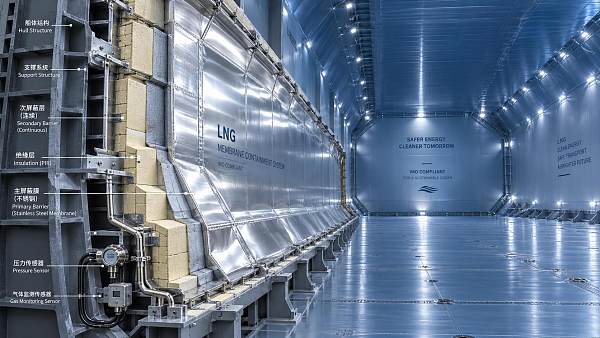
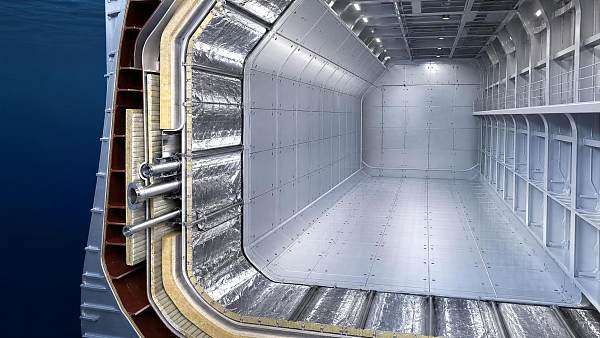
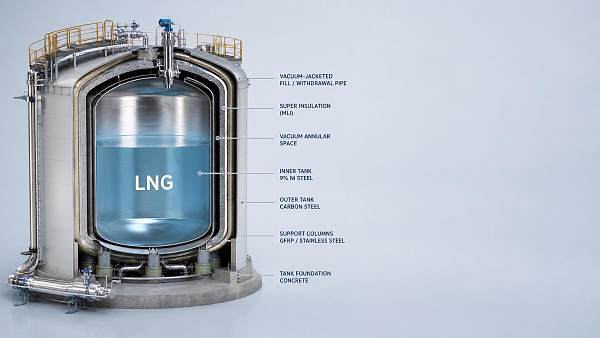
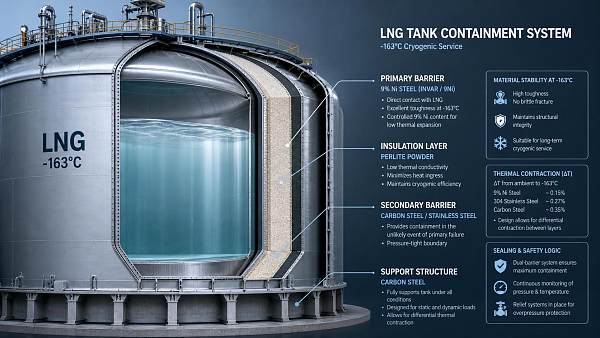
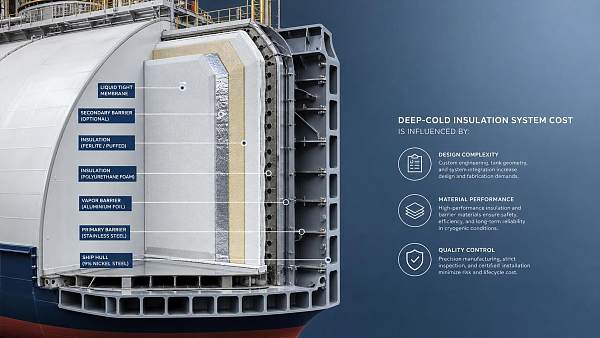
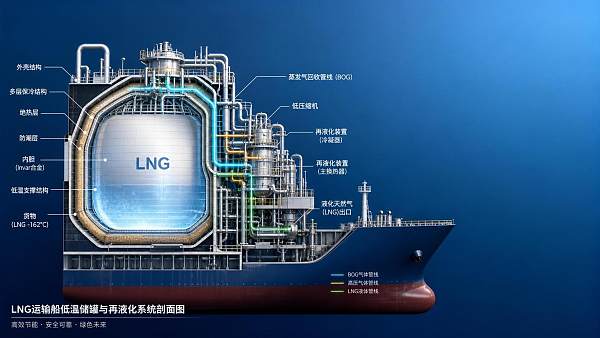
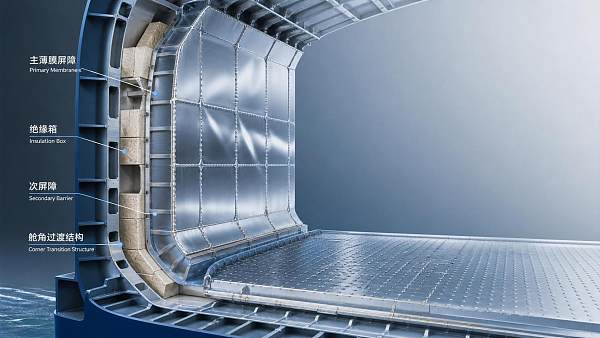
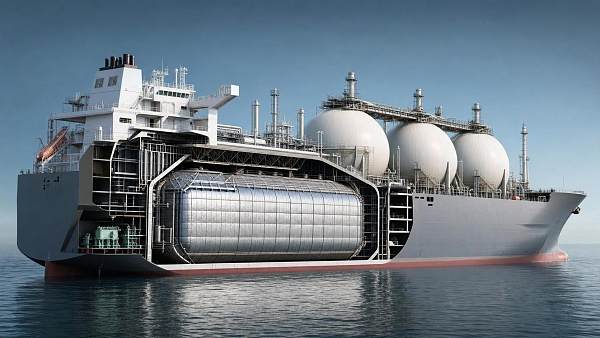
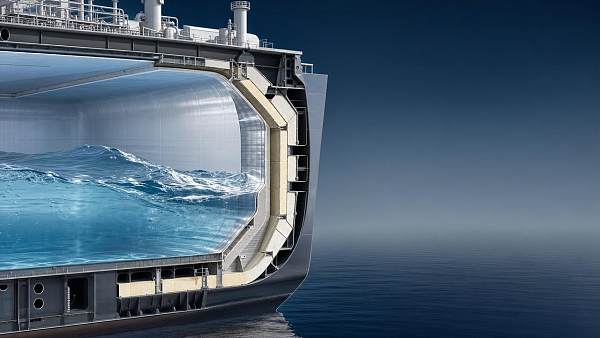
It includes membrane behavior, secondary barrier performance, weld quality, sloshing response, and sensor reliability.
A common mistake is to treat cryogenic shipping risk as a cargo handling issue alone.
More often, the problem begins with structural stress that goes unnoticed during routine operation.
Early checks should focus on trend data, not just pass-or-fail inspection results.
- Temperature deviation between expected and actual tank zones
- Unexpected pressure fluctuation during loading or voyage transition
- Alarm history that shows repeated minor exceptions
- Evidence of insulation moisture ingress or cold spot development
- Repair records that cluster around one section of the system
In advanced LNG carriers, a small recurring anomaly often tells more than a single dramatic alarm.
That makes data quality part of containment integrity, not a separate discussion.
For cryogenic shipping, the first review should ask whether the tank system is stable over time, not simply compliant on paper.
Why is boil-off gas handling becoming a bigger operational risk?
Because cargo economics, emissions pressure, and machinery reliability now collide in the same space.
Boil-off gas used to be discussed mainly as a technical inevitability.
Today, in cryogenic shipping, it is a performance indicator.
Poor boil-off management can lead to pressure instability, fuel imbalance, cargo loss, and reporting discrepancies.
The risk grows when route planning, tank condition, and propulsion mode are reviewed separately.
A better question is whether the vessel’s gas handling profile matches actual voyage conditions.
That includes ambient temperature swings, waiting time at anchorage, partial loading patterns, and engine demand variability.
More careful operators now compare forecast boil-off against real voyage data after every leg.
If the gap widens, the cause may sit in insulation drift, valve response, instrumentation error, or operating practice.
This is where GTOT’s broader shipping intelligence approach is useful.
Smart vessel performance is increasingly judged through connected data, not isolated equipment checks.
A quick check table for first-pass risk review
Before a deeper audit, this table helps identify where cryogenic shipping risk is most likely to surface first.
How do you tell whether insulation performance is drifting?
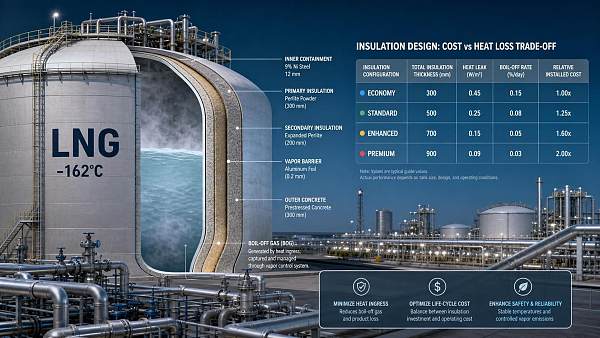
Insulation problems rarely announce themselves clearly at first.
In cryogenic shipping, the earliest signs are usually indirect.
You may see slightly higher boil-off, longer cooldown behavior, or uneven thermal response after loading.
On their own, these changes may seem acceptable.
Taken together, they can point to degraded insulation efficiency.
A useful comparison is the rail sector.
Just as high-speed traction systems depend on stable power collection margins, LNG transport depends on stable thermal margins.
Once those margins narrow, normal operations become less forgiving.
The best first-step checks include historical benchmarking.
- Compare sister vessels on similar routes
- Review season-to-season thermal behavior
- Check whether maintenance intervention changed the thermal profile
- Link insulation data to gas handling and fuel consumption records
Cryogenic shipping decisions improve when thermal performance is tracked as a living condition, not a fixed design promise.
Are crew readiness and procedure discipline still underestimated?
Very often, yes.
Technology in cryogenic shipping has advanced faster than onboard habit correction.
The risk is not always lack of training.
It is more often a gap between documented competence and real-time response quality.
For example, abnormal loading pauses, valve sequencing under pressure, and alarm interpretation still create avoidable errors.
In 2026, regulators and charter stakeholders are looking harder at proof of readiness.
That means drill logs alone are not enough.
Evidence should show that procedures were tested against realistic scenarios.
A strong cryogenic shipping review asks:
- Were emergency drills scenario-based or purely formal?
- Did the team practice partial system failure, not only total shutdown?
- Are alarm response steps consistent across shifts?
- Do maintenance and operations teams interpret the same event similarly?
This matters because cryogenic events escalate quickly.
A delay of minutes can turn a manageable deviation into cargo, safety, or compliance exposure.
What documentation issues create the most avoidable exposure?
Documentation failures are often treated as administrative problems.
In cryogenic shipping, they are operational risk multipliers.
When loading records, maintenance logs, calibration data, and incident notes do not align, the real system condition becomes harder to verify.
That becomes serious during flag review, port state control, claims, or incident reconstruction.
The most avoidable problems usually involve version control, missing timestamps, and inconsistent equipment references.
There is also a growing digital issue.
Automated systems generate more records, but not always better traceability.
If a cryogenic shipping platform cannot connect event data to maintenance action clearly, compliance confidence drops fast.
A simple rule helps: every critical event should be reconstructable from one timeline.
That expectation fits the wider transport trend GTOT tracks across maritime and rail systems alike.
High-value infrastructure increasingly depends on reliable digital evidence, not only technical intent.
What is the most sensible next step if risk signals are already visible?
Do not start with a broad rewrite of every procedure.
Start by ranking the signals by escalation speed and verification difficulty.
In cryogenic shipping, the most urgent issues are the ones that combine hidden deterioration with fast operational impact.
That usually means containment anomalies, abnormal boil-off patterns, or unclear response execution.
Then create a short review path:
- Validate whether the signal is real, repeated, and traceable.
- Check whether linked systems show the same drift.
- Confirm whether procedures and records support the technical reading.
- Set a trigger point for intervention before voyage risk increases.
By 2026, cryogenic shipping is less about reacting to major failure and more about recognizing weak signals early.
That shift rewards disciplined data review, sharper cross-team verification, and better alignment between equipment condition and operational reality.
If the aim is to reduce cargo loss, equipment stress, and compliance exposure, the first move is simple.
Check what changes quietly, compare it against expected behavior, and build decisions from evidence rather than routine assumptions.
Recommended News
 Sep 28, 2026When is nickel steel containment needed for cryogenic storage?Nickel steel containment is essential when cryogenic tanks face brittle-fracture risk. Discover how temperature, loads, and tank design guide the right choice.
 Sep 11, 2026How membrane containment systems demonstrate compliance with IMO standardsMembrane containment systems IMO standards: discover how LNG carriers prove compliance through verified barriers, testing, monitoring, and traceable records.
 Sep 10, 2026How membrane and Moss containment systems differ for LNG carriersLNG cargo containment for carriers: compare membrane and Moss systems for capacity, BOG, safety, sloshing, lifecycle cost, and operational flexibility.
 Sep 03, 2026What drives membrane containment systems cost in LNG projects?Membrane containment systems cost depends on tank design, materials, labor, QA, and boil-off performance. Discover how to control LNG project risk and lifecycle costs.
 Aug 11, 2026How Vacuum Insulated Cryogenic Engineering Reduces Boil-Off and Heat LeakVacuum insulated cryogenic engineering cuts boil-off and heat leak by optimizing vacuum spaces, MLI, supports, and penetrations—discover what really improves LNG thermal performance.
 Aug 09, 2026What Determines Safe Cryogenic Containment Design in LNG Storage?Cryogenic containment design in LNG storage depends on materials, thermal stress, leak control, and BOG management. Discover what truly defines safe, code-compliant performance.
 Jul 29, 2026How to Evaluate a Cryogenic Tank Handling System for LNG Transfer SafetyCryogenic tank handling system evaluation for LNG transfer safety: learn how to assess pressure control, insulation, ESD response, and operational reliability before choosing a safer system.
 Jul 24, 2026Deep-Cryogenic Insulation Systems Cost: What Drives Total Project Spend?Deep-cryogenic insulation systems cost depends on design, materials, installation, QA, and boil-off performance. Learn what drives total project spend and compare bids with confidence.
 Jul 21, 2026LNG Carriers Class Approval: Key Rules and Compliance RisksLNG carriers class approval explained: key rules, major compliance risks, and practical steps to prevent delays, protect vessel readiness, and improve charter confidence.
 Jul 15, 2026Low Boil Off Insulation System Performance: What Reduces LNG Losses MostLow boil off insulation system performance explained: discover what cuts LNG losses most through smarter containment, installation quality, and BOG management.
 Jul 13, 2026Deep Cryogenic Insulation for LNG Tanks: Cost vs Heat LossDeep cryogenic insulation for LNG tanks impacts more than upfront cost. Learn how lower heat loss cuts BOG, improves efficiency, and strengthens lifecycle value.
 Jul 13, 2026Low Loss Cryogenic Handling: Key Factors for Safer TransferLow loss cryogenic handling starts with thermal control, pressure balance, and clean transfer. Learn the key factors that reduce boil-off, protect product integrity, and improve safer LNG and industrial operations.
 Jul 12, 2026LNG Vessel Fuel Storage: Main Safety Risks and FixesLNG vessel fuel storage safety starts with early risk detection. Learn the main hazards, warning signs, and practical fixes to reduce leaks, pressure instability, and onboard failures.
 Jul 09, 2026Membrane Cargo Tank vs Moss Type: Which Fits Modern LNG FleetsMembrane cargo tank vs Moss type: compare LNG fleet capacity, boil-off strategy, maintenance, and asset value to choose the best-fit design for modern shipping returns.
 Jul 08, 2026Membrane Containment Systems: Key Failure Risks in LNG Tank DesignMembrane containment systems are central to LNG tank safety. Explore key failure risks, from insulation degradation to sloshing and secondary barrier issues, and learn what to check early.
 Jul 06, 2026How to Compare a Cryogenic Shipping Systems Manufacturer for Long-Haul LNG ProjectsCryogenic shipping systems manufacturer selection can make or break long-haul LNG projects. Compare boil-off control, compliance, engineering support, and lifecycle value.
 Jul 02, 2026Cryogenic Shipping Safety: Common Failure Risks and FixesCryogenic shipping safety starts with finding hidden failure risks early. Learn the main causes, practical fixes, and audit gaps that help protect LNG cargo, cut incidents, and improve control.
 Jul 02, 2026LNG Carriers Dimensions Explained for Terminal PlanningLNG carriers dimensions explained for smarter terminal planning. Learn how vessel size affects berth design, draft limits, mooring, and future fleet compatibility.
 Jun 30, 2026LNG Carrier Containment Technology Explained: Membrane vs Moss SystemsLNG carrier containment technology explained clearly: compare membrane vs Moss systems, key trade-offs, cargo efficiency, sloshing risk, and what drives smarter LNG vessel decisions.
 Jun 30, 2026Vacuum Deep Cryogenic Insulation: Key Failure Risks and How to Prevent ThemVacuum deep cryogenic insulation failure can raise boil-off, safety, and compliance risks. Learn key warning signs, root causes, and practical prevention steps to protect LNG operations.
 Jun 28, 2026Deep-Cryogenic Insulation Cost: What Drives Budget Changes in LNG ProjectsDeep-cryogenic insulation cost in LNG projects depends on materials, containment design, labor, compliance, and shipyard execution. Learn what drives budget changes and how to control risk.
 Jun 25, 2026Cryogenic Shipping Solutions: Key Risks, Costs, and Containment ChoicesCryogenic shipping solutions: compare key risks, lifecycle costs, and membrane vs. Moss containment to avoid hidden losses and choose safer, more efficient LNG transport.
 Jun 15, 2026Cryogenic Engineering Basics: Key Design Factors for Containment SafetyCryogenic engineering basics explained: discover the key design factors behind safer LNG and low-temperature containment, from materials and thermal stress to boil-off control and monitoring.
 Jun 11, 2026Membrane Containment Systems: Key Failure Risks and Design ChecksMembrane containment systems demand rigorous design checks. Explore key failure risks, from sloshing stress to insulation aging, and learn how to improve LNG vessel safety and compliance.