



Search News
Industry Portal
Popular Tags
Low Loss Cryogenic Handling: Key Factors for Safer Transfer
Author
Time
Click Count
In cryogenic transfer, small losses rarely stay small for long. Vapor release, temperature drift, contamination, and unstable flow can quickly turn routine movement into a safety, quality, and compliance issue.
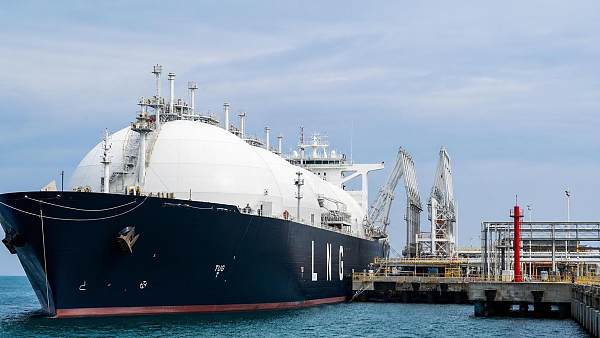
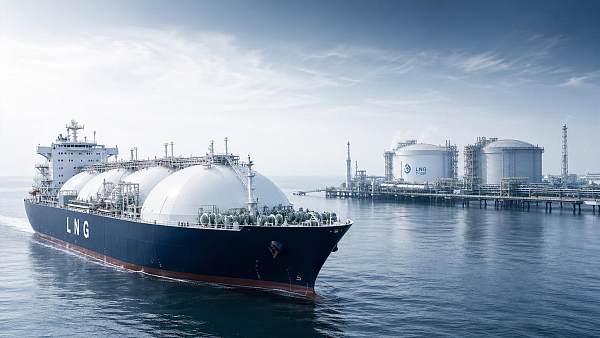
That is why low loss cryogenic handling matters across industrial plants, transport terminals, LNG carriers, and other high-consequence systems. It protects product integrity, reduces avoidable boil-off, and supports safer transfer under real operating pressure.
For sectors tracked by GTOT, especially LNG shipping and connected heavy transport infrastructure, transfer discipline is more than an efficiency topic. It sits at the intersection of equipment reliability, operational continuity, and risk control.
What low loss cryogenic handling really means
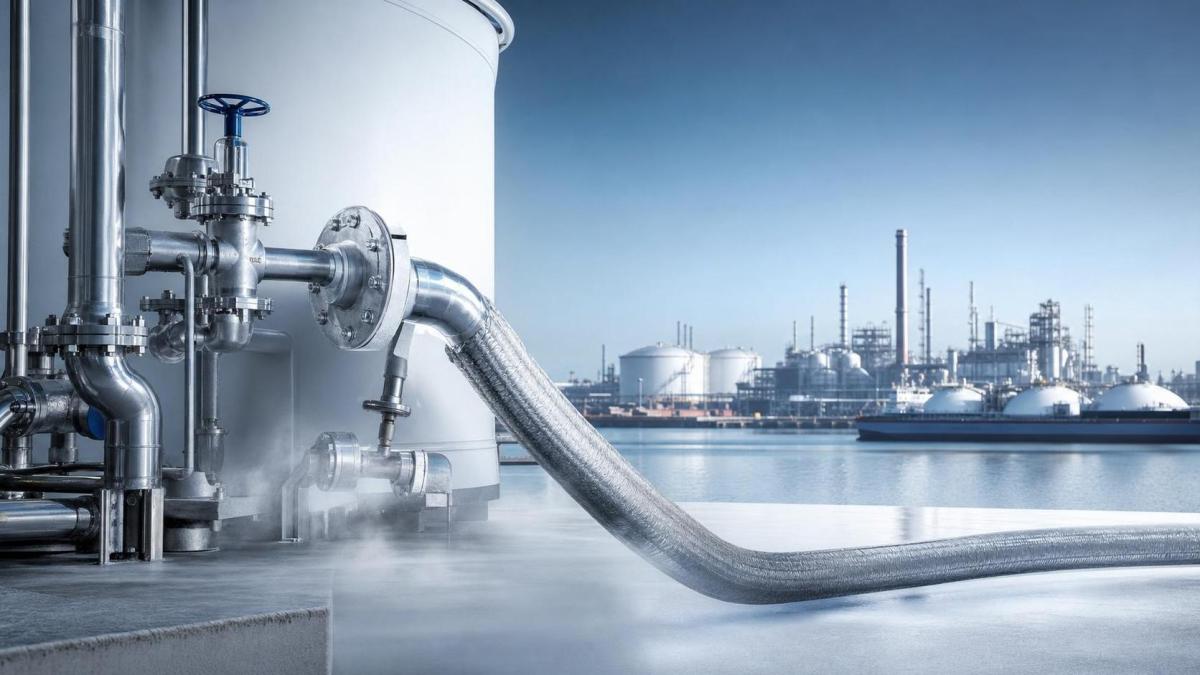
The term refers to moving cryogenic liquids while limiting thermal gain, vapor generation, pressure instability, and material exposure. In practice, it means keeping the product cold, clean, and predictable from source to destination.
This is especially relevant for LNG, liquid nitrogen, liquid oxygen, and similar media. Each transfer step affects density, volume, composition, and the safe condition of connected equipment.
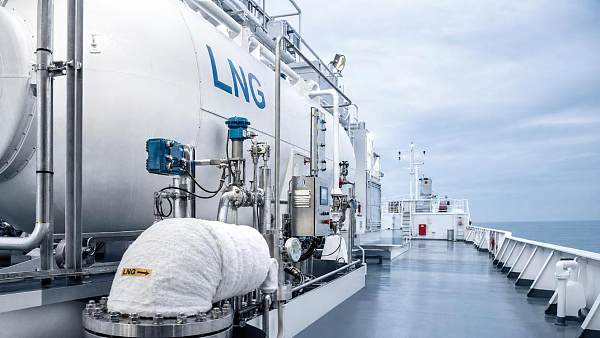
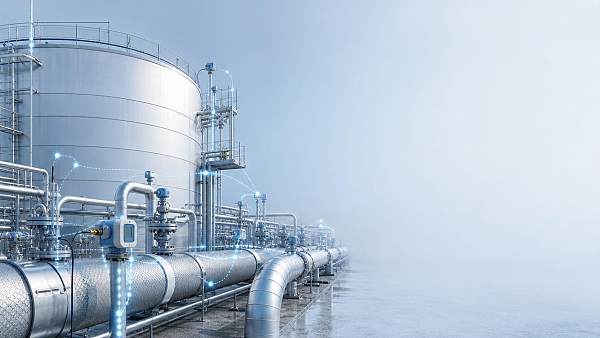
Low loss cryogenic handling is not only about insulation performance. It also depends on valve sequencing, purge quality, transfer rate, pressure balance, line design, instrumentation response, and operator discipline.
A system may look thermally efficient on paper, yet still lose product during start-up, cooldown, hose changeover, or shutdown. That gap between design intent and operating reality is where many losses begin.
Why the issue is gaining more attention
Cryogenic transfer now sits inside larger decarbonization, safety, and asset-efficiency targets. Product loss is no longer treated as a narrow process issue because it directly affects emissions, throughput, and incident exposure.
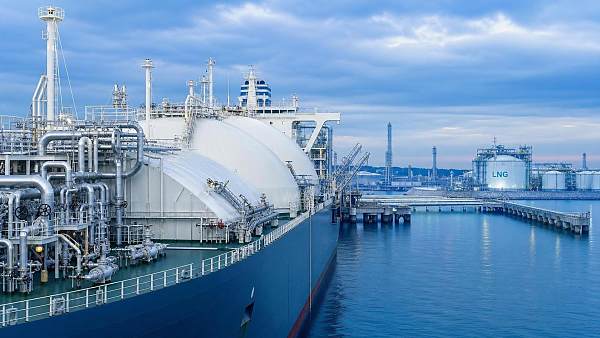
In LNG shipping, boil-off management influences cargo value, fuel strategy, and tank pressure control. Onshore, transfer loss can distort inventory, trigger venting events, and complicate batch acceptance.
GTOT often frames transport technology through system interdependence. That perspective fits cryogenic work well. A transfer problem rarely remains isolated; it can affect storage readiness, ship turnaround, terminal utilization, and downstream quality records.
Stricter documentation standards also raise the bar. When audits, cargo claims, or incident reviews happen, teams need traceable evidence that low loss cryogenic handling was built into both equipment selection and routine procedure.
The factors that most often determine transfer performance
Several variables usually decide whether transfer stays stable or becomes wasteful. The most important point is that they interact. A strong design can still underperform if one control point is weak.
Thermal control before liquid movement starts
Poor pre-cooling is a common source of flash loss. Warm lines absorb heat fast, generating vapor before steady-state conditions are established.
Cooldown should be gradual and monitored. Rapid exposure of warm metal to cryogenic liquid can increase stress, create unstable flow, and waste product during the first minutes of transfer.
Pressure balance across the transfer path
Stable differential pressure supports predictable movement. If the receiving side cannot accommodate vapor or pressure rise, liquid transfer becomes noisy, irregular, and less controllable.
Low loss cryogenic handling therefore depends on matching transfer rate to venting, boil-off recovery, or pressure-management capacity. That is true in terminal systems and aboard LNG carriers alike.
Cleanliness and moisture exclusion
Minor contamination can cause disproportionate trouble at very low temperatures. Moisture may freeze, restrict flow, damage seals, or affect analytical results.
Purging quality, connector cleanliness, and protected staging areas are basic controls. They are also among the easiest points to neglect during busy operations.
Component suitability at cryogenic temperatures
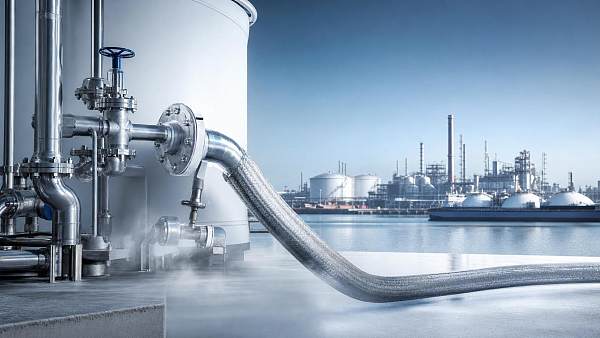
Not every valve, hose, gasket, or sensor performs consistently in deep-cold service. Material contraction, seal hardening, and signal drift can undermine low loss cryogenic handling even when specifications appear adequate.
This is why proven cryogenic ratings, thermal cycling history, and maintenance records matter. Transfer reliability depends on repeated performance, not brochure claims.
Where losses usually appear in real operations
Losses often cluster around transitions rather than continuous flow. Looking at the transfer sequence step by step usually reveals more than reviewing average consumption data.
This pattern matters because many facilities focus heavily on steady-state design. Yet low loss cryogenic handling often succeeds or fails during the short periods surrounding flow transitions.
What matters across marine and industrial settings
The core principles remain consistent, but the operating context changes priorities. In marine service, motion, voyage timing, cargo conditioning, and confined system integration create additional constraints.
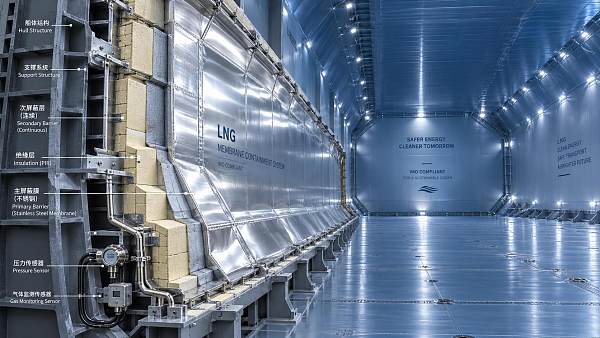
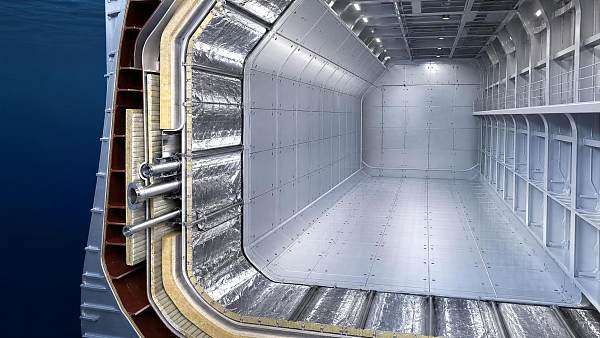
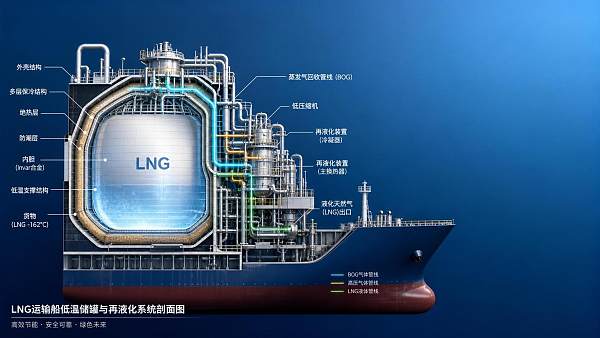
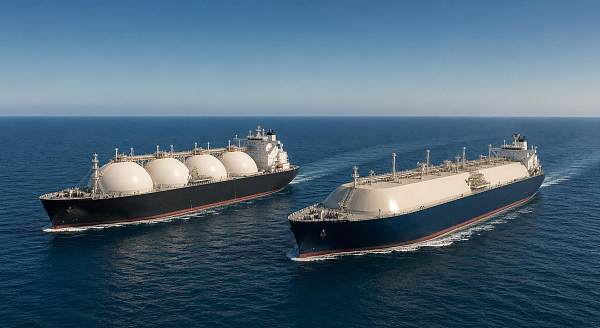
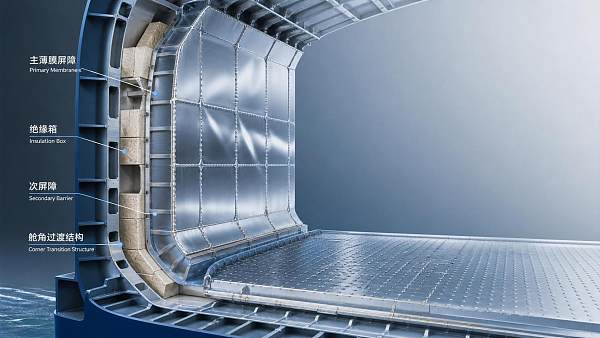
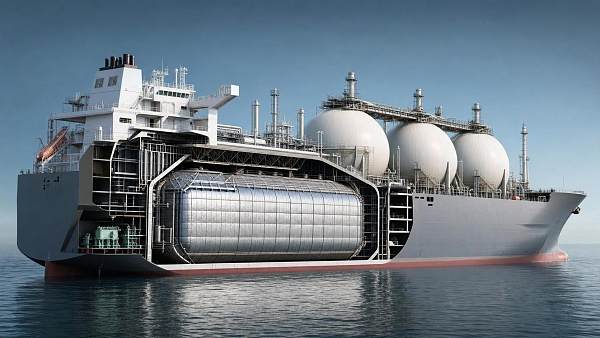
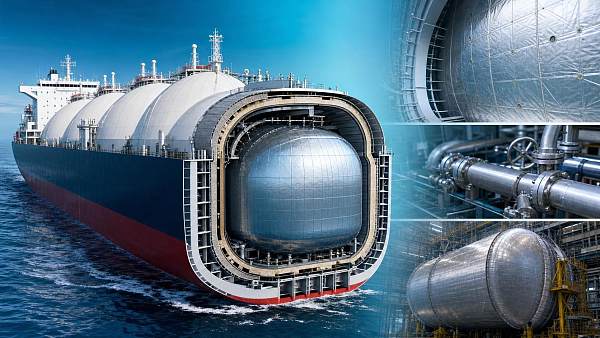
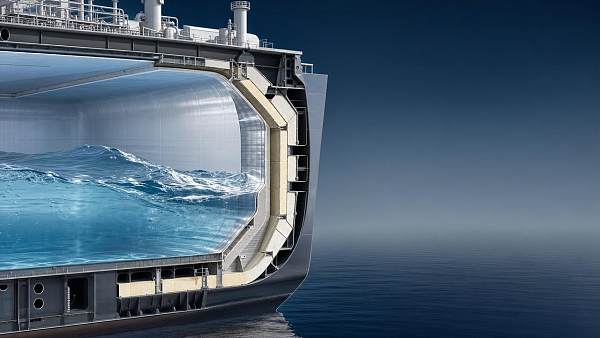
For LNG carriers, low loss cryogenic handling supports custody confidence and safe tank management. Membrane containment systems, vapor handling arrangements, and dual-fuel operations all depend on disciplined transfer control.
In fixed plants, the focus may shift toward batch consistency, compliance records, and repeatable maintenance windows. Even then, the same questions apply: where does heat enter, where can contamination occur, and how is abnormal pressure absorbed?
That wider systems view aligns with GTOT’s land-and-sea intelligence model. The best decisions come from reading transfer performance as part of a larger operational chain, not as an isolated equipment event.
Practical checks that strengthen low loss cryogenic handling
A useful review standard is simple: every transfer should be thermally controlled, pressure-aware, contamination-resistant, and fully observable.
- Confirm that pre-cool procedures define acceptable temperature approach, not just elapsed time.
- Check whether instruments can detect rapid change, not only stable operating values.
- Review connector, hose, and seal history for thermal cycling fatigue and leakage trends.
- Compare expected boil-off with measured transfer behavior during start, hold, and stop phases.
- Verify that venting and recovery paths can handle transient peaks without improvisation.
- Treat housekeeping and staging control as part of transfer quality, not a separate issue.
- Capture deviations in a way that links product loss, alarm history, and procedural timing.
These checks do not require a major redesign to be useful. Often they expose small control weaknesses that explain recurring product loss, unstable readings, or near-miss events.
How to judge the next step
When performance is uncertain, start with evidence from actual transfer sequences rather than broad assumptions. Trend cooldown time, pressure movement, vent behavior, and received-versus-sent volume under comparable conditions.
Then separate losses caused by design limits from those caused by execution gaps. That distinction helps determine whether the next move is procedural refinement, component upgrade, better instrumentation, or a wider system review.
Low loss cryogenic handling improves when transfer is judged as a controlled chain of events. For organizations navigating marine energy logistics, terminal operations, or other high-value cold-service environments, that is the most reliable starting point for safer transfer.
Recommended News
 Sep 28, 2026When is nickel steel containment needed for cryogenic storage?Nickel steel containment is essential when cryogenic tanks face brittle-fracture risk. Discover how temperature, loads, and tank design guide the right choice.
 Sep 11, 2026How membrane containment systems demonstrate compliance with IMO standardsMembrane containment systems IMO standards: discover how LNG carriers prove compliance through verified barriers, testing, monitoring, and traceable records.
 Sep 10, 2026How membrane and Moss containment systems differ for LNG carriersLNG cargo containment for carriers: compare membrane and Moss systems for capacity, BOG, safety, sloshing, lifecycle cost, and operational flexibility.
 Sep 03, 2026What drives membrane containment systems cost in LNG projects?Membrane containment systems cost depends on tank design, materials, labor, QA, and boil-off performance. Discover how to control LNG project risk and lifecycle costs.
 Aug 11, 2026How Vacuum Insulated Cryogenic Engineering Reduces Boil-Off and Heat LeakVacuum insulated cryogenic engineering cuts boil-off and heat leak by optimizing vacuum spaces, MLI, supports, and penetrations—discover what really improves LNG thermal performance.
 Aug 09, 2026What Determines Safe Cryogenic Containment Design in LNG Storage?Cryogenic containment design in LNG storage depends on materials, thermal stress, leak control, and BOG management. Discover what truly defines safe, code-compliant performance.
 Jul 29, 2026How to Evaluate a Cryogenic Tank Handling System for LNG Transfer SafetyCryogenic tank handling system evaluation for LNG transfer safety: learn how to assess pressure control, insulation, ESD response, and operational reliability before choosing a safer system.
 Jul 24, 2026Deep-Cryogenic Insulation Systems Cost: What Drives Total Project Spend?Deep-cryogenic insulation systems cost depends on design, materials, installation, QA, and boil-off performance. Learn what drives total project spend and compare bids with confidence.
 Jul 21, 2026LNG Carriers Class Approval: Key Rules and Compliance RisksLNG carriers class approval explained: key rules, major compliance risks, and practical steps to prevent delays, protect vessel readiness, and improve charter confidence.
 Jul 15, 2026Low Boil Off Insulation System Performance: What Reduces LNG Losses MostLow boil off insulation system performance explained: discover what cuts LNG losses most through smarter containment, installation quality, and BOG management.
 Jul 13, 2026Deep Cryogenic Insulation for LNG Tanks: Cost vs Heat LossDeep cryogenic insulation for LNG tanks impacts more than upfront cost. Learn how lower heat loss cuts BOG, improves efficiency, and strengthens lifecycle value.
 Jul 13, 2026Low Loss Cryogenic Handling: Key Factors for Safer TransferLow loss cryogenic handling starts with thermal control, pressure balance, and clean transfer. Learn the key factors that reduce boil-off, protect product integrity, and improve safer LNG and industrial operations.
 Jul 12, 2026LNG Vessel Fuel Storage: Main Safety Risks and FixesLNG vessel fuel storage safety starts with early risk detection. Learn the main hazards, warning signs, and practical fixes to reduce leaks, pressure instability, and onboard failures.
 Jul 09, 2026Membrane Cargo Tank vs Moss Type: Which Fits Modern LNG FleetsMembrane cargo tank vs Moss type: compare LNG fleet capacity, boil-off strategy, maintenance, and asset value to choose the best-fit design for modern shipping returns.
 Jul 08, 2026Membrane Containment Systems: Key Failure Risks in LNG Tank DesignMembrane containment systems are central to LNG tank safety. Explore key failure risks, from insulation degradation to sloshing and secondary barrier issues, and learn what to check early.
 Jul 06, 2026How to Compare a Cryogenic Shipping Systems Manufacturer for Long-Haul LNG ProjectsCryogenic shipping systems manufacturer selection can make or break long-haul LNG projects. Compare boil-off control, compliance, engineering support, and lifecycle value.
 Jul 02, 2026Cryogenic Shipping Safety: Common Failure Risks and FixesCryogenic shipping safety starts with finding hidden failure risks early. Learn the main causes, practical fixes, and audit gaps that help protect LNG cargo, cut incidents, and improve control.
 Jul 02, 2026LNG Carriers Dimensions Explained for Terminal PlanningLNG carriers dimensions explained for smarter terminal planning. Learn how vessel size affects berth design, draft limits, mooring, and future fleet compatibility.
 Jun 30, 2026LNG Carrier Containment Technology Explained: Membrane vs Moss SystemsLNG carrier containment technology explained clearly: compare membrane vs Moss systems, key trade-offs, cargo efficiency, sloshing risk, and what drives smarter LNG vessel decisions.
 Jun 30, 2026Vacuum Deep Cryogenic Insulation: Key Failure Risks and How to Prevent ThemVacuum deep cryogenic insulation failure can raise boil-off, safety, and compliance risks. Learn key warning signs, root causes, and practical prevention steps to protect LNG operations.
 Jun 28, 2026Deep-Cryogenic Insulation Cost: What Drives Budget Changes in LNG ProjectsDeep-cryogenic insulation cost in LNG projects depends on materials, containment design, labor, compliance, and shipyard execution. Learn what drives budget changes and how to control risk.
 Jun 25, 2026Cryogenic Shipping Solutions: Key Risks, Costs, and Containment ChoicesCryogenic shipping solutions: compare key risks, lifecycle costs, and membrane vs. Moss containment to avoid hidden losses and choose safer, more efficient LNG transport.
 Jun 15, 2026Cryogenic Engineering Basics: Key Design Factors for Containment SafetyCryogenic engineering basics explained: discover the key design factors behind safer LNG and low-temperature containment, from materials and thermal stress to boil-off control and monitoring.
 Jun 11, 2026Membrane Containment Systems: Key Failure Risks and Design ChecksMembrane containment systems demand rigorous design checks. Explore key failure risks, from sloshing stress to insulation aging, and learn how to improve LNG vessel safety and compliance.