Search News
Industry Portal
Popular Tags
Deep-Cryogenic Insulation: Key Containment Failures

Author
Time
Click Count
For project managers overseeing LNG carrier programs, deep-cryogenic insulation is more than a thermal barrier—it is a critical safeguard for containment integrity, safety, and lifecycle cost. When key containment failures emerge, they can trigger schedule delays, compliance risks, and costly rework. This article examines the main failure points, their engineering causes, and what decision-makers should prioritize to reduce risk across design, construction, and operation.
Why do deep-cryogenic insulation failures become project-level risks so quickly?
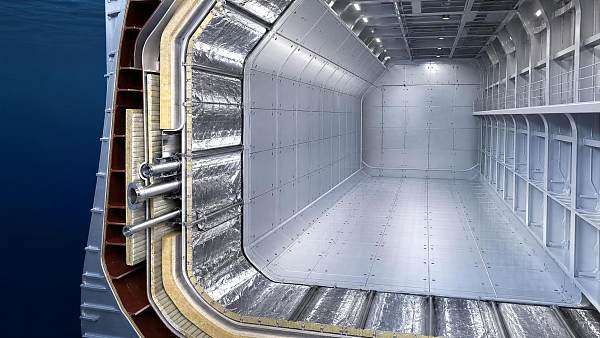
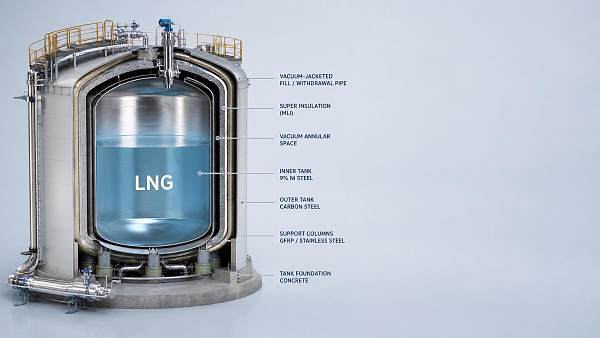
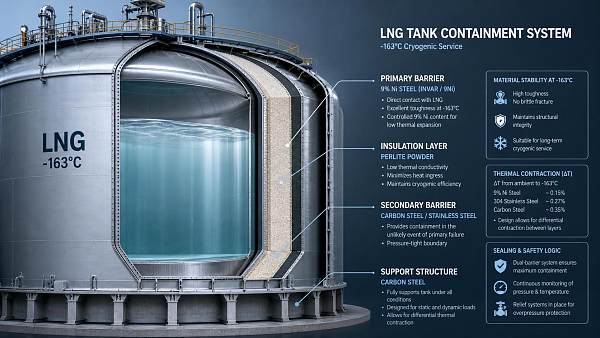
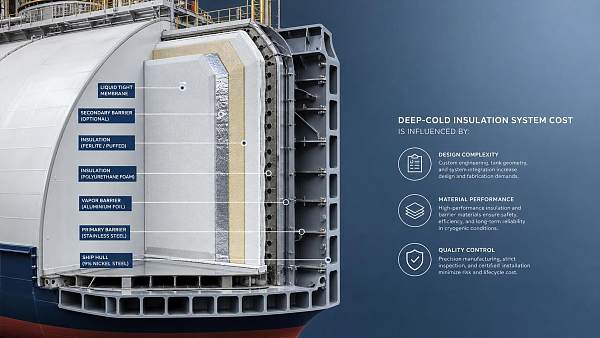
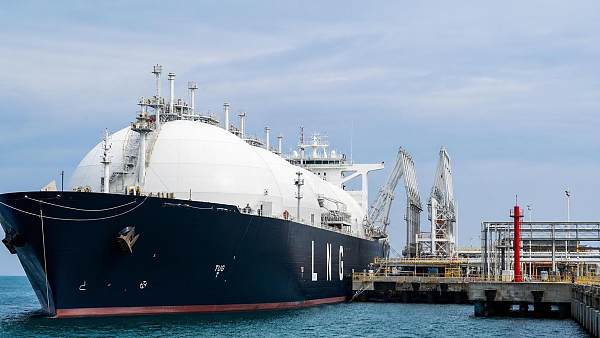
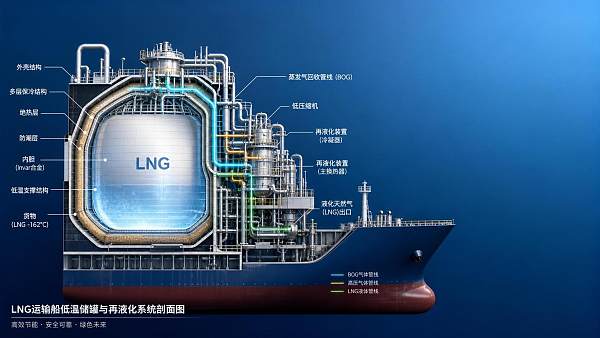
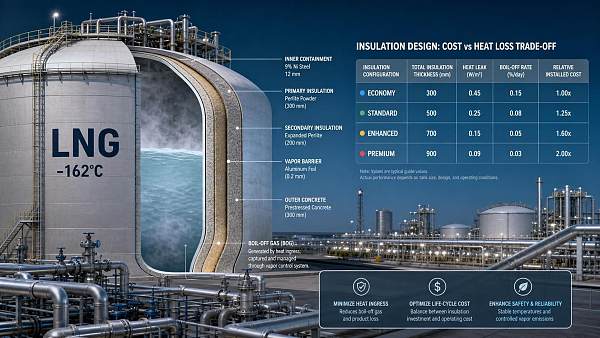
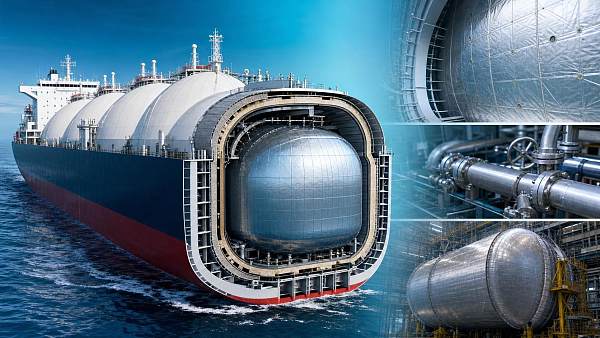
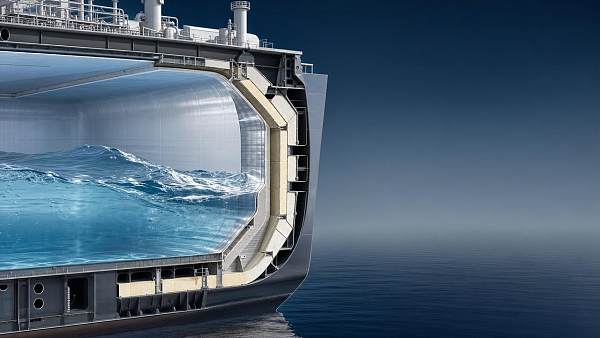
In LNG carriers, deep-cryogenic insulation operates inside one of the harshest marine environments in transportation. It must control heat ingress at around minus 163°C, limit boil-off gas, support containment geometry, and remain stable through loading cycles, sloshing, vibration, and ship motion.
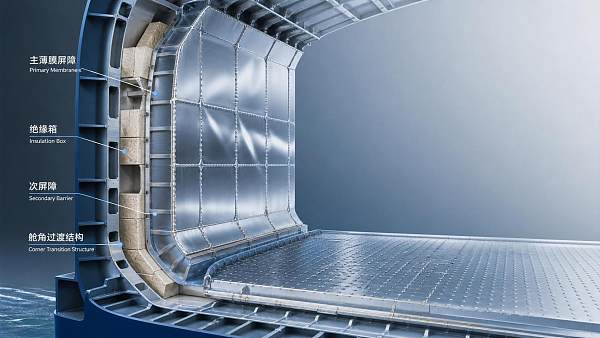
For a project manager, the issue is not only thermal performance. A localized weakness in insulation can cascade into membrane stress concentration, moisture intrusion, adhesion loss, secondary barrier degradation, inspection delays, and contractual disputes between yard, supplier, owner, and classification stakeholders.
This is why deep-cryogenic insulation should be managed as a containment integrity package rather than a standalone material purchase. GTOT follows this systems view closely, connecting cryogenic shipping engineering with procurement timing, compliance checkpoints, and operational reliability expectations across global transport programs.
- Thermal failure raises boil-off rates, increasing fuel management complexity and possible operating penalties.
- Mechanical failure can damage insulation boxes, joints, or support interfaces, creating hidden defects that surface late.
- Quality control failure often leads to rework after installation, which is far more expensive than preventive verification.
- Documentation failure can delay approval by class, owner representatives, or insurers even when physical defects are limited.
What makes containment failure difficult to detect early?
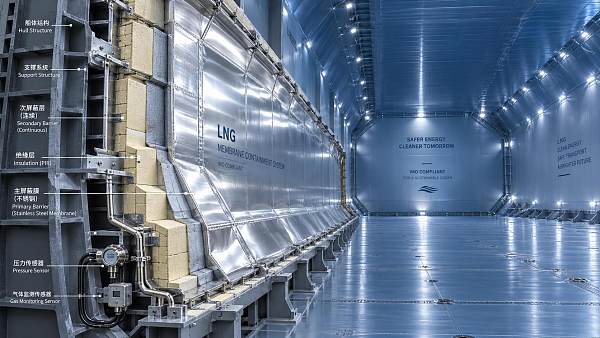
Many failure mechanisms develop behind finished assemblies. A panel may appear acceptable during routine visual checks while internal compression set, bond-line weakness, trapped humidity, or mismatch in thermal contraction is already reducing long-term reliability.
Because LNG programs combine shipyard production pressure with strict acceptance criteria, early-stage warning signals are often missed unless the project team tracks installation environment, batch consistency, interface tolerances, and inspection records in one decision framework.
Which key containment failures deserve the most attention?
Project teams usually focus on major visible damage, but the most costly failures often start with small deviations. The table below summarizes common deep-cryogenic insulation failure modes, their likely causes, and their project impact.
The key lesson is that deep-cryogenic insulation failure is rarely caused by one factor alone. It usually grows from the interaction of design assumptions, yard conditions, material handling, and inspection discipline. This is why containment reviews must cross engineering, QA, procurement, and site supervision functions.
Failure point 1: Thermal bridges at joints and penetrations
Joints, corners, penetrations, and transitions are frequent weak points. Even when core insulation performance looks acceptable on paper, a poorly executed joint can create a thermal bridge that raises localized heat flux and changes the stress profile of nearby containment elements.
Project managers should ask whether the supplier’s detailing covers repetitive field conditions, not only ideal laboratory assembly. Repeated penetrations for instrumentation, supports, and access details are where installation variance often accumulates.
Failure point 2: Mechanical degradation under cyclic loading
Deep-cryogenic insulation in LNG carriers does more than slow heat transfer. It must tolerate repeated cool-down, warm-up, cargo motion, hull deformation, and vibration. Materials that perform well in static tests may behave differently under long-term cyclic loading or partial compression.
This matters in program planning because mechanical degradation may not trigger immediate failure. Instead, it progressively reduces containment margin, leading to warranty claims or operational restrictions after handover.
Failure point 3: Interface failure between insulation and barrier layers
Many containment issues originate at interfaces. Differences in thermal contraction, stiffness, or surface preparation can cause separation or micro-movement between layers. Once interface integrity weakens, the surrounding system becomes more vulnerable to leakage paths and local overstress.
What should project managers check during design and procurement?
Selecting deep-cryogenic insulation is not just a matter of thermal conductivity values. Procurement decisions must test whether the proposed system can survive real shipyard conditions, preserve containment reliability, and meet handover requirements without excessive rework.
The following evaluation matrix helps compare supplier proposals from a project management perspective rather than from a narrow materials perspective alone.
A strong procurement package turns thermal and mechanical requirements into executable site controls. GTOT’s sector intelligence is valuable here because selection risk often comes from supply chain variability, documentation gaps, and schedule pressure, not only from nominal product performance.
A practical procurement checklist
- Confirm service temperature range, expected boil-off assumptions, and compatibility with the chosen containment concept.
- Request installation procedure limits for ambient temperature, humidity, curing time, storage, and allowable handling damage.
- Check whether supplier quality records can be integrated into yard and owner documentation workflows.
- Review repair methodology in advance. Late agreement on repair acceptance often causes handover disputes.
- Assess lead time consistency for primary insulation, adhesives, sealing materials, and related accessories as one package.
How can teams reduce failure risk during construction and commissioning?
Construction control is where many deep-cryogenic insulation problems are either prevented or locked in. Good design can still fail if the yard cannot maintain environmental conditions, dimensional control, and inspection discipline at the workface.
Execution priorities on site
- Treat storage and handling as critical controls. Moisture pickup, impact damage, and packaging exposure can compromise deep-cryogenic insulation before installation starts.
- Lock environmental windows for adhesive application and cure. If site humidity or temperature drifts outside procedure, bond reliability becomes uncertain.
- Use hold points at joints, corners, penetrations, and repaired areas. These are the most failure-prone details and should not rely on final inspection alone.
- Control dimensional tolerance systematically. Small alignment errors across repeated panels can accumulate into large containment deviations.
- Link nonconformance reports to root-cause coding. Repeated defects often reveal procedural weakness rather than isolated operator mistakes.
Commissioning should also validate assumptions made during procurement. If cool-down behavior, boil-off trends, or inspection findings diverge from expected values, project teams should investigate whether insulation uniformity, interface integrity, or local repairs are contributing factors.
Which standards and compliance topics should not be overlooked?
Deep-cryogenic insulation decisions sit within a broader compliance landscape. Project teams commonly align work with classification society rules, the IGC Code framework for gas carriers, shipyard quality systems, and owner technical specifications. The exact approval route varies, but the principle is consistent: material selection alone is not enough; the full installed system must be demonstrably controlled.
The table below highlights major compliance themes that often affect schedule and acceptance.
For project leaders, compliance management is best treated as a front-loaded planning task. Waiting until final inspection to organize data usually creates avoidable pressure. GTOT’s intelligence-driven approach helps teams map technical requirements to approval timing, which is especially useful in cross-border programs with multiple stakeholders.
What are the most common misconceptions about deep-cryogenic insulation?
“Low thermal conductivity alone guarantees safe containment.”
It does not. Thermal conductivity is important, but containment reliability also depends on compression resistance, interface stability, joint execution, moisture control, and repeatable installation quality.
“If defects are minor, they can be repaired later without project impact.”
Minor visible defects can hide broader process problems. Delayed repair often means more access work, more inspection cycles, and more uncertainty about adjacent areas. In LNG projects, early intervention is usually cheaper and easier to defend.
“All approved materials behave the same in yard conditions.”
Approved use does not mean identical site robustness. Some solutions are more sensitive to humidity, curing discipline, storage exposure, or dimensional tolerances. That difference matters when schedule pressure is high.
FAQ: what do project managers ask most often?
How should we compare deep-cryogenic insulation suppliers beyond price?
Compare lifecycle risk, not unit cost only. Review cryogenic performance, cyclic durability, installation sensitivity, document traceability, repair method clarity, and supply continuity. A lower material price can become a higher project cost if the system is difficult to install or approve.
Which areas usually fail first in LNG containment insulation systems?
Joints, corners, penetrations, repaired zones, and interfaces between insulation and barrier layers are the most common weak points. These locations combine geometry complexity with high dependence on workmanship and environmental control.
What procurement documents are most useful for reducing failure risk?
The most useful documents include installation procedures, environmental limitations, inspection and test plans, repair acceptance criteria, batch traceability requirements, storage instructions, and interface responsibility matrices between supplier and yard.
Can schedule compression be managed without increasing containment risk?
Only if the compressed schedule protects critical quality windows. Deep-cryogenic insulation work should never bypass cure times, environmental checks, or hold-point inspections. Productivity gains are safer when they come from better sequencing, pre-fit control, and documentation readiness rather than from rushed installation.
Why choose GTOT when evaluating deep-cryogenic insulation risk?
GTOT supports project managers with a broader industrial lens than a single-material discussion. Our intelligence platform tracks the technical evolution of LNG carrier containment challenges while also understanding the wider land-sea transport ecosystem where reliability, safety, and asset efficiency must align.
For teams managing LNG carrier programs, we can help frame the right questions before failures become expensive. That includes support for parameter confirmation, solution comparison, procurement evaluation logic, compliance document focus, delivery timing risks, and technical communication with EPC, shipyard, or distribution partners.
- Clarify which deep-cryogenic insulation performance indicators matter most for your containment concept.
- Review supplier proposals against schedule risk, inspection burden, and lifecycle cost exposure.
- Assess documentation priorities for class review, owner approval, and handover readiness.
- Discuss customization scope, delivery lead-time constraints, and quotation alignment for multi-stakeholder projects.
If your team is preparing an LNG carrier build, retrofit, or technical tender, contact GTOT to discuss deep-cryogenic insulation selection, containment failure prevention, certification checkpoints, sample evaluation paths, and commercial-technical coordination before procurement decisions are locked in.
Recommended News
 Sep 28, 2026When is nickel steel containment needed for cryogenic storage?Nickel steel containment is essential when cryogenic tanks face brittle-fracture risk. Discover how temperature, loads, and tank design guide the right choice.
 Sep 11, 2026How membrane containment systems demonstrate compliance with IMO standardsMembrane containment systems IMO standards: discover how LNG carriers prove compliance through verified barriers, testing, monitoring, and traceable records.
 Sep 10, 2026How membrane and Moss containment systems differ for LNG carriersLNG cargo containment for carriers: compare membrane and Moss systems for capacity, BOG, safety, sloshing, lifecycle cost, and operational flexibility.
 Sep 03, 2026What drives membrane containment systems cost in LNG projects?Membrane containment systems cost depends on tank design, materials, labor, QA, and boil-off performance. Discover how to control LNG project risk and lifecycle costs.
 Aug 11, 2026How Vacuum Insulated Cryogenic Engineering Reduces Boil-Off and Heat LeakVacuum insulated cryogenic engineering cuts boil-off and heat leak by optimizing vacuum spaces, MLI, supports, and penetrations—discover what really improves LNG thermal performance.
 Aug 09, 2026What Determines Safe Cryogenic Containment Design in LNG Storage?Cryogenic containment design in LNG storage depends on materials, thermal stress, leak control, and BOG management. Discover what truly defines safe, code-compliant performance.
 Jul 29, 2026How to Evaluate a Cryogenic Tank Handling System for LNG Transfer SafetyCryogenic tank handling system evaluation for LNG transfer safety: learn how to assess pressure control, insulation, ESD response, and operational reliability before choosing a safer system.
 Jul 24, 2026Deep-Cryogenic Insulation Systems Cost: What Drives Total Project Spend?Deep-cryogenic insulation systems cost depends on design, materials, installation, QA, and boil-off performance. Learn what drives total project spend and compare bids with confidence.
 Jul 21, 2026LNG Carriers Class Approval: Key Rules and Compliance RisksLNG carriers class approval explained: key rules, major compliance risks, and practical steps to prevent delays, protect vessel readiness, and improve charter confidence.
 Jul 15, 2026Low Boil Off Insulation System Performance: What Reduces LNG Losses MostLow boil off insulation system performance explained: discover what cuts LNG losses most through smarter containment, installation quality, and BOG management.
 Jul 13, 2026Deep Cryogenic Insulation for LNG Tanks: Cost vs Heat LossDeep cryogenic insulation for LNG tanks impacts more than upfront cost. Learn how lower heat loss cuts BOG, improves efficiency, and strengthens lifecycle value.
 Jul 13, 2026Low Loss Cryogenic Handling: Key Factors for Safer TransferLow loss cryogenic handling starts with thermal control, pressure balance, and clean transfer. Learn the key factors that reduce boil-off, protect product integrity, and improve safer LNG and industrial operations.
 Jul 12, 2026LNG Vessel Fuel Storage: Main Safety Risks and FixesLNG vessel fuel storage safety starts with early risk detection. Learn the main hazards, warning signs, and practical fixes to reduce leaks, pressure instability, and onboard failures.
 Jul 09, 2026Membrane Cargo Tank vs Moss Type: Which Fits Modern LNG FleetsMembrane cargo tank vs Moss type: compare LNG fleet capacity, boil-off strategy, maintenance, and asset value to choose the best-fit design for modern shipping returns.
 Jul 08, 2026Membrane Containment Systems: Key Failure Risks in LNG Tank DesignMembrane containment systems are central to LNG tank safety. Explore key failure risks, from insulation degradation to sloshing and secondary barrier issues, and learn what to check early.
 Jul 06, 2026How to Compare a Cryogenic Shipping Systems Manufacturer for Long-Haul LNG ProjectsCryogenic shipping systems manufacturer selection can make or break long-haul LNG projects. Compare boil-off control, compliance, engineering support, and lifecycle value.
 Jul 02, 2026Cryogenic Shipping Safety: Common Failure Risks and FixesCryogenic shipping safety starts with finding hidden failure risks early. Learn the main causes, practical fixes, and audit gaps that help protect LNG cargo, cut incidents, and improve control.
 Jul 02, 2026LNG Carriers Dimensions Explained for Terminal PlanningLNG carriers dimensions explained for smarter terminal planning. Learn how vessel size affects berth design, draft limits, mooring, and future fleet compatibility.
 Jun 30, 2026LNG Carrier Containment Technology Explained: Membrane vs Moss SystemsLNG carrier containment technology explained clearly: compare membrane vs Moss systems, key trade-offs, cargo efficiency, sloshing risk, and what drives smarter LNG vessel decisions.
 Jun 30, 2026Vacuum Deep Cryogenic Insulation: Key Failure Risks and How to Prevent ThemVacuum deep cryogenic insulation failure can raise boil-off, safety, and compliance risks. Learn key warning signs, root causes, and practical prevention steps to protect LNG operations.
 Jun 28, 2026Deep-Cryogenic Insulation Cost: What Drives Budget Changes in LNG ProjectsDeep-cryogenic insulation cost in LNG projects depends on materials, containment design, labor, compliance, and shipyard execution. Learn what drives budget changes and how to control risk.
 Jun 25, 2026Cryogenic Shipping Solutions: Key Risks, Costs, and Containment ChoicesCryogenic shipping solutions: compare key risks, lifecycle costs, and membrane vs. Moss containment to avoid hidden losses and choose safer, more efficient LNG transport.
 Jun 15, 2026Cryogenic Engineering Basics: Key Design Factors for Containment SafetyCryogenic engineering basics explained: discover the key design factors behind safer LNG and low-temperature containment, from materials and thermal stress to boil-off control and monitoring.
 Jun 11, 2026Membrane Containment Systems: Key Failure Risks and Design ChecksMembrane containment systems demand rigorous design checks. Explore key failure risks, from sloshing stress to insulation aging, and learn how to improve LNG vessel safety and compliance.