Search News
Industry Portal
Popular Tags
Cryogenic Shipping Safety: Common Failure Risks and Fixes
Author
Time
Click Count
Why does cryogenic shipping safety fail even in compliant operations?
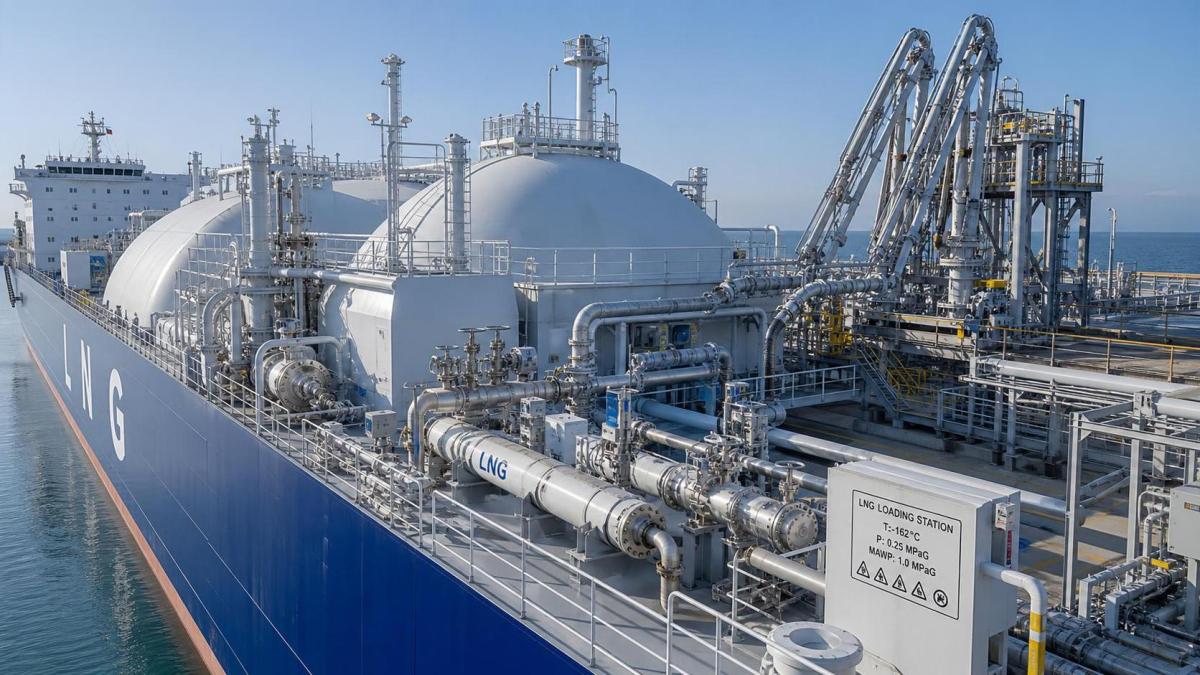
Cryogenic shipping safety usually breaks down before a formal violation appears. The visible incident often starts as a small control gap.
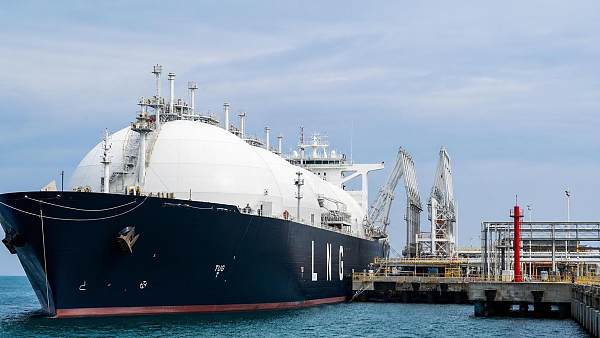
In LNG logistics and other low-temperature cargo movements, the real challenge is continuity. Tank design, loading discipline, routing, sensor reliability, and emergency readiness must stay aligned.
That is why cryogenic shipping safety matters far beyond paperwork. It protects cargo value, preserves containment integrity, and limits escalation when conditions drift.
Across GTOT’s land-sea intelligence view, this pattern looks familiar. Railway signal systems, braking systems, and LNG carriers all depend on high-integrity control under unforgiving conditions.
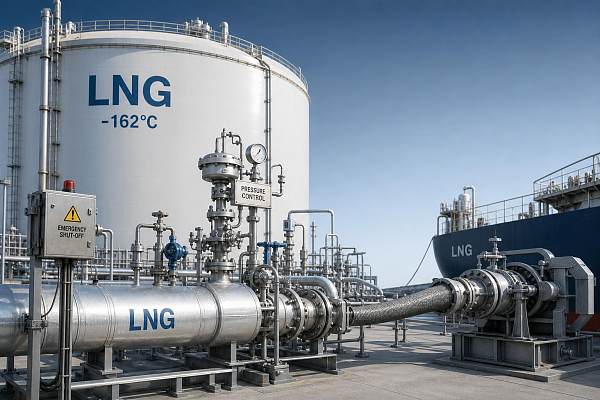
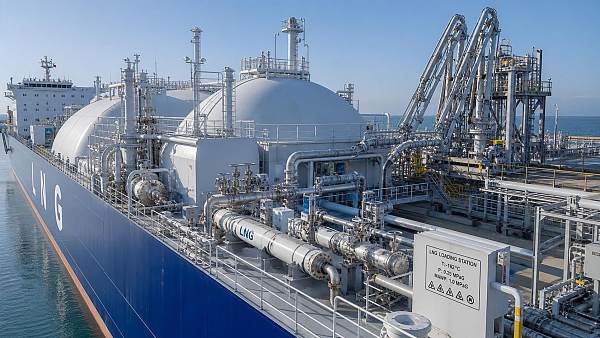
In practice, the most common failures come from transitions. Handover between terminal and vessel, cooldown before loading, and maintenance after prior voyages are typical weak points.
So when people ask about cryogenic shipping safety, they are usually asking a sharper question: where do failures begin, and what fixes actually hold up in real transport chains?
Which failure risks cause the most trouble in cryogenic shipments?
The highest-risk issues are rarely exotic. Most repeat events come from temperature shock, insulation weakness, pressure mismanagement, poor valve condition, and inconsistent operating steps.
Temperature shock is a common starting point. If pipelines, manifolds, or containment surfaces cool too quickly, stress can build before operators notice abnormal readings.
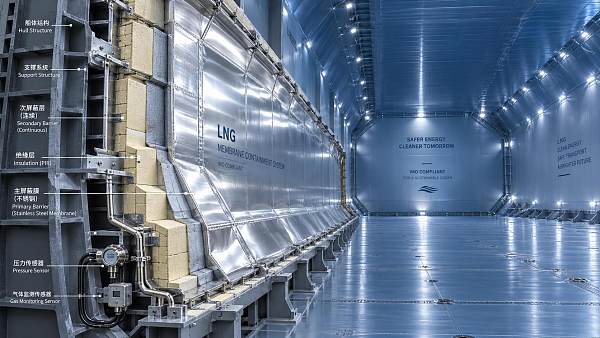
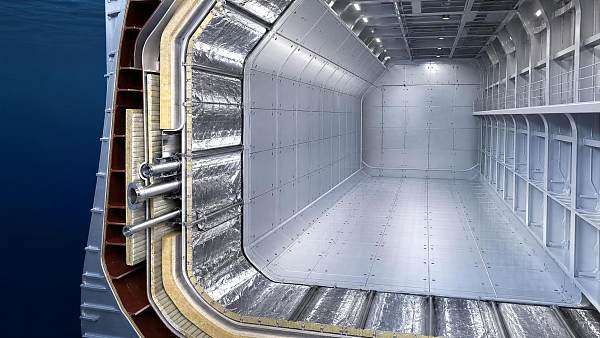
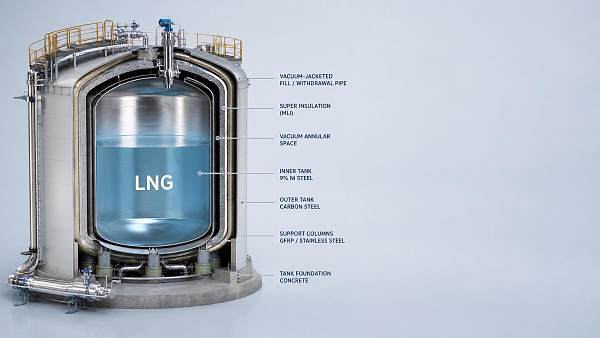
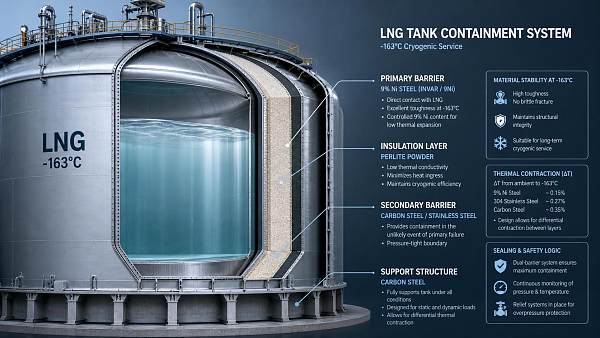
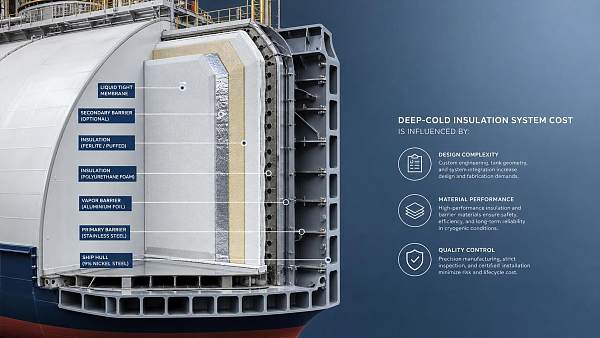
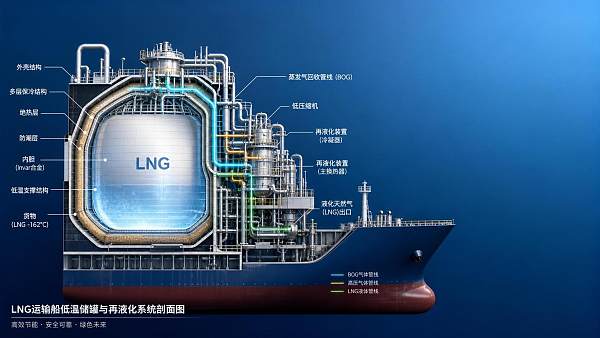
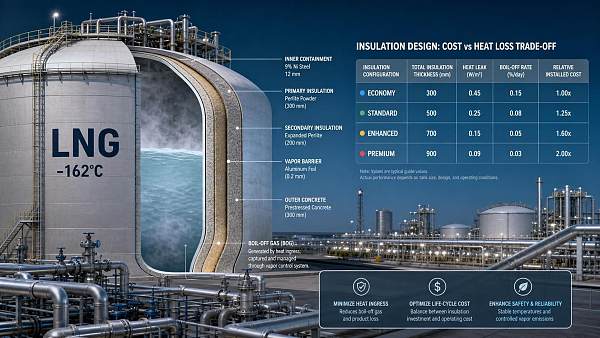
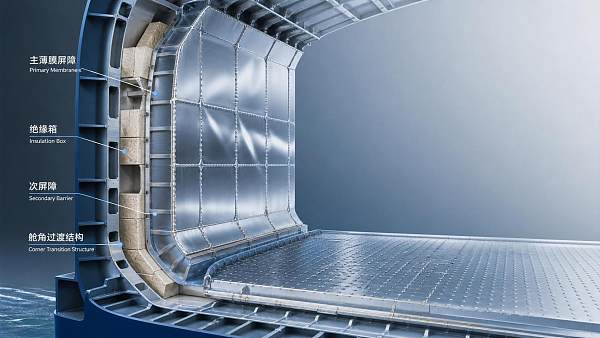
Insulation degradation is another major concern. A minor vacuum loss, damaged secondary barrier, or moisture ingress can increase boil-off gas and reduce thermal stability.
Pressure control failures often follow human timing errors. Delayed venting decisions, unstable boil-off management, or poor coordination with propulsion demand can push systems into unsafe margins.
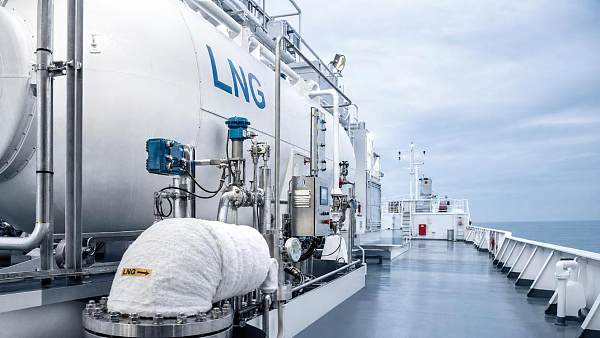
Valve and seal performance also deserves close attention. Materials that perform well in normal service may become brittle, leak-prone, or slow to respond at cryogenic temperatures.
More subtle problems involve instrumentation. A drifting temperature sensor or unreliable level measurement can mislead the entire control sequence.
The table below helps separate common warning signs from likely root causes and practical fixes.
How can you tell whether the risk is design-related or process-related?
This is one of the most useful questions in cryogenic shipping safety. Fixes fail when teams treat every incident as operator error or every deviation as equipment failure.
A design-related issue usually repeats under similar thermal or pressure conditions. It may appear across voyages even with experienced crews and stable weather windows.
Examples include undersized relief arrangements, poor insulation geometry, unsuitable seal materials, or sensor locations that miss fast-changing process zones.
A process-related issue is more likely to vary by terminal, crew, shift, or handover quality. Records often show inconsistent cooldown timing, checklist gaps, or communication delays.
A practical judgment method is to compare three layers together: equipment history, operating sequence, and environmental context. Looking at only one layer usually leads to the wrong corrective action.
- If the same deviation appears after component replacement, review the process first.
- If multiple crews report the same abnormal trend, review the design envelope first.
- If the issue appears only at one transfer node, inspect interface controls and handover rules.
This approach mirrors other high-dependability sectors. In rail signaling or traction control, stable hardware still fails operationally when interface logic is weak. Cryogenic shipping safety works the same way.
What fixes improve cryogenic shipping safety fastest?
The fastest gains usually come from procedural tightening, not large capital projects. Small controls at the right point in the chain often remove disproportionate risk.
Start with cooldown discipline. Define hold points, acceptable temperature gradients, and mandatory confirmation steps before cargo transfer ramps up.
Next, tighten instrument validation. Critical readings should be cross-checked instead of trusted in isolation, especially level, pressure, valve position, and boil-off behavior.
Maintenance planning also needs a cryogenic lens. Standard intervals may be too broad for seals, actuators, and insulation interfaces exposed to repeated thermal cycling.
Another effective fix is structured handover control. Terminal teams, vessel crews, and service contractors should use one aligned abnormal-condition trigger list.
Where digital monitoring is available, trend-based alarms are more useful than simple threshold alarms. They detect drift earlier and reduce false confidence.
For many operators, the best short-term upgrade path looks like this:
- Revalidate cooldown and warm-up procedures against actual vessel behavior.
- Map every component exposed to extreme thermal cycling.
- Link inspection findings to voyage data, not only calendar schedules.
- Run tabletop drills for transfer interruption, leak suspicion, and pressure upset.
These are operationally realistic steps. They support cryogenic shipping safety without waiting for a fleetwide retrofit program.
Where do audits miss real-world cryogenic shipping safety gaps?
Audits often confirm document completeness while missing performance drift. That gap is especially dangerous in low-temperature logistics because systems can appear normal until the margin is gone.
One blind spot is overreliance on pass-fail inspections. A component may still pass while trending toward slower response or reduced sealing reliability.
Another blind spot is fragmented ownership. Cargo systems, propulsion demand, terminal timing, and emergency actions may sit under different teams with weak coordination rules.
It is also common to audit equipment in isolation from voyage profile. Yet route duration, ambient exposure, sea state, and transfer frequency can all reshape cryogenic shipping safety risk.
A stronger review model asks whether evidence proves control under disturbance, not just under normal service. That distinction matters.
GTOT’s broader transport perspective reinforces this point. High-speed rail braking and LNG containment both demand proof of safe behavior during transitions, not only static compliance snapshots.
How should the next improvement cycle be planned?
A useful cryogenic shipping safety plan starts with ranking failure modes by consequence, detectability, and recovery time. That gives better direction than ranking by frequency alone.
Then review the transport chain as one system. Loading, voyage management, discharge, maintenance, and emergency response should share the same risk language.
The most practical roadmap usually includes four checks:
- Confirm whether recent near-misses came from design limits or execution drift.
- Identify which readings are trusted without independent verification.
- Compare maintenance intervals with actual thermal cycling severity.
- Check whether emergency drills reflect current cargo profiles and routes.
Cryogenic shipping safety improves when evidence from operations, engineering, and incident learning is stitched together. That is also where GTOT’s cross-sector intelligence lens is useful.
The immediate next step is straightforward: review one recent transfer sequence end to end, match it against equipment condition data, and flag any point where containment margin depended on assumption rather than proof.
That kind of review creates actionable priorities. It also turns cryogenic shipping safety from a compliance topic into a controlled reliability discipline.
Recommended News
 Sep 28, 2026When is nickel steel containment needed for cryogenic storage?Nickel steel containment is essential when cryogenic tanks face brittle-fracture risk. Discover how temperature, loads, and tank design guide the right choice.
 Sep 11, 2026How membrane containment systems demonstrate compliance with IMO standardsMembrane containment systems IMO standards: discover how LNG carriers prove compliance through verified barriers, testing, monitoring, and traceable records.
 Sep 10, 2026How membrane and Moss containment systems differ for LNG carriersLNG cargo containment for carriers: compare membrane and Moss systems for capacity, BOG, safety, sloshing, lifecycle cost, and operational flexibility.
 Sep 03, 2026What drives membrane containment systems cost in LNG projects?Membrane containment systems cost depends on tank design, materials, labor, QA, and boil-off performance. Discover how to control LNG project risk and lifecycle costs.
 Aug 11, 2026How Vacuum Insulated Cryogenic Engineering Reduces Boil-Off and Heat LeakVacuum insulated cryogenic engineering cuts boil-off and heat leak by optimizing vacuum spaces, MLI, supports, and penetrations—discover what really improves LNG thermal performance.
 Aug 09, 2026What Determines Safe Cryogenic Containment Design in LNG Storage?Cryogenic containment design in LNG storage depends on materials, thermal stress, leak control, and BOG management. Discover what truly defines safe, code-compliant performance.
 Jul 29, 2026How to Evaluate a Cryogenic Tank Handling System for LNG Transfer SafetyCryogenic tank handling system evaluation for LNG transfer safety: learn how to assess pressure control, insulation, ESD response, and operational reliability before choosing a safer system.
 Jul 24, 2026Deep-Cryogenic Insulation Systems Cost: What Drives Total Project Spend?Deep-cryogenic insulation systems cost depends on design, materials, installation, QA, and boil-off performance. Learn what drives total project spend and compare bids with confidence.
 Jul 21, 2026LNG Carriers Class Approval: Key Rules and Compliance RisksLNG carriers class approval explained: key rules, major compliance risks, and practical steps to prevent delays, protect vessel readiness, and improve charter confidence.
 Jul 15, 2026Low Boil Off Insulation System Performance: What Reduces LNG Losses MostLow boil off insulation system performance explained: discover what cuts LNG losses most through smarter containment, installation quality, and BOG management.
 Jul 13, 2026Deep Cryogenic Insulation for LNG Tanks: Cost vs Heat LossDeep cryogenic insulation for LNG tanks impacts more than upfront cost. Learn how lower heat loss cuts BOG, improves efficiency, and strengthens lifecycle value.
 Jul 13, 2026Low Loss Cryogenic Handling: Key Factors for Safer TransferLow loss cryogenic handling starts with thermal control, pressure balance, and clean transfer. Learn the key factors that reduce boil-off, protect product integrity, and improve safer LNG and industrial operations.
 Jul 12, 2026LNG Vessel Fuel Storage: Main Safety Risks and FixesLNG vessel fuel storage safety starts with early risk detection. Learn the main hazards, warning signs, and practical fixes to reduce leaks, pressure instability, and onboard failures.
 Jul 09, 2026Membrane Cargo Tank vs Moss Type: Which Fits Modern LNG FleetsMembrane cargo tank vs Moss type: compare LNG fleet capacity, boil-off strategy, maintenance, and asset value to choose the best-fit design for modern shipping returns.
 Jul 08, 2026Membrane Containment Systems: Key Failure Risks in LNG Tank DesignMembrane containment systems are central to LNG tank safety. Explore key failure risks, from insulation degradation to sloshing and secondary barrier issues, and learn what to check early.
 Jul 06, 2026How to Compare a Cryogenic Shipping Systems Manufacturer for Long-Haul LNG ProjectsCryogenic shipping systems manufacturer selection can make or break long-haul LNG projects. Compare boil-off control, compliance, engineering support, and lifecycle value.
 Jul 02, 2026Cryogenic Shipping Safety: Common Failure Risks and FixesCryogenic shipping safety starts with finding hidden failure risks early. Learn the main causes, practical fixes, and audit gaps that help protect LNG cargo, cut incidents, and improve control.
 Jul 02, 2026LNG Carriers Dimensions Explained for Terminal PlanningLNG carriers dimensions explained for smarter terminal planning. Learn how vessel size affects berth design, draft limits, mooring, and future fleet compatibility.
 Jun 30, 2026LNG Carrier Containment Technology Explained: Membrane vs Moss SystemsLNG carrier containment technology explained clearly: compare membrane vs Moss systems, key trade-offs, cargo efficiency, sloshing risk, and what drives smarter LNG vessel decisions.
 Jun 30, 2026Vacuum Deep Cryogenic Insulation: Key Failure Risks and How to Prevent ThemVacuum deep cryogenic insulation failure can raise boil-off, safety, and compliance risks. Learn key warning signs, root causes, and practical prevention steps to protect LNG operations.
 Jun 28, 2026Deep-Cryogenic Insulation Cost: What Drives Budget Changes in LNG ProjectsDeep-cryogenic insulation cost in LNG projects depends on materials, containment design, labor, compliance, and shipyard execution. Learn what drives budget changes and how to control risk.
 Jun 25, 2026Cryogenic Shipping Solutions: Key Risks, Costs, and Containment ChoicesCryogenic shipping solutions: compare key risks, lifecycle costs, and membrane vs. Moss containment to avoid hidden losses and choose safer, more efficient LNG transport.
 Jun 15, 2026Cryogenic Engineering Basics: Key Design Factors for Containment SafetyCryogenic engineering basics explained: discover the key design factors behind safer LNG and low-temperature containment, from materials and thermal stress to boil-off control and monitoring.
 Jun 11, 2026Membrane Containment Systems: Key Failure Risks and Design ChecksMembrane containment systems demand rigorous design checks. Explore key failure risks, from sloshing stress to insulation aging, and learn how to improve LNG vessel safety and compliance.