



Search News
Industry Portal
Popular Tags
Deep-Cryogenic Insulation Cost: What Drives Budget Changes in LNG Projects
Author
Time
Click Count
Deep-cryogenic insulation cost can shift sharply over the life of an LNG project, affecting CAPEX planning, delivery schedules, and long-term operating reliability. For project managers and engineering leaders, understanding what drives these budget changes—from material selection and containment design to labor, compliance, and shipyard execution—is essential for controlling risk and protecting project value.
Why does deep-cryogenic insulation cost change so much in LNG projects?
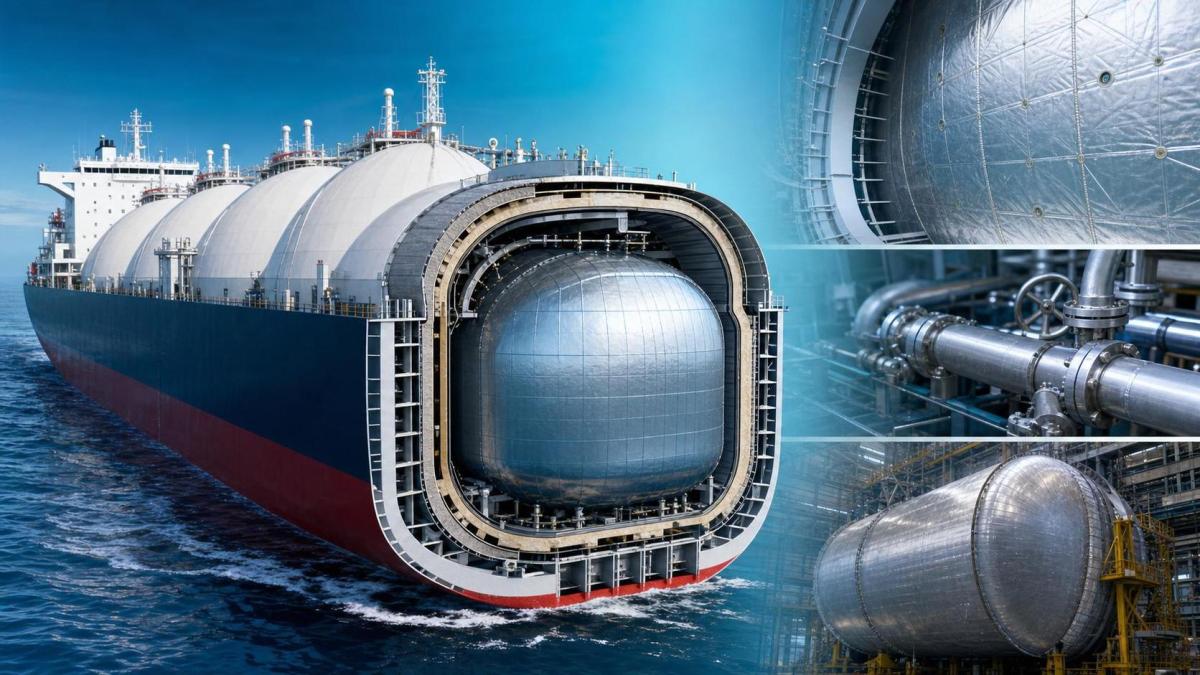
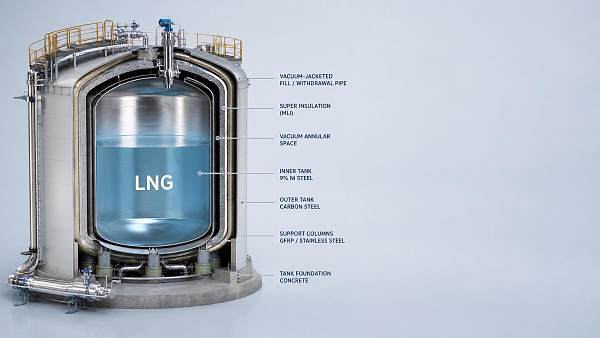
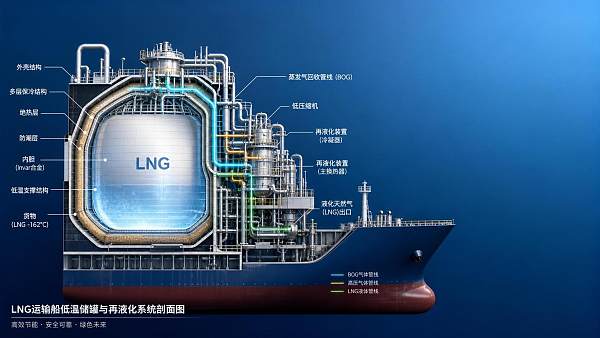
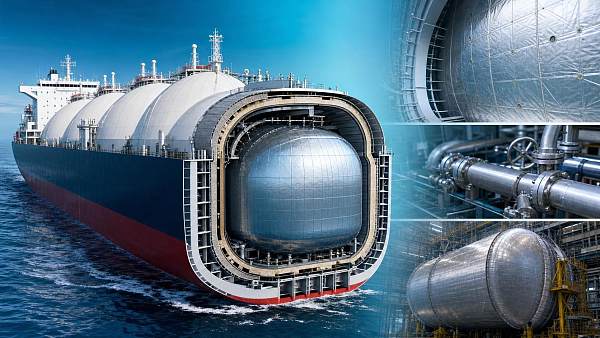
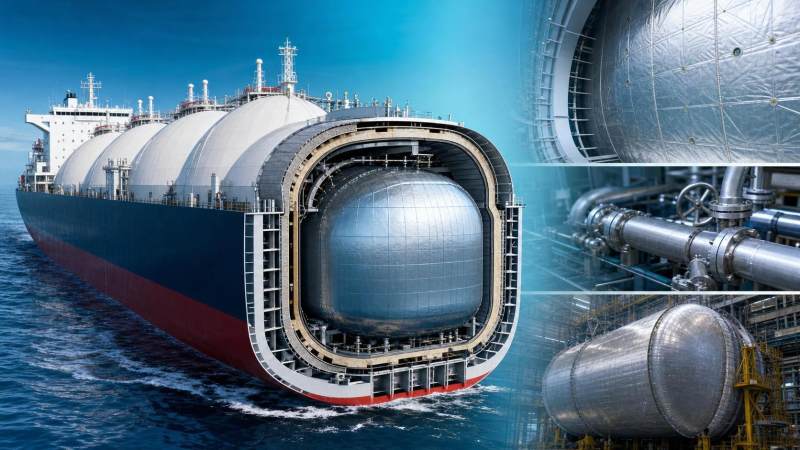
In LNG carriers and related cryogenic systems, insulation is not a minor accessory. It directly affects boil-off gas management, cargo containment integrity, fuel efficiency, and lifecycle maintenance exposure. That is why deep-cryogenic insulation cost often moves faster than many early project budgets expect.
For project managers, the real challenge is not only the initial material price. Budget variation usually comes from the interaction of engineering complexity, yard capability, quality control, schedule pressure, and compliance requirements. A low unit price can still become a high installed cost if rework, delay, or performance deviation occurs.
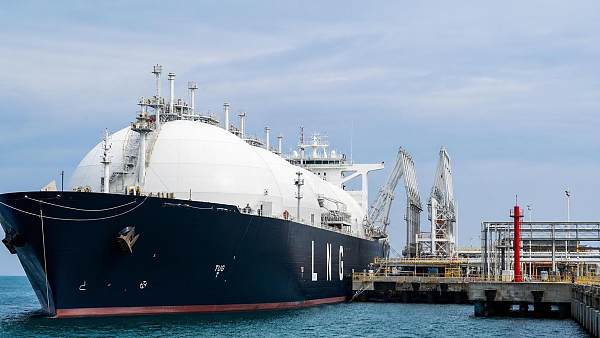
In GTOT’s land-sea intelligence framework, LNG carriers are treated as strategic energy assets rather than isolated vessels. That perspective matters because insulation decisions are tied to broader supply chain reliability, shipbuilding cycles, and technical tender competitiveness.
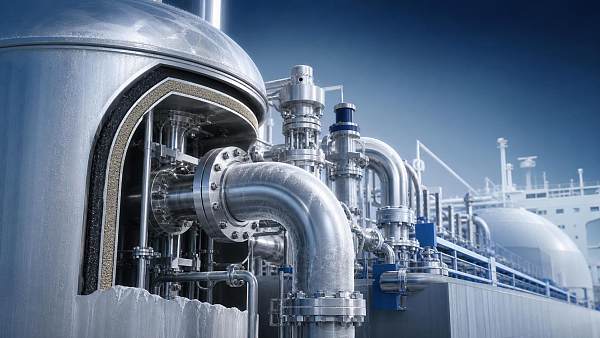
- Material volatility can change baseline procurement assumptions in a short period, especially for specialized foams, perlite-based systems, secondary barrier materials, and bonded assemblies.
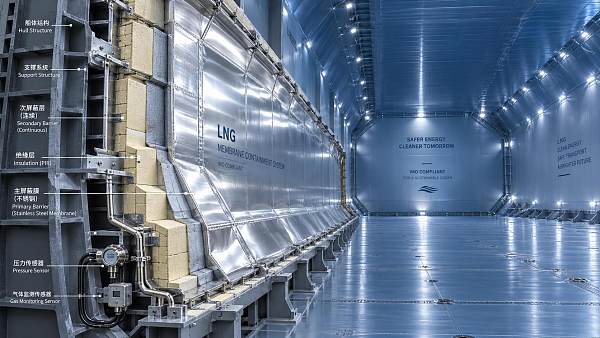
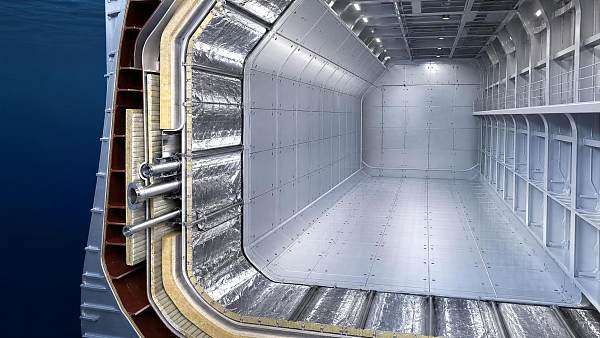
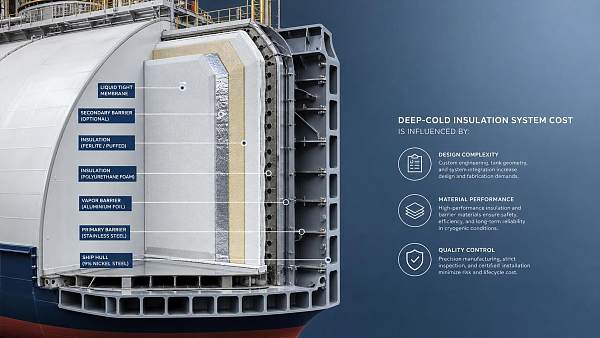
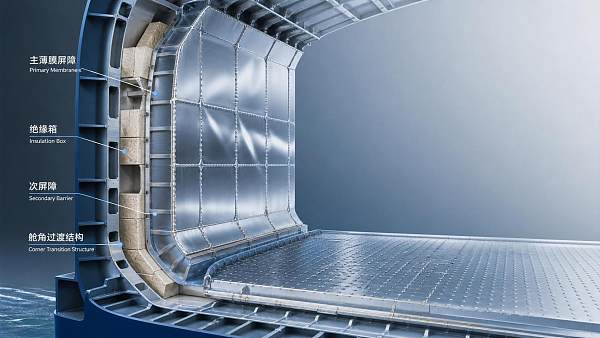
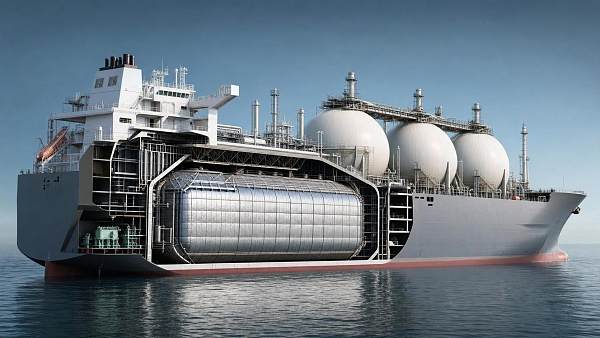
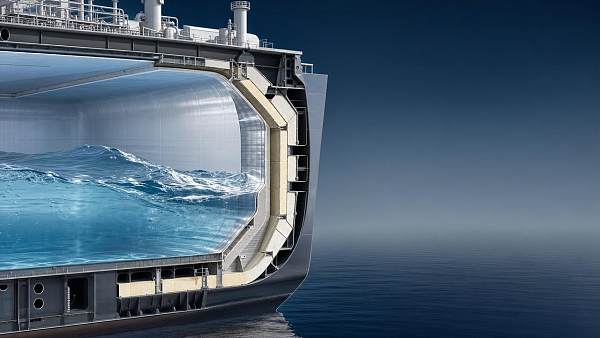
- Containment system design has a multiplier effect. More complex geometry, tighter tolerances, and higher inspection demands increase both labor hours and quality assurance cost.
- Execution risk at the shipyard can convert a stable estimate into an unstable final account through installation inefficiency, access constraints, and corrective work.
Which cost drivers matter most before procurement starts?
Before RFQ release, teams should separate direct insulation cost from total delivered insulation cost. That second number includes engineering adaptation, logistics, storage conditions, installation tooling, inspection, and interface management with the containment system and hull structure.
The table below helps project leaders identify the main levers behind deep-cryogenic insulation cost in LNG projects and where budget drift usually begins.
A recurring mistake is to benchmark only material quotations. In practice, containment compatibility and yard execution discipline usually decide whether the deep-cryogenic insulation cost remains manageable or escalates during installation.
Material specification is more than a price line
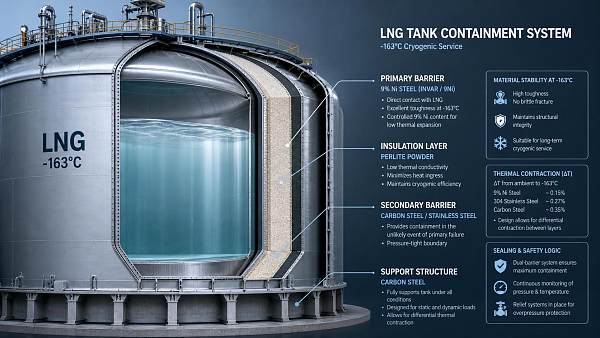
At minus 163 degrees Celsius, material behavior must be judged under operational conditions, not just datasheet claims. Thermal conductivity, compressive strength, dimensional stability, vapor resistance, bonding behavior, and fire-related requirements all influence value.
If a cheaper option requires thicker build-up, more support treatment, or tighter handling controls, the total installed cost may rise rather than fall. This is especially relevant when procurement is separated from construction planning.
Geometry and interfaces create hidden budget pressure
Large flat areas are rarely the main issue. Budget expansion usually appears around pump towers, corners, penetrations, edge transitions, and tie-ins with membrane or independent tank systems. These areas consume more labor, more cutting time, and more inspection effort.
How do design choices affect deep-cryogenic insulation cost over the project lifecycle?
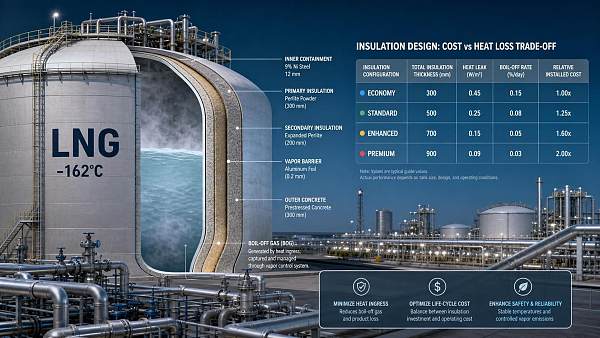
Design-stage decisions do not only define CAPEX. They also influence commissioning risk, boil-off behavior, dry-docking exposure, and long-term repairability. Project leaders should therefore judge insulation strategy on lifecycle economics, not upfront spend alone.
The next comparison table highlights how different decision layers affect cost, schedule, and operational consequences in LNG applications.
This comparison does not mean the most expensive route is always the right one. It means project teams should identify where spending creates control. In LNG projects, controlled cost is usually better than cheap uncertainty.
Lifecycle cost often outweighs purchase price
A small increase in insulation package cost may be justified if it reduces heat ingress, stabilizes cargo temperature management, or lowers future repair complexity. This is particularly relevant for vessels with demanding routes, variable loading cycles, or tight charter performance expectations.
For EPC and owner teams, the financial effect is broader than insulation itself. Delays in cargo system readiness can affect commissioning windows, handover timing, and revenue start.
What should project managers check during supplier evaluation and tender review?
The best procurement outcomes come from structured evaluation, not only aggressive bidding. When reviewing vendors or insulation packages, project managers need a shortlist of questions tied to technical suitability and delivery realism.
A practical evaluation checklist
- Confirm the intended operating profile: cargo type, containment architecture, route conditions, and maintenance philosophy all affect the right insulation choice.
- Review whether quoted quantities include waste factors, geometry losses, edge treatment, adhesive systems, vapor barriers, and accessories.
- Ask how installation will be supported at yard level, including training, manuals, mock-up requirements, and inspection points.
- Check documentation readiness for classification review, material traceability, and acceptance records.
- Assess supply chain resilience for specialized components, especially where batch consistency and storage conditions are critical.
Deep-cryogenic insulation cost rises sharply when these issues are left unresolved until fabrication starts. Front-end clarification usually costs less than downstream correction.
Warning signs in low bids
- The quotation is materially lower but lacks detail on interface treatment, testing scope, or installation assumptions.
- Lead time looks attractive, yet critical raw material sourcing or conversion capacity is not clearly explained.
- Performance statements are broad, while acceptance criteria, tolerances, or repair procedures are vague.
How do standards, compliance, and shipyard execution influence budget risk?
Compliance is rarely the largest line item, but it can trigger major indirect cost. LNG systems operate under strict technical scrutiny, and insulation performance is connected to containment safety, thermal behavior, and marine approval pathways.
Project teams typically need to coordinate design basis, class requirements, documented procedures, and inspection evidence. Depending on vessel type and contract structure, references may include IGC Code expectations, classification society rules, and recognized testing protocols for cryogenic service materials.
Execution at the shipyard is equally decisive. Even approved materials can underperform if storage is poor, moisture control is weak, bonding conditions are unstable, or sequence conflicts force rushed work.
Common execution risks that inflate deep-cryogenic insulation cost
- Late design changes after prefabrication starts, causing scrap, re-cutting, and approval repetition.
- Inadequate environmental control during installation, which may compromise bonding or dimensional stability.
- Insufficient coordination between containment specialists, hull teams, and quality inspectors.
- Missing hold points that allow defects to remain hidden until a later and more expensive stage.
GTOT’s strategic value lies in connecting these technical and commercial signals early. For engineering leaders, that means better visibility into where insulation cost is likely to move before variation orders appear.
FAQ: practical questions about deep-cryogenic insulation cost
How early should deep-cryogenic insulation cost be locked into the budget?
It should be stress-tested during early engineering, not just inserted as a standard allowance. Once containment interfaces, material systems, and yard methods are defined, estimates become much more reliable. Waiting until detailed procurement often leaves too little room for cost-neutral design adjustment.
What usually causes the biggest gap between estimate and final cost?
The largest gaps often come from underestimated labor intensity, geometry-related waste, late design change, and incomplete scope definition in the tender package. Material inflation matters, but execution inefficiency often causes the more painful overruns.
Is the lowest thermal conductivity option always the best choice?
No. Better thermal performance can be valuable, but selection must also consider compressive behavior, compatibility with the containment system, inspection demands, repair strategy, and total installed cost. The best option is the one that balances performance with practical execution.
What should EPC contractors ask suppliers before award?
Ask for a full scope breakdown, not just a unit rate. Clarify accessory items, installation assumptions, storage conditions, inspection support, lead times for critical subcomponents, and procedures for non-conformance handling. These details reduce change-order exposure later.
Why project teams use GTOT when evaluating LNG insulation decisions
GTOT supports decision-makers who work where high-performance transport systems meet strict reliability demands. In LNG carrier projects, that means translating cryogenic engineering issues into procurement logic, market timing awareness, and bid-stage technical credibility.
Our intelligence approach helps teams compare solution paths, identify cost-sensitive interfaces, and understand how deep-cryogenic insulation cost is shaped by design detail, shipbuilding cycles, and execution reality. This is especially useful for distributors, EPC contractors, and project owners navigating technically restricted tenders.
What you can discuss with us
- Parameter confirmation for LNG containment-related insulation decisions and interface assumptions.
- Product and solution selection support based on project profile, yard capability, and compliance pathway.
- Delivery cycle discussion, supply risk review, and tender-stage commercial insight.
- Custom evaluation frameworks for certification expectations, documentation planning, and quotation comparison.
- Budget communication support focused on total installed cost, not headline material price alone.
If your LNG project is facing specification uncertainty, bid comparison difficulty, or unexpected movement in deep-cryogenic insulation cost, contact GTOT to review the technical assumptions behind the number. A better question at the start often prevents a more expensive correction later.
Recommended News
 Sep 28, 2026When is nickel steel containment needed for cryogenic storage?Nickel steel containment is essential when cryogenic tanks face brittle-fracture risk. Discover how temperature, loads, and tank design guide the right choice.
 Sep 11, 2026How membrane containment systems demonstrate compliance with IMO standardsMembrane containment systems IMO standards: discover how LNG carriers prove compliance through verified barriers, testing, monitoring, and traceable records.
 Sep 10, 2026How membrane and Moss containment systems differ for LNG carriersLNG cargo containment for carriers: compare membrane and Moss systems for capacity, BOG, safety, sloshing, lifecycle cost, and operational flexibility.
 Sep 03, 2026What drives membrane containment systems cost in LNG projects?Membrane containment systems cost depends on tank design, materials, labor, QA, and boil-off performance. Discover how to control LNG project risk and lifecycle costs.
 Aug 11, 2026How Vacuum Insulated Cryogenic Engineering Reduces Boil-Off and Heat LeakVacuum insulated cryogenic engineering cuts boil-off and heat leak by optimizing vacuum spaces, MLI, supports, and penetrations—discover what really improves LNG thermal performance.
 Aug 09, 2026What Determines Safe Cryogenic Containment Design in LNG Storage?Cryogenic containment design in LNG storage depends on materials, thermal stress, leak control, and BOG management. Discover what truly defines safe, code-compliant performance.
 Jul 29, 2026How to Evaluate a Cryogenic Tank Handling System for LNG Transfer SafetyCryogenic tank handling system evaluation for LNG transfer safety: learn how to assess pressure control, insulation, ESD response, and operational reliability before choosing a safer system.
 Jul 24, 2026Deep-Cryogenic Insulation Systems Cost: What Drives Total Project Spend?Deep-cryogenic insulation systems cost depends on design, materials, installation, QA, and boil-off performance. Learn what drives total project spend and compare bids with confidence.
 Jul 21, 2026LNG Carriers Class Approval: Key Rules and Compliance RisksLNG carriers class approval explained: key rules, major compliance risks, and practical steps to prevent delays, protect vessel readiness, and improve charter confidence.
 Jul 15, 2026Low Boil Off Insulation System Performance: What Reduces LNG Losses MostLow boil off insulation system performance explained: discover what cuts LNG losses most through smarter containment, installation quality, and BOG management.
 Jul 13, 2026Deep Cryogenic Insulation for LNG Tanks: Cost vs Heat LossDeep cryogenic insulation for LNG tanks impacts more than upfront cost. Learn how lower heat loss cuts BOG, improves efficiency, and strengthens lifecycle value.
 Jul 13, 2026Low Loss Cryogenic Handling: Key Factors for Safer TransferLow loss cryogenic handling starts with thermal control, pressure balance, and clean transfer. Learn the key factors that reduce boil-off, protect product integrity, and improve safer LNG and industrial operations.
 Jul 12, 2026LNG Vessel Fuel Storage: Main Safety Risks and FixesLNG vessel fuel storage safety starts with early risk detection. Learn the main hazards, warning signs, and practical fixes to reduce leaks, pressure instability, and onboard failures.
 Jul 09, 2026Membrane Cargo Tank vs Moss Type: Which Fits Modern LNG FleetsMembrane cargo tank vs Moss type: compare LNG fleet capacity, boil-off strategy, maintenance, and asset value to choose the best-fit design for modern shipping returns.
 Jul 08, 2026Membrane Containment Systems: Key Failure Risks in LNG Tank DesignMembrane containment systems are central to LNG tank safety. Explore key failure risks, from insulation degradation to sloshing and secondary barrier issues, and learn what to check early.
 Jul 06, 2026How to Compare a Cryogenic Shipping Systems Manufacturer for Long-Haul LNG ProjectsCryogenic shipping systems manufacturer selection can make or break long-haul LNG projects. Compare boil-off control, compliance, engineering support, and lifecycle value.
 Jul 02, 2026Cryogenic Shipping Safety: Common Failure Risks and FixesCryogenic shipping safety starts with finding hidden failure risks early. Learn the main causes, practical fixes, and audit gaps that help protect LNG cargo, cut incidents, and improve control.
 Jul 02, 2026LNG Carriers Dimensions Explained for Terminal PlanningLNG carriers dimensions explained for smarter terminal planning. Learn how vessel size affects berth design, draft limits, mooring, and future fleet compatibility.
 Jun 30, 2026LNG Carrier Containment Technology Explained: Membrane vs Moss SystemsLNG carrier containment technology explained clearly: compare membrane vs Moss systems, key trade-offs, cargo efficiency, sloshing risk, and what drives smarter LNG vessel decisions.
 Jun 30, 2026Vacuum Deep Cryogenic Insulation: Key Failure Risks and How to Prevent ThemVacuum deep cryogenic insulation failure can raise boil-off, safety, and compliance risks. Learn key warning signs, root causes, and practical prevention steps to protect LNG operations.
 Jun 28, 2026Deep-Cryogenic Insulation Cost: What Drives Budget Changes in LNG ProjectsDeep-cryogenic insulation cost in LNG projects depends on materials, containment design, labor, compliance, and shipyard execution. Learn what drives budget changes and how to control risk.
 Jun 25, 2026Cryogenic Shipping Solutions: Key Risks, Costs, and Containment ChoicesCryogenic shipping solutions: compare key risks, lifecycle costs, and membrane vs. Moss containment to avoid hidden losses and choose safer, more efficient LNG transport.
 Jun 15, 2026Cryogenic Engineering Basics: Key Design Factors for Containment SafetyCryogenic engineering basics explained: discover the key design factors behind safer LNG and low-temperature containment, from materials and thermal stress to boil-off control and monitoring.
 Jun 11, 2026Membrane Containment Systems: Key Failure Risks and Design ChecksMembrane containment systems demand rigorous design checks. Explore key failure risks, from sloshing stress to insulation aging, and learn how to improve LNG vessel safety and compliance.