



Search News
Industry Portal
Popular Tags
Deep-Cryogenic Insulation: Common Design Mistakes to Avoid
Author
Time
Click Count
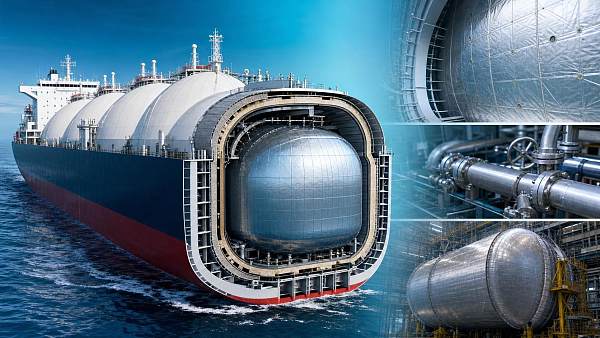
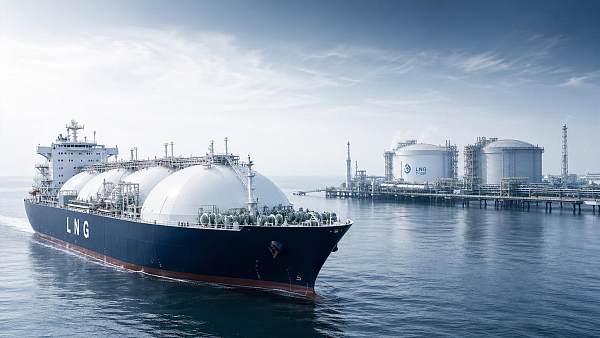
In LNG carriers and other ultra-low-temperature systems, deep-cryogenic insulation now sits at the center of safety, efficiency, and asset longevity.
For transport infrastructure and marine engineering, small insulation errors can trigger boil-off losses, structural stress, inspection delays, and lifetime cost escalation.
As vessel intelligence, emissions pressure, and reliability expectations rise, deep-cryogenic insulation design is no longer a narrow materials decision.
It has become a strategic engineering discipline that connects containment integrity, digital monitoring, energy efficiency, and schedule confidence across global supply chains.
Why deep-cryogenic insulation mistakes are becoming more visible
The operating environment for deep-cryogenic insulation is changing quickly across LNG shipping, terminal equipment, offshore transfer systems, and specialized transport assets.
Projects now combine tighter fuel efficiency targets with stricter classification rules, faster construction cycles, and greater demand for data-backed performance verification.
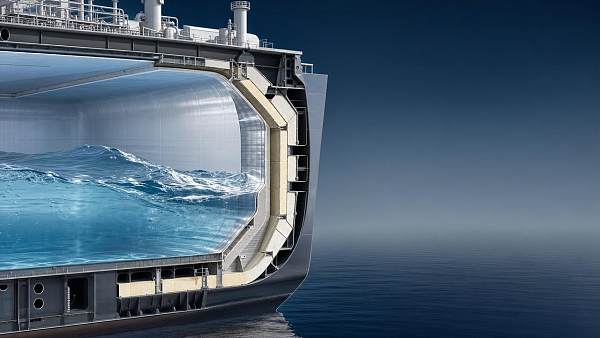
At the same time, larger membrane tanks, mixed material interfaces, and digital control integration expose weaknesses that older insulation assumptions often overlooked.
This is why common deep-cryogenic insulation design mistakes appear more frequently during commissioning, sea trials, or early service years.
The strongest trend signals point to design-stage failures, not material-stage failures
Most serious deep-cryogenic insulation problems do not begin with a single defective product.
They begin with incomplete thermal modeling, poor interface control, underdefined tolerances, or unrealistic installation assumptions.
The market is shifting from “good insulation material” toward “validated insulation system behavior.”
Five common deep-cryogenic insulation design mistakes that still undermine reliability
1. Treating thermal performance as a steady-state issue only
A frequent mistake is designing deep-cryogenic insulation around static laboratory values instead of real operational cycles.
Cooldown, partial loading, sloshing, maintenance warm-up, and ambient swings all change system behavior.
Ignoring transient conditions can produce local cold spots, uneven stress, and higher-than-expected energy loss.
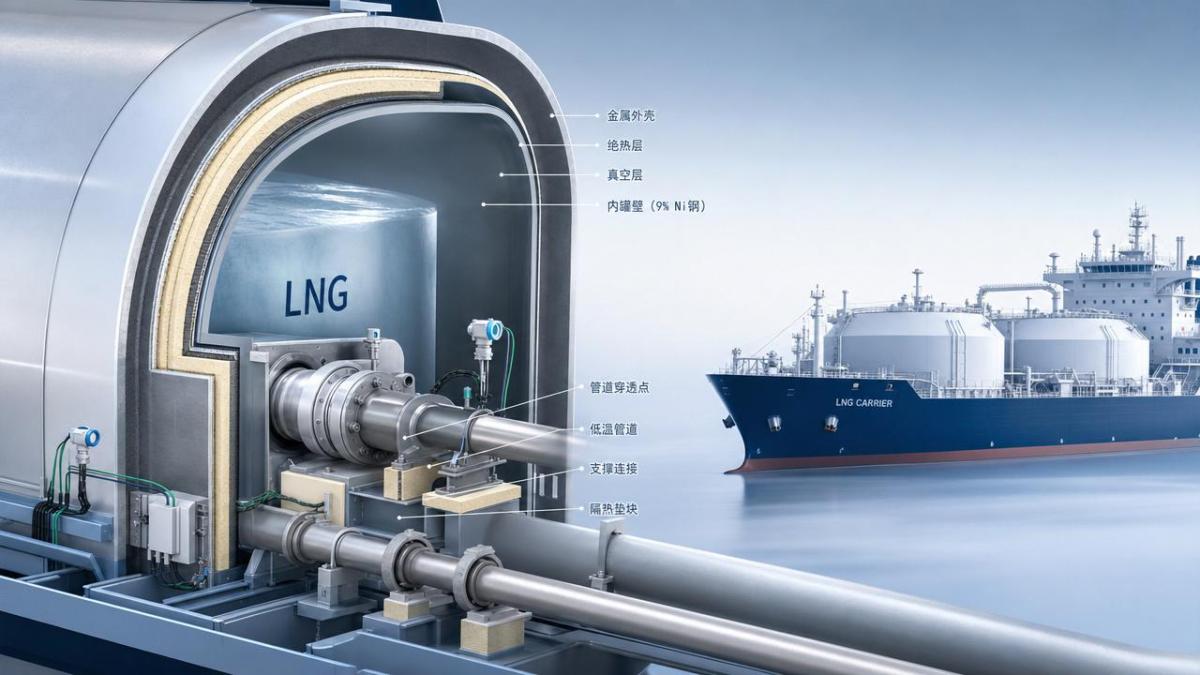
2. Overlooking thermal bridges at supports, penetrations, and joints
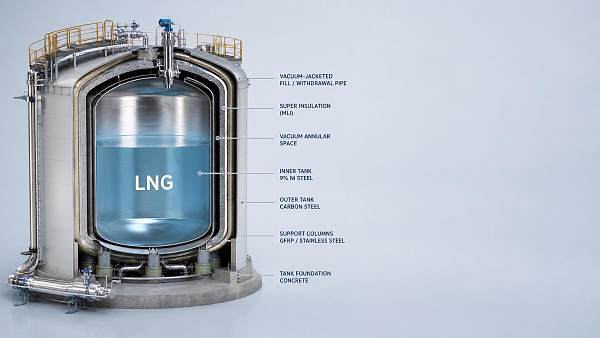
Deep-cryogenic insulation often performs well in panels but poorly at details.
Pipe penetrations, anchor points, corners, instrumentation feedthroughs, and structural supports create concentrated heat paths.
When these areas are simplified in drawings, the entire insulation system may underperform despite premium materials.
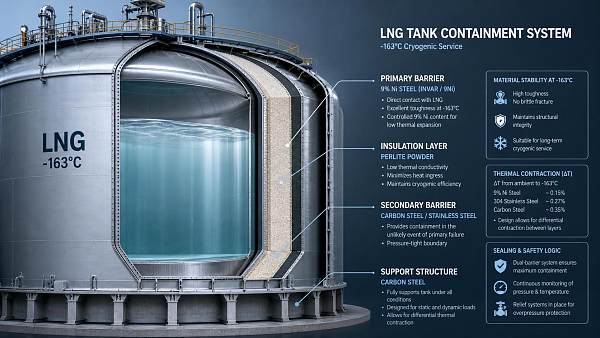
3. Misjudging contraction compatibility between materials
At minus 163 degrees Celsius, differential contraction becomes a design-defining factor.
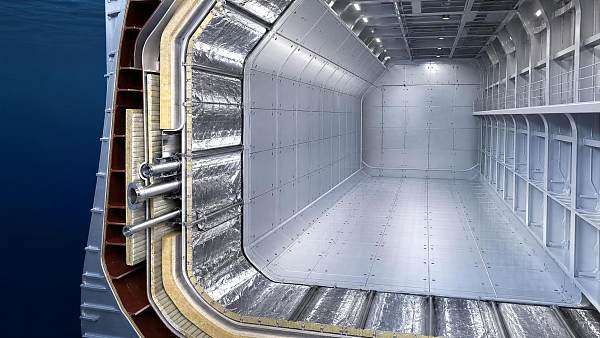
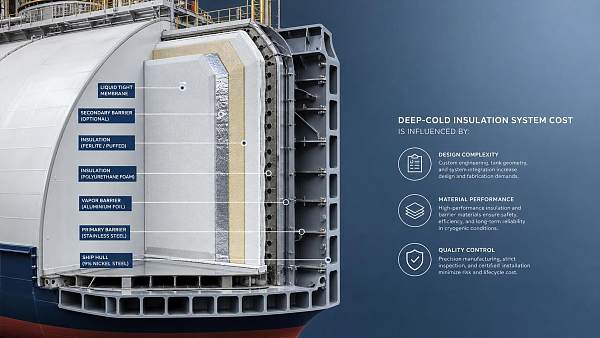
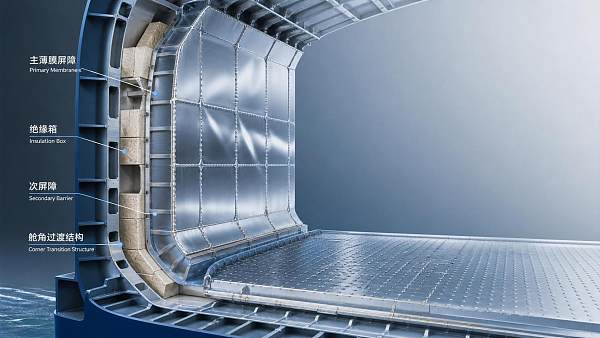
If insulation, adhesive, secondary barrier, substrate, and fastening elements move differently, cracks or debonding may appear.
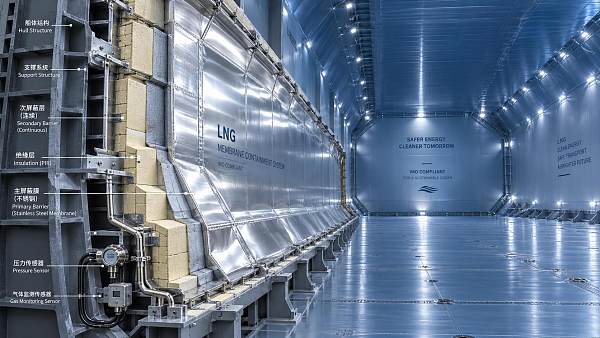
This mistake is especially dangerous in membrane containment systems and retrofit applications.
4. Designing without realistic moisture and vapor management
Moisture ingress is not only an ambient weather problem.
It can enter during fabrication, transport, storage, maintenance, or imperfect sealing.
Deep-cryogenic insulation loses predictability when trapped moisture freezes, expands, or drives hidden degradation.
5. Separating design intent from inspection and installation reality
Some designs assume perfect fit, perfect bonding, and perfect field conditions.
That assumption rarely survives shipyard pace, offshore logistics, or complex assembly sequences.
If deep-cryogenic insulation cannot be inspected, repaired, or verified practically, lifecycle performance becomes uncertain.
What is driving these errors across marine and transport equipment projects
Several forces explain why deep-cryogenic insulation mistakes persist, even in technically advanced programs.
- Design teams are often split across containment, structure, piping, and controls, reducing interface visibility.
- Shorter project windows encourage standard detail reuse where site conditions actually differ.
- Qualification data may not fully represent vibration, cycling, or field assembly conditions.
- Cost pressure can shift attention toward material price, not system-level performance.
- Digital monitoring reveals weak insulation zones that older projects simply never measured.
For intelligence-led sectors such as LNG shipping and advanced transport infrastructure, this trend matters because performance deviations are increasingly traceable.
How poor deep-cryogenic insulation design affects operations, compliance, and asset value
The impact extends far beyond heat leakage.
In LNG carriers, weak deep-cryogenic insulation can influence boil-off management, cargo stability, maintenance intervals, and commercial availability.
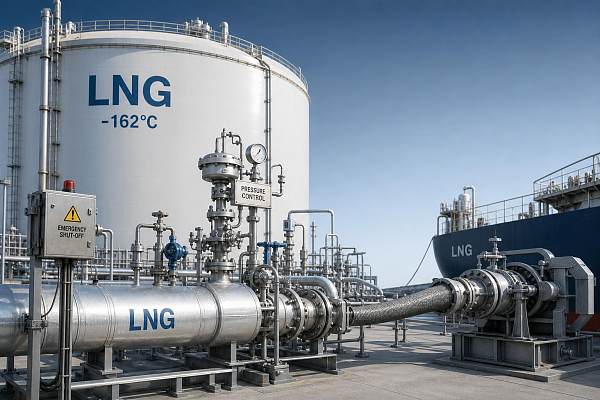
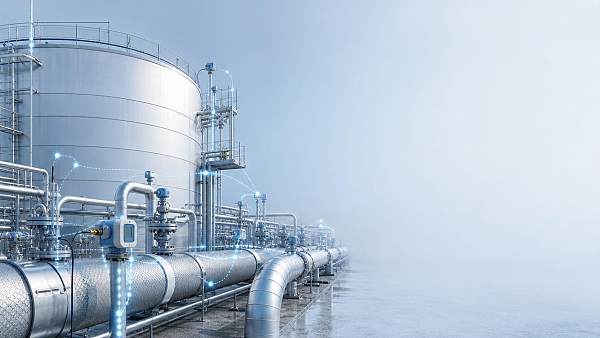
In terminals and supporting transport systems, it can disrupt transfer reliability and increase risk during thermal cycling.
The most important points to watch before finalizing a deep-cryogenic insulation concept
- Model transient thermal behavior, not just steady-state conductivity.
- Map every likely thermal bridge and assign mitigation details early.
- Validate contraction compatibility across all bonded and restrained interfaces.
- Define moisture control from storage through operation.
- Design for inspection access, repair logic, and measurable acceptance criteria.
- Use installation tolerances that reflect real fabrication capability.
- Link sensor planning with insulation risk zones for ongoing condition insight.
A more resilient response starts with integrated verification
The best response to deep-cryogenic insulation risk is not adding thicker layers by default.
It is building a verification path that connects design assumptions to fabrication, testing, monitoring, and service conditions.
- Review operating scenarios, including non-routine thermal events.
- Perform interface-focused design reviews across disciplines.
- Test representative assemblies, not isolated material coupons only.
- Create field inspection checkpoints tied to critical insulation details.
- Feed operational data back into future deep-cryogenic insulation updates.
This approach aligns with broader industry movement toward data-informed asset reliability in both maritime and land-sea transport systems.
Where the next competitive advantage will come from
Deep-cryogenic insulation is becoming a differentiator in technically restricted bids and long-life equipment evaluation.
Programs that document insulation logic clearly, verify details rigorously, and monitor thermal performance intelligently will hold stronger technical credibility.
That matters for LNG carriers, smart vessels, and connected transport assets where reliability now influences commercial competitiveness as much as core equipment capability.
A practical next step is to audit one active or planned system against the five mistakes above.
If any detail depends on assumptions rather than validated behavior, deep-cryogenic insulation deserves immediate design review before that risk hardens into cost.
Recommended News
 Sep 28, 2026When is nickel steel containment needed for cryogenic storage?Nickel steel containment is essential when cryogenic tanks face brittle-fracture risk. Discover how temperature, loads, and tank design guide the right choice.
 Sep 11, 2026How membrane containment systems demonstrate compliance with IMO standardsMembrane containment systems IMO standards: discover how LNG carriers prove compliance through verified barriers, testing, monitoring, and traceable records.
 Sep 10, 2026How membrane and Moss containment systems differ for LNG carriersLNG cargo containment for carriers: compare membrane and Moss systems for capacity, BOG, safety, sloshing, lifecycle cost, and operational flexibility.
 Sep 03, 2026What drives membrane containment systems cost in LNG projects?Membrane containment systems cost depends on tank design, materials, labor, QA, and boil-off performance. Discover how to control LNG project risk and lifecycle costs.
 Aug 11, 2026How Vacuum Insulated Cryogenic Engineering Reduces Boil-Off and Heat LeakVacuum insulated cryogenic engineering cuts boil-off and heat leak by optimizing vacuum spaces, MLI, supports, and penetrations—discover what really improves LNG thermal performance.
 Aug 09, 2026What Determines Safe Cryogenic Containment Design in LNG Storage?Cryogenic containment design in LNG storage depends on materials, thermal stress, leak control, and BOG management. Discover what truly defines safe, code-compliant performance.
 Jul 29, 2026How to Evaluate a Cryogenic Tank Handling System for LNG Transfer SafetyCryogenic tank handling system evaluation for LNG transfer safety: learn how to assess pressure control, insulation, ESD response, and operational reliability before choosing a safer system.
 Jul 24, 2026Deep-Cryogenic Insulation Systems Cost: What Drives Total Project Spend?Deep-cryogenic insulation systems cost depends on design, materials, installation, QA, and boil-off performance. Learn what drives total project spend and compare bids with confidence.
 Jul 21, 2026LNG Carriers Class Approval: Key Rules and Compliance RisksLNG carriers class approval explained: key rules, major compliance risks, and practical steps to prevent delays, protect vessel readiness, and improve charter confidence.
 Jul 15, 2026Low Boil Off Insulation System Performance: What Reduces LNG Losses MostLow boil off insulation system performance explained: discover what cuts LNG losses most through smarter containment, installation quality, and BOG management.
 Jul 13, 2026Deep Cryogenic Insulation for LNG Tanks: Cost vs Heat LossDeep cryogenic insulation for LNG tanks impacts more than upfront cost. Learn how lower heat loss cuts BOG, improves efficiency, and strengthens lifecycle value.
 Jul 13, 2026Low Loss Cryogenic Handling: Key Factors for Safer TransferLow loss cryogenic handling starts with thermal control, pressure balance, and clean transfer. Learn the key factors that reduce boil-off, protect product integrity, and improve safer LNG and industrial operations.
 Jul 12, 2026LNG Vessel Fuel Storage: Main Safety Risks and FixesLNG vessel fuel storage safety starts with early risk detection. Learn the main hazards, warning signs, and practical fixes to reduce leaks, pressure instability, and onboard failures.
 Jul 09, 2026Membrane Cargo Tank vs Moss Type: Which Fits Modern LNG FleetsMembrane cargo tank vs Moss type: compare LNG fleet capacity, boil-off strategy, maintenance, and asset value to choose the best-fit design for modern shipping returns.
 Jul 08, 2026Membrane Containment Systems: Key Failure Risks in LNG Tank DesignMembrane containment systems are central to LNG tank safety. Explore key failure risks, from insulation degradation to sloshing and secondary barrier issues, and learn what to check early.
 Jul 06, 2026How to Compare a Cryogenic Shipping Systems Manufacturer for Long-Haul LNG ProjectsCryogenic shipping systems manufacturer selection can make or break long-haul LNG projects. Compare boil-off control, compliance, engineering support, and lifecycle value.
 Jul 02, 2026Cryogenic Shipping Safety: Common Failure Risks and FixesCryogenic shipping safety starts with finding hidden failure risks early. Learn the main causes, practical fixes, and audit gaps that help protect LNG cargo, cut incidents, and improve control.
 Jul 02, 2026LNG Carriers Dimensions Explained for Terminal PlanningLNG carriers dimensions explained for smarter terminal planning. Learn how vessel size affects berth design, draft limits, mooring, and future fleet compatibility.
 Jun 30, 2026LNG Carrier Containment Technology Explained: Membrane vs Moss SystemsLNG carrier containment technology explained clearly: compare membrane vs Moss systems, key trade-offs, cargo efficiency, sloshing risk, and what drives smarter LNG vessel decisions.
 Jun 30, 2026Vacuum Deep Cryogenic Insulation: Key Failure Risks and How to Prevent ThemVacuum deep cryogenic insulation failure can raise boil-off, safety, and compliance risks. Learn key warning signs, root causes, and practical prevention steps to protect LNG operations.
 Jun 28, 2026Deep-Cryogenic Insulation Cost: What Drives Budget Changes in LNG ProjectsDeep-cryogenic insulation cost in LNG projects depends on materials, containment design, labor, compliance, and shipyard execution. Learn what drives budget changes and how to control risk.
 Jun 25, 2026Cryogenic Shipping Solutions: Key Risks, Costs, and Containment ChoicesCryogenic shipping solutions: compare key risks, lifecycle costs, and membrane vs. Moss containment to avoid hidden losses and choose safer, more efficient LNG transport.
 Jun 15, 2026Cryogenic Engineering Basics: Key Design Factors for Containment SafetyCryogenic engineering basics explained: discover the key design factors behind safer LNG and low-temperature containment, from materials and thermal stress to boil-off control and monitoring.
 Jun 11, 2026Membrane Containment Systems: Key Failure Risks and Design ChecksMembrane containment systems demand rigorous design checks. Explore key failure risks, from sloshing stress to insulation aging, and learn how to improve LNG vessel safety and compliance.